
Reviewed · WALKING TOURS
Durban: Local Markets and Culture Guided Walking Tour
Durban’s most revealing sights are not behind museum glass. They are in the Warwick markets, where traders sell spices, food, crafts, and traditional medicines, and where a guide who knows the stallholders can explain what you are seeing. Johnny leads this tour with a personal feel, adding history, politics, food, and local customs as you move through the city.
I like the two-part design: you get real market time, then a taste of daily transport by local minibus taxi. I also like the finish, a proper bunny chow lunch on the beachfront. The main consideration is pace. You will walk about 8,000 steps, ride public transport, handle crowded market spaces, and may spend longer than five hours if the day develops its own rhythm.
Key points to know before booking
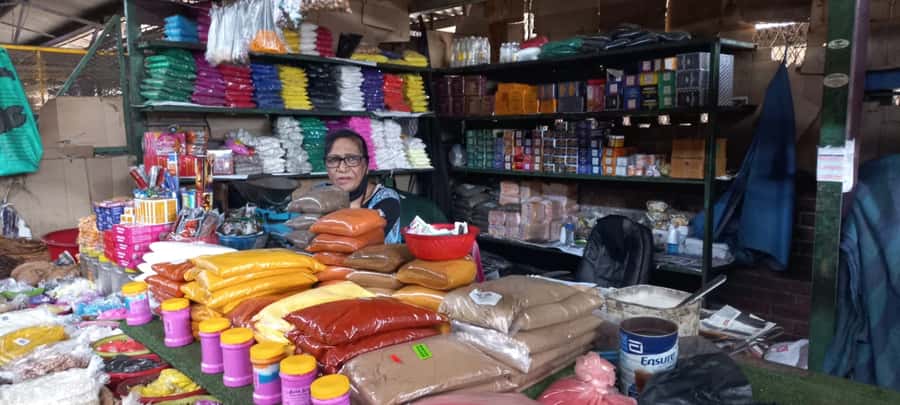
- Warwick’s many markets in one morning: Visit the early morning, bridge, Indian, African, traditional medicine, and Victoria Street markets.
- Johnny’s local connections: His long experience and friendly standing with traders help you feel more at ease in places you might not visit alone.
- A real minibus-taxi ride: Local combis are part of the experience, not a private transfer arranged for tourists.
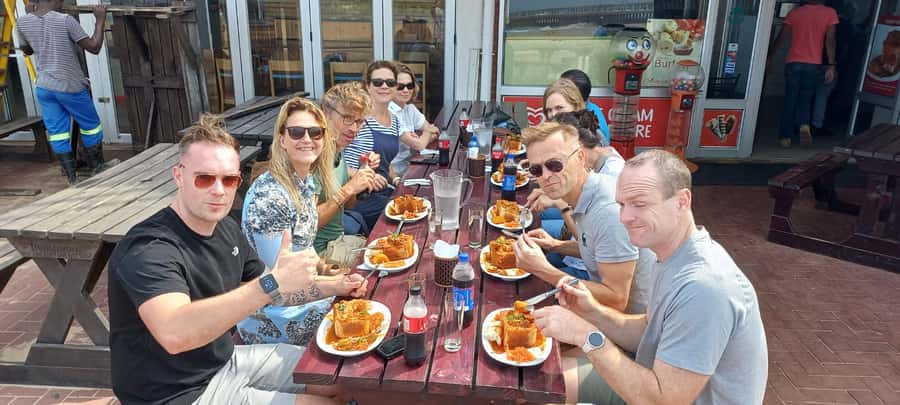
- Bunny chow at North Beach: Lunch includes Durban’s famous bread loaf filled with meat, but beverages are extra.
- Slow walking, active day: Plan for around 8,000 steps, sun, heat, uneven surfaces, and plenty of time on your feet.
- Useful shopping opportunity: Save room in your luggage for spices, local trinkets, and market goods, and bring cash.
Why this Durban tour feels different
Many city tours show you Durban from the outside: a viewpoint, a few landmarks, and a quick pass through the center. This one spends its time where people shop, work, commute, and earn a living. That makes it a stronger choice if you want to understand the city rather than simply photograph it.
The markets of Warwick are especially valuable with a guide. They can feel confusing at first, with several market areas serving different communities and selling very different goods. Johnny helps connect the dots. He can explain how Durban’s Indian, Zulu, African, and wider South African influences meet in the city’s food, trade, language, and customs.
I would not book this expecting a polished, quiet sightseeing walk. The appeal is the opposite. You get a city experience that is social, noisy, practical, and sometimes challenging. You may see goods and traditional practices unfamiliar to you. A curious attitude matters more here than a checklist of famous sights.
The tour is led in English by Johnny of Spot on Safaris and Tours. His local background and more than 14 years of experience guiding through these markets are important advantages. He is familiar with the traders and can introduce you in a natural way, which helps when you want to look closely, ask questions, or take photographs respectfully.
More Walking Tours in Durban:
- Culture Walking Tour of Durban
★ 5.0 · 110 reviews - Durban: City Sightseeing and Walking Tour
★ 4.6 · 98 reviews - Durban: Top 10 City Sights and Walking Tour
★ 4.1 · 69 reviews
Starting at Tekweni Backpackers on Ninth Avenue
The meeting point is Tekweni Backpackers at 169 Ninth Avenue, just off Florida Road in Morningside. Johnny waits inside the premises, and safe parking is available if you drive to the start.
This is a practical meeting point for a city tour because you begin away from the markets, with time for an introduction before heading out. The opening explanation covers Durban’s history and gives you useful context for the places ahead. That matters because the markets are not isolated attractions. They reflect the city’s past and present, including its many cultural communities and sharp economic contrasts.
Wear clothes you can walk in without fuss. Comfortable shoes are essential, and you should bring water, sunscreen, sunglasses, and a sun hat. Cash is worth carrying for personal purchases, since the tour includes shopping time but does not cover your private spending.
The viewpoint gives you a quick city overview
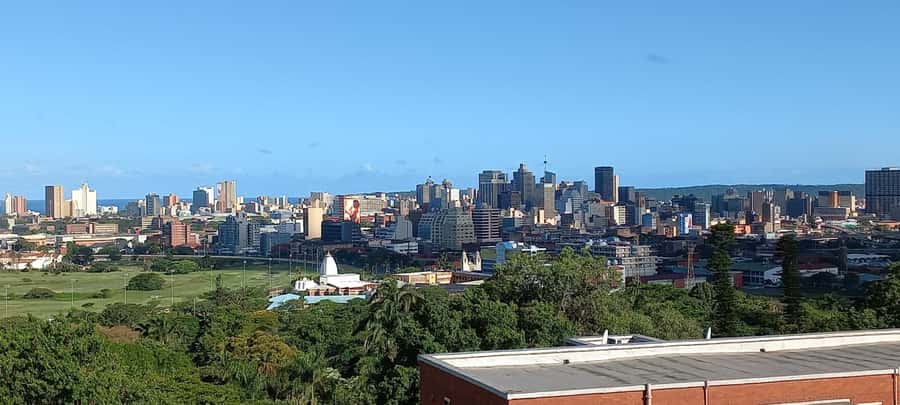
The first sightseeing stop is a viewpoint with time for photographs. It gives you a broad look over central Durban before you enter the dense market districts.
This short pause is useful. After the viewpoint, the tour becomes street-level and close-up. You move from seeing Durban as a whole to learning how its neighborhoods function from the ground. Do not expect a long scenic stop or a major attraction here. Think of it as a way to get your bearings before the market walk.
The contrast is part of the tour’s value. The view introduces the city as a destination, while the markets show it as a working place.
Riding a local combi is part of the lesson
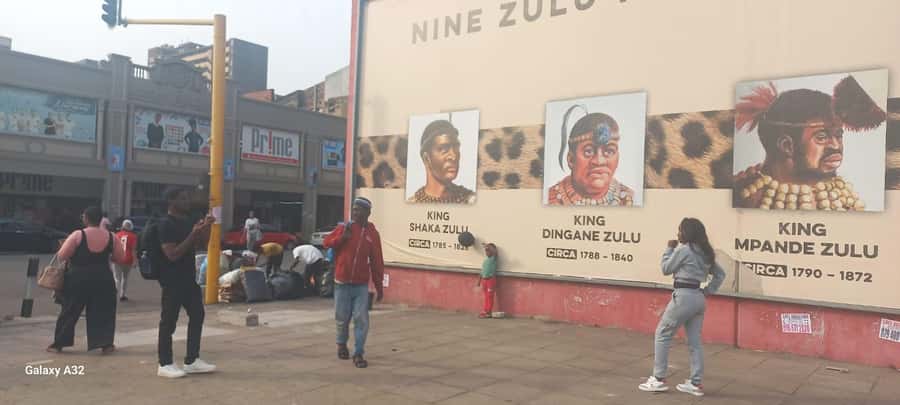
You then take local public transport, usually called a combi or minibus taxi. The listed ride to the markets takes about 15 minutes, with another similar ride later from the market area toward the beachfront.
This is not merely a transfer. Local minibus taxis are a normal part of Durban life, and learning how they work gives you a small but useful look at the city’s daily routine. Johnny explains the process, which is helpful because the system can be hard to understand if you have never used it.
You should know what you are accepting. This is shared public transport, not an air-conditioned tour vehicle. Waiting times can vary, and bad weather may make the experience less comfortable. One account of the tour describes a rainy day with more waiting, while another notes that the day ran much longer than planned after extra food and stops. The exact experience can depend on weather, group interests, and how the day unfolds.
If you strongly prefer private taxis, this tour is probably not the right fit. If you want an ordinary local experience and are comfortable being flexible, the combi ride adds something most standard city tours leave out.
A few more Durban days worth comparing
- Durban: 30-Minute Harbor Boat Cruise
★ 4.7 · 665 reviews - Durban: 1-Hour Boat Cruise from Wilson’s Wharf
★ 4.7 · 496 reviews - Durban Point Waterfront: Luxury Canal Boat Cruise
★ 4.4 · 298 reviews - Durban: Pontoon Boat Harbor Cruise
★ 4.4 · 182 reviews
Warwick markets: six market experiences in one district
The main part of the day is a guided walk through the Markets of Warwick. This is not one single market with a neat entrance and exit. It is a collection of different trading areas, each with its own purpose and atmosphere.
You can expect to pass through:
- The early morning market
- The bridge market
- Indian markets
- The African medicine market, also called the Muti market
- The African market
- Victoria Street Market
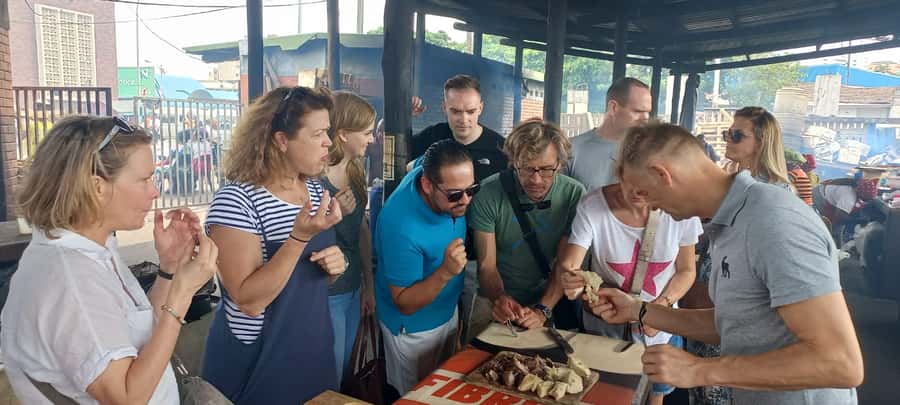
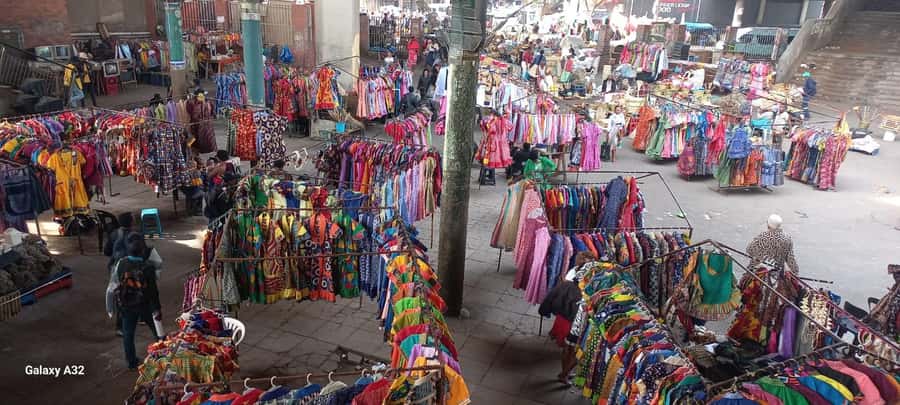
The variety is the key. You may see food, spices, household goods, clothing, souvenirs, and traditional products in a relatively short stretch. Johnny helps explain what is sold and why each market matters, rather than letting you wander past unfamiliar stalls without context.
The early morning and bridge markets
The early morning market gives you a look at the practical side of trade. It is a place to notice how goods move through the city and how much everyday buying happens outside formal shops.
The bridge market adds another setting to the walk. The changing market spaces help you see that Durban’s street trade is not one uniform thing. Different sellers and customers use different parts of the area, and the tour gives you a chance to compare them.
These stops may be less visually tidy than a tourist market. That is also why they are useful. You are seeing working commerce rather than a display built mainly for visitors.
Indian markets and Victoria Street Market
Durban’s Indian influence is an important part of its identity, and the Indian market areas bring food, spices, and shopping into the story. If you plan to buy spices or small local goods, this is a good time to compare prices and ask Johnny what makes a sensible purchase.
Victoria Street Market is likely to feel more familiar to visitors because it is a well-known Durban shopping stop. It still works better here because you reach it after seeing several other market areas. You can place its goods and presentation within the wider market culture rather than treating it as the whole story.
A useful shopping tip is to delay most of your souvenir and spice buying until this tour. Johnny knows where prices can be fair, and the market goods may cost less than similar items aimed directly at tourists. Bring a larger bag than you think you need. Personal purchases are not included, so budget separately for anything you take home.
The Muti market requires respect and an open mind

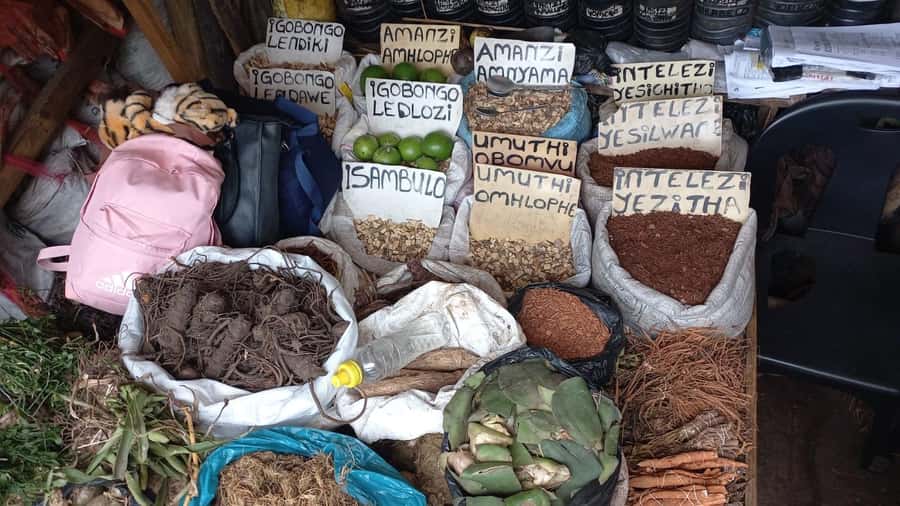
The African traditional medicine market is one of the tour’s most unusual stops. Traders sell herbs, powders, oils, and products associated with traditional healing. You may also see items connected to animals, which can be confronting for some people.
This part of the walk is best approached as cultural education, not as a shopping dare. Traditional healers and sellers may explain the intended uses of products, but you should not treat the tour as medical advice. Ask questions politely, listen carefully, and avoid making jokes about beliefs that are important to the people who practice them.
The market also raises larger questions about inequality, access to healthcare, and the ways people preserve older customs while living in a modern city. Johnny’s explanations can help you understand the setting without pretending every tradition will fit neatly into a visitor’s expectations.
Some people will find this stop fascinating. Others may prefer not to look closely at certain products. You can still gain from the explanation, but this is not a sanitized attraction, and you should be prepared for unfamiliar sights.
African stalls show Durban’s everyday side
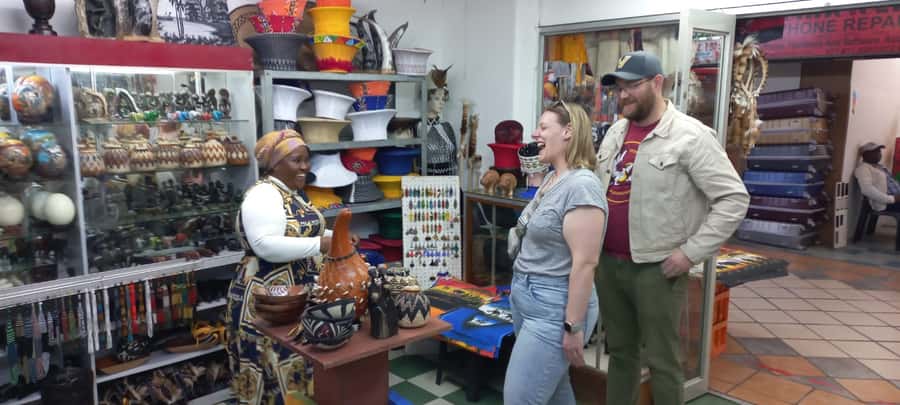
The African market is another chance to see the city beyond its beachfront image. You might find local goods, clothing, food, souvenirs, and household products, with the exact selection changing from stall to stall.
The best part is the human contact. Johnny is known in the market areas, and his introductions can make the setting feel less intimidating. That does not mean you should stop being careful. Keep your belongings secure, ask before taking close-up photographs, and remember that sellers are working, not performing for an audience.
This is also where your questions can add real value. Johnny can discuss Durban’s cultures, local traditions, politics, and the way the markets have changed over time. The tour is strongest when you treat it as a conversation rather than a fast procession from one photo stop to another.
Walking through Durban with someone who lives its story
After the market section, you continue through the city on foot and by public transport. The walk is slow, but the distance adds up to about 8,000 steps.
That figure is worth taking seriously. You do not need to be a serious hiker, but you should be comfortable standing and walking for several hours. Comfortable shoes, water, sun protection, and light clothing will make the day much easier.
The city walk helps tie together the morning’s themes. You are not only looking at stalls. You are seeing how markets connect with transport, neighborhoods, work, food, and the beachfront economy. Johnny’s explanations cover Durban and South Africa more broadly, including history, politics, culture, and traditions.
The guide’s personal style is central to the experience. Johnny is described as warm, humorous, flexible, and willing to answer questions. He may adjust the amount of time spent shopping or explaining a particular place, so do not expect every group to follow the same clock.
Bunny chow makes a fitting final stop

The tour ends at North Beach, on the beachfront promenade, with lunch. The meal is bunny chow, Durban’s famous specialty: a hollowed loaf of bread filled with meat.
Bunny chow is simple, filling, and closely tied to Durban’s food culture. It is a better ending than a generic restaurant meal because it gives you one more local reference point after a morning of markets and cultural explanation.
Lunch is included, but beverages are not. If you want a drink with the meal, carry extra money. One account describes the lunch as a highlight, while another says the day included more than one meal and lasted much longer than expected. That suggests the guide may be generous with time and flexible around food, but the advertised experience is built around one included lunch.
The beachfront setting also changes the mood. After the close quarters and constant movement of the markets, North Beach gives you space to sit, eat, and look out toward the coast. The tour ends there rather than returning to the starting point, so plan your onward arrangements from the beachfront.
What the $68 price includes
At $68 per person, the cost is reasonable if you would otherwise need to arrange several separate experiences. You get an English-speaking guide, the walking tour, local minibus transport to and from the market area, and lunch.
The greatest value is access. A visitor could walk near some of these areas alone, but understanding the different markets, finding the right routes, handling local transport, and approaching traders with confidence would be harder. Johnny’s local connections and long familiarity with the markets are a meaningful part of what you are paying for.
The price does not include drinks, personal shopping, or other private expenses. I would set aside extra cash for spices, souvenirs, and small purchases, especially if you want to take advantage of the market prices.
The listed duration is 330 minutes, and the practical guidance describes the tour as four to five hours. Build in flexibility. Weather, transport waits, extra questions, shopping, or a relaxed lunch can stretch the day considerably. If you have a flight, timed attraction, or dinner reservation, leave a generous cushion.
Free cancellation is available up to 24 hours before the start for a full refund, and you can reserve now and pay later. Those terms help if your Durban schedule is still changing, but the more important booking decision is whether you enjoy an active and flexible day.
Who should book this experience
I would choose this tour if you want Durban explained through its people, markets, food, and transport. It suits first-time visitors who want more than the standard beachfront view, as well as repeat visitors who have already seen the better-known sights.
It is especially good for:
- Curious adults who enjoy asking questions
- Visitors interested in Zulu, Indian, and wider African cultural life
- Shoppers looking for spices, souvenirs, and local goods
- Solo visitors who want a guide in unfamiliar market districts
- Anyone who wants to try a local minibus taxi with support
- Food-focused visitors who want to try bunny chow
I would think twice if you need step-free access, dislike shared transport, or find crowded markets stressful. The tour is not suitable for wheelchair users, and the activity notes exclude people over 95. The walking distance and market conditions may also be tiring for anyone with limited stamina.
Practical tips for a better day
Bring cash, but do not bring more than you need. Keep it secure and separate from your other belongings.
Wear shoes with good support. The pace is described as slow, but slow walking over 8,000 steps still makes footwear important.
Ask before taking photographs of people or close-up pictures of stalls. A guide can help you judge when a photo is welcome.
Save souvenir shopping for the market portion of the day. Johnny can point out sensible buys, and you will avoid carrying purchases from the start.
Bring water and sun protection even if the forecast looks mild. You will spend time outdoors and on your feet.
Stay open to conversation. The tour becomes much more rewarding when you ask about food, history, religion, politics, transport, and family traditions instead of simply following the route.
Should you book the Durban market walk?
Book it if you want the Durban that operates behind the resort frontage. The market access, local transport, traditional medicine stop, and bunny chow lunch create a full picture of the city, and Johnny’s personal ties add comfort and context.
Skip it if you want a short, polished sightseeing loop with private transport and fixed timing. This is an active day with shared rides, unfamiliar sights, and some uncertainty in the schedule.
For most curious visitors, I think the $68 is well spent. You get more than a list of stops. You get a guide who can help you read the city, meet its market communities respectfully, and try a dish that belongs to Durban. Just arrive ready to walk, carry cash, and let the day take a little longer than the clock suggests.
FAQ
Where does the tour start?
It starts at Tekweni Backpackers, 169 Ninth Avenue, just off Florida Road in Morningside. The guide waits inside the premises.
Where does the tour finish?
The tour finishes at North Beach on the beachfront promenade, after lunch.
How long does the tour last?
The stated duration is 330 minutes. The practical information describes it as four to five hours, but the day can run longer depending on weather, transport, questions, shopping, and extra stops.
What language is the tour conducted in?
The live guided tour is conducted in English.
Is local transport included?
Yes. Local minibus combi transport from the meeting point to the markets and from the markets to the beachfront is included.
What markets are visited?
The route includes the early morning market, bridge market, Indian markets, African medicine market, African market, and Victoria Street Market.
Is lunch included?
Yes. Lunch is bunny chow, a bread loaf filled with meat. Beverages with lunch are not included.
How much walking is involved?
The walk is about 8,000 steps at a slow pace. Comfortable shoes are strongly advised.
What should I bring?
Bring comfortable shoes, sunglasses, a sun hat, sunscreen, water, comfortable clothing, and cash for personal purchases.
Is the tour suitable for wheelchair users?
No. The activity is not suitable for wheelchair users. It is also not suitable for people over 95 years old.
Just listed around Durban
- Zulu Cultural Experience: Zulu Village + Tribal Markets + Traditional Zulu Food★ 5.0 · 5 reviews
- Durban Shore Excursion: Valley of 1000 Hills and PheZulu Tour★ 5.0 · 5 reviews
- From Durban: Wildlife Lovers Big 5 Safari at 2 Game Reserves★ 5.0 · 5 reviews
- Sani Pass and Lesotho Full Day 4 x 4 Tour From Durban★ 4.5 · 5 reviews
- Full Day Isimangaliso Wetlands Park -Croc & Hippo &Game Fr Durban★ 4.5 · 6 reviews
- Sani Pass 4 x 4 Tour and Lesotho Full Day Tour From Durban★ 5.0 · 6 reviews
- Hluhluwe Safari & Emdoneni Wild Cat Project Day Tour from Durban★ 5.0 · 6 reviews
- Drakensberg Kamberg Cave Art & Mandela Capture Site Day Tour★ 4.1 · 6 reviews
Walking Tours, compared.




Browse the lists this tour appears in