
Reviewed · HISTORICAL TOURS
Stellenbosch: Guided Historical Walking Tour
Stellenbosch’s old center is best understood on foot, especially when a local guide points out the details you would otherwise pass without a glance. This 90-minute walk connects the town’s oak-lined streets, Cape Dutch buildings, village green, old graveyard, and founding story, including the fires that nearly erased the early settlement.
I like the easy pace and compact route, which leaves you time to look around instead of marching between sights. I also like the human stories, from Simon van der Stel’s camp beside the Eerste River to tales of former residents, university graduates, an angel factory, and a possible ghost near the Moederkerk. The main consideration is that this is a history walk, not a wine tasting or a tour of the surrounding countryside, so you should book it for the town itself.
Key points at a glance
- Oak-lined streets and water furrows: Walk beneath the shade of Stellenbosch’s famous avenues beside the Mill Stream.
- The Braak and Dorp Street: See the village green and the oldest residential street in South Africa.
- Stories beyond the facades: Hear about fires, colonial beginnings, local characters, university figures, and unusual town legends.
- Personal guiding style: Guides including Johan, Marlene, and Juliana are known for clear explanations, humor, and answering questions.
- Good value at $18: A 90-minute introduction costs less than many larger sightseeing activities and helps you explore afterward with context.
- Simple practical setup: Meet at 47 Church Street, arrive 15 minutes early, and wear comfortable shoes.
Why Stellenbosch makes a good walking tour
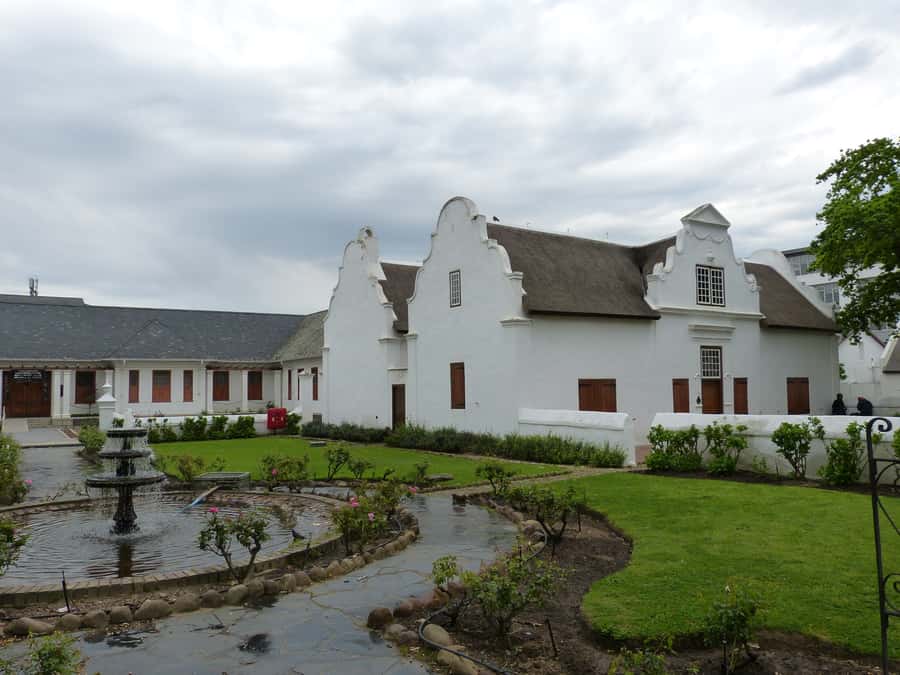
Stellenbosch can look almost too polished at first glance. Whitewashed walls, old gables, shady trees, and tidy streets create a pleasant picture, but the town’s past is more complicated than its pretty center suggests.
The settlement was founded in the 17th century, and its story reaches across four centuries. A guide helps you connect the visible town to that longer story. You learn why the settlement grew beside the Eerste River, how its name relates to Simon van der Stel, and how repeated fires in the 18th century destroyed large parts of the early town.
That last point matters. Without context, an old building is simply an attractive old building. With context, you begin to notice which structures survived, how the town changed, and why the architecture has such a carefully preserved feel.
I would use this tour early in a Stellenbosch visit. It gives you a map in your head, introduces the old center, and helps you decide where to return for lunch, shopping, museums, or a slower look at the streets.
More Walking Tours in the Winelands
- Walking Tour of Stellenbosch
★ 5.0 · 81 reviews - Stellenbosch: Khayamandi Township Walking Tour
★ 4.3 · 5 reviews - Franschhoek Wine Walk with Lunch
★ 5.0 · 30 reviews
Starting at Church Street
The meeting point is 47 Church Street in Stellenbosch Central, at the Stellenbosch Visitors Bureau. You should arrive 15 minutes before the start, since the tour begins from the town center and does not include transport from your hotel, station, or the Cape Winelands.
The location is practical for a walking outing because the historic core is the subject of the tour. You will not spend your 90 minutes sitting in a vehicle or driving between distant estates. The tradeoff is simple: you need to make your own way there.
The tour is conducted in English with a live guide. Past departures have featured guides such as Johan Nepgen, Marlene, Juliana, Julietta, and Maureen. The exact guide depends on the date, but the recurring strength is a conversational approach rather than a dry list of dates.
Oak avenues and the Mill Stream
The first pleasure of the walk is visual. Stellenbosch is often called the village of the oaks, and the shaded avenues give the town much of its character. The trees soften the streets and make the walk more comfortable, though you should still bring sensible footwear and prepare for weather.
Along the roads, you will see water furrows connected with the Mill Stream. These channels are easy to overlook, yet they help explain how the town worked. The old settlement was not just a collection of handsome homes. Water, farming, transport, and early industry shaped its growth.
I like this part of the experience because it turns an ordinary stroll into a lesson in town planning. You are not only looking at buildings. You are seeing how a settlement used its river and water system, and how practical needs helped shape the streets you walk today.
The route is described as an easy city walk. Still, it takes place outdoors and on foot, so comfortable shoes are important. The tour is wheelchair accessible, though conditions on historic streets can vary, and anyone with particular mobility needs should confirm the current route when booking.
Simon van der Stel and the Eerste River
Stellenbosch’s founding story begins beside the Eerste River. Your guide points out where Simon van der Stel, the town’s colonial founder, set up camp and explains how the river received its name.
This is one of the most useful moments on the tour because it gives the town a clear beginning. Instead of treating Stellenbosch as an old place with an indistinct past, you see the connection between a person, a river, and the choice of settlement site.
The guide’s job here is not just to recite a founding date. The best explanations place the early town within the wider story of South Africa, including colonial development and the forces that shaped the Cape. Several guides are praised for giving useful political and national context without losing sight of Stellenbosch itself.
That broader perspective is worthwhile, but it also means the walk may raise questions that cannot be fully answered in a short tour. If you enjoy history, ask questions as you go. Guides such as Johan are known for welcoming conversation and expanding on points that interest the group.
More History Tours in Stellenbosch:
- Stellenbosch: Historical Bike Tour & Wine Tasting
★ 4.9 · 248 reviews - Cape Town: Art, Culture & History Walking Tour
★ 4.9 · 392 reviews - Soweto Township Cultural Tour incl Apartheid Museum and Nelson Mandela House
★ 5.0 · 30 reviews - Cape Town Guided City Cycling Heritage Tour – Private Tour
★ 5.0 · 27 reviews
The Braak and its surrounding buildings
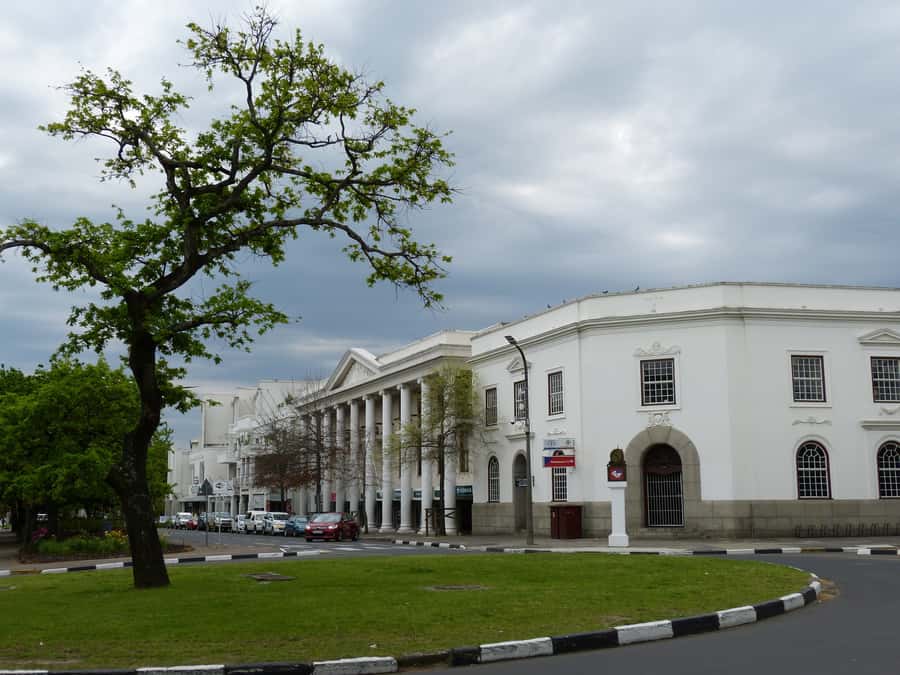
The Braak is the historic village green, with old buildings surrounding three sides. It is one of the clearest places to see how the old town was arranged and how public space helped organize community life.
This is a good stop for architecture, but the buildings are not presented as isolated decorations. Your guide explains their place in the town’s development and points out details that a self-guided walk might miss. The Cape Dutch style is central here, with its balanced forms and distinctive gables creating the visual identity most people associate with Stellenbosch.
I would not expect a full architectural lecture. The appeal is the combination of clear background and close-up observation. You get enough information to appreciate the buildings, then enough free attention to enjoy the space itself.
The Braak also helps show why a local guide adds value at this price. A brochure can name a square. A guide can explain how it fits into the town’s story, point toward an overlooked feature, and adjust the detail to suit the group.
Dorp Street and the old residential center
Dorp Street is presented as the oldest residential street in South Africa. It is one of the tour’s key stretches, and it gives you a chance to see Stellenbosch as a lived-in historic town rather than a single preserved monument.
Walking here, you can take in the line of old homes and the relationship between the road, trees, furrows, and buildings. The street’s appeal is not limited to one famous facade. It is the overall sense of continuity.
Your guide may draw attention to details that are easy to pass by, including changes in building use, local stories, and the people connected with the houses. This is where the tour feels most like an introduction from someone who knows the town personally.
The route does not promise entry into every building. Much of the experience is from the street, so anyone hoping for a series of interior visits should choose a different activity. For seeing the historic center and learning how to read it, though, the outdoor format works well.
Fires, residents, and the less polished past
Stellenbosch’s old buildings can make the past seem calm and orderly. The story of the fires corrects that impression. Large sections of the early town were destroyed by devastating fires in the 18th century, and the settlement had to recover and rebuild.
I find this one of the most important themes because it explains why the historic center is both old and changed. Preservation is not the same as an untouched time capsule. The town’s appearance reflects survival, rebuilding, adaptation, and careful protection of what remained.
The tour also brings in the colorful people who shaped Stellenbosch across four centuries. You might hear stories about local figures, former residents, prime ministers, and sportsmen linked to Stellenbosch University.
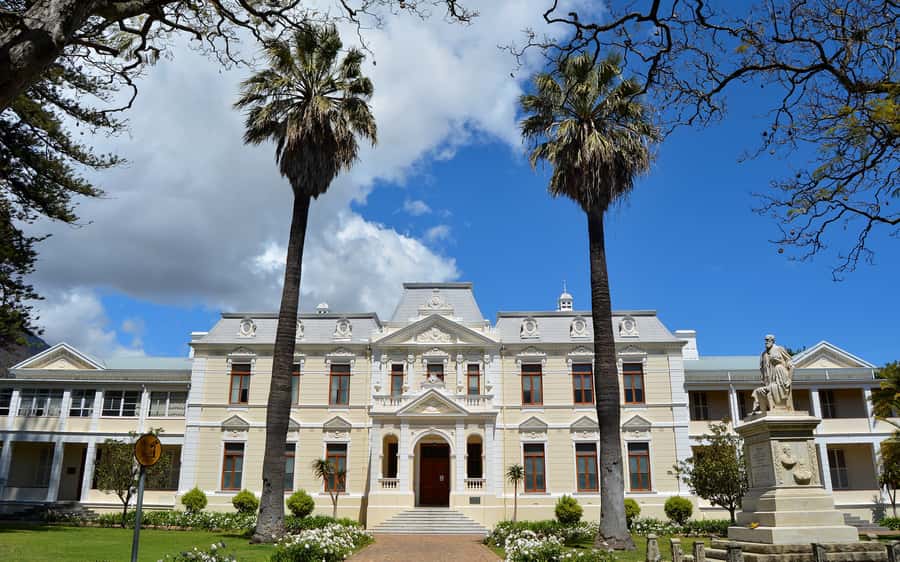
The university connection adds a modern layer. Stellenbosch is not only an old colonial town for sightseeing. It is also a university town, and its graduates include prominent national figures. A good guide helps you see how the historic streets and present-day community exist side by side.
The Moederkerk and the tour’s unusual stories
The walk includes the area around the Moederkerk, or Mother Church, and its graveyard. This is where the tone may shift from civic history to local folklore, with stories of a ghost in the graveyard and the possibility of meeting an angel at the Angel Factory.
These details give the tour some personality. They break up the dates and architecture with stories that are easier to remember. They also show how local history is carried through anecdotes, legends, and the odd unsettling tale.
You should treat these stories as part of the town’s lore, not as a promise of a supernatural encounter. The point is the storytelling, and several guides are praised for humor and an easy style that keeps the walk engaging.
One guide has even been singled out for a memorable story about the local morgue. That sort of unexpected detail is part of the appeal. You may finish the tour remembering a strange local anecdote as clearly as the founding date.
The guides and the feel of the walk
The guide can make or break any history walk, and this experience has a strong record on that front. Johan is frequently described as funny, clear, and generous with information. Marlene is praised for a warm, well-paced style. Juliana is noted for energy, enthusiasm, and careful answers to questions.
Those qualities matter more than a rehearsed speech. The strongest guides tailor the narrative to the group, explain unfamiliar points in plain language, and leave room for conversation. That makes the same route useful to someone visiting Stellenbosch for the first time and to someone who has passed through town many times without learning its story.
Group size can vary. Some departures have been very small, including walks with only one or four participants, particularly outside the peak season. A small group can make it easier to ask questions and follow your own interests, but you should not assume every departure will be private.
The tour lasts 90 minutes, which is a sensible length for a town introduction. It is long enough to cover the major historic areas without turning into an exhausting half-day lecture. The pace is described as relaxed and easy, although you will be on your feet for the full outing.
Is $18 a fair price?
At $18 per person, I consider this good value if you want an introduction to Stellenbosch rather than only a pleasant walk. The fee includes a professional guide and the walking tour, with no transport or personal spending included.
The value comes from the interpretation. You could walk Dorp Street, The Braak, and the oak avenues on your own for nothing, but you would miss the links between the river, water furrows, fires, buildings, university, and local stories.
This is not the right comparison for a full-day wine tour or a private vehicle excursion. Those activities cover more ground and often include tastings or transport. This walk offers a narrower experience at a much lower cost, and it leaves the rest of your day free.
I would especially recommend it to first-time visitors, history fans, architecture lovers, and people who prefer to understand a town before exploring it alone. It also suits local residents who have driven through Stellenbosch many times but never paused to learn how it developed.
Practical advice before you book
Wear comfortable shoes. The walk is not described as strenuous, but historic streets and 90 minutes on foot still call for supportive footwear.
Arrive at 47 Church Street 15 minutes early. Since transportation is not included, allow time to reach Stellenbosch Central on your own.
The tour is in English, and pets, alcohol, and drugs are not allowed. Wheelchair access is available. If you have specific mobility concerns, confirm the current route and street conditions before setting out.
The booking terms are useful for uncertain plans. You can cancel up to 24 hours before the activity for a full refund, and the reserve now, pay later option lets you hold a place without paying immediately.
Who should book this Stellenbosch walk?
Book it if you want the old town explained by someone who lives close to its stories. The experience works particularly well at the start of a visit, before you spend time sampling wine, browsing shops, or walking independently.
I would also choose it for a short stay. Ninety minutes gives you a focused look at the center without taking over your day. The route covers architecture, founding history, public space, university connections, fires, and local folklore, so you get a broad picture without needing a full museum afternoon.
You may want to skip it if your main interest is wine estates, countryside views, or food. This is firmly a town history walk, and its appeal depends on your willingness to look closely at streets and buildings.
Should you book it?
Yes, if you want more than attractive photographs of Stellenbosch. For $18, this is a practical way to understand the town’s oak avenues, water system, Cape Dutch buildings, founding story, and changing identity.
My best advice is to book it near the beginning of your stay and arrive ready to ask questions. Guides such as Johan, Marlene, and Juliana bring the walk to life with humor, local detail, and stories that are easy to remember. You will leave with a better sense of where you are, what you are seeing, and which parts of Stellenbosch deserve a second look.
FAQ
How long is the Stellenbosch historical walking tour?
The tour lasts 90 minutes.
How much does the tour cost?
The listed price is $18 per person.
Where does the tour start?
Meet at 47 Church Street, Stellenbosch Central, Stellenbosch, 7599.
How early should I arrive?
You should arrive at the meeting point 15 minutes before the activity starts.
What language is the tour in?
The live guided tour is conducted in English.
Is the walking tour wheelchair accessible?
Yes, the activity is listed as wheelchair accessible.
What should I bring, and what is not allowed?
Bring comfortable shoes. Pets, alcohol, and drugs are not allowed.
More Walking Tours in Stellenbosch
- Soweto: Walking Tour with a Local Guide and Lunch
★ 4.9 · 648 reviews - Plettenberg Bay: Bungee Jumping with Zipline and Sky Walk
★ 5.0 · 506 reviews - Cape Town: Nathi Langa Township Walking Tour
★ 4.9 · 493 reviews - Cape Town: Street Art Walking Tour in Woodstock
★ 4.8 · 293 reviews
Just listed around Stellenbosch
- Marine Eco Cruise and Half-Day Wine Route with Tastings★ 4.6 · 5 reviews
- Stellenbosch: Stellenbosch Private E-Bike & Wine Tour★ 5.0 · 5 reviews
- Stellenbosch: Khayamandi Township Walking Tour★ 4.3 · 5 reviews
- E-Bike Stellenbosch Winelands – Full Day Private Tour★ 5.0 · 6 reviews
- Wijntoer – Reserve tour with a winemaker!★ 5.0 · 7 reviews
- Half Day Horseback Wine Tour★ 4.5 · 7 reviews
- 1h30m – Nature Quad Trail★ 4.5 · 7 reviews
- Horse Riding Wildlife Safari★ 5.0 · 7 reviews
Historical Tours, compared.


Soweto Township Cultural Tour incl Apartheid Museum and Nelson Mandela House
Read our review →
Cape Town Guided City Cycling Heritage Tour – Private Tour
Read our review →
Apartheid History of South Africa (Full day Experience with lunch
Read our review →
Robben Island Tour; Pickup, Drop-off; Guided Tour Historic Prison
Read our review →
Browse the lists this tour appears in