
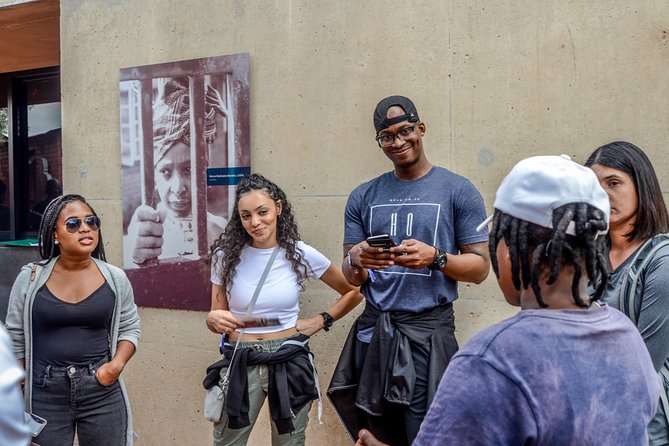
Reviewed · SOWETO & APARTHEID MUSEUM TOURS
Soweto Walking Tour with Lunch
Soweto is not a sightseeing backdrop. It is a living township shaped by forced removals, student protest, political courage, and the long work of rebuilding. This four-hour walking tour gives you that story on foot, with guides such as Maweza and Mulalo Mphuma bringing local knowledge and personal experience to the streets.
I like two things here. First, the route links major sites to ordinary streets, so apartheid history is not sealed inside a museum. Second, the kota sandwich lunch at Orlando Towers gives the tour a simple, local finish. The main drawback is that Mandela House entry costs extra, and transport to the meeting point is not included.
Key points to know before you book

- A local guide shapes the experience: Maweza, also listed as Mawesa, receives repeated praise for his clear explanations, personal stories, and friendly care. Mulalo Mphuma is also named as a guide.
- The history is tied to exact places: You walk from the Hector Pieterson Museum through Moema Street, Vilakazi Street, Mandela House, and Tutu House.
- The tour enters present-day Soweto: Baragwanath Road and an informal settlement add context beyond famous political names.
- Lunch is a proper kota: This South African township sandwich is included, along with bottled water, and is served at Orlando Towers.
- You walk for about four hours: Wear comfortable shoes and expect a serious history lesson mixed with daily life.
- Plan for extra costs: Pickups, drop-offs, admission to Mandela House, and other purchases are not included. Carry cash if you want to thank guides who assist with different parts of the walk.
Why this Soweto walk matters

Many Johannesburg tours explain apartheid from a vehicle window. This one uses the streets as its classroom. You move through places connected to the Soweto Uprising of 1976, then see how the township has changed and where hardship still shapes daily life.
That mix is important. Soweto is often reduced to Nelson Mandela, the Hector Pieterson photograph, and a few famous addresses. Those sites matter, but they are only the beginning. The walking route adds the conditions that produced protest, the effects of police violence, and the social divisions that remain visible today.
The guides are the heart of the tour. Maweza, also spelled Mawesa in the tour information, is repeatedly praised for his command of South African history and for sharing family and personal experiences. He is also described as attentive to older relatives and careful about helping people feel safe. Mulalo Mphuma is another named guide, described as welcoming and well informed.
You should expect an open conversation rather than a quick list of dates. The subject is painful, and the best part of the tour is the way it connects political events with homes, roads, schools, and working communities. Bring questions. The guides are prepared to discuss both apartheid and present-day problems.
More Walking Tours in Johannesburg
- Soweto: Walking Tour with a Local Guide and Lunch
★ 4.9 · 648 reviews - Johannesburg: Local Food Tasting Guided Walking Tour
★ 4.7 · 192 reviews - Johannesburg: City Centre Walking Tour
★ 4.8 · 152 reviews
Starting at the Hector Pieterson Museum
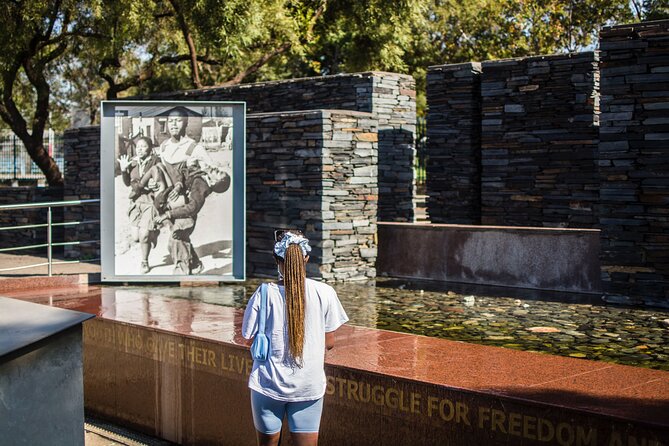
The tour begins at the Hector Pieterson Museum and Memorial. This is the right place to start because the museum gives you the basic story of the 1976 Soweto Uprising before you walk through the area where it unfolded.
The uprising began when students protested the forced use of Afrikaans in schools. The protest became a defining challenge to apartheid rule. The death of Hector Pieterson, a 13-year-old student, was captured in a photograph that spread around the world and showed the violence of the state to an international audience.
You spend about 30 minutes at the museum and memorial. Admission is listed as free for this stop, though the separate Mandela House entry is not included later in the route. At the museum, your guide explains why student resistance grew, how police responded, and why the events became a turning point in the fight against apartheid.
Give this part your full attention. It provides the facts needed to understand the later walk. If you arrive expecting only a photo stop, you will miss the point. This is a serious opening, and it sets a respectful tone for the rest of the morning or afternoon.
Walking the 1976 route on Moema Street
From the museum, you continue to Moema Street, following the footsteps of young people involved in the 1976 uprising. The stop lasts about 20 minutes, and the value comes from being outside, near the streets tied to the events.
Your guide discusses the shooting, living conditions, and what happened after the protests. That broader view matters. The uprising was not a single march that ended when the police opened fire. It grew from years of unequal schooling, forced residential separation, and anger at the way Black South Africans were controlled.
This is one of the places where a local guide makes a real difference. A map can show you where the events happened, but a guide can explain how those streets fit into the township and why the protest carried such force. Expect walking on public streets rather than a polished memorial route.
Vilakazi Street and two Nobel Peace Prize winners
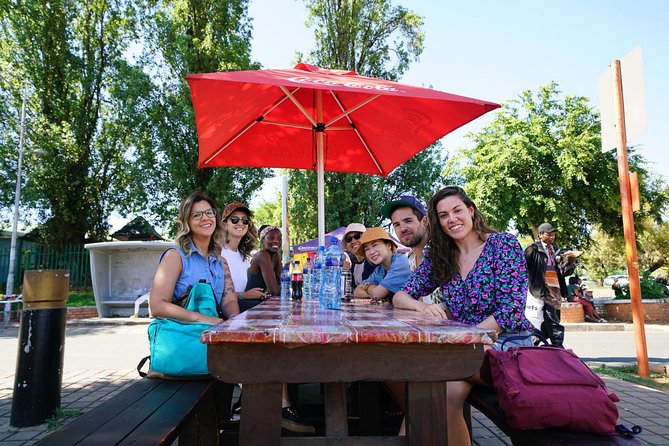
Vilakazi Street is one of Soweto’s best-known addresses. Both Nelson Mandela and Archbishop Desmond Tutu lived in this neighborhood, making it unusual in world history as the home of two Nobel Peace Prize winners.
The stop itself is brief, about 10 minutes, but it helps connect two different forms of resistance. Mandela became the best-known political leader of the anti-apartheid movement. Tutu challenged apartheid through religion, public speeches, and moral pressure. Their homes were close together, yet their paths and roles were distinct.
You will likely want photos here, but do not let the camera work crowd out the explanation. The point is not simply that famous people lived on one street. It is that Soweto was a center of political thought, protest, community organizing, and leadership.
More Soweto and Apartheid Museum visits:
- Johannesburg: Hop-On Hop-Off Bus with Optional Soweto Tour
★ 4.6 · 985 reviews - Soweto /Johannesburg and Apartheid Museum Guided Full Day Tour
★ 5.0 · 932 reviews - Johannesburg Hop-On Hop-Off City Tour with Soweto Option
★ 4.5 · 768 reviews - Half-Day Tour of Soweto Tour
★ 4.5 · 712 reviews
Mandela House, with admission extra
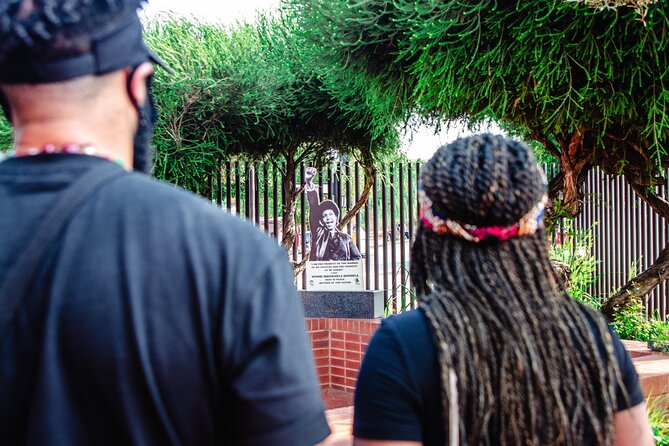
Mandela House is the iconic home of Nelson and Winnie Mandela. The tour allows about 20 minutes here, and entry is not included in the $40.26 tour price.
That extra fee is worth noting when you compare the total cost with other Johannesburg activities. The base price covers the guide, walking route, lunch, and bottled water, but you should budget separately if you want to enter the house. If you prefer to keep costs down, you can still understand the importance of the address from the outside and through your guide’s explanation, though the tour information does not state whether an exterior-only option changes the price.
The house carries a personal side of the story. Mandela’s public life is often told through speeches, prison years, and political milestones. This stop turns attention toward domestic life and the role of the home in the Mandela family story. It also gives you a chance to ask how the neighborhood changed during and after the apartheid era.
Tutu House and the religious fight against apartheid
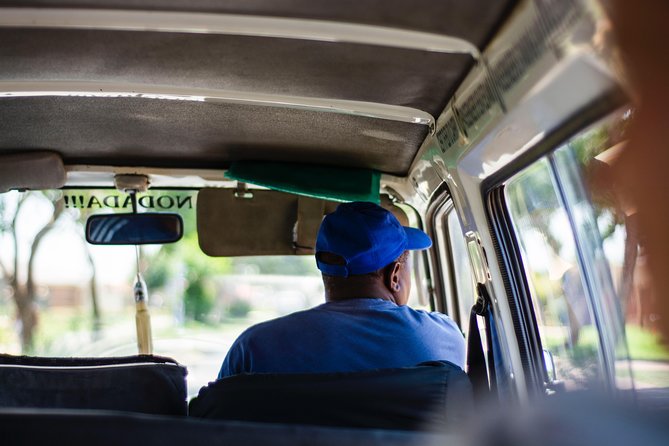
The short stop at Tutu House lasts about 10 minutes. It focuses on Archbishop Desmond Tutu, a Nobel Peace Prize winner who criticized apartheid through religion.
This stop works best as a companion to Mandela House. You see that the struggle against apartheid was not led by one organization or one kind of activist. Political parties, students, religious leaders, families, and local communities all played roles.
Because the stop is short, you should not expect a full biography. Instead, it adds another perspective to the route and shows how Vilakazi Street became linked with national and international history.
Baragwanath Road and Soweto beyond the famous names
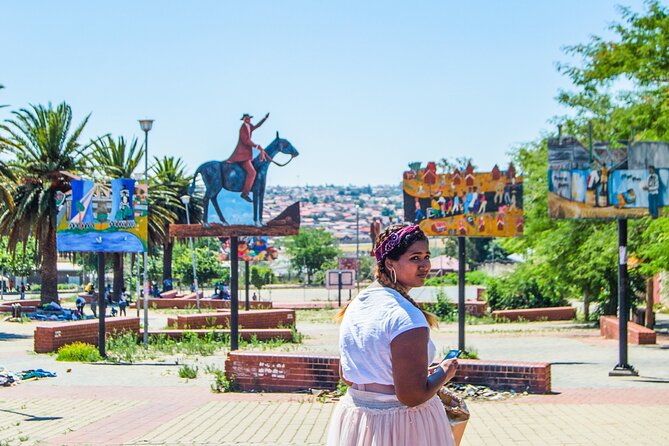
The walk then reaches Baragwanath Road, where you learn about the first formal houses that helped form the township. The stop lasts about 30 minutes.
This is a useful change of focus. Famous homes explain leadership, but ordinary housing explains how Soweto grew. The township was shaped by policies that separated people by race and pushed Black residents away from Johannesburg’s white urban areas. Housing, transport, work, and family life were all affected.
The walk may also include an informal settlement where you see the difficult conditions faced by some unemployed residents. This is the point where the tour asks you to look beyond heritage sites and consider present-day inequality.
You should approach this section with care. You are entering a real community, not an open-air exhibit. Listen to your guide, follow instructions about photography, and do not treat people’s homes as scenery. The guide’s local ties and reputation are especially valuable here. One guide may hand part of the tour to another local guide for a particular area, a practice described as a respectful way to move through different spaces.
This section may be uncomfortable, but that is part of its value. Soweto’s story did not end in 1994. The end of apartheid changed South Africa’s political system, but unemployment, uneven services, and poverty remain part of life for some residents.
Orlando Towers and the kota lunch
The final stop is Orlando Towers, where you have about an hour for photos and lunch. The towers are a recognizable Soweto landmark and provide a lively visual ending after several hours of serious history.
Lunch is a kota, a South African township sandwich often made with a hollowed-out quarter loaf filled with ingredients such as meat, chips, and other toppings. The exact fillings are not specified, so expect a substantial local burger rather than a formal restaurant meal. Bottled water is included.
The timing matters. The tour is about four hours, and lunch may arrive around 11 a.m. on a morning departure. You may want a light breakfast, but do not plan to skip the kota. It is described as filling and tasty, and it gives you a direct connection to everyday South African food.
Orlando Towers is also a good place for photographs. The lunch stop slows the pace and gives you time to talk with your guide and other people in the group. You may find vendors nearby, but time to shop is not promised. If browsing local stalls matters to you, ask your guide early rather than assuming the schedule includes it.
What the $40.26 price really covers
At $40.26 per person, this is a strong value if you want a focused introduction to Soweto with a local guide. You receive about four hours of guiding, a structured route through major historical sites, a kota lunch, and bottled water.
The price does not include transport to or from the meeting point. It also excludes admission to Mandela House and any other additional costs. That makes the final amount higher if you need a taxi or ride service, want to enter the house, or plan to buy food and souvenirs beyond the included lunch.
The tour is offered in morning and afternoon versions, which helps you fit it around other Johannesburg plans. It is booked, on average, about 15 days ahead, so I would not leave it until the last day if your schedule is tight.
The advertised maximum is 100 people. That is a large possible group for a walking tour, though the individual experiences described by the guides suggest that group size and guide quality can shape the day. If your confirmation names a particular guide, expect the strongest part of the tour to be the personal explanation and local connection, not a private experience.
Walking, safety, and practical planning
You need comfortable shoes. The route covers several streets and stops, and the full experience takes roughly four hours. The pace is described as comfortable and not rushed, but older members of your group should still be considered when planning the day.
The tour meets at the Hector Pieterson Museum. Pickup and drop-off are not included, so you need to arrange your own transport. The area is near public transportation, but no specific route or station is provided, so check the meeting details carefully after booking.
One practical problem has been reported with meeting-point instructions. The booking process may ask you to choose from several meeting points, while the guide expects one specific location. Confirm the exact meeting place directly in your booking information so you do not lose time at the start.
Safety is a common concern when visiting Soweto, and the guide’s local experience matters. The tour is described as safe by people who took it, but you should still use normal city judgment: stay with the group, follow directions, and ask before taking photographs of people or homes.
Bring cash. It can be useful for extra purchases and for thanking local guides who may assist with different sections of the route. The tour includes bottled water, but you should not assume that other drinks, snacks, or shopping are covered.
Who will get the most from this tour
This is a good choice if you want history explained by someone connected to Soweto rather than a quick drive past landmarks. It suits first-time visitors to Johannesburg, families with older children, and anyone who wants a clear account of apartheid linked to real places.
The tour also works well for visitors with only a short stay in Johannesburg. In four hours, you see major political sites, ordinary residential areas, an informal settlement, and a famous local landmark. A 15-year-old can follow the subject, but the material is serious and includes police violence and poverty.
You may prefer another activity if you want a private, slow-paced tour with extended museum time. You may also be disappointed if your main goal is shopping, because time with vendors is not guaranteed. This is a walking and learning experience first, with lunch and photos added to the route.
The 4.9 rating from 288 reviews and 98 percent recommendation indicate a strong record, but the real reason to book is more specific: the guides are repeatedly praised for explaining difficult subjects clearly, answering questions, sharing personal and family stories, and treating the township with respect.
Should you book the Soweto Walking Tour with Lunch?
Book it if you want an honest, place-based introduction to Soweto and are willing to spend four hours walking, listening, and thinking about both apartheid and present-day inequality. The local guide is the main value, while the kota lunch makes the experience feel connected to daily life rather than only to monuments.
Before paying, confirm the meeting point, check how you will reach the Hector Pieterson Museum, and set aside money for Mandela House admission and any transport. If you do that planning, this tour offers a useful balance of history, local perspective, food, and real neighborhood context for a reasonable price.
FAQ
How long does the Soweto Walking Tour with Lunch last?
The tour lasts approximately four hours.
What food is included?
The tour includes a local burger called a kota sandwich, along with bottled water.
Is admission to Mandela House included?
No. Admission to Mandela House is not included in the tour price.
Are hotel pickup and drop-off included?
No. Pickup and drop-off are not included, so you must arrange your own way to and from the meeting point.
Where does the tour begin?
The tour begins at the Hector Pieterson Museum and Memorial.
Can I cancel for a full refund?
Yes. You can cancel at least 24 hours before the experience start time for a full refund. Cancellations or changes made within 24 hours are not refunded or accepted.
More lunch stops in Johannesburg
- Full-Day Soweto, Apartheid Museum and Lunch Tour
★ 5.0 · 410 reviews - Soweto: Guided Bicycle Tour with Lunch
★ 4.9 · 292 reviews - Johannesburg and Soweto Apartheid Full Day Tour w/Lunch
★ 4.9 · 219 reviews - Guided Bicycle Tour of Soweto with Lunch
★ 5.0 · 180 reviews
Just listed around Johannesburg
- Constitutional Hill and Soweto 5 hours tour.★ 5.0 · 5 reviews
- 5 Day Kruger Glamping Safari and Panorama Tour★ 5.0 · 5 reviews
- Cradle of Humankind and Maropeng Day Tour from Johannesburg★ 4.0 · 5 reviews
- Johannesburg: Hot Air Balloon Flight★ 5.0 · 5 reviews
- Half Day Soweto and Apartheid Museum Guided Tour★ 5.0 · 5 reviews
- Lion park★ 4.5 · 5 reviews
- 5 Day Kruger National Park and Panorama Route Safari★ 4.5 · 5 reviews
- Pretoria Historical Tour★ 4.0 · 5 reviews
Soweto & Apartheid Museum Tours, compared.
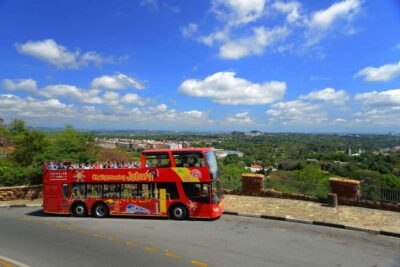

Soweto /Johannesburg and Apartheid Museum Guided Full Day Tour
Read our review →
Johannesburg Hop-On Hop-Off City Tour with Soweto Option
Read our review →

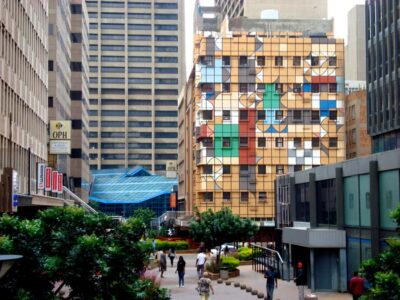
Jo’berg in 1 Day: Soweto, Apartheid Museum & City Tour
Read our review →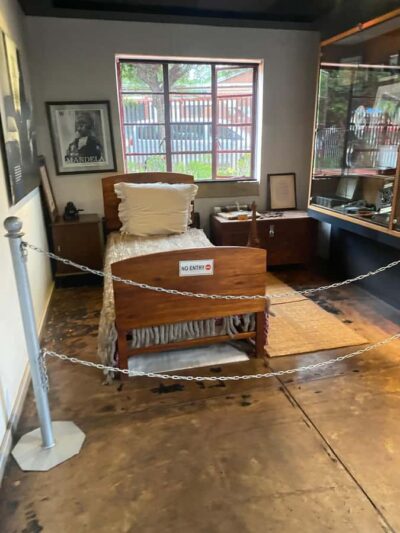
Full-Day Tour with Soweto and Apartheid Museum
Read our review →
Browse the lists this tour appears in