
Reviewed · FOOD & DRINK
Zulu Food Cooking & Dining Experience with a local Chef
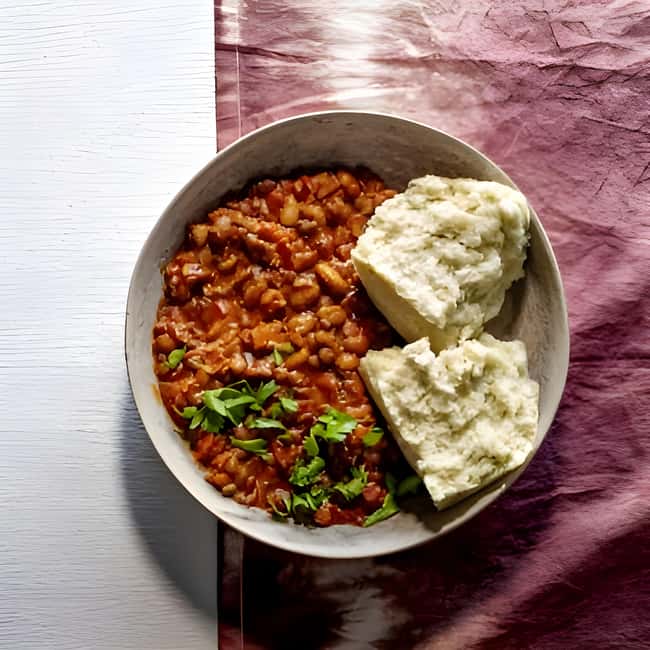
The best part of this experience is that the cooking starts before you reach the kitchen. You walk through Maboneng, hear about the neighborhood, meet food vendors, and see how everyday food fits into local life. Then you return to a private home for more than two hours of cooking and a generous Zulu-inspired lunch.
I like the personal scale of it. You are not watching a chef perform behind a counter. You are chopping, preparing, asking questions, and sharing a meal in a host’s home. I also like the mix of food and place: the neighborhood walk gives the dishes a setting and helps you understand the community around them.
The main consideration is that this is a home-based experience, not a polished cooking school. One session was less organized than hoped, with a kitchen that needed tidying and some dishes finishing at different times. If you want restaurant-level precision, this may feel informal. If you value conversation and warmth, that informality is part of the appeal.
Key points to know before booking
- Maboneng comes first: Begin with a guided walk through one of Johannesburg’s best-known creative districts, including a stop with local food vendors.
- The kitchen work is hands-on: Expect more than a demonstration. You take part in preparing Zulu-inspired food with a local chef.
- Hosts can make the day personal: Nkululeko, Dylan, and Bongani are named in the experience feedback, with stories, recipes, and plenty of conversation adding to the meal.
- Lunch is included and generous: Ingredients, cooking instruction, and the finished Zulu lunch are covered in the $85 price.
- The format is relaxed: You meet at the host’s home, return there after the walk, and finish back at the same address.
- Bring curiosity, not strict expectations: The food and company are the focus, but preparation may be casual rather than perfectly timed.
Maboneng sets the table before you cook
This experience begins at the host’s home in the heart of Maboneng, Johannesburg. You receive a welcome drink, meet the host, and get a sense of the kitchen and the day ahead. That home setting matters. It gives the experience a neighborly feel rather than the atmosphere of a formal class.
From there, you head out on foot toward a local supermarket and nearby food vendors. The walk is not simply a way to buy supplies. Your host uses it to explain the area, talk about its past, and point out efforts to support community life.
Maboneng is a useful place to start because it gives you a direct look at a changing part of Johannesburg. You can ask questions as you walk, rather than receiving a fixed speech in a bus. One host, Dylan, explained the neighborhood and its community work during the stroll, then stopped for refreshments at the market.
That small market stop is one of the practical pleasures of the outing. It lets you see the everyday side of the district and meet people connected to its food trade. You should not expect a long market tour or a formal shopping lesson. The value is in the contact and context, with the food buying woven into the walk.
I especially like this opening for first-time visitors to Johannesburg who want more than a standard sightseeing route. You get a local introduction to Maboneng while learning how ingredients and food vendors fit into the neighborhood.
More Food Tours in Johannesburg
- Johannesburg: Local Food Tasting Guided Walking Tour
★ 4.7 · 192 reviews - Soweto Food & Beer Bike Tour
★ 4.9 · 40 reviews - Johannesburg: Wine Tasting
★ 4.3 · 39 reviews
Cooking Zulu-inspired food in a private home
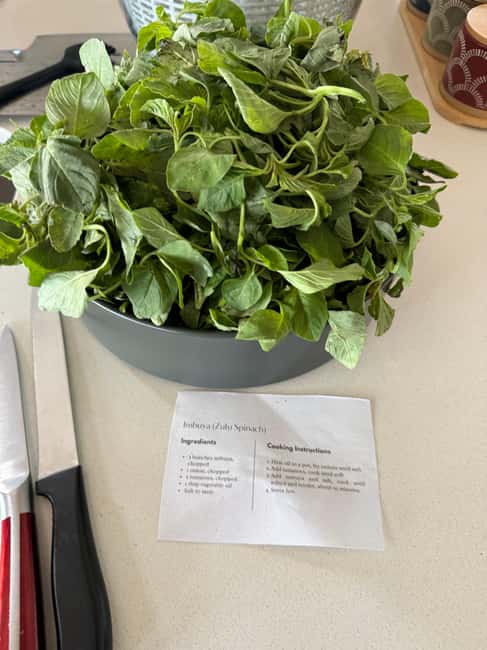
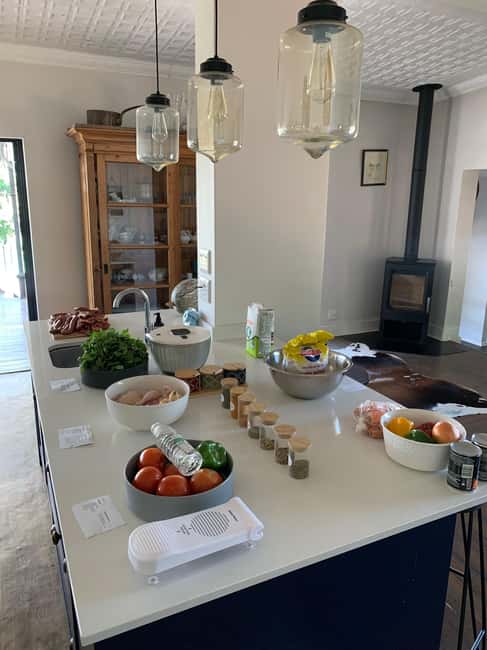
Back at the host’s kitchen, the cooking session lasts more than two hours. The chef guides you through traditional techniques and Zulu-inspired dishes, with time for questions and conversation. You are given the ingredients and use the kitchen facilities provided at the home.
The atmosphere is social. You can expect to talk about food, family habits, culture, and your own cooking experiences as you work. Dylan even printed recipes for one participant and helped with the pronunciation of the dish names. That is a useful touch if you want to recreate the meal at home instead of leaving with only a pleasant memory.
The cooking is meant to be active. You do not just sit and watch a professional prepare lunch. You learn by doing, with the host explaining methods and answering questions as the dishes come together.
The experience does not provide a detailed dish-by-dish menu in advance, so you should book it for the chance to learn Zulu-inspired cooking rather than for one exact recipe. The food may include grilled items. Bongani was praised for the chicken he barbecued and the sausage he grilled, but the full menu can vary.
That uncertainty is worth keeping in mind. A fixed menu is helpful if you have strict dietary needs or are choosing a class around one particular dish. Here, the focus is broader: local ingredients, cooking methods, cultural conversation, and the pleasure of eating what you have prepared.
The meal is the payoff
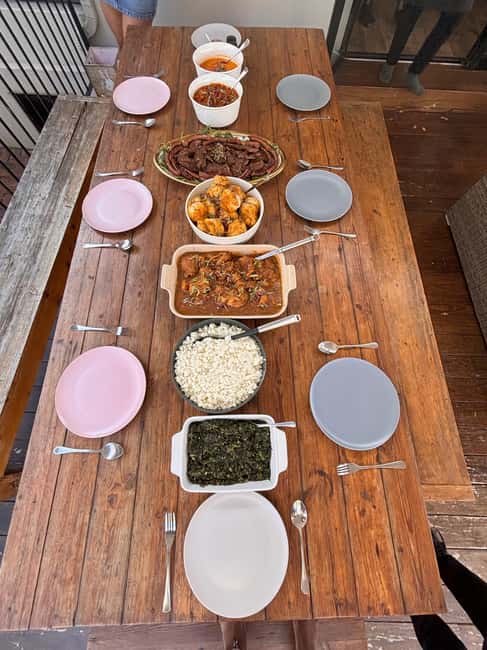
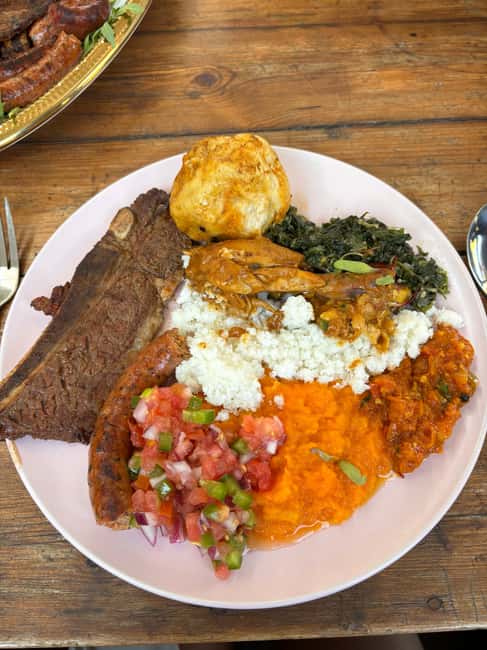
Once the cooking is finished, you sit down for a Zulu-inspired lunch. The portions are described as large, and the range of food is broad enough to make lunch feel like a proper meal rather than a quick tasting.
For me, the strongest value comes from eating the food immediately after preparing it. You know what went into the dishes, you can ask about the names and methods, and the meal becomes a shared event rather than a plate handed to you without context.
The food receives some of the highest praise in the experience feedback. The grilled chicken and sausage were singled out, and another participant said the meal was far more substantial than expected. You should arrive hungry.
There is one practical weakness. In one session, the cooking order was not planned well enough for every dish to reach the table at the same moment. Some warm food had time to cool while other items were still being completed. That is a fair criticism, especially if you care about exact kitchen timing.
Still, this is a home meal, not a professional restaurant service. The generous portions, personal instruction, and chance to ask questions may matter more to you than perfect presentation or synchronized serving. Leftovers are said to be donated, which adds a thoughtful community element to the experience.
Alcohol is not included, so plan on the welcome drink and the meal itself unless you arrange anything else directly. The supplied details do not specify the type of welcome drink or offer a drinks menu.
The hosts are a big part of the experience
The host can shape the day as much as the food. Nkululeko is described as a warm hostess who shared neighborhood history and encouraged long conversations. Dylan is described as an engaging cooking host who discussed food, life, culture, and the experience of learning to cook.
Bongani also appears in one session, helping with the grilled chicken and sausage. His presence shows that the meal can involve more than one local personality, though you should not assume that every booking includes the same people.
That variation is important. This is not a scripted show with the exact same delivery each time. You may get a host who spends more time on neighborhood stories, a host who focuses more on recipes, or extra help with the cooking.
The home itself may add to the character of the afternoon. One participant enjoyed the plants and cats in the space, along with the host’s friendly manner. At the same time, the kitchen was not fully cleaned up before one session. This tells you what sort of setting to expect: comfortable and personal, but not necessarily styled for a cooking-school brochure.
I would choose this experience for the human contact. You get the chance to ask direct questions about Zulu food and culture in a relaxed setting, in English or Zulu. That is much harder to arrange on your own during a short Johannesburg visit.
More cooking classes in Johannesburg:
- Johannesburg: Pan-African Cooking & Dinning Experience
★ 4.5 · 6 reviews - Cape Town: Malay Cooking Class and Lunch in Bo-Kaap
★ 4.8 · 515 reviews - Authentic African Cuisine Cooking Experience
★ 5.0 · 236 reviews - Cape Town: Cape Malay Cooking Class in Bo-Kaap
★ 4.8 · 120 reviews
What the $85 price covers
At $85 per person, this is not the cheapest way to eat lunch in Johannesburg. You are paying for more than ingredients and a plate of food, though. The price includes the guided Maboneng walk, contact with local food vendors, a local chef, hands-on instruction, ingredients, use of the kitchen, a welcome drink, cultural stories, and lunch.
The value is strongest if you would otherwise book separate activities. You receive a neighborhood introduction, a food experience, and a home meal in one outing. You also leave with cooking knowledge and, in at least one case, printed recipes.
The value is weaker if you mainly want a quick meal or a formal lesson with professional equipment. The session can be casual, and the kitchen organization may not always be perfect. You should also remember that alcoholic drinks are extra.
For a visitor who enjoys food as a way to understand a place, $85 is reasonable. You are buying time with a local host, not just a cooking demonstration. For someone who wants a tightly managed class, the price may feel high unless the cultural side matters to you.
How much time should you allow?
The cooking segment runs for more than two hours, while the neighborhood walk and lunch add more time. The total length is not specified, so do not schedule a tight appointment immediately afterward.
The activity begins and ends at the host’s home in Maboneng. Detailed directions are sent after booking, which is useful because the meeting point is a private residence rather than a major public landmark.
You should plan to arrive ready to spend the full experience in one place after the walk. Since the walk leads to local food shopping and then returns to the kitchen, comfortable shoes make sense, though no formal dress guidance is provided.
The booking terms are flexible. You can reserve now and pay later, and cancellation is allowed up to 24 hours before the activity for a full refund. Those terms help if your Johannesburg plans are still shifting.
Who will enjoy this most?
I would recommend this to food-focused visitors, curious first-time visitors to Johannesburg, and anyone who prefers a small personal setting to a standard group excursion. It also suits people who like to ask questions and take part rather than simply watch.
It is a good fit for cooks at many skill levels because the emphasis is on traditional techniques, conversation, and shared preparation. You do not need to arrive as an expert. The printed recipes and pronunciation help can also make the experience useful after you return home.
Families and groups of friends may enjoy the relaxed setting, but the supplied details do not specify a minimum age, group size, or special family arrangements. Ask before booking if those points affect your plans.
You may want to choose another activity if you require a fully predictable menu, strict timing, a spotless professional kitchen, or confirmed accommodations for dietary restrictions. Those details are not provided, so ask the host before paying if you have allergies or food limitations.
What makes it different from a restaurant meal?
A restaurant can serve you Zulu or South African food, but it usually cannot give you the same access to the preparation, the neighborhood, and the host’s personal stories. Here, you see ingredients in a local setting, take part in the work, and then eat the result at the same home.
The neighborhood walk also keeps the experience from becoming a cooking class detached from place. You learn where you are before you learn what you are cooking. That connection is the reason I would choose this over a standard meal if you have limited time in Johannesburg.
The tradeoff is polish. A restaurant has trained staff, a controlled kitchen, and predictable service. This experience offers a warmer, more informal connection, but the food may not all arrive piping hot and the kitchen may show signs of ordinary home life.
My practical verdict
Book this if you want a generous meal, a local host, a walk through Maboneng, and a chance to learn by working with the food yourself. The strongest parts are the personal conversation, the neighborhood setting, and the clear enthusiasm around the cooking and grilled dishes.
Think of the $85 as the price of a cultural afternoon with lunch, not simply a cooking lesson. Go with an open schedule and a willingness to accept a home kitchen’s imperfections. If that sounds appealing, this is a friendly and useful way to connect food with Johannesburg life.
FAQ
Where does the Zulu cooking experience begin?
It begins at the host’s home in the heart of Maboneng, Johannesburg. Detailed directions are shared after booking.
Where does the activity end?
The activity ends back at the same meeting point, the host’s home.
How long is the cooking session?
The hands-on cooking session lasts more than two hours. The total length of the complete activity is not specified.
Is lunch included?
Yes. A Zulu-inspired lunch is included, along with the ingredients used during the cooking session.
Are drinks included?
A welcome drink is included. Alcoholic drinks are not included.
Which languages are spoken?
The experience is offered in English and Zulu.
Can I reserve now and pay later?
Yes. You can reserve your place and pay later, so no payment is required today.
What is the cancellation policy?
You can cancel up to 24 hours in advance for a full refund.
More places to eat in Johannesburg
- Lesedi Cultural Village with lunch or dinner cultural food
★ 4.6 · 9 reviews - 5-Day Kruger National Park Safari including Breakfast and Dinner
★ 4.5 · 7 reviews - Cape Town: Sunset Champagne Cruise and 3-Course Dinner
★ 4.5 · 528 reviews - Cape Town: African Dinner, Drumming Experience with Transfer
★ 4.7 · 393 reviews
More dinners out in Johannesburg
- 4-Day Kruger Park Safari & Panoramic Tour Combo including Breakfast and Dinner
★ 5.0 · 19 reviews - 3-Day Kruger National Park Safari including Breakfast and Dinner
★ 4.5 · 19 reviews - 4-Day Kruger National Park Safari including Breakfast and Dinner
★ 5.0 · 12 reviews - 5-Day Kruger Park Safari & Panoramic Tour Combo including Breakfast and Dinner
★ 5.0 · 12 reviews
Just listed around Johannesburg
- Constitutional Hill and Soweto 5 hours tour.★ 5.0 · 5 reviews
- 5 Day Kruger Glamping Safari and Panorama Tour★ 5.0 · 5 reviews
- Cradle of Humankind and Maropeng Day Tour from Johannesburg★ 4.0 · 5 reviews
- Johannesburg: Hot Air Balloon Flight★ 5.0 · 5 reviews
- Half Day Soweto and Apartheid Museum Guided Tour★ 5.0 · 5 reviews
- Lion park★ 4.5 · 5 reviews
- 5 Day Kruger National Park and Panorama Route Safari★ 4.5 · 5 reviews
- Pretoria Historical Tour★ 4.0 · 5 reviews
Food & Drink, compared.
Full-Day Winelands Tour with Wine Tastings & Food
Read our review →
Stellenbosch & Franschhoek 20 Wine Tasting + Lunch Shared Tour
Read our review →
Browse the lists this tour appears in