
Reviewed · CAPE TOWN TOURS
Cape Town: Cape Malay Cooking Class in Bo-Kaap
Cape Malay cooking is best understood with your hands busy. In a Bo-Kaap family home, you mix spices, shape samoosas, help prepare starters and bread, and then sit down to eat what you made. The class also brings the neighborhood’s food traditions to life through stories from a local host.
I like the real participation here: you are not simply watching a chef perform. I also like the friendly meal afterward, when cooking gives way to talk about family, culture, and daily life. The main consideration is that this is a shared class rather than a private workstation for every person, and reaching the dining area may involve steep stairs.
Key points at a glance
- Cook in a Bo-Kaap family home: The setting gives the class a personal feel that a restaurant kitchen cannot match.
- Make food from scratch: You may help prepare samoosas, chilli bites, flatbread, and a Cape Malay curry using fresh ingredients and traditional spices.
- Learn through local conversation: The host explains the cuisine, the community, and the traditions behind the dishes.
- Eat what you prepare: Lunch and soft drinks are included, so the class ends with a proper shared meal.
- Expect a communal format: Everyone works together rather than cooking alone at an individual station.
- Allow for stairs and your own transport: Transportation is not included, and one dining area is reached by steep stairs.
Why Cape Malay food is worth learning in Bo-Kaap
Cape Malay cuisine is one of the clearest ways to understand Bo-Kaap. The food combines fragrant spices, careful preparation, and family recipes shaped by the Cape Malay community. You do not need to be a serious cook to appreciate it. The class is built for participation, conversation, and eating well.
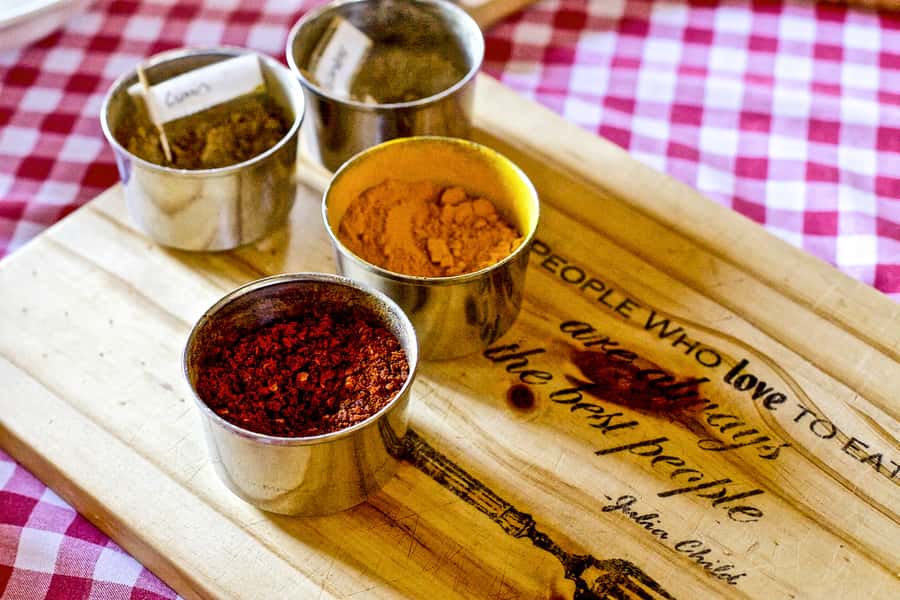
What I find useful is the way the cooking gives context to ingredients. Instead of seeing spices as a list in a recipe, you learn how they work together and how small techniques affect the final result. One practical lesson is how to fold a samoosa so the filling stays inside during cooking. That kind of tip is simple, memorable, and easy to use at home.
The host also shares local history and stories about family and community. This matters because Bo-Kaap is more than a photogenic row of colorful houses. A home-based class gives you a chance to hear about the area through a resident’s voice while sitting around food that has meaning beyond its flavor.
More cooking classes in Cape Town:
- Cape Town: Malay Cooking Class and Lunch in Bo-Kaap
★ 4.8 · 515 reviews - Authentic African Cuisine Cooking Experience
★ 5.0 · 236 reviews - Cape Town: Bo-Kapp Walking Tour and Malay Cooking Class
★ 4.7 · 105 reviews
Entering the home kitchen for a two-hour class
The class takes place in the heart of Bo-Kaap, inside a traditional family home. The exact host may vary, and past sessions have included hosts such as Shafeeqah, Fuad, Jacinda, and Jasmina. The common thread is a welcoming home setting, with English and Afrikaans available for the class.
I would arrive ready to take part from the first minute. This is not designed as a formal demonstration where you sit back and take notes. The group assists with the preparation, and the host guides the work as you go. That makes the session social and hands-on, though it also means the pace and tasks are shared among the class.
The home setting is one of the strongest reasons to choose this activity. You are not being shown a polished tourist version of Cape Malay food in a commercial venue. You are welcomed into a place where the meal feels tied to family practice and everyday cooking.
At the same time, keep your expectations realistic. One account describes the kitchen as clean and well equipped, but the class is not set up so each person has a separate cooking island. If you prefer a technical cooking lesson with your own ingredients, tools, and recipe timing, this may feel less structured than expected.
Preparing samoosas, chilli bites, and flatbread
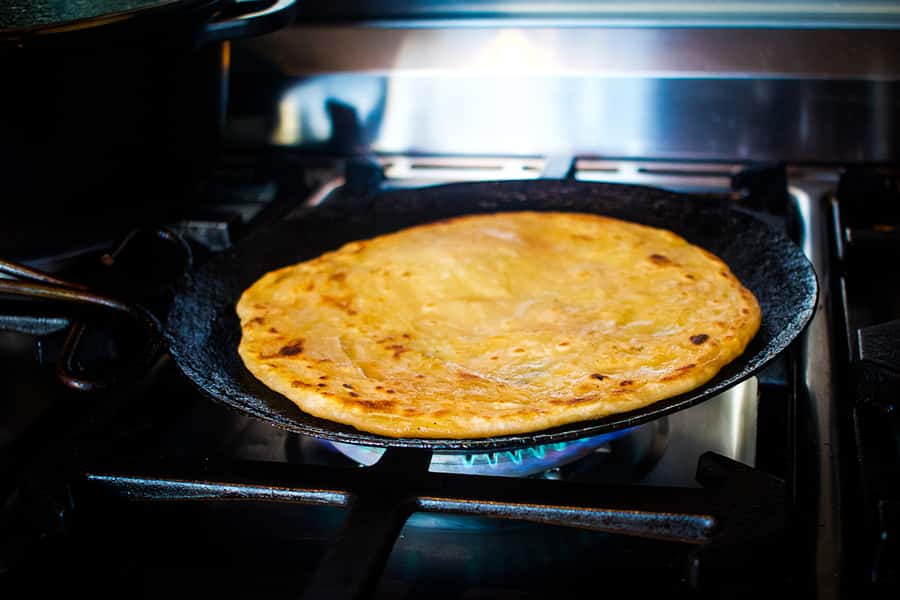
The starter preparation is where the class becomes especially practical. You may help make samoosas and chilli bites, along with flatbread or roti. These are not just dishes placed in front of you. You take part in shaping, folding, mixing, or preparing them under the host’s direction.
Samoosa folding is a highlight because it teaches a useful bit of kitchen craft. The goal is not only to make a neat triangle. The fold must hold its contents while cooking, and the host demonstrates how to do it. You may need a few attempts, but that is part of the fun.
The class also explains the spices and ingredients used in Cape Malay cooking. I like this part because it helps you understand the difference between a heavily spiced dish and a genuinely balanced one. The food is aromatic and layered, but the lesson is about technique as much as seasoning.
Participation can be adjusted within the group. One family found that teenagers who were initially reluctant ended up enjoying the cooking, while another family received help with dietary restrictions. Still, you should tell the provider about any needs before booking, since the supplied information does not promise a specific replacement menu.
The main course and the meal you help create
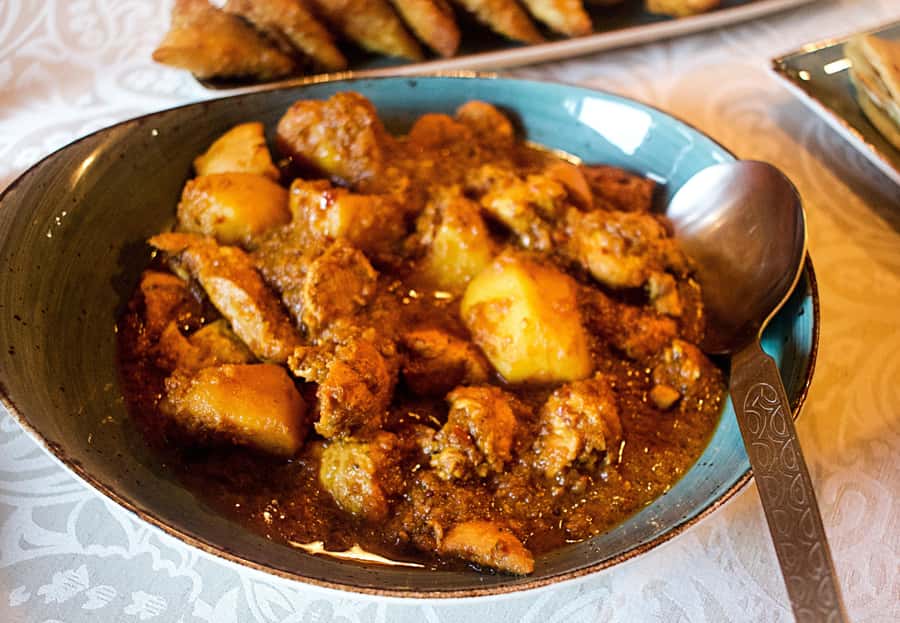
The main meal is a Cape Malay curry, with chicken and beef both appearing in accounts of different sessions. You should not assume one fixed protein or identical dishes every day. Menus can vary, but the format remains a three-course meal prepared with the class.
This is where the earlier work pays off. You have smelled the spices, handled the ingredients, and helped prepare the supporting dishes. When you sit down, the meal is not just lunch. You understand more about how it came together, and you can ask questions while the flavors are still fresh.
Lunch and soft drinks are included in the $52 price. I consider that fair value for a two-hour activity that combines a cooking lesson, a meal, and cultural conversation. A standard restaurant lunch might cost less, but it would not give you the same access to the preparation or the host’s personal perspective.
The food portions have been described as plentiful, and the meal is served after the cooking is complete. If you are booking this as a morning session, it works as lunch. If your start time is later, it may function more like an early evening meal. Check the available start times when you select your date.
More workshops and classes in Cape Town:
- Private Surf Lesson
★ 5.0 · 53 reviews - Private Surf Lesson in Cape Town – Transport & Photos Included
★ 5.0 · 50 reviews - Muizenberg Cape Town: Private Surf Lesson
★ 5.0 · 37 reviews - Private Cape Malay Cooking Class in Cape Town with a Local Family
★ 5.0 · 24 reviews
Conversation, family stories, and Bo-Kaap context
The meal afterward is an important part of the experience. Once the cooking is finished, you sit with the host and the other participants for conversation about family, local traditions, food, and the community. This is not a scripted history lecture, and that is part of its appeal.
I would choose this class if you want contact with local life but prefer an activity with a clear purpose. Cooking gives everyone something to do, so conversation tends to come naturally. You can ask about ingredients, household traditions, or the history of Cape Malay cooking without forcing an awkward question-and-answer session.
The class can also suit people traveling alone. The shared tasks create an easy way to meet other participants, and the meal gives the group time to talk. Couples and families fit well too. Several families found the home environment especially welcoming, and children or teenagers can take part if they are willing to join the group work.
The tone is warm rather than formal. Hosts have been described as gracious, patient, organized, and easy to chat with. Names and personalities may change from one session to another, but you can expect instruction from a local resident in English or Afrikaans.
What the $52 price really covers
At $52 per person, the price includes the cooking class, the food you prepare, lunch, and soft drinks. It does not include transportation. That makes the activity good value if you are already staying in central Cape Town and can arrange your own way to Bo-Kaap.
The value is strongest for someone who wants more than a meal. You get instruction, ingredients, time with a local host, and a home-based setting. The class also saves you from having to choose a restaurant menu without knowing much about the dishes.
It is less compelling if you only want to taste Cape Malay cuisine. A restaurant meal would likely be more direct and possibly cheaper, though it would not offer the cooking practice or personal conversation. I would also think twice if you dislike shared activities or need a fully private, highly structured kitchen lesson.
Reserve now and pay later is available, and you can cancel up to 24 hours before the activity for a full refund. Those terms help if your Cape Town schedule is still moving around, though you should still check the exact start time and meeting information before confirming.
Practical details that affect your comfort
Plan your own transportation, since none is included. The experience is in Bo-Kaap, but the supplied details do not specify a pickup service or a particular meeting point, so check the confirmation carefully.
Wear something comfortable for standing and cooking. No special uniform is listed, and the class involves active preparation rather than sitting through a demonstration. You may also want to avoid clothing that is difficult to move in or that you would worry about around food.
The class is held in a home, so expect a more personal setting than a purpose-built cooking school. That is a plus for atmosphere, but it may also mean less space and fewer individual work areas. One participant found that the dining area required walking down steep stairs, which was difficult with a serious back injury. If stairs are a concern, ask the provider about the layout before booking.
Alcohol and drugs are not allowed. The included drinks are soft drinks, and the activity is designed around cooking, lunch, and conversation.
Who will enjoy this most
I would recommend this to you if you enjoy food as a way to understand a place. It is especially good for:
- First-time visitors to Cape Town who want a local cultural activity
- Couples looking for a shared meal with more meaning than a restaurant booking
- Families with teenagers who are willing to take part
- Solo visitors who enjoy meeting people through a group activity
- Home cooks who want practical Cape Malay techniques and spice ideas
- Anyone curious about Bo-Kaap beyond its streets and architecture
You may want a different activity if you need guaranteed step-free access, a private class, or a fixed menu with individual cooking stations. The class is also not the best choice for someone who wants a quiet lunch. Conversation and group participation are central to the format.
My take on the food and teaching style
The strongest feature is the balance between guidance and participation. The host leads the class, but you are expected to help. That makes the food taste better in a small psychological way: you remember the folding, mixing, chopping, and waiting that went into it.
The teaching also appears suited to a mixed group. One class included people from several countries, and the guide was praised for demonstrating techniques clearly. You may not leave with professional cooking skills, but you should leave with a better sense of how the dishes are made and how to repeat some of the methods at home.
The food itself receives consistent praise, especially the curry, starters, flatbread, and overall meal. I would still avoid promising that every dish will suit every palate. Spice levels and menu details can differ, and the activity does not publish a fixed menu in the information provided.
Should you book the Bo-Kaap cooking class?
I would book this if you want a personal, food-centered introduction to Bo-Kaap. The two-hour format is easy to fit into a Cape Town itinerary, and $52 includes both the cooking and the meal. The family-home setting, local stories, and chance to prepare the food yourself give it more substance than a simple tasting.
Go in expecting a communal class, not a private chef lesson. Arrange your own transport, ask about stairs if mobility matters, and confirm the menu or dietary arrangements in advance. If those points work for you, this is a warm and useful way to spend two hours, with a good lunch at the end and a few Cape Malay cooking tricks to take home.
FAQ
How long does the Cape Malay cooking class last?
The class lasts two hours.
Where does the cooking class take place?
It takes place in the historic Bo-Kaap neighborhood of Cape Town, inside a local family home.
What languages are available?
The host or greeter can speak English and Afrikaans.
What food will I prepare?
You will prepare a three-course Cape Malay meal from scratch. Dishes used in different sessions have included samoosas, chilli bites, flatbread or roti, and chicken or beef curry.
Is lunch included?
Yes. Lunch and soft drinks are included in the activity price.
Is transportation included?
No. You must arrange your own transportation to and from Bo-Kaap.
Do I cook the food myself?
You take part in preparing the food, but the class is communal. Everyone assists with different parts of the starters and main course rather than using a separate station for each person.
Can I request dietary accommodations?
A host has accommodated dietary restrictions in the past, but the activity information does not promise a specific menu. Contact the provider before booking to discuss your needs.
Is alcohol allowed?
No. Alcohol and drugs are not allowed during the activity.
Can I cancel for a refund?
Yes. You can cancel up to 24 hours in advance for a full refund. Reserve now and pay later is also available.
Just listed around Cape Town
- Cape Town: Inspiring sustainable change through Street Art★ 4.9 · 5 reviews
- Cape Town Tandem Paragliding Square 1 Paragliding★ 5.0 · 5 reviews
- SandBoarding in Capetown + PhotoShoot★ 4.0 · 5 reviews
- Cape Town: Full-Day Private Peninsula Tour★ 3.6 · 5 reviews
- Private FULL DAY Tour: Cape of Good Hope & Boulders Beach★ 5.0 · 5 reviews
- Cape Town Full Day Family Fun With Kids Private Tour★ 4.0 · 5 reviews
- Private Tour to Aquila Game Reserve in Cape Town – see the Big5★ 5.0 · 5 reviews
- Peninsula Tour Cape Town★ 5.0 · 5 reviews
Cape Town Tours, compared.

Wine Tour: Paarl, Franschhoek & Stellenbosch incl 3 wineries
Read our review →

Cape of Good Hope & Penguins Day Tour with Pickup
Read our review →
Zipline Cape Town – From Foot of Table Mountain Reserve
Read our review →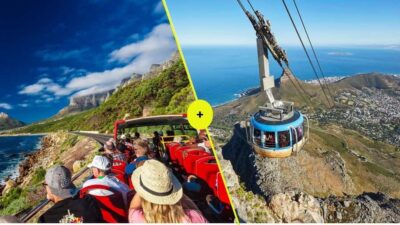
Table Mountain Cable Car, Hop-On Hop-Off Bus Tour
Read our review →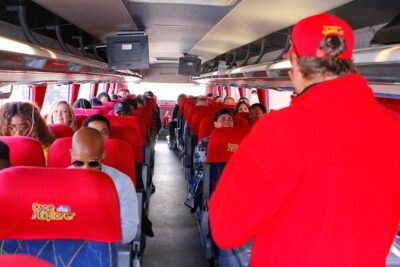
Cape Point and Boulder’s Penguins Full Day Tour
Read our review →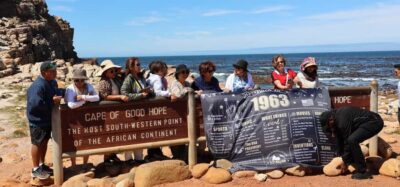

Browse the lists this tour appears in