
Reviewed · ROBBEN ISLAND TOURS
Cape Town: Robben Island Boat Trip & Museum Tour Ticket
Robben Island is not just a museum stop. It is the place where Nelson Mandela spent 18 of his 27 prison years, and the ferry ride across Table Bay gives the visit a clear sense of separation from Cape Town. Once ashore, you see his cell, tour the island by bus, and hear prison life explained by someone who was held there. The former-prisoner guide is the most meaningful part. I also like the combination of a scenic boat trip and a serious historical visit. The main caution is timing: a four-hour tour can run six hours when ferries are delayed.
I like that the ticket includes the return ferry, island bus tour, and museum visit, so you are not left arranging separate pieces. I also like the direct route from the Nelson Mandela Gateway at the V&A Waterfront, though $84 can feel high when South African government tickets are sold for less and operators may resell the same tour at a markup.
Key points to know before you go
- Mandela’s cell is the emotional center: You see the small prison cell where Nelson Mandela spent years as a political prisoner.
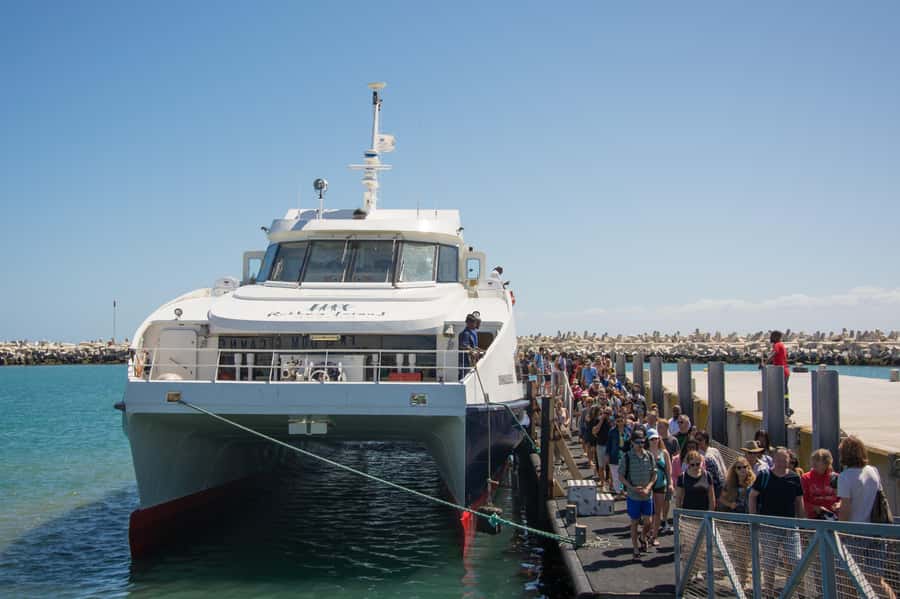
- The ferry takes about 30 minutes each way: Older boats and rough water can make the crossing much longer.
- A former political prisoner guides the prison visit: This gives the prison conditions a personal voice, but clear hearing is not guaranteed.
- The island tour combines bus travel and walking: You first see the island by bus, then continue through the prison and museum areas on foot.
- Allow more than four hours: Delays, queues, transfers, and slow boarding have pushed some visits close to six hours.
- Bring identification details: Carry a passport or copy of your ID, and provide every participant’s full name, surname, and country of birth after booking.
Crossing Table Bay to Robben Island
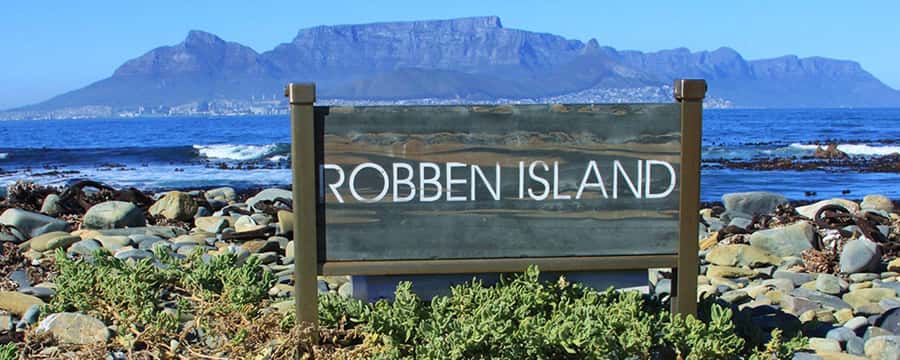
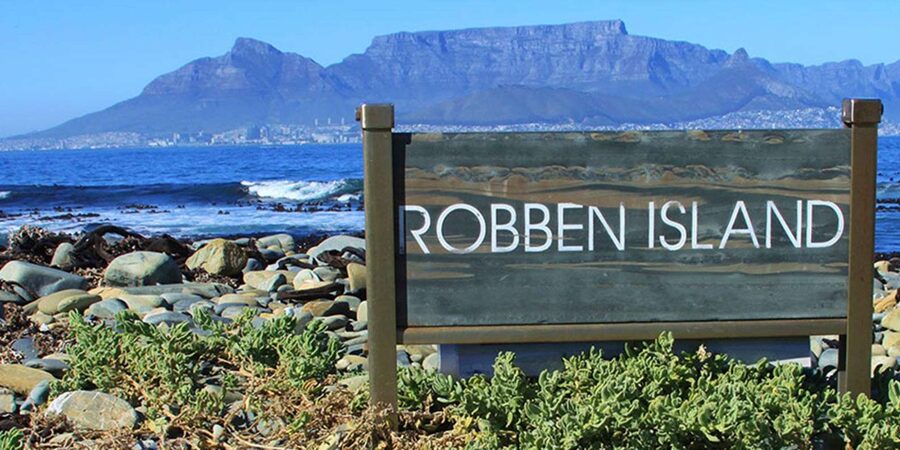
Your visit begins at the Nelson Mandela Gateway to Robben Island at the V&A Waterfront. I would arrive at least 30 minutes before departure, as requested, and go directly to the boat departures line. The waterfront is easy to reach, but you still need time to find the correct departure area and clear the boarding process.
The ferry crossing is advertised at 30 minutes each way. That short trip matters because it gives you a physical sense of the island’s distance from Cape Town. Robben Island was close enough to remain visible from the city, yet far enough offshore to function as a place of isolation and control.
You may get open views during the crossing, but do not treat it as a guaranteed sightseeing cruise. One boat was described as cramped inside, with few windows and a rough ride in heavy seas. Another older ferry took about an hour instead of 30 minutes. If you are prone to seasickness, keep the possibility of a choppy crossing in mind and choose your seat with care.
The ferry is transportation first, not a luxury cruise. Still, the water crossing is an important part of the visit. It separates the ordinary waterfront outing from the sobering place you are about to see, and it makes the island’s former role as a prison easier to grasp.
More Boat Tours in Cape Town
- Cape Town: Hop-On Hop-Off Bus Tour with Optional Cruise
★ 4.8 · 3,929 reviews - Cape Town Hop-On Hop-Off City Tour with Optional Cruise
★ 4.5 · 1,793 reviews - Cape Town: Sunset Champagne Cruise
★ 4.6 · 1,083 reviews
Seeing the island by bus
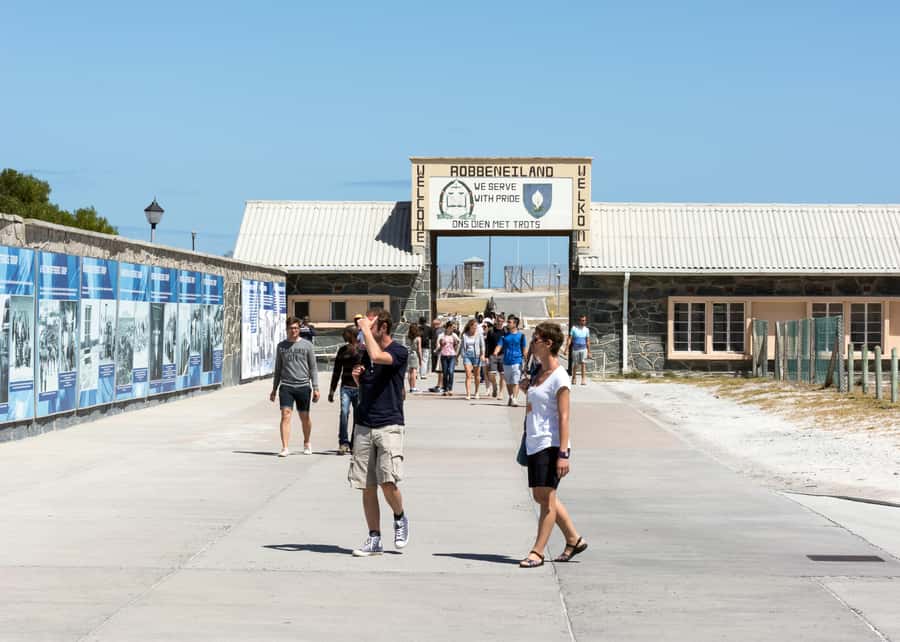
After arriving, you take a bus tour around Robben Island before visiting the prison. This first circuit gives you a wider view of the island’s past and helps place the prison within the larger site.
The bus portion is also where guide quality can shape the experience. One guide, known as Shorty, was praised for making the story lively and connecting it to the nationalities in the group. That approach can help a mixed international audience feel included rather than receiving a fixed speech delivered without context.
At other times, the commentary has been hard to hear or difficult to follow. One guide spoke at length without explaining the subject clearly, and a few descriptions did not match what was later explained by prisoners. That does not erase the value of the island, but it does mean you should listen carefully and keep your expectations realistic.
The bus makes the island accessible in a practical way. You are not expected to cover the entire site on foot, and the tour gives you a structured introduction before the more focused prison visit. The tradeoff is that stops may feel managed by a schedule, with periods of standing and waiting between sections.
Inside the prison and Mandela’s cell
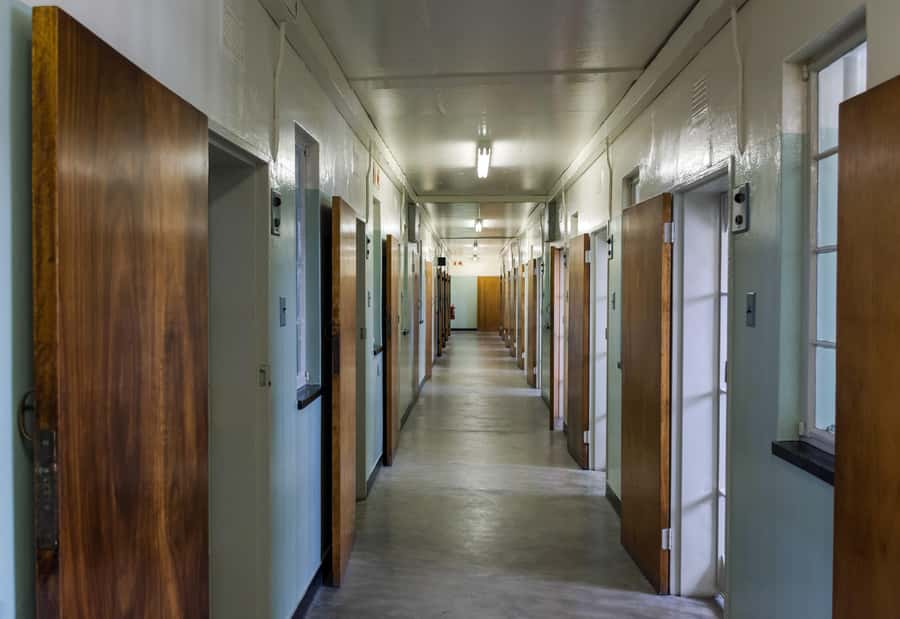
The prison visit is the reason most people make the crossing. You see Nelson Mandela’s cell and learn about the conditions faced by political prisoners. The cell itself is modest, and that plainness is part of its force. There is no grand display to soften the subject. The focus is on confinement, routine, and the people held there for opposing apartheid.
The museum guide is a former political prisoner who was once imprisoned on Robben Island. This is not the same as reading a display panel or listening to a general historical talk. The guide can explain prison conditions from personal experience, which gives the visit a human scale.
I would not assume that every former-prisoner presentation will be equally easy to hear. At least one guide was difficult for a group to understand, and part of the talk was missed when visitors became separated near the cell area. The guide was described as friendly, but the delivery was rushed and unclear.
Stay close to your group, especially when moving between the cell area and the next stop. If you cannot hear, position yourself near the guide and ask for repetition when possible. The prison visit is too important to experience from the back of a scattered crowd.
The personal guide is the most highly praised element of the outing. One booking received its highest marks specifically for the prison tour and the former prisoner leading it. That praise makes sense. The island’s history can be presented in many ways, but hearing about imprisonment from someone who lived through it adds weight that a standard bus narration cannot easily match.
How the schedule really works
The stated duration is four hours. The basic structure is simple:
- Arrive at the Nelson Mandela Gateway.
- Take the ferry to Robben Island, normally about 30 minutes.
- Tour the island by bus.
- Visit the prison and museum with a guide.
- Return by ferry to Cape Town.
The problem is that ferry operations and boarding times can change the entire day. One departure left 45 minutes late. Another began an hour behind schedule, and the old ferry extended the crossing. A visit advertised as four hours then took roughly six hours once waiting and transfers were included.
I would not schedule a tight restaurant booking, airport transfer, or another major attraction afterward. The safest plan is to treat this as a half-day visit with a generous cushion. If everything runs on time, you may finish close to the advertised length. If not, you will be glad the rest of your day is open.
The island itself is listed as a three-hour portion of the itinerary, including the photo stop, guided visit, walking, and bus tour. That is enough time for a serious introduction, but not enough to linger at every point. You may spend a fair amount of the visit standing, waiting for the next movement, or trying to hear commentary in a group.
More Museum Tours in Cape Town
- Museum of Contemporary African Art: Fast-Track Zeitz MOCAA
★ 4.4 · 204 reviews - Cape Town: Private Guided Tour of Cape Town Diamond Museum
★ 4.7 · 156 reviews - ROBBEN ISLAND MUSEUM TOUR, WITH OPTIONAL LAST MINUTE TICKETS
★ 3.4 · 85 reviews - Township Tour District 6 Museum Robben Island drop off at hotel
★ 5.0 · 32 reviews
Price, ticket value, and what is included
The price is $84 per person. It covers the return ferry, museum tour, island bus tour, and museum guide. Hotel pickup, drop-off, food, and drinks are not included, so you need to reach the V&A Waterfront on your own and plan for refreshments separately.
The value depends on what you want from the booking. If you want the main components arranged together, the price offers convenience. You have one booking for the ferry and museum, and the activity advertises a way to skip the ticket line. The English-language guide also keeps the visit straightforward for English speakers.
The price is harder to defend if you know that South African government tickets can be substantially cheaper. One high-rated booking still described the tour as fantastic but felt the higher operator price was unfair because companies buy tickets in bulk and resell them. That is an important comparison point, not a minor detail.
You are paying for access and arrangement, not a private tour or luxury boat. The bus and prison portions are shared, and the ferry quality can vary. Before booking, compare the direct government ticket price with this option and decide how much convenience is worth to you.
Guide quality and hearing the story
Guide quality is uneven. Some commentary has been humorous, interesting, and easy to understand. A guide who used visitors’ nationalities to connect with the group added warmth to a difficult subject. That kind of presentation can make a long bus ride feel more focused.
Other commentary has been too long, unclear, or hard to hear. The former-prisoner guide may offer the most personal account, but personal experience does not guarantee a strong public-speaking setup. You could lose important details if you are standing at the back or if the group spreads out.
I would treat the guide as one part of the visit, not the only reason to go. The prison, cell, ferry crossing, and island setting still carry meaning even if parts of the narration are less polished. At the same time, you should not expect a perfectly controlled museum tour with every word easy to catch.
English is the listed tour language. No other language is provided in the activity details, so English comprehension is important.
Practical details that affect your day
Carry your passport or a copy of your identification. A digital copy may be accepted for the ticket, but the instructions specifically say to bring a passport or ID copy. After booking, contact the provider using the supplied number and give the full name, surname, and country of birth for each participant. Without those details, the tickets may not be valid.
The tour is listed as wheelchair accessible, which is useful for visitors who need accessible arrangements. The information does not explain which parts of the ferry, buses, or prison have specific facilities, so it is sensible to confirm details with the provider before departure if you have particular mobility needs.
Food and drinks are not included. You should plan around the four-hour schedule, while remembering that delays may extend the day. The meeting point is not a hotel, so allow time to reach the V&A Waterfront independently.
Cancellation is possible up to 24 hours before departure for a 50 percent refund. The policy is not generous, so check your plans before committing.
The booking history also includes a serious service warning. One person reported receiving no reply on the day, finding no representative at the meeting point, and later being told briefly that the activity had been cancelled. That appears to be an isolated but important risk to consider. Keep the provider’s contact number handy and check your confirmation details before leaving for the waterfront.
Who should book this Robben Island visit?
I would recommend it to anyone visiting Cape Town who wants to understand apartheid-era imprisonment through a real place rather than only a city museum. It suits history-minded visitors, people interested in Nelson Mandela, and first-time Cape Town visitors who want a major landmark with genuine historical weight.
It also suits you if you value a former prisoner’s personal account and prefer having the ferry, bus, and prison visit combined in one booking. The format is easy to follow, and the island bus reduces the amount of walking required.
I would be more cautious if you dislike boats, standing, group movement, or uncertain schedules. The ferry can be cramped and rough, guides may be difficult to hear, and the four-hour estimate is not reliable enough for a tight itinerary. Families and older visitors should plan for delays and ask about seating or accessibility needs before booking.
Should you book it?
Book this tour if Robben Island is a priority and you want a single package from the V&A Waterfront, especially if hearing a former political prisoner matters to you. The prison visit, Mandela’s cell, and island setting make this a powerful half-day, even when some practical parts fall short.
Before paying $84, compare the direct government ticket price. If the difference is large, the operator may offer little beyond arranging the same ferry and museum access. If convenience wins, leave six hours free, bring identification, stay close to the guide, and be ready for a ferry delay.
FAQ
Where does the Robben Island tour begin?
It begins at the Nelson Mandela Gateway to Robben Island at the V&A Waterfront in Cape Town. Proceed directly to the boat departures line.
How long is the ferry ride?
The ferry is scheduled to take about 30 minutes each way. Delays and older boats can make the crossing longer, with one reported trip taking about an hour.
How long does the full activity last?
The stated duration is four hours. Delays, waiting, and transfers can extend the visit to around six hours, so leave extra time in your schedule.
Is Nelson Mandela’s prison cell included?
Yes. The island visit includes a stop at Nelson Mandela’s cell and a guided prison and museum tour.
Who leads the museum and prison tour?
The museum tour is led in English by a guide who was formerly imprisoned on Robben Island. The wider island bus tour may use a different guide.
What identification do I need?
Bring your passport or a copy of your ID. After booking, provide the full names, surnames, and countries of birth for all participants so the tickets can be validated.
Are food, drinks, and hotel transfers included?
No. The price includes the return ferry, museum tour, and museum guide, but not food, drinks, hotel pickup, or hotel drop-off.
More Robben Island visits
- Cape Town: Robben Island Ferry Ticket and Guided Prison Tour
★ 4.1 · 1,792 reviews - Cape Town: Robben Island Ferry Tour with 1-Way Hotel Pickup
★ 4.2 · 1,380 reviews - Cape Town: Robben Island Ferry Ticket and Townships Tour
★ 4.5 · 400 reviews - Cape Town: Robben Island Ferry with Prison Ticket and Tour
★ 4.0 · 324 reviews
Just listed around Cape Town
- Cape Town: Inspiring sustainable change through Street Art★ 4.9 · 5 reviews
- Cape Town Tandem Paragliding Square 1 Paragliding★ 5.0 · 5 reviews
- SandBoarding in Capetown + PhotoShoot★ 4.0 · 5 reviews
- Cape Town: Full-Day Private Peninsula Tour★ 3.6 · 5 reviews
- Private FULL DAY Tour: Cape of Good Hope & Boulders Beach★ 5.0 · 5 reviews
- Private Tour to Aquila Game Reserve in Cape Town – see the Big5★ 5.0 · 5 reviews
- Cape Town Full Day Family Fun With Kids Private Tour★ 4.0 · 5 reviews
- Peninsula Tour Cape Town★ 5.0 · 5 reviews
Robben Island Tours, compared.

Robben Island Ferry Ticket and Guided Prison Tour
Read our review →
Robben Island Ferry Tour with 1-Way Hotel Pickup
Read our review →
Robben Island Ferry with Prison Ticket and Tour
Read our review →

Robben Island Tour including Pick Up & Drop Off from Cape Town
Read our review →
Robben Island Ferry Ticket and Guided Prison Tour
Read our review →
Robben Island Experience: Pre-Booked Ticket & Return Transfers
Read our review →Browse the lists this tour appears in