
Reviewed · MUSEUMS
Cape Town: Private Guided Tour of Cape Town Diamond Museum
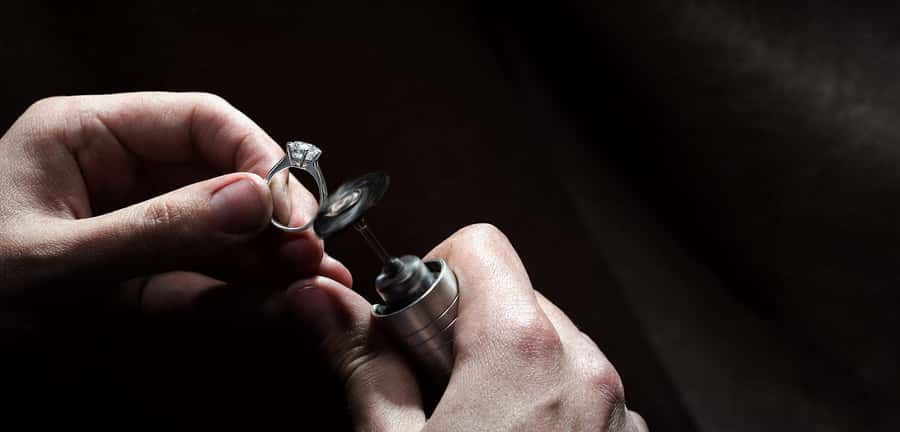
South Africa’s diamond story comes alive in a working jewelry setting, not behind glass alone. At the Cape Town Diamond Museum, you learn how diamonds form, how South Africa’s industry developed, and how stones are cut and polished before becoming jewelry. The private format lets you ask plenty of questions, and guides such as Aloma, Sandy, Shani, and Constantina have earned praise for their warmth and command of the subject.
I like the combination of a focused 45-minute tour and free drinks, which makes this an easy addition to a day at the V&A Waterfront. I also like the chance to see more than 3,000 pieces in the cutting factory and jewelry workshop, then speak with a personal designer about creating your own diamond. The main consideration is that this is also a jewelry store, so anyone hoping for a museum with no sales element should expect a shopping opportunity at the end.
Key points to know before you go
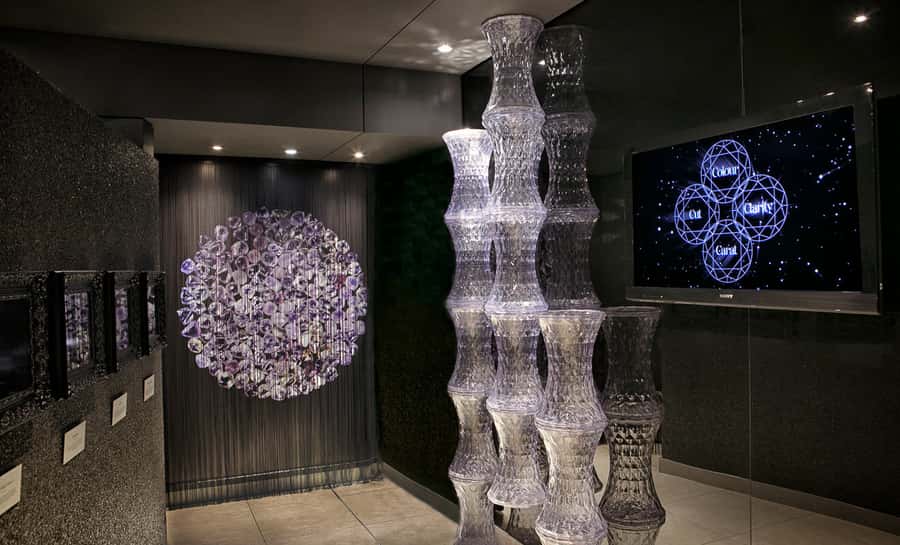
- A private 45-minute tour: You have your own guide, in English or Afrikaans, rather than joining a large group.
- More than 3,000 pieces: The collection covers diamonds, jewelry, and work connected with the cutting and workshop side of the business.
- A clear South African focus: The tour traces diamond formation, mining, cutting, polishing, and the growth of the local industry.
- Drinks are included: You receive soft drinks or South African wine on arrival, with drinks available during the visit.
- Factory viewing depends on timing: Weekday visits from 9 a.m. to 1 p.m. offer the best chance to see jewelry and diamond carving at work.
- Shopping is optional but built in: You can try jewelry and discuss a custom diamond with a designer, supported by a GIA certificate.
Why this small museum is worth your time
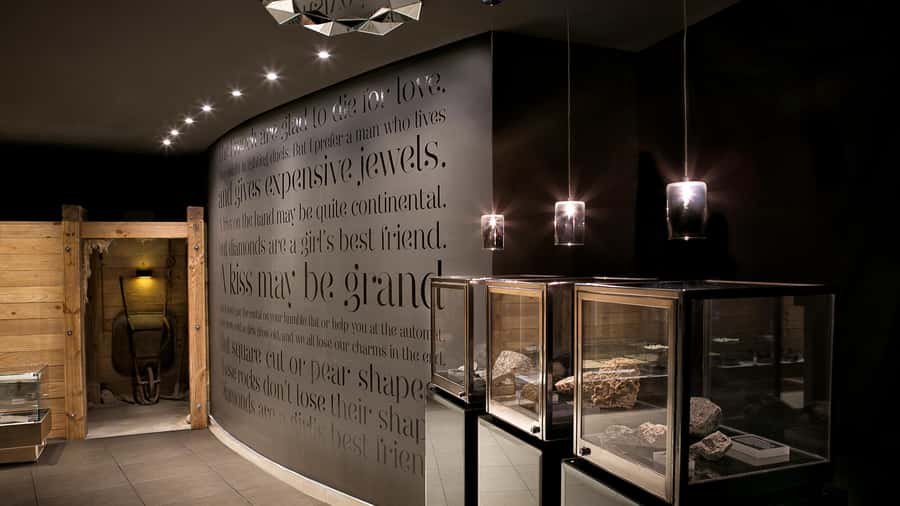
The Cape Town Diamond Museum is not a giant national collection. It is a compact, specialist museum connected to Shimansky, a local jewelry company, at the V&A Waterfront. That setting shapes the whole experience. You are not only looking at finished stones. You are also being shown how diamonds are selected, shaped, polished, graded, and turned into jewelry.
I find that useful because diamonds can seem mysterious when you only see them in a display case. Here, the guide explains the basic steps in plain terms. You learn about the four Cs: cut, carat, color, and clarity. One guide also added a playful fifth C, confidence, a memorable way to connect technical grading with the way jewelry makes people feel.
The story begins far before modern mining. The tour covers South Africa’s 3-billion-year diamond history, then moves toward the better-known discoveries and the growth of the diamond trade. You may hear about the first South African discovery associated with Erasmus Jacobus, the Kimberley brand, and the Oppenheimer family.
This history is not presented as a dry list of dates. It helps explain why South Africa became so important to the world diamond industry, and why Cape Town remains a natural place to explore the subject. The museum gives you a short introduction rather than a full study of mining, trade, labor, and environmental issues, so keep your expectations in line with a 45-minute specialist visit.
More Museum Tours in Cape Town
- Museum of Contemporary African Art: Fast-Track Zeitz MOCAA
★ 4.4 · 204 reviews - ROBBEN ISLAND MUSEUM TOUR, WITH OPTIONAL LAST MINUTE TICKETS
★ 3.4 · 85 reviews - Township Tour District 6 Museum Robben Island drop off at hotel
★ 5.0 · 32 reviews
Starting at Gavin Collins Gallery
Your meeting point is the Gavin Collins Gallery. Go to reception and tell the staff you are there for the museum tour. The museum is part of the local Shimansky jewelry store, so it may not look like a separate museum entrance from outside.
That simple detail matters. One visitor arrived expecting a conventional museum and found the museum inside the jewelry business. The practical move is to check in at reception rather than waiting for a prominent museum sign.
The tour is private, which gives the visit a more personal rhythm. You can ask about the origins of diamonds, the four Cs, cutting techniques, jewelry design, or the South African industry. Guides have been praised for making the material lively and approachable. Aloma, in particular, was remembered for answering a long list of questions, while Sandy was praised for giving a detailed account of South African diamond mining.
Your welcome drink is served at the start. Choose from soft drinks or South African wine, and drinks remain available during the tour. Tea has also been served during a visit, though the stated inclusion is soft drinks and wine. This is a small touch, but it makes the appointment feel less rushed.
The 45-minute tour, from formation to finished jewelry
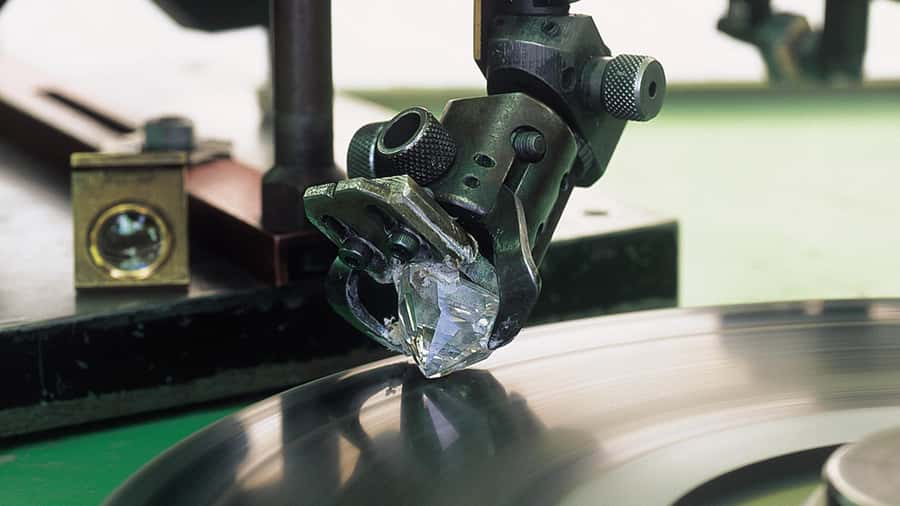
The main guided visit lasts about 45 minutes, with the full stop listed as roughly one hour. Your guide begins with how diamonds form and then explains how they are selected and ethically sourced by Shimansky.
The sourcing section is important. A diamond is not just a pretty object. Its value also connects to where it came from, how it entered the trade, and how its quality was assessed. The tour introduces the company’s approach to hand selection and ethical sourcing, giving you useful questions to consider if you plan to buy.
Next comes cutting and polishing. The goal is not simply to make a rough stone smaller. The cut affects how the finished diamond handles light, so the craftsperson must balance shape, symmetry, clarity, and weight. This is where the four Cs begin to connect. Carat tells you the weight, but a larger stone is not automatically the best choice if the cut is weak or clarity is poor.
You will see displays covering different diamond types and finished jewelry. This is a good part of the visit for first-time buyers, because you can compare stones without needing to pretend you already understand the terminology. Ask the guide to explain what you are seeing rather than relying on labels alone.
The guides are a major part of the experience. Past tours have been led by people including Nadya, Aloma, Constantina, Shani, Sandy, and others. Their individual styles may differ, but the recurring strength is clear: visitors value guides who explain the subject with energy instead of giving a memorized sales talk.
Seeing the workshop and 3,000-plus pieces
The collection includes more than 3,000 pieces in the diamond cutting factory and jewelry workshop. That number sounds large, but the real value is not counting objects. It is seeing the connection between rough material, technical work, and the final piece displayed for sale.
Timing matters here. A visit on a weekday between 9 a.m. and 1 p.m. gives you the best chance to see actual jewelry and diamond carving in progress. Outside those hours, you may still see the collection and receive explanations, but the workshop activity may be quieter.
I would choose a morning appointment if the working process is your main reason for going. If your schedule only allows an afternoon visit, the museum can still work well as a history and design stop. One visitor who attended a 4 p.m. appointment had a private tour with Aloma and found the personal question-and-answer time especially rewarding.
The factory and workshop setting also helps you understand the difference between a raw stone and a finished diamond. Cutting is skilled work, and every decision can affect the final appearance and value. You are not simply being shown glamorous jewelry. You are being shown the steps behind it.
A different side of Cape Town altogether:
- Wine Tour: Paarl, Franschhoek & Stellenbosch incl 3 wineries
★ 5.0 · 3,940 reviews - Cape Town: Hop-On Hop-Off Bus Tour with Optional Cruise
★ 4.8 · 3,929 reviews - Cape Town: Cape of Good Hope & Penguins Day Tour with Pickup
★ 4.7 · 3,362 reviews - Zipline Cape Town – From Foot of Table Mountain Reserve
★ 5.0 · 3,179 reviews
Designing a diamond with a personal specialist
The final part of the visit offers the chance to buy or design your own diamond with an on-site personal designer. A GIA certificate is included with this opportunity. The design option will appeal most to couples considering an engagement ring or to anyone who wants a piece made around a particular stone and style.
You do not need to purchase anything to benefit from the tour. The museum visit and the shopping opportunity are closely connected, but the choice to buy is yours. One particularly useful point from the experience is the absence of a strong sales push during the educational part. You can ask questions, look at rings, and learn how grading works before deciding if you want to continue.
Still, plan for the commercial side. This is a jewelry store as well as a museum, and the visit naturally leads toward browsing. If you are on a strict budget, set that boundary before you arrive. The $24 tour price does not include a diamond, ring, food, parking, or any other purchase.
For a serious buyer, the designer meeting adds value. You can discuss the four Cs in a real purchase context and ask to see how different choices affect appearance and cost. Bring your passport or ID card, as required, and cash if you plan to make a purchase or need it for your own spending. The supplied information does not state which payment methods the store accepts, so ask directly before committing to a purchase.
Is the $24 price good value?
At $24 per person, this is a reasonable price for a private specialist visit in the V&A Waterfront. You receive a 45-minute guided tour, drinks, access to the museum displays, and the chance to see the workshop side of the operation. A private guide is the key value here. You are not paying only for entry. You are paying for explanations and the freedom to ask your own questions.
The tour works especially well if you are already spending time at the waterfront. There is no separate day of transport built into the experience, and the meeting point is central to the listed activity. Parking is not included, so factor that into the cost if you are driving.
The price is less attractive for someone who wants a large museum with hours of exhibits. This is a short, focused stop. You will get an introduction to diamonds and South Africa’s industry, not a full-day academic tour. The activity is listed as valid for one day, with available start times shown when you check dates.
The free wine or soft drinks help make the price feel fair, but they are a courtesy rather than the reason to book. The strongest value comes from the private guide and the link between the displays, workshop, and optional design consultation.
Who will enjoy this Cape Town activity?
I would recommend this tour to first-time diamond buyers, jewelry fans, couples considering a ring, and anyone curious about the trade behind a polished stone. The private setting suits people who prefer questions and conversation to a large scripted group.
It also works for a short gap in a V&A Waterfront schedule. Since the main explanation takes less than an hour, you can fit it around other activities. The wine or soft drink makes it a pleasant break, while the subject gives you something more substantial than ordinary shopping.
Families should think about language and interest. The tour is offered in English and Afrikaans. A child who does not speak English may struggle, and one experience specifically found the visit unsuitable for children without English. The material may also be too technical or sales-focused for very young children.
The museum is wheelchair accessible, which is useful for visitors who need step-free access. Large bags and luggage are not allowed, and weapons or sharp objects are prohibited. Bring a passport or ID card and cash, as requested in the practical information.
How to get the most from your visit
Book a weekday morning if you want the strongest chance of seeing cutting and jewelry work in progress. Arrive ready to ask questions. The private format is wasted if you simply nod along and leave without clarifying the points that matter to you.
Ask your guide to explain:
- How the four Cs affect price and appearance
- What ethical sourcing means in the company’s process
- How much rough material may be lost during cutting
- Why two diamonds of the same carat weight can look different
- What the GIA certificate covers
- How a custom design changes the buying process
These questions fit the subject and help you separate useful information from sales language. You can also ask to compare different cuts and settings if you are considering a purchase.
Keep your expectations practical. Workshop activity may vary by day and time, and the visit is short. You will see a specialist collection and receive a guided introduction, but you will not spend an entire day following every stage of the diamond industry.
Booking flexibility and practical details
You can cancel up to 24 hours before the tour for a full refund. The reserve-now, pay-later option lets you hold a place without paying immediately, which is helpful when your Cape Town schedule is still changing.
The group is private, and the live guide speaks English or Afrikaans. The tour skips the ticket line, though you still need to meet at reception at the Gavin Collins Gallery. Food and parking are not included.
The tour has a 4.7 rating from 156 ratings, with especially strong praise for the guides’ enthusiasm, clarity, and personal attention. That matches the design of the activity: the displays provide the material, but the guide determines how much you understand and how enjoyable the visit feels.
Should you book the Cape Town Diamond Museum?
Book it if you want a short, private introduction to diamonds with a clear South African focus. The combination of mining history, the four Cs, cutting and polishing, free drinks, and access to a personal designer gives the visit more substance than a simple jewelry-store stop.
I would choose the tour for a weekday morning, especially if you want to see workers handling stones and jewelry. If you are considering a diamond purchase, the private format gives you room to ask direct questions before spending money.
Skip it if you want a large, traditional museum, dislike commercial settings, or have children who cannot follow English or Afrikaans. For most visitors already near the V&A Waterfront, though, $24 buys a useful and enjoyable hour with a subject that connects geology, South African history, craft, and modern jewelry.
FAQ
Where does the Cape Town Diamond Museum tour start?
Meet your guide at reception at the Gavin Collins Gallery.
How long does the guided tour last?
The guided museum portion lasts 45 minutes. The full activity is listed as about one hour, including the workshop and shopping opportunity.
Is the tour private?
Yes. The activity is offered for a private group.
Which languages are available?
The live guide speaks English or Afrikaans.
Are drinks included?
Yes. Soft drinks and South African wine are included, with drinks available at the start and during the tour.
Can I see diamond cutting and jewelry being made?
The tour includes more than 3,000 pieces in the diamond cutting factory and jewelry workshop. Weekday visits from 9 a.m. to 1 p.m. give you the best chance to see actual carving and jewelry work in progress.
Can I design and buy my own diamond?
Yes. You have the opportunity to work with a personal designer on-site to design and buy a diamond. A GIA certificate is included with this opportunity.
Is parking included?
No. Parking is not included in the activity price.
What should I bring, and what cannot I bring?
Bring a passport or ID card and cash. Weapons, sharp objects, luggage, and large bags are not allowed.
Just listed around Cape Town
- Cape Town: Inspiring sustainable change through Street Art★ 4.9 · 5 reviews
- SandBoarding in Capetown + PhotoShoot★ 4.0 · 5 reviews
- Cape Town Tandem Paragliding Square 1 Paragliding★ 5.0 · 5 reviews
- Cape Town: Full-Day Private Peninsula Tour★ 3.6 · 5 reviews
- Private FULL DAY Tour: Cape of Good Hope & Boulders Beach★ 5.0 · 5 reviews
- Cape Town Full Day Family Fun With Kids Private Tour★ 4.0 · 5 reviews
- Private Tour to Aquila Game Reserve in Cape Town – see the Big5★ 5.0 · 5 reviews
- Peninsula Tour Cape Town★ 5.0 · 5 reviews
Museums, compared.

Soweto /Johannesburg and Apartheid Museum Guided Full Day Tour
Read our review →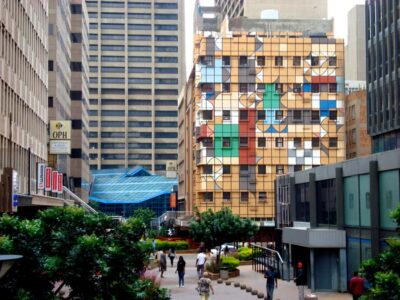
Jo’berg in 1 Day: Soweto, Apartheid Museum & City Tour
Read our review →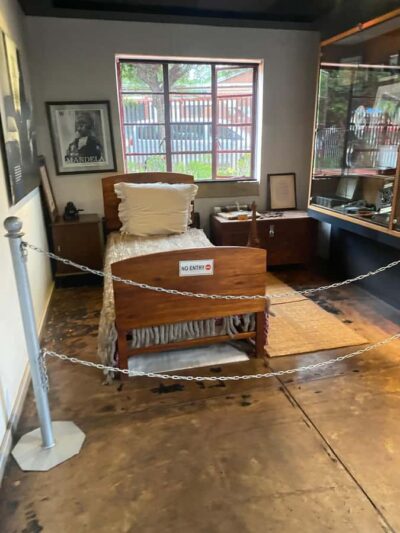
Full-Day Tour with Soweto and Apartheid Museum
Read our review →
Full-Day Soweto, Apartheid Museum and Lunch Tour
Read our review →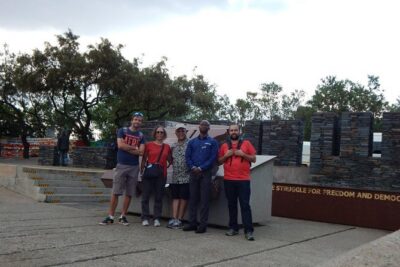
Half Guided Day Tour of Soweto And Apartheid Museum
Read our review →
Ultimate Johannesburg Soweto Experience with Apartheid Museum
Read our review →
Hop-On Hop-Off Bus, City Tour and Apartheid Museum
Read our review →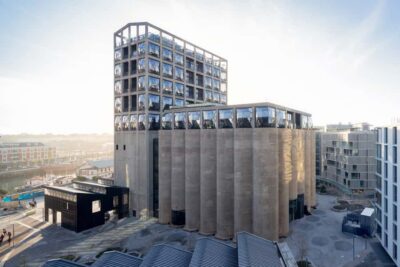
Museum of Contemporary African Art: Fast-Track Zeitz MOCAA
Read our review →Browse the lists this tour appears in