
Reviewed · ROBBEN ISLAND TOURS
Robben Island Tour including Pick Up & Drop Off from Cape Town
Robben Island is not a light sightseeing stop. The most powerful part comes inside the Maximum Security Prison, where a former political prisoner may guide you through the cells and explain what life under apartheid was like. You will also see Nelson Mandela’s small former cell, where he spent 18 of his 27 years in prison.
I like the hotel pickup and return transfer, which removes the worry of finding the ferry terminal and arriving too late. I also like the official museum tour, since the island’s guides add personal detail that a self-guided visit cannot match. The main drawback is that the service is primarily transport and ticketing. Your Cape Town driver does not lead the full Robben Island tour, and ferry delays or strong wind can cut into the day.
Key points to know before booking
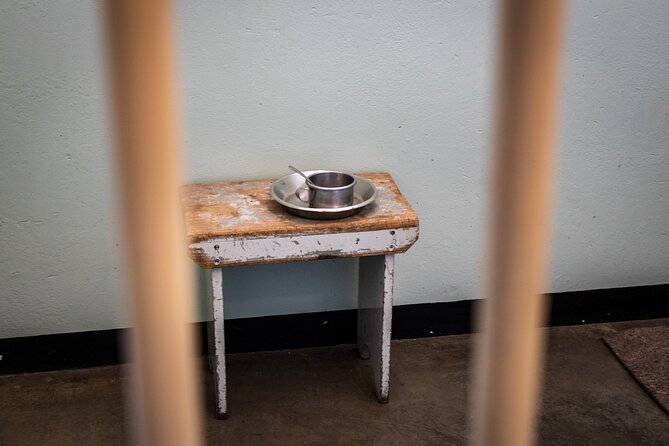
- Nelson Mandela’s former cell: See the small prison cell where Mandela spent 18 years of his sentence.
- Former prisoner guides: The prison visit can include firsthand accounts from someone held on Robben Island during apartheid.
- Hotel-to-harbor convenience: Pickup and drop-off save you the trouble of arranging transport to the Nelson Mandela Gateway.
- A structured island route: Expect a bus tour past the leprosy cemetery, quarries, Robert Sobukwe’s house, bunkers, and the prison.
- Plan for more than four hours: Ferry waits and crossing time can stretch the day, especially when boats run late.
- Weather matters: Robben Island Museum can cancel sailings in strong wind, with a new date or full refund offered.
Why Robben Island deserves a place in your Cape Town plans
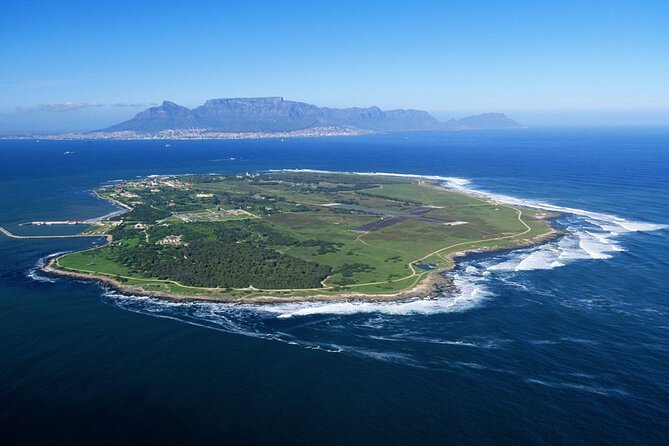
Cape Town offers beautiful views, fine food, and plenty of easy sightseeing. Robben Island asks more from you. It asks you to listen, stand in a prison corridor, and think about how ordinary people endured an extraordinary political system.
The island was used for centuries as a place of exile, confinement, and isolation. Its best-known chapter is the apartheid era, when political prisoners were held in the Maximum Security Prison. Nelson Mandela spent 18 years there, doing hard labor and writing part of the story that eventually led to South Africa’s democratic transition.
I find the visit valuable because it connects large political events with physical places. A textbook can explain apartheid. A cell, quarry, prison wall, and personal account make the subject much harder to keep at a distance.
The experience has an emotional weight that some people may find difficult. That is not a flaw, but you should allow time afterward to process what you have heard. This is a serious historic site, not simply a ferry ride with a view of Table Mountain.
More Robben Island visits:
- Cape Town: Robben Island Ferry Ticket and Guided Prison Tour
★ 4.1 · 1,792 reviews - Cape Town: Robben Island Ferry Tour with 1-Way Hotel Pickup
★ 4.2 · 1,380 reviews - Cape Town: Robben Island Ferry Ticket and Townships Tour
★ 4.5 · 400 reviews
Hotel pickup makes the morning easier
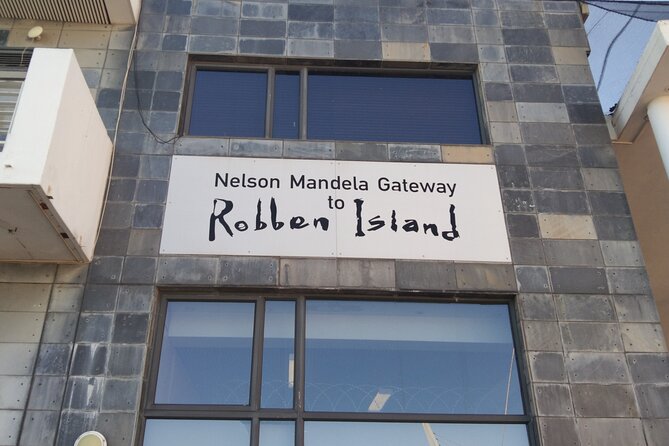
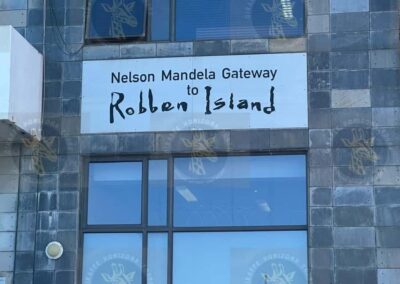
The tour starts with pickup from the address you provide, provided it falls within the service area. The driver takes you to the Nelson Mandela Gateway at the V&A Waterfront, where ferries depart for Robben Island.
This is useful if you are staying in central Cape Town and want one person to handle the road transfer. Drivers such as Fayical have been praised for punctuality, local route knowledge, and clear explanations. One driver, also identified as Fayical in the feedback, was particularly helpful in moving through busy terminal areas and finding quicker routes.
Do not treat pickup as a private guided tour of Robben Island. The driver or transfer guide gets you to the harbor and brings you back. The official island bus and prison tours are operated by Robben Island Museum. This distinction matters because the service is priced above simply buying a ferry ticket and arranging your own ride.
At the same time, the transfer has real value. You avoid arranging an Uber or taxi before sunrise, finding the correct gateway, and worrying about the return trip. If you have limited time in Cape Town, that extra convenience may be worth paying for.
Boarding at the Nelson Mandela Gateway
Your ferry leaves from the Nelson Mandela Gateway at the V&A Waterfront. Boarding closes 10 minutes before departure, so arrive early rather than cutting things close.
The gateway can involve queues, and the ferry schedule is not always perfectly predictable. One sailing was reported to leave about 45 minutes late, reducing the time available on the island. Fog and strong wind can also affect operations.
The crossing itself is part of the experience. On a clear day, you get open views back toward Cape Town and the mountain. The water can be rough, and the boat may feel less like a sightseeing cruise than a working transport service. Bring patience, and keep your schedule flexible.
A late boat is especially important if you have a flight, cruise departure, or another fixed appointment the same afternoon. I would not place this tour on a day when you need to reach the airport at a precise hour. The advertised duration is about three to four hours, but ferry delays have made some visits closer to five hours.
Walking from the ferry to the island buses
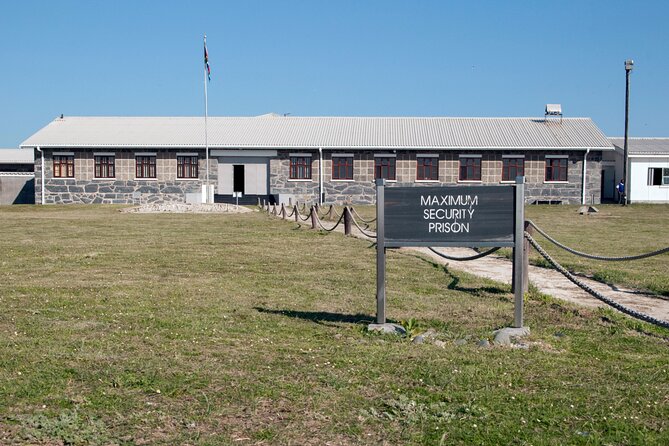
After arriving on Robben Island, you take a short walk to the tour buses. Along the way, you pass old buildings and a large wall built by prisoners during the 1960s.
This transition helps set the tone. The island is not presented as a single prison building. Its past includes medical facilities, military defenses, work areas, houses, and places of exile. The short walk also means you should wear comfortable shoes and be ready to spend time on your feet.
The bus tour is structured to move a large number of people around the island. That keeps the route efficient, but it also limits your freedom to wander. One account described only one main opportunity to get off the bus before the prison portion. If you prefer unhurried photography or independent exploration, this arrangement may feel restrictive.
For most people, the fixed route is a fair trade. It lets you see several important sites in a limited time and keeps the group moving toward the prison, where the most personal part of the visit takes place.
A few more Cape Town days worth comparing
- Wine Tour: Paarl, Franschhoek & Stellenbosch incl 3 wineries
★ 5.0 · 3,940 reviews - Cape Town: Hop-On Hop-Off Bus Tour with Optional Cruise
★ 4.8 · 3,929 reviews - Cape Town: Cape of Good Hope & Penguins Day Tour with Pickup
★ 4.7 · 3,362 reviews - Zipline Cape Town – From Foot of Table Mountain Reserve
★ 5.0 · 3,179 reviews
The island bus route, from graves to bunkers
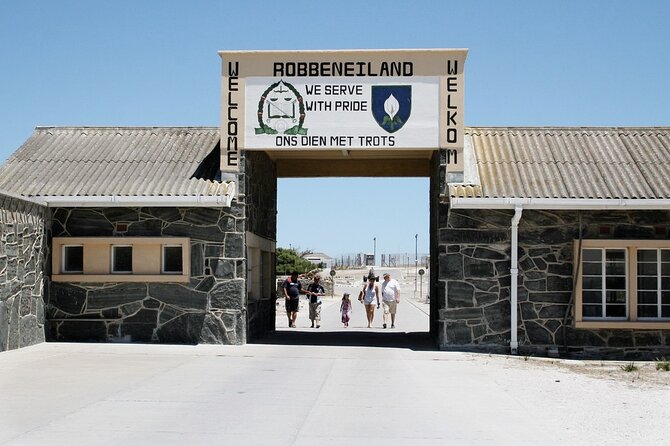
The bus tour covers a series of places that show how the island was used and controlled.
The first notable stop is the graveyard for victims of leprosy. It is a quiet reminder that Robben Island’s history did not begin with apartheid. People affected by leprosy were sent to the island, and the graveyard adds an earlier layer of illness, exclusion, and isolation to the visit.
The route then includes the Lime Quarry and Bluestone Quarry. These work sites are important because prisoners were forced to labor there. The lime quarry is closely tied to the physical hardship of imprisonment, and the quarry stop helps explain the conditions beyond the prison walls.
You also pass Robert Sobukwe’s house. Sobukwe was a major anti-apartheid figure who was held separately from other political prisoners. His confinement shows how the authorities used isolation as a weapon, not simply imprisonment behind a common set of bars.
The bus also visits or passes army and navy bunkers. These defenses remind you that Robben Island served strategic military purposes as well as penal ones. The mix of prison buildings, military sites, work areas, and older institutions makes the island’s story broader than the Mandela chapter alone.
The guide on the bus is important here. A good guide can connect each place to the political system and explain why the site mattered. One guide named Thenda was singled out for making the route especially memorable. The quality of the narration can vary, so listen closely and do not expect every stop to involve a long walk or extended time outside the bus.
Inside the Maximum Security Prison
The prison visit is the heart of the day. Here, the history becomes concrete.
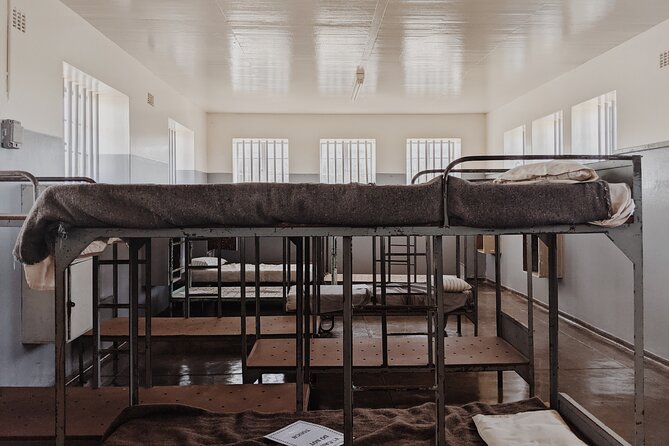
The official prison tour is led by a Robben Island Museum guide. The guide may be a former political prisoner, which gives the experience an unusual directness. You are not only hearing dates and policy. You may hear about daily routines, restrictions, work, punishment, and the treatment of people who opposed apartheid.
Several people praised guides who spoke with force and clarity, while one account found the prison presentation less satisfying. That contrast is worth understanding before you book. The subject matter remains important, but the tone and communication style of the individual guide can affect how much you take from the visit.
You will see the prison environment and Nelson Mandela’s former cell. His cell is modest and stark, which is precisely why it leaves an impression. There is no grand memorial room to soften the reality. You are looking at a small space associated with years of confinement.
The prison tour also gives attention to the wider group of political prisoners. Mandela’s story is central, but he was not alone. The island held many men who fought apartheid in different ways, and their treatment varied according to the prison system’s racial and political divisions.
Give the guide your full attention. This is the section where rushing, chatting, or treating the tour as a quick photo stop will cost you the most.
The human story behind the official narration
A former prisoner acting as guide can change the way you understand the site. Personal testimony does not replace historical evidence, but it gives the rules and buildings a human scale.
You might hear difficult details about the years prisoners spent on the island. The experience can be sad, angry, and humbling in the same hour. One visitor compared the emotional effect with other sites connected to war, genocide, colonial exploitation, and human cruelty. That comparison captures the seriousness of the visit without suggesting that every person will respond in the same way.
The guide’s role is also why this tour is more than a ferry ticket. You could reach the island independently, but you would still need the official museum program to hear these accounts and enter the prison as part of the organized route.
Keep in mind that the former prisoner is part of the Robben Island Museum operation, not a private guide assigned to your hotel group. The Cape Town transfer company arranges the practical side. The museum controls the bus route and prison presentation.
How much time should you set aside?
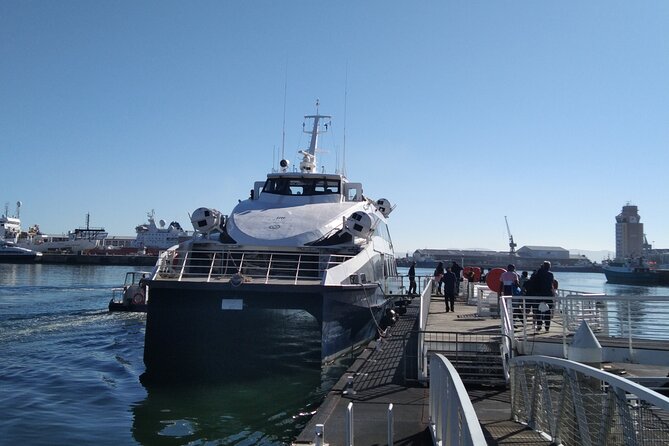
The stated duration is approximately three to four hours, including the island visit and ferry movement. In practice, I would reserve at least half a day.
The crossing can take roughly an hour each way according to the timing described by one visitor. Add the walk to the buses, the island route, the prison presentation, queues, and possible delays, and the schedule can stretch.
A normal day may feel efficient. A delayed sailing can leave you standing in line for a long period and reduce the time available for the island tour. It is wise to avoid booking a tightly timed lunch, airport transfer, or evening flight immediately afterward.
Arrive early for the ferry, especially because boarding closes 10 minutes before departure. Bring water and a small snack if needed, since food and drinks are not included. The tour has no meal stop built into the package.
Is the $63.26 price good value?
At $63.26 per person, this is not the cheapest way to visit Robben Island. The price includes the ferry and Robben Island entrance, plus hotel pickup and drop-off and a driver or guide for the transfer.
You can arrange a visit yourself by buying a ferry ticket directly and finding your own way to the gateway. That may cost less, particularly if you are staying near the V&A Waterfront. Several people considered the package expensive compared with that approach.
The better question is what your time and peace of mind are worth. I see three practical reasons to pay the premium:
- You do not need to arrange transport to the harbor.
- Your Robben Island admission is included, subject to availability.
- You have a return transfer arranged after the visit.
For a first visit to Cape Town, a central hotel, and a busy sightseeing schedule, the convenience is meaningful. For a budget-conscious person staying near the waterfront, buying directly may be the smarter choice.
The tour can accommodate a maximum of 214 people, so this is not a small private island experience. The hotel transfer may feel personal, but once you reach the gateway and island, you join a much larger operation.
Weather, cancellations, and practical limits
Robben Island depends on the sea, and strong wind can stop the ferry. The museum makes the final call on whether tours operate. If poor weather cancels the trip, the stated policy offers a different date or a full refund.
The standard cancellation policy is strict. If you cancel or request a change for another reason, the amount paid is not refunded. Because of that, I would avoid booking this on your last possible morning in Cape Town if missing it would ruin your plans.
Confirmation is sent within 48 hours of booking, subject to availability. Most people can take part, but the tour includes walking, queues, ferry boarding, and movement between the landing area, buses, and prison. Anyone concerned about mobility should confirm the practical arrangements before paying.
Group discounts are offered, which can improve the value for families or larger parties. Food and drinks are not included, so plan accordingly.
Who should book this Robben Island tour?
I would recommend it to you if you want to understand apartheid through a real place and prefer having transport arranged. It suits first-time visitors to Cape Town, people with limited time, and anyone who values the chance to hear a former prisoner explain the prison system.
It is also a strong choice if you are uneasy about navigating the ferry terminal alone. Drivers such as Fayical have been praised for being punctual, friendly, informative, and helpful in busy harbor conditions.
I would hesitate if you want a quiet, self-directed day. The route is fixed, the group can be large, and you may have only limited time off the bus. I would also hesitate if you have a same-day flight or cruise departure, since delays are possible.
Should you book it?
Book this tour if the hotel transfer and guaranteed ticket arrangement matter to you more than getting the lowest possible price. The visit to Mandela’s cell and the prison presentation by a former political prisoner are the reasons to go, while the transfer removes much of the day’s logistical work.
Skip the package and arrange the ferry yourself if you are staying near the V&A Waterfront, are comfortable managing tickets, and want to save money. Either way, make time for Robben Island during your Cape Town stay. Just leave room in your schedule, arrive early, and treat the island as a place for listening rather than rushing from one photo to the next.
FAQ
What is included in the Robben Island tour?
The package includes Robben Island entrance fees, the ferry-based island visit, a driver or guide for the transfer, and pickup and drop-off from your Cape Town hotel address if it is within the pickup area.
Does the tour include Nelson Mandela’s prison cell?
Yes. The visit includes the opportunity to see Nelson Mandela’s former prison cell at the Maximum Security Prison.
Who guides the Robben Island prison tour?
The official prison tour is operated by Robben Island Museum. The guide may be a former political prisoner who can share personal experiences of imprisonment under apartheid.
Where does the ferry leave from?
The ferry departs from the Nelson Mandela Gateway at the V&A Waterfront in Cape Town. Boarding closes 10 minutes before the scheduled departure time.
How long does the experience take?
The stated duration is approximately three to four hours. Ferry delays can make the visit longer, and some accounts describe a total duration of about five hours.
Are food and drinks included?
No. Food and drinks are not included in the tour price.
What happens if bad weather cancels the tour?
Robben Island Museum decides whether the ferry and tour can operate. If poor weather causes a cancellation, you are offered another date or a full refund.
Just listed around Cape Town
- Cape Town: Inspiring sustainable change through Street Art★ 4.9 · 5 reviews
- Cape Town Tandem Paragliding Square 1 Paragliding★ 5.0 · 5 reviews
- SandBoarding in Capetown + PhotoShoot★ 4.0 · 5 reviews
- Cape Town: Full-Day Private Peninsula Tour★ 3.6 · 5 reviews
- Private FULL DAY Tour: Cape of Good Hope & Boulders Beach★ 5.0 · 5 reviews
- Cape Town Full Day Family Fun With Kids Private Tour★ 4.0 · 5 reviews
- Private Tour to Aquila Game Reserve in Cape Town – see the Big5★ 5.0 · 5 reviews
- Peninsula Tour Cape Town★ 5.0 · 5 reviews
Robben Island Tours, compared.

Robben Island Ferry Ticket and Guided Prison Tour
Read our review →
Robben Island Ferry Tour with 1-Way Hotel Pickup
Read our review →
Robben Island Ferry with Prison Ticket and Tour
Read our review →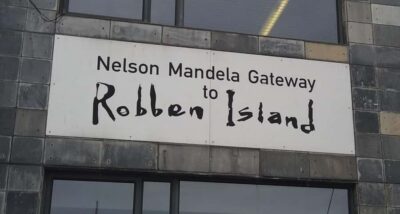
Robben Island Ferry Ticket and Guided Prison Tour
Read our review →
Robben Island Experience: Pre-Booked Ticket & Return Transfers
Read our review →
Robben Island Tour – Hotel Pick-Ups & stops at interesting places pre/post tour
Read our review →Browse the lists this tour appears in