
Reviewed · ROBBEN ISLAND TOURS
Cape Town: Robben Island Ferry Ticket and Townships Tour
Cape Town’s polished waterfront tells only part of the story. This full-day experience takes you from District Six and Langa to Bonteheuwel and Gugulethu, then sends you across the bay to Robben Island, where the apartheid era becomes personal and painfully clear.
I like the way the township portion uses local guides, including people from Langa itself, rather than treating the area as scenery from a minivan window. I also like the combination of a walking visit, a primary school, homemade beer, a traditional healer, and memorials with the Robben Island prison tour led by a former political prisoner. The main caution is pace: Robben Island can feel rushed, and the day ends at the waterfront, not at your hotel.
Key points to know before booking
- District Six sets the context: Learn how about 60,000 people were forcibly removed during the 1970s.
- Langa is the most personal stop: Walk with a local guide through hostels, homes, shacks, a school, and community businesses.
- You see more than apartheid landmarks: The tour includes a shebeen, homemade beer production, and a traditional healer.
- Bonteheuwel and Gugulethu widen the story: Hear how racial classification split communities and how resistance was remembered.
- Robben Island adds first-hand testimony: The prison visit includes a guide who was once incarcerated there.
- Plan for a long day: Hotel pickup is included, but you must arrange your own way home from the V&A Waterfront.
Why this tour matters beyond the usual Cape Town sights
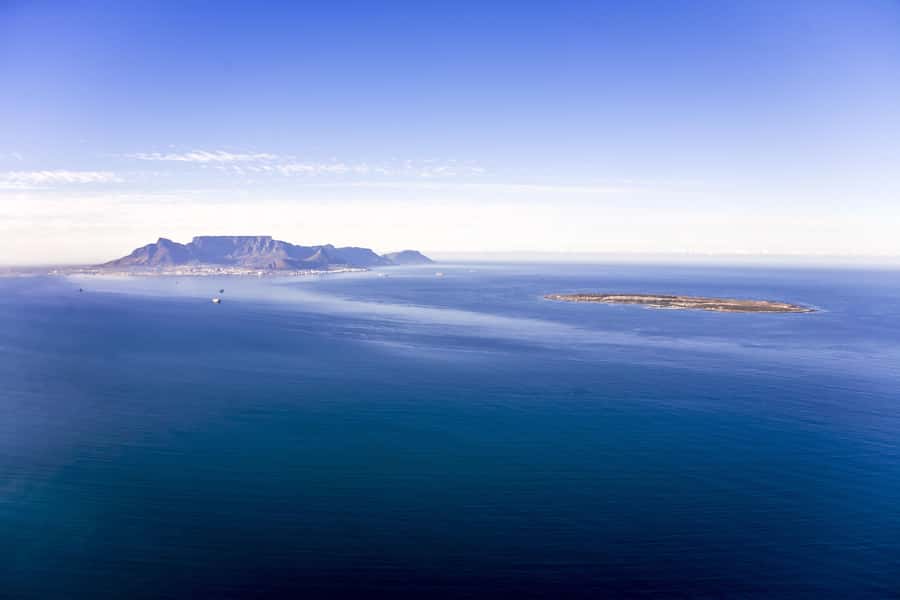
Cape Town is easy to enjoy from Table Mountain, the V&A Waterfront, and the Cape Peninsula. Those places are worth your time, but they can leave you with a partial picture of the city. This tour moves into communities shaped by forced removals, racial zoning, poverty, resistance, and the unfinished work of post-apartheid South Africa.
The point is not simply to see poor neighborhoods. A good township visit should explain how those areas came to exist, who lives there now, and how local people are building businesses and community life. This experience makes that effort through a driver-guide and a second local guide in Langa.
Sam is named by several visitors as a particularly strong guide, with a clear grasp of South African politics, labor unions, local government, and the history of the townships. Other guides, including Mpumzi, Luyolo, Shake, Gladstone, and Armand, are also singled out for their friendly manner and personal connection to the communities.
That personal link matters. Luyolo, for example, is from Langa, and some guides have taken visitors inside local homes or hostels. You are not just hearing a general lecture from behind a vehicle window. You have the chance to ask questions and see how history affects daily life.
More Township Tours in Cape Town
- Half-Day Tour Through Cape Town’s Townships
★ 4.8 · 979 reviews - Cape Town: Guided Township Tour with Hotel Pickup
★ 4.4 · 536 reviews - Cape Town: Nathi Langa Township Walking Tour
★ 4.9 · 493 reviews
District Six and the geography of forced removal
The day begins with hotel pickup in an air-conditioned minivan. The first major context stop is District Six, the former central-city neighborhood where roughly 60,000 residents were removed by the apartheid government during the 1970s.
You may primarily see the area by driving through it, rather than spending a long period on foot. Even so, it is an important opening because it shows that forced removal was not limited to distant townships. A community near the center of Cape Town was cleared because its residents did not fit the government’s racial planning.
Your guide explains how apartheid classified people by race and then used those classifications to control where they could live, work, and travel. That framework helps make sense of the later stops in Langa, Bonteheuwel, and Gugulethu.
I would pay close attention during this drive and ask questions early. The township walk is more active, but District Six gives you the basic map of what happened and why the city remains divided in visible and less visible ways.
Langa on foot with a local voice
Langa is the emotional center of the township portion. It is Cape Town’s oldest township, and the visit includes places linked to its political past, such as the Old Pass Office and the monument to Robert Sobukwe.
The walking route takes you through areas that can include hostels, shacks, homes, and local streets. The exact stops may vary with the day and the guide, but the goal is to show both the physical conditions and the social systems that shaped them.
One of the most useful parts is the explanation of pass laws and movement controls. These policies restricted where Black South Africans could live and work, and the Old Pass Office helps connect that legal system to ordinary life. The history is easier to grasp when you are standing in the community rather than only reading dates in a museum.
You may also visit a primary school or kindergarten. Several guides have arranged an opportunity to meet children, and one Sunday visit included a church service instead of the school stop. Do not expect a staged attraction. The value is in seeing a real local institution and understanding how community life continues under difficult conditions.
A walk through Langa requires a moderate amount of walking, so wear comfortable shoes. You should also bring an open and respectful attitude. The point is to listen, ask sensible questions, and support local businesses when invited, not to photograph people without permission.
Homemade beer, a shebeen, and a traditional healer
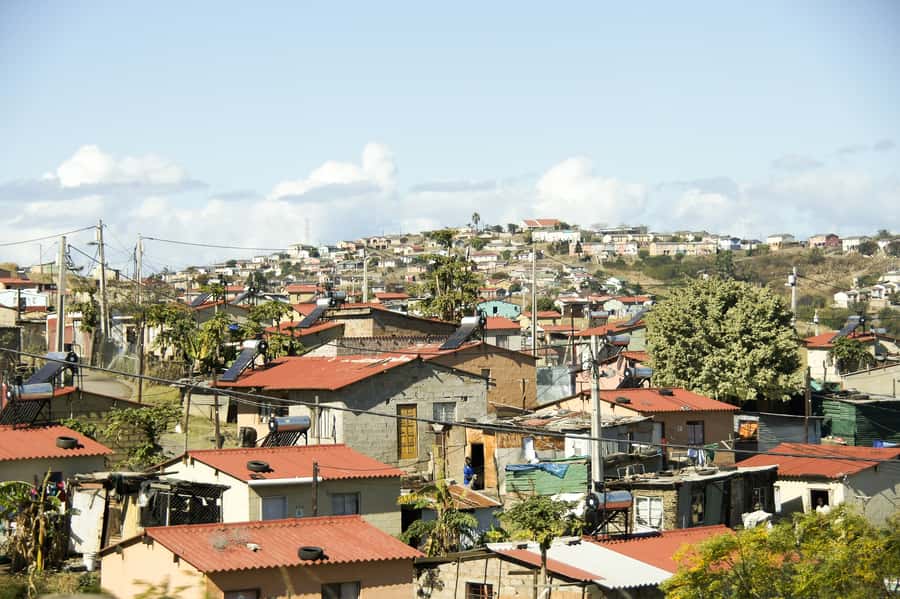
The Langa visit includes cultural stops that give the tour a human scale. You may visit a shebeen, traditionally a local pub, and see homemade beer being made. A tasting may be offered, although you should not assume that every stop will operate in exactly the same way on every day.
You can also meet a traditional African healer and see the space where consultations take place. This is an unusual part of a standard Cape Town itinerary because it introduces a form of community health and spiritual practice that many international visitors would otherwise never encounter.
These stops work best when your guide explains them in context. Without that explanation, a quick visit to a beer maker or healer could feel like a curiosity show. With a local guide, you can ask how the business works, what role the practice plays, and how it fits into present-day life.
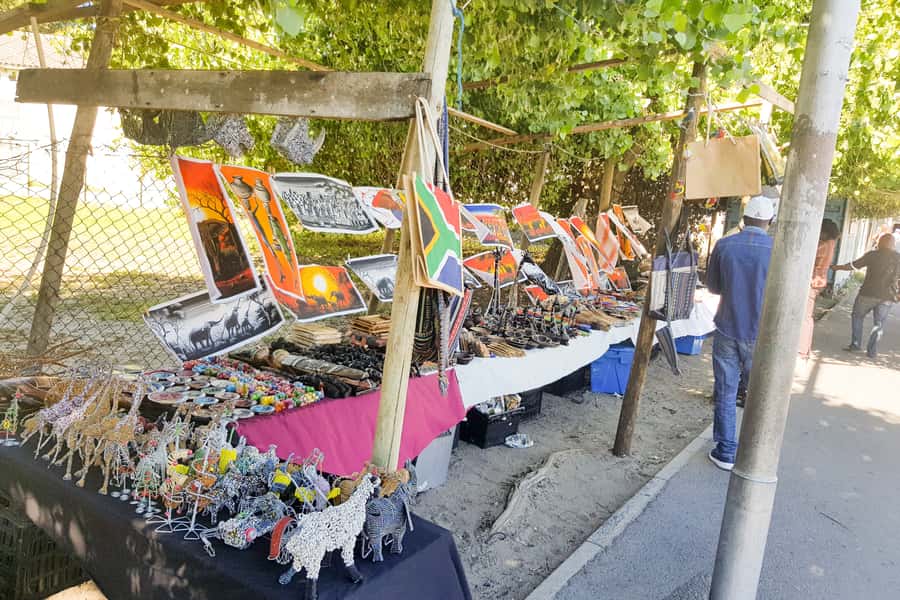
The tour also gives you chances to buy souvenirs or other goods from township businesses and markets. One useful tip is to check prices before buying. A local purchase can support the community, but you should still make sure the cost feels fair to you.
More Robben Island visits:
- Cape Town: Robben Island Ferry Ticket and Guided Prison Tour
★ 4.1 · 1,792 reviews - Cape Town: Robben Island Ferry Tour with 1-Way Hotel Pickup
★ 4.2 · 1,380 reviews - Cape Town: Robben Island Ferry with Prison Ticket and Tour
★ 4.0 · 324 reviews - Cape Town: Table Mountain and Robben Island Tour
★ 4.3 · 260 reviews
Bonteheuwel and the cost of apartheid’s labels

After Langa, the minivan passes through Bonteheuwel. Under apartheid, this township was designated for the colored community, a South African term with a specific historical and political meaning.
The visit is mainly a drive-through explanation rather than another long walking tour. That makes it less intimate than Langa, but it adds an important layer. Apartheid did not create one uniform experience for everyone outside the white population. Different communities were separated and controlled in different ways.
Your guide discusses how those divisions affected neighborhoods, services, identity, and relations between communities. You also hear about the effects that remain today. This is one reason the tour is more useful than a quick township photo stop: it connects old racial zoning to current social and economic inequality.
Because Bonteheuwel is viewed from the vehicle, you should treat this section as background and interpretation rather than a major sightseeing stop. The strongest conversations often come when you ask how the policies affected families and where those divisions can still be seen.
Gugulethu’s memorials and difficult memories
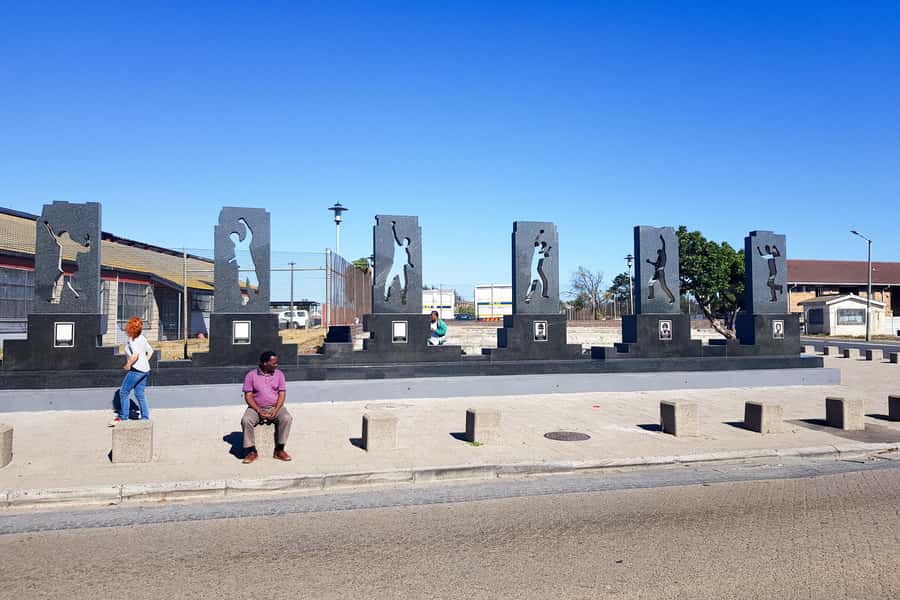
The route continues through Gugulethu, including the Gugulethu 7 Memorial. It honors seven members of an anti-apartheid group who were killed by South African police in 1986.
You also visit or pass the memorial to Amy Biehl, an American student murdered by PAC supporters in 1993. Her story does not fit neatly into a simple division between victims and villains. It shows the violence and confusion that continued during the transition away from apartheid.
These memorials make the tour more balanced. You learn about state violence, organized resistance, political divisions, and the human cost of conflict. The guide can help place each event in its wider setting, which is especially useful if your knowledge of South African history begins and ends with Nelson Mandela.
This part may feel heavy. That is appropriate. The tour is not designed as a light sightseeing morning, and you should allow some mental space for what you are hearing.
Getting to Robben Island from the V&A Waterfront
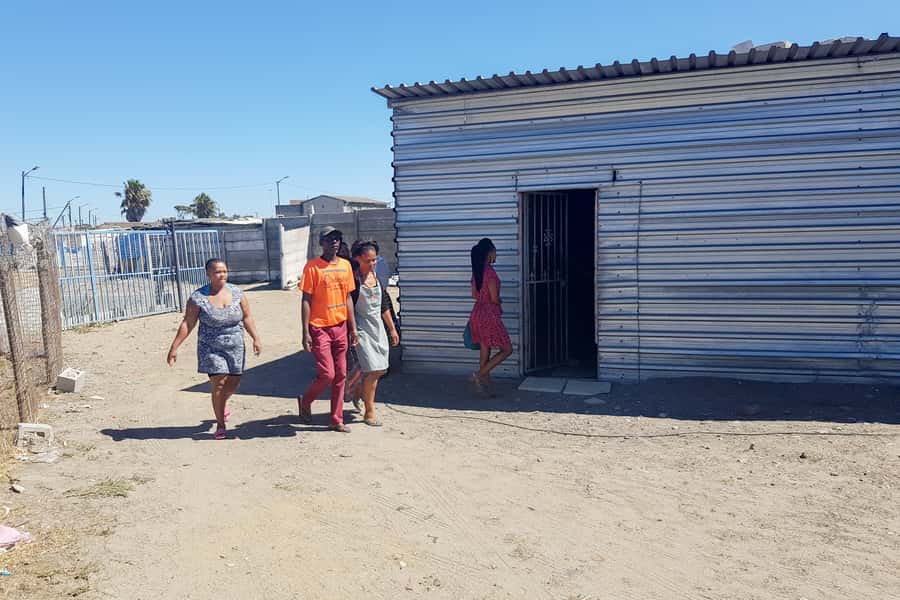
After the township visit, your driver drops you at the V&A Waterfront for the Robben Island ferry. The ferry crossing takes about 30 minutes according to the experience details given by past participants, although weather and port conditions can affect the schedule.
The ferry ticket is included in the $89 price, but the Robben Island departure remains subject to availability and weather. If the crossing is canceled after the township tour, you may be offered a rescheduled visit based on availability or a partial refund.
This arrangement is useful because Robben Island tickets can be difficult to secure close to your travel date. It also means the two halves of the day are linked, so a ferry change can affect your later plans. Leave room in your schedule rather than booking a tight dinner, airport transfer, or evening show.
The tour ends at the ferry gateway after the island visit. Hotel drop-off is not included. You will need to make your own way back to your accommodation from the waterfront.
Robben Island with a former political prisoner
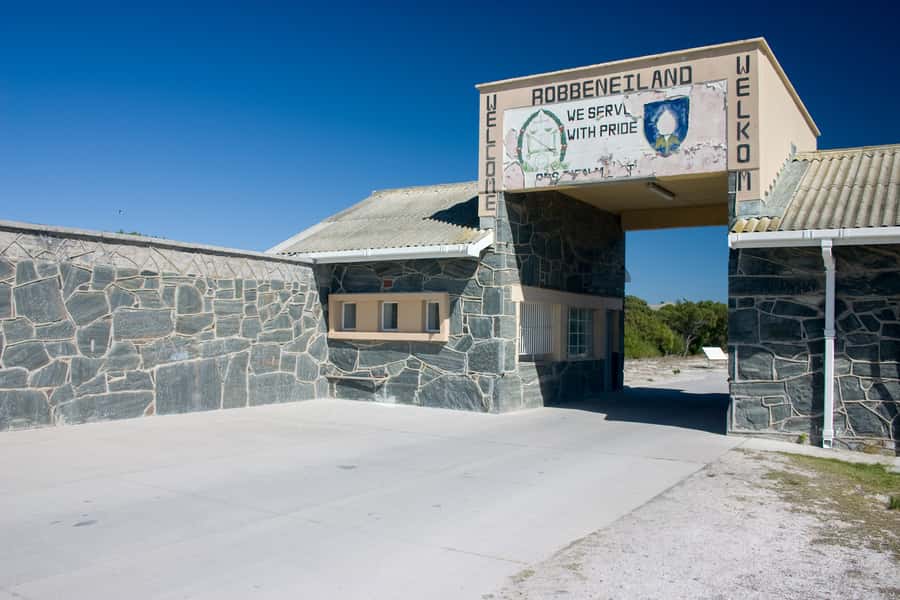
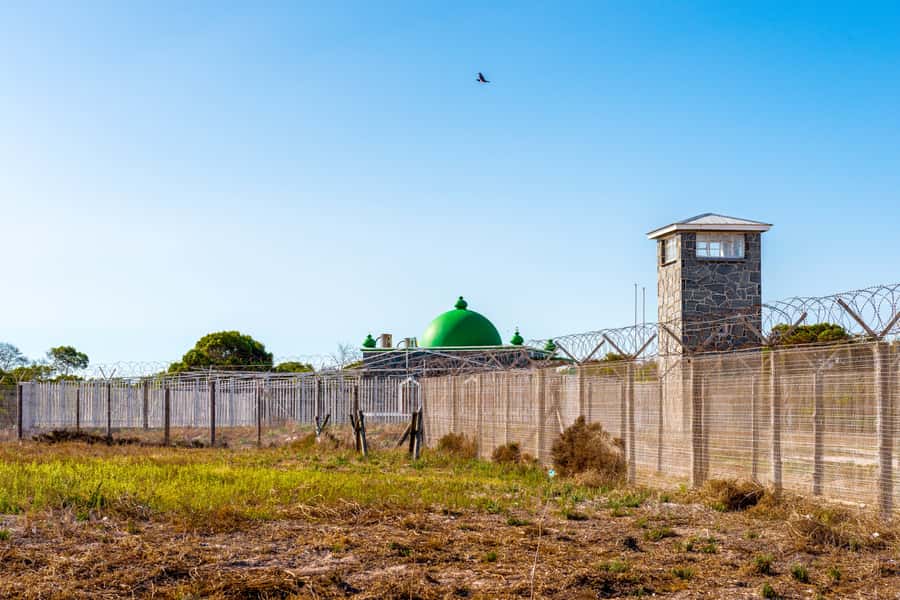
Robben Island is powerful even before the tour begins. The island was used as a prison for political opponents of apartheid, and Nelson Mandela spent many years there. The ferry ride gives you time to consider the distance between the waterfront and the prison, but the real impact comes inside.
The prison visit usually has two parts. A bus tour takes you around the island and explains its longer history, including uses dating back to the 1600s. A walking tour inside the prison is led by a former inmate, often an ex-political prisoner who can describe the institution from personal experience.
That first-hand account is the strongest part of the Robben Island visit. Hearing about prison life from someone who lived through it changes the experience from a set of exhibits into a human story.
There are trade-offs. Robben Island operates with a larger group than the township section, and the prison tour can feel regimented. Some visitors have found the bus guide difficult to hear, especially when the bus is full or when translation is involved. The prison walk can also move quickly, leaving little time to study every room or exhibit.
Wear an extra layer. The ferry and island can be very windy, and the weather may be noticeably cooler than in the city. Bring your passport or identification card, or a copy, since it is required for the tour.
How the two halves fit together
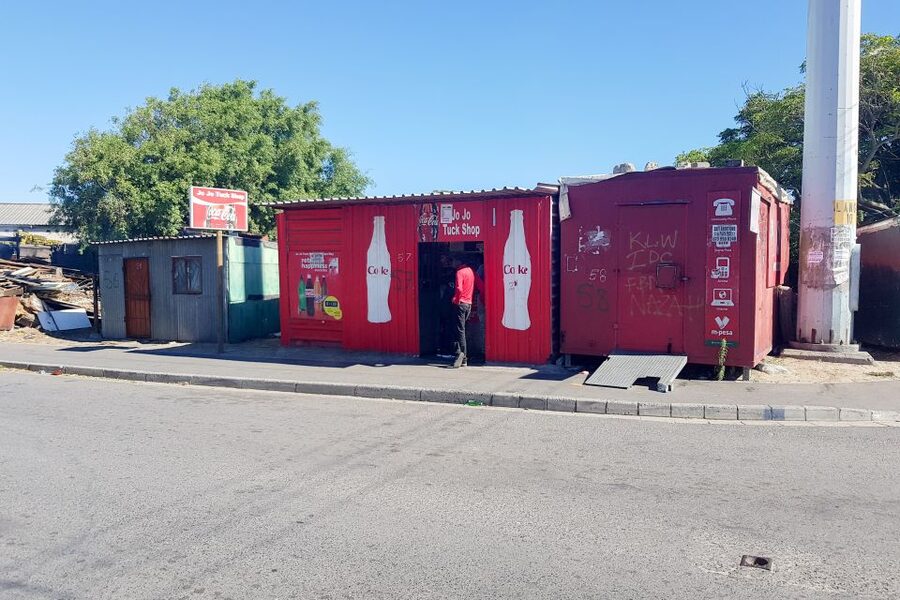
The township visit and Robben Island are not interchangeable. Langa shows how apartheid shaped living communities, while Robben Island shows where many political opponents were imprisoned. One is grounded in present-day streets and local voices; the other is a preserved site tied to the national struggle.
Together, they give you a fuller picture of freedom in South Africa. You see the political system, the resistance to it, the prison used against that resistance, and the social inequalities that did not disappear when apartheid laws ended.
I especially like that the tour does not stop at famous names. Mandela is central to Robben Island, but the township section introduces you to people whose families and communities experienced apartheid in less widely known ways. That makes the day feel less like a greatest-hits tour and more like an attempt to understand Cape Town as it is.
Price, group size, and what you receive for $89
At $89 per person, the cost is higher than buying a Robben Island ferry ticket alone. One past participant calculated that the island ticket itself was much cheaper, then questioned the amount paid for the township portion.
That comparison is fair, but it misses what the package adds. You receive hotel pickup, private air-conditioned minivan transport, a driver-guide, a guided township visit, and the Robben Island ferry ticket. You also avoid arranging transport between several widely separated areas and trying to find a last-minute island ticket.
Value depends on your priorities. If you only want Robben Island and already have transport, buying that ticket separately may cost less. If you want both Robben Island and a serious introduction to Cape Town’s townships in one day, the package is more practical.
Group size can vary. Some people have had a private or nearly private experience when other bookings dropped out, while the Robben Island portion is normally part of a larger group. The minivan may feel cramped when full, especially during the longer drives.
Safety, respect, and comfort
Safety is a common concern before visiting a township. The experience includes a driver and local walking guide, and the strongest accounts describe visitors feeling protected and welcome throughout the Langa walk. Still, you should follow your guide’s instructions, stay with the group, and ask before taking photographs.
This is not a tour for treating a community as a human zoo. It works when you approach it as a history and culture visit, support local businesses sensibly, and remember that people live and work in the places you are seeing.
Expect moderate walking, uneven ground in places, and a long day. The vehicle is air-conditioned, but the ferry and island can be windy. The schedule may also leave limited time for lunch, so ask your guide about the plan and carry what you need within the operator’s rules.
The tour is offered in English. Cancellation is available up to three days in advance for a full refund.
Who should book this experience?
You should book this if you want to understand Cape Town beyond its postcard sights, are comfortable hearing difficult history, and value direct contact with local guides. It suits solo visitors as well as couples and families, and the included pickup makes it easier if you are unfamiliar with the city.
It is especially useful for first-time visitors who want both the apartheid story and a look at present-day communities. You will get the most from it if you ask questions and accept that the day may be emotionally demanding.
You may want a different plan if you prefer slow sightseeing, small museum visits, or a relaxed lunch. Robben Island is not leisurely, the township route can feel intense, and a ferry cancellation may force a change to your plans.
Should you book it?
For most visitors interested in South African history, I would book this tour, with two conditions: leave your afternoon and evening flexible, and go expecting education rather than entertainment.
The township portion is the best reason to choose it. Local guides such as Sam, Luyolo, Mpumzi, and Shake bring personal detail to places that can otherwise be reduced to statistics. Robben Island then gives the day a solemn closing chapter, made especially affecting when the prison guide is a former inmate.
The experience is not perfect. The minivan may be crowded, the island tour may feel rushed, and the price is high if Robben Island is your only goal. But if you want to connect District Six, Langa, Bonteheuwel, Gugulethu, and Robben Island in one carefully arranged day, this is a meaningful and practical choice.
FAQ
Is Robben Island included in the price?
Yes. The Robben Island ferry ticket is included, along with hotel pickup, private air-conditioned minivan transport, and a driver-guide.
Does the tour include hotel drop-off?
No. The tour ends at the Robben Island ferry gateway at the V&A Waterfront, and you make your own way back to your hotel.
Which townships does the tour visit?
The route includes Langa, Bonteheuwel, and Gugulethu. It also includes District Six, where you learn about the forced removal of about 60,000 residents during the 1970s.
Will I walk through Langa?
Yes. A walking tour in Langa is included, with a moderate amount of walking. Stops may include hostels, shacks, homes, a primary school or kindergarten, a shebeen, a homemade beer maker, and a traditional healer.
Who leads the Robben Island prison tour?
The prison visit is led by a guide who was formerly imprisoned on Robben Island. The island also includes a bus tour with information about the site’s wider history.
What happens if the ferry is canceled?
The ticket depends on availability and weather. If the ferry is canceled after the township tour, you may be offered a rescheduled visit based on availability or a partial refund.
What should I bring?
Bring a passport or identification card. A copy is accepted. Comfortable walking shoes and an extra layer are also practical because the tour includes walking and a potentially windy ferry and island visit.
Just listed around Cape Town
- Cape Town: Inspiring sustainable change through Street Art★ 4.9 · 5 reviews
- Cape Town Tandem Paragliding Square 1 Paragliding★ 5.0 · 5 reviews
- SandBoarding in Capetown + PhotoShoot★ 4.0 · 5 reviews
- Cape Town: Full-Day Private Peninsula Tour★ 3.6 · 5 reviews
- Private FULL DAY Tour: Cape of Good Hope & Boulders Beach★ 5.0 · 5 reviews
- Cape Town Full Day Family Fun With Kids Private Tour★ 4.0 · 5 reviews
- Private Tour to Aquila Game Reserve in Cape Town – see the Big5★ 5.0 · 5 reviews
- Peninsula Tour Cape Town★ 5.0 · 5 reviews
Robben Island Tours, compared.

Robben Island Ferry Ticket and Guided Prison Tour
Read our review →
Robben Island Ferry Tour with 1-Way Hotel Pickup
Read our review →
Robben Island Ferry with Prison Ticket and Tour
Read our review →

Robben Island Tour including Pick Up & Drop Off from Cape Town
Read our review →
Robben Island Ferry Ticket and Guided Prison Tour
Read our review →
Robben Island Experience: Pre-Booked Ticket & Return Transfers
Read our review →
Robben Island Tour – Hotel Pick-Ups & stops at interesting places pre/post tour
Read our review →Browse the lists this tour appears in