

Reviewed · ROBBEN ISLAND TOURS
Cape Town: Robben Island Ferry Ticket and Guided Prison Tour
Robben Island is most powerful when a former political prisoner leads you through the prison and explains what daily life was like behind its walls. I like the firsthand prison stories and the chance to see Nelson Mandela’s actual cell, rather than only hearing about apartheid in a museum. The ferry ride also gives you a clear sense of the island’s separation from Cape Town.
The main drawback is that this is a large shared outing, not a private tour. The bus portion can feel rushed, older buses may have poor sound systems, and you still queue to board the ferry even though your ticket line is skipped.
Key points to know before you go
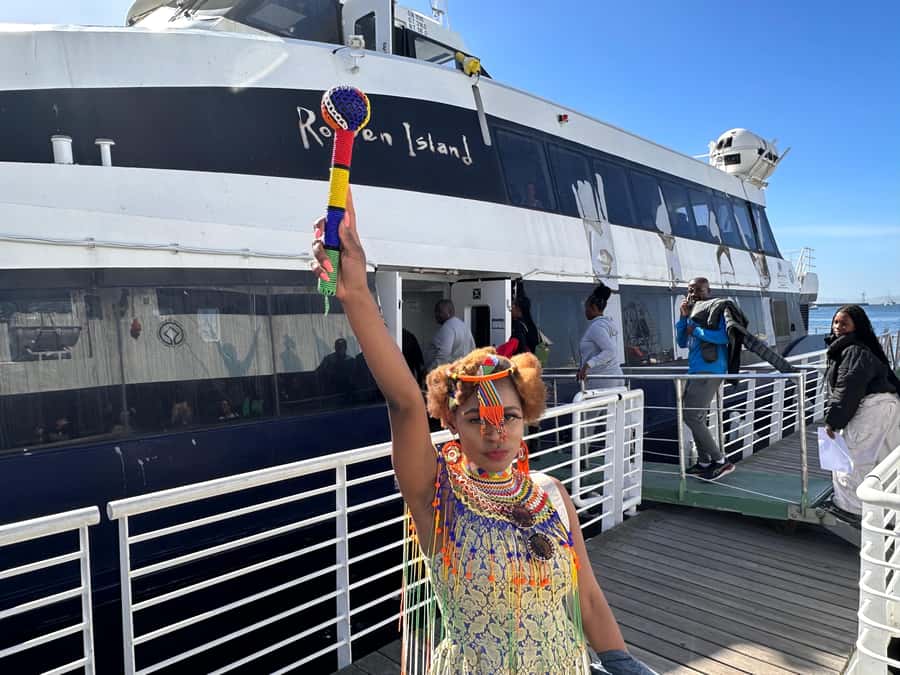
- A former inmate leads the prison visit: Expect personal accounts of prison conditions, political imprisonment, and life under apartheid.
- Mandela’s cell is the emotional center: You see the small cell where Nelson Mandela spent more than 25 years of his 27-year imprisonment on Robben Island.
- The ferry is shared and sometimes crowded: The crossing takes roughly 30 to 45 minutes, and the sea can be rough.
- The island tour has two parts: A guided bus circuit covers the wider island, followed by a walking tour inside the prison.
- Skip the ticket purchase line, not every queue: Go directly to the boat departures line, but allow time for boarding.
- The $79 price suits international visitors: It includes return ferry tickets, the museum tour, and the ex-prisoner guide, but not meals or hotel transport.
Why Robben Island matters beyond Nelson Mandela

Many people come to Robben Island to see where Nelson Mandela was imprisoned. That is reason enough to go, but the visit becomes far more meaningful when you understand that his cell was only one part of a much larger system.
The island served several purposes over time, including a prison, a place of banishment, and a site connected to South Africa’s political and social history. The tour explains how the apartheid government used imprisonment to isolate opponents and suppress resistance.
You will also hear about people other than Mandela. Robert Sobukwe, for example, is part of the story, and the island’s buildings reveal how different groups were treated. The visit is not simply a Mandela memorial. It is a look at the wider struggle against racial rule and the people who endured imprisonment for opposing it.
I find the setting itself important. Cape Town is visible across the water, yet the island feels cut off from the city. That physical distance helps you understand the island as a tool of separation. Prisoners were not only locked behind walls. They were removed from their families, political networks, and ordinary lives.
More Robben Island visits:
- Cape Town: Robben Island Ferry Tour with 1-Way Hotel Pickup
★ 4.2 · 1,380 reviews - Cape Town: Robben Island Ferry Ticket and Townships Tour
★ 4.5 · 400 reviews - Cape Town: Robben Island Ferry with Prison Ticket and Tour
★ 4.0 · 324 reviews
Starting at the Nelson Mandela Gateway
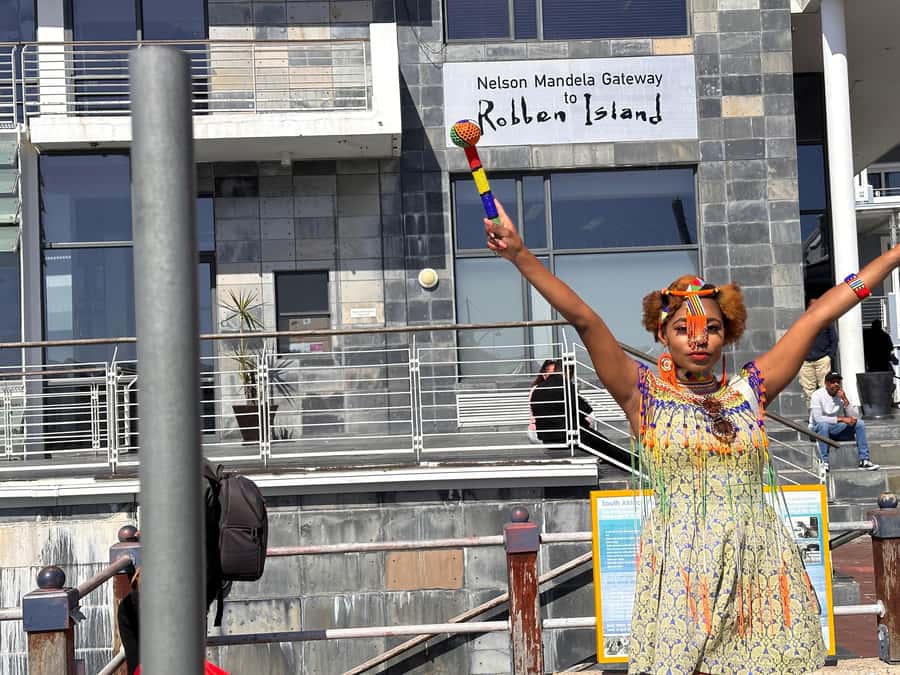
The tour begins at the Nelson Mandela Gateway to Robben Island at Cape Town’s V&A Waterfront. You need to make your own way there because hotel pickup and drop-off are not included.
The instructions tell you to proceed directly to the boat departures line. This is useful, but the meeting area can be confusing if you arrive without checking the waterfront layout first. Look for the Nelson Mandela Gateway building near the swing bridge and allow extra time to ask staff for directions.
Your ticket lets you bypass the line to buy ferry tickets. It does not let you walk straight onto the boat. You still join the boarding queue, and that queue can be substantial when several groups are leaving close together.
Have your passport or ID card ready. A copy is accepted, and the provider sends tickets by WhatsApp, iMessage, or email, so enter your country code and mobile number carefully when booking. Keep the ticket easy to open at the gateway.
This experience is sold to international visitors, meaning non-South Africans. South African citizens are encouraged to buy directly from Robben Island. At $79 per person, the price is higher than a basic local ticket may be, but it packages the return ferry, museum entry, and the guided prison visit for overseas visitors.
The ferry crossing from Cape Town

The boat ride takes about 30 minutes according to the planned schedule, though some crossings take closer to 45 minutes. It is a shared ferry, and it may be fully enclosed and crowded.
The crossing is more than simple transport. As Cape Town recedes and Robben Island comes into view, you get a physical sense of the isolation that defined the prison. On a clear day, the water offers views back toward the city, while the island appears low and exposed ahead.
Bring a coat, even in warmer months. Wind on the open deck can make the crossing chilly, and the sea may be rough. If you suffer from seasickness, sit where you can look toward the horizon and consider choosing a steadier position inside the boat.
The ferry itself has received mixed practical comments. Some people find the ride smooth and pleasant, while others find the enclosed cabin crowded. Wildlife is possible during the crossing. Seals have been spotted, and one visitor saw a whale, but these sightings are luck, not part of the promised program.
Bad weather can cancel the activity. If that happens, the provider reserves the right to cancel and issue a full refund. Build some flexibility into your Cape Town schedule rather than placing this tour on the only day you have available.
Seeing the island by guided bus
After docking at the Robben Island Museum, you join the island tour and board a bus. This first part gives you a wider view of the site before you enter the prison.
The bus guide explains the island’s buildings, former uses, and political history. A good guide turns the ride into a connected story, showing how the island functioned rather than pointing out isolated structures. Guides such as Yasien Mohammed and Troyer have been praised for clear explanations, warmth, and a touch of humor.
The bus circuit is valuable because the prison is not the whole island. You learn about other locations and the people linked to them. You may also see animals and birds around the island, including penguins, a small tortoise or turtle, and other birdlife. These details do not soften the prison’s story, but they remind you that Robben Island is also a living place, not only a memorial.
This portion can feel hurried. With many buses operating at once, stops may be short, and queues can form when several groups reach the same point. One stop may allow only about 10 minutes for coffee and views of the penguins. If you want a relaxed visit to every site, this format may frustrate you.
Bus quality can also vary. Some vehicles are older, with small windows or dirty glass. A faulty public-address system may make the guide hard to hear from the back. I would try to sit near the front or center and ask staff about the best seating before the bus leaves.
These are practical shortcomings, but the guide’s storytelling can make a large difference. When the sound system works and you are close enough to hear, the bus ride gives useful context before the more intimate prison visit.
A few more Cape Town days worth comparing
- Wine Tour: Paarl, Franschhoek & Stellenbosch incl 3 wineries
★ 5.0 · 3,940 reviews - Cape Town: Hop-On Hop-Off Bus Tour with Optional Cruise
★ 4.8 · 3,929 reviews - Cape Town: Cape of Good Hope & Penguins Day Tour with Pickup
★ 4.7 · 3,362 reviews - Zipline Cape Town – From Foot of Table Mountain Reserve
★ 5.0 · 3,179 reviews
Walking into the prison complex
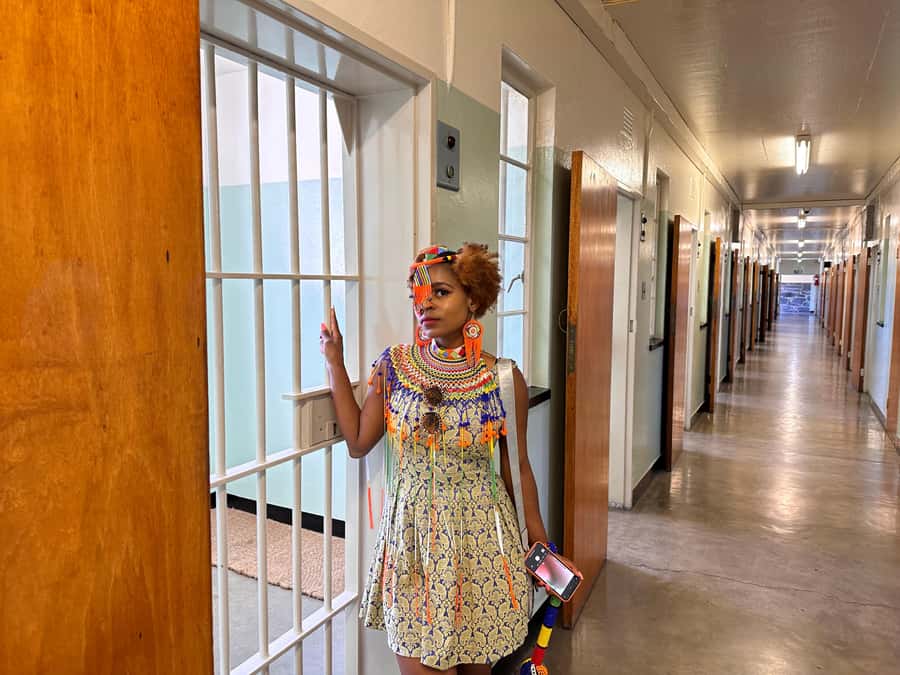
The second part takes place inside the prison. Here you meet a former political prisoner who guides you through the main prison area and describes conditions from personal experience.
This is the part I would not rush. A former inmate can explain details that a standard museum label cannot: how prisoners were treated, how political prisoners differed from ordinary inmates, and how the prison system sought to silence opposition. The accounts are often painful, but they are delivered with humanity and, at times, gentle humor.
Guides including Monde, Terrence, and Sipho have led prison tours, and their approach may differ from one another. Some focus on personal memories. Others provide more historical explanation or answer questions from the group. The experience is strongest when you listen closely and allow the guide’s account to set the pace.
One practical issue is sound. The prison tour is conducted with a group, and a former prisoner’s voice may be difficult to hear if you stand at the rear or if several groups are nearby. Move closer when you can without blocking others.
You may also find some repetition between the bus guide and prison guide. That is not necessarily a flaw, since each guide speaks from a different position, but the handoff could sometimes use a short introduction that connects the island’s broad history with the prison’s daily reality.
Nelson Mandela’s cell and the Long Walk to Freedom
The visit to Mandela’s cell is the emotional high point. You see the small space where he was incarcerated for more than 25 years, part of his 27 years in prison.
The cell is not grand or theatrical. Its plainness is what makes it so affecting. After hearing about the political machinery of apartheid and the treatment of prisoners, you stand in a confined room connected to one of the best-known figures in the fight for freedom.
Try not to treat this as a quick photo stop. Take a moment to consider the length of time represented by that room. Mandela’s imprisonment was not a short interruption to his life. It shaped decades of his work, relationships, and political thought.
The phrase Long Walk to Freedom fits the visit, but the tour also makes clear that Mandela was not alone. The prison held many people who resisted apartheid, and their stories deserve attention too. The former inmate guide helps shift the focus from one famous cell to the wider group of prisoners who suffered and organized under harsh conditions.
This is also where the tour’s educational purpose becomes clear. You are not merely looking at an old prison. You are seeing a place tied to the transition from segregation and white minority rule toward democratic South Africa.
Guides, group size, and the human side

You should expect two main guides: one on the bus and one inside the prison. Both speak English, and the activity is not private. You share the ferry, bus, and walking tour with other visitors.
The best guides bring different strengths. A bus guide may explain dates, buildings, and the island’s changing roles. A former inmate can describe the prison from lived experience. The contrast works well, especially when the tour moves from the wide island circuit to the enclosed prison corridors.
Names that have been associated with especially strong guiding include Yasien Mohammed, Monde, Terrence, Troyer, Sipho, and Talent. You are not guaranteed a particular guide, but the range of personal accounts is part of what gives the tour its force. One unusual possibility is meeting former warden Christo Brand, who has also accompanied visits.
A shared group has advantages. You are part of a public museum operation with established transport and a set route, and the format keeps the half-day visit moving. The tradeoff is less freedom. You cannot linger at every stop, choose your own island route, or pause as long as you like at the cell.
Is $79 good value?

For an international visitor, $79 is a fair price if you want the complete four-hour experience. You are paying for the return ferry, museum entry, island transport, the bus commentary, and the former prisoner-led prison tour.
The value comes mainly from the guides and the access to the prison. A ferry ticket alone would get you across the water, but it would not provide the same level of explanation. The personal account inside the prison is the part that turns a sightseeing trip into a lesson in South African history.
The price feels less attractive if you expect a polished private excursion. There is no hotel transport, food, or drink, and you share the boat and buses with other people. Older buses, short stops, or poor audio can also make the outing feel less refined than the price suggests.
Still, Robben Island is difficult to understand through independent wandering alone. The guided format gives you the context needed to read the site properly. For a first visit to Cape Town, I would consider the cost justified, especially if apartheid-era history is important to you.
Who should book this visit?
You should book it if you want a serious historical experience, not just a scenic boat ride. It suits first-time visitors to Cape Town, families with older children, and anyone interested in Nelson Mandela, apartheid, political resistance, or modern South Africa.
It can work well for families because the route is structured and lasts about four hours. A nine-year-old and teenage children have found the stories accessible, though the subject matter is sober. Parents should prepare children for accounts of imprisonment and cruel treatment.
You should think twice if you dislike boats, crowds, queues, or fixed group schedules. The sea crossing may be rough, the ferry may be crowded, and the island tour does not give you unlimited time at each stop.
Wear comfortable shoes and bring a warm layer for the boat. Carry your passport or ID card, keep your digital ticket ready, and arrive early enough to find the gateway and join the boarding line without stress.
Should you book the Robben Island tour?
I would book this tour if you have four hours in Cape Town and want to understand the people and events behind the city’s recent past. The former prisoner guide, Mandela’s cell, and the ferry crossing combine to create a visit that is both personal and historically important.
Choose it with realistic expectations. You skip the ticket purchase line, but not the ferry boarding queue. You receive a shared bus and shared prison tour, not a private guide. The bus may be rushed, and the audio system may not be perfect.
Those limits do not erase the value of the visit. If you can listen carefully, accept the group format, and give the prison guide your full attention, Robben Island is one of the most meaningful half-day outings from Cape Town.
FAQ
How long does the Robben Island experience last?
The activity lasts about four hours, including the ferry crossing and the guided tour on Robben Island.
Where does the tour start and end?
It starts and ends at the Nelson Mandela Gateway to Robben Island in Cape Town.
Is hotel pickup included?
No. You must make your own way to the Nelson Mandela Gateway. Hotel pickup and drop-off are not included.
Does the ticket skip the ferry boarding queue?
No. You skip the line to purchase tickets, but you still need to queue to board the ferry.
How long is the ferry ride?
The boat trip is roughly 30 minutes, although some crossings may take closer to 45 minutes.
Is the tour private?
No. You join other people on the ferry, guided bus tour, and walking tour inside the prison.
Who guides the prison visit?
A former political prisoner leads the prison tour and shares firsthand accounts of life inside Robben Island prison.
What is included in the price?
The price includes return Robben Island ferry tickets, the museum tour, and an ex-prisoner guide.
Are food and drinks included?
No. Food and drinks are not included.
What identification should you bring?
Bring a passport or identity card. A copy is accepted.
Is this tour available to South African citizens?
The offer is intended for international visitors who are not South African citizens. South African citizens are encouraged to purchase tickets directly from Robben Island.
What language is the tour conducted in?
The live tour guide speaks English.
Can bad weather cancel the trip?
Yes. The activity provider may cancel the booking because of bad weather and offer a full refund.
How far in advance can you cancel for a full refund?
You can cancel up to 3 days and 1 hour before the activity for a full refund.
Just listed around Cape Town
- Cape Town: Inspiring sustainable change through Street Art★ 4.9 · 5 reviews
- Cape Town Tandem Paragliding Square 1 Paragliding★ 5.0 · 5 reviews
- SandBoarding in Capetown + PhotoShoot★ 4.0 · 5 reviews
- Cape Town: Full-Day Private Peninsula Tour★ 3.6 · 5 reviews
- Private FULL DAY Tour: Cape of Good Hope & Boulders Beach★ 5.0 · 5 reviews
- Cape Town Full Day Family Fun With Kids Private Tour★ 4.0 · 5 reviews
- Private Tour to Aquila Game Reserve in Cape Town – see the Big5★ 5.0 · 5 reviews
- Peninsula Tour Cape Town★ 5.0 · 5 reviews
Robben Island Tours, compared.

Robben Island Ferry Tour with 1-Way Hotel Pickup
Read our review →
Robben Island Ferry with Prison Ticket and Tour
Read our review →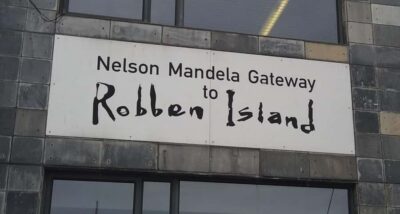

Robben Island Tour including Pick Up & Drop Off from Cape Town
Read our review →
Robben Island Ferry Ticket and Guided Prison Tour
Read our review →
Robben Island Experience: Pre-Booked Ticket & Return Transfers
Read our review →
Robben Island Tour – Hotel Pick-Ups & stops at interesting places pre/post tour
Read our review →Browse the lists this tour appears in