
Reviewed · SOWETO & APARTHEID MUSEUM TOURS
Johannesburg: Soweto Apartheid & Township Tour with Lunch
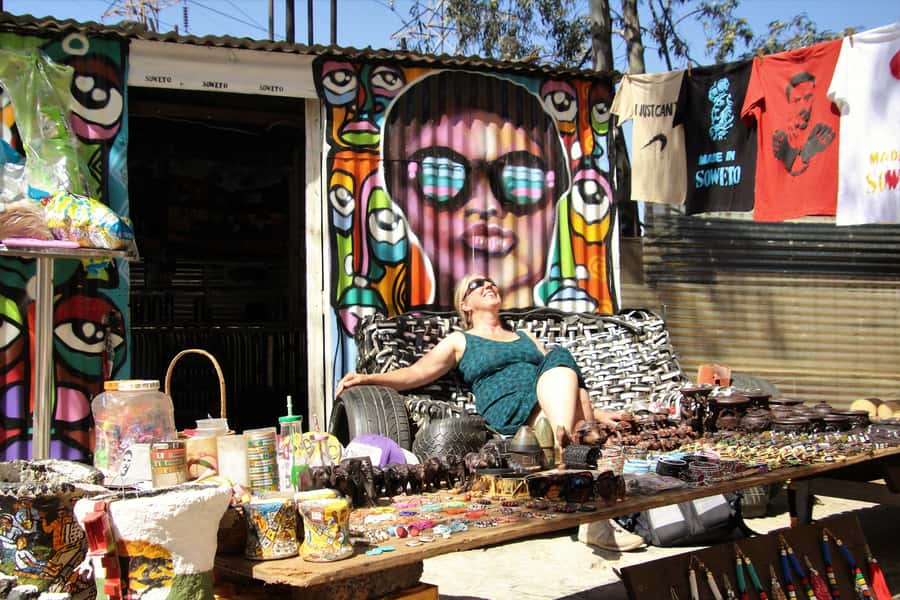
Soweto is not a quick photo stop. It is a place where South Africa’s political past and present-day life sit side by side, from the homes of Nelson Mandela and Desmond Tutu to informal settlements and busy street vendors. A local guide helps you read those contrasts instead of simply passing them in a van.
I like two things especially: the personal guide commentary, which turns names and dates into local stories, and the combination of Soweto with the Hector Pieterson Museum and Apartheid Museum. The traditional lunch and small group of no more than 13 also make a seven-hour day feel useful rather than hurried. The main drawback is time. With several major stops, some visits are brief, and one visitor found the schedule rushed.
Key points to know before booking

- Meet Soweto through a local guide: Guides such as Lebo, Prince, Thabang, Khutso, Emma, and Bobo have led this experience, with clear English and strong local knowledge.
- Walk Vilakazi Street: See the former homes of Nelson Mandela and Archbishop Desmond Tutu on one of South Africa’s most important streets.
- Visit an informal settlement: You have a chance to meet local people and community leaders, an experience that can feel direct and sobering.
- Understand June 16, 1976: The Hector Pieterson Museum explains the Soweto uprising and its role in South Africa’s liberation struggle.
- Finish at the Apartheid Museum: Two hours here gives you the historical framework that makes the day’s Soweto stops easier to understand.
- The price covers the big extras: At $114 per person, you get hotel pickup and drop-off, lunch, both museum admissions, sightseeing, and onboard Wi-Fi.
Why this Soweto day feels different
Many Johannesburg excursions give you a short drive through Soweto and a few quick photographs. This one gives the township most of the day, then adds two serious museums. That makes it less of a sightseeing loop and more of a guided introduction to how apartheid shaped homes, schools, transport, protest, and daily life.
Your guide is central to the experience. The tour uses English-speaking local guides, and the strongest part of the day is the chance to ask questions as you go. Guides who have led this tour include Lebo, Prince, Thabang, Khutso, Emma, and Bobo. The company assigns your guide, so you should not book expecting a particular person, but the repeated praise for clear explanations, humor, safe driving, and friendly conversation points to the value of the human element.
I also like the small-group limit of 13 people. That is large enough to keep the price below a private tour, but small enough for questions and a more personal walk through Soweto. The day lasts about seven hours, including roughly two hours of total van travel from Johannesburg.
More Township Tours in Johannesburg
- Soweto Township Cultural Tour incl Apartheid Museum and Nelson Mandela House
★ 5.0 · 30 reviews - Soweto Township Half Day Tour
★ 5.0 · 20 reviews - Half-Day Guided Tour of Johannesburg and Soweto Township
★ 5.0 · 19 reviews
Leaving Johannesburg for Soweto
Pickup is provided from your hotel or residence in Johannesburg. After a short briefing, you travel toward Soweto by van, with free onboard Wi-Fi available during the ride.
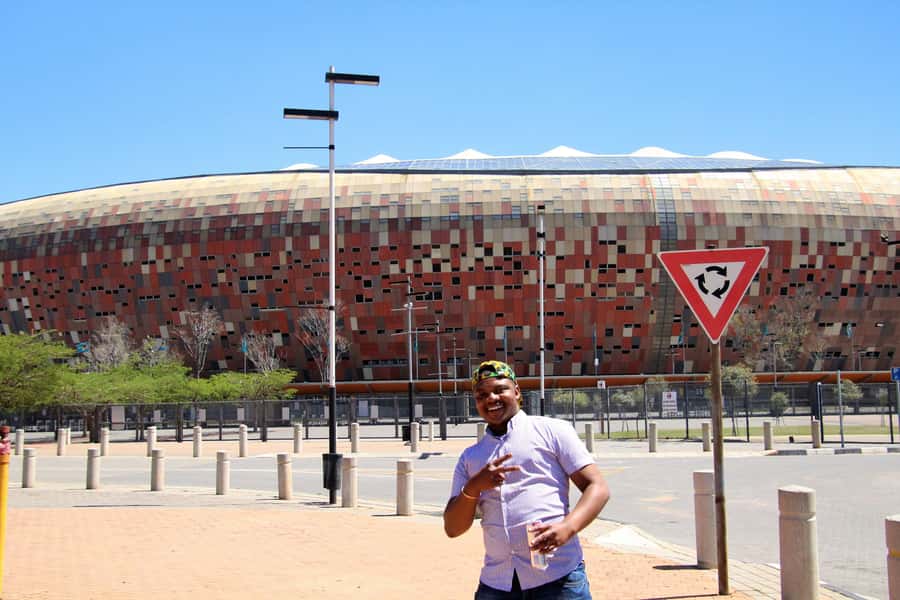
The first notable sight is the National Football Stadium, associated with the opening and closing ceremonies of the 2010 World Cup. It gives you a quick reminder that Johannesburg is not only a city of political struggle, but also a major modern sports center.
The van ride matters because Soweto is not a single uniform district. You move through different areas, and the guide helps explain what you are seeing. You might notice sharp contrasts between formal homes, commercial streets, roadside stalls, and poorer housing. The tour does not pretend that Soweto is simply picturesque. That honesty is important, though some scenes can be difficult to take in.
Diepkloof street life and Orlando West
In the Diepkloof area, you walk past vendors selling a wide range of goods. This is one of the more ordinary parts of the day, and that is exactly why it is useful. Instead of viewing Soweto only through famous political landmarks, you see a working neighborhood with people buying and selling everyday items.
The walk lasts about 30 minutes, so expect a brief introduction rather than a long neighborhood ramble. Wear comfortable shoes, especially since the day includes walking at more than one stop.
The tour then continues to Orlando West and Vilakazi Street. This is one of the most concentrated historic places in Soweto. You pass the former home of Nelson Mandela and the home of Archbishop Desmond Tutu, two figures who took different paths but became central to South Africa’s struggle against apartheid.
You pass Mandela House during the tour, and entering the museum there is optional. The separate Mandela House admission is not included, so check the timing and any extra cost before deciding to go inside. If your priority is the full group itinerary, staying with the planned route may be wiser, since the day already has a lot packed into it.
The Hector Pieterson Museum and June 16, 1976
The Hector Pieterson Museum receives about an hour and is included in the price. This is one of the most important stops because it gives a clear focus to the Soweto uprising of June 16, 1976.
The uprising began with student resistance to the use of Afrikaans as a language of instruction. The events became a major turning point in the liberation struggle, and the museum helps connect that protest to the wider history of apartheid.
Allow yourself to slow down here. This is not a cheerful sightseeing stop, and it should not be treated like one. The museum is valuable because it gives names, images, and human meaning to a period that can otherwise become a list of political terms.
The visit also prepares you for the Apartheid Museum later in the day. At Hector Pieterson, the focus is closely tied to Soweto and the student uprising. At the Apartheid Museum, the story expands to national policy, resistance, and the eventual end of apartheid.
More Soweto and Apartheid Museum visits:
- Johannesburg: Hop-On Hop-Off Bus with Optional Soweto Tour
★ 4.6 · 985 reviews - Soweto /Johannesburg and Apartheid Museum Guided Full Day Tour
★ 5.0 · 932 reviews - Johannesburg Hop-On Hop-Off City Tour with Soweto Option
★ 4.5 · 768 reviews - Half-Day Tour of Soweto Tour
★ 4.5 · 712 reviews
Meeting people in an informal settlement
The tour continues to an informal settlement, where you have the opportunity to interact with local residents and meet young community leaders. This is likely to be the most emotionally complicated part of the experience.
You are not simply looking at a historic site. You are entering a living community, and the visit can show you how present-day economic hardship continues to shape parts of Soweto. One visitor described interacting with local people as the best part of the tour, while another found the living conditions deeply sobering.
Approach this stop with respect. Ask questions, listen carefully, and avoid treating people’s homes as scenery. The stated purpose is interaction and connection, not just photography. The presence of community leaders can help give the visit more context, but the exact format may vary with the day and local arrangements.
This is also where the tour’s donation matters. For every individual booking, R50 goes to the Motsoaledi Day Care Centre for building upgrades and items on its wish list. It is a modest contribution, but it gives the booking a practical link to a local project.
Chris Hani Baragwanath Hospital and Soweto University
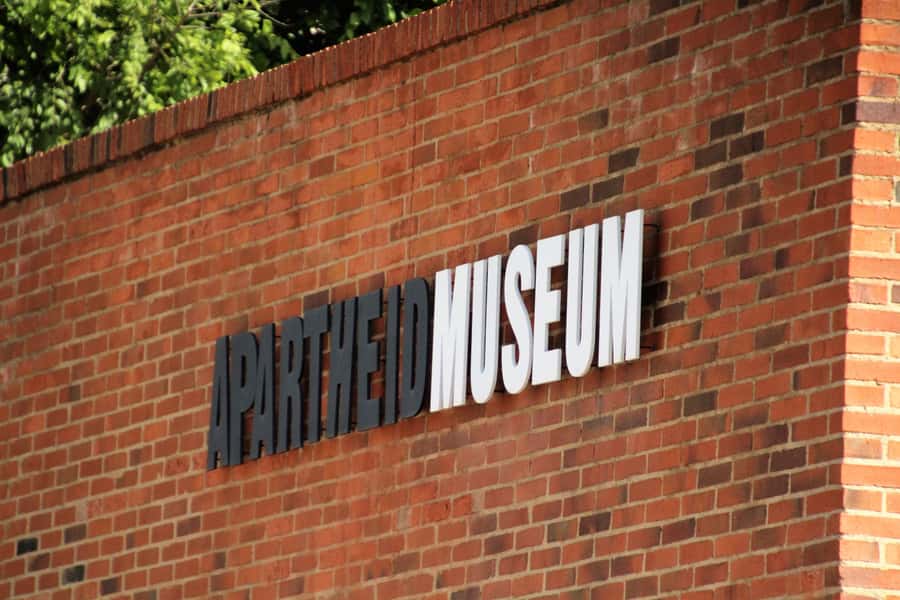
You pass the Soweto Campus of the University of Johannesburg and see the area around Chris Hani Baragwanath Academic Hospital. The hospital is described as the largest in the world, and the stop provides another way to understand the scale of Soweto.
You do not receive a full hospital tour. This is a viewing stop of about 30 minutes, so think of it as part of the guide’s wider explanation of the township rather than a standalone attraction.
The university and hospital also show that Soweto is not frozen in the apartheid era. It remains a major place of education, health care, employment, and daily city life. That balance is one of the strongest features of the day. You learn about oppression, but you also see a community that is much more than its past.
A traditional lunch in Vilakazi
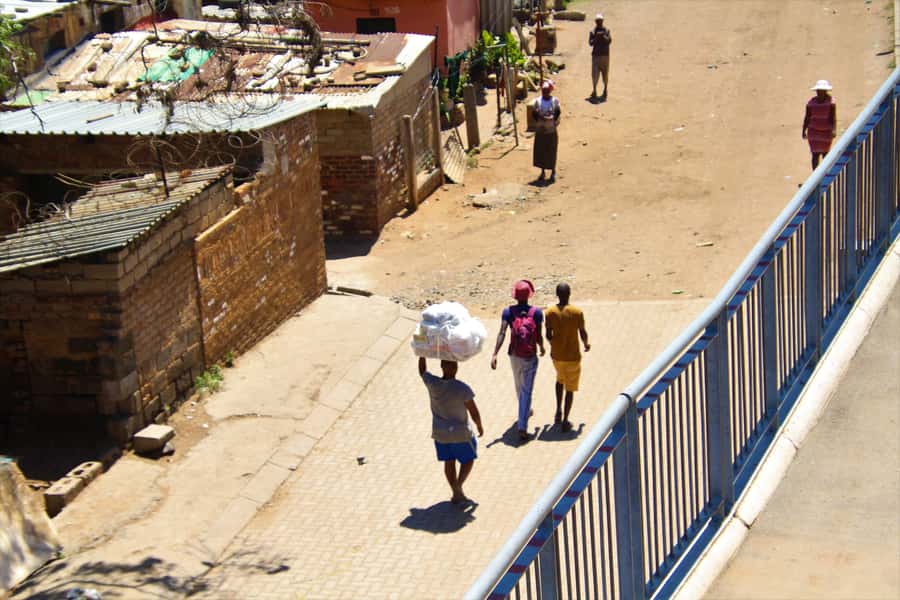
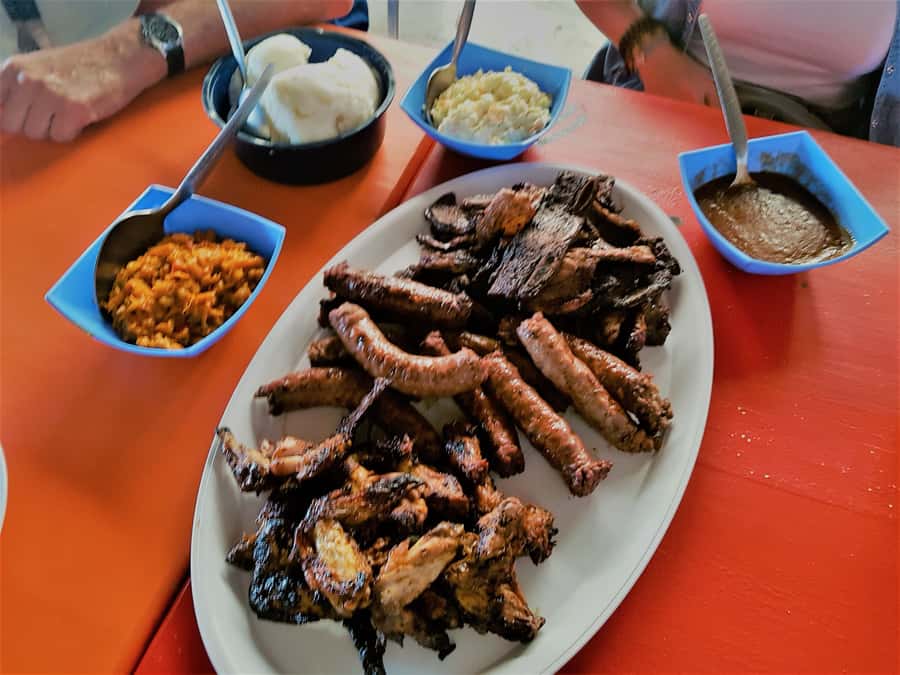
Lunch takes about an hour at Restaurant Vilakazi. A traditional township meal is included, while additional food and drinks are not.
This break is welcome after the morning’s walking and museum visit. It also gives you a chance to ask the guide about what you have seen while the places are still fresh in your mind. Previous visitors have specifically praised the food, but the menu is not specified, so do not book this expecting a particular dish.
The restaurant location keeps the meal connected to the day’s setting rather than sending you back to a generic hotel dining room. Still, lunch is one of the scheduled stops, not a long free period. If you want time to browse Vilakazi Street independently, ask the guide how much flexibility the group has.
Two hours at the Apartheid Museum
The final major stop is the Apartheid Museum, with about two hours inside. Admission is included, and the tour is designed to skip the ticket line.
This museum is the day’s broad historical anchor. After seeing places connected to Soweto’s local story, you can trace apartheid as a national system and follow the liberation struggle that challenged it. The museum visit is not a light finish. It asks for attention, and two hours is enough for a substantial visit without turning the day into an all-day museum marathon.
I like the order of the stops. First, you see the streets, homes, schools, and communities connected to Soweto. Then you receive a wider explanation of the political system behind those realities. Without that context, Soweto can be reduced to poverty tourism or famous names. With it, the different parts of the day fit together.
The tradeoff is that the museum deserves more time than the schedule allows if you want to read every display carefully. Use the two hours well by focusing on the sections that matter most to you. The guide may provide background before or after the visit, but the museum portion is generally your opportunity to explore at your own pace.
Is $114 a fair price?

At $114 per person, this is not the cheapest way to see Soweto. It is also not just a driving tour. The price includes hotel pickup and drop-off, a local guide, Soweto sightseeing, the Hector Pieterson Museum, the Apartheid Museum, an informal-settlement visit, traditional lunch, and Wi-Fi.
Those inclusions add up. Paying separately for transport, museum entry, lunch, and a guide would make the comparison less simple. The small-group limit also gives you more access to the guide than a large coach tour.
The best value comes if you want history and local context in one day. If you only want to see Vilakazi Street and take a few photographs, you may find the full tour too long and costly. If you want to understand Johannesburg’s apartheid-era story and see how Soweto functions today, the price is easier to justify.
You should also remember that extra food and drinks are not included, and Mandela House is optional rather than part of the included admission. The day is full, so the value depends on your interest in museums as much as your interest in sightseeing.
Timing, comfort, and who should book
The tour lasts seven hours, with pickup and return in Johannesburg. Starting times depend on availability, so check the schedule before booking.
Comfortable shoes are the one stated packing essential. That advice is worth following because you walk through Diepkloof and at museum and community stops. The van has onboard Wi-Fi, but you should think of it as a useful extra during transfers, not the reason to choose the tour.
The tour is wheelchair accessible, though the day includes walking and several different sites. If you use a wheelchair or have limited mobility, confirm the details of the walking portions and vehicle setup before booking.
I would recommend this experience to a first-time Johannesburg visitor who wants a structured introduction to Soweto. It suits anyone interested in South African politics, social history, local food, and present-day community life. It also works well if you have only one free day and want hotel transport rather than arranging several separate visits.
I would be more cautious if you dislike emotionally heavy subjects, prefer a slow pace, or want extensive free time at each stop. The schedule covers a lot, and the combination of Soweto, two museums, lunch, and transfers can feel rushed. One visitor specifically noted that the itinerary was good but tightly timed.
Should you book it?
Book this tour if you want the clearest all-in-one introduction to Soweto and apartheid history. The strongest reasons are the local guide, the informal-settlement visit, the Hector Pieterson Museum, and the two-hour stop at the Apartheid Museum.
Skip it if you want a relaxed neighborhood walk, a private itinerary, or a short outing built around photographs. For everyone else, the $114 price is reasonable because it covers transport, meals, admissions, and a small group. Bring comfortable shoes, keep an open mind, and give the difficult parts of the day the attention they deserve.
FAQ
How long does the Soweto tour last?
The experience lasts seven hours, including transportation from Johannesburg and return.
Is hotel pickup included?
Yes. Pickup and drop-off are included from your hotel or residence in Johannesburg.
What language is the tour conducted in?
The live tour guide speaks English.
Is lunch included?
Yes. A traditional lunch at Restaurant Vilakazi is included. Additional food and drinks are not included.
Is the Apartheid Museum admission included?
Yes. Admission to the Apartheid Museum is included, with about two hours scheduled for the visit.
Is the Hector Pieterson Museum included?
Yes. The entrance fee is included, and the visit lasts about one hour.
Can I visit Mandela House?
You pass Mandela House during the tour, and visiting the museum is optional. Its admission is not included.
How large is the tour group?
The tour is limited to 13 participants.
Is the tour wheelchair accessible?
Yes, the activity is listed as wheelchair accessible. It also includes walking, so check the details of the walking sections when booking.
What should I bring?
Bring comfortable shoes. They will help during the walking portions of the Soweto visit.
More lunch stops in Johannesburg
- Soweto: Walking Tour with a Local Guide and Lunch
★ 4.9 · 648 reviews - Full-Day Soweto, Apartheid Museum and Lunch Tour
★ 5.0 · 410 reviews - Soweto: Guided Bicycle Tour with Lunch
★ 4.9 · 292 reviews - Soweto Walking Tour with Lunch
★ 5.0 · 288 reviews
Just listed around Johannesburg
- Constitutional Hill and Soweto 5 hours tour.★ 5.0 · 5 reviews
- 5 Day Kruger Glamping Safari and Panorama Tour★ 5.0 · 5 reviews
- Cradle of Humankind and Maropeng Day Tour from Johannesburg★ 4.0 · 5 reviews
- Johannesburg: Hot Air Balloon Flight★ 5.0 · 5 reviews
- Half Day Soweto and Apartheid Museum Guided Tour★ 5.0 · 5 reviews
- Lion park★ 4.5 · 5 reviews
- 5 Day Kruger National Park and Panorama Route Safari★ 4.5 · 5 reviews
- Pretoria Historical Tour★ 4.0 · 5 reviews
Soweto & Apartheid Museum Tours, compared.

Soweto /Johannesburg and Apartheid Museum Guided Full Day Tour
Read our review →
Johannesburg Hop-On Hop-Off City Tour with Soweto Option
Read our review →

Jo’berg in 1 Day: Soweto, Apartheid Museum & City Tour
Read our review →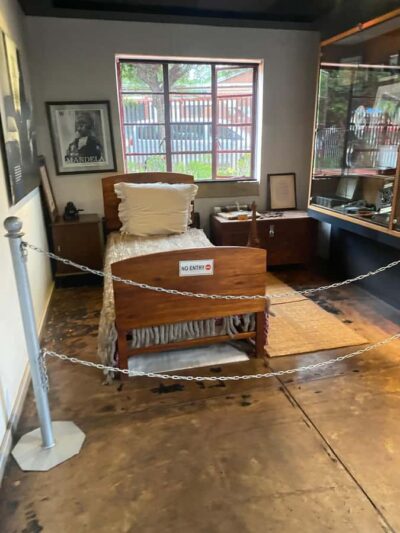
Full-Day Tour with Soweto and Apartheid Museum
Read our review →
Browse the lists this tour appears in