
Reviewed · ROBBEN ISLAND TOURS
Cape Town: Robben Island Guided Tour ticket & guided tour
Nelson Mandela’s prison cell is tiny, plain, and difficult to forget. That small room gives this Robben Island tour its emotional force, but the story begins before you reach the prison, on the ferry from Cape Town’s V&A Waterfront.
I like the former political prisoner guide, whose first-hand account gives the island a human voice rather than turning it into a list of dates. I also like the ferry ride, with Table Mountain behind you and the sea stretching around the route. The main drawback is time: the scheduled tour lasts four hours, but ferry delays or longer crossings can leave the island visit feeling rushed.
Key points to know before you book
- Nelson Mandela’s actual cell: You visit the modest cell where Mandela spent years imprisoned.
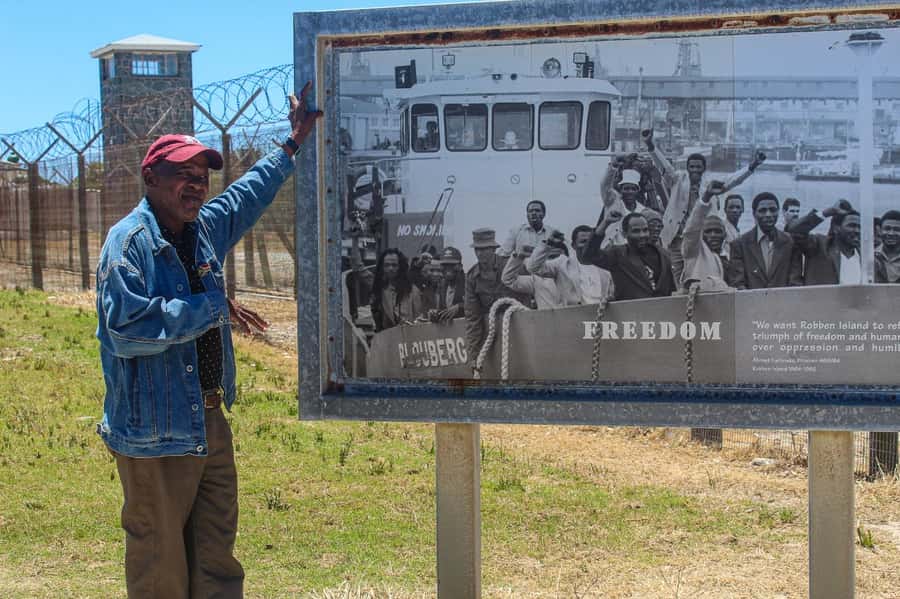
- A former prisoner leads the island tour: The guide adds personal detail to the prison and political history.
- The ferry leaves from the Nelson Mandela Gateway: The departure point is at the V&A Waterfront beside the Clocktower.
- The official crossing takes 30 minutes: Allow extra time, since one booking account advised expecting 45 to 60 minutes each way.
- The visit covers more than the prison: You see the Lime Quarry, Robert Sobukwe’s house, the leprosy graveyard, and other island sites.
- The $87 price includes the main costs: Your ferry ticket, museum admission, and guided tour are included, but transport to the waterfront is not.
Why Robben Island matters beyond Mandela’s cell
Robben Island is best understood as a place of imprisonment, exile, forced labor, and political resistance. Mandela’s cell is the best-known stop, but it is only one part of the visit.
The island’s importance comes from the people who were held there and the system that put them there. The tour takes you through several locations connected to that story, so you can see how the island functioned as more than one prison building.
I find this useful because it adds scale. Mandela’s cell shows the personal cost of imprisonment. The wider island shows the setting in which political prisoners lived, worked, and were separated from the mainland.
The former prisoner guide matters here. A museum display can explain a date or policy, but a guide who experienced imprisonment can give you a stronger sense of what those places meant. The available information does not name the guide in advance, so you should not book expecting a particular person.
The language is English, and the tour is guided rather than self-led. That makes the experience easier to follow, especially if you want context at each stop instead of simply walking through the buildings on your own.
More Robben Island visits:
- Cape Town: Robben Island Ferry Ticket and Guided Prison Tour
★ 4.1 · 1,792 reviews - Cape Town: Robben Island Ferry Tour with 1-Way Hotel Pickup
★ 4.2 · 1,380 reviews - Cape Town: Robben Island Ferry Ticket and Townships Tour
★ 4.5 · 400 reviews
Starting at the Nelson Mandela Gateway
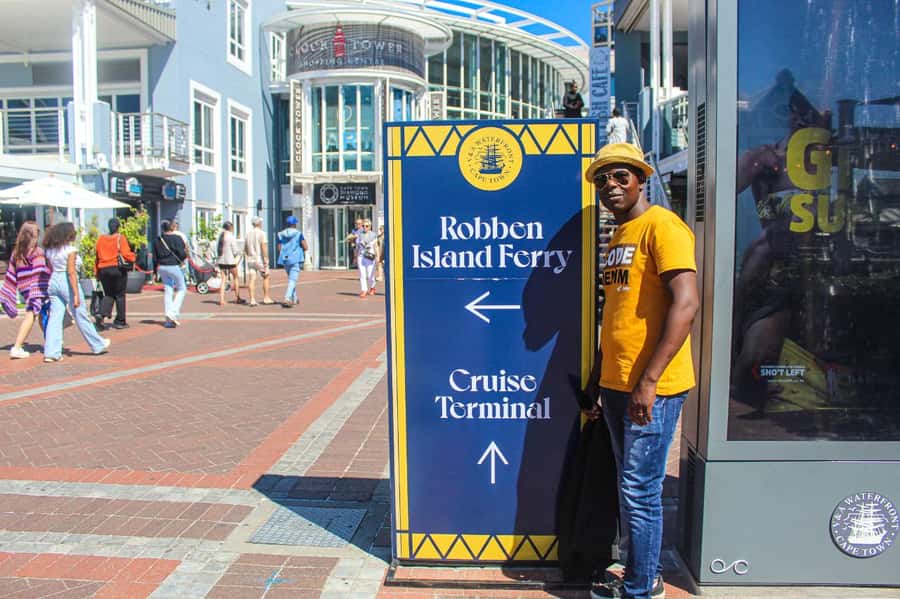
You begin at the Nelson Mandela Gateway to Robben Island, located at the V&A Waterfront. The entrance is beside the Clocktower, near the children’s play area. Go up the steps and security staff will direct you toward the ferry.
Arrive at least 30 minutes before departure. This is not the place to cut things close. You need time to find the gateway, pass through the departure process, and show valid identification if requested.
Bring a passport or identity document. A copy is accepted according to the tour information, and children must also bring identification. When booking, you need to provide each person’s full name, surname, and nationality. A child’s date of birth is also required.
The tour does not include hotel pickup or drop-off. You need to make your own way to the waterfront, so allow time for transport and for finding the gateway. The V&A Waterfront is a practical starting point because it has restaurants, shops, and the Clocktower as an easy landmark, but your focus should be reaching the ferry entrance on time.
The 30-minute ferry ride from Cape Town
The ferry crossing is not just transport. It gives you a first look at Robben Island as a place separated from Cape Town by open water.
The listed crossing time is 30 minutes. From the ferry, you can look back toward Cape Town and see Table Mountain forming a dramatic backdrop. The views help explain the island’s isolation. The mainland is visible, yet the sea creates a clear physical barrier between the city and the prison site.
Plan for the possibility that the crossing may take longer. One booking account advised allowing about 45 minutes to an hour each way. That means the four-hour duration should be treated as a general guide, not a guarantee that every minute will run to schedule.
If the sea is rough or boarding takes longer, the ferry portion can affect your time on the island. This is the chief practical concern with the tour. You should avoid scheduling another important activity immediately afterward.
The ferry is also your chance to take photographs of Table Mountain and the coast. Keep your camera ready, but do not let the view become the whole point of the trip. The ferry sets the scene, while the island provides the substance.
Seeing the island beyond the prison
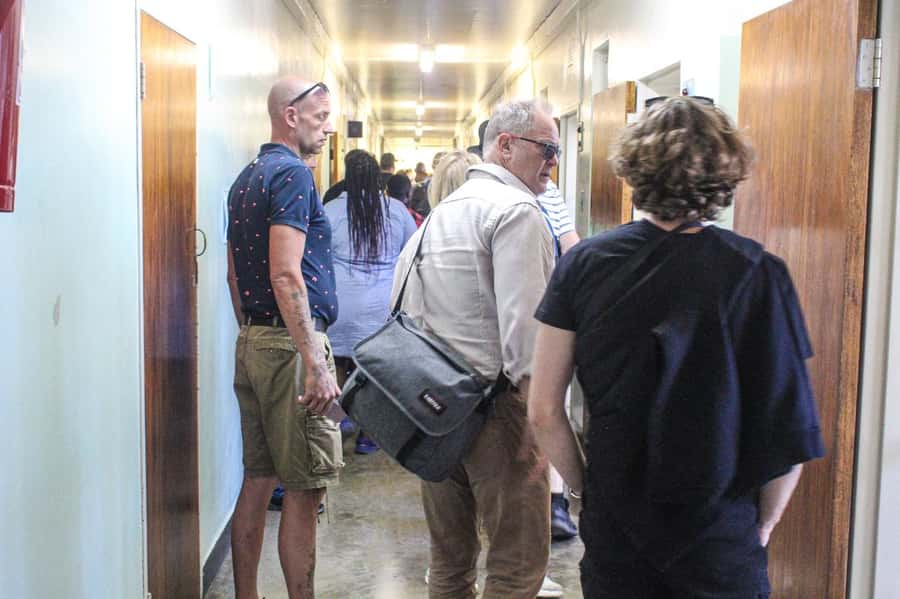
The island tour lasts about three hours, including sightseeing and walking. You visit several places that broaden the story beyond Mandela.
The leprosy graveyard points to an earlier period in the island’s history, when it was used in connection with people suffering from leprosy. It is a quiet and sobering stop. The site reminds you that Robben Island served different purposes before and beyond its role as a political prison.
The Lime Quarry is closely tied to the labor imposed on prisoners. It is also important in the story of political prisoners who spent long hours working there. The stop helps you understand that imprisonment involved physical demands as well as confinement.
You also see Robert Sobukwe’s house. Sobukwe was an important anti-apartheid political figure, and his separate confinement adds another layer to the island’s history. This stop is valuable because it shows that imprisonment was not experienced in one standard way by every political figure.
The tour continues to the maximum-security prison. Here, the setting becomes more direct and personal. You are no longer looking at a distant monument or an island from the ferry. You are moving through the place where prisoners were held.
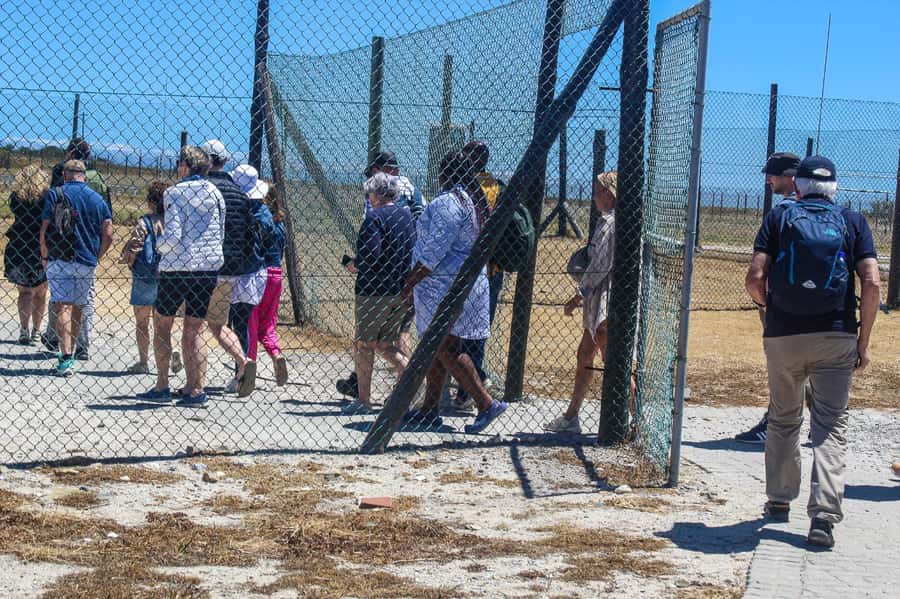
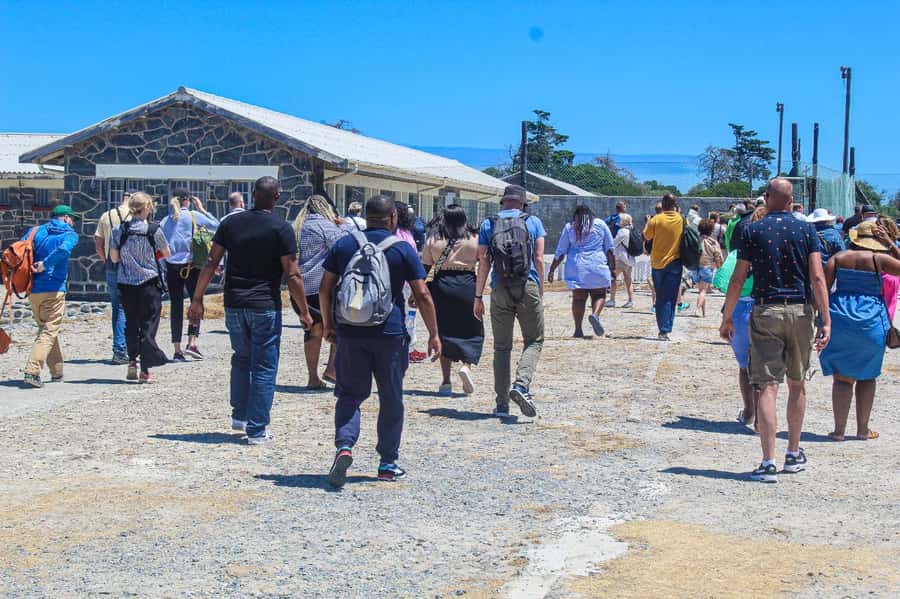
Expect walking between sites. Comfortable shoes will make the three-hour island visit easier, although no special equipment is listed as necessary. The tour combines vehicle or site-to-site sightseeing with walking, but the exact transport arrangement is not specified, so follow the guide’s directions on the day.
A few more Cape Town days worth comparing
- Wine Tour: Paarl, Franschhoek & Stellenbosch incl 3 wineries
★ 5.0 · 3,940 reviews - Cape Town: Hop-On Hop-Off Bus Tour with Optional Cruise
★ 4.8 · 3,929 reviews - Cape Town: Cape of Good Hope & Penguins Day Tour with Pickup
★ 4.7 · 3,362 reviews - Zipline Cape Town – From Foot of Table Mountain Reserve
★ 5.0 · 3,179 reviews
Entering the maximum-security prison
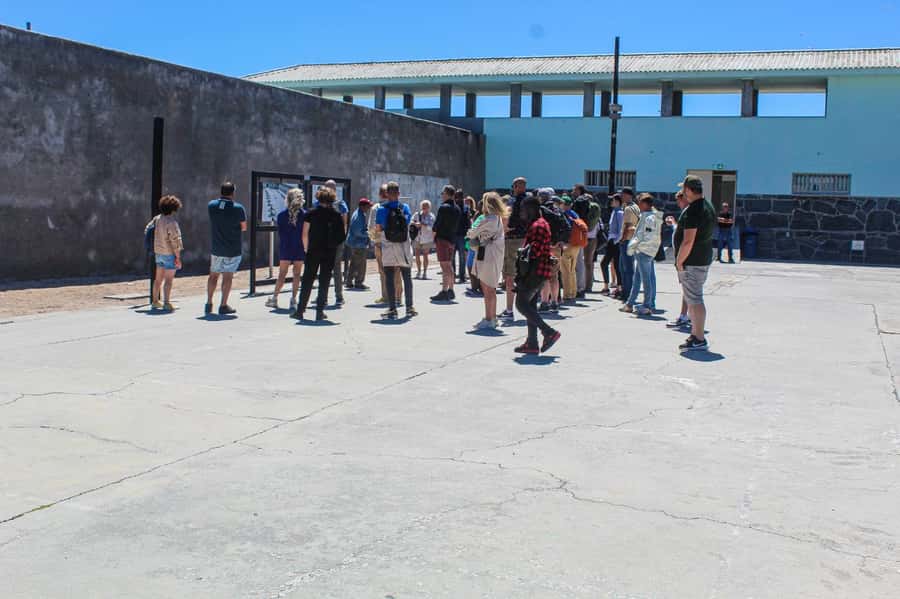
The prison is the emotional center of the visit, but it can also be the busiest part. You are there to understand the system that held political prisoners, not simply to photograph old walls.
The former prisoner guide brings personal experience into the prison tour. That is the most distinctive feature of this booking. The guide can explain the meaning of the spaces from inside the experience of imprisonment, rather than presenting the site only as a museum exhibit.
The tour culminates at Nelson Mandela’s cell. It is a small, spare room, and its plainness is part of its impact. There is no grand interior to admire. The value comes from standing in the actual space where Mandela was confined and considering the years represented by that room.
Give yourself time to take in the stop. The visit may not allow you to linger as long as you would like, especially if ferry operations have reduced the schedule. One piece of booking feedback described the time on the island as too short, while still calling the organization good. That is a fair warning: the tour is powerful, but it is not a leisurely day spent examining every corner.
The cell should not be treated as an isolated celebrity attraction. Its meaning depends on the island tour and the prison context that come before it. If you only want a quick photograph, you will miss the point. If you listen closely to the guide, the stop becomes a way to connect an individual life with South Africa’s wider struggle for freedom and equality.
How the four-hour schedule works
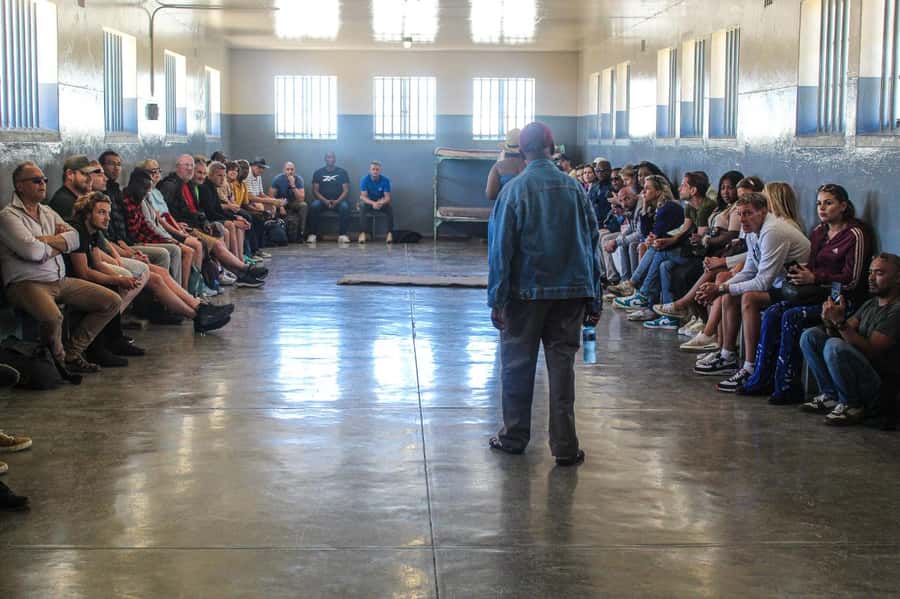
The published schedule is:
- Ferry from the Nelson Mandela Gateway to Robben Island: about 30 minutes
- Guided island and prison visit: about three hours
- Ferry back to Cape Town: about 30 minutes
In practice, build in extra time. The return to the waterfront may take longer than the listed 30 minutes, and the full experience can extend beyond four hours.
The island section is the part you do not want to rush. It includes the major sites and the former prisoner-led prison visit, so a late ferry departure or slower crossing can make the day feel compressed.
I would keep the rest of your day flexible. You might be back in time for a meal at the waterfront, but I would not book a timed museum visit, airport transfer, or special dinner too close to the scheduled finish.
The tour begins and ends at the same place, the Nelson Mandela Gateway. That makes planning simpler than a tour with several drop-off points. It also means you are responsible for getting back to your hotel after returning to the waterfront.
Is $87 a fair price?
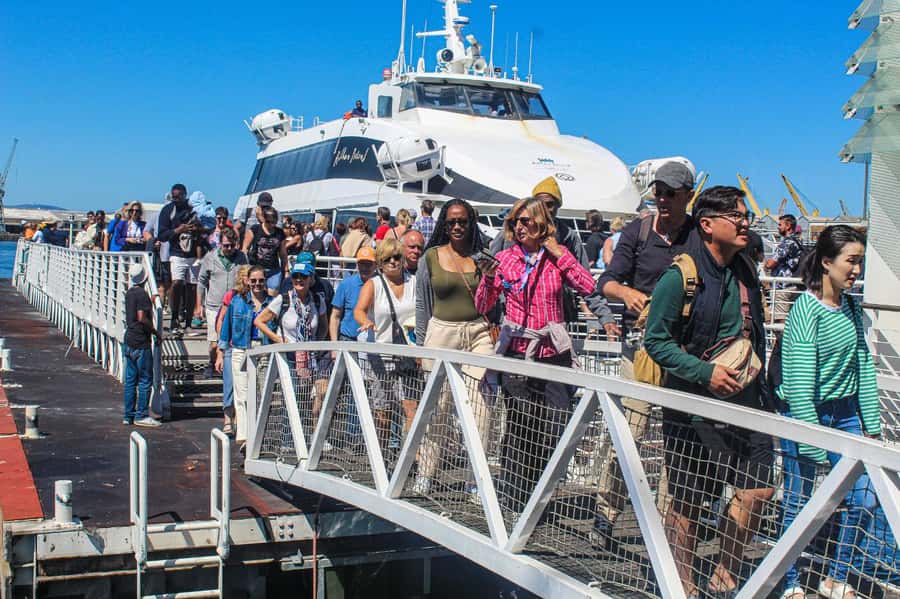
At $87 per person, the tour is not a budget attraction, but the price includes the main pieces you need: the pre-booked ferry ticket, Robben Island Museum admission, and the guided tour led by a former political prisoner.
That bundled price has practical value. Robben Island ferry tickets can be limited, and a pre-booked place is useful if your Cape Town schedule is tight. You are also paying for the island transport and the guided interpretation, not just entry to a building.
The value depends on what you want from the day. If you are mainly looking for Cape Town views from the water, $87 is a lot for a ferry ride. If you want to understand apartheid-era imprisonment and visit Mandela’s cell with an ex-prisoner guide, the combined ticket and tour make more sense.
You do need to add the cost and time of reaching the V&A Waterfront yourself. Hotel pickup is not included. There is also a time cost: with the ferry, the island tour, and possible delays, this is a major half-day commitment.
The experience receives positive marks for organization, the quality of the historical information, and the ferry ride. One Spanish-language booking comment specifically praised the information and said the excursion was worth doing, while another described the organization as very good but wanted more time on the island. That combination gives you the clearest value picture: the content is strong, but the schedule may feel tight.
Who should choose this Robben Island tour?
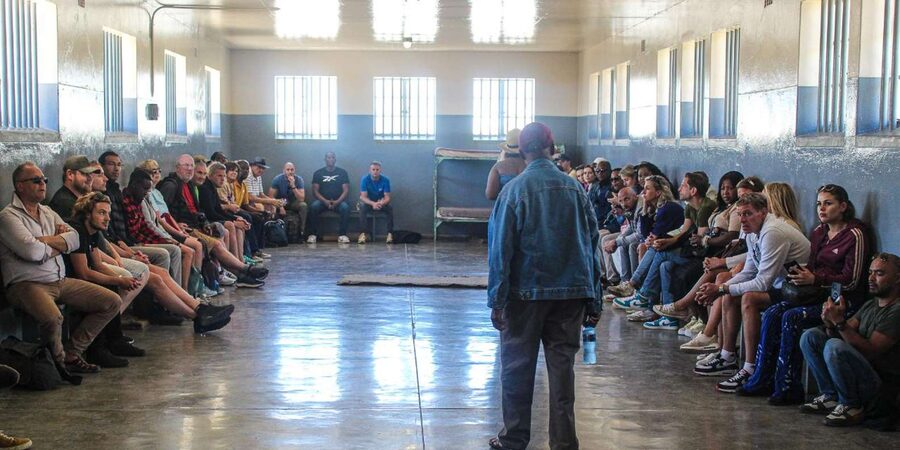
I would choose this tour if you are visiting Cape Town for the first time and want one of the city’s most important historical experiences. It suits anyone interested in Mandela, apartheid, South African politics, or the human cost of imprisonment.
It is also a good match if you prefer a guided experience. The former prisoner guide gives the visit a focus that a self-guided walk may not provide.
Families can book it, but children need valid identification, including a passport or ID card. The subject matter is serious, and parents should decide if the prison history suits the children in their group.
You should think twice if your schedule is extremely tight. The four-hour duration can stretch, and one direct piece of feedback found the time on the island too short. You should also reconsider if you dislike ferry travel or want a relaxed day with long stops and lots of personal wandering.
The tour is conducted in English. If you need another language, this particular option may not suit you.
Useful preparation for the day
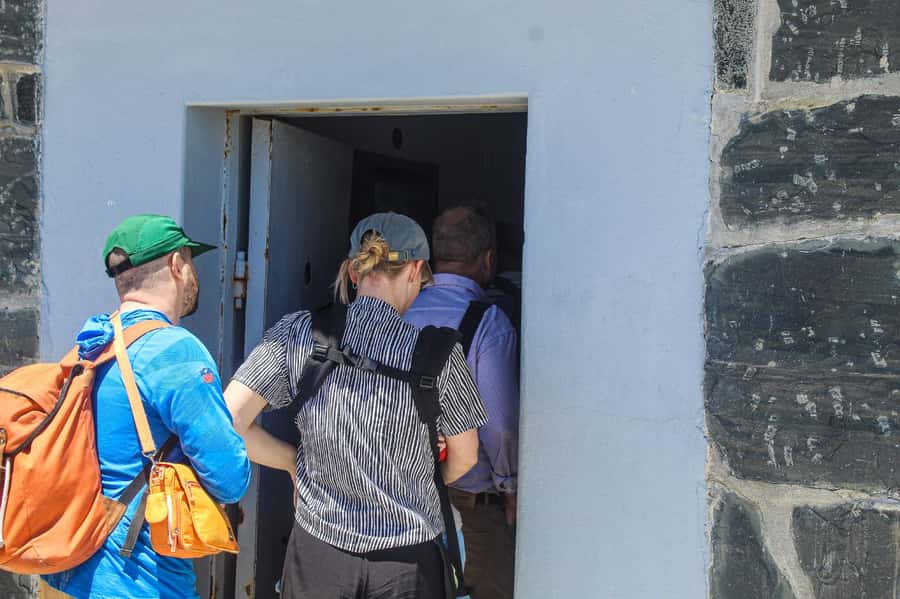
Arrive 30 minutes early at the Nelson Mandela Gateway. The entrance is next to the Clocktower by the children’s play area, and security staff can direct you once you reach the steps.
Carry your passport or ID card, or a copy if accepted for your booking. Children must bring valid identification too. Make sure the names and nationalities on your booking match the documents you carry.
Wear comfortable shoes for the walking portion of the island visit. Bring what you need for a half-day outing, but keep the focus on the guide and the sites rather than packing for a full day away.
Allow extra time after the scheduled return. The listed ferry journey is 30 minutes, but the crossing may take longer. I would leave a generous gap before your next fixed appointment.
The booking offers free cancellation up to 24 hours before departure, with a full refund, and you can reserve now and pay later. Those terms are useful if your Cape Town plans may shift, but they do not remove the need to arrive on time once the day is booked.
My booking recommendation
I would book this Robben Island tour if you want the ferry, museum admission, and former prisoner-led visit handled together. The personal guide story and Mandela’s cell are the strongest reasons to go, while the Table Mountain views make the journey itself worthwhile.
Book it early in your Cape Town planning, arrive well before departure, and keep the rest of the day open. Choose another option only if you need hotel transport, a language other than English, or a slower visit with more time to explore independently.
FAQ
How long does the Robben Island tour take?
The stated duration is four hours. This includes a 30-minute ferry ride to the island, about three hours of guided sightseeing and walking, and a 30-minute ferry ride back.
Where does the ferry leave from?
The ferry leaves from the Nelson Mandela Gateway to Robben Island at the V&A Waterfront. The entrance is beside the Clocktower, near the children’s play area.
How early should I arrive?
You should arrive at least 30 minutes before your scheduled departure time. Security staff will direct you to the ferry after you reach the gateway.
Is hotel pickup included?
No. You need to make your own way to the Nelson Mandela Gateway at the V&A Waterfront, and hotel drop-off is not included either.
Is the tour conducted in English?
Yes. The live guided tour is conducted in English.
Will I see Nelson Mandela’s prison cell?
Yes. The tour includes a visit to the actual cell where Nelson Mandela was held.
Who guides the Robben Island visit?
A former political prisoner guides the Robben Island Museum tour. The guide’s name is not specified in the booking information.
What identification should I bring?
Bring a passport or identity card. A copy is accepted according to the tour information, and children must also bring valid identification. You need to provide all travelers’ full names, surnames, and nationalities when booking, plus each child’s date of birth.
Just listed around Cape Town
- Cape Town: Inspiring sustainable change through Street Art★ 4.9 · 5 reviews
- Cape Town Tandem Paragliding Square 1 Paragliding★ 5.0 · 5 reviews
- SandBoarding in Capetown + PhotoShoot★ 4.0 · 5 reviews
- Cape Town: Full-Day Private Peninsula Tour★ 3.6 · 5 reviews
- Private FULL DAY Tour: Cape of Good Hope & Boulders Beach★ 5.0 · 5 reviews
- Cape Town Full Day Family Fun With Kids Private Tour★ 4.0 · 5 reviews
- Private Tour to Aquila Game Reserve in Cape Town – see the Big5★ 5.0 · 5 reviews
- Peninsula Tour Cape Town★ 5.0 · 5 reviews
Robben Island Tours, compared.

Robben Island Ferry Ticket and Guided Prison Tour
Read our review →
Robben Island Ferry Tour with 1-Way Hotel Pickup
Read our review →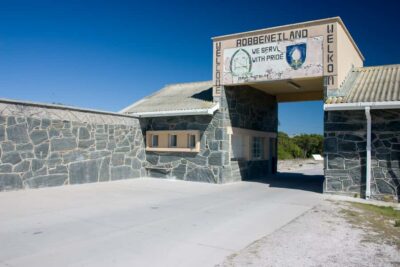
Robben Island Ferry with Prison Ticket and Tour
Read our review →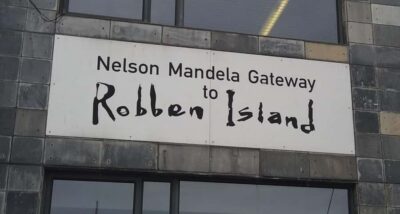

Robben Island Tour including Pick Up & Drop Off from Cape Town
Read our review →
Robben Island Ferry Ticket and Guided Prison Tour
Read our review →
Robben Island Experience: Pre-Booked Ticket & Return Transfers
Read our review →Browse the lists this tour appears in