
Reviewed · JOHANNESBURG TOURS
Johannesburg: Pan-African Cooking & Dinning Experience
The best part of this Johannesburg experience is the setting: you leave the restaurant circuit behind and cook in a local home, where food comes with conversation and personal stories. I especially like the market ingredient walk and the choice between an organic vegan menu and a meat option.
I also like the hands-on format. You do not simply watch a chef plate a meal. You help prepare the starter and main course, then sit down with local wine or juice to eat together. One possible drawback is that the market visit and menu can feel less polished than a formal cooking school, especially if pickup runs late or the ingredient plan changes.
Key points to know before booking
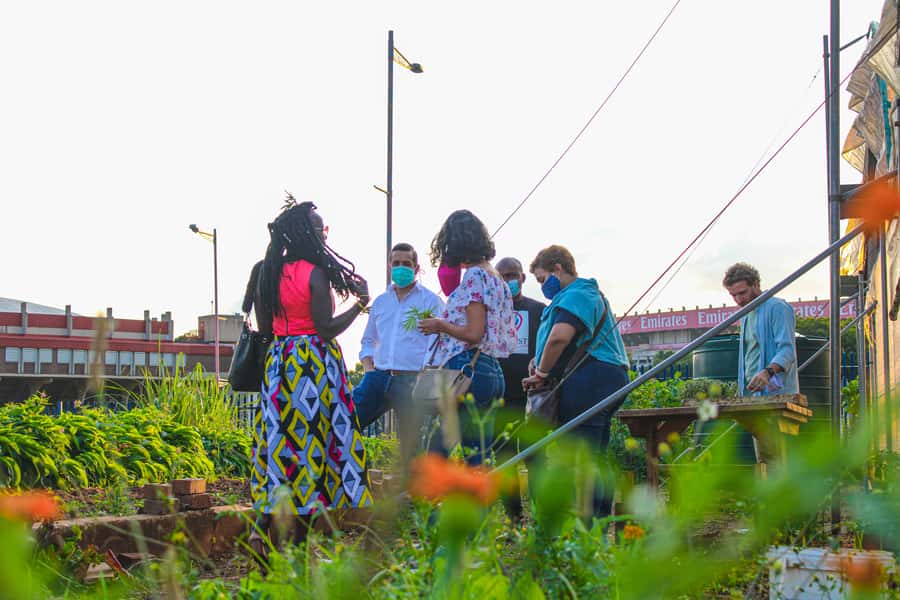
- Shop before you cook: Visit an open-air market or supermarket and learn how local produce and spices fit into African food traditions.
- Cook in a real home: The meal takes place in a welcoming local house rather than a purpose-built culinary studio.
- Choose your menu: Select an organic vegan option or a meat-based meal.
- Plan for three and a half to four hours: The experience includes pickup, shopping, cooking, dining, and return transport.
- Chef Tee and Noni have hosted memorable sessions: Their names are worth noting when discussing guide preferences with the operator.
- Pickup simplifies Johannesburg logistics: Sandton is included, with service offered within 10 kilometers of the city center.
A Johannesburg food experience built around the table

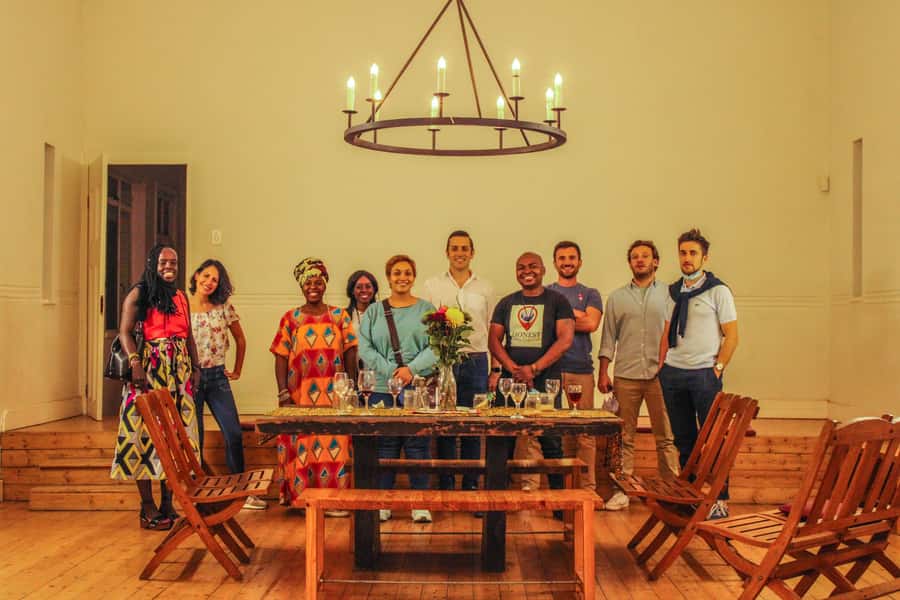
This is less a standard cooking class than a shared meal with practical cooking woven into it. You meet the chef, shop for ingredients, prepare food together, and then sit down to eat while hearing about the chef’s own path through food and family life.
That format matters in Johannesburg. A restaurant can serve you South African food, but it rarely explains how ingredients are bought, how a dish fits into everyday life, or why certain cooking habits matter at home. Here, the meal is also a conversation about nutrition, home-grown food, healthy eating, and the range of cuisines found across Africa.
The Pan-African label is broad by design. You may learn about South African food, but the stated aim is to show connections and differences across the continent. The exact menu depends on the chef, the day, and your chosen vegan or meat option, so you should book this for the learning and social setting rather than for one fixed dish.
More cooking classes in Johannesburg:
- Zulu Food Cooking & Dining Experience with a local Chef
★ 4.4 · 5 reviews - Cape Town: Malay Cooking Class and Lunch in Bo-Kaap
★ 4.8 · 515 reviews - Authentic African Cuisine Cooking Experience
★ 5.0 · 236 reviews
Starting in Sandton, then heading to the market
Pickup and drop-off are included, which is useful in Johannesburg. The service covers Sandton and pickup within 10 kilometers of the city center. You should confirm your hotel location and pickup time in advance, since one delayed pickup caused a long wait and poor communication for one booking.
The first active stop is a food market. Depending on the day, this may be an open-air market or a supermarket. That distinction is worth noting. An open-air market can offer a closer look at local buying habits and produce, while a supermarket may provide a more ordinary view of how people shop for a home meal.
The market portion is listed at about 30 minutes, so it is an introduction rather than a full food tour. You will walk with the chef, identify ingredients, and hear about their place in African cooking and daily life. This is where you can ask the most useful questions: Which ingredients are grown locally? Which spices are common at home? What changes between a weekday meal and a celebration dish?
The market stop may not always look cinematic. A specific account described a very small, poorly lit market area with only a handful of stalls. That may have been linked to the late start or the particular day, but it is a fair reason to keep expectations sensible. This is ingredient shopping for your cooking session, not a major Johannesburg market attraction.
Welcome drinks and the move into a local home
After shopping, you head to the home where the cooking takes place. You receive a welcome drink, described in different sessions as locally produced wine, juice, hibiscus tea with ginger, or fruit-infused water.
The host gives you a short tour, explains house rules, and assigns simple jobs. That small introduction helps the evening feel organized without turning the home into a formal classroom. You are not just watching someone else work. The idea is to make you part of the household for a few hours.
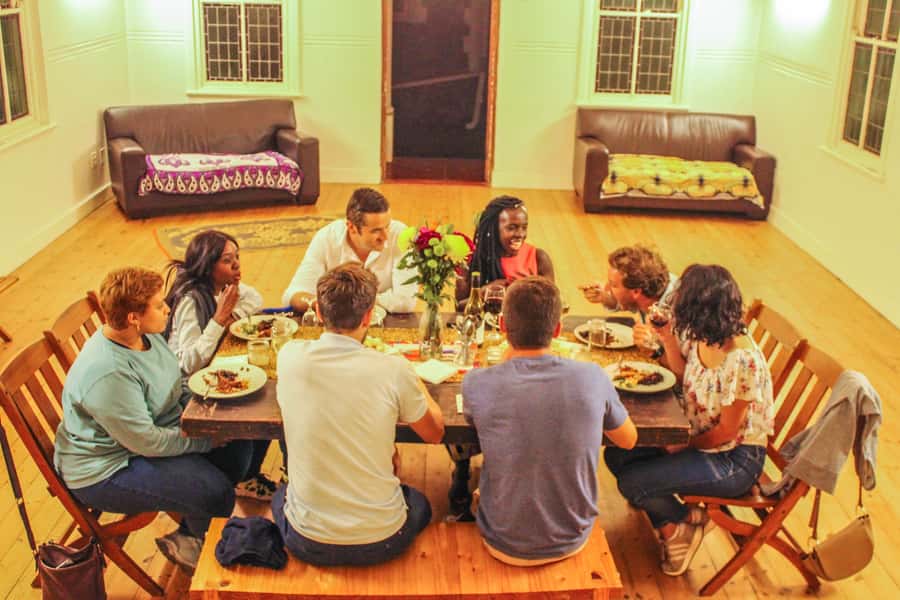
The home setting is the strongest reason to choose this activity. You see where the meal is prepared, how people gather around the kitchen table, and how storytelling fits beside food. You can speak with the chef about family cooking, regional dishes, and the balance between traditional methods and modern convenience.
The hosts are a major part of the experience. Chef Tee has been praised for making people feel at home and for explaining South African food clearly. Noni Godole has also been associated with a warm session that included home-grown ingredients, cooking over wood fires, and discussion of spices and food history. If a particular host matters to you, ask the operator before booking rather than assuming a named chef will be available.
Cooking the starter and main course together
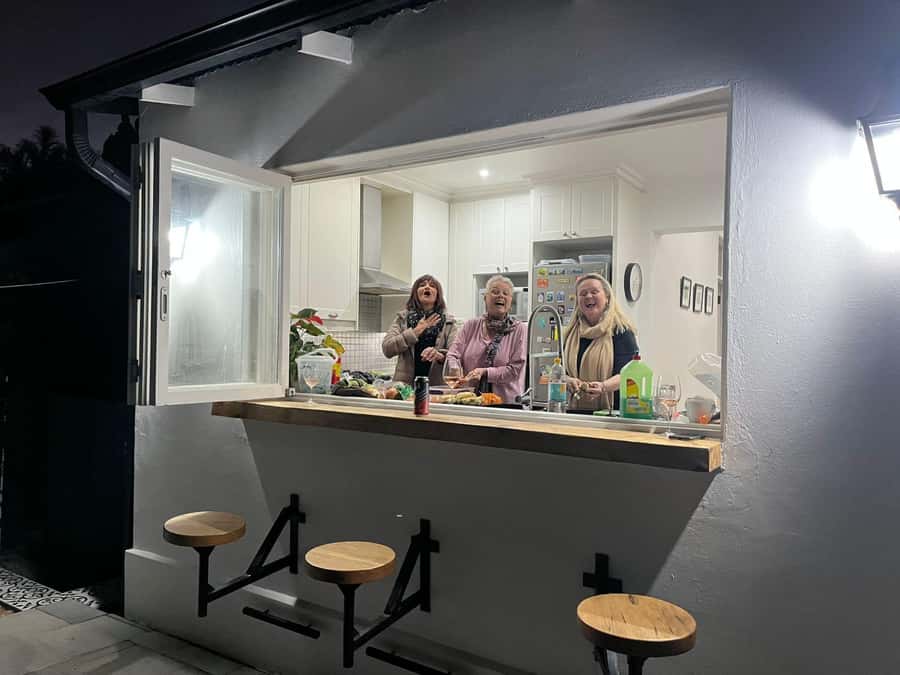
Once the ingredients are ready, you work with the chef on a starter and main course. The cooking is designed for participation, so you can expect to chop, stir, season, or help with other assigned tasks. The exact menu is not fixed in the information provided, which gives the chef room to work with the selected vegan or meat plan.
The cooking can be the most educational part if you ask questions as you go. Pay attention to the order of ingredients, the balance of seasoning, and the way the chef adjusts food for nutrition or personal preference. The session specifically includes discussion of healthy eating and home-grown food, so it is not only about copying a recipe.
You should also understand the limits. This is not guaranteed to be a spice master class. One meal was described as vegetables and meat prepared with store-bought curry powder packets, with less explanation of individual spices than expected. Another session included a detailed account of spices, history, outdoor cooking, and several meat dishes. The difference suggests that the chef, menu, timing, and available ingredients can shape the lesson.
That variability is not automatically bad. Home cooking often uses practical shortcuts. Still, if you want exact recipes, measured spice lessons, or advanced knife and sauce techniques, ask what menu and teaching plan will be used on your date.
A few more Johannesburg days worth comparing
- From Johannesburg: Pilanesberg Nature Reserve Game Safari
★ 4.8 · 1,327 reviews - Johannesburg: Hop-On Hop-Off Bus with Optional Soweto Tour
★ 4.6 · 985 reviews - Soweto /Johannesburg and Apartheid Museum Guided Full Day Tour
★ 5.0 · 932 reviews - Johannesburg Hop-On Hop-Off City Tour with Soweto Option
★ 4.5 · 768 reviews
From kitchen work to a shared African meal
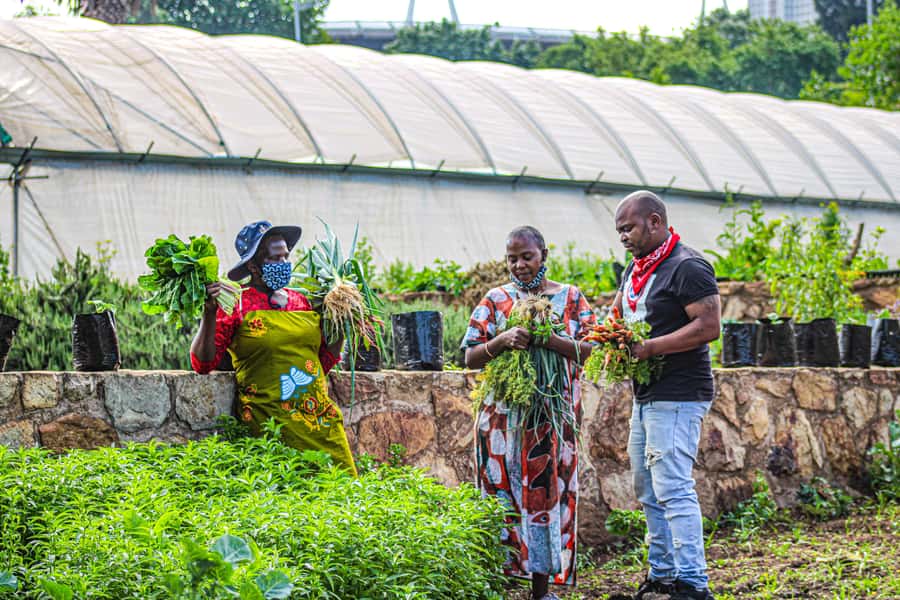
When the food is ready, you sit down together. A bottle of wine to share is included, and local wines and beers may accompany the meal. Extra alcoholic drinks cost more, so you should not assume an open bar.
The meal is meant to be social. The chef shares a personal story and culinary journey, and you can share your own experiences if you wish. You are never required to perform or speak at length. The storytelling gives the dinner a sense of purpose, linking food with memory, family, and cultural identity.
Past sessions have included several cooked dishes, grilled meats, homemade drinks, and dessert. Those details should not be treated as a guaranteed menu, but they show the possible range of the evening. One particularly strong session ended at a candlelit kitchen table after food had been prepared indoors and outdoors.
I like this part because it turns a class into a real exchange. You are not rushing out after the final instruction. You eat the food while it is fresh, talk with the people who prepared it, and get a better feel for how hospitality works in the home.
Vegan or meat: choosing the right version
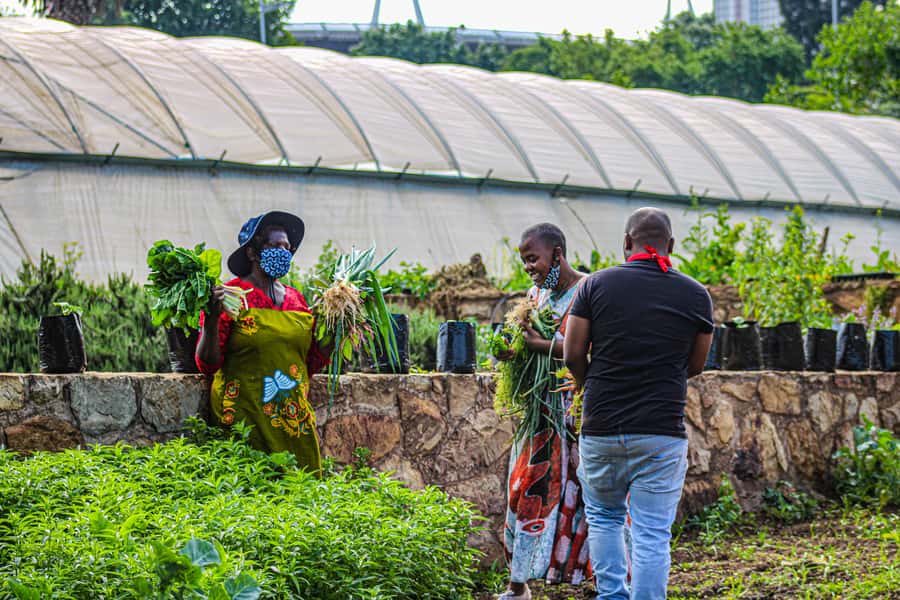
You can select an organic vegan option or a meat option. This is helpful for dietary preferences, but you should communicate any allergies or restrictions clearly before the session. The supplied details confirm the two main menu choices, but they do not list every ingredient or guarantee that a particular allergy can be accommodated.
The meat option may include grilled dishes, depending on the menu and cooking plan. The vegan option is described as organic, but the exact dishes are not specified. If you care about particular vegetables, grains, sauces, or cooking methods, ask for the planned menu before paying.
The nutrition discussion may be especially useful for anyone interested in food beyond restaurant presentation. You can learn how home-grown ingredients, fresh produce, and everyday cooking habits shape a meal. The experience does not promise a formal nutrition workshop, though, so think of this as part of the conversation rather than a separate lecture.
How the $102 price holds up
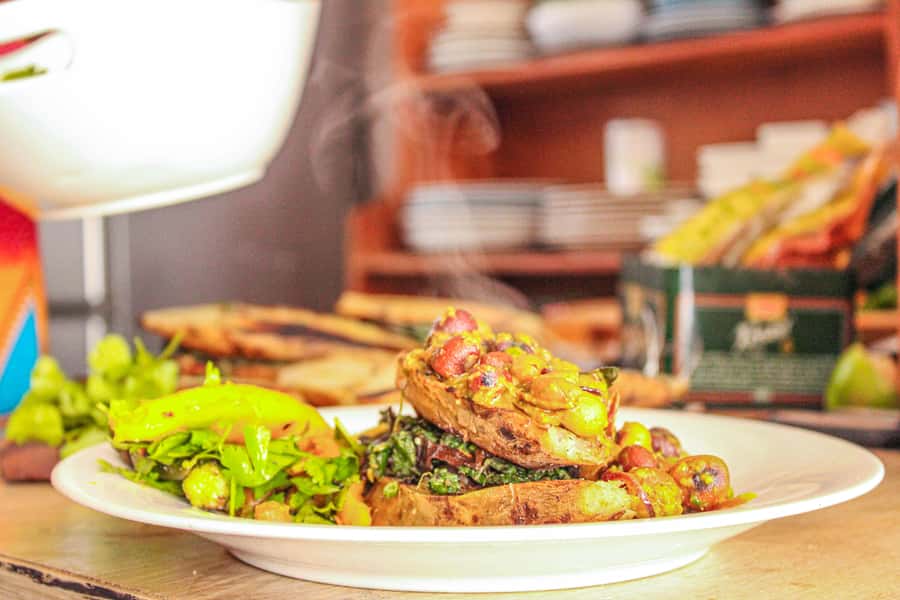
At $102 per person, this is not the cheapest meal in Johannesburg. The value comes from the package: chef instruction, ingredients, cooking materials, the dining session, a shared bottle of wine, and pickup and return transport.
Transport can make a meaningful difference in Johannesburg, where arranging a safe and convenient evening transfer may otherwise add cost and effort. The small-group option also matters. A compact group gives you more chances to handle ingredients and ask questions than a large demonstration class.
The price is harder to justify if you want a highly structured culinary school. The experience may feel informal, the market stop may be modest, and the cooking plan may not always be explained in great detail. For a polished class with precise recipes and a fixed menu, you may find better value elsewhere.
For a cultural evening built around home hospitality, the calculation is different. You are paying for time with a local host, a meal you helped make, and transport from Sandton. I would consider it fair value for someone who values conversation and access to a home more than technical cooking instruction.
Timing, group size, and practical comfort
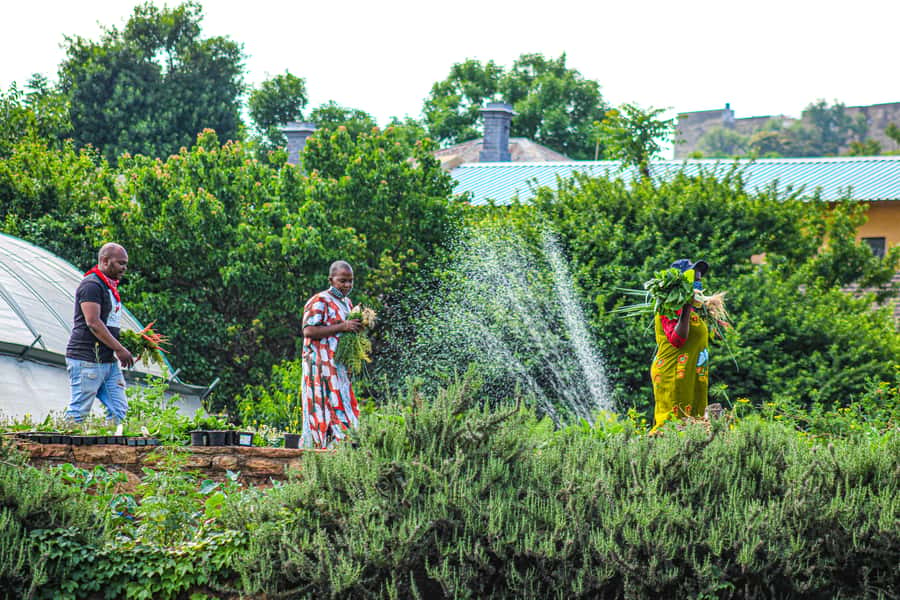
Allow 210 minutes to four hours. The shorter estimate may suit a smooth session, while the longer estimate gives room for shopping, cooking, and a relaxed dinner. Do not schedule a tight evening appointment afterward.
Pickup timing deserves special attention. The experience includes transport, but you should confirm the pickup window and contact method ahead of time. If the vehicle is late, contact the operator rather than waiting without updates.
Small groups are available, which is the better choice if you want hands-on time. The activity is also wheelchair accessible. English and French instruction are offered, making it useful for a wider range of visitors.
Alcohol and drugs are not allowed beyond the included dining arrangements and permitted drink service. Extra alcohol is not included. The welcome drink may be wine or a nonalcoholic option such as juice or tea.
Who will enjoy this most
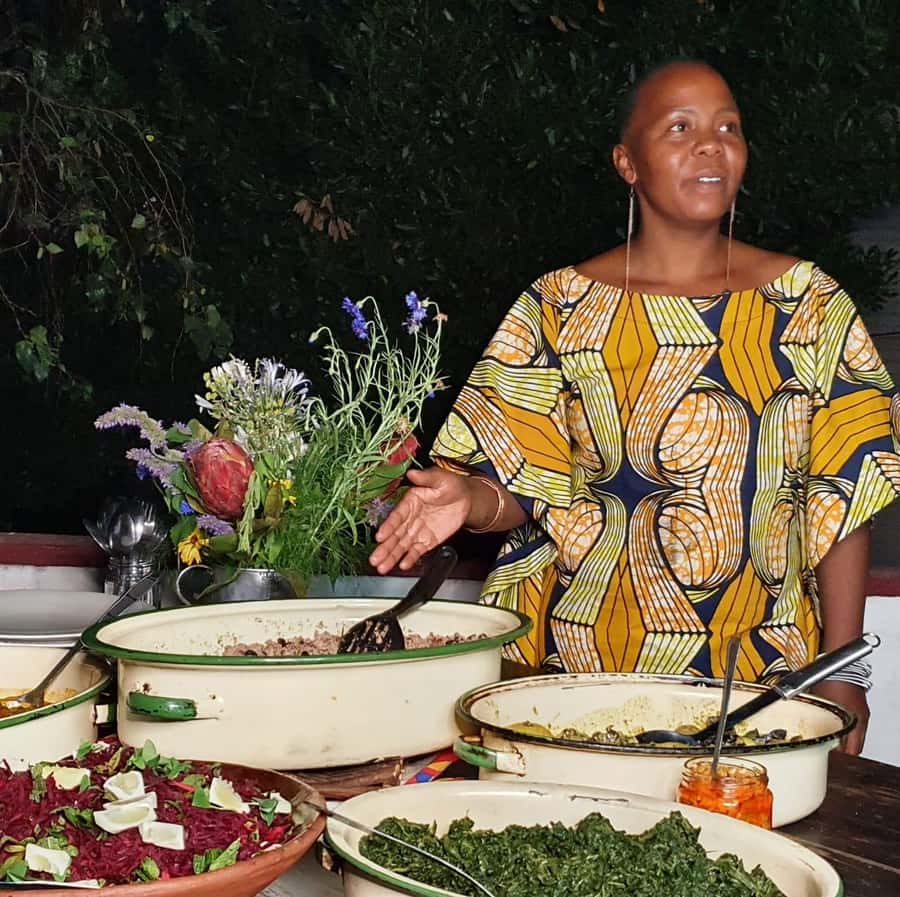
I would choose this for a solo visitor who wants an easy way to meet people. Cooking gives you something to do with your hands, so conversation feels natural rather than forced.
It also suits couples looking for a meal with more character than a restaurant reservation. Families and friends can take part together, though you should be comfortable sharing a kitchen and following the chef’s direction.
Food-focused visitors should book with the right expectations. You will taste African meals and learn useful context, but the session is not advertised as a professional cooking course. The exact level of spice instruction, the market quality, and the number of dishes can vary.
I would be cautious if punctuality and strict scheduling are essential to your plans. I would also ask more questions before booking if your main goal is to study regional African cuisine in precise detail.
Final call: book it for the people as much as the food
Book this experience if you want a warm home setting, practical cooking, local conversation, and a meal shared around one table. The strongest elements are the hospitality, the chance to participate, and the cultural stories that give the food meaning.
Before booking, confirm three things: your pickup time, the available chef, and the planned vegan or meat menu. If you want a polished market tour or a tightly scripted spice lesson, this may disappoint. If you want an informal evening with food, laughter, and a real connection to Johannesburg home cooking, the $102 can be well spent.
FAQ
Where does the experience begin and end?
Pickup and drop-off are provided from Sandton. Pickup is also offered within 10 kilometers of Johannesburg city center, with Sandton included.
How long does the experience last?
The activity lasts about 210 minutes to four hours. The schedule includes transport, a market or supermarket visit, cooking, dining, and the return journey.
Is pickup included in the price?
Yes. Pickup and drop-off are included for the stated service area.
Is a market visit part of the experience?
Yes. You visit a local open-air market or supermarket, depending on the day, and shop for ingredients with the chef.
Can I choose a vegan meal?
Yes. You can choose an organic vegan option or a meat option.
What drinks are included?
A welcome drink is provided, and one bottle of wine to share is included. Local wines and beers may accompany the meal, but extra alcoholic drinks are not included.
Which languages are available?
Instruction is available in English and French.
Is the activity wheelchair accessible?
Yes, the activity is listed as wheelchair accessible.
Can I cancel or pay later?
You can cancel up to 24 hours in advance for a full refund. A reserve-now, pay-later option is also available.
Just listed around Johannesburg
- Constitutional Hill and Soweto 5 hours tour.★ 5.0 · 5 reviews
- 5 Day Kruger Glamping Safari and Panorama Tour★ 5.0 · 5 reviews
- Cradle of Humankind and Maropeng Day Tour from Johannesburg★ 4.0 · 5 reviews
- Johannesburg: Hot Air Balloon Flight★ 5.0 · 5 reviews
- Half Day Soweto and Apartheid Museum Guided Tour★ 5.0 · 5 reviews
- Lion park★ 4.5 · 5 reviews
- 5 Day Kruger National Park and Panorama Route Safari★ 4.5 · 5 reviews
- Pretoria Historical Tour★ 4.0 · 5 reviews
Johannesburg Tours, compared.



Soweto /Johannesburg and Apartheid Museum Guided Full Day Tour
Read our review →
Johannesburg Hop-On Hop-Off City Tour with Soweto Option
Read our review →


Jo’berg in 1 Day: Soweto, Apartheid Museum & City Tour
Read our review →
Full-Day Tour with Soweto and Apartheid Museum
Read our review →Browse the lists this tour appears in