
Reviewed · SOWETO & APARTHEID MUSEUM TOURS
full day tour Johannesburg et soweto township
The most powerful part of this day is the way it links places that can otherwise feel scattered: Constitution Hill, the Apartheid Museum, and Soweto together explain how South Africa moved from segregation to democracy. You start with former prisons and end among the streets and homes tied to Nelson Mandela, Desmond Tutu, and the 1976 student uprising.
I like the small group of no more than six, which gives you a better chance to ask questions, and I like that entrance tickets and transport are included in the $112 price. Guides such as John and Masimi bring the history to life in both English and French. The main caution is time. This is an ambitious eight-hour route, and some stops may be brief if an earlier visit runs long.
Key points to know before booking
- Constitution Hill opens the day with former prison blocks and the Old Fort, giving the tour a serious start.
- The Apartheid Museum receives about two and a half hours, the longest single visit on the schedule.
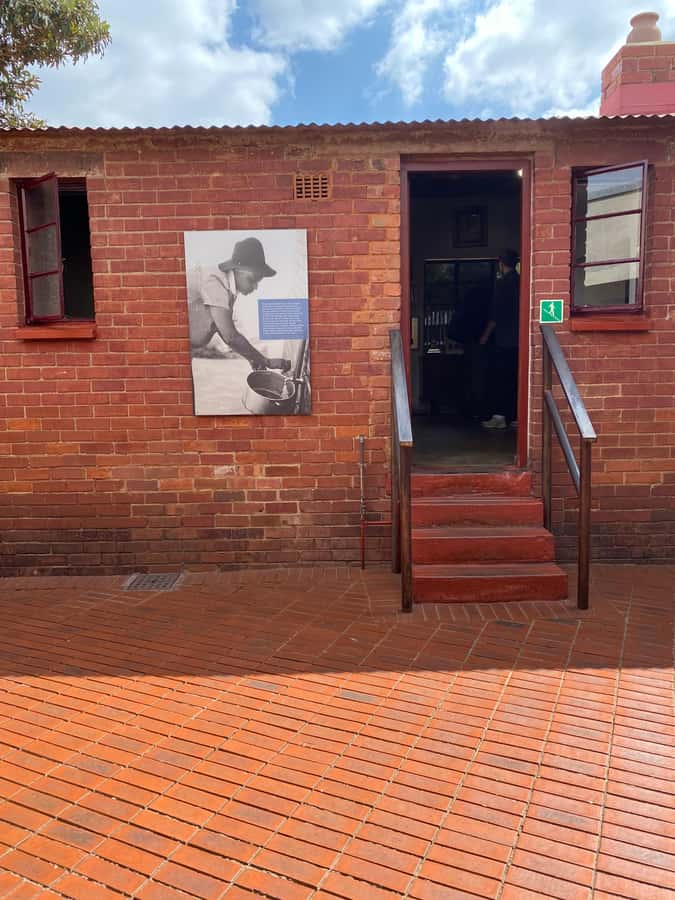
- Soweto combines major landmarks with everyday neighborhoods, from Mandela House and Hector Pieterson Museum to old and newer homes.
- A group capped at six makes discussion easier, especially on a difficult subject.
- Pickup and drop-off are available from seven Johannesburg-area locations, including Sandton, Rosebank, Melville, Houghton Estate, Eastgate, Johannesburg, and O.R. Tambo.
- The route can feel rushed, and one past departure arrived an hour late, so keep your day flexible.
Why this Johannesburg and Soweto day matters
This is not a sightseeing loop built around pretty views. It is a day about power, law, resistance, and the people who lived through South Africa’s apartheid system. You move from prison cells and court-related spaces to museums, political landmarks, and Soweto streets.
That sequence matters. At Constitution Hill, you see how the state controlled and punished people. In central Johannesburg, you pass the old mining structures and civic spaces shaped by the city’s growth. At the Apartheid Museum, you receive the broad national story. Soweto then brings that story down to individual homes, schools, families, and neighborhoods.
I would choose this tour if you want a guided introduction to Johannesburg’s recent past without arranging several separate admissions and transfers. It is especially useful on a first visit, when the city’s geography and history can be hard to piece together on your own.
The tone is serious, but the day is not only about museums. You also pass Nelson Mandela Bridge, Gandhi Square, Newtown, FNB Stadium, and the Soweto Towers. The route gives you a feel for how memorial sites, working neighborhoods, major roads, and newer developments sit side by side.
More Township Tours in Johannesburg
- Johannesburg: Soweto Apartheid & Township Tour with Lunch
★ 4.8 · 80 reviews - Soweto Township Cultural Tour incl Apartheid Museum and Nelson Mandela House
★ 5.0 · 30 reviews - Soweto Township Half Day Tour
★ 5.0 · 20 reviews
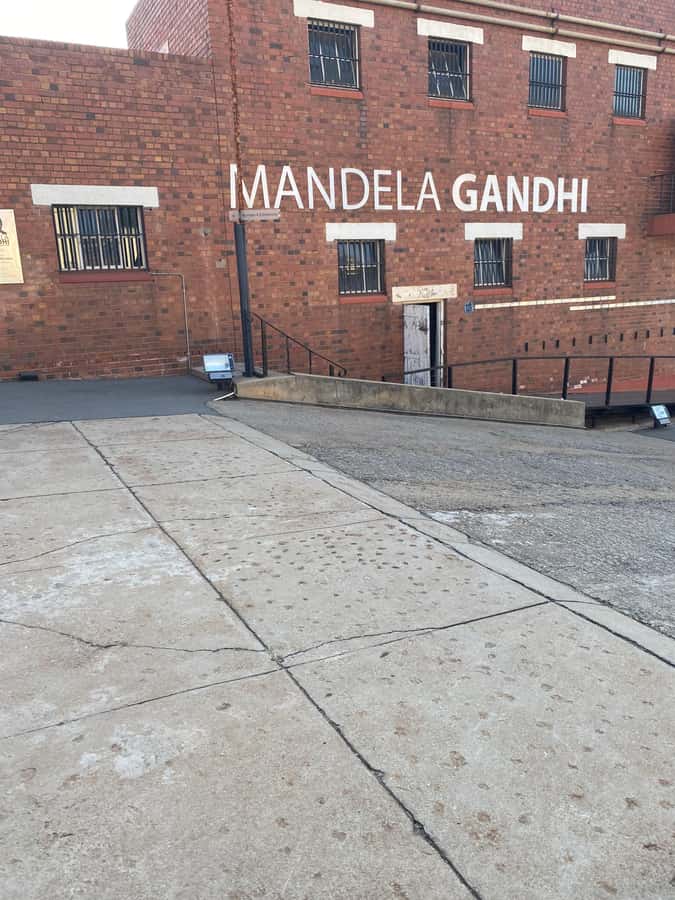
Starting at Constitution Hill’s former prisons
The day begins with pickup from your hotel or another chosen location in the Johannesburg area. You are asked to wait in the hotel lobby 10 minutes before your scheduled pickup. From there, the first major visit is Constitution Hill Human Rights Precinct, with about 90 minutes for a guided tour.
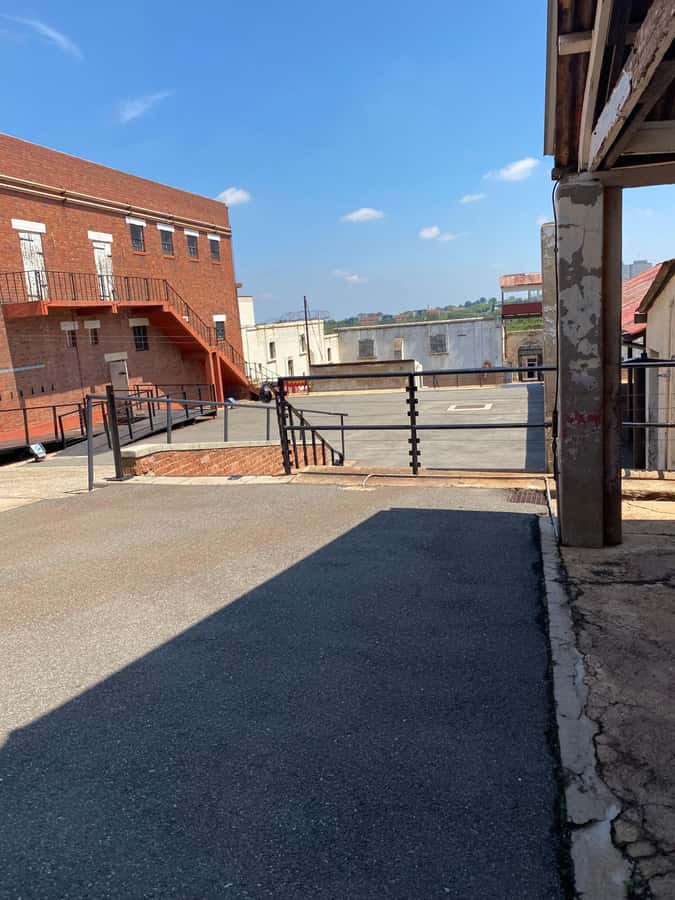
The site includes the Old Fort, sometimes described as the white prison, and the Native Prison. The distinction reflects the racial separation built into the prison system. The tour’s opening gives you a direct look at the institutions behind the laws and policies discussed later at the Apartheid Museum.
This is an important stop, but it can also take more time than expected. One account of the day found that the group spent so long at Constitution Hill that the Hector Pieterson Museum was missed later. If you want a close look at the former prison buildings, this opening visit is valuable. If your priority is seeing every Soweto stop, ask your guide early how the timing is shaping up.
The guide is central here. John has led this route in English and French, and Masimi has also guided the tour. Both are described as able to explain facts, answer questions, and discuss different views on difficult subjects. The best version of this tour is not a simple list of dates. It gives you room to ask why events happened and how people understood them at the time.
Central Johannesburg, mining structures, and civic landmarks
After Constitution Hill, the vehicle passes through central Johannesburg for roughly 30 minutes. You see old mining structures, a reminder of the industry that helped shape the city and the wider Gauteng region.
Several short photo stops follow. Nelson Mandela Bridge provides a chance to get out and take pictures, while Chancellor House and Newtown offer brief looks at important city locations. Gandhi Square is another short stop. These visits are listed as pass-bys or photo stops, not long guided walks, so set your expectations accordingly.
This part of the route works best as orientation. You are not getting a full walking tour of central Johannesburg. Instead, you see several named places while the guide connects them to the city’s political and social story.
The short stops also reveal the pressure on the schedule. Nelson Mandela Bridge is allocated about five minutes, as are Chancellor House and Gandhi Square. That is enough for a quick photograph and explanation, but not enough for an extended visit. I would keep your camera ready and avoid expecting time for independent wandering in Newtown or the central business district.
The Apartheid Museum, the day’s main history lesson
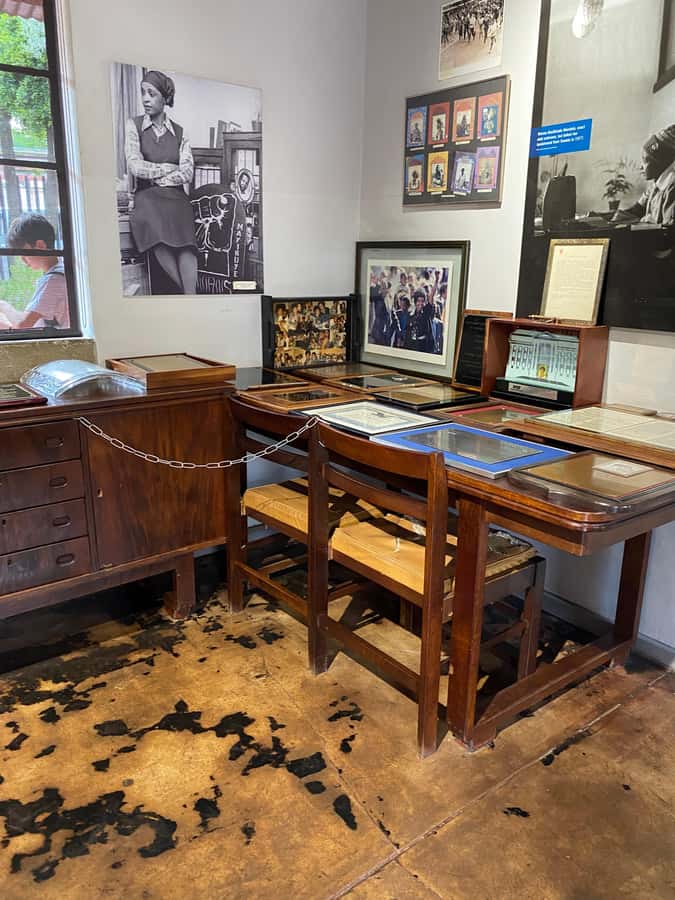
The Apartheid Museum is scheduled for about two and a half hours, making it the longest single stop. You receive entry and a guided visit, with French and English support available.
This is where the separate pieces of the morning are placed into a national story. The museum covers the struggle against apartheid and the events that shaped modern South Africa. After seeing a former prison and passing political landmarks, you have a better frame for understanding the museum’s displays.
Two and a half hours is a sensible amount of time for a museum of this weight, though the route still has many other stops to fit into eight hours. If you want to read every display closely, you may feel pressed. If you prefer a guided overview with time for the major sections, the allocation should be more comfortable.
Check the museum’s operating days before you book your date. One person found that the Apartheid Museum was closed on Monday and Tuesday and wished this had been made clear earlier. The available information does not give replacement arrangements, so do not assume the full itinerary will run unchanged on those days.
The museum can also be emotionally demanding. That is not a reason to skip it, but it is a reason to pace yourself. The day deals with imprisonment, racial laws, protest, and state violence. A guide who can explain context without turning the visit into a lecture makes a real difference. John is especially useful for French-language guiding, while Masimi has been praised for presenting facts and different viewpoints before letting the group discuss them.
More Soweto and Apartheid Museum visits:
- Johannesburg: Hop-On Hop-Off Bus with Optional Soweto Tour
★ 4.6 · 985 reviews - Soweto /Johannesburg and Apartheid Museum Guided Full Day Tour
★ 5.0 · 932 reviews - Johannesburg Hop-On Hop-Off City Tour with Soweto Option
★ 4.5 · 768 reviews - Half-Day Tour of Soweto Tour
★ 4.5 · 712 reviews
Soweto’s landmarks, towers, and stadium
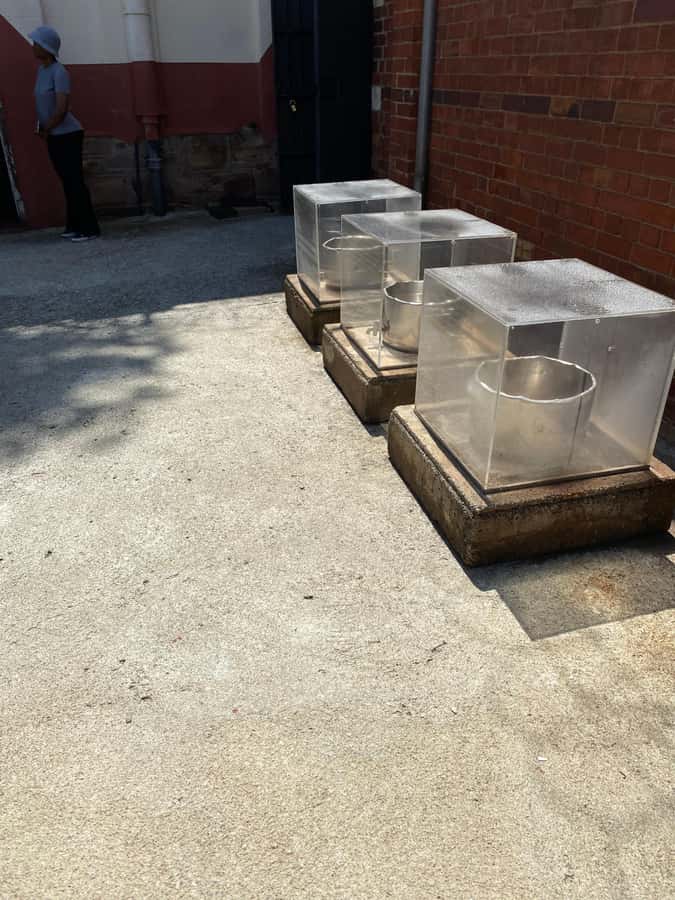
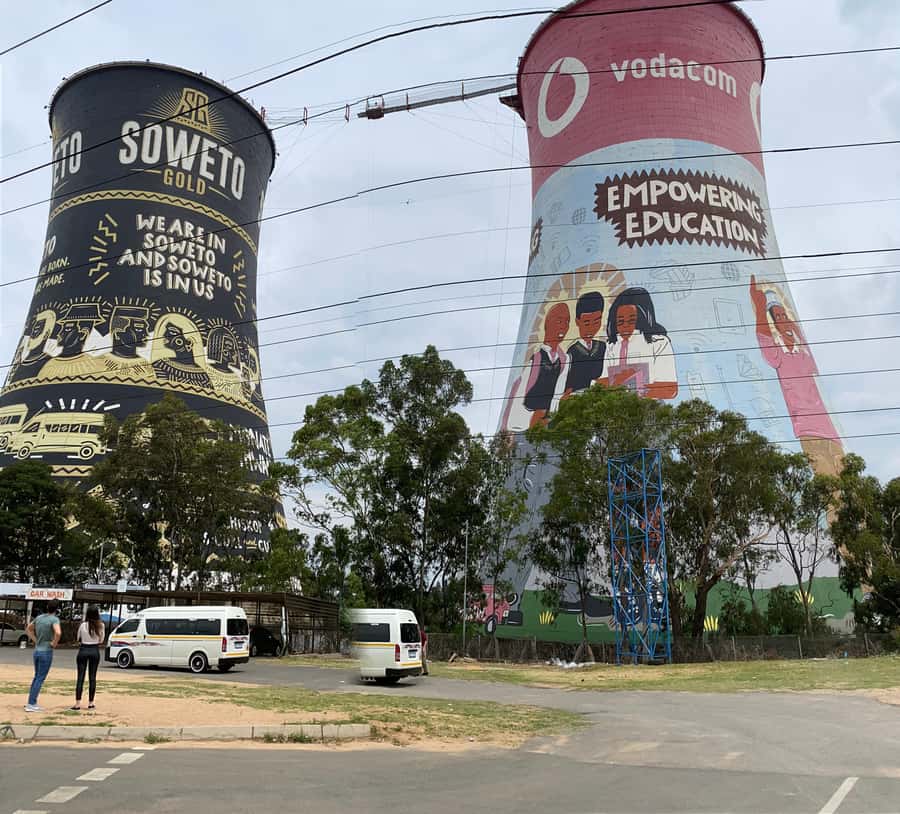
Soweto comes after the city and museum visits. The route includes the Soweto Towers, FNB Stadium, Tutu House, Mandela’s House, and the Hector Pieterson Museum.
The Soweto Towers are used for jumping activities today, and the stop lasts about 15 minutes. You can take photographs and hear how a former industrial structure has been given a new public use. FNB Stadium receives a much shorter four-minute photo stop, so this is a quick exterior look rather than a stadium tour.
The vehicle also passes Desmond Tutu’s house. The schedule allows only about three minutes, and one person found that the house was not clearly pointed out. If this landmark matters to you, ask the guide to identify it as you pass. It is a small but useful tip, since a brief drive-by can otherwise be easy to miss.
Soweto is not presented as one uniform place. The route includes older houses, newer homes, and wealthier parts of the township. That variety helps correct the idea that Soweto is only a museum of the past. You see a place with different types of housing and changing uses, alongside landmarks connected to the struggle against apartheid.
You may also have the option to eat lunch at an African restaurant in Soweto. Food is not included, and the restaurant has been described as tourist-oriented and noisy. I would treat lunch as a practical chance to eat and support a local stop, not as a quiet culinary highlight. If you have strict dietary needs, check the meal options directly before relying on the restaurant.
Mandela House and the story of Hector Pieterson
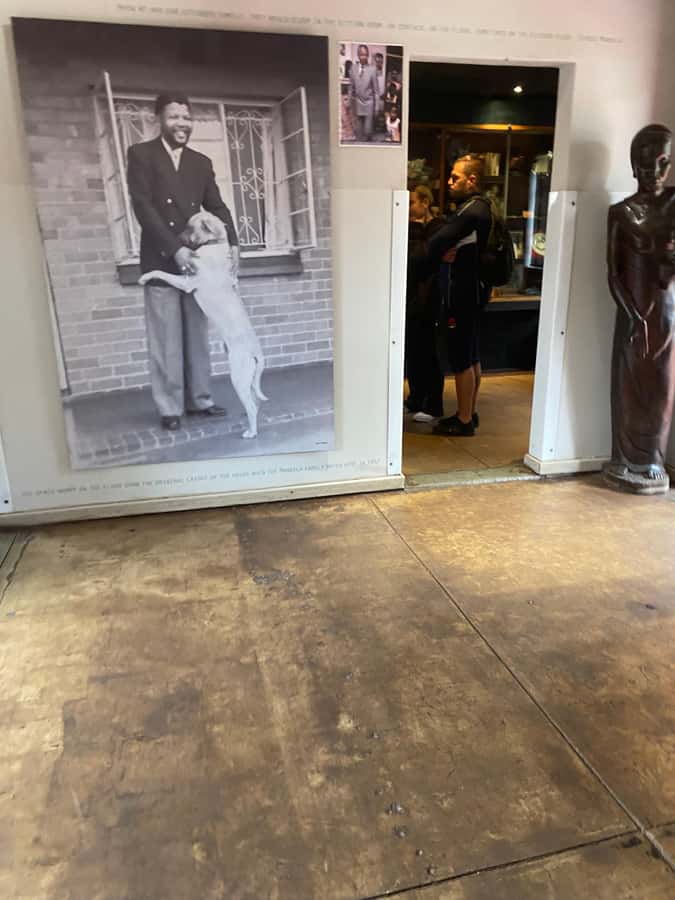
Mandela’s House receives a guided visit of about 30 minutes. The stop focuses on Nelson Mandela’s connection to Soweto and gives the political story a personal setting. Compared with a general museum, a house visit can help you picture the domestic side of a public life.
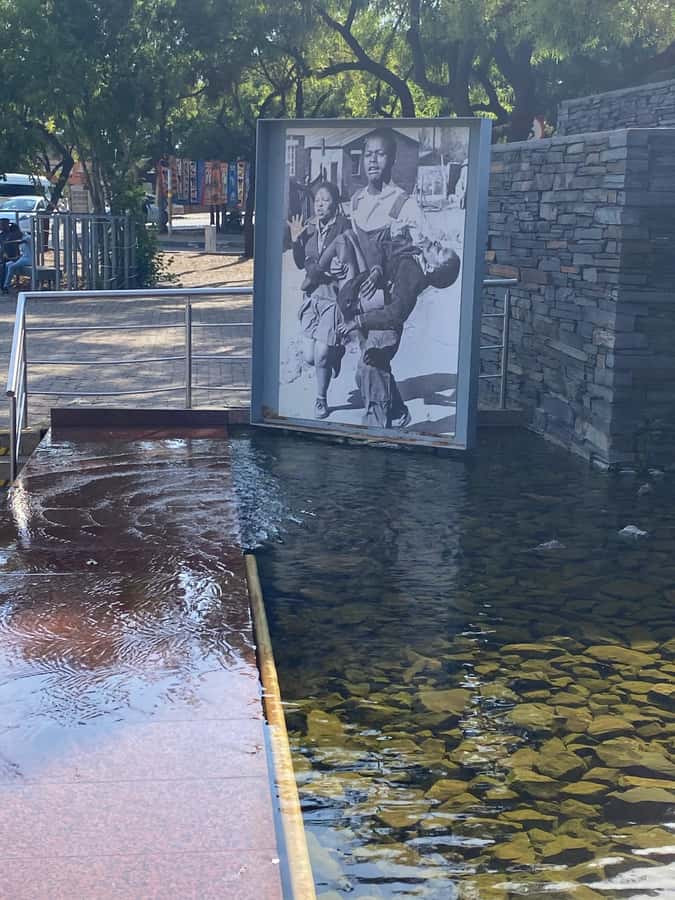
The Hector Pieterson Museum is scheduled for another 30-minute guided visit. It is tied to the 1976 student uprising, one of the most important events in the history of apartheid resistance. The museum gives the day a strong human focus after the broader national presentation at the Apartheid Museum.
These two stops are among the most meaningful parts of the Soweto section, but they are also vulnerable to delays. A previous itinerary did not reach the Hector Pieterson Museum and stopped only at the square and memorial area. Another person felt the visits after the Apartheid Museum and Mandela House were too quick.
That does not mean the stops are unworthy. It means you should understand the tradeoff. This tour tries to cover Constitution Hill, central Johannesburg, the Apartheid Museum, and several Soweto landmarks in one day. You gain range, but not much spare time.
How the eight-hour schedule really works
The advertised duration is eight hours, including pickup and drop-off. Driving between sites takes up part of the day, and the route includes seven pickup possibilities and seven drop-off areas. Traffic can affect the balance, especially when moving between Johannesburg and Soweto.
The formal visits add up quickly:
- Constitution Hill: about 90 minutes
- Central Johannesburg: about 30 minutes passing through
- Nelson Mandela Bridge: about five minutes
- Chancellor House and Newtown: about five minutes
- Gandhi Square: about five minutes
- Soweto Towers: about 15 minutes
- FNB Stadium: about four minutes
- Tutu House: about three minutes
- Mandela’s House: about 30 minutes
- Hector Pieterson Museum: about 30 minutes
- Apartheid Museum: about two and a half hours
That is a full day before delays, lunch, pickup traffic, or extra questions are added. The schedule is best understood as a broad introduction rather than a slow, in-depth visit to every site.
I would book it if you value seeing the main places in one organized day. I would look for a shorter or more focused tour if you want long museum visits, shopping time in Soweto, or relaxed walks through central Johannesburg. There was no time for Soweto shopping on one tightly scheduled day, so do not count on browsing for souvenirs.
Guides, language, and group size
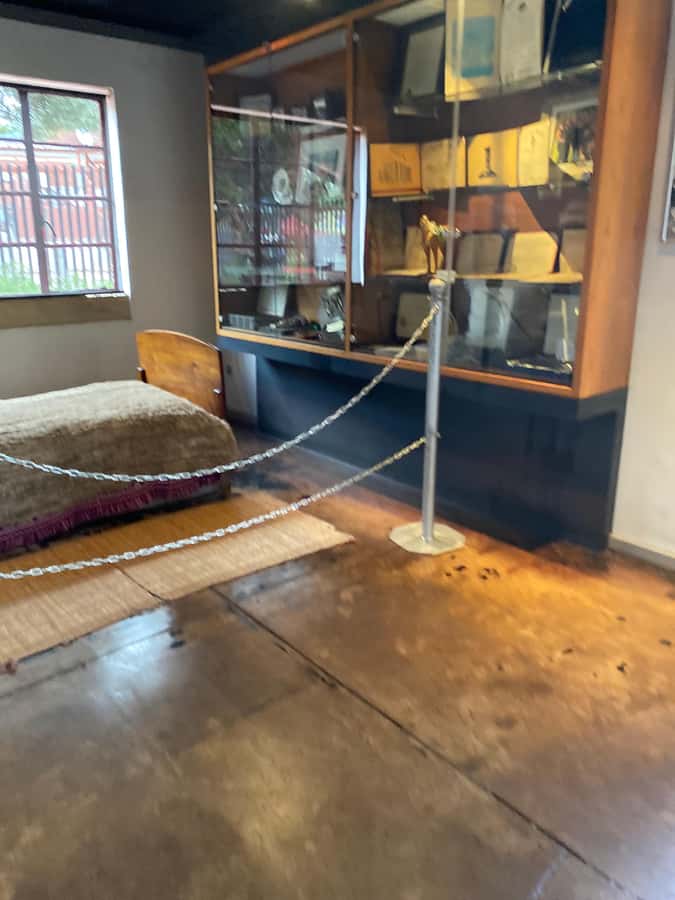
The tour runs with live guiding and audio support in English and French. That makes it a useful choice if you prefer to discuss complex subjects in French or want added language support during museum visits.
John is named as a guide on several departures and is described as friendly, professional, flexible, and highly informed about South African history. Masimi is another named guide, noted for adapting the schedule during a special event and for encouraging discussion rather than giving only one official version of events.
The group limit is six people. That is a real advantage here. With a small party, you can ask about a prison block, request clarification at a memorial, or tell the guide that a particular stop matters to you. It also makes the vehicle transfer more personal than a large coach outing.
There was one report of a one-hour pickup delay. That is the clearest logistics warning in the available information. The provider includes pickup from hotels in Eastgate, Houghton Estate, Melville, Rosebank, O.R. Tambo, Johannesburg, and Sandton, but you should still be ready in the lobby and keep the first part of your day flexible.
Is $112 a fair price?
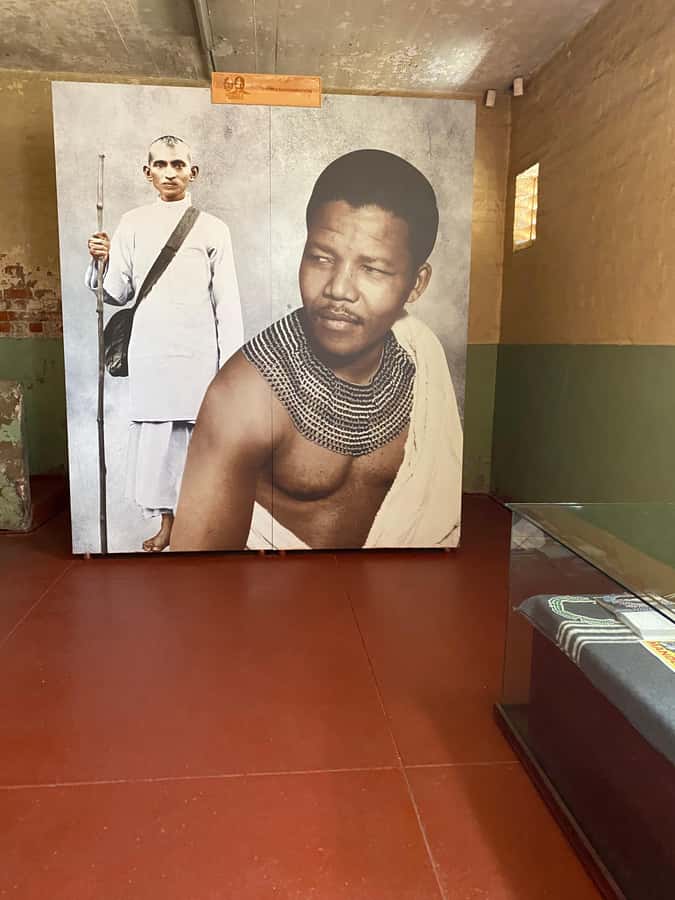
At $112 per person, the price is reasonable if you plan to visit several of these sites anyway. It includes transportation to the locations and all entry tickets. You are paying for a full day of driving, a small group, and access to a guide who can connect the sites instead of leaving you to arrange each one.
The value is strongest for a first visit. Organizing Constitution Hill, the Apartheid Museum, Mandela’s House, and Hector Pieterson Museum separately would require more planning and transport. The tour also adds central Johannesburg and Soweto landmarks that are not all museum visits.
The value is weaker if you mainly want one museum at a slow pace. The route covers a lot, and the short photo stops are just that. Food, souvenirs, and gifts are extra, and lunch is optional rather than included.
Free cancellation is available up to 24 hours before departure, and you can reserve now and pay later. Those terms help if your Johannesburg schedule is still changing, but the museum’s Monday and Tuesday closure is the more important date issue to check before booking.
Who should book this day
I would recommend it to first-time visitors who want a serious introduction to Johannesburg and Soweto, especially anyone interested in Nelson Mandela, apartheid, the student uprising, and the political changes of modern South Africa.
It also suits people who prefer a guide to handle the transport and explain sensitive subjects. French speakers should pay close attention to guide availability, since John has led French-language departures.
You should think twice if you dislike tightly packed days or need long, quiet museum visits. The route is not suited to shopping, slow neighborhood walks, or choosing only a few landmarks. The supplied conditions also say it is not suitable for babies under one year, people with high blood pressure, people prone to seasickness, or people with lactose intolerance. A land-based city tour can make the seasickness restriction seem unusual, but it is part of the stated booking information and worth checking if it applies to you.
Should you book the Johannesburg and Soweto tour?
Book it if your priority is historical range in one day. Constitution Hill, the Apartheid Museum, Mandela’s House, and Soweto provide a strong sequence, and the small group plus named guides such as John and Masimi add real value.
Do not book it expecting an unhurried tour. The schedule can become tight, Hector Pieterson Museum or another short stop may be reduced if the morning runs late, and lunch is not included. Confirm the Apartheid Museum’s operating days, ask how the guide plans to protect your must-see stops, and allow extra flexibility around pickup.
For a first look at Johannesburg’s recent past, $112 is a fair price for transport, admissions, and a full day of explanation. Just choose it for coverage and context, not for a slow pace.
FAQ
How long does the tour last?
The tour lasts eight hours, including transportation, guided visits, photo stops, pickup, and drop-off.
What does the $112 price include?
The price includes all entry tickets and transportation to the tour sites.
Is lunch included?
No. Food is not included. You may have the option to eat at an African restaurant in Soweto.
Which languages are available?
Live guiding and audio support are available in English and French.
How many people are in the group?
The tour is a small-group experience limited to six participants.
Where can pickup take place?
Pickup is available from Eastgate, Houghton Estate, Melville, Rosebank, O.R. Tambo, Johannesburg, and Sandton.
Where can drop-off take place?
Drop-off is available at O.R. Tambo, Houghton Estate, Eastgate, Sandton, Melville, Rosebank, and Johannesburg.
Which major museums are included?
The tour includes Constitution Hill Human Rights Precinct, the Apartheid Museum, and Hector Pieterson Museum in Soweto.
Is Mandela’s House included?
Yes. Mandela’s House includes a guided visit scheduled for about 30 minutes.
Can I cancel the booking?
You can cancel up to 24 hours in advance for a full refund. You can also reserve now and pay later.
More full day trips in Johannesburg
- Full Day Ultimate Pilanesberg National Park Safari from Johannesburg or Pretoria
★ 4.5 · 718 reviews - Johannesburg: Full-Day Tour with Soweto and Apartheid Museum
★ 4.8 · 478 reviews - Full Day Pilanesberg Experience in Open Vehicle
★ 4.5 · 414 reviews - Full-Day Soweto, Apartheid Museum and Lunch Tour
★ 5.0 · 410 reviews
Just listed around Johannesburg
- Constitutional Hill and Soweto 5 hours tour.★ 5.0 · 5 reviews
- 5 Day Kruger Glamping Safari and Panorama Tour★ 5.0 · 5 reviews
- Cradle of Humankind and Maropeng Day Tour from Johannesburg★ 4.0 · 5 reviews
- Johannesburg: Hot Air Balloon Flight★ 5.0 · 5 reviews
- Half Day Soweto and Apartheid Museum Guided Tour★ 5.0 · 5 reviews
- Lion park★ 4.5 · 5 reviews
- Pretoria Historical Tour★ 4.0 · 5 reviews
- 5 Day Kruger National Park and Panorama Route Safari★ 4.5 · 5 reviews
Soweto & Apartheid Museum Tours, compared.


Soweto /Johannesburg and Apartheid Museum Guided Full Day Tour
Read our review →
Johannesburg Hop-On Hop-Off City Tour with Soweto Option
Read our review →


Jo’berg in 1 Day: Soweto, Apartheid Museum & City Tour
Read our review →
Full-Day Tour with Soweto and Apartheid Museum
Read our review →
Browse the lists this tour appears in