

Reviewed · SOWETO & APARTHEID MUSEUM TOURS
Soweto Tour with a Local Guide
Soweto puts South Africa’s past and present side by side. In a single half-day, you move from Mandela’s former home and the June 16 uprising memorial to church halls, public squares, street art, shopping, and the famous road shared by two Nobel Peace Prize winners. The local guide is the key: Shaun explains the places in a personal, easygoing way and helps you see more than you could on your own.
I like the private format, since your group can ask questions and set the pace within the fixed schedule. I also like that admission fees, bottled water, and an air-conditioned vehicle are included, which keeps the day simple. The main drawback is that lunch is extra, and the 5 to 6 hours can feel short if you want long visits at every stop.
Key points to know
- Mandela House and Vilakazi Street connect famous names to an ordinary neighborhood.
- The Hector Pieterson Museum gives the tour its strongest historical focus.
- Regina Mundi shows how a place of worship became a refuge during apartheid.
- You travel privately, with only your own group participating.
- Shaun is praised for clear explanations, safety, photographs, and flexible help.
Why Soweto deserves a place on your Johannesburg itinerary

Soweto is the South Western Township, a huge urban area southwest of Johannesburg and one of South Africa’s best-known townships. It is closely tied to the struggle against apartheid and the rise of South African democracy, but it is not only a collection of political landmarks.
You also see a living community shaped by fashion, food, music, art, shopping, and several cultures. That mix matters. A tour that only lists dates and political figures can make Soweto feel like an outdoor museum. This experience gives you a chance to connect the major events with streets where people still live, work, worship, and gather.
The tour is based in Pretoria and lasts about 5 to 6 hours. Pickup is offered, though the supplied details do not specify the exact pickup area, so confirm that when booking. Since the tour is private, you do not share the vehicle or schedule with other groups.
More Soweto and Apartheid Museum visits:
- Johannesburg and Soweto tour
★ 5.0 · 231 reviews - Soweto Half Day Tour
★ 5.0 · 231 reviews - Johannesburg Full-Day Tour(Soweto/Jo-Burg & Apartheid Museum)
★ 5.0 · 110 reviews
Shaun’s local perspective makes the history easier to follow
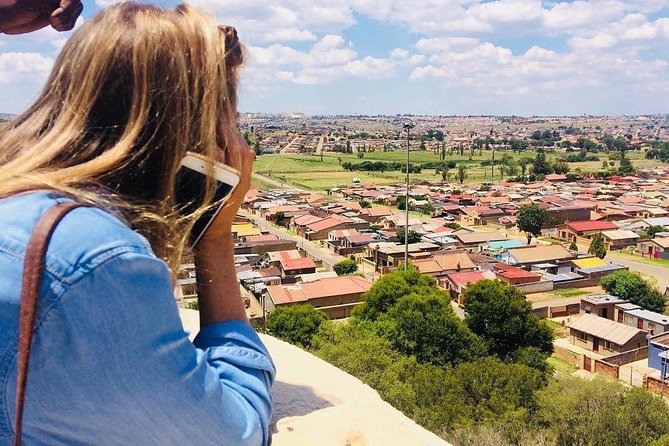
The strongest part of the experience is the guide’s role. Shaun is repeatedly praised for explaining Johannesburg and Soweto clearly, sharing useful background at each stop, and making it easy to ask questions. He is also described as responsive and attentive to practical matters, including meeting times, comfort, safety, and photography.
That combination is useful in Soweto. The places are important, but the meaning is not always obvious from a quick look at a building or monument. A local guide can explain why a house matters, how a church became part of the anti-apartheid story, and why one street carries such symbolic weight.
Noel is also mentioned as part of a particularly enjoyable outing, including a visit with traditional dancers. The exact guide assigned to your booking may vary, so ask ahead if you have a strong preference. The important point is that this is designed as a personal, guided excursion rather than a simple drive past the sights.
Mandela House: a personal beginning
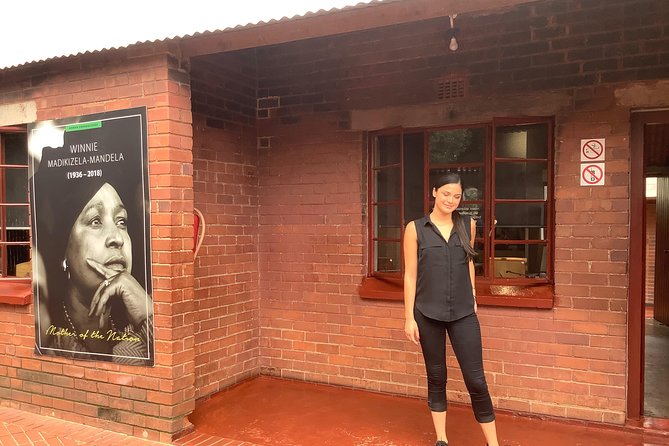
The first scheduled stop is Mandela House, where Nelson Mandela lived for a significant period in Johannesburg with his family and Winnie Mandela. Admission is included, and the visit is planned for about 30 minutes.
I like starting here because a home gives political history a human scale. Instead of meeting Mandela only through speeches, laws, and statues, you see the domestic setting connected with his family life and years of activism. The house helps place his public role alongside the ordinary details of living at home.
Thirty minutes is enough for a focused visit, but not a long one. If you like reading every panel or taking your time with each room, you may want to ask Shaun how the schedule can be handled. The overall route includes several stops, so the day is built around short, purposeful visits rather than long museum sessions.
Mandela House also leads naturally into Vilakazi Street later in the tour. The two stops work well together because one is a specific home and the other is the wider street that became known around the world for its political residents.
Hector Pieterson Museum and the June 16 uprising
The Hector Pieterson Museum and Memorial is scheduled for about 40 minutes, making it the longest named stop on the route. Admission is included.
This is the emotional center of the tour. Hector Pieterson was 12 years old when he was killed during the June 16 Soweto uprising. The museum helps explain the student protests and the brutal response that made the event a defining moment in South African history.
Allow yourself to slow down here. The subject is painful, and the museum is not simply another photo stop. You will get more from it if you pay attention to the sequence of events and ask questions rather than rushing through the displays.
The time allocation is sensible, though some visitors may still want longer. The itinerary has to fit several locations into half a day, so the museum visit is substantial but not exhaustive. If apartheid history is your main reason for booking, tell the guide at the start. That lets you signal where you want more explanation.
A few more Pretoria days worth comparing
- Ultimate Johannesburg Tour
★ 5.0 · 200 reviews - Johannesburg: Pretoria and Cullinan Diamond Mine Tour
★ 4.7 · 165 reviews - Taste of Africa Food tasting Experience
★ 4.5 · 138 reviews - Harties Cableway Experience Ticket
★ 4.5 · 119 reviews
Walter Sisulu Square and the public life of Soweto
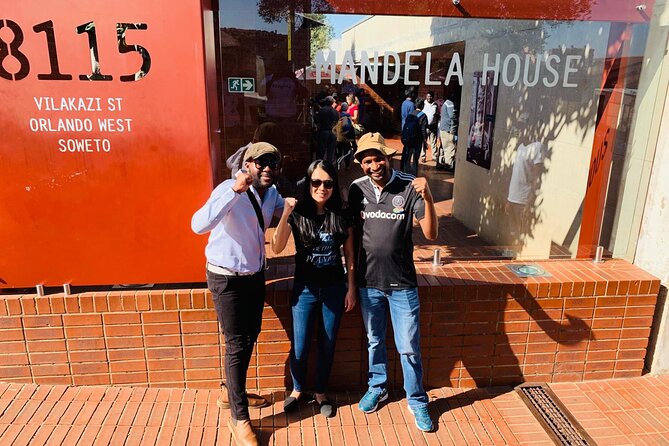
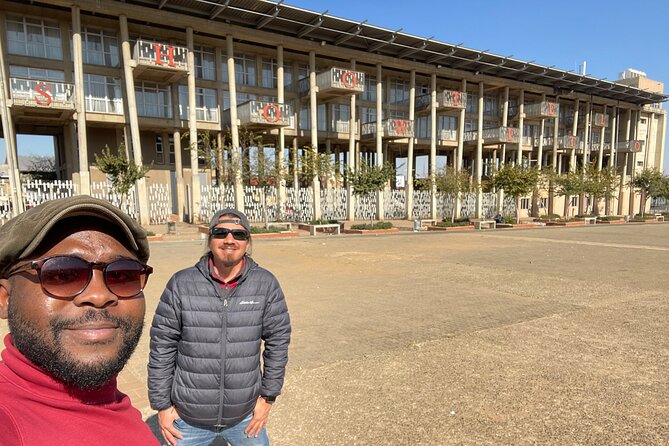
The next stop is Walter Sisulu Square, with about 20 minutes set aside. Here the emphasis shifts from a single person or tragic event to South African political and cultural life.
The square brings together public space, modern urban development, and the country’s many cultures. It is a useful counterpoint to the museums because it shows Soweto as a place with a present, not just a past.
Twenty minutes gives you time to look around and hear the main explanation, but it is a brief visit. You may find the stop most valuable as a pause between the heavier historical sites. It also offers a chance to notice how public areas, shopping, art, and everyday life sit alongside major national stories.
The tour description presents Soweto as a place where culture keeps changing. That is worth bearing in mind as you ride between stops. You are not seeing one fixed version of the township, but a large urban community with changing styles, tastes, and ways of using public space.
Regina Mundi, a church with a political past
Regina Mundi is the largest Roman Catholic church in South Africa, and the tour allows about 20 minutes for a visit. During apartheid, the church opened its doors to anti-apartheid groups and provided shelter to activists.
This stop adds an important layer to the day. Political resistance did not happen only in government buildings or on streets. Churches and other community spaces could offer protection, meetings, and a place to speak when public opposition was restricted.
The church’s role makes it more than an architectural stop. Listen for the connection between religious life and the struggle against apartheid. A short visit can still be meaningful if the guide explains what happened here and why the building entered South African history.
As with the other locations, the schedule is tight. You are not signing up for a long church tour or a full service visit. The value comes from placing Regina Mundi within the wider story of Soweto.
Vilakazi Street and two Nobel Peace Prize winners
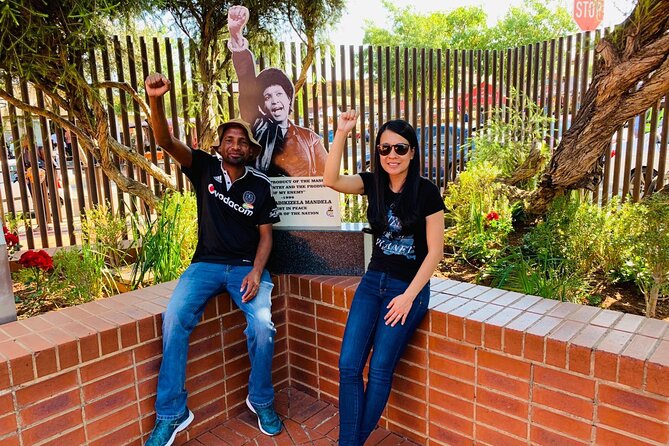
Vilakazi Street is one of the most memorable stops. You walk along the only street associated with two Nobel Peace Prize winners, Nelson Mandela and Desmond Tutu. The visit lasts about 20 minutes, and there is no separate admission charge.
The street combines major political symbolism with a more commercial side of Soweto. You may find arts and crafts, shopping, and places connected with the neighborhood’s visitor economy. That mix can feel very different from the quiet seriousness of the museums, and that is part of the point.
I like this stop because it shows how history becomes part of daily public life. Famous names bring attention, but the street is also a place where local businesses and craftspeople meet visitors. You can browse, take photographs, and ask Shaun about the buildings and people connected with the area.
Twenty minutes is enough for a walk and a quick look at the shopping. It may not be enough if you want to browse carefully or buy several items. If shopping matters to you, keep purchases focused and ask how much time remains before moving on.
Orlando cooling station and the 2010 World Cup stadium
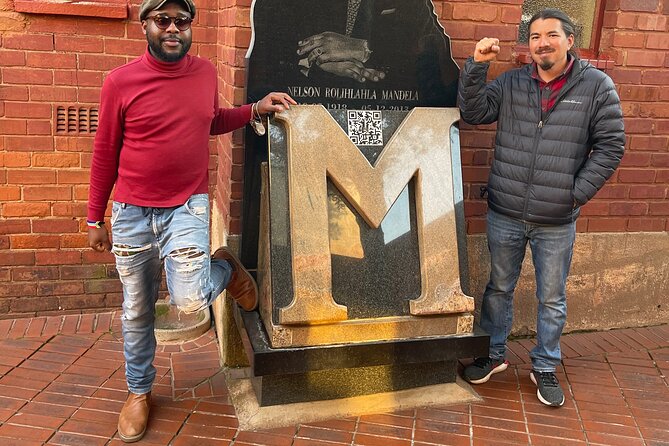
Between the main stops, the vehicle passes a former cooling station that became a tourist destination during the 2010 soccer World Cup. The tour also drives past the main stadium used for the 2010 World Cup.
These are drive-by sights, not full visits, so keep your expectations in check. Their value is in showing another side of Soweto’s public identity. The area is linked not only with protest and political change, but also with sport, tourism, and South Africa’s role as host of a major international event.
Because you see these places from the vehicle, traffic and the day’s timing may affect how much you hear or see. Still, they provide useful context and break up the sequence of museums, houses, and churches.
What the private vehicle adds
An air-conditioned vehicle is included, along with bottled water and all fees and taxes. For a 5 to 6 hour outing, those basics matter, especially when the day includes several rides and short walks.
The private arrangement is a real advantage. Only your group participates, so you can ask about sensitive subjects without worrying about holding up a large bus. You also have a better chance of discussing what you have just seen, rather than receiving one fixed speech and moving on.
Pickup is offered, and the tour information lists a morning operating window from 9:00 AM to noon, Monday through Sunday. Confirm the exact pickup time and location before the day begins, since the supplied details do not state where every pickup takes place.
Most people can participate, and service animals are allowed. The tour is also near public transportation, though the offered pickup and private vehicle make public transit less important for this particular experience.
Is $98.28 a fair price?
At $98.28 per person, this is not the cheapest way to see Soweto. But the price includes a private vehicle, a local guide, bottled water, and admission fees at Mandela House and the Hector Pieterson Museum. Those inclusions reduce the number of small costs you need to manage during the day.
The real value depends on your group size and priorities. A private tour makes more financial sense for a couple, family, or small group that wants direct conversation and a flexible feel. If you are traveling alone, the per-person cost is harder to justify, though the included transport and guide still simplify the visit.
Lunch is not included. Plan to pay separately if you want a meal, and remember that the itinerary is already fairly full. The supplied information does not specify a restaurant or lunch stop, so ask whether there is time to eat or bring that question to the guide before departure.
Group discounts may be available. If you are booking for several people, check the current group price rather than assuming the listed per-person amount is final.
Practical strengths and limits
This tour suits you best if you want history explained in person, prefer a private outing, and would rather visit a handful of important places than spend the whole day at one museum. It is also a good fit if you are visiting Johannesburg or Pretoria for the first time and want help understanding how the major sites connect.
You should book with realistic expectations. The experience is a guided overview, not an exhaustive study of Soweto. The 30 to 40 minute museum and house visits are useful, but the 20 minute stops are brief. You will see more places, but you may not have time to explore each one at length.
The strongest praise directed at Shaun focuses on his explanations, safety, photos, and effort to match the outing to each group. That is especially helpful for visitors who feel unsure about exploring an unfamiliar township alone. You are still visiting places tied to painful events, so a respectful attitude and willingness to listen are essential.
Free cancellation is available if you cancel at least 24 hours before the start time. Changes or cancellations later than that are not refunded, and poor weather or failure to reach the minimum number of participants can lead to a different date or a full refund.
Should you book this Soweto tour?
I would book it if your main aim is to understand Soweto through its key political and cultural sites, with a local person explaining the links between them. Mandela House, the Hector Pieterson Museum, Regina Mundi, and Vilakazi Street give you a strong half-day introduction, while Walter Sisulu Square and the World Cup locations broaden the picture.
I would hesitate only if you want long museum visits, a guaranteed meal, or a full-day exploration of neighborhood life. In that case, ask about extending the schedule or arranging additional stops.
For most first-time visitors, the combination of a private air-conditioned vehicle, included entry fees, and Shaun’s personal guidance makes the $98.28 price reasonable. Book it when you want a focused, respectful introduction rather than a quick sightseeing drive.
FAQ
Where does the Soweto tour take place?
The experience is based in Pretoria and visits Soweto in South Africa.
How long does the tour last?
The tour lasts approximately 5 to 6 hours.
Is hotel or other pickup available?
Pickup is offered. The provided information does not specify the exact pickup locations, so confirm the details when booking.
Is this a private tour?
Yes. Only your group participates in the activity.
Who is the local guide?
Shaun is identified as the local guide associated with the experience. Noel is also mentioned as part of some tour arrangements, so ask who will guide your booking.
Are admission fees included?
Yes. All fees and taxes are included, along with admission for the listed ticketed attractions.
Which stops have an admission ticket included?
Mandela House and the Hector Pieterson Museum include admission tickets. Vilakazi Street is free to visit.
Is lunch included?
No. Lunch is not included in the price.
Is bottled water provided?
Yes. Bottled water is included.
Can I cancel for a full refund?
Yes, if you cancel at least 24 hours before the experience start time. Cancellations made less than 24 hours in advance are not refunded.
Just listed around Pretoria
- Kruger National Park 2 Days 1 Night Magical Safari from Johannesburg Private★ 5.0 · 5 reviews
- Pretoria Capital City Tour from Pretoria, every TUESDAY★ 4.5 · 5 reviews
- Constitutional Hill,Johannesburg City and Apartheid Museum with Soweto Day Tour★ 5.0 · 5 reviews
- Apartheid museum, Soweto and Joburg highlights tour★ 5.0 · 6 reviews
- From Pretoria: E-Bike in the wild with game near Jo’burg★ 5.0 · 6 reviews
- Pretoria: Half-Day City Tour with Hotel Pickup★ 4.2 · 6 reviews
- Traditional Tribal Village Tour★ 5.0 · 6 reviews
- Full-Day Cradle of Humankind Guided Tour from Johannesburg or Pretoria★ 4.5 · 6 reviews
Soweto & Apartheid Museum Tours, compared.


Soweto /Johannesburg and Apartheid Museum Guided Full Day Tour
Read our review →
Johannesburg Hop-On Hop-Off City Tour with Soweto Option
Read our review →


Jo’berg in 1 Day: Soweto, Apartheid Museum & City Tour
Read our review →
Full-Day Tour with Soweto and Apartheid Museum
Read our review →
Browse the lists this tour appears in