
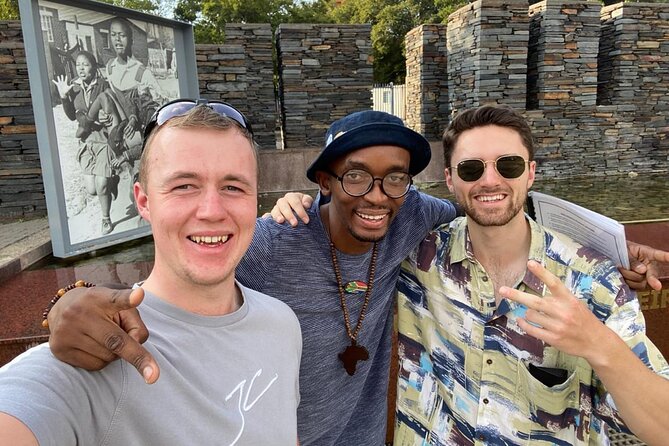
Reviewed · SOWETO & APARTHEID MUSEUM TOURS
Soweto half day Tour
Soweto is not just a collection of famous names and old photographs. It is a living township where apartheid history, political memory, football pride, and everyday kasi life share the same streets. This four-hour outing brings you from Soccer City to Mandela House, with time at the places that shaped modern South Africa.
I like the local guide-led storytelling, especially when guides such as Mo, Banela, or Tsholo add personal context and answer questions. I also like the easy pickup from hotels around Johannesburg or Pretoria, plus an air-conditioned vehicle and bottled water.
The main drawback is the pace. You visit many places in about four hours, so several stops are short. The optional squatter-camp walk and local presenters may also involve small tips, so carry some extra cash if you want to support them.
Key points at a glance
- Mandela and Tutu’s Vilakazi Street homes: See the only street associated with two Nobel Peace Prize winners.
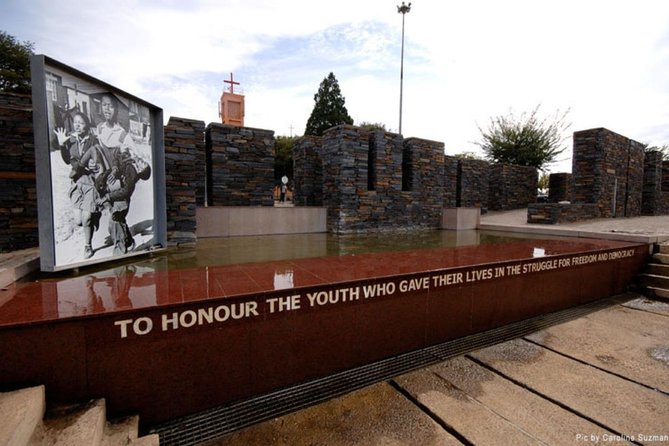
- Soweto’s 1976 uprising explained: Hector Pieterson Museum and Regina Mundi give essential political context.
- A guide makes the difference: Mo, Banela, Banele, and Tsholo are named guides praised for clear stories and a friendly manner.
- Orlando Towers and Soccer City: Get two very different views of Soweto, one tied to football and one to the township skyline.
- Optional Kliptown walk: Add a closer look at informal housing and present-day township life.
- Good half-day value: At $59.81 per person, transport, guide, water, and hotel pickup are included, but food and drinks are not.
Why Soweto deserves more than a quick photo stop

Soweto, short for South Western Townships, is best understood through both its past and its present. This tour makes that connection clear. You will hear about the origins of the township, apartheid housing policies, resistance, famous residents, and the way people live there today.
That mix matters. A visit focused only on Mandela can turn Soweto into a memorial park. A visit focused only on present-day poverty can reduce a large community to hardship. The route tries to show both the political force of the place and its ordinary daily life.
The experience is arranged as a driving tour with short walks at key sites. That makes it a practical choice if you have only one free morning or afternoon in Johannesburg. It also means you should expect an overview rather than a slow, detailed examination of every neighborhood.
More Soweto and Apartheid Museum visits:
- Johannesburg: Hop-On Hop-Off Bus with Optional Soweto Tour
★ 4.6 · 985 reviews - Soweto /Johannesburg and Apartheid Museum Guided Full Day Tour
★ 5.0 · 932 reviews - Johannesburg Hop-On Hop-Off City Tour with Soweto Option
★ 4.5 · 768 reviews
Starting with Soccer City and the road into Soweto
The first major sight is FNB Stadium, better known as Soccer City. You pass the stadium on the way into Soweto and have about 15 minutes connected with the stop. Admission is listed as free.
The stadium hosted the opening and closing ceremonies of the 2010 FIFA World Cup. Its scale and unusual design give you an immediate sense of Johannesburg’s sporting pride, and its connection to major national events adds another layer to the day.
This is mainly a drive-by orientation stop, not a stadium tour. If you hope to go inside, inspect the stands, or visit a museum, this outing does not promise that. Still, it works well at the beginning because it places Soweto within the wider story of contemporary South Africa.
Diepkloof Park and the meaning of kasi life

At Diepkloof Park, the guide introduces the origins of Soweto and the idea of kasi life. The stop is scheduled for about 15 minutes, so the explanation needs to be focused.
The value here is not a long list of dates. It is the chance to understand why Soweto developed as it did, how housing and political policies shaped the township, and how those policies continue to affect daily life. One visitor described the local walk and explanation of housing policy as a direct view of real life in the township.
You should listen closely at this point. The details given here help make sense of later stops, especially the informal housing area and the resistance sites. Without that background, Mandela House and the Hector Pieterson memorial can feel like separate attractions. With it, they become parts of one story.
Orlando Towers, a landmark with a different mood
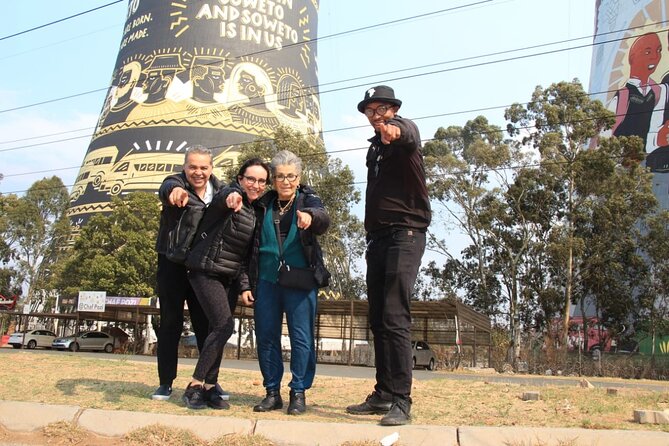
The Orlando Towers are one of Soweto’s most recognizable sights. You have about 20 minutes here. Their bright, industrial form is easy to spot and gives the tour a strong visual change after the more historical opening stops.
The towers also help you see how old infrastructure can become part of a neighborhood’s identity. The visit is brief, and no admission charge is included, so expect time to look, take photographs, and hear the guide explain why the towers matter locally.
This stop is lighter in mood than the museum and memorial that follow. That balance is useful. A half-day visit filled only with painful history would be hard to absorb, while a route with only landmarks would miss what makes Soweto important.
A few more Johannesburg days worth comparing
- From Johannesburg: Pilanesberg Nature Reserve Game Safari
★ 4.8 · 1,327 reviews - Full Day Ultimate Pilanesberg National Park Safari from Johannesburg or Pretoria
★ 4.5 · 718 reviews - Half-Day Tour of Soweto Tour
★ 4.5 · 712 reviews - Soweto: Walking Tour with a Local Guide and Lunch
★ 4.9 · 648 reviews
Vilakazi Street, where two Nobel winners lived
Vilakazi Street is the heart of the tour. You have about 45 minutes to walk through this well-known part of Soweto and see the former homes of Nelson Mandela and Archbishop Desmond Tutu.
It is unusual to find the homes of two Nobel Peace Prize winners on the same street. That fact alone draws many people here, but the street is more than a celebrity address. It connects the personal lives of two men with the wider struggle against apartheid and the political changes that followed.
Your guide will help you understand the significance of the street before you enter Mandela House. The pace here may feel more relaxed than at Diepkloof Park or FNB Stadium, although the full schedule still leaves limited time for lingering.
If you want photographs, keep your camera ready but do not let it replace the explanation. The important part of Vilakazi Street is the connection between place, person, and political change.
Mandela House at 8115
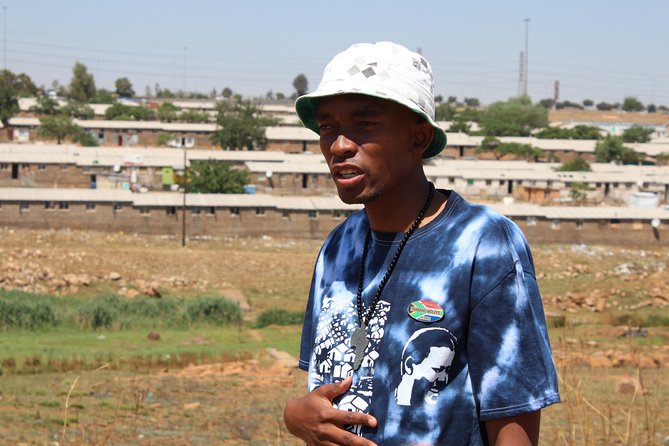
Mandela House, at No. 8115, is scheduled for about 30 minutes. This is the former home of Nelson Mandela and one of South Africa’s major heritage sites.
The house presents Mandela’s life through sound, film, interpretive panels, and guided information. That range is useful because it gives you more than a quick look at rooms and furniture. You can connect the building with the story of Mandela as an activist, prisoner, president, and public figure.
Thirty minutes is enough for a meaningful introduction, but not for a slow museum visit. If you are especially interested in Mandela, you may want to return on another day with more time. On this route, the advantage is that the visit is placed within a wider Soweto program rather than treated as an isolated attraction.
The guide remains important here. Mo has received particular praise for explaining the sites clearly and making time for questions. A good guide can help you separate familiar public images of Mandela from the less polished details of his life in this house.
Hector Pieterson Museum and the 1976 uprising

The Hector Pieterson Museum and Memorial is one of the most serious stops. The scheduled visit lasts about 30 minutes.
Hector Pieterson was 13 years old when he was shot on June 16, 1976, during the Soweto Uprising. The museum and memorial sit near the place where he was killed. His death became a symbol of resistance to the brutality of the apartheid government.
This stop gives the tour its clearest account of youth resistance and state violence. The museum uses the story of one child to explain a much larger turning point. You should expect the material to be difficult, and the short schedule can make the visit feel compressed.
Still, it is essential. The museum gives emotional weight to the political history introduced earlier. It also prevents the tour from presenting Soweto as only a place of famous leaders. The uprising involved young people, families, schools, churches, and whole communities.
Regina Mundi, the people’s church
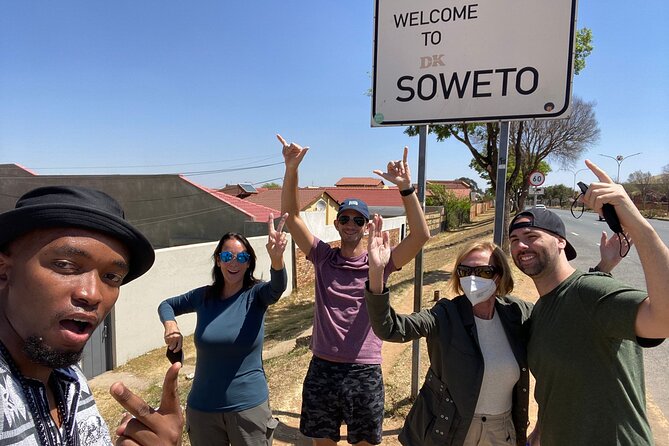
Regina Mundi is scheduled for about 15 minutes. The church played a major role in Soweto’s resistance to apartheid and is known as the people’s church.
The brief visit works as a link between the museum’s account of state violence and the wider network of community resistance. Religious buildings could offer shelter, meetings, and a place to speak when official political space was restricted. The guide explains Regina Mundi’s role in that struggle.
Because the stop is short, you may not have much time to sit quietly or study every detail. Think of it as a focused historical visit rather than a full church tour. Its importance comes from the role it played in the community, not simply from the building itself.
The optional Kliptown Youth Program walk
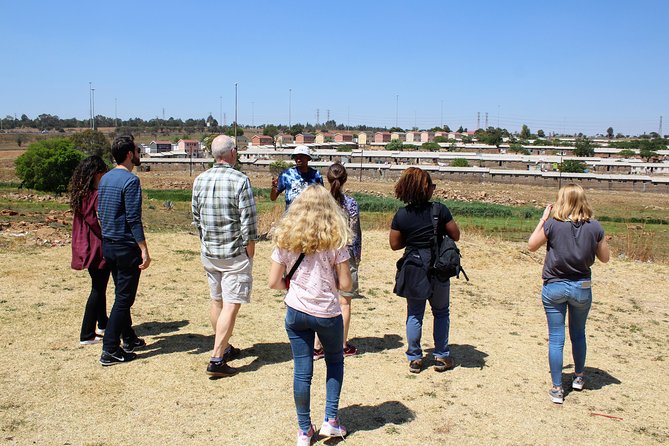
The final listed activity is an optional squatter-camp tour connected with the Kliptown Youth Program. It lasts about 15 minutes and is designed to show another side of life in Soweto.
This is the part of the outing that asks the most from you as a visitor. A short walk through an informal settlement can offer a direct explanation of housing policy and present-day living conditions, but it should be approached with care and respect. Your guide helps provide context rather than leaving you to make quick judgments from what you see.
The schedule calls this portion optional. That gives you some control over the tone of your afternoon. If you want the broadest view of Soweto, it adds useful context. If you prefer to focus on museums and political sites, you can ask how the day will work without it.
Some local stops may involve small tips. One visitor specifically advised carrying money for local contributors, noting that their added explanations can be worthwhile. Tipping is not listed as an included cost, so plan for it separately and give only what you feel is appropriate.
The guides are a major part of the experience
The strongest part of this tour is the guide. Names connected with the experience include Mo, Banela, Banele, and Tsholo. Their styles may differ, but the useful qualities are clear: friendly communication, strong local insight, patience with questions, and the ability to explain difficult history in plain language.
Banela is from Soweto, which can bring a personal point of view to the route. Tsholo has been praised for connecting visitors with local specialists at individual stops, then rejoining the group afterward. Mo is repeatedly noted for clear explanations and a willingness to share extra background.
You should use the guide actively. Ask how apartheid housing policies shaped the township, why Vilakazi Street became so important, and how each memorial relates to current life. The tour is much better when it becomes a conversation rather than a moving lecture.
The arrangement of using local experts at some locations can also add depth. It may mean the pace varies from stop to stop, but you gain voices connected to the place itself.
What $59.81 includes, and where the value lies
The price is $59.81 per person. For a four-hour outing, that is fair if you want door-to-door transport and a guide rather than arranging several stops yourself.
The fee includes pickup and drop-off at hotels around Johannesburg or Pretoria, an air-conditioned vehicle, bottled water, and an escorted guide throughout the trip. You do not need to work out a route between FNB Stadium, Orlando Towers, Vilakazi Street, the museum, Regina Mundi, and Kliptown.
That convenience is the main value. Soweto is broad, and a self-guided visit would require more planning and transport. You also gain a guide who can explain what you are seeing instead of leaving you with only landmarks and photographs.
Food and drinks are not included. Coffee, tea, soda, lunch, and alcohol cost extra, so eat beforehand or plan to buy food separately. The tour length is short enough that this should not be a major problem, but the schedule does not promise a meal stop.
Group discounts are available, and a mobile ticket makes the booking simple. Confirmation is provided at booking. The cancellation policy is also straightforward: cancel at least 24 hours before the local start time for a full refund. Cancellations or changes within 24 hours are not refunded or accepted.
Timing, comfort, and who should book
This tour suits you if you want a clear first introduction to Soweto without giving up a full day. It works well for a short Johannesburg stay, a first visit to South Africa, or anyone who wants historical context before exploring more independently.
The air-conditioned vehicle is a real practical benefit, particularly when you are moving between several sites. Hotel pickup from Johannesburg or Pretoria also helps if you are not staying close to Soweto.
Most people can take part, according to the supplied booking details. Even so, remember that the itinerary includes walking at Vilakazi Street, Mandela House, Hector Pieterson Museum, and possibly Kliptown. If you have specific mobility needs, confirm the arrangements before booking, since no detailed accessibility information is provided.
The route will suit people who ask questions and want background. It may be less satisfying if you want long museum visits, a relaxed lunch, or a very small private outing. Four hours moves quickly, and several stops have only 15 minutes.
Should you book this Soweto half-day tour?
I would book it if you want a practical, history-focused introduction with hotel transport and a local guide. The combination of Mandela House, Vilakazi Street, the Hector Pieterson Museum, Regina Mundi, and present-day township context gives you a fuller picture than a simple photo tour.
I would also book it if you are likely to value the guide’s personal explanation. Mo, Banela, Banele, and Tsholo are singled out in the available feedback, and that repeated attention to guide quality matters more here than a polished vehicle or a long list of stops.
Think twice if your priority is depth. You will not have hours at each museum, and the optional Kliptown walk may require extra sensitivity and small tips for local contributors. For most first-time visitors, though, $59.81 is a reasonable price for transport, access to several major sites, and a guide who can connect Soweto’s past with its present.
FAQ
How long does the Soweto tour last?
The tour lasts approximately four hours.
What places are included?
The route includes FNB Stadium, Diepkloof Park, Orlando Towers, Vilakazi Street, Mandela House, Hector Pieterson Museum and Memorial, and Regina Mundi. An optional squatter-camp tour connected with the Kliptown Youth Program is also listed.
Is hotel pickup available?
Yes. Pickup and drop-off are offered from hotels around Johannesburg or Pretoria.
Is food included in the price?
No. Coffee, tea, lunch, soda, and alcoholic drinks are not included. Bottled water is included.
Who leads the tour?
A qualified guide accompanies you throughout the experience. Guides named in the supplied information include Mo, Banela, Banele, and Tsholo.
Can I cancel for a full refund?
Yes. You must cancel at least 24 hours before the experience start time for a full refund. Cancellations and changes made within 24 hours are not accepted and are not refunded.
Just listed around Johannesburg
- Constitutional Hill and Soweto 5 hours tour.★ 5.0 · 5 reviews
- 5 Day Kruger Glamping Safari and Panorama Tour★ 5.0 · 5 reviews
- Cradle of Humankind and Maropeng Day Tour from Johannesburg★ 4.0 · 5 reviews
- Johannesburg: Hot Air Balloon Flight★ 5.0 · 5 reviews
- Half Day Soweto and Apartheid Museum Guided Tour★ 5.0 · 5 reviews
- Lion park★ 4.5 · 5 reviews
- 5 Day Kruger National Park and Panorama Route Safari★ 4.5 · 5 reviews
- Pretoria Historical Tour★ 4.0 · 5 reviews
Soweto & Apartheid Museum Tours, compared.

Soweto /Johannesburg and Apartheid Museum Guided Full Day Tour
Read our review →
Johannesburg Hop-On Hop-Off City Tour with Soweto Option
Read our review →

Jo’berg in 1 Day: Soweto, Apartheid Museum & City Tour
Read our review →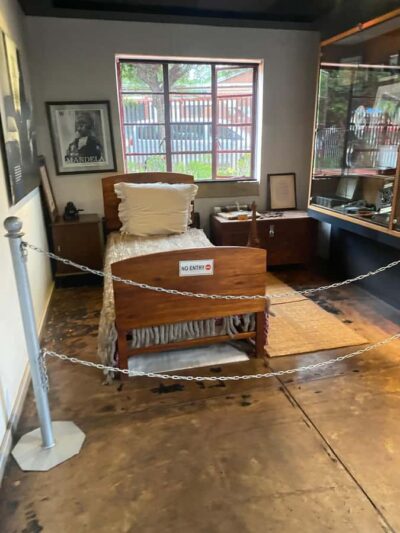
Full-Day Tour with Soweto and Apartheid Museum
Read our review →
Browse the lists this tour appears in