
Reviewed · CAPE TOWN TOURS
Koeksister and Samoosa Class by the Malay Cook Up
The best part of this experience is the setting: you cook Cape Malay favourites in a Bo-Kaap home kitchen, not in a formal cooking school. Over two hours, an accomplished local cook guides you through samoosas and koesisters, then sits down with you to share the food and conversation.
I like the simple savoury-and-sweet pairing, and I like that local history comes with the recipes. The warm, informal tone is another plus. The main thing to consider is that the samoosa work may not be fully from scratch: the pastry has been store bought and the fillings prepared in advance.
- A Bo-Kaap home kitchen: Learn in a personal setting linked to the Cape Malay food tradition.
- Two classic treats: Make savoury samoosas and sweet-spicy koesisters in one session.
- A relaxed host-led format: Expect conversation, guidance, and a shared tasting at the end.
- English and Afrikaans: The class is offered in both languages.
- A genuine hands-on element: The koesister preparation provides more active cooking than the samoosa section.
- Flexible booking: You can reserve now, pay later, and cancel up to 24 hours ahead for a full refund.
Cooking Cape Malay Favourites in the Bo-Kaap
Food is one of the easiest ways to understand a place. This class gives you a close look at two snacks tied to the Bo-Kaap’s earliest inhabitants and still eaten across South Africa by people of many cultures and religions.
The setting matters. You are not simply watching a chef prepare a plate in a restaurant kitchen. You are welcomed into a home kitchen, where the class feels more like a relaxed food visit than a formal lesson. That can make the experience comfortable for beginners, families, and anyone who prefers conversation to culinary theatre.
The session lasts about two hours. That is enough time to explain the dishes, show the main steps, prepare the food, and sit down for a tasting without turning the class into an all-day commitment.
The host speaks English and Afrikaans. An accomplished Cape Malay cook leads the work, sharing both the cooking method and local background as you go.
What Happens During the Two-Hour Class
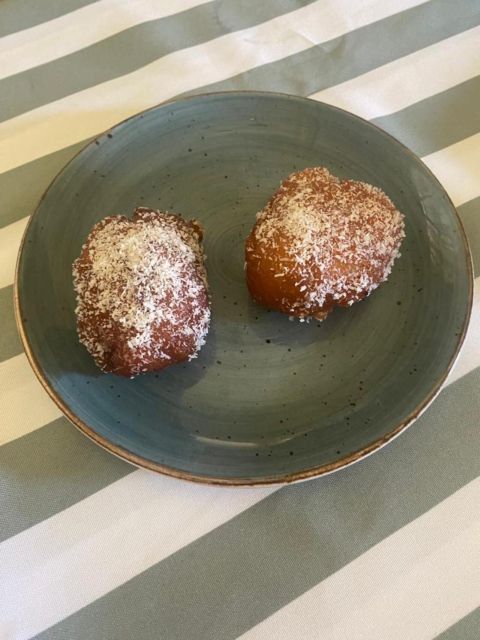
The activity centres on two foods with very different personalities. A samoosa is a crisp pastry triangle, usually filled with a savoury mixture. A koesister is a sweet-spicy doughnut with a soft, fragrant centre and a coating that gives it its distinctive finish.
The pairing is smart. The samoosa gives you salt, spice, and crunch. The koesister follows with sweetness and warm spice. You get a compact introduction to Cape Malay snack cooking rather than spending the whole session on one recipe.
The class is described as step-by-step and interactive. You should expect the cook to demonstrate each stage, explain what is happening, and help you work through the preparation. All equipment and ingredients are provided, so you do not need to bring cooking tools or shop for unusual items before arriving.
At the end, you sit with the host and eat what you have prepared. This final meal is not an afterthought. It gives you time to ask questions, talk about the food, and connect the recipes with everyday life in the Bo-Kaap.
More workshops and classes in Cape Town:
- Cape Town: Malay Cooking Class and Lunch in Bo-Kaap
★ 4.8 · 515 reviews - Cape Town: Cape Malay Cooking Class in Bo-Kaap
★ 4.8 · 120 reviews - Cape Town: Bo-Kapp Walking Tour and Malay Cooking Class
★ 4.7 · 105 reviews
The Samoosa Section: Tasty, but Check Your Expectations
The samoosa is an obvious choice for a Cape Malay cooking class. It is familiar to many people, but the folding, filling, and frying still reveal plenty about how a good samoosa comes together.
The useful part of the lesson is seeing how the pastry triangle is formed and how the filling is enclosed. If you have never made samoosas, the shape alone can be worth learning. A neat fold helps keep the filling inside and gives the finished snack its crisp structure.
There is a limit, though. The pastry used in this class has been store bought rather than made from flour and water in the kitchen. The fillings are also prepared ahead of time. That means you may participate in assembling and shaping the samoosas, but you will not experience the full process from raw ingredients to finished filling.
This is the clearest weakness of the class, especially if your main goal is to learn every component from scratch. Homemade samoosa pastry can be a long and involved project, so using ready-made pastry keeps the two-hour session manageable. Still, I would prefer at least a short demonstration of the dough or a chance to handle a small piece of homemade pastry.
You should book this part for the folding, flavour discussion, and cultural setting, not as a full pastry-making course. If you want a highly technical lesson in dough preparation, this will likely feel limited.
The Koesister Section Offers More Hands-On Cooking
The koesister portion is the stronger part for practical participation. This sweet-spicy doughnut is less familiar to many people, and the class gives you a chance to work with the dough and learn how the snack is shaped and prepared.
The recipe carries a useful mix of texture and flavour. You are not just making a plain sugar doughnut. Cape Malay spice gives the koesister a warmer character, and the final result works as a small dessert or a snack with tea or coffee.
Here, the hands-on work feels more complete. You get a better sense of how the dough behaves and how the finished shape develops. The class also lets you taste the koesisters soon after making them, which is helpful when learning a recipe. You can connect the preparation with the texture and flavour on the plate.
I would allow a little extra attention for this section. Ask about the spices, the desired texture, and which parts can be prepared ahead at home. The relaxed home setting should make those questions easy to ask.
The koesister also gives the class a point of difference. Many cooking activities teach familiar dishes such as bread, pasta, or curry. This one introduces a Cape Malay sweet with a strong local connection and a flavour profile you may not encounter in an ordinary cooking demonstration.
Local Stories Give the Recipes More Meaning
The class includes local history, but it is not presented as a separate lecture. The background comes through while you cook and talk.
That approach suits the setting. The samoosa and koesister are linked with the Bo-Kaap’s earliest inhabitants, and both remain part of South African food culture. Learning this while preparing the dishes helps you see them as everyday cultural foods, not just items selected for a tourist menu.
I value that context because recipes often travel further than written history. A doughnut or pastry can show how families preserve customs, adapt ingredients, and pass skills from one generation to the next. The food becomes a starting point for a wider conversation about Cape Malay life.
Do not expect an academic history course. The activity is a cooking workshop first. But the local stories add useful depth, especially if you are already exploring Cape Town and want an experience tied to the neighbourhood rather than a generic kitchen lesson.
The informal format seems to be one of the strongest features. The host’s home is described as welcoming and comfortable, and the tone is friendly rather than stiff. That matters if you are cooking with children, friends, or relatives who might not enjoy a serious chef-led class.
A few more Cape Town days worth comparing
- Wine Tour: Paarl, Franschhoek & Stellenbosch incl 3 wineries
★ 5.0 · 3,940 reviews - Cape Town: Hop-On Hop-Off Bus Tour with Optional Cruise
★ 4.8 · 3,929 reviews - Cape Town: Cape of Good Hope & Penguins Day Tour with Pickup
★ 4.7 · 3,362 reviews - Zipline Cape Town – From Foot of Table Mountain Reserve
★ 5.0 · 3,179 reviews
Eating Together at the End
The final tasting is built into the two-hour session. You sit down with the host, eat the samoosas and koesisters, and continue the conversation.
This shared finish gives the activity a social purpose. You are not sent away with a box of food after a quick demonstration. You have time to talk about what you made and compare the savoury and sweet results.
It also lets you judge the recipes as they are meant to be eaten. A samoosa can look right but still have the wrong balance of filling and pastry. A koesister can be attractive but too dry or too sweet. Tasting the finished food helps you remember the practical details.
Several strong responses to the experience focus on feeling welcome, enjoying the interaction, and finding the food delicious. That matches the design of the class: the value comes from the combination of cooking, conversation, and eating together.
Still, the experience will suit you best if you enjoy a social home setting. If you want to work alone, move quickly, or spend every minute on technical instruction, the conversational side may feel like time away from the recipes.
How Much Value Do You Get for $23?
At $23 per person, this is priced as an affordable cultural activity rather than a full professional cooking course. The cost includes two hours, all ingredients, all equipment, the cooking instruction, local background, and the final tasting.
That is good value if you want a short activity with several parts. You receive food, instruction, and a personal connection to Cape Malay cooking in one visit. You also avoid the extra cost of buying ingredients you may not use again.
The value is less clear if you measure the class only by how many components you make from scratch. Since the samoosa pastry is store bought and the fillings are prepared in advance, part of the food preparation has already been done for you. A hands-on cooking school might offer more technical work for a higher fee.
I would think of the $23 as payment for a local food experience, not simply a recipe lesson. The setting, conversation, cultural context, and tasting are important parts of what you are buying.
There are also useful booking safeguards. You can reserve your place and pay later, which helps if your Cape Town plans are still shifting. Cancellation is allowed up to 24 hours in advance for a full refund. Alcohol and drugs are not allowed, so this is a food-focused activity rather than a drinks event.
Who Will Enjoy This Most?
I would recommend the class to first-time visitors who want a direct connection with Cape Town food culture. It is also a good choice for anyone who enjoys trying unfamiliar sweets, prefers small-scale experiences, or wants a gentle introduction to cooking.
Families and groups of friends should find the relaxed format appealing. The class has been used as an informal outing, and the shared preparation gives everyone something to do and discuss.
It is a particularly good fit if you want to learn how koesisters are made. That section provides the more active cooking experience and gives you a recipe you can repeat at home.
You may want to choose another activity if your priority is making samoosa pastry and fillings entirely from raw ingredients. This class will not give you that complete process. It is also not the best match if you dislike social conversation or prefer a formal, chef-school atmosphere.
The language choice is straightforward. English and Afrikaans are available, so you should confirm your preferred language when booking if that matters to your group.
Small Details That Make the Choice Easier
The experience has a rating of 4.8 from nine reviews, with the strongest praise focused on the welcome, interaction, relaxed mood, and flavour of the food. That pattern tells me the class succeeds most as a friendly cultural visit with cooking included.
The mixed feedback about the samoosa preparation is important. One person found the activity less hands-on than expected because the pastry and fillings were prepared ahead. The same account found the koesister work more enjoyable and said the finished koesisters tasted very good.
That is a useful distinction. Go in expecting a demonstration and assembly session with some active preparation, not a complete professional recipe lab. If you set that expectation, the class should make more sense.
You may also leave with practical inspiration for home cooking. One participant enjoyed the class enough to buy the ingredients and repeat both recipes with friends. That is a good sign for anyone who wants food they can actually recreate after returning home.
Ask questions as you cook. Find out which spices give the koesister its character, how the filling should be seasoned, and what makes a crisp samoosa. The more you engage with the host, the more you will get from a format that depends on conversation.
Should You Book the Cape Malay Cooking Class?
Book it if you want two hours of local food, warm conversation, and a taste of Bo-Kaap home cooking for $23. The koesister lesson, shared tasting, and cultural setting give the experience real value.
Do not book it expecting every samoosa component to be homemade. The store-bought pastry and prepared fillings reduce the technical work, and that is the one clear drawback.
My advice is simple: choose this class for the people, place, flavours, and accessible introduction to Cape Malay food. If you need a rigorous pastry workshop, choose something more specialised. For most visitors who want a friendly and affordable food experience, this is a sound choice.
FAQ
How long is the koesister and samoosa class?
The class lasts two hours, including the cooking activities and tasting at the end.
What foods will I learn to make?
You will learn to make samoosas, which are savoury pastry triangles, and koesisters, which are traditional sweet-spicy doughnuts.
Are the ingredients and cooking equipment provided?
Yes. All equipment and ingredients are provided as part of the class.
Is the samoosa pastry made from scratch?
The samoosa pastry is store bought. The fillings are also prepared in advance, so the samoosa portion focuses more on assembly and preparation than making every element from scratch.
What languages are available?
The class is offered in English and Afrikaans.
Can I cancel the booking?
You can cancel up to 24 hours in advance for a full refund. You can also reserve your place and pay later.
Just listed around Cape Town
- Cape Town: Inspiring sustainable change through Street Art★ 4.9 · 5 reviews
- Cape Town Tandem Paragliding Square 1 Paragliding★ 5.0 · 5 reviews
- SandBoarding in Capetown + PhotoShoot★ 4.0 · 5 reviews
- Cape Town: Full-Day Private Peninsula Tour★ 3.6 · 5 reviews
- Private FULL DAY Tour: Cape of Good Hope & Boulders Beach★ 5.0 · 5 reviews
- Cape Town Full Day Family Fun With Kids Private Tour★ 4.0 · 5 reviews
- Private Tour to Aquila Game Reserve in Cape Town – see the Big5★ 5.0 · 5 reviews
- Peninsula Tour Cape Town★ 5.0 · 5 reviews
Cape Town Tours, compared.

Wine Tour: Paarl, Franschhoek & Stellenbosch incl 3 wineries
Read our review →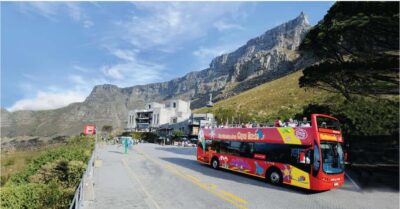

Cape of Good Hope & Penguins Day Tour with Pickup
Read our review →
Zipline Cape Town – From Foot of Table Mountain Reserve
Read our review →
Table Mountain Cable Car, Hop-On Hop-Off Bus Tour
Read our review →
Cape Point and Boulder’s Penguins Full Day Tour
Read our review →

Browse the lists this tour appears in