
Reviewed · SOWETO & APARTHEID MUSEUM TOURS
Johannesburg: Pretoria, Apartheid & Soweto Small-Group Tour
South Africa’s past comes into sharp focus on this long, carefully packed day. You move from Pretoria’s monuments and government buildings to the Apartheid Museum, then into Soweto, where Mandela’s former home, Hector Pieterson Square, street life, and World Cup landmarks give the history a human scale. The shift from grand state buildings to ordinary township streets is the most meaningful part of the experience.
I like the small group of no more than nine people, which gives you a better chance to ask questions than you would on a large coach. I also like the range of guides associated with the tour, including Gabin and Richard, who are praised for clear explanations, careful driving, and English or French commentary. The main caution is the vehicle and pickup service: one booking reported an old, uncomfortable vehicle, while another person was missed entirely at the hotel. Confirm both before setting out.
Key points to know
- Pretoria in one morning: See the Voortrekker Monument, Kruger House area, Church Square, the central business district, and the Union Buildings.
- Apartheid Museum entry included: This is the day’s strongest museum stop, but check its opening days before booking.
- Soweto has real time built in: About two hours are assigned to Vilakazi Street and nearby sites rather than just a quick drive past.
- Important Mandela and student-history sites: Visit Mandela’s house and Hector Pieterson Square, with an optional stop in one of Soweto’s poorest areas.
- Hotel pickup covers a wide area: Collection and return are offered in Johannesburg, Sandton, Rosebank, Pretoria, Ekurhuleni, and the West Rand.
- Plan for security rules: Bring a passport or copy, but do not bring bags, glass objects, alcohol, drugs, or a baby stroller.
Why this Pretoria and Soweto route works
At $186 per person, this is not a bargain city shuttle. It is a full-day guided excursion with hotel transport, a live guide, and admission to the Apartheid Museum. The value depends on what you want from Johannesburg: if you only need transport between famous sights, the price may feel high, but if you want the difficult background explained as you go, it covers a lot in eight hours.
You also avoid arranging several separate rides between Johannesburg, Pretoria, and Soweto. That matters because the sites are spread across Gauteng, and the day is built around a sequence that makes sense: Pretoria’s political and colonial-era landmarks first, the museum at midday, then Soweto’s personal and community stories.
The small-group format is another reason the price can make sense. With a maximum of nine participants, you are not speaking over dozens of people when you have a question. The downside is that a small group does not guarantee a luxury vehicle. One booking specifically described the transport as old and lacking comfort, so I would treat the vehicle as practical rather than premium.
More Soweto and Apartheid Museum visits:
- Johannesburg: Hop-On Hop-Off Bus with Optional Soweto Tour
★ 4.6 · 985 reviews - Soweto /Johannesburg and Apartheid Museum Guided Full Day Tour
★ 5.0 · 932 reviews - Johannesburg Hop-On Hop-Off City Tour with Soweto Option
★ 4.5 · 768 reviews
Pretoria begins with the Voortrekker Monument
The first scheduled stop is the Voortrekker Monument at 9:00 am. Its scale and formal design introduce you to the Afrikaner story and to the political symbolism that shaped South Africa before and during apartheid. This is not a light sightseeing stop, and the monument can feel imposing, but it gives useful context for the country’s competing ideas of identity and power.
Your guide’s role matters here. The monument can be reduced to a few dates and names if you explore it without explanation. A good guide can help you understand why it was built, what it represents, and how its message fits into the broader history of South Africa.
The schedule then moves toward central Pretoria. At about 10:00 am, you pass by Kruger House, associated with Paul Kruger, the former president of the South African Republic. Since the description says passing by rather than a full interior visit, do not expect a long museum stop here. It is best viewed as a quick historical marker on the route.
At 10:45 am, you reach Church Square. This is one of Pretoria’s important civic spaces, surrounded by older buildings that reflect the city’s political past. You have a chance to see the architecture and hear how the square fits into the story of the capital. The stop should appeal to you if old buildings and public spaces interest you, though the pace is brisk.
From Church Square to the Union Buildings
The route continues through Pretoria’s central business district at around 11:00 am. Passing through the CBD lets you see the city beyond its formal monuments. You get a sense of how the historic center, working city, and government quarter connect, even though this part is mainly viewed from the vehicle.
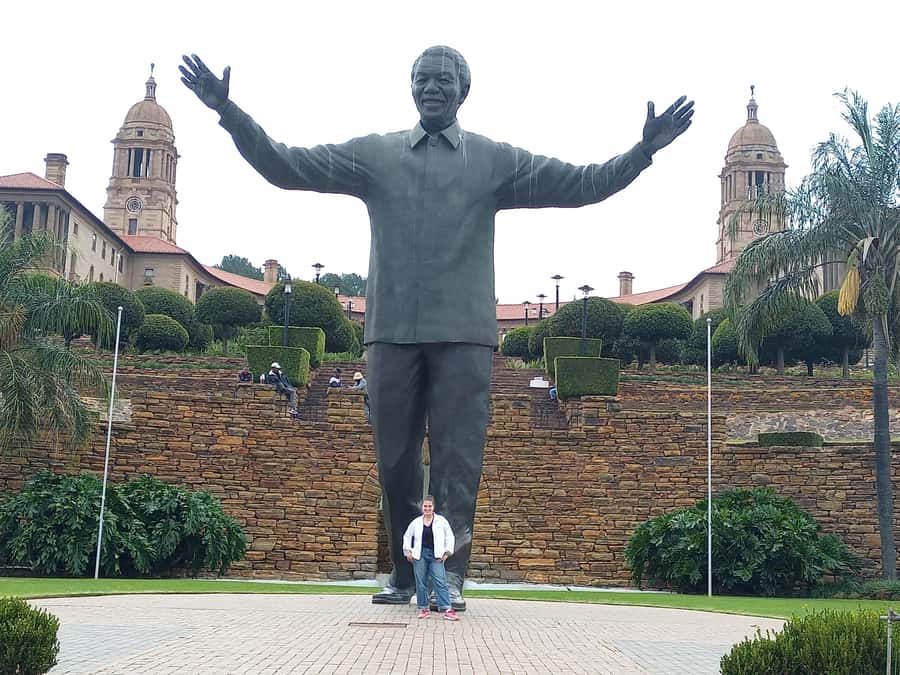
By 11:30 am, the tour reaches the Union Buildings. These are the seat of South Africa’s executive government and the place where the country’s president works. The buildings are also linked with major public events and with Nelson Mandela’s inauguration as president.
This stop brings together architecture and modern political history. The Union Buildings are more than a grand photo backdrop. They represent the state that once enforced racial separation and the democratic government that later replaced it. The contrast is useful, especially after the Voortrekker Monument and Church Square.
The timing is one of the tour’s strengths, but it also means you should expect an overview rather than a slow architectural study. If you want long periods at each Pretoria site, this schedule may feel too tight. If you want a guided introduction before spending more time elsewhere, the route is efficient.
The Apartheid Museum needs careful timing
Around 12:45 pm, you arrive at the Apartheid Museum, with entry included in the tour price. The museum traces the rise and fall of apartheid, explaining the legal, political, and social system that separated people by race and controlled where they could live, work, study, and travel.
This is the emotional center of the day. The museum gives structure to the many places you see later in Soweto. After walking through its exhibits, Mandela’s house and Hector Pieterson Square are not isolated attractions. They connect to the wider system and to the resistance that challenged it.
You should allow for difficult material. The subject is painful, and the museum is intended to educate rather than entertain. The guide can add context, but you will also need time to take in the exhibits at your own pace. One useful feature of a small group is that you can ask for clarification without waiting for a large crowd to move on.
There is an important scheduling issue here. The experience description places the museum at 12:45 pm, but the supplied information also says the museum is closed on Mondays and remains closed until Wednesday. That wording is not fully clear, so check the actual opening days and confirm the visit before paying. A Monday departure could be a serious problem if the museum is a central reason for booking.
A few more Johannesburg days worth comparing
- From Johannesburg: Pilanesberg Nature Reserve Game Safari
★ 4.8 · 1,327 reviews - Full Day Ultimate Pilanesberg National Park Safari from Johannesburg or Pretoria
★ 4.5 · 718 reviews - Half-Day Tour of Soweto Tour
★ 4.5 · 712 reviews - Soweto: Walking Tour with a Local Guide and Lunch
★ 4.9 · 648 reviews
Soweto gives the history a human setting
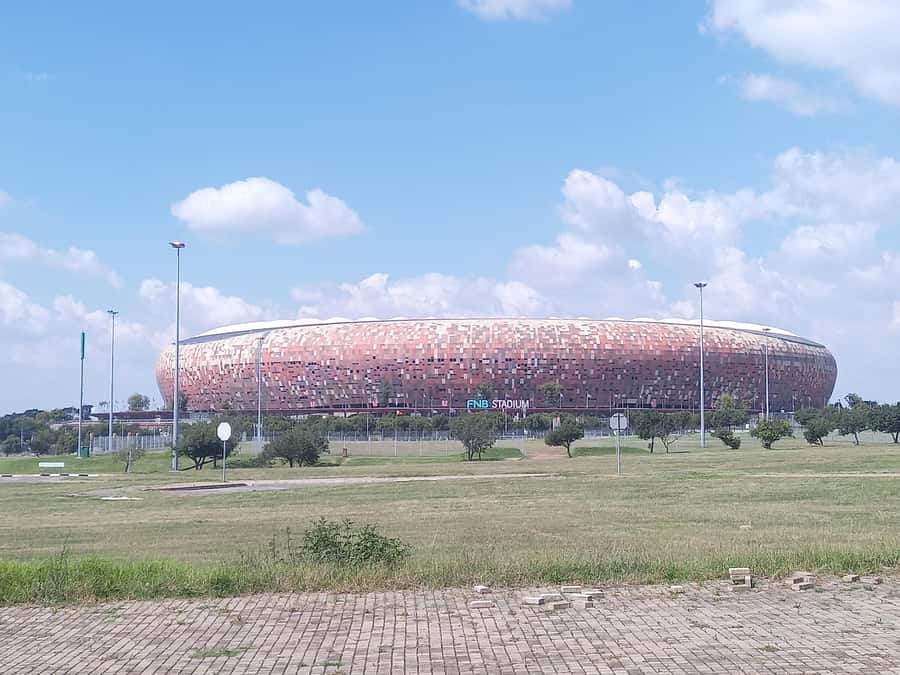
The afternoon begins around 2:00 pm in Soweto, the South Western Townships area within the City of Johannesburg. The name refers to a large township area on the southwestern side of Johannesburg, near the city’s former mining belt. Today it is part of the City of Johannesburg Metropolitan Municipality.
Soweto is not one single sight. It is a broad urban area with neighborhoods, landmarks, public spaces, and ordinary daily life. The value of this part of the trip comes from seeing how the political history you studied at the museum connects with the places where people lived and organized.
The tour includes the World Cup stadium and the biggest hospital in Africa, according to the activity details. These stops show Soweto as more than a place remembered only for struggle. You see major modern institutions alongside older streets and historic landmarks.
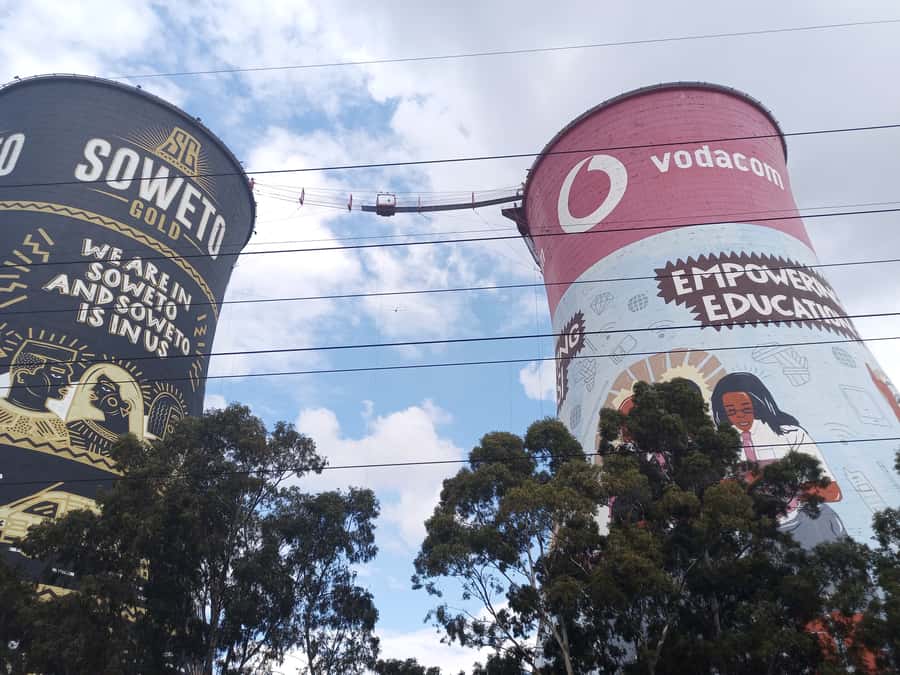
The Soweto Towers are another visual marker. They are former cooling towers transformed into a recognizable local feature. The tour may not give you a long independent visit at every stop, but the towers help you understand the area’s industrial past and changing identity.
Vilakazi Street and Mandela’s house
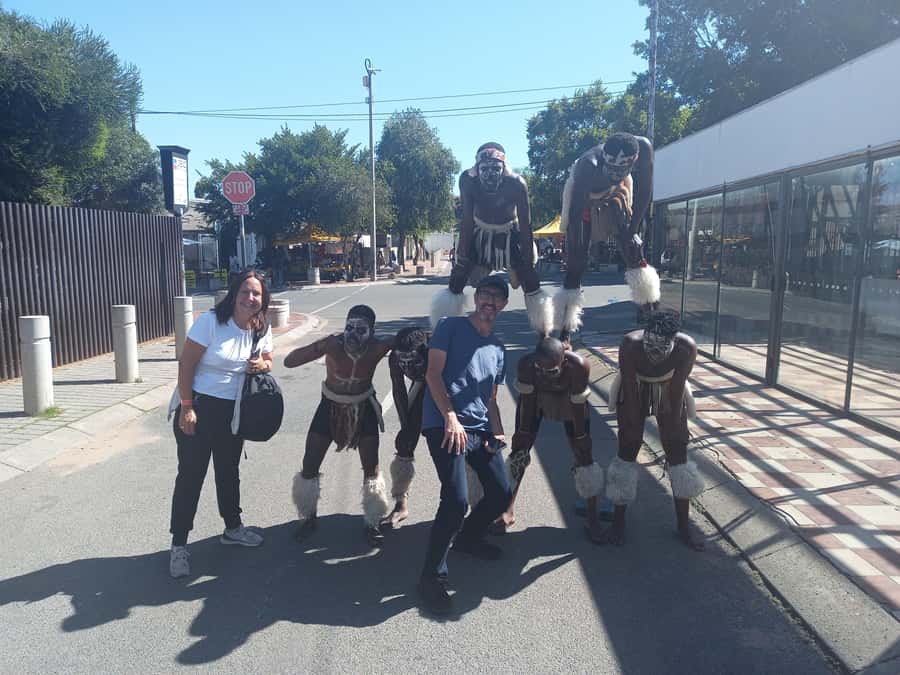
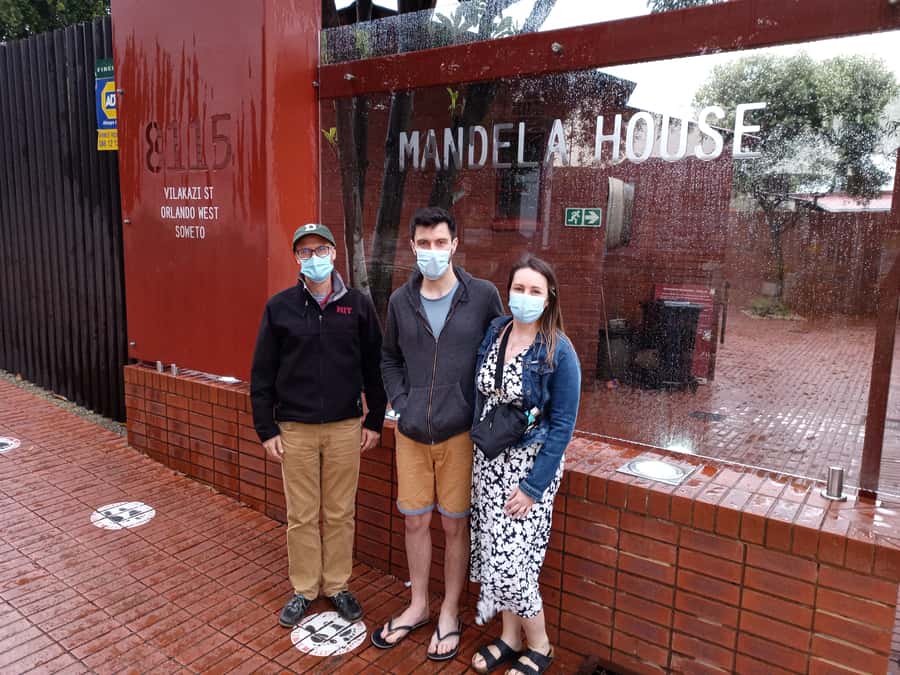
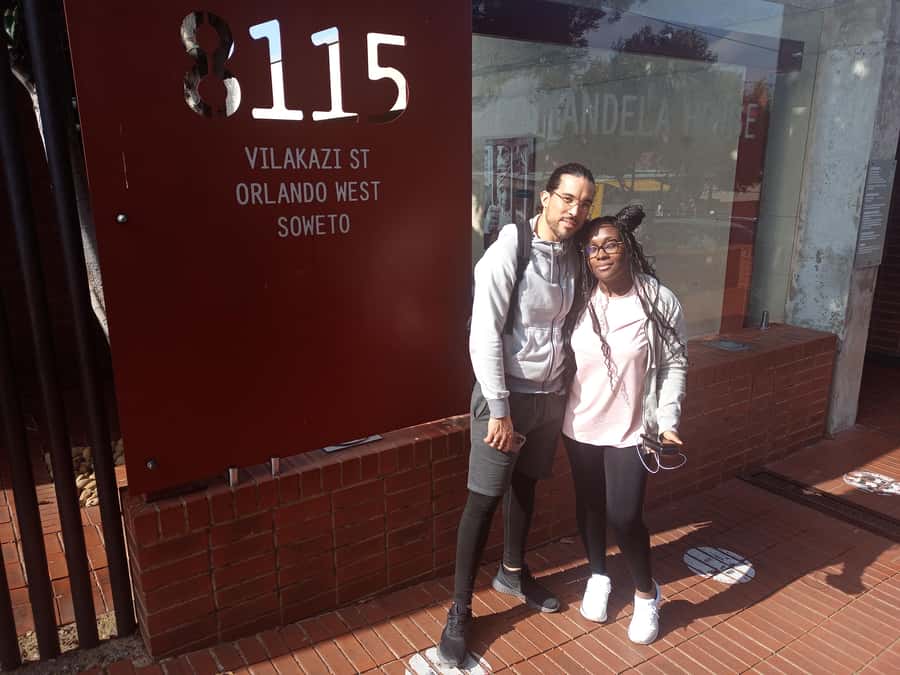
The itinerary assigns about two hours to Vilakazi Street in Orlando West. That is a welcome amount of time for a route with so many stops. Vilakazi Street is especially important because it is associated with both Nelson Mandela and Desmond Tutu, two Nobel Peace Prize winners who lived on the same street.
Mandela’s house is the key stop here. The focus is not only on the building itself, but on the person who lived there and the period surrounding his political work. Your guide can help connect the address to Mandela’s imprisonment, release, presidency, and wider role in South Africa’s transition.
The description does not clearly state whether admission to Mandela’s house is included, so you should not assume that every interior visit is covered by the $186 price. Apartheid Museum admission is specifically included, while food, drinks, and other possible admissions are not listed. Ask before departure if entering the house is important to you.
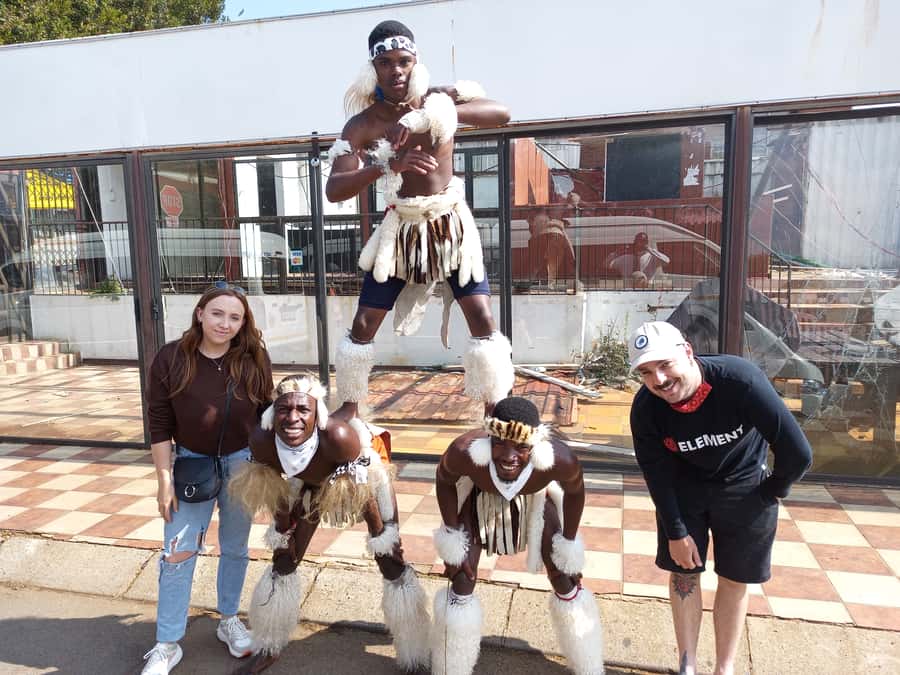
Vilakazi Street also offers a chance to see local community life rather than only formal museums. The listed highlights include people and street dance, and the tour description refers to a chance to step into local communities. Keep your expectations sensible: this is a guided visit, not an open-ended afternoon to wander wherever you please.
Hector Pieterson Square and a harder choice
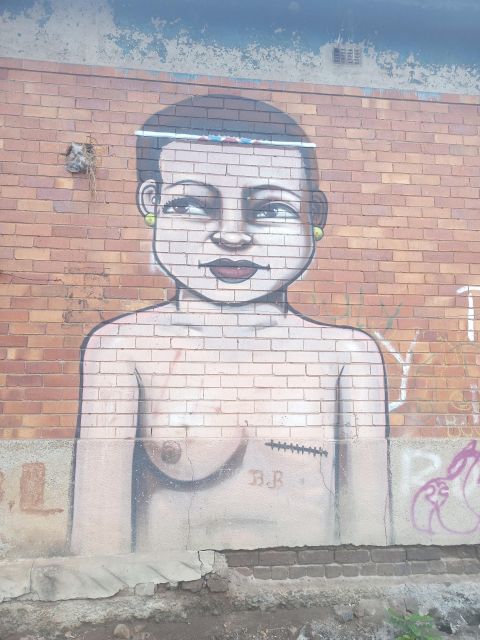
Hector Pieterson Square recalls the 1976 Soweto uprising, when students protested against the use of Afrikaans as a language of instruction. Hector Pieterson, a young student, became a symbol of that uprising after his death. The square and memorial help you understand the courage and cost of youth resistance under apartheid.
This is one of the places where a guide’s skill makes a real difference. The facts are powerful, but a clear explanation can place them in the setting of Soweto, education policy, police violence, and the wider challenge to apartheid. Guides Gabin and Richard are specifically associated with detailed explanations and broad knowledge of the sites on this route.
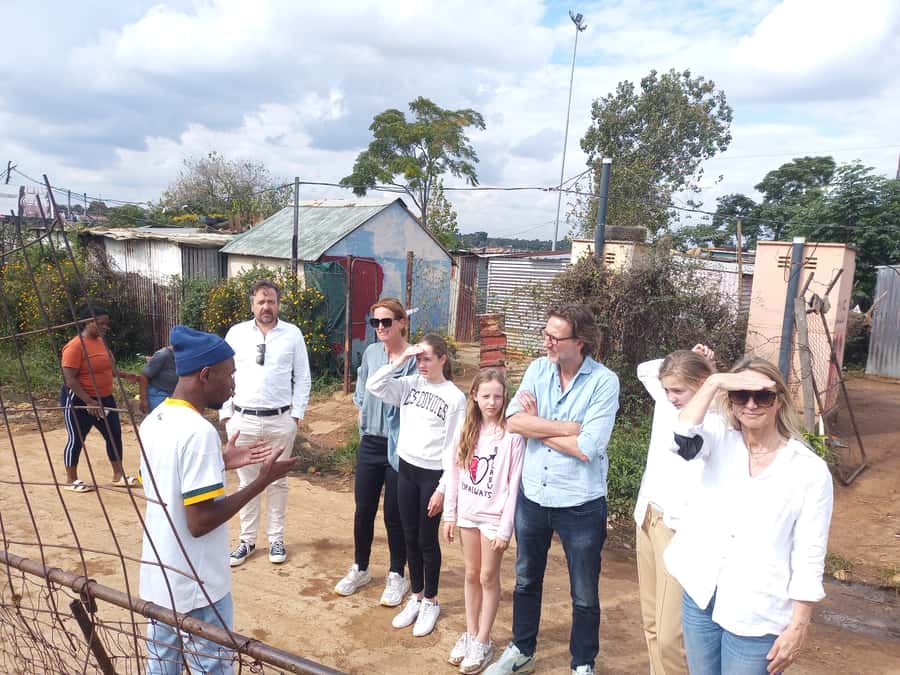
There is also an optional visit to the poorest area of Soweto. This choice deserves thought. It may offer a more direct look at inequality, but poverty should never be treated as a spectacle. If you choose it, listen carefully, follow your guide’s instructions, and approach the stop with respect for the people who live there.
What the guides add to a packed day
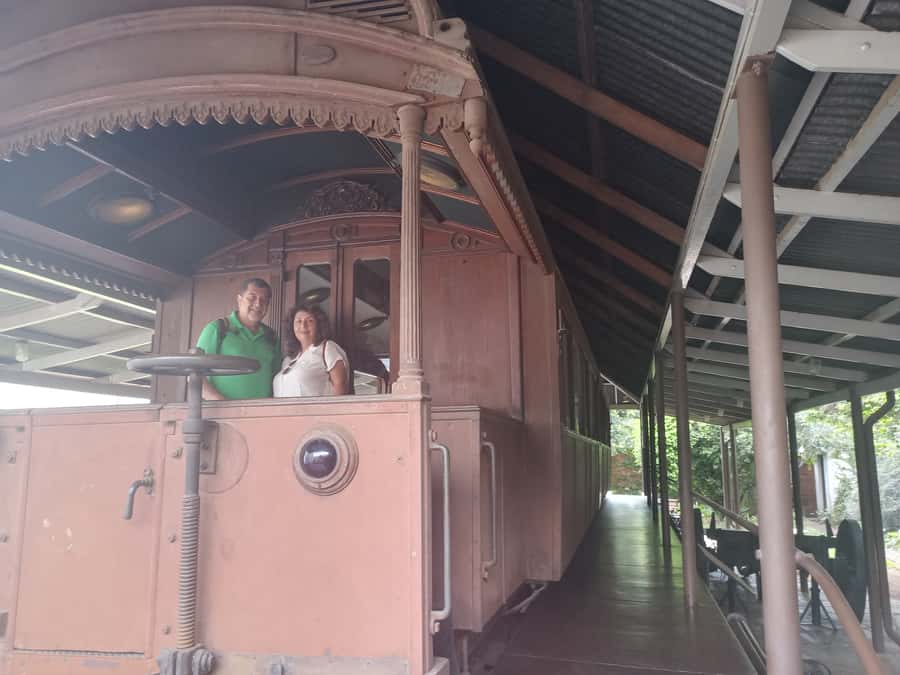
This experience depends heavily on the guide. You are covering Pretoria, a major museum, and Soweto in eight hours, so commentary is what turns a series of stops into a connected story.
The guide language options are English and French. A French-language departure may be especially useful if you want to discuss complex political history without relying on limited vocabulary. Gabin is described as careful behind the wheel, approachable, and willing to check that people understand. Richard is noted for answering questions across the sites visited.
There is one caution about presentation. One booking found the guide well prepared but repetitive in places. On a subject this large, repetition can happen because the same themes appear at the monument, museum, Union Buildings, and Soweto. If you prefer a fast, lightly narrated sightseeing day, the amount of explanation may feel heavy. If you want context, it is usually a fair trade.
The driver and guide may be the same person or may work as a team, depending on the departure. The supplied information does not guarantee a particular guide, so treat Gabin and Richard as examples of the guide quality available, not as a promise that either will lead your departure.
Pickup, comfort, and what to bring
Hotel pickup and drop-off are included from Johannesburg, Sandton, Rosebank, Pretoria, Ekurhuleni, and the West Rand District Municipality. You are told to wait in the hotel lobby for a driver holding a sign with your last name. Because the pickup area is wide and one person reported being missed, confirm your hotel details and pickup time before the morning of the tour.
The tour takes place rain or shine. Wear practical clothing and shoes suitable for walking between museum, monument, square, and township stops. The information does not promise air conditioning, extra legroom, or a particular vehicle type, and one booking found the transport old and uncomfortable. I would avoid assuming this is a polished luxury minibus.
You must bring a passport, although a copy is accepted. Everyone passes through airport-style security. Bags, glass objects, alcohol, drugs, fireworks, baby strollers, and electric wheelchairs are not allowed, so pack lightly and check the rules before leaving your hotel.
Food and drinks are not included. An eight-hour schedule can make a meal plan important, yet the supplied details do not identify a meal stop or say that food can be purchased during the tour. Ask the operator what is practical, and do not count on lunch being part of the program.
Who should book this tour?
I would recommend this day to you if you have limited time in Johannesburg and want the main historical sites explained in one organized outing. It suits first-time visitors, people interested in apartheid and South African politics, and anyone who prefers a guide to driving between Pretoria and Soweto.
It is also a good fit if you want both formal history and present-day context. The Voortrekker Monument, Union Buildings, and Apartheid Museum tell the institutional story. Vilakazi Street, Mandela’s house, Hector Pieterson Square, and the community-focused parts of Soweto bring that story closer to people and place.
You may want another plan if you dislike long drives, prefer a spacious vehicle, or want to spend an entire day inside one museum or neighborhood. The schedule is full, and the route cannot give every stop the same amount of time. You should also postpone booking until the museum’s opening schedule and your pickup are confirmed.
FAQ
How long does the Pretoria, Apartheid, and Soweto tour last?
The tour lasts eight hours. The scheduled day begins with the Voortrekker Monument at 9:00 am and continues through Pretoria, the Apartheid Museum, and Soweto.
What is included in the price?
Hotel pickup and drop-off, a live guide, and entry to the Apartheid Museum are included. Food and drinks are not included.
Which languages are available?
The tour is offered with a live guide in English or French.
How large is the group?
This is a small-group tour limited to nine participants.
Can I be picked up from Pretoria or Johannesburg?
Yes. Pickup and drop-off locations include Johannesburg, Sandton, Rosebank, Pretoria, Ekurhuleni, and the West Rand District Municipality.
Is the Apartheid Museum open every day?
The supplied information says the museum is closed on Mondays and remains closed until Wednesday. Check the opening schedule and confirm the museum visit before booking, especially if you plan to go on a Monday or Tuesday.
Should you book this eight-hour history tour?
Book it if you want a serious, guided introduction to Gauteng’s political past and have only one day for Pretoria, the Apartheid Museum, and Soweto. The strongest reason to choose it is the range of places covered, while the strongest practical warning is the uneven transport and pickup record.
Before committing, confirm three things: that the Apartheid Museum will be open, that your hotel pickup is recorded correctly, and what vehicle will be used. If those points are settled, the tour offers a useful balance of monuments, museum exhibits, township landmarks, and personal stories for a first visit to Johannesburg.
Just listed around Johannesburg
- Constitutional Hill and Soweto 5 hours tour.★ 5.0 · 5 reviews
- 5 Day Kruger Glamping Safari and Panorama Tour★ 5.0 · 5 reviews
- Cradle of Humankind and Maropeng Day Tour from Johannesburg★ 4.0 · 5 reviews
- Johannesburg: Hot Air Balloon Flight★ 5.0 · 5 reviews
- Half Day Soweto and Apartheid Museum Guided Tour★ 5.0 · 5 reviews
- Lion park★ 4.5 · 5 reviews
- Pretoria Historical Tour★ 4.0 · 5 reviews
- 5 Day Kruger National Park and Panorama Route Safari★ 4.5 · 5 reviews
Soweto & Apartheid Museum Tours, compared.


Soweto /Johannesburg and Apartheid Museum Guided Full Day Tour
Read our review →
Johannesburg Hop-On Hop-Off City Tour with Soweto Option
Read our review →


Jo’berg in 1 Day: Soweto, Apartheid Museum & City Tour
Read our review →
Full-Day Tour with Soweto and Apartheid Museum
Read our review →
Browse the lists this tour appears in