
Reviewed · SOWETO & APARTHEID MUSEUM TOURS
From Johannesburg: Pretoria, Soweto & Apartheid Museum Tour
South Africa’s past comes into focus on this long but carefully packed day. You move from Afrikaner history in Pretoria to the 1976 student uprising in Soweto, then finish at the Apartheid Museum, where the country’s most painful chapter is explained with far more detail than a quick city drive can provide.
I like the way the tour links three important places rather than treating Pretoria, Soweto, and Johannesburg as separate snapshots. I also like the small-group limit of 15, the included admission fees, and the chance to ask questions directly while you travel.
The trade-off is time. Seven hours covers a great deal of ground, so several stops are brief, and the Apartheid Museum deserves more than the scheduled two hours if you want to read everything carefully. The tour is also not suitable for pregnant women.
Key points at a glance
- A full historical arc: Follow the story from the Voortrekker Monument and Kruger Museum to Mandela’s home and the Apartheid Museum.
- Soweto’s most important sites: Visit Hector Pieterson Museum, Vilakazi Street, Mandela House, and the Soweto Towers.
- A practical one-day route: Pickup is available in Johannesburg, Sandton, Pretoria, and the East Rand.
- A guide-led experience: English commentary and an English audio guide help explain the political and social context.
- Good inclusions for the price: Entry fees, a driver, guide, snacks, bottled water, and local transport are covered.
- Allow for a serious day: The subject is emotional, especially at Hector Pieterson Museum and the Apartheid Museum.
Why this day matters
If you have only one day for South Africa’s political history, this route gives you a useful framework. Pretoria introduces the Afrikaner story and the institutions of government. Soweto brings the struggle into ordinary streets and family homes. The Apartheid Museum then pulls those threads together with a detailed account of segregation, resistance, and the country’s move toward democracy.
I appreciate that the tour does not reduce apartheid to a few famous names. The stops show how ideas, laws, government buildings, protest, education, and personal lives all connect. That broader view helps you understand why present-day South Africa is often called the Rainbow Nation, while also showing how difficult that transformation was.
The subject matter can be heavy. You will see and hear about the 1976 Youth Uprising, political imprisonment, forced separation, and racial law. Go in ready to listen. This is not a light sightseeing loop with a few photo stops attached.
More Museum Tours in Johannesburg
- Soweto /Johannesburg and Apartheid Museum Guided Full Day Tour
★ 5.0 · 932 reviews - Jo’berg in 1 Day: Soweto, Apartheid Museum & City Tour
★ 4.8 · 524 reviews - Johannesburg: Full-Day Tour with Soweto and Apartheid Museum
★ 4.8 · 478 reviews
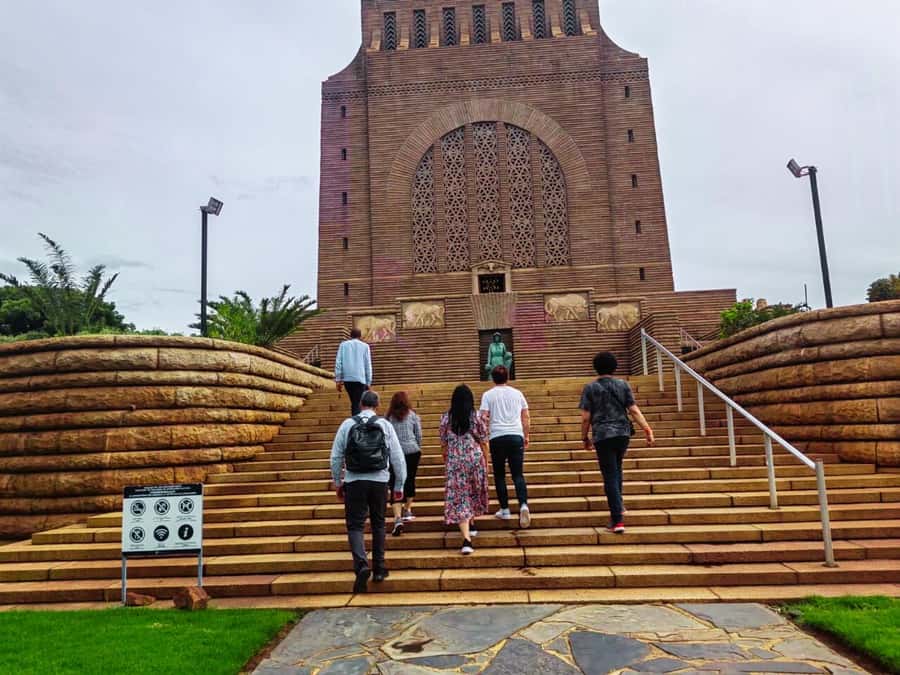
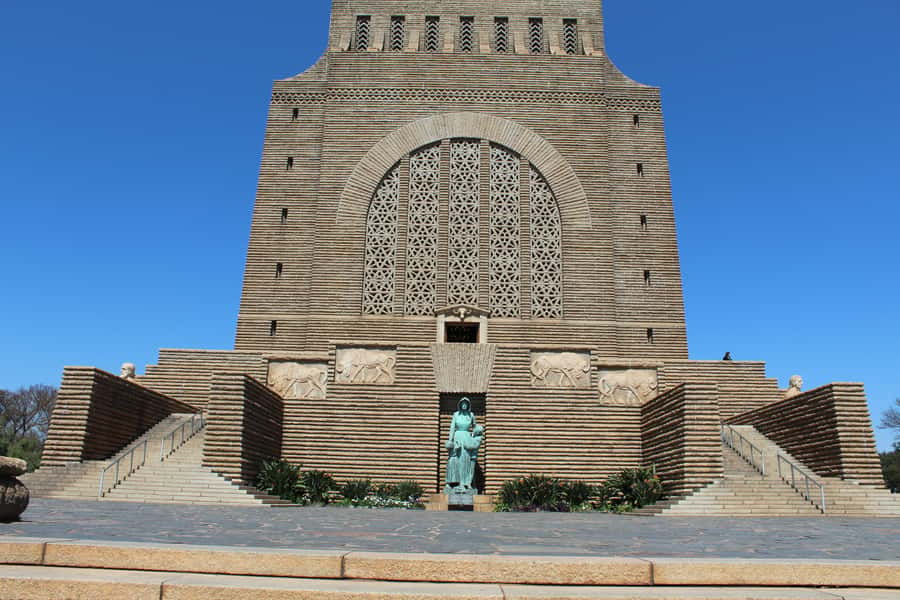
Pretoria begins at the Voortrekker Monument
The drive to Pretoria takes you just over 30 kilometers from Johannesburg, depending on your pickup point and road conditions. Your first major stop is the Voortrekker Monument, with about 50 minutes for a guided visit.
The monument was built to honor the Voortrekkers, Afrikaner settlers who moved inland during the 1830s and 1840s. Its design and symbolism reflect the viewpoint of that community, so the stop is useful partly because it shows how Afrikaner identity and national memory were shaped.
Your guide can explain why the monument was built in its particular form and how its story fits into South African history. Pay attention to the distinction between learning how a group understood its past and accepting that version as the whole national story. The later stops add perspectives that the monument cannot provide by itself.
Fifty minutes is enough for an introduction, but not for an unhurried visit. If you like architecture, symbolism, and political history, you may wish you had longer. Still, as the opening chapter of the day, it gives useful context before the tour moves into central Pretoria.
Kruger Museum and Church Square
The next stop is the Kruger Museum, with around 30 minutes for a guided visit. The museum is linked to Paul Kruger, a major Afrikaner political figure and president of the former South African Republic.
This is a short stop, so expect a focused introduction rather than a detailed museum visit. It adds another piece to the Afrikaner political story and helps explain why Pretoria became such an important center of power.
At Church Square, you have about 10 minutes with the guide. The square provides a quick look at central Pretoria and its civic history. Ten minutes is mainly enough for orientation, a few photographs, and a concise explanation of the buildings around the square.
That short timing is typical of this tour. You are not being offered hours in each place. Instead, you are getting a guided outline of the city, with the most time reserved for the Apartheid Museum and Mandela House.
The Union Buildings and Pretoria views
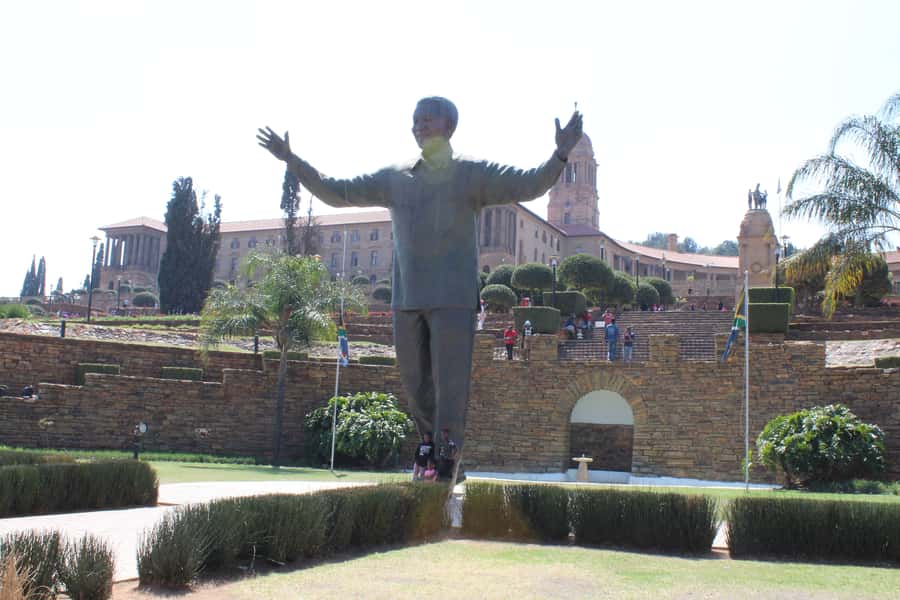
The Union Buildings are the official seat of South Africa’s national government and the office of the president. The tour includes roughly 10 minutes here, along with a view over Pretoria and time for photographs.
This is one of the better photo stops of the day, but it is also politically meaningful. The grand government setting contrasts with the ordinary neighborhoods and protest sites you will see later. The buildings represent state power, while the Soweto stops show how that power affected people’s daily lives.
Do not expect a long interior visit. The description focuses on the grounds, the view, and an outside explanation. The brief stop works well if you want a broad sense of Pretoria, but it will feel rushed if your main interest is architecture or government history.
More Soweto and Apartheid Museum visits:
- Johannesburg: Hop-On Hop-Off Bus with Optional Soweto Tour
★ 4.6 · 985 reviews - Johannesburg Hop-On Hop-Off City Tour with Soweto Option
★ 4.5 · 768 reviews - Half-Day Tour of Soweto Tour
★ 4.5 · 712 reviews - Soweto: Walking Tour with a Local Guide and Lunch
★ 4.9 · 648 reviews
Hector Pieterson Museum brings 1976 into focus
After Pretoria, the route heads toward Soweto. The drive is listed at about 50 minutes, so settle in for a useful stretch of road and continue the conversation with your guide.
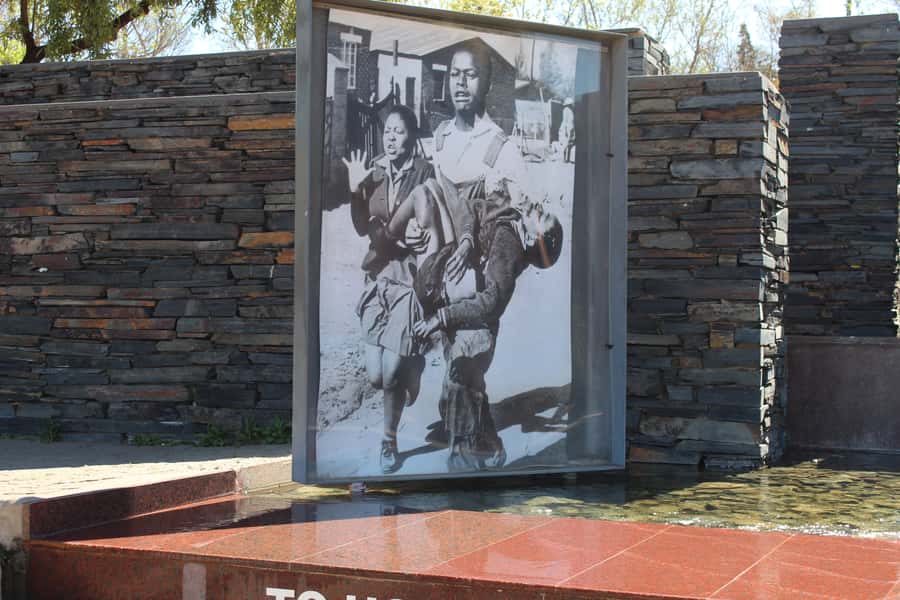
At Hector Pieterson Museum, you have about 20 minutes. The museum commemorates the 1976 Soweto student uprising, when schoolchildren protested against the forced use of Afrikaans as a language of instruction. The event became a turning point in opposition to apartheid, and the image of Hector Pieterson being carried after he was shot became one of the defining photographs of the era.
Twenty minutes is short for a museum dealing with such a large subject. You will get an introduction and key context, but you may not have time to study every display. I recommend listening closely to the guide first, then using any spare minutes for the exhibits that interest you most.
This stop is emotionally difficult, and that is part of its importance. The story is not presented as distant government policy. It is about young people, schools, families, and the costs of protest. The museum gives the day a human center before you visit Mandela’s former home.
Mandela House on Vilakazi Street
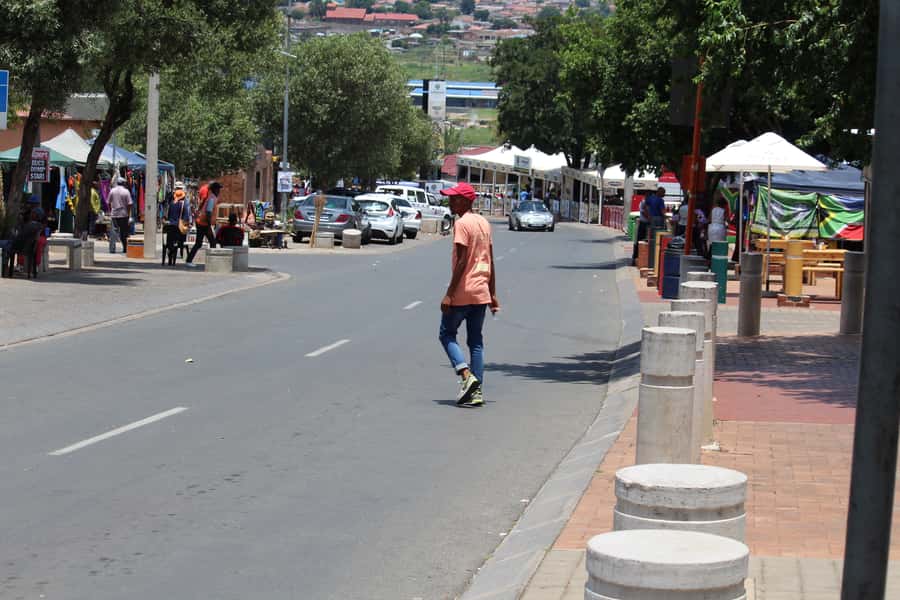
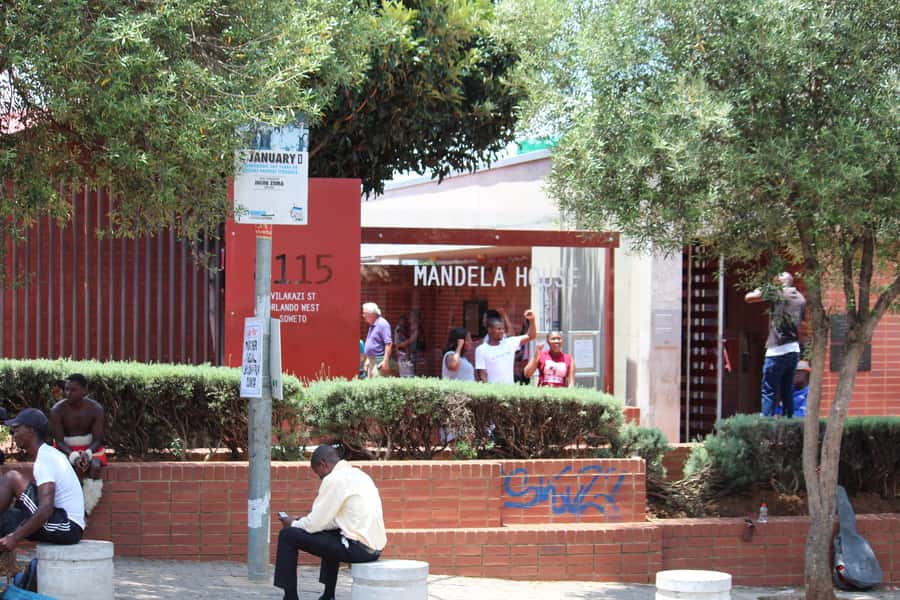
Vilakazi Street, in Orlando West, is known for its connection to two Nobel Peace Prize winners, but this tour focuses on Nelson Mandela’s home. You have about 10 minutes on the street and 40 minutes inside Mandela House.
The house has been arranged to reflect its original setting from the time Mandela left prison. That detail matters. Rather than visiting a grand memorial building, you are seeing the modest domestic setting linked to one of South Africa’s most important political figures.
The visit helps balance the larger museums. At the Apartheid Museum, you study systems and events. At Mandela House, you get a sense of political history through a personal space, a home, and the life of a family.
Vilakazi Street itself is a quick stop, so do not expect a long neighborhood walk. Use the time for photographs and to notice how the street setting differs from Pretoria’s official buildings. The contrast is one of the day’s strongest features.
Lunch, Soweto Towers, and the road onward
Lunch is scheduled at a local restaurant for about 30 minutes. The tour includes snacks and bottled water, but lunch is not specifically listed among the included items, so ask your operator what you should budget for the meal.
A half-hour lunch keeps the day moving, though it does not leave much room for lingering. This is a practical break rather than a long food experience. If you want to spend more time over a meal, this schedule may feel tight.
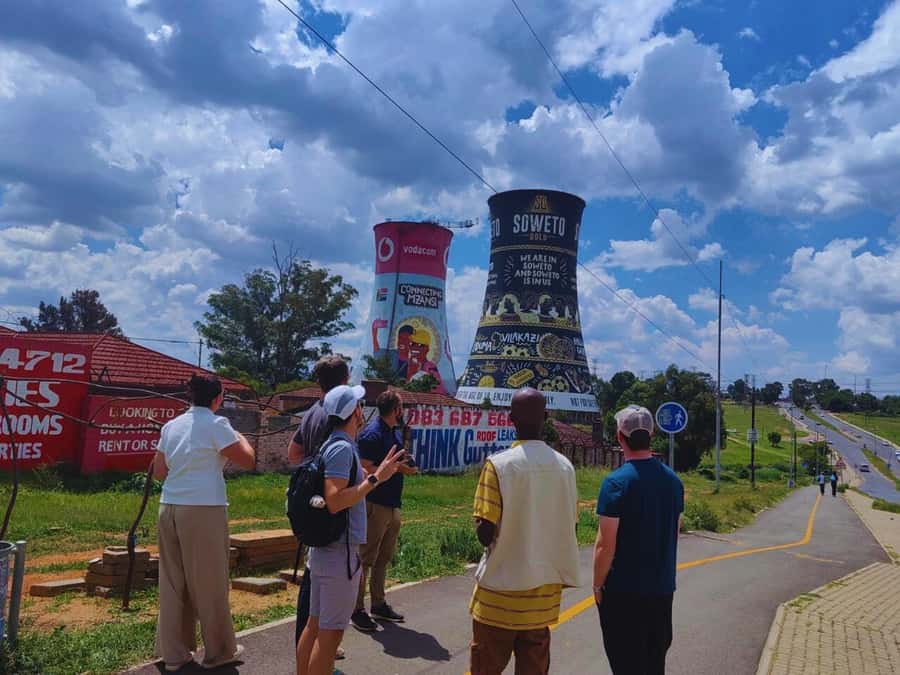
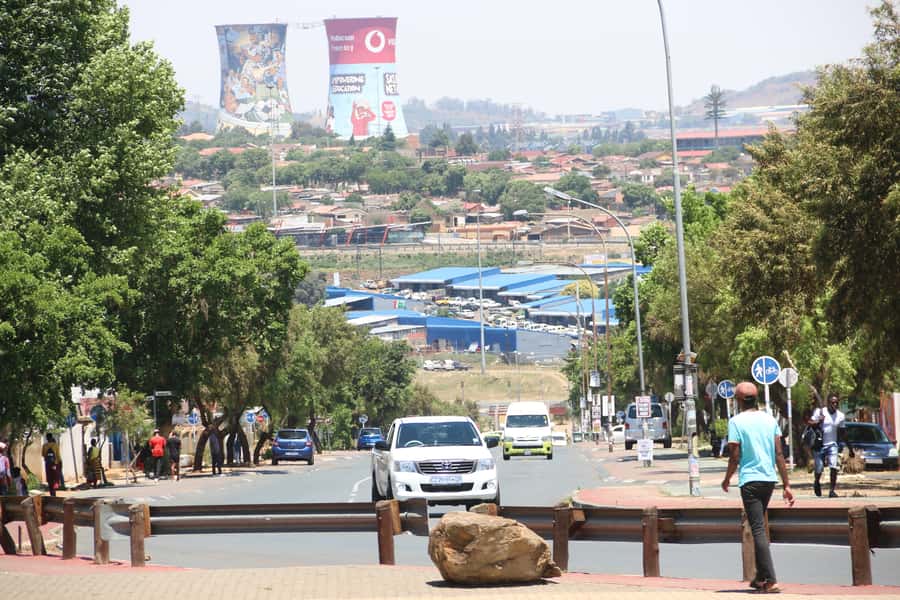
The route then passes the Soweto Towers, with about 10 minutes for a guided look. The towers are a recognizable feature of Soweto and make an easy photo stop. The visit is brief, but it gives you a visual change after the museums and historic houses.
This part of the route also shows how the tour mixes serious history with short orientation stops. Not every location receives equal time, and that is sensible given the seven-hour limit. The main value lies in the sequence, not in lengthy visits at every address.
Two hours at the Apartheid Museum
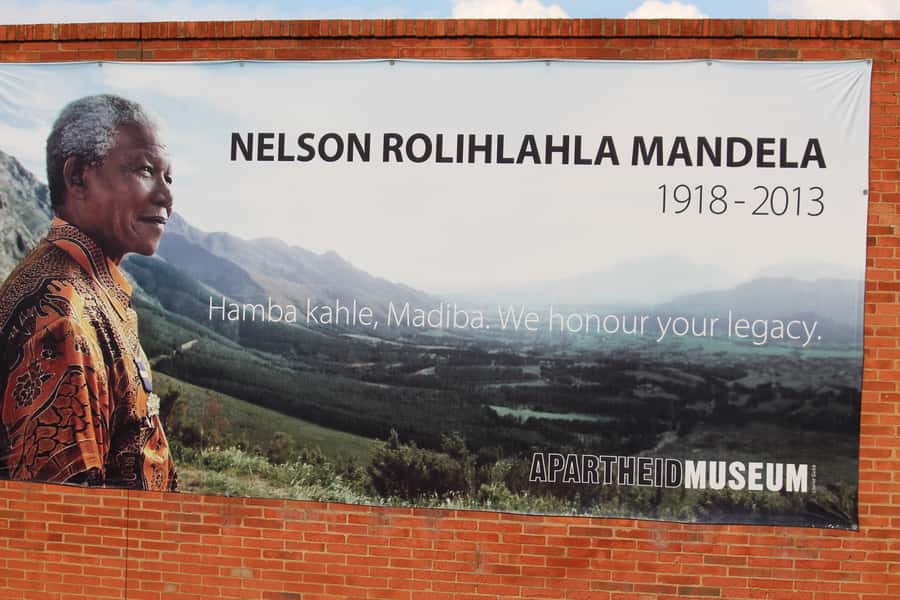
The Apartheid Museum is the main stop, with about two hours for a guided visit. It explains apartheid in detail, including the laws, racial classification, political control, resistance, and the wider forces that shaped modern South Africa.
The museum is likely to be the most demanding part of the day. You will need time to read, look, and think. Two hours gives you a solid introduction, but anyone who wants to examine every exhibit could easily want a return visit. One earlier visitor decided that a separate multi-day visit would be worthwhile, which tells you how much material is here.
I like ending at this museum because the earlier stops prepare you for it. Pretoria has introduced the Afrikaner and state perspective. Hector Pieterson Museum has shown the cost of resistance. Mandela House has brought the political story into a personal setting. At the Apartheid Museum, those elements are placed into a wider account.
Expect an emotional and sobering visit. This is not simply a place to collect facts. It asks you to consider how laws shaped movement, housing, education, work, and family life. Give yourself quiet time if you need it, and do not plan an important appointment immediately after the tour.
The guide makes the difference
This tour depends heavily on the guide. The route crosses several cities and historical viewpoints, and short stops only work when the explanations are clear and well judged.
Guides named Marvin, Ali, Nic, and John have led this experience at different times. Their strengths include detailed historical commentary, careful driving, patience with photographs, and the ability to adjust explanations to your interests. If you have a particular focus, such as architecture, Mandela, the 1976 uprising, or present-day South Africa, tell the guide early.
The English-speaking guide leads in person, and an English audio guide is also included. The small-group format, limited to 15 people, should make questions easier than on a large coach tour. It also allows the guide to adjust the pace a little, though the main schedule remains fairly fixed.
A good guide should also handle the subject with care. The country’s past is complex, and the best explanations avoid turning it into a simple story of villains and heroes. Several guides associated with this experience have been praised for objective, thoughtful presentations, which is exactly what you need here.
Is the $186 price fair?
At $186 per person, this is not a cheap city excursion. The value depends on what you would otherwise need to arrange yourself.
The price includes hotel pickup and drop-off in Johannesburg or Sandton, transport, a driver, an English-speaking guide, entry fees, snacks, and bottled water. Pickup and drop-off options also cover Pretoria and the East Rand. If you tried to arrange transport between Pretoria, Soweto, and the Apartheid Museum independently, you would need to coordinate several sites and manage the timing yourself.
The strongest value is convenience paired with interpretation. Admission fees are already handled, and you have someone explaining why each place matters. The small-group limit is another plus, especially for a day built around sensitive subjects and questions.
The drawback is that you are paying for a packed overview rather than long visits. If you prefer to spend half a day at one museum, the price may feel high. If you have one free day and want a guided route through the major historical sites, it is easier to justify.
Alcoholic drinks and souvenirs are not included, and gratuities are extra. Lunch is scheduled but not clearly included in the listed package, so confirm that point before departure.
Timing, comfort, and practical advice
Wear comfortable shoes. You will be getting in and out of the vehicle, walking through museums, and spending much of the day moving between sites. Sunglasses and a camera are useful, especially at the Union Buildings and Soweto Towers.
The tour lasts seven hours, but it feels full because it covers three major urban areas. The drive between sites is part of the experience, yet it also means you should not expect a leisurely pace.
Pickup is available from accommodation in Johannesburg or Sandton, with the wider pickup information also naming Pretoria and the East Rand. Check your exact pickup location and starting time when booking, since availability controls the departure times.
You can cancel up to 24 hours in advance for a full refund, and you can reserve now while paying later. That flexibility is useful if your plans are still shifting. A past booking was changed because of rain and a repeat visit to the same attractions, showing that itinerary adjustments may sometimes be possible, but you should request changes rather than assume they are guaranteed.
This experience is not suitable for pregnant women. If you need a slower pace or have mobility concerns, ask the operator about the amount of walking and time spent entering and leaving the vehicle before you book.
Who should book this tour?
I would choose this tour if you want a guided introduction to South Africa’s political past and have only one day for Pretoria, Soweto, and Johannesburg. It suits first-time visitors, people who value context over independent wandering, and anyone who wants transport and admission fees handled in one booking.
It also suits visitors who enjoy asking questions. The guide is a major part of the experience, and the small group gives you a better chance to shape the conversation.
I would hesitate if you dislike tight schedules, prefer long museum visits, or already plan to spend a full day at the Apartheid Museum alone. The two-hour museum visit is useful, but it is not exhaustive. Likewise, the 10-minute stops at Church Square, the Union Buildings, Vilakazi Street, and the Soweto Towers are introductions, not full tours.
Should you book the Pretoria, Soweto, and Apartheid Museum tour?
Book it if you want the most important historical stops connected into one practical day. The combination is the real strength: the Voortrekker Monument and Kruger Museum show Afrikaner political memory, Pretoria shows state power, Soweto brings protest and personal life into view, and the Apartheid Museum gives you the full account.
The day is serious, busy, and sometimes rushed. Still, the route offers strong value for a visitor with limited time, especially when you factor in transport, admission fees, bottled water, snacks, and an experienced English-speaking guide.
My advice is simple: book this as your overview day, then return to the Apartheid Museum or another site later if your schedule allows. That way, you get the broad picture without pretending seven hours can explain every part of South Africa’s past.
FAQ
How long does the tour last?
The tour lasts seven hours.
Where can pickup and drop-off take place?
Pickup options include Johannesburg, Sandton, Pretoria, and the East Rand. The listed drop-off options include Pretoria, Johannesburg, the East Rand, and Sandton. Accommodation pickup is included in Johannesburg or Sandton.
Is lunch included in the price?
Lunch is scheduled at a local restaurant for about 30 minutes, but the listed inclusions do not specifically include lunch. Snacks and bottled water are included, so confirm the meal arrangement before departure.
What language is the tour conducted in?
The live tour guide speaks English, and an English audio guide is included.
What is included in the ticket price?
The price includes entrance fees, a driver, a guide, snacks, bottled water, and transport connected with the tour. Alcoholic drinks, souvenirs, and gratuities are not included.
Can I cancel or pay later?
You can cancel up to 24 hours in advance for a full refund. The reserve now and pay later option allows you to book without paying immediately.
Just listed around Johannesburg
- Constitutional Hill and Soweto 5 hours tour.★ 5.0 · 5 reviews
- 5 Day Kruger Glamping Safari and Panorama Tour★ 5.0 · 5 reviews
- Cradle of Humankind and Maropeng Day Tour from Johannesburg★ 4.0 · 5 reviews
- Johannesburg: Hot Air Balloon Flight★ 5.0 · 5 reviews
- Half Day Soweto and Apartheid Museum Guided Tour★ 5.0 · 5 reviews
- Lion park★ 4.5 · 5 reviews
- 5 Day Kruger National Park and Panorama Route Safari★ 4.5 · 5 reviews
- Pretoria Historical Tour★ 4.0 · 5 reviews
Soweto & Apartheid Museum Tours, compared.

Soweto /Johannesburg and Apartheid Museum Guided Full Day Tour
Read our review →
Johannesburg Hop-On Hop-Off City Tour with Soweto Option
Read our review →

Jo’berg in 1 Day: Soweto, Apartheid Museum & City Tour
Read our review →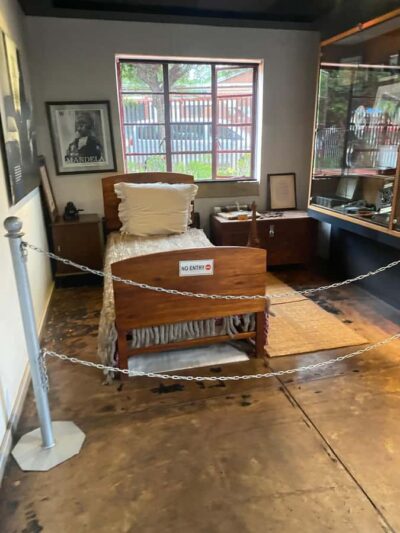
Full-Day Tour with Soweto and Apartheid Museum
Read our review →
Browse the lists this tour appears in