
Reviewed · SOWETO & APARTHEID MUSEUM TOURS
Soweto by Tuk-Tuk
Soweto is best understood from the road, where neighborhoods, monuments, shops, and daily life fit together in one moving picture. This private tuk-tuk ride takes you from Orlando West to Orlando East, with guide Mulalo Mphuma explaining the township’s past and showing how apartheid shaped its streets. I like the tuk-tuk because it covers more ground than a walking tour, and I like the mix of major sites with less polished places such as an informal settlement and former women’s hostel. You also get lunch at Chaf Pozi beside the famous Soweto towers.
The main consideration is time. Two and a half hours goes quickly, especially with Mandela House, the Hector Pietersen Museum, Vilakazi Street, several neighborhoods, and lunch in the same outing. Expect a brisk introduction rather than a slow, detailed visit at every stop, and confirm which admissions beyond Mandela House are covered before you go.
Key points to know before booking

- Ride across several parts of Soweto: The tuk-tuk lets you see Orlando West, Orlando East, informal housing, historic streets, and major landmarks in one compact tour.
- Meet at Moema and Rampa Streets: The tour begins and ends in Orlando West, Soweto, rather than at a central Pretoria hotel.
- See two Nobel Peace Prize connections: Vilakazi Street is known for the homes of Nelson Mandela and Archbishop Desmond Tutu.
- Visit Mandela House for 30 minutes: Admission to this famous former home is included.
- Eat at Chaf Pozi: The local lunch is served near the Soweto towers, with a taste of the popular KOTA sandwich included in the experience.
- Private touring with a local guide: Only your group takes part, with transport, bottled water, and a driver-guide included.
Why a tuk-tuk works well in Soweto
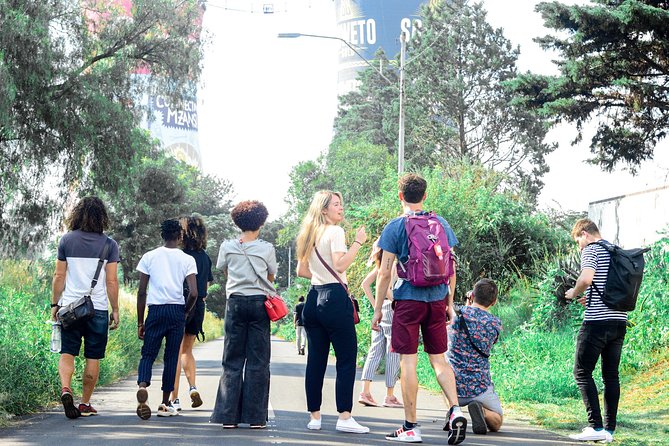
A tuk-tuk gives you a useful middle ground. You are not sealed behind the glass of a large coach, yet you do not have to walk between neighborhoods that are spread across a large township. You can watch streets and homes pass close by, stop for explanations, and cover more ground during the 150-minute outing.
I especially like the format for a first visit. Soweto is not one single type of place. Orlando West has famous political associations and a strong visitor focus, while Orlando East is linked with the first formal houses of Soweto. The route also includes an informal settlement, giving you a look at the sharp differences in housing and services that still shape the area.
The tuk-tuk itself adds some fun to the ride, but the vehicle is not the main reason to book. Its real value is practical. You spend less time transferring between sights and more time seeing how the different parts of Soweto connect.
This is a private activity, so you can focus on your own group rather than keeping pace with a large crowd. The guide serves as driver and storyteller, and Mulalo Mphuma is specifically associated with the experience. His personal stories are an important part of the tour’s appeal, since Soweto’s past is best explained through local voices rather than a list of dates.
More Soweto and Apartheid Museum visits:
- Soweto Half Day Tour
★ 5.0 · 231 reviews - Johannesburg and Soweto tour
★ 5.0 · 231 reviews - Johannesburg Full-Day Tour(Soweto/Jo-Burg & Apartheid Museum)
★ 5.0 · 110 reviews
Starting in Orlando West
The meeting point is the corner of Moema Street and Rampa Street in Orlando West, Soweto. The activity ends at the same spot. That makes the tour simple if you are already in Soweto, but it also means you need to plan your own way to the meeting point if you are staying elsewhere in Johannesburg or Pretoria.
Orlando West is a fitting place to begin. The tour uses this area to explain the township’s establishment from 1886 and to connect Soweto’s story with the wider development of Johannesburg and South Africa. You will hear about the political pressure placed on Black residents during apartheid and the ways local communities resisted that system.
The opening walk and ride are not just a warm-up. They help you place the later stops in context. A house linked to a political leader means more when you understand the streets and communities around it. In the same way, the contrast between formal housing and an informal settlement becomes clearer after you hear how Soweto developed.
Mandela House and Vilakazi Street
Mandela House is the clearest headline stop. The former home of Nelson Mandela receives a 30-minute visit, and admission is included. The short visit gives you enough time to see the house as a physical place rather than treating Mandela only as a name in a textbook.
Do not expect half a day here. The schedule allows a focused look, not a long museum session. If you want to read every display carefully or spend a great deal of time inside, this tour may feel too quick. If you want to connect the home with a wider Soweto route, 30 minutes is a useful amount of time.
The walk along Vilakazi Street adds another layer. The street is famous for being associated with two Nobel Peace Prize recipients, Nelson Mandela and Archbishop Desmond Tutu. The guide explains why this small stretch became such a powerful symbol of South Africa’s political story.
This is one of the strongest parts of the experience because it brings international history down to a normal neighborhood street. You are not only looking at a famous address. You are also hearing how political leaders lived within a community where ordinary residents faced the daily effects of apartheid.
The tour includes a stroll with the guide, so wear shoes you can walk in. No special equipment is listed, and the walking portions are part of the regular route rather than a separate long hike.
Orlando East, Orlando West, and the struggle against apartheid
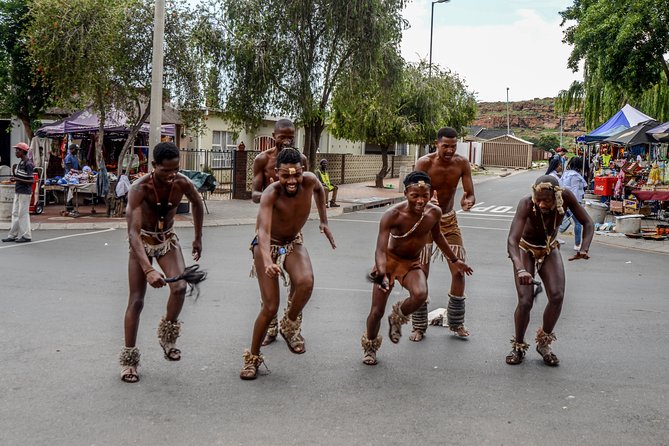
The tour visits both Orlando West and Orlando East, areas tied to political figures and the fight against apartheid. Orlando East is described as the site of Soweto’s first formal houses, which gives the neighborhood a different feel from the better-known visitor stops around Vilakazi Street.
That contrast is valuable. A quick visit limited to famous homes can make Soweto seem like an open-air memorial. Moving between neighborhoods shows you a place with ordinary residential streets, changing housing conditions, shops, restaurants, and community life.
The route also includes a former women’s hostel and the family home of Mama Lilian Ngoyi, an anti-apartheid activist. These stops widen the story beyond the best-known male leaders. They point to the role women played in organizing, resisting state policy, and sustaining families and communities during a difficult period.
You should expect the guide to explain these places as part of a wider walking and driving route. The available timing does not suggest long interior visits at every location. Their value is in the connections Mulalo makes between the streets, the people who lived there, and the political campaigns that challenged apartheid.
More tuk tuk rides in Pretoria:
- Bicycle or Tuk Tuk Soweto Guided Experience
★ 5.0 · 7 reviews - Johannesburg: Soweto Tour by Tuk Tuk
★ 4.9 · 60 reviews - Port Elizabeth tuk-tuk tour, experience the natural beauty.
★ 4.8 · 33 reviews - Downtown Johannesburg Tuk tuk Tour with a local lunch
★ 4.5 · 12 reviews
The Hector Pietersen Museum and the Soweto uprising
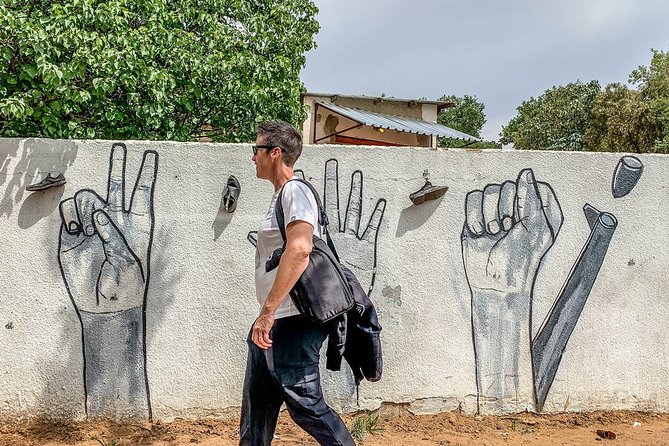
The Hector Pietersen Museum marks one of the most important moments in Soweto’s history: the 1976 uprising. The event became a turning point in the struggle against apartheid, and the museum helps place that moment within the township where it happened.
This stop carries more emotional weight than a simple sightseeing visit. You will be dealing with a painful part of South African history, so the pace and tone may feel more serious here than during the tuk-tuk ride or lunch. The guide’s explanations matter, particularly for connecting the museum to the streets and communities you have already seen.
The information supplied for the tour does not specify a separate admission inclusion for the museum. Mandela House is the site explicitly listed with admission included. I would check the current arrangements before booking if the museum interior is essential to your plan, since the route description refers to a visit but does not give a separate ticket detail.
Even with limited time, this is a worthwhile stop. It explains why Soweto is not simply a collection of famous addresses. The township played a central role in the country’s political change, and the uprising remains part of the place’s identity.
Informal housing and the less polished side of the route
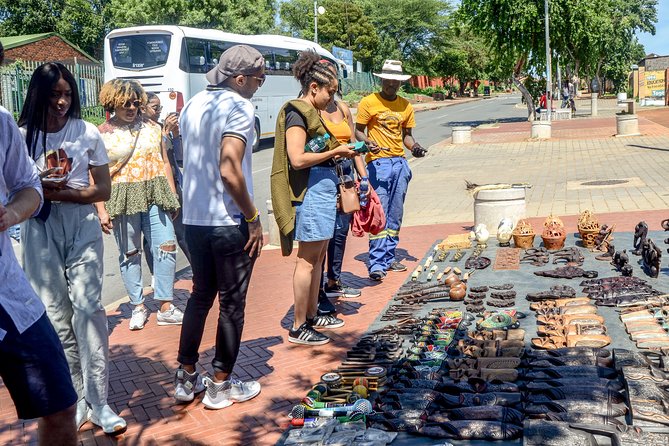
One of the tour’s more useful choices is the visit to an informal settlement. This is not a glossy version of Soweto made only for sightseeing. You are shown one of the area’s ongoing challenges and given a chance to see how different housing conditions exist side by side.
That part of the route requires care and respect. You are entering a lived-in community, not a stage set. Listen to the guide, avoid treating homes or residents as photo props, and follow any instructions about photography. The supplied details do not promise a specific interaction with residents, so you should not expect a formal community performance or organized home visit.
For me, this is where a local guide makes the biggest difference. A map can show you where neighborhoods are. It cannot explain the social and political reasons behind their different forms. Mulalo’s role is to make those differences understandable without turning them into a quick visual spectacle.
The same applies to the former women’s hostel and Mama Lilian Ngoyi’s family home. These places add substance, but they may not offer the same polished visitor setup as Mandela House. Book this tour for context and local explanation, not for a string of elaborate museum interiors.
Lunch at Chaf Pozi and the KOTA sandwich
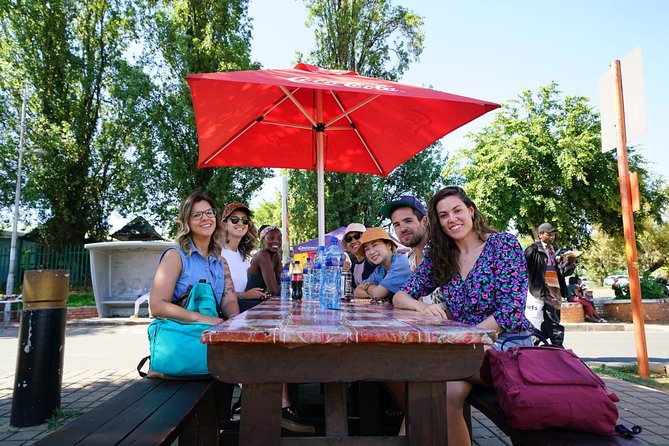
Lunch is served at Chaf Pozi, located between the famous Soweto towers. That setting gives the meal a strong sense of place. Instead of ending with a generic restaurant stop far from the route, you eat near one of Soweto’s recognizable landmarks.
A local lunch is included, along with bottled water. The tour also promises a taste of the KOTA, a well-known local sandwich. The KOTA is useful as a small food lesson: it is casual, filling township fare rather than a formal South African tasting menu.
Food can be one of the best ways to make a short cultural tour feel more grounded. You get a break from the historical material, and you can discuss what you have seen while eating something associated with everyday local life. Still, keep your expectations in the right place. This is a local lunch stop, not a food-focused tour with several courses or a detailed culinary workshop.
The timing may also be tight. Since the whole activity lasts about two and a half hours and includes many stops, lunch is likely part of a compact schedule. If you prefer long meals, slow photography, or extended museum visits, you may want a separate day for those interests.
What is included for $53.77

At $53.77 per person, the price needs to be judged against what is bundled into the outing. You receive a private tuk-tuk, a driver-guide, bottled water, a local lunch, and admission to Mandela House. You also get a route that links several parts of Soweto rather than focusing on one street.
That is a fair package for someone who wants transport and interpretation in one booking. Hiring separate transportation, arranging a local guide, paying for food, and finding Mandela House on your own could take more planning, even if a self-guided visit might cost less.
The value is strongest if you want a compact introduction. You will see a broad range of places in a short period and gain a basic framework for understanding Soweto. It is less attractive if you plan to spend most of your day at one museum, prefer independent wandering, or already know the township well.
The activity is booked, on average, 11 days ahead. That is a useful planning clue, especially if you have fixed dates. I would not leave it until the last minute if the tuk-tuk format and private guide are important to you.
Who will get the most from this tour
I would recommend it most strongly to a first-time visitor who wants a direct introduction to Soweto without arranging several separate stops. The route combines politics, local neighborhoods, food, and transport in one outing.
It also suits you if you prefer a small private experience. Your own group takes part, so the day is not built around a large coach schedule. The format may work well for families and mixed-age groups because the tuk-tuk reduces the amount of walking between neighborhoods, though you should still expect walking at Vilakazi Street and other stops.
History-minded visitors will appreciate the links between Mandela House, the Tutu connection, Mama Lilian Ngoyi, the women’s hostel, and the Hector Pietersen Museum. The tour gives you several entry points into the struggle against apartheid rather than presenting one person as the whole story.
You may want something else if you need a slow, highly detailed museum tour. The schedule covers a lot, and the 30-minute Mandela House visit shows how brisk the day can be. It is also not the right pick if you are uncomfortable seeing poorer housing conditions or prefer only polished attractions.
Practical details for a smoother visit
The tour begins and ends at Moema Street and Rampa Street in Orlando West. Since hotel pickup is not included in the supplied details, allow time to reach the meeting point yourself.
Confirmation is provided at booking, and the location is near public transportation. Most people can participate, and the activity is private. The tour includes mobile ticketing, so keep your booking details available on your phone.
Cancellation is flexible up to 24 hours before the start time for a full refund. Inside that 24-hour window, refunds and changes are not accepted. The activity also requires a minimum number of participants, so if the operator cancels for that reason, you are offered another date or experience, or a full refund.
Pack light, bring comfortable walking shoes, and keep your schedule open enough for the full 150 minutes. The supplied information does not give a detailed list of personal costs beyond the included lunch, water, transport, and Mandela House admission, so budget for any additional purchases yourself.
Should you book Soweto by Tuk-Tuk?
I would book this tour if you want a compact, locally guided introduction to Soweto with more range than a single museum or street visit. The best parts are the private tuk-tuk, Mulalo Mphuma’s personal local storytelling, the contrast between Orlando East and West, Mandela House, Vilakazi Street, the Hector Pietersen Museum, and lunch at Chaf Pozi.
I would choose a longer or more specialized tour if your main goal is detailed museum study, extended time at each landmark, or a full food experience. The 2.5-hour schedule is ambitious, so the tradeoff is breadth over depth.
For most first-time visitors who value context, local transport, and a straightforward way to see several sides of Soweto, the $53.77 price is reasonable. Just arrive at the correct Soweto meeting point, expect a brisk pace, and approach the residential areas with respect.
FAQ
Where does the Soweto by Tuk-Tuk tour begin?
It begins at Moema Street and Rampa Street in Orlando West, Soweto, South Africa.
Where does the tour end?
The activity ends back at the same meeting point in Orlando West.
How long does the tour last?
The tour lasts approximately 2 hours and 30 minutes.
How much does the tour cost?
The listed price is $53.77 per person.
Is the tour private?
Yes. Only your group takes part in this private activity.
Is lunch included?
Yes. A local lunch at Chaf Pozi is included, along with a taste of the KOTA sandwich.
Is admission to Mandela House included?
Yes. The itinerary includes a 30-minute visit to Mandela House with admission included.
Is bottled water provided?
Yes. Bottled water is included.
Can I cancel for a full refund?
Yes, if you cancel at least 24 hours before the experience starts. Cancellations made less than 24 hours before the start time are not refunded.
Is public transportation available near the meeting point?
Yes. The meeting point is near public transportation.
Just listed around Pretoria
- Kruger National Park 2 Days 1 Night Magical Safari from Johannesburg Private★ 5.0 · 5 reviews
- Pretoria Capital City Tour from Pretoria, every TUESDAY★ 4.5 · 5 reviews
- Constitutional Hill,Johannesburg City and Apartheid Museum with Soweto Day Tour★ 5.0 · 5 reviews
- Apartheid museum, Soweto and Joburg highlights tour★ 5.0 · 6 reviews
- From Pretoria: E-Bike in the wild with game near Jo’burg★ 5.0 · 6 reviews
- Pretoria: Half-Day City Tour with Hotel Pickup★ 4.2 · 6 reviews
- Traditional Tribal Village Tour★ 5.0 · 6 reviews
- Full-Day Cradle of Humankind Guided Tour from Johannesburg or Pretoria★ 4.5 · 6 reviews
Soweto & Apartheid Museum Tours, compared.


Soweto /Johannesburg and Apartheid Museum Guided Full Day Tour
Read our review →
Johannesburg Hop-On Hop-Off City Tour with Soweto Option
Read our review →


Jo’berg in 1 Day: Soweto, Apartheid Museum & City Tour
Read our review →
Full-Day Tour with Soweto and Apartheid Museum
Read our review →
Browse the lists this tour appears in