
Reviewed · SOWETO & APARTHEID MUSEUM TOURS
Bicycle or Tuk Tuk Soweto Guided Experience
Soweto becomes much more than a name on a map when you move through it at bicycle speed. This private four-hour outing links Vilakazi Street, Mandela House, and the Hector Pieterson Museum with local food, music, and a short shantytown walk.
I like the choice between a bicycle and tuk tuk, and I like that lunch is cooked over a fire with potjie stews, curry, pap, braai, and steamed bread. The main consideration is that museum and shantytown admission costs extra, and the bicycle option may be less appealing in wet weather.
Key points to know before booking
- Vilakazi Street has links to two Nobel Prize winners: Nelson Mandela and Archbishop Desmond Tutu both lived on this famous Soweto street.
- You choose your pace: Use a bicycle for a more active outing, or take a tuk tuk if rain, heat, or comfort is a concern.
- Lunch is part of the cultural experience: Expect fire-cooked stews, curry, pap, braai, salads, and traditional steamed bread.
- The 1976 uprising gets a proper stop: The Hector Pieterson Museum gives context to a key moment in the fight against apartheid.
- This is a private tour: Your group takes part on its own, with hotel pickup and return in an air-conditioned vehicle.
- Budget for a few extras: Personal purchases, soft drinks, and admission to the Hector Pieterson Museum and shantytown walk are not included.
Why this Soweto outing works
Soweto is best understood through its streets, homes, food, and people, not only through large historical displays. This tour gives you several ways to see it. You ride or roll through parts of the township, stop at places tied to South Africa’s past, meet local guides, watch traditional dancing, and eat a meal prepared in a very different setting from a standard city restaurant.
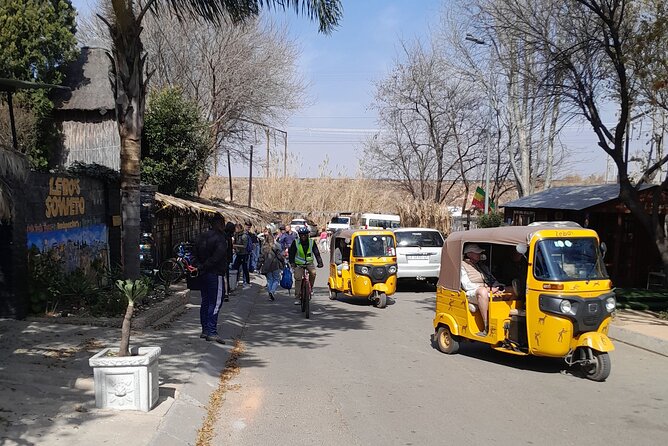
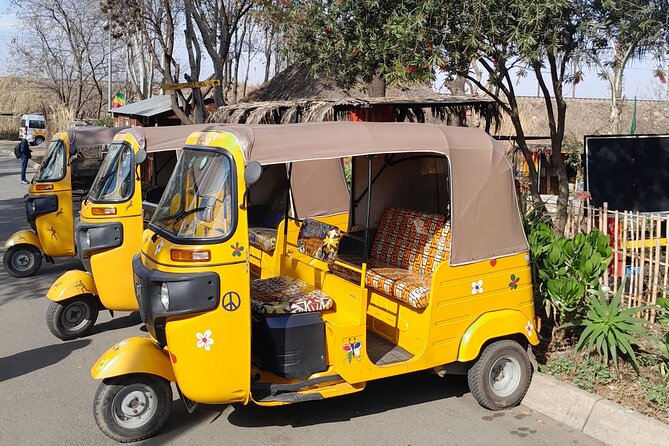
The two transport choices matter. A bicycle lets you move slowly and notice more along the way. You are close to the street, and the outing feels active without taking up a full day. The tuk tuk is the sensible fallback when rain is forecast, or when four hours of cycling sounds like more work than fun.
The experience is private, so you are not attached to a large coach group. That can make the schedule easier to manage, although the supplied timing still gives only about 20 to 30 minutes at several major stops. You will see a lot in a short time, but this is an introduction to Soweto rather than a thorough study of every site.
More Soweto and Apartheid Museum visits:
- Soweto Half Day Tour
★ 5.0 · 231 reviews - Johannesburg and Soweto tour
★ 5.0 · 231 reviews - Johannesburg Full-Day Tour(Soweto/Jo-Burg & Apartheid Museum)
★ 5.0 · 110 reviews
Pickup from Johannesburg and the ride to Soweto
The day begins with pickup from your Johannesburg hotel, followed by a general introduction and a briefing on the plan. The listed location is Pretoria, but the actual schedule describes hotel pickup and return in Johannesburg, so confirm the exact pickup point when booking if you are staying elsewhere.
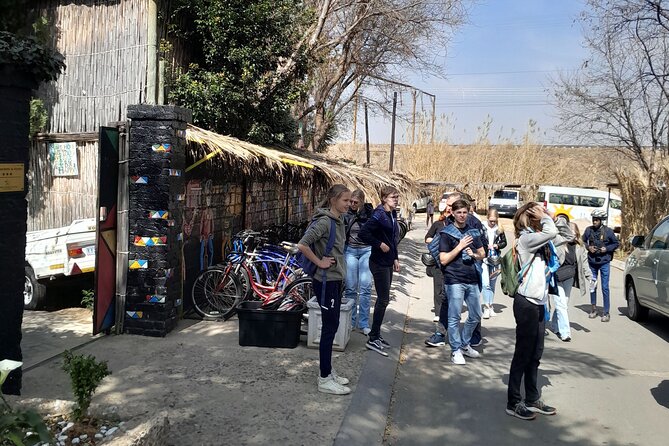
An air-conditioned vehicle takes you to Lebo’s Soweto Backpackers. This transfer is useful because you do not need to arrange separate transport into Soweto, find the starting point, or worry about returning after lunch. Bottled water is included, while soft drinks are not.
At Lebo’s, the bicycle or tuk tuk is prepared and the program guides give you a briefing. Depending on the starting time, lunch may come before or after the sightseeing. That order can change the feel of the day, but the total duration remains about four hours.
Starting at Lebo’s Soweto Backpackers
Lebo’s Soweto Backpackers is the practical base for the outing. You check in at reception, meet the local guides, and get set up for the bicycle or tuk tuk portion. The tour ends here too, before your driver takes you back to your Johannesburg hotel.
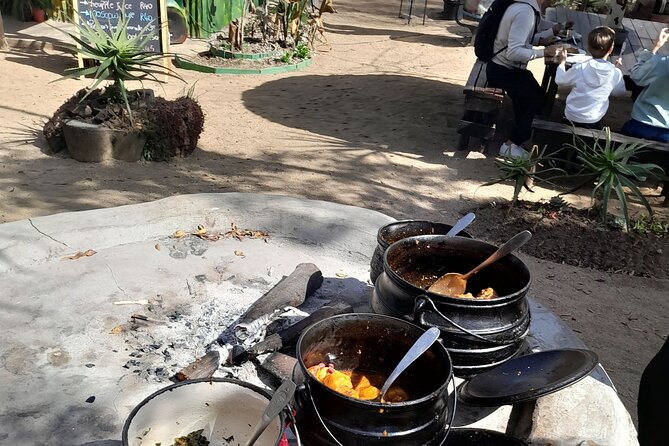
This stop is more than a transport point. It is also the place for the included lunch at the Boma and Outdoor Restaurant. Food is prepared over a fire, which gives the meal a clear local character and makes it one of the more memorable parts of the day.
You may find potjie, a slow-cooked stew prepared in a cast-iron pot, along with curries and traditional steamed bread. Pap, a maize porridge, is offered as an alternative to bread. The meal also includes a selection of stews, braai, and side salads.
Lunch is included, but soft drinks are not. The setup is informal and outdoors, so do not expect a polished hotel buffet. That is part of its appeal. You get a meal connected to local cooking traditions rather than a generic sandwich between sightseeing stops.
Hector Pieterson Museum and the 1976 uprising
The Hector Pieterson Museum is one of the most important stops. It tells the story of the 1976 Soweto student uprising and is named for Hector Pieterson, a 13-year-old boy who became one of its best-known victims.
The museum visit is self-guided, giving you room to move through the displays at your own pace. Exhibits use sound, images, and historical material to explain the student protests and the government response. You should allow yourself enough quiet time here. This is not a quick photo stop.
The visit also helps explain why Soweto is central to South Africa’s modern story. The streets you pass later are not just residential areas or sightseeing backdrops. They are tied to protest, political change, and the long fight against apartheid.
About 30 minutes is allocated here. That is enough for a focused visit, but not enough to examine every display carefully. Admission is not included, so add the museum fee to your spending plan. The exact price is not provided in the tour details.
More tuk tuk rides in Pretoria:
- Soweto by Tuk-Tuk
★ 5.0 · 13 reviews - Johannesburg: Soweto Tour by Tuk Tuk
★ 4.9 · 60 reviews - Port Elizabeth tuk-tuk tour, experience the natural beauty.
★ 4.8 · 33 reviews - Downtown Johannesburg Tuk tuk Tour with a local lunch
★ 4.5 · 12 reviews
Vilakazi Street, music, and handmade goods
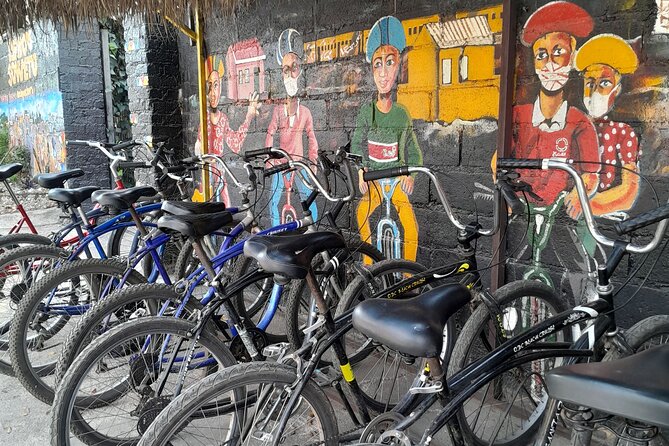
Vilakazi Street is the social and historical center of the route. It is known for having been home to both Nelson Mandela and Archbishop Desmond Tutu, two Nobel Prize winners who lived on the same street.
The street has a strong public identity, but its appeal is not limited to famous addresses. It is also a place where you can encounter local performers and small sellers. Traditional Zulu and Tswana dances are part of the scheduled visit, giving the stop some color and movement after the museum’s serious subject matter.
You will have time to browse handmade African artifacts sold along the street. This can be a good chance to buy something directly connected to the community, but purchases are personal expenses. Take a little care with your budget because the tour price does not cover souvenirs.
The stop is listed at about 20 minutes. That is fairly brief for a street with this much historical weight. You will get an introduction and a taste of the atmosphere, but you may not have time for a long browse, an extended performance, and a leisurely visit to every nearby site.
Mandela House and the former president’s home
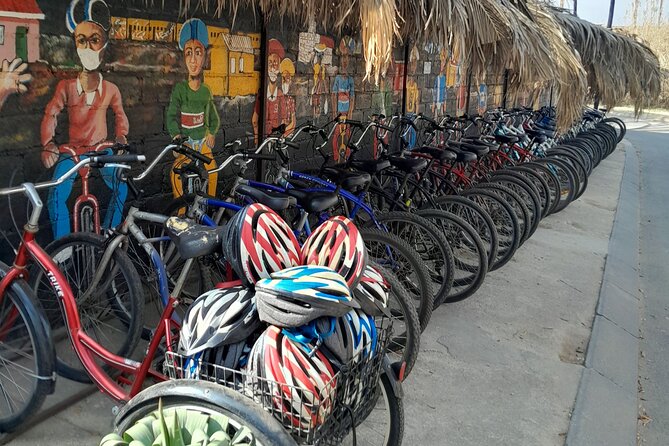
Mandela House offers a closer look at Nelson Mandela’s life through the place where he once lived. The house is now a heritage site with exhibits, artifacts, sound, film, interpretive panels, and guided explanations.
The visit is different from the Hector Pieterson Museum. There, the focus is on a major public uprising and the wider struggle against apartheid. At Mandela House, the story becomes more personal. A home, its objects, and its recorded material help you connect national events with one person’s family life and political career.
The scheduled visit lasts about 20 minutes, and admission is included. That short window means you should stay focused. If you like historic houses and want to read every panel, you may wish the schedule allowed more time. Still, the stop fits well with Vilakazi Street because you are already in the area associated with Mandela and Tutu.
Orlando Towers and a short shantytown walk

The Orlando Towers are two former cooling towers that have become one of Soweto’s most recognizable landmarks. They now house entertainment activities, including a famous bungee jump, as well as a barbecue restaurant.
The tour also includes the chance to taste Soweto Gold beer. This is a tasting opportunity rather than a full drinks package, and the tour details specify that soft drinks are not included. If you do not drink alcohol, the main value of the stop is the landmark itself and the chance to see how an industrial site has been reused for recreation.
From there, a local site guide leads a roughly 10-minute walk through a shantytown. The guide explains general daily life for people living in informal housing. This is a short introduction, not a long community project or a detailed social study.
Approach this part with respect. You are seeing real homes and real living conditions, not a theme park attraction. Listen carefully, avoid treating the area as a photo prop, and let the local guide set the tone. The admission cost is not included, so ask about that fee when you book.
The full Orlando Towers and shantytown section is listed at about 30 minutes. That makes it useful for a first look, but the time is tight. The experience gives you a snapshot of different sides of Soweto, from a converted industrial landmark to informal housing, without claiming to explain every issue facing the community.
Bicycle or tuk tuk: which should you choose?

The bicycle is the better choice if you want to be active and feel closer to the streets. Cycling can make short distances feel like part of the tour instead of dead time between attractions. It also gives you a more open view than sitting inside a vehicle.
The tuk tuk is a good choice for comfort and weather protection. One of the available tour accounts specifically chose it because rain was forecast, and that is exactly the sort of practical decision that can save the day. You still see the route, but without committing to several hours of pedaling in poor weather.
The supplied information does not give a required fitness level, route difficulty, age limits, or bicycle specifications. Most people can participate, but you should judge the bicycle option by your own comfort and stamina. If you are uncertain, ask the provider, Thiya Tours and Safaris, before the day begins.
The tour is private, which also helps here. You are not trying to keep up with a large group or wait for dozens of people to finish boarding. The guide can explain the plan for your group and help you choose the option that makes sense for the conditions.
What the price includes, and what it does not
The listed price is $95.67 per person. For roughly four hours, that is not the cheapest way to see Soweto, but the value depends on how much independent planning you would otherwise need.
The price includes private transportation, hotel pickup and return, an English-speaking guide, bottled water, lunch, and use of either a bicycle or tuk tuk. It also brings together several major Soweto stops in one outing. For a first visit, that combination can justify the cost, especially if you are staying in Johannesburg and want door-to-door transport.
You still need to budget for admission to the Hector Pieterson Museum and the shantytown visit. Personal purchases and soft drinks are also extra. Since the museum is one of the strongest historical stops, check the entrance cost before booking so there are no surprises.
The tour is commonly reserved about 45 days ahead. That suggests you should plan early if it fits a fixed Johannesburg schedule, although availability can change. Free cancellation is available if you cancel at least 24 hours before the local start time. Inside that window, the amount paid is not refunded and changes are not accepted.
Who will get the most from this experience?
I would recommend this outing to you if you want a compact introduction to Soweto with several different elements in one day. It suits people who prefer a local guide, want to avoid arranging their own transport, and like mixing history with food and light activity.
Families may appreciate the bicycle or tuk tuk choice, the short duration, traditional dancing, and the variety of stops. The tuk tuk also makes the day easier for anyone who would rather not cycle. Still, the museum and shantytown visit require attention and respect, so this is not only a playful sightseeing ride.
History-minded visitors will value the Hector Pieterson Museum and Mandela House most. Food-focused visitors will likely remember lunch at Lebo’s, especially the fire-cooked stews, pap, braai, and steamed bread. Anyone hoping for a long, detailed museum tour or extended time with local communities may find the schedule too compressed.
The tour has a five-star rating from seven published reviews, with particular praise for the guide, the local contact, the tuk tuk option, and the lunch. That is a small sample, so I would treat it as encouraging rather than conclusive. The practical strengths are clear: private transport, a choice of riding styles, and a well-packed route.
Should you book the Soweto bicycle or tuk tuk tour?
Book it if you want a well-organized first look at Soweto and value the ease of hotel pickup, private transport, and an included local meal. Choose the tuk tuk if rain is possible or cycling does not appeal. Choose the bicycle if you want the route itself to feel active and close to the street.
Before paying, confirm your pickup location, the order of lunch and sightseeing, and the extra admission costs. The listing names Pretoria as the location but gives a Johannesburg hotel pickup and return plan, so this point deserves a quick check.
I would skip it only if you want a slow, deeply detailed visit to each museum or a longer community walk. For a four-hour introduction that joins major historical sites with food, music, and local transport, it offers a useful and memorable slice of Soweto.
FAQ
Where does the tour begin?
Pickup is offered from your hotel in Johannesburg. The tour then travels to Lebo’s Soweto Backpackers, where the bicycle or tuk tuk portion begins.
How long does the experience last?
The tour lasts approximately four hours, including hotel pickup, the Soweto route, lunch, and the return transfer to your Johannesburg hotel.
Can I choose between a bicycle and a tuk tuk?
Yes. The experience provides use of a bicycle or tuk tuk. The tuk tuk may be the more comfortable choice if rain is forecast or you prefer not to cycle.
Is lunch included?
Yes. Lunch at the Boma and Outdoor Restaurant at Lebo’s Soweto Backpackers is included. Food may include potjie stews, curries, steamed bread, pap, braai, and side salads.
Are museum entrance fees included?
Mandela House admission is included. Admission to the Hector Pieterson Museum is not included.
Is the tour private?
Yes. This is a private activity, so only your group takes part.
Can I cancel for a full refund?
You can cancel for a full refund if you cancel at least 24 hours before the experience start time. Cancellations or changes made within 24 hours are not refunded or accepted.
Just listed around Pretoria
- Kruger National Park 2 Days 1 Night Magical Safari from Johannesburg Private★ 5.0 · 5 reviews
- Pretoria Capital City Tour from Pretoria, every TUESDAY★ 4.5 · 5 reviews
- Constitutional Hill,Johannesburg City and Apartheid Museum with Soweto Day Tour★ 5.0 · 5 reviews
- Apartheid museum, Soweto and Joburg highlights tour★ 5.0 · 6 reviews
- From Pretoria: E-Bike in the wild with game near Jo’burg★ 5.0 · 6 reviews
- Pretoria: Half-Day City Tour with Hotel Pickup★ 4.2 · 6 reviews
- Traditional Tribal Village Tour★ 5.0 · 6 reviews
- Full-Day Cradle of Humankind Guided Tour from Johannesburg or Pretoria★ 4.5 · 6 reviews
Soweto & Apartheid Museum Tours, compared.


Soweto /Johannesburg and Apartheid Museum Guided Full Day Tour
Read our review →
Johannesburg Hop-On Hop-Off City Tour with Soweto Option
Read our review →


Jo’berg in 1 Day: Soweto, Apartheid Museum & City Tour
Read our review →
Full-Day Tour with Soweto and Apartheid Museum
Read our review →
Browse the lists this tour appears in