
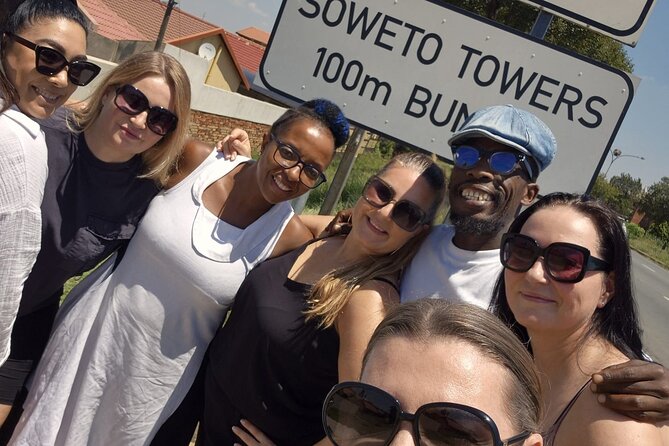
Reviewed · SOWETO & APARTHEID MUSEUM TOURS
Historical and Cultural Interactive Experience of Soweto
Soweto’s story comes alive when you move beyond museums and monuments. This private tour links the major sites with the chance to share tea in a local home, chat at a tavern, or meet children at a kindergarten. The human contact is the point, and no two outings need to follow exactly the same path.
I like the small private format, which lets your guide adjust the day to your interests. I also like the clear historical arc, from the Freedom Charter at Walter Sisulu Square to the 1976 uprising and Mandela’s home. The main consideration is that lunch costs extra, and the optional traditional healer visit requires an additional R300 in cash.
Key points to know before booking
- Mandela House puts political history in a small, personal space: See the Orlando West home where Nelson Mandela lived on and off for more than 14 years.
- Hector Pieterson Museum explains the 1976 student uprising: Allow time for serious, emotional material rather than treating this as a quick photo stop.
- Walter Sisulu Square connects Soweto to modern South Africa: The Freedom Charter was drawn up here in 1955.
- Local contact is part of the design: You might share tea, visit a home, meet children, or stop at a local tavern.
- The tour is private and flexible: Your group travels in an air-conditioned vehicle with bottled water.
- The traditional healer visit is optional: It costs R300 per person, paid directly in cash to the healer.
Why this Soweto tour feels different
Many Soweto outings focus on a short list of famous addresses. This one uses those places as a framework, then leaves room for ordinary social encounters. That matters because Soweto is not only a collection of apartheid-era landmarks. It is also a living community where people work, raise families, trade, gather, and welcome visitors.
Your guide may shape the day around what interests you most. You could spend more time on political history, ask about daily life, or follow the cultural side of the experience. Guides named in past outings include Zandile, often called Zandi, and Jazz. Zandile is described as warm, attentive, and good at explaining difficult material to teenagers as well as adults. Jazz has led longer Johannesburg and Soweto visits with an interest in both famous places and less expected stops.
That flexibility is useful, but you should not expect a rigid, clockwork sightseeing circuit. The tour lasts about four to five hours, and the listed times are best understood as a general outline. The local visit or optional healer experience can make the day feel less predictable, which is part of its appeal.
More History Tours in Johannesburg
- Soweto Township Cultural Tour incl Apartheid Museum and Nelson Mandela House
★ 5.0 · 30 reviews - Cradle of Humankind World Heritage Site
★ 5.0 · 15 reviews - Johannesburg: Soweto History Tour with Hotel Pickup
★ 4.8 · 14 reviews
Starting at FNB Stadium, Soweto’s giant calabash

Pickup is scheduled from your hotel at 10:00 a.m., with FNB Stadium usually the first stop around 10:30. The stadium received a major facelift for the 2010 FIFA World Cup and is known for its shape, modeled on a calabash, or African pot.
With 87,436 seats, it is South Africa’s largest venue. You do not pay an admission fee for this stop, and the visit is mainly about seeing the building, hearing its role in national events, and understanding why it carries such weight in the country’s public life.
The stadium is a good opening stop because it links Soweto to a more recent chapter of South African identity. The 2010 World Cup was the first held on the African continent, and the rebuilt venue became a symbol of national confidence and international attention.
Keep your expectations in check. This is not presented as a stadium tour with an inside-the-scenes visit or a sporting event. You are stopping to see the exterior and learn about its design and importance. For many people, 30 minutes is enough.
Walter Sisulu Square and the Freedom Charter
Around 11:00, the tour moves to Walter Sisulu Square in Kliptown. On June 26, 1955, the Congress of the People met here to create the Freedom Charter, a statement calling for a non-racial society, liberty, and individual rights.
The document later became a foundation of African National Congress policy and helped shape the ideas reflected in South Africa’s 1996 constitution. That makes the square more than a civic plaza. It is a place where people set out an alternative vision to apartheid rule.
The tour also draws attention to nearby Kliptown, including the lack of basic services described in the supplied information, such as limited running water and poor sanitation. This is an important part of the stop, since it shows the distance that can exist between constitutional ideals and daily life.
I would listen carefully here and ask questions. A guide can help connect the square’s political message to the present without reducing Soweto to a lesson from the past. The stop lasts about 45 minutes and has no admission charge.
The social setting may feel more immediate than a museum. You are seeing a public place tied to national policy while also looking at the realities of the surrounding community. Approach that with respect. A camera is not a substitute for attention, and this is a place where thoughtful questions are more useful than rushed sightseeing.
Hector Pieterson Museum and the events of June 16, 1976
The Hector Pieterson Museum is likely to be the most emotionally demanding part of the tour. The museum recalls the 1976 Soweto uprising, when students protested the forced use of Afrikaans as a language of instruction instead of their own languages and English.
Hector Pieterson was 12 years old when he was killed during the protest. A photograph by Sam Nzima showing Hector being carried by Mbuyisa Makhubu became an international symbol of the uprising. The image helped focus worldwide attention on apartheid and the violence used to enforce it.
Plan on about an hour here. Admission is included, so you do not need to budget a separate entrance fee. More important, give yourself mental space. The material deals with student deaths, state violence, and the painful cost of resistance. It is not a light interlude between other attractions.
This is where a good guide adds real value. Dates and names matter, but the wider explanation matters just as much. You can ask how language policy affected schoolchildren, why the protest spread, and how the uprising changed international views of South Africa.
If you are visiting with older children or teenagers, the museum can be especially useful. Zandile has been praised for explaining the country’s past in a way that helped visitors aged 16 and 19 follow the subject. Still, parents should decide how much detail their children can handle.
More Soweto and Apartheid Museum visits:
- Johannesburg: Hop-On Hop-Off Bus with Optional Soweto Tour
★ 4.6 · 985 reviews - Soweto /Johannesburg and Apartheid Museum Guided Full Day Tour
★ 5.0 · 932 reviews - Johannesburg Hop-On Hop-Off City Tour with Soweto Option
★ 4.5 · 768 reviews - Half-Day Tour of Soweto Tour
★ 4.5 · 712 reviews
Mandela House at No. 8115
The tour then continues to Mandela House in Orlando West. You receive a guided visit inside the house where Nelson Mandela lived on and off for more than 14 years.
The address is closely tied to several stages of his private life. He lived there first with Evelyn Ntoko Mase and later with Winnie Madikizela-Mandela. The house also recalls the years when Winnie raised their two daughters, Zenani and Zindzi, while Mandela was imprisoned.
That personal scale is what makes the stop worthwhile. Large political events can feel distant. A modest home, family memories, and the strain of separation bring those events closer to ordinary life.
Mandela returned to No. 8115 after his release from 27 years in prison. He described the house as the center point of his world, the place marked with an X on his mental map. You can understand why when you see the setting as part of a residential street rather than an isolated national monument.
The guided visit lasts about 45 minutes and admission is included. This is not simply a place to take a picture outside. Go inside, pay attention to the domestic details, and let the guide explain how the house fits into Mandela’s life before and after prison.
The subject is complicated, especially when it involves marriage, family separation, political struggle, and public leadership. That is a strength of the visit. It presents Mandela as a historical figure whose public work was tied to difficult personal circumstances.
Vilakazi Street, food, and everyday Soweto
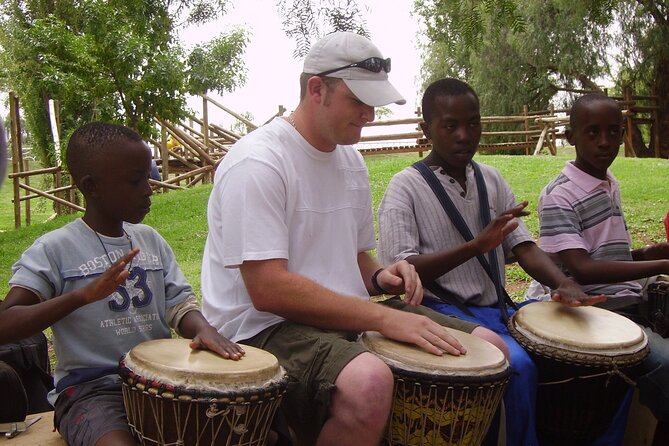
Vilakazi Street is usually the final major stop, with about an hour to explore. It is famous for being the only street in the world associated with two Nobel Laureate residents, Nelson Mandela and Archbishop Emeritus Desmond Tutu.
The street is also a useful change of pace after the museums. Here you can look at African-inspired clothing, accessories, and homeware, watch performers, and choose from local restaurants. A Soweto-style buffet may include a range of South African foods, but lunch is not included in the tour price.
Budget for that meal separately. The price of $90.81 per person covers the air-conditioned vehicle, bottled water, and all listed fees and taxes, but not food. For a private four to five hour outing, the cost is reasonable if you value a dedicated guide and door-to-door transport. It is less attractive if you want only a quick drive past the main sights or plan to visit Soweto independently.
Vilakazi Street is also one of the places where the tour’s cultural side can take shape. You might browse, eat, listen to music, or talk with your guide about how Soweto has changed. The commercial activity can feel more polished than other parts of the township, so it should not be treated as a complete picture of local life. It is one part of a much larger community.
The unscripted human encounters
The most unusual promise of this experience is the possibility of everyday contact. You might sip tea in a local home, make friends at a tavern, or share time with children at a kindergarten.
These moments are not guaranteed on a fixed schedule, and that is worth understanding before you book. They depend on the day, your interests, and what your guide can arrange appropriately. The appeal is that you may see Soweto through conversation rather than only through official sites.
The same flexibility can lead to a memorable exchange or a quieter day focused on museums. I would tell the operator what you want before pickup. If you are especially interested in food, family life, music, religion, or political history, say so early.
The language about embracing children and sharing laughter points to a warm style of hosting, but you should still follow local guidance about photographs, gifts, and personal space. The best interaction is mutual, respectful, and not staged for your camera.
Some past outings have included visitors sharing lunch with the guide, buying a Zulu outfit, and delivering gifts to people they met. Those details suggest a tour that can become personal. They also suggest that you should bring an open mind, not a checklist of encounters you expect to collect.
The optional traditional healer visit
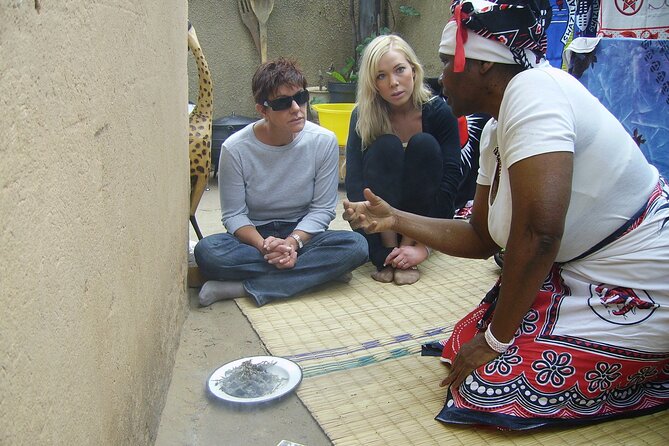
For an extra R300 per person, paid in cash to the healer, you can visit a traditional healer who works from her home. The visit may include a home visit and a consultation intended to connect you with your ancestors and messages for you.
This is a cultural option, not a standard museum stop. It will suit you if you want to learn about a traditional spiritual practice from within a domestic setting. It may not suit you if you prefer a strictly secular or academic tour.
Ask your guide what the visit will involve before agreeing to it. Since it is optional and charged separately, you can skip it without losing the main historical route. You should also carry the required cash if you decide to take part.
Timing, transport, and group size
The tour operates daily from 10:00 a.m. to 3:00 p.m., according to the provided operating dates. Pickup is offered, and the vehicle is air-conditioned. Bottled water is included, which is a small but useful comfort during a half-day drive between stops.
This is a private activity, so only your group participates. That gives you more freedom to ask questions and adjust the pace than you would have on a large coach tour. It is particularly useful for families, couples, and groups with mixed interests.
The listed itinerary includes times that overlap around Mandela House and Vilakazi Street. Treat the schedule as approximate rather than a minute-by-minute promise. The total experience is about four to five hours, and the order or length of informal encounters may shift.
Most people can participate, according to the supplied information. Confirmation is received when you book. You can cancel for a full refund up to 24 hours before the local start time. Within 24 hours, the payment is not refunded, and late changes are not accepted.
Who will get the most from this experience
I would choose this tour if you want both landmark history and contact with present-day Soweto. It suits first-time visitors who want the main sites explained in context, as well as returning visitors who prefer a more personal route.
Families with older children can benefit from the museum visits and the guide’s ability to explain apartheid-era events in plain language. Couples and small groups may appreciate the private format, especially if they want to spend more time asking questions or exploring local interests.
You should think twice if you want a tightly timed sightseeing program with no surprises. The tour’s strength is its flexibility, but that means the day can feel less uniform than a standard attraction-to-attraction excursion.
Is the $90.81 price fair?
The price makes the most sense when you count the private vehicle, pickup, guide, bottled water, and included admission at the two main museums. You also get a route that combines FNB Stadium, Walter Sisulu Square, Hector Pieterson Museum, Mandela House, and Vilakazi Street in one half-day.
It is not an all-inclusive day. Lunch is extra, and the healer visit costs R300 per person in cash. You are paying mainly for interpretation, transport, flexibility, and access to a local point of view.
For a private outing, I consider that fair value if Soweto is a major reason for your Johannesburg visit. If your only goal is to see Mandela House and take a few photographs, a shorter, cheaper option may be enough.
Should you book it?
Book this experience if you want Soweto explained by a local guide and you are open to conversations that may be as memorable as the official sights. The strongest parts are the connection between the Freedom Charter, the 1976 uprising, and Mandela’s home, plus the possibility of sharing time in a local setting.
Choose it with realistic expectations. The traditional healer visit is optional, lunch is extra, and informal encounters cannot be guaranteed. But if you give the guide room to shape the day, this can offer a more human view of Soweto than a quick circuit of monuments.
FAQ
How long does the Soweto experience last?
The experience lasts approximately four to five hours.
Is hotel pickup offered?
Yes. Pickup is offered, with the supplied schedule showing a 10:00 a.m. hotel pickup.
Is this a private tour?
Yes. Only your group participates in the activity.
Which major sites are included?
The route includes FNB Stadium, Walter Sisulu Square, Hector Pieterson Museum and Memorial, Mandela House, and Vilakazi Street.
Is admission included?
Admission is included for Hector Pieterson Museum and Mandela House. FNB Stadium, Walter Sisulu Square, and Vilakazi Street are listed as free stops.
Is lunch included?
No. Lunch is not included in the price.
How much does the traditional healer visit cost?
The visit is optional and costs R300 per person. You pay the healer in cash.
Can I cancel for a refund?
Yes. You can cancel at least 24 hours before the experience start time for a full refund. Cancellations or changes made within 24 hours are not accepted and are not refunded.
Just listed around Johannesburg
- Constitutional Hill and Soweto 5 hours tour.★ 5.0 · 5 reviews
- 5 Day Kruger Glamping Safari and Panorama Tour★ 5.0 · 5 reviews
- Cradle of Humankind and Maropeng Day Tour from Johannesburg★ 4.0 · 5 reviews
- Johannesburg: Hot Air Balloon Flight★ 5.0 · 5 reviews
- Lion park★ 4.5 · 5 reviews
- Half Day Soweto and Apartheid Museum Guided Tour★ 5.0 · 5 reviews
- 5 Day Kruger National Park and Panorama Route Safari★ 4.5 · 5 reviews
- Pretoria Historical Tour★ 4.0 · 5 reviews
Soweto & Apartheid Museum Tours, compared.


Soweto /Johannesburg and Apartheid Museum Guided Full Day Tour
Read our review →
Johannesburg Hop-On Hop-Off City Tour with Soweto Option
Read our review →


Jo’berg in 1 Day: Soweto, Apartheid Museum & City Tour
Read our review →
Full-Day Tour with Soweto and Apartheid Museum
Read our review →
Browse the lists this tour appears in