
Reviewed · SOWETO & APARTHEID MUSEUM TOURS
Soweto & Johannesburg And Apartheid Museum Private
Soweto is not simply a suburb to pass through on the way to a museum. It is where the 1976 student uprising began, where apartheid resistance took root, and where daily life still tells a fuller story than any single exhibit can. This private tour links those places with the Apartheid Museum, giving you history on the street and in the galleries.
I like the freedom of a private vehicle and the chance to adjust the schedule. I also like the broad view of Soweto, from matchbox houses and hostels to upper-class Diepkloof, rather than a polished one-note version of the township. The main consideration is pace: six to seven hours is a long, serious morning and afternoon, and lunch is not included.
Key points to know before booking

- Soweto is the heart of the day: See sites tied to the 1976 uprising, Vilakazi Street, the Hector Pieterson Memorial, and Mandela House.
- The Apartheid Museum gets two hours: This is enough time for a meaningful visit, though you may want even longer if you read every display.
- A private guide shapes the day: Joseph has guided guests on this experience, and the schedule can be adjusted to suit your interests.
- You see several sides of Soweto: The route includes shanty areas, matchbox houses, hostels, taxi culture, Baragwanath taxi rank, and Diepkloof.
- Constitution Hill adds another layer: The former prison complex connects the political story to the people who were held there, including Nelson Mandela and Mahatma Gandhi.
- The price reflects private transport: At $118.52 per person, the value improves with a small group, since the vehicle and guide are reserved for your party.
Why Soweto gives this tour its meaning
The strongest part of this experience is the way it connects political history to ordinary streets. You are not only sitting in a museum learning about apartheid as a system. You are also driving through Soweto, seeing the neighborhoods shaped by that system and the communities that resisted it.
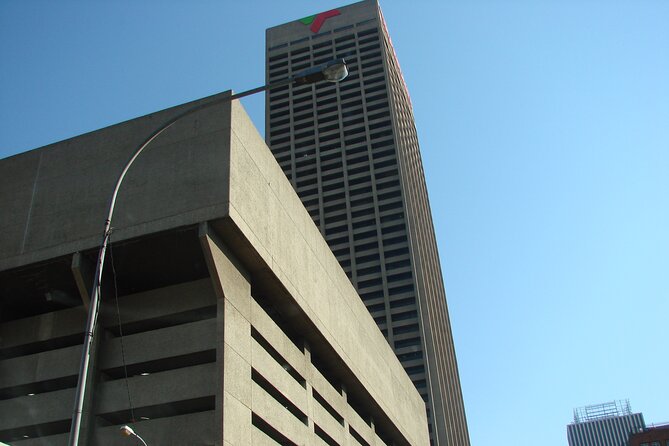
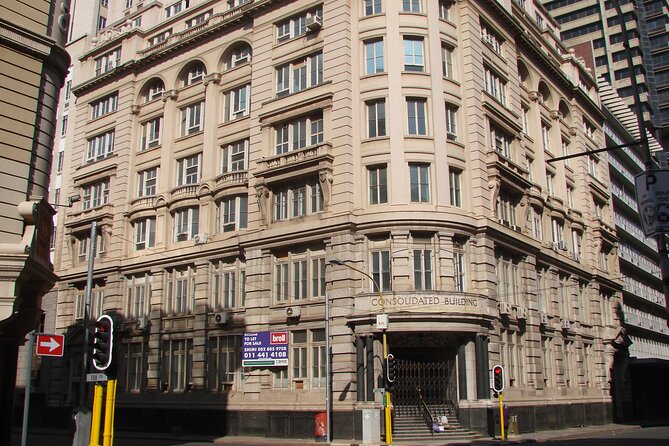
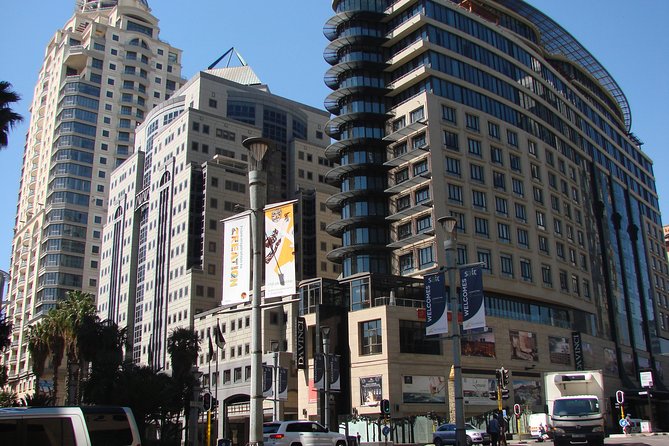
The route takes in a wide spread of Johannesburg first, including a city drive, downtown Johannesburg, Hillbrow, and a Muti shop. The day then turns toward Soweto, where the guide explains the township’s political and social importance in place.
I value that range. A short stop at one famous address can leave you with a narrow picture. Here, you get a look at different suburbs and housing types, including modest matchbox houses, hostels, shanty areas, and more affluent Diepkloof. You also see taxi culture and Baragwanath taxi rank, details that help you understand how people move and live today.
This is still a sightseeing tour, not a long walking program. Much of the experience happens from the vehicle, with stops at major sites. That works well if you want a clear overview in one day, but it means you should not expect hours spent on foot in every neighborhood.
More Museum Tours in Johannesburg
- Soweto /Johannesburg and Apartheid Museum Guided Full Day Tour
★ 5.0 · 932 reviews - Jo’berg in 1 Day: Soweto, Apartheid Museum & City Tour
★ 4.8 · 524 reviews - Johannesburg: Full-Day Tour with Soweto and Apartheid Museum
★ 4.8 · 478 reviews
From Johannesburg streets to Soweto’s neighborhoods
The city drive gives the day a useful opening. Hillbrow and downtown Johannesburg offer a different setting from the township, and the route lets you place Soweto within the larger city rather than treating it as an isolated attraction.
The Muti shop is another unusual detail. Muti refers to traditional medicine, and a stop connected with it adds a local cultural note that you will not get from a standard political-history itinerary. The available information does not specify whether you enter the shop or how long you stay, so treat it as a brief roadside point rather than a guaranteed extended visit.
In Soweto, the guide points out several kinds of housing and local life. Matchbox houses refer to the small, simple homes associated with township neighborhoods. Hostels and shanty areas show other parts of the housing story. Diepkloof provides contrast, with its upper-class side of Soweto.
That contrast matters. Soweto is not one uniform place, and a good visit should leave you with a more accurate picture than the old image of a single struggling township. Your guide can explain what you are seeing as you pass through, which is one reason the private format has real value.
Hector Pieterson Memorial and the 1976 uprising
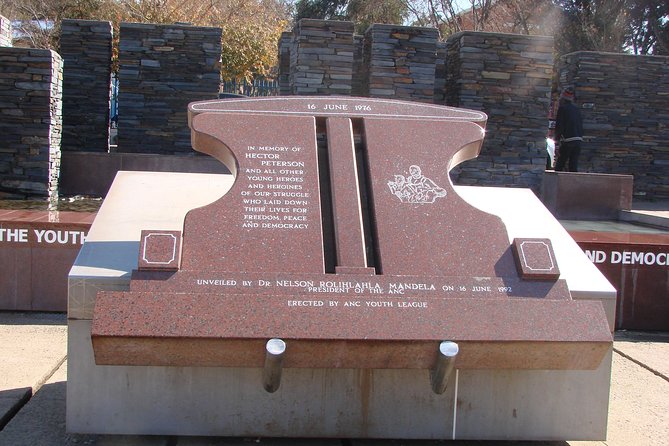
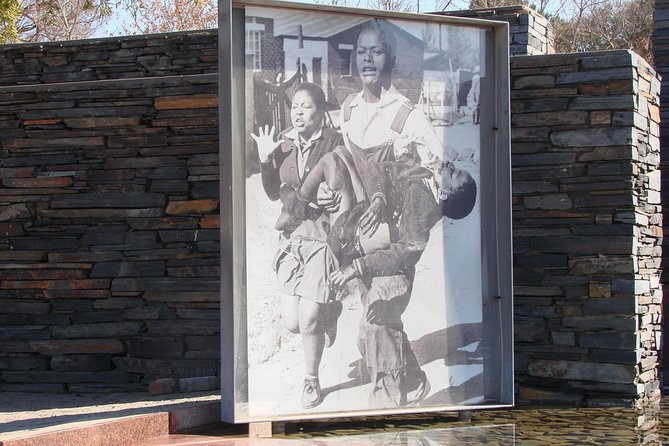
The Hector Pieterson Memorial is one of the central stops. You have about 30 minutes here, with admission included. The memorial and museum focus on the 1976 uprising, a turning point in the struggle against apartheid.
The site is named for Hector Pieterson, a schoolboy whose death became a symbol of the protests. The tour connects this place to the broader events of the uprising and to the resistance that grew from Soweto.
Thirty minutes is enough for a focused visit, especially if your guide frames the story before you enter. It is not a long museum session, so you will need to keep moving. If this subject is especially important to you, ask the guide how much time can be given to the memorial within the private schedule.
I find this stop especially valuable because it anchors a major historical event in a real location. The Apartheid Museum explains the national system. Hector Pieterson helps you understand how that system affected young people and local communities in Soweto.
Vilakazi Street and Mandela House
Vilakazi Street is included as part of the Soweto route, with a visit to the Mandela House Museum. This street is closely linked to the political story of Soweto, and the house offers a more personal view than a large national museum can provide.
The museum covers the history of the house and some of Nelson Mandela’s family history. The visit is listed at about 30 minutes, and admission is not included in the tour price. Plan for that extra ticket cost when comparing the total value of the day.
Thirty minutes gives you a compact introduction. It may suit you if you want to see the house without spending a full afternoon on one site. If you prefer to read every panel and take your time with a small museum, the private format gives you a useful question to ask before the day begins: can the schedule allow longer here?
The guide’s role is important at this stop. The museum can show you objects and rooms, but the local explanation helps connect the house to Soweto and to the political story you have already begun at Hector Pieterson.
More Soweto and Apartheid Museum visits:
- Johannesburg: Hop-On Hop-Off Bus with Optional Soweto Tour
★ 4.6 · 985 reviews - Johannesburg Hop-On Hop-Off City Tour with Soweto Option
★ 4.5 · 768 reviews - Half-Day Tour of Soweto Tour
★ 4.5 · 712 reviews - Soweto: Walking Tour with a Local Guide and Lunch
★ 4.9 · 648 reviews
The Apartheid Museum needs a full two hours

The Apartheid Museum is the longest scheduled stop, at about two hours, and admission is included. This is the tour’s main institutional museum visit. It examines apartheid, the political system that divided South Africa for more than 48 years.
Two hours gives you time to understand the broad structure and follow key sections without racing through the building. It is also a reminder that the museum is emotionally demanding. The subject is not light, and you should expect a serious visit rather than a quick collection of photo opportunities.
I like the balance between this museum and the Soweto drive. The museum gives you national context, while the township shows places connected to resistance and everyday life. Taken together, the two parts help prevent the history from becoming either too abstract or too narrowly personal.
The schedule may feel tight if you want to examine every display. You have several other stops, including Mandela House and Constitution Hill, so the day is built for a strong overview. If you already know you like to spend half a day in museums, speak with the guide about your priorities before setting out.
Constitution Hill connects prison and politics
Constitution Hill Human Rights Precinct is a short stop of about 20 minutes. It is a former prison complex where political leaders were held, including Mahatma Gandhi and Nelson Mandela. Admission is not included.
The short timing is the clear limitation here. Twenty minutes can introduce the site and explain its importance, but it is not enough for a thorough visit to a large complex. Think of this as a quick historical pause that adds another location to the day’s political story.
Still, the stop has value. The Apartheid Museum presents the system. Hector Pieterson presents the uprising. Mandela House presents family and home. Constitution Hill brings in imprisonment and political detention. Those different settings create a more rounded understanding of South Africa’s past.
If Constitution Hill is a major reason you want to book, ask in advance if the private schedule can be adjusted. The tour is designed to let you work out your own timetable, but the listed timing suggests that the standard visit is brief.
What a private format changes
This is a private activity, so only your group takes part. That is more than a comfort detail. It means you are not waiting for a large coach group to finish at each stop, and you can ask questions as the route unfolds.
The schedule can be shaped around the places you most want to see. You might give more attention to the Apartheid Museum, spend longer at Mandela House, or keep the drive moving if you prefer a broad city overview. The exact flexibility will depend on opening times and the day’s route, but the private setup gives you a better chance to set priorities.
Joseph is the guide named in the available guest feedback. A French-speaking guest also described receiving interesting explanations and a hotel pickup even though the booking had not yet appeared on the guide’s side. That points to useful flexibility, but you should still confirm your pickup details at booking and again before departure.
The private vehicle also helps with comfort during a six to seven hour day. You are moving between Johannesburg, Soweto, museums, memorials, and former political sites. Having one guide and vehicle for your group makes the transitions simpler than piecing together these stops on your own.
Is $118.52 per person good value?
At $118.52 per person, this is not the cheapest way to see Soweto. But price alone misses the main point. You are paying for a private guide, transport, parking fees, and a full day that combines a city drive, Soweto neighborhoods, three major historical sites, and several shorter stops.
The value improves if two or more people share the booking. A solo visitor pays the full per-person rate for a private arrangement, while a small group gets more use from the reserved vehicle and guide. Group discounts are available, though the exact amount is not specified.
Admission is included at the Hector Pieterson Memorial and Apartheid Museum. Mandela House and Constitution Hill charge separately, and lunch is not included. I would budget for food and the two listed entrance fees rather than treating the headline price as the complete cost.
For a first visit to Johannesburg, the price can make sense because the day covers a lot of ground and needs local context. If you only want a quick Soweto drive or a single museum, you may find a shorter activity better suited to your budget.
Timing, pickup, and practical planning
The start time is 9:00 a.m., and the full experience takes about six to seven hours. Pickup is offered, which is helpful for a day that begins in Johannesburg and moves through several areas. The tour is also near public transportation, though the private pickup remains the simpler choice if it is available at your location.
Confirmation is received at booking, and a mobile ticket is offered. Free cancellation is available if you cancel at least 24 hours before the local start time. Inside that 24-hour window, the payment is not refunded and changes are not accepted.
Most people can participate. The supplied details do not give a full accessibility breakdown, so ask the provider directly if you need specific information about vehicle access, walking distances, or museum facilities.
Bring water, keep your phone charged, and leave room for a meal during the day. Lunch is not supplied, and the schedule includes several serious sites, so simple planning will make the long outing easier.
Who will get the most from this tour?
I would choose this tour if you want history tied to real places and prefer asking questions as you go. It suits first-time visitors who want Johannesburg, Soweto, and the Apartheid Museum handled in one organized day.
It is also a good match for families or small groups with different interests. One person can focus on Mandela and the political story, while another can ask about housing, taxi culture, local neighborhoods, or traditional medicine. A private guide can adjust the emphasis better than a fixed large-group route.
You should think twice if you want a slow, museum-heavy day. The itinerary covers a lot, and some stops are short. Constitution Hill receives only about 20 minutes, while Mandela House and Hector Pieterson are each scheduled for around 30 minutes.
The tone is serious, too. This is not a light city tour with a few historical facts added on. You will be dealing with segregation, imprisonment, protest, violence, and the long effects of apartheid. That is precisely its value, but it is worth knowing before you book.
Should you book it?
Book this private tour if you want a clear, personal introduction to Johannesburg’s apartheid history without giving up the chance to see ordinary Soweto neighborhoods. The strongest combination is the Apartheid Museum’s national context, Hector Pieterson’s connection to the 1976 uprising, Mandela House’s family setting, and the guide’s explanation between stops.
The main tradeoff is pace. You cover a great deal in six to seven hours, but some visits are short and two admission fees are extra. For a small group that values flexibility, local explanation, and private transport, $118.52 per person is a reasonable package. For a museum specialist or a visitor wanting long, unhurried visits, ask Joseph or the provider to confirm how much the timetable can change before you commit.
FAQ
What is the start time?
The tour starts at 9:00 a.m.
How long does the tour last?
The experience lasts approximately six to seven hours.
Is hotel pickup available?
Pickup is offered. A guest also described being collected from a hotel, though you should confirm your own pickup details when booking.
Is this a private tour?
Yes. Only your group takes part in the activity.
Are entrance tickets included?
Admission is included for the Hector Pieterson Memorial and the Apartheid Museum. Admission to Mandela House and Constitution Hill is not included.
Can I cancel for a full refund?
Yes, if you cancel at least 24 hours before the experience start time. Cancellations or changes made within 24 hours are not refunded or accepted.
Just listed around Johannesburg
- Constitutional Hill and Soweto 5 hours tour.★ 5.0 · 5 reviews
- 5 Day Kruger Glamping Safari and Panorama Tour★ 5.0 · 5 reviews
- Cradle of Humankind and Maropeng Day Tour from Johannesburg★ 4.0 · 5 reviews
- Johannesburg: Hot Air Balloon Flight★ 5.0 · 5 reviews
- Lion park★ 4.5 · 5 reviews
- Half Day Soweto and Apartheid Museum Guided Tour★ 5.0 · 5 reviews
- 5 Day Kruger National Park and Panorama Route Safari★ 4.5 · 5 reviews
- Pretoria Historical Tour★ 4.0 · 5 reviews
Soweto & Apartheid Museum Tours, compared.


Soweto /Johannesburg and Apartheid Museum Guided Full Day Tour
Read our review →
Johannesburg Hop-On Hop-Off City Tour with Soweto Option
Read our review →


Jo’berg in 1 Day: Soweto, Apartheid Museum & City Tour
Read our review →
Full-Day Tour with Soweto and Apartheid Museum
Read our review →
Browse the lists this tour appears in