
Reviewed · SOWETO & APARTHEID MUSEUM TOURS
Apartheid Museum Tour from Johannesburg
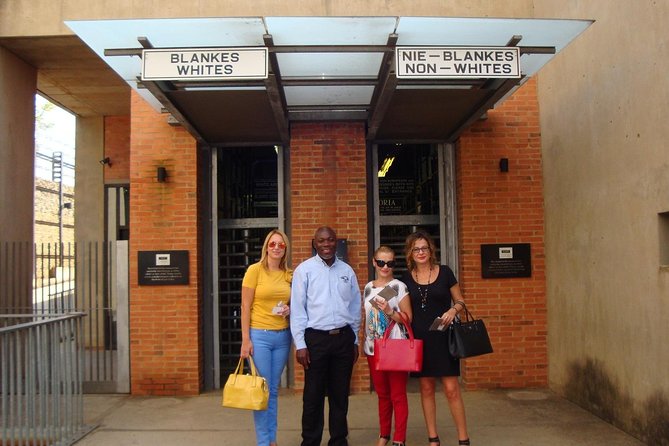
The most striking part of this Johannesburg outing happens before you even reach the first exhibit. At the entrance, you are randomly assigned a racial category and sent through a turnstile marked for whites or non-whites. That simple act gives the apartheid system a physical shape, before the museum explains its laws and politics.
I like two things here: the museum uses film, photographs, signs, and other media to make the subject clear, and the small group size, capped at seven, keeps the ride more personal than a big coach trip. The self-guided format also lets you set your own pace.
The main drawback is that this is transport to a museum, not a guided tour inside it. You may receive a multilingual driver or guide, but the museum visit itself is self-guided, and pickup is available only from selected hotels.
Key points to know before booking
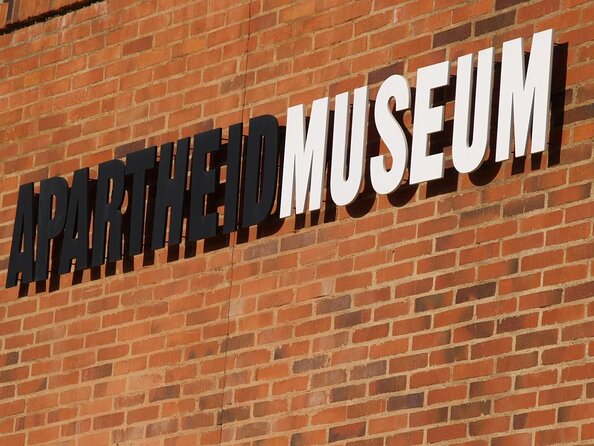
- The entrance sets the tone: You are randomly assigned a racial category and directed through a matching turnstile.
- The museum visit lasts about three hours: Plan on a serious, emotionally demanding visit rather than a quick photo stop.
- Your transport is included: Pickup and drop-off are offered from select hotels in an air-conditioned minivan.
- The group is small: No more than seven people are scheduled for the activity.
- The museum visit is self-guided: You control the pace, but you should not expect a full guided lecture inside.
- The price covers the essentials: At about $91.92 per person, admission and transport are included, while food, drinks, tips, and souvenir photos cost extra.
Why the Apartheid Museum is the right first stop
Johannesburg can be hard to understand from a car window. The Apartheid Museum gives you a firm starting point for South Africa’s 20th-century story, tracing how racial separation became law, how it shaped ordinary life, and how the country moved toward democracy.
The museum opened in 2001 and was designed specifically to tell the story of apartheid. Its building is part of the visit, not just a box for displays. The architecture and entry process work together, placing you in an uncomfortable frame of mind before you begin reading panels or watching footage.
I value that direct approach. Apartheid can sound like a distant political term when it is reduced to dates and speeches. Here, the museum asks you to respond to the system in a small but physical way. You must choose the entrance you have been assigned, even though the assignment is random and temporary.
That does not recreate the full reality of apartheid, of course. No museum exercise can do that. But it gives you a useful sense of how official categories were made visible and how quickly a government can turn labels into rules about movement, access, and belonging.
More Museum Tours in Johannesburg
- Soweto /Johannesburg and Apartheid Museum Guided Full Day Tour
★ 5.0 · 932 reviews - Jo’berg in 1 Day: Soweto, Apartheid Museum & City Tour
★ 4.8 · 524 reviews - Johannesburg: Full-Day Tour with Soweto and Apartheid Museum
★ 4.8 · 478 reviews
The entrance assignment is more than a museum trick
At the ticket window, you receive a random racial assignment. You are then told to enter through one of two separate turnstiles, one marked for whites and one for non-whites.
This is likely to be the moment you remember most clearly after the visit. It is quick, simple, and unsettling. You may enter alongside companions but be sent through a different gate, depending on the category printed on your ticket.
The process matters because apartheid was not only a collection of laws discussed in parliament. It affected where people could live, work, study, travel, and gather. The split entrance gives you an immediate reminder that racial classification was built into routine public life.
You should also keep some perspective. The exercise lasts only a short time, and you can leave the museum afterward. People who endured apartheid had no such choice. The purpose is not to suggest that a few minutes at a turnstile equals lived oppression. Its value is as an opening question: what happens when a government treats a category as more important than the person?
If you are visiting with children or teenagers, prepare them in advance. The assignment is easy to understand, but the museum’s subject is difficult. A little context can help younger visitors understand why the entrance matters instead of treating it as a game.
Three hours inside a difficult story
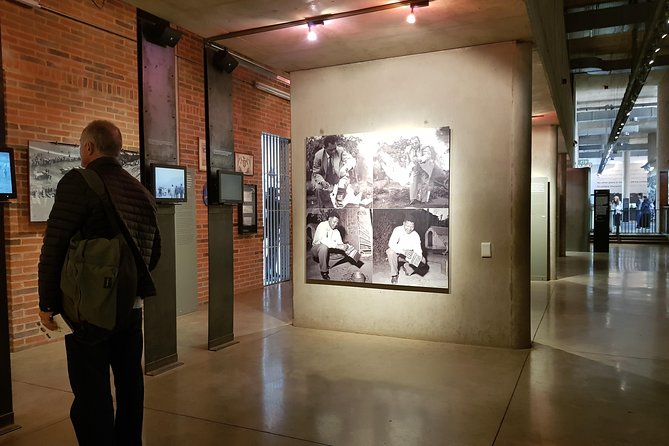
The museum visit takes about three hours, which is a reasonable amount of time for the material. You will move through multimedia displays that examine the political and social forces behind apartheid, the main features of the system, resistance to it, and the eventual achievement of democracy.
The word multimedia matters here. The displays are not limited to long blocks of text. Film, photographs, signs, and other visual material give the story different entry points. If you learn best through images and recorded material, you may find the museum easier to follow than a conventional history gallery.
You should still expect to read. This is not a light attraction that you can skim in half an hour. The subject requires attention, and the museum asks you to connect political decisions with their effect on daily life.
The early sections explain how apartheid rose and how racial rules were organized. Later sections show the costs of those policies and the pressure that built against them. The final part deals with the hard-won move toward democracy, giving the visit a sense of direction without pretending that the past can be neatly resolved.
I like this broad structure because it prevents the museum from presenting apartheid as a single bad decision made at one moment. You see a process: ideas become policy, policy becomes routine, and routine shapes millions of lives. You also see that change required sustained resistance and political courage.
The material can be shocking. Give yourself time to pause. Since the visit is self-guided, you are not tied to a guide’s schedule or a group moving from room to room. That freedom is useful here. Some sections will demand more attention than others, and you can decide where to linger.
A self-guided visit suits some people better than others
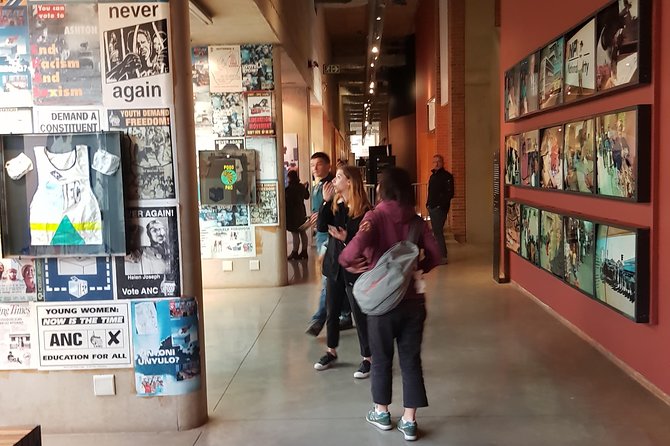
A self-guided museum visit has a clear advantage: you control the pace. You can spend longer with an exhibit that catches your attention, move faster through familiar material, or pause when the subject becomes heavy.
It also means you are responsible for making sense of the visit. The driver or guide who brings you may be multilingual, but the museum portion is not presented as a personal guided talk. If you want a detailed conversation throughout the exhibits, this may feel limited.
For me, the self-guided format works well for a museum with serious material. A guide can add context, but a constant commentary can also leave little space to think. Here, you can read, watch, reflect, and continue when you are ready.
The tradeoff is that you should not book this expecting a sightseeing host who explains every display. The main value is access, transport, and time inside the museum. Your own attention does much of the work.
More Soweto and Apartheid Museum visits:
- Johannesburg: Hop-On Hop-Off Bus with Optional Soweto Tour
★ 4.6 · 985 reviews - Johannesburg Hop-On Hop-Off City Tour with Soweto Option
★ 4.5 · 768 reviews - Half-Day Tour of Soweto Tour
★ 4.5 · 712 reviews - Soweto: Walking Tour with a Local Guide and Lunch
★ 4.9 · 648 reviews
What the four-hour schedule really includes
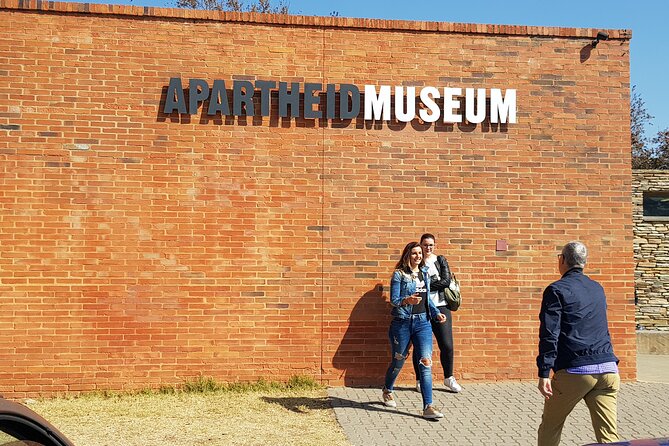
The full activity takes about four hours, with roughly three hours allocated to the museum. The remaining time covers transport between your pickup point and the complex.
That makes this a practical half-day plan from Johannesburg. You can devote a morning or afternoon to the museum without building an entire day around it. The schedule also gives you enough time for the visit to have weight, rather than rushing through the exhibits before a vehicle departs.
Exact road time will depend on where you are collected. Pickup is offered from select hotels, while the stated meeting point is Johannesburg International Airport. Check your confirmation closely so you know where the vehicle will meet you.
The return is to the meeting point, and hotel drop-off is included where the pickup service applies. This is useful if you do not want to arrange a separate taxi or work out public transport after an emotionally demanding museum visit.
The transport is by air-conditioned minivan. With a maximum of seven people, you are getting a small vehicle rather than a large tour bus. That can make departure and return simpler, though the quality of the vehicle and driving matters. One recorded booking problem involved a personal car with a smashed windscreen after a stone struck it while the driver was following a large truck. The operator apologized and explained the incident, but it is a reminder to check the vehicle before setting off and to speak up if you feel unsafe.
That was an unusual service problem, not a reason to dismiss the museum. Still, professional transport is part of what you are paying for, and it should meet a basic safety standard.
Is $91.92 a fair price?
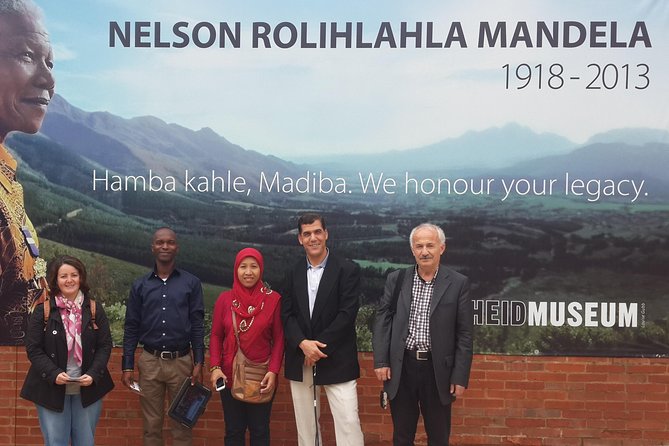
At about $91.92 per person, this is not the cheapest way to reach the Apartheid Museum. The price makes more sense if you value door-to-door transport, admission, and a small group.
Your ticket includes the museum entry, an air-conditioned minivan, and pickup and drop-off from select hotels. You are also buying convenience. You do not need to arrange a separate ride, find the museum on your own, or worry about returning after the visit.
If you already have dependable transport in Johannesburg, you may find better value by visiting independently. The museum portion is self-guided, so the tour does not add a long specialist talk inside the galleries.
For a first visit to Johannesburg, though, the package can be sensible. You pay more than the admission alone, but you save planning time and gain a straightforward half-day arrangement. A small group is another point in its favor. The maximum of seven is more manageable than a full coach, especially when the subject calls for quiet attention.
Food and drinks are not included, and neither is lunch. Souvenir photos can be purchased separately, and driver or guide tips are extra. Bring your own water and plan your meal around the four-hour schedule.
Who will get the most from this tour?
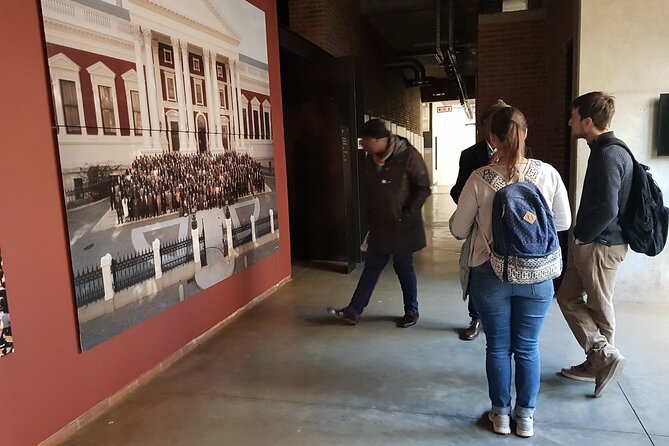
This outing suits you if you want a serious cultural visit rather than a fast list of Johannesburg sights. It is especially useful for first-time visitors who need a clear introduction to the country’s political past.
It also works well for:
- People who prefer to read and watch exhibits at their own speed
- Couples or families who want a structured half-day plan
- Visitors without a car or local transport arrangements
- Anyone interested in how political systems affect ordinary routines
- People who prefer small groups to large buses
You should think twice if you want a highly personal guide inside the museum. You may also find the subject too heavy if you are looking for a relaxed outing. The museum deals with state-enforced racial separation, resistance, suffering, and the difficult road to democracy. That seriousness is the point, but it is not for every mood or every afternoon.
The smart-casual dress code is easy to meet. Most people can participate, and the site is near public transportation, though the package is designed around the included minivan service.
How to prepare for a meaningful visit
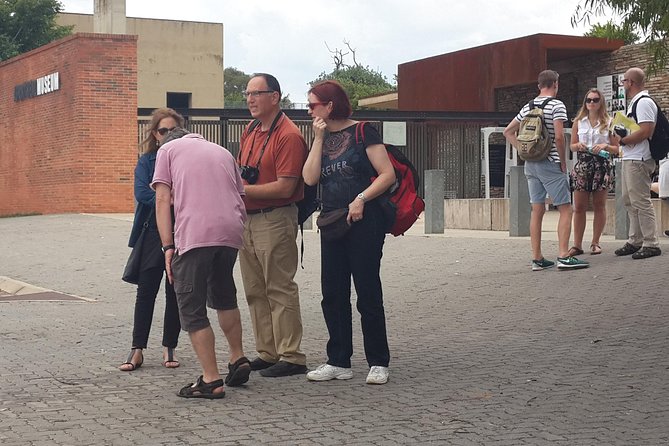
Read the pickup instructions carefully. Hotel pickup is not universal, and the stated starting point is Johannesburg International Airport. Confirm the exact meeting details at booking so you do not begin the day with a scramble.
Wear comfortable smart-casual clothing. Three hours inside a museum is a long visit, especially when the material is demanding. Comfortable shoes and a light layer for the air-conditioned vehicle are sensible choices.
Do not plan a tight appointment immediately afterward. The tour is scheduled for about four hours, but road conditions and pickup timing can affect the day. Leave room to think about what you have seen instead of racing to the next stop.
You can cancel for a full refund if you do so at least 24 hours before the start time. Changes made inside that window are not accepted, and the activity requires a minimum number of participants. If the operator cancels because that minimum is not met, you are offered another date or experience, or a full refund.
My recommendation: book it for the museum, not the guiding
I would book this tour if you want a simple way to reach one of Johannesburg’s most important museums and you value included transport. The museum itself is the reason to go. Its entrance assignment, multimedia material, and clear movement from apartheid’s rise to democracy make the visit difficult but worthwhile.
I would not book it solely for a guided tour. The museum visit is self-guided, and the quality of the transport can matter as much as the commentary. If you have your own reliable ride and feel comfortable arranging admission, an independent visit may offer better value.
For many first-time visitors, the $91.92 price is reasonable when convenience counts. Just confirm the pickup location, allow the full four hours, bring your own food or plan lunch afterward, and approach the museum with the attention its subject deserves.
FAQ
How long does the Apartheid Museum tour take?
The activity lasts approximately four hours, including transportation. About three hours are allocated to the Apartheid Museum itself.
Is museum admission included?
Yes. The admission ticket to the Apartheid Museum is included in the tour price.
Is the museum visit guided?
The museum visit is self-guided. A multilingual guide may operate the transport, but the information provided does not promise a guided presentation inside the museum.
What happens at the museum entrance?
You are randomly assigned a racial category at the ticket window and directed through one of two separate turnstiles, one for whites and one for non-whites.
Is hotel pickup available?
Hotel pickup and drop-off are available from select hotels only. The stated meeting point is Johannesburg International Airport, so you should confirm your exact pickup details after booking.
What type of transport is provided?
Transport is provided in an air-conditioned minivan.
How many people can join the tour?
The activity has a maximum of seven participants.
Are food and drinks included?
No. Food, drinks, and lunch are not included unless specifically stated. Souvenir photos are also available to buy separately.
Can I cancel for a refund?
Yes. You can cancel at least 24 hours before the experience start time for a full refund. Cancellations or changes made less than 24 hours before the start time are not refunded or accepted.
Just listed around Johannesburg
- Constitutional Hill and Soweto 5 hours tour.★ 5.0 · 5 reviews
- 5 Day Kruger Glamping Safari and Panorama Tour★ 5.0 · 5 reviews
- Cradle of Humankind and Maropeng Day Tour from Johannesburg★ 4.0 · 5 reviews
- Johannesburg: Hot Air Balloon Flight★ 5.0 · 5 reviews
- Half Day Soweto and Apartheid Museum Guided Tour★ 5.0 · 5 reviews
- Lion park★ 4.5 · 5 reviews
- 5 Day Kruger National Park and Panorama Route Safari★ 4.5 · 5 reviews
- Pretoria Historical Tour★ 4.0 · 5 reviews
Soweto & Apartheid Museum Tours, compared.


Soweto /Johannesburg and Apartheid Museum Guided Full Day Tour
Read our review →
Johannesburg Hop-On Hop-Off City Tour with Soweto Option
Read our review →


Jo’berg in 1 Day: Soweto, Apartheid Museum & City Tour
Read our review →
Full-Day Tour with Soweto and Apartheid Museum
Read our review →
Browse the lists this tour appears in