
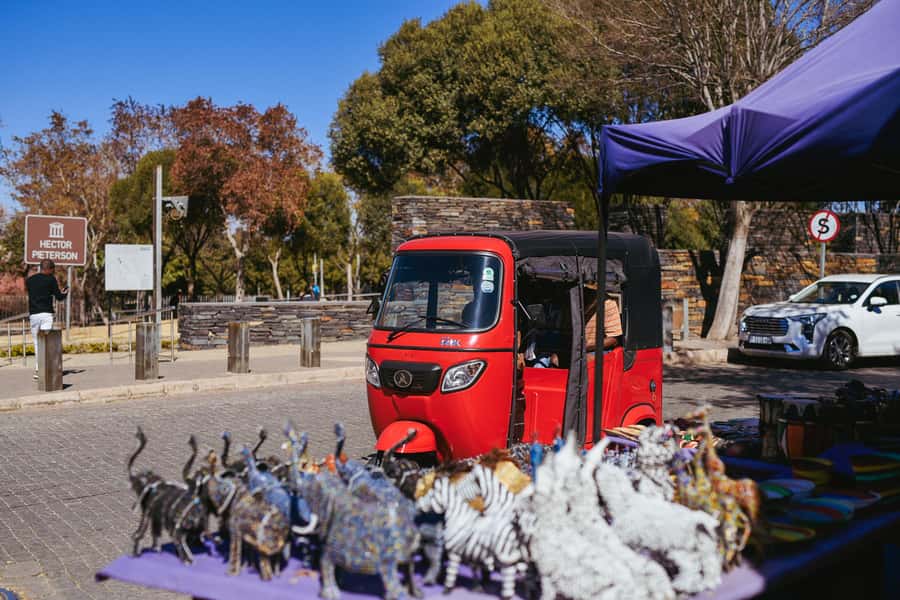
Reviewed · SOWETO & APARTHEID MUSEUM TOURS
Johannesburg: Soweto Tour by Tuk Tuk
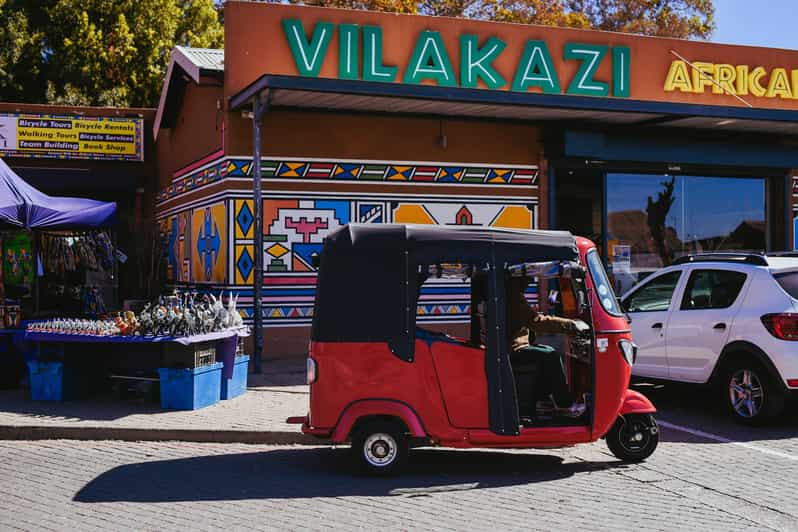
Soweto is too large to understand from a single street, and this small-group tuk-tuk tour gives you a practical way to cover its major landmarks and less-visited neighborhoods in 150 minutes. You move beyond Vilakazi Street to Orlando East, an informal settlement, a former women’s hostel area, and other places tied to South Africa’s struggle against apartheid.
I like the tuk-tuk for two reasons: it covers far more ground than a walking tour, and its open sides keep you close to daily life as you move through the township. I also like the local perspective offered by guides such as Mulalo and Thabo, who explain the history while answering questions about the neighborhoods they know personally.
The main consideration is pace. You will see a lot in two and a half hours, but stops are fairly brief, and some visits may feel more like guided introductions than full museum explorations. The informal settlement visit also calls for respect, attention to privacy, and a discretionary gratuity of R20 to R50 or more.
Key points at a glance
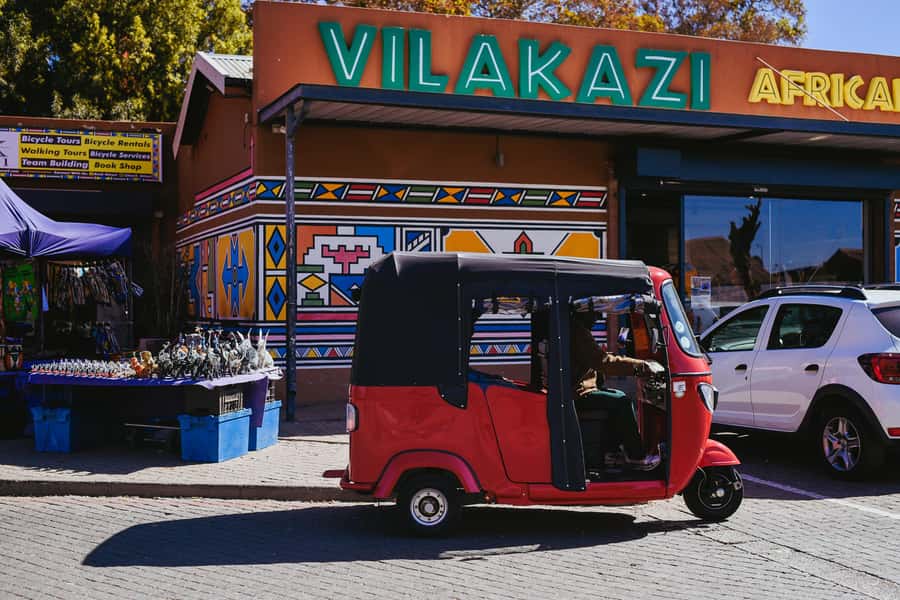
- A tuk-tuk reaches more of Soweto: You go beyond the familiar tourist core and cover Orlando West, Orlando East, and other residential areas.
- Local guides shape the experience: Mulalo, Thabo, and other guides explain Soweto through both public history and local knowledge.
- Major apartheid-era sites fit into one outing: Hector Pieterson Museum, Mandela House, Regina Mundi Catholic Church, and Vilakazi Street all appear on the route.
- The tour includes a Kota sandwich: This famous local meal gives the outing a simple, tasty finish.
- Only five people join the group: The small size makes questions and route adjustments easier.
- Expect a quick but full schedule: The tour lasts 150 minutes, with several stops lasting between 10 and 30 minutes.
Why a tuk-tuk makes sense in Soweto

Soweto is not one compact attraction. It is a large township made up of different neighborhoods, housing types, landmarks, and community spaces. If you walk, you will see only a small slice. A bicycle can cover more ground, but the tuk-tuk offers a less demanding option, especially in hot weather or for families whose children may tire after several hours on foot.
The open vehicle also gives you a better view than a closed car. You can look out at streets, homes, shops, public buildings, and passing life without feeling sealed off from the area around you. At the same time, you have a driver and guide with you, which gives the tour structure and helps you understand what you are seeing.
The group is limited to five participants. That matters here because Soweto raises plenty of questions. You can ask about a building, a protest, a neighborhood, or the changes taking place around you without waiting behind a large group.
The route starts at One Day Africa, on the corner of Rampa and Moema Street in Orlando West. Check the exact starting time when you book, since the 150-minute duration is fixed but departure times vary by availability.
More Soweto and Apartheid Museum visits:
- Johannesburg: Hop-On Hop-Off Bus with Optional Soweto Tour
★ 4.6 · 985 reviews - Soweto /Johannesburg and Apartheid Museum Guided Full Day Tour
★ 5.0 · 932 reviews - Johannesburg Hop-On Hop-Off City Tour with Soweto Option
★ 4.5 · 768 reviews
Orlando West sets the scene
The tour begins in Orlando West, a central part of Soweto and an important starting point for understanding the township. Your guide introduces the establishment of Soweto from 1886 and places its development within the larger story of Johannesburg and South Africa.
This opening matters because Soweto is often reduced to a few famous names. The first explanation helps connect those names to housing, migration, segregation, political organization, and the growth of a community over time. You are not simply being driven from one photo stop to another.
A local guide can also explain the difference between seeing Soweto as an outsider and understanding how residents describe their own neighborhood. Mulalo is frequently praised for explaining both the historical events and the area where he grew up. Thabo is also noted for a clear, personal approach and for taking time to answer questions.
Hector Pieterson Museum and the 1976 uprising
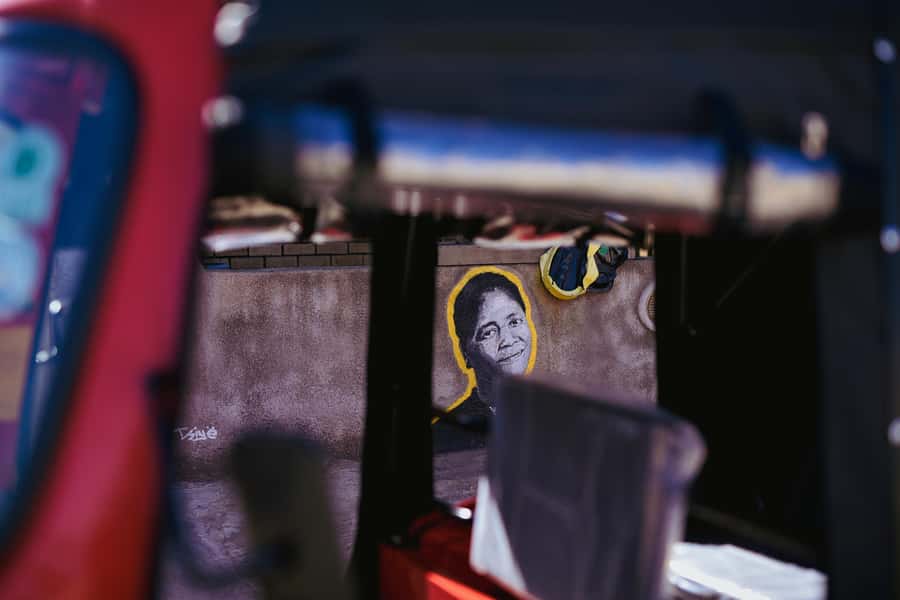
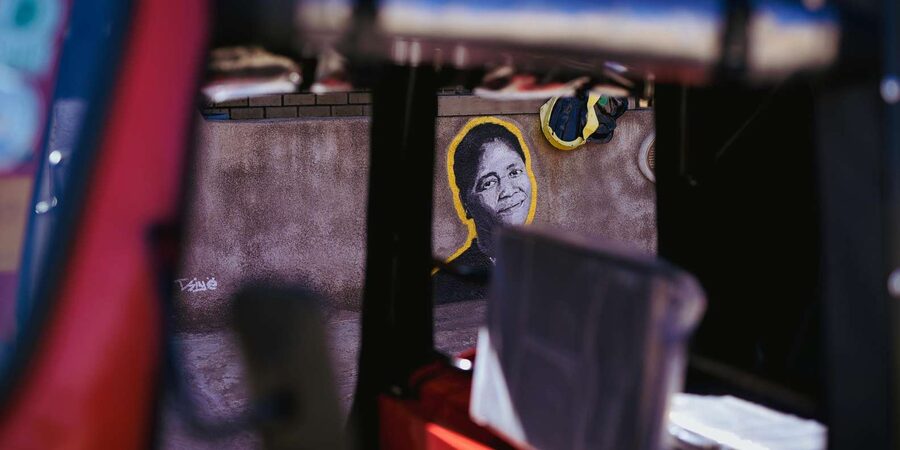
The first scheduled visit is Hector Pieterson Museum, with about 30 minutes for a guided visit. The museum is linked to the Soweto uprising, one of the key turning points in the fight against apartheid.
You should expect this to be one of the most serious parts of the tour. The subject is painful, and the museum gives the later stops more meaning. The visit helps you understand why Soweto became such a powerful symbol in South African history, rather than treating the township as a collection of famous addresses.
Thirty minutes is enough for an introduction, but not for a slow museum visit. If you prefer to read every display in detail, you may want to return independently with more time. On this tour, the value is the guide’s explanation and the way the museum fits into the wider route.
Bring your attention here. The stop is not just a quick picture opportunity, and it is best approached with quiet respect.
Vilakazi Street, Mandela House, and Tutu’s home
Vilakazi Street is one of Soweto’s best-known addresses. It is associated with both Nelson Mandela and Archbishop Desmond Tutu, giving it an unusual place in South African public life.
The tour allows roughly 30 minutes on Vilakazi Street, followed by a visit and guided presentation at Mandela’s House. The schedule describes Mandela House as a photo stop, visit, and guided tour, so you should confirm on the day how much time is available inside and how the stop is being handled.
The house offers a direct link to Mandela’s early public life and to the political story that shaped modern South Africa. Your guide also discusses the contribution of Mandela and Tutu to the struggle against apartheid and its eventual collapse.
Vilakazi Street is more developed for tourism than some of the other parts of the route. That makes it easy to visit, but it can also feel less like a regular residential street. The advantage of this tour is that you do not stop there and call it Soweto. You use it as one chapter before continuing to areas with a different feel.
If shopping interests you, the compact format may allow a little time around the street, though the main focus remains the guided route. Do not count on a long browsing session, since several other stops follow.
More tuk tuk rides in Johannesburg:
- Downtown Johannesburg Tuk tuk Tour with a local lunch
★ 4.5 · 12 reviews - Soweto Tuk-Tuk Food & Beer Tour
★ 5.0 · 9 reviews - Port Elizabeth tuk-tuk tour, experience the natural beauty.
★ 4.8 · 33 reviews - Soweto by Tuk-Tuk
★ 5.0 · 13 reviews
Orlando East and Soweto’s early formal housing
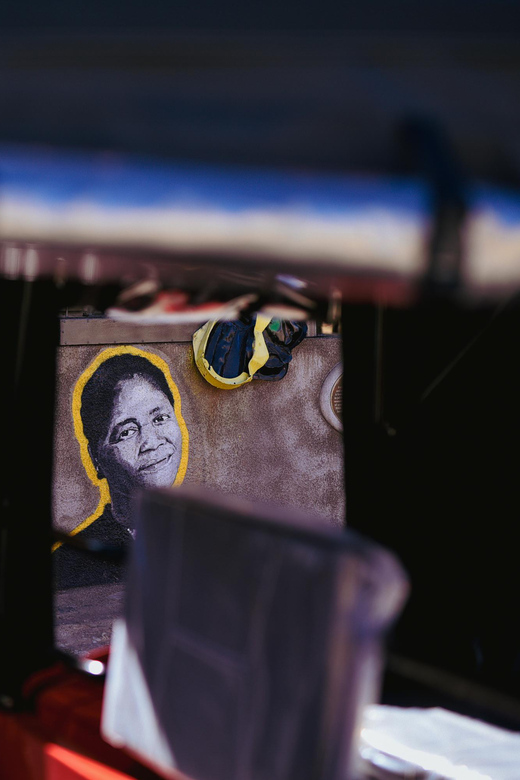
The tuk-tuk then heads toward Orlando East, described as the location of Soweto’s first formal houses. This is a useful contrast with the landmark-heavy Vilakazi Street.
Here, your guide can explain how different parts of Soweto developed and how housing conditions shaped the community. The stop is listed at about 10 minutes, so expect a short orientation and photo opportunity rather than an extended visit.
That brief timing is one of the tour’s trade-offs. You gain access to a wide section of the township, but you will not have long at every location. The benefit is variety. In a single outing, you see a major museum, famous homes, formal residential areas, an informal settlement, a church, and the Soweto Towers.
The informal settlement visit
A typical version of the experience includes a visit to an informal settlement with a local guide. This can be one of the most revealing parts of the route, since it shows a side of Soweto that is not represented by memorials and historic homes.
It is also the part that requires the most care from you. Do not treat the area as a backdrop for photographs. Listen to the local guide, follow instructions, ask before taking pictures of people, and remember that you are entering someone’s community rather than an open-air exhibit.
You are welcome to offer a gratuity of R20 to R50, or more, during or at the end of the visit. This is discretionary, but carrying some South African rand is sensible if you want to contribute.
The tour presents this stop as part of Soweto’s challenges and present-day life. That gives you a fuller view than a route limited to political landmarks, while still requiring a respectful attitude and an understanding that a short visit cannot explain every issue facing the community.
Soweto Towers and the changing skyline

The Soweto Towers are one of the route’s most recognizable visual stops. The former power station structures have become an icon of the area, and the bright towers make an easy landmark for photographs.
The scheduled visit lasts about 20 minutes. Your guide gives context, points out the towers, and allows time for pictures. This is a lighter stop after the museum and politically serious sites, and it adds a different angle to the tour.
The towers also show how older industrial structures can take on new public meaning. You do not need a long visit to appreciate them, but you will want your camera ready. Since the tuk-tuk can move between sites without the effort of a long walk, the route fits this stop into the larger story without losing too much time.
Regina Mundi and the role of churches
Regina Mundi Catholic Church receives around 30 minutes, including a guided visit and sightseeing. The church is tied to Soweto’s political and social history, and it helps show how religious spaces could become important places during the apartheid era.
Your guide can connect the church to the wider struggle and explain why it matters beyond its religious role. This stop also balances the outdoor sightseeing with a quieter interior visit.
As with the museum and Mandela House, the exact depth of the visit depends on timing and what is open. The tour gives you an informed introduction, but it is not designed as a specialist architectural or religious tour. If you want a longer look at any one site, you may need a separate visit.
The Kota sandwich is part of the experience
Food is included, and the tour ends with a taste of a Kota, a popular local sandwich. The Kota is often associated with a large, filling combination of bread and savory ingredients, though the exact preparation can vary.
This is more than a convenient snack at the end. After moving through historic sites and residential areas, eating something local gives the tour a simple connection to everyday Soweto. It also means you do not have to arrange a meal immediately after the outing.
Do not expect a formal restaurant meal or a long dining stop. Think of it as a local food taste included in the route. Several people specifically praise the sandwich, and it is a welcome finish after a busy schedule.
What the $59 price gets you
At $59 per person, the tour is not the cheapest way to see one Soweto landmark. It becomes better value when you consider what is bundled together: 150 minutes of transport, a local English-speaking guide and driver, several guided stops, the small group size, and food and drinks.
The main saving is time. You do not need to arrange separate transport between Hector Pieterson Museum, Vilakazi Street, Orlando East, the towers, and Regina Mundi. You also gain access to areas that would be difficult to reach on foot during a short visit.
The small group helps justify the price. With no more than five participants, the guide can answer questions and sometimes adjust the pace or focus. Mulalo has customized routes for guests with time limits, and other guides have allowed time for pictures or a little shopping when possible. Do not assume every request can be accommodated, but the format is more flexible than a large coach tour.
For a first visit to Johannesburg, I see this as a strong value if you want an overview rather than an all-day museum program. If you plan to spend several days in Soweto and visit each site at length, booking individual attractions may suit you better.
Safety, comfort, and practical expectations
The tour provides a guide and driver throughout, and the tuk-tuk keeps the group together as you move through different neighborhoods. The small size also makes it easier to stay in contact with the guide.
You should still use ordinary city awareness. Keep your valuables secure, listen to local advice, and ask before photographing people or homes. The experience is designed to show daily life, not to turn private life into a spectacle.
The tuk-tuk is practical in warm weather because you get airflow, and it avoids the fatigue of walking long distances. It is not a luxury vehicle, so expect an open-air ride and some exposure to sun, dust, and traffic. Wear comfortable clothes, protect yourself from the sun, and keep your phone or camera secure while taking pictures.
The pace suits people who want many impressions in a short time. It is less suited to someone who dislikes moving frequently or needs long, unhurried visits at museums and historic houses.
Who will get the most from this tour
I would choose this for a first-time Johannesburg visit, especially if you want a clear introduction to Soweto without spending a full day there. It also works well for families, since the tuk-tuk reduces walking and lets you see a wide area in two to three hours.
It is a good fit for visitors who want local explanation rather than a simple drive past landmarks. The guides are praised for being friendly, professional, and willing to answer questions. Mulalo is especially noted for his personal connection to the area, while Thabo is valued for his clear historical explanations and courteous manner.
The tour also suits you if you want to see beyond Vilakazi Street. You will still visit the famous addresses, but the route includes Orlando East, an informal settlement, residential areas, and sites tied to the wider community.
I would hesitate if your main goal is a slow, detailed museum visit. The tour has many stops, and 150 minutes goes quickly. You should also think carefully about the informal settlement visit and join only if you are prepared to behave respectfully.
Booking details worth knowing
The activity is conducted in English. It begins and ends at One Day Africa, located at the corner of Rampa and Moema Street in Orlando West, Soweto.
You can reserve now and pay later, which helps if your Johannesburg schedule is still changing. Cancellation is free up to 24 hours before the start time for a full refund. Check availability for the exact departure time.
Food and drinks are included, as are the guide and driver. The informal settlement gratuity is not presented as a required fee, but you may want R20 to R50 or more in cash if you choose to thank the local guide there.
Should you book the Soweto tuk-tuk tour?
Book it if you want to cover a lot of Soweto in a short time and care about the stories behind the landmarks. The combination of local guides, a five-person group, an open tuk-tuk, major historic sites, residential neighborhoods, and a Kota sandwich gives you much more than a quick photo drive.
I especially recommend it for first-time visitors, families, and anyone who finds long walking tours tiring. Choose another format if you want hours inside museums or a slow, single-neighborhood visit.
For most people, the best reason to book is simple: you see the famous Soweto, then keep going. That wider route gives the tour its value and helps you understand the township as a living community, not just a list of historic names.
FAQ
Where does the Soweto tuk-tuk tour start?
The tour starts at One Day Africa on the corner of Rampa and Moema Street in Orlando West, Soweto.
How long does the tour last?
The tour lasts 150 minutes, or two and a half hours.
What language is the tour conducted in?
The live tour guide speaks English.
How many people can join the tour?
The group is limited to five participants.
Which major sights are included?
The route includes Hector Pieterson Museum, Vilakazi Street, Mandela House, Orlando East, Soweto Towers, and Regina Mundi Catholic Church.
Is food included?
Yes. Food and drinks are included, with a Kota sandwich served as part of the experience.
Does the tour visit an informal settlement?
Typically, yes. The visit is conducted with a local guide, and you may offer a discretionary gratuity of R20 to R50 or more.
Can I cancel the booking?
Yes. You can cancel up to 24 hours in advance for a full refund, and you can reserve now while paying later.
Just listed around Johannesburg
- Constitutional Hill and Soweto 5 hours tour.★ 5.0 · 5 reviews
- 5 Day Kruger Glamping Safari and Panorama Tour★ 5.0 · 5 reviews
- Cradle of Humankind and Maropeng Day Tour from Johannesburg★ 4.0 · 5 reviews
- Johannesburg: Hot Air Balloon Flight★ 5.0 · 5 reviews
- Half Day Soweto and Apartheid Museum Guided Tour★ 5.0 · 5 reviews
- Lion park★ 4.5 · 5 reviews
- 5 Day Kruger National Park and Panorama Route Safari★ 4.5 · 5 reviews
- Pretoria Historical Tour★ 4.0 · 5 reviews
Soweto & Apartheid Museum Tours, compared.

Soweto /Johannesburg and Apartheid Museum Guided Full Day Tour
Read our review →
Johannesburg Hop-On Hop-Off City Tour with Soweto Option
Read our review →

Jo’berg in 1 Day: Soweto, Apartheid Museum & City Tour
Read our review →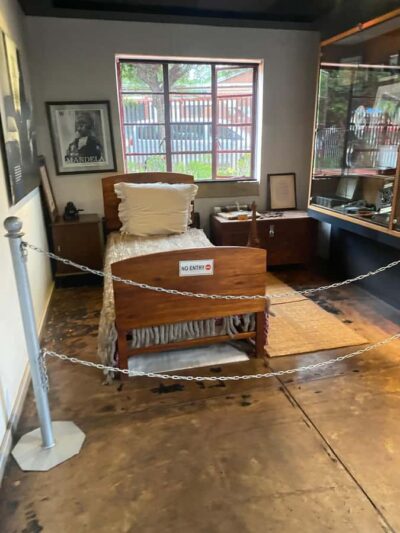
Full-Day Tour with Soweto and Apartheid Museum
Read our review →
Browse the lists this tour appears in