
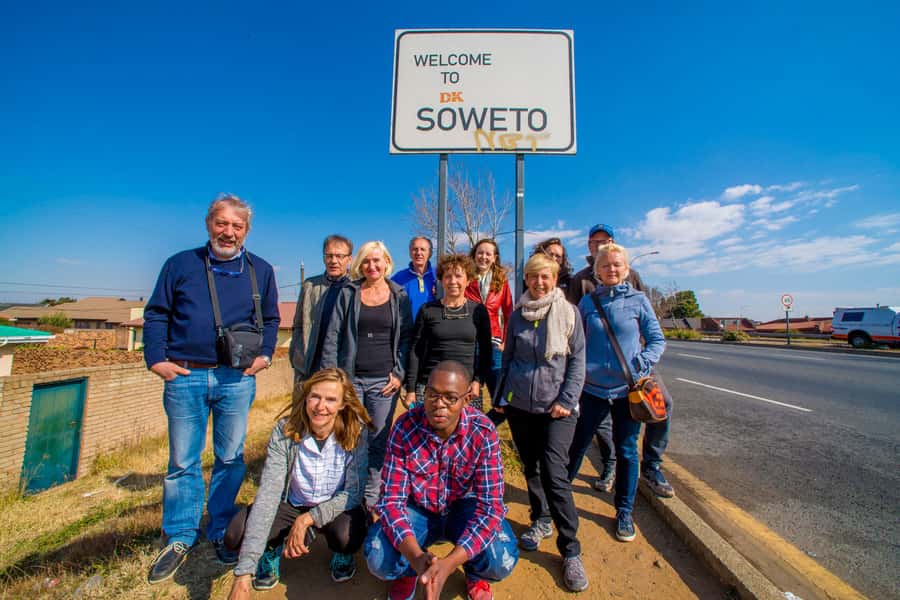
Reviewed · SOWETO & APARTHEID MUSEUM TOURS
Johannesburg: Soweto Half-Day Tour
Soweto is not a single attraction. It is a huge township shaped by apartheid, protest, music, politics, family life, and daily work. This five-hour outing gives you that wider picture, from vendors in Diepkloof to the memorial sites of Orlando West and the difficult realities of an informal settlement.
I like the mix of history and present-day life, especially the included visit to the Hector Pieterson Museum and the walk along Vilakazi Street. I also like having a local guide such as Mark, Lebo, Thapelo, or Sello to explain what you are seeing rather than simply pointing from a bus window.
The main drawback is time. Five hours covers a lot, but the schedule can feel brisk, and the informal-settlement visit may feel uncomfortable if you are not prepared for the ethics of looking at poverty as part of a tour.
Key points to know before you book

- Vilakazi Street brings major South African history into one short walk: You see the former Mandela home, Desmond Tutu’s home, and Winnie Madikizela-Mandela’s home in the same Orlando West area.
- The Hector Pieterson Museum is the emotional center: Its account of the June 16, 1976 Soweto uprising gives the tour its clearest historical focus.
- You see Soweto as a lived-in community: Markets, vendors, university buildings, cooling towers, transport points, and residential areas all form part of the route.
- The informal-settlement stop requires sensitivity: You may interact with local people, but you should treat homes, families, and photographs with respect.
- The guide can make or break the day: Past guides named Mark, Lebo, Thapelo, Sello, Carson, Patience, and William were praised for clear explanations, patience, humor, and local insight.
- The $74 price is reasonable for a five-hour introduction: Transport, Johannesburg pickup, two included heritage visits, WiFi, and a live English-speaking guide are covered, but Mandela House entry and food cost extra.
Why Soweto needs more than a quick photo stop
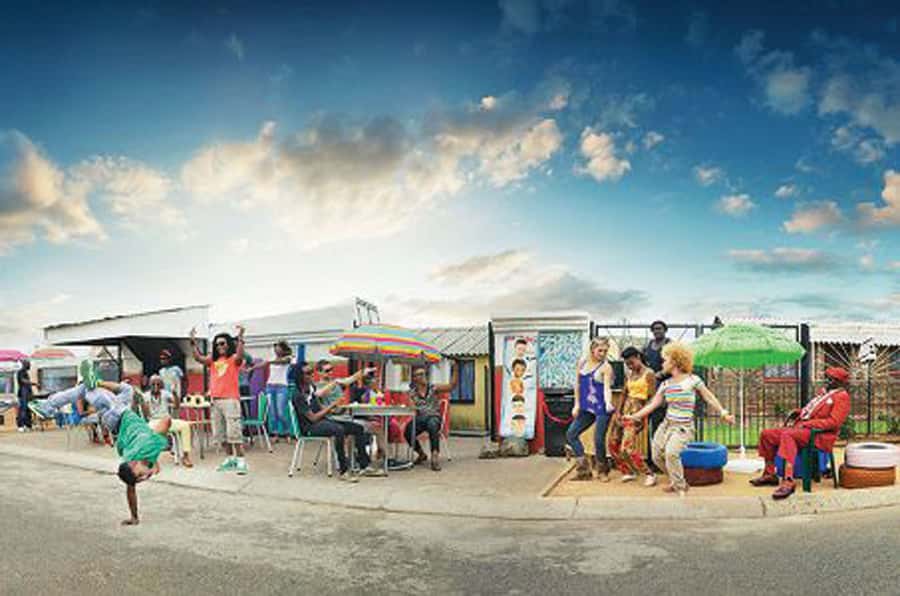
Soweto means South Western Townships, and the name describes its location rather than the full character of the place. It is a city within Johannesburg, with distinct neighborhoods and a population whose story cannot be reduced to apartheid museums or famous political names.
That is why I think this tour works best as an introduction. You move between landmarks and ordinary streets, seeing both the public story of Soweto and the present-day community. The route includes famous addresses, a market area, a museum, a church, an informal settlement, a university campus, and one of the area’s major hospitals.
The tour starts with pickup from your Johannesburg hotel or residence. After a short briefing, you travel toward Soweto in a comfortable vehicle. The trip includes about 45 minutes of driving at the start and another 45 minutes returning to Johannesburg, so the road time is useful rather than wasted. Guides often explain the next stop while you are on the move, which helps the sights make sense when you arrive.
You also get free uncapped onboard WiFi. That is a practical bonus if you need to check messages, share a few photos, or plan the rest of your Johannesburg day.
More Soweto and Apartheid Museum visits:
- Johannesburg: Hop-On Hop-Off Bus with Optional Soweto Tour
★ 4.6 · 985 reviews - Soweto /Johannesburg and Apartheid Museum Guided Full Day Tour
★ 5.0 · 932 reviews - Johannesburg Hop-On Hop-Off City Tour with Soweto Option
★ 4.5 · 768 reviews
From the National Football Stadium to Diepkloof vendors
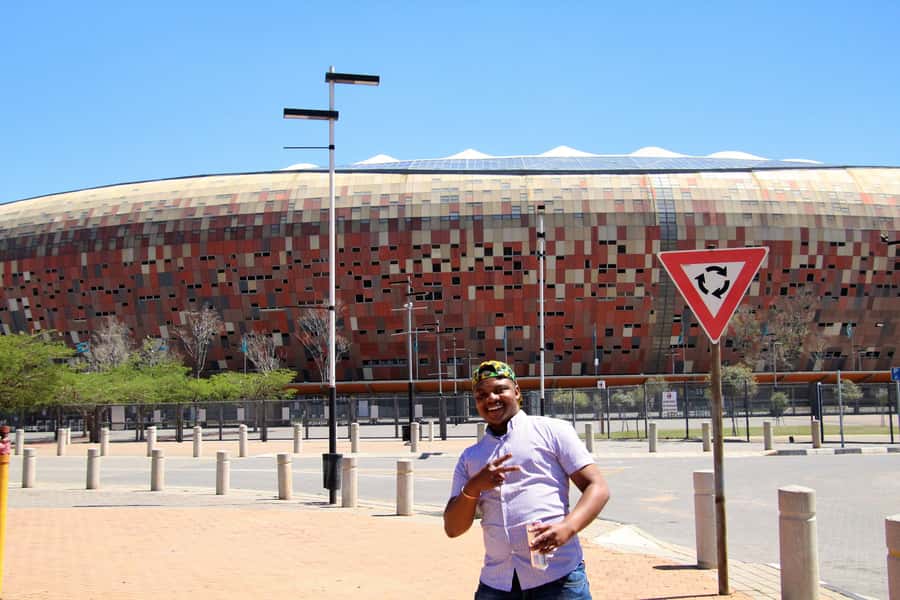
On the way into Soweto, the vehicle passes the National Football Stadium, used for the opening and closing ceremonies of the 2010 World Cup. That sight gives you a quick reminder of modern South Africa and its place on the world stage.
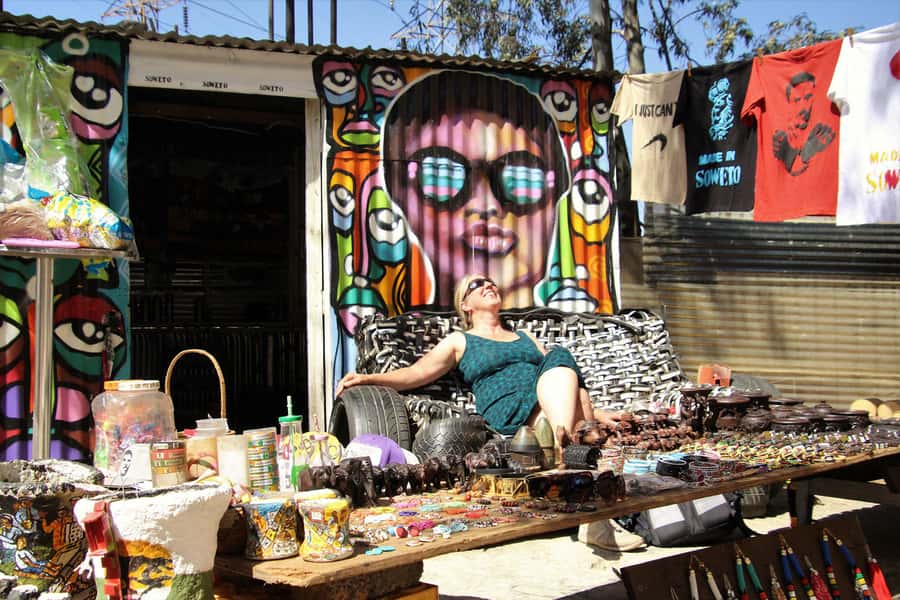
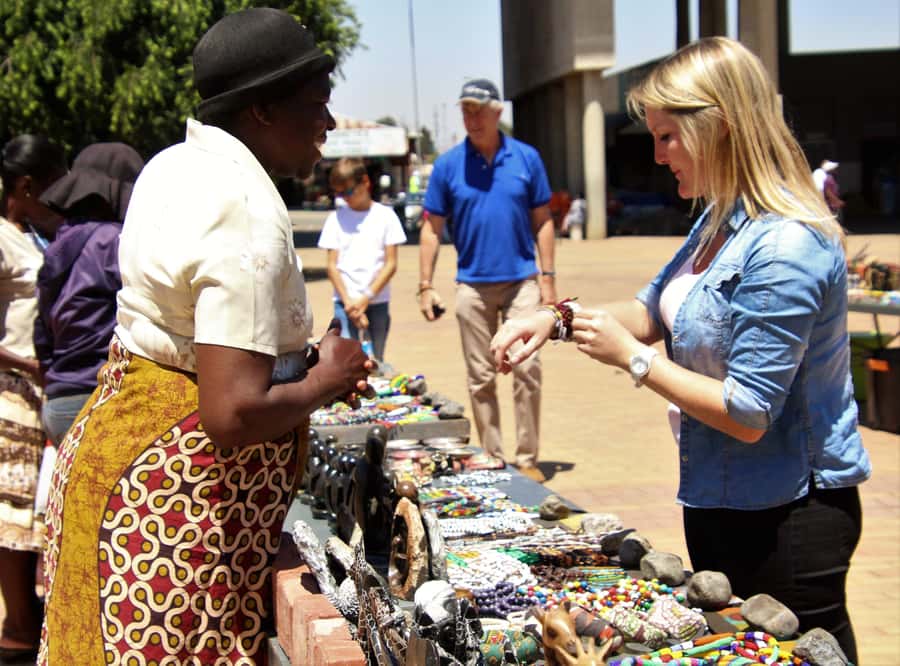
The contrast becomes sharper once you reach Diepkloof. Here, you take a walk of roughly 30 minutes past vendors selling a wide range of goods. This is not a polished market designed for sightseeing. It is a working commercial area, and that makes it useful for understanding how people shop, sell, and move through the neighborhood.
Your guide is especially important here. A good one will point out what is local and ordinary instead of turning every stall into a photo prop. The walk is short, so wear comfortable shoes and keep your belongings secure in the usual sensible way for a busy urban area.
This part also helps correct a common misunderstanding. Soweto is not only a place of memorials and political tourism. It is a large residential area where people run errands, earn money, commute, and carry on with daily life.
Vilakazi Street and the addresses that changed South Africa
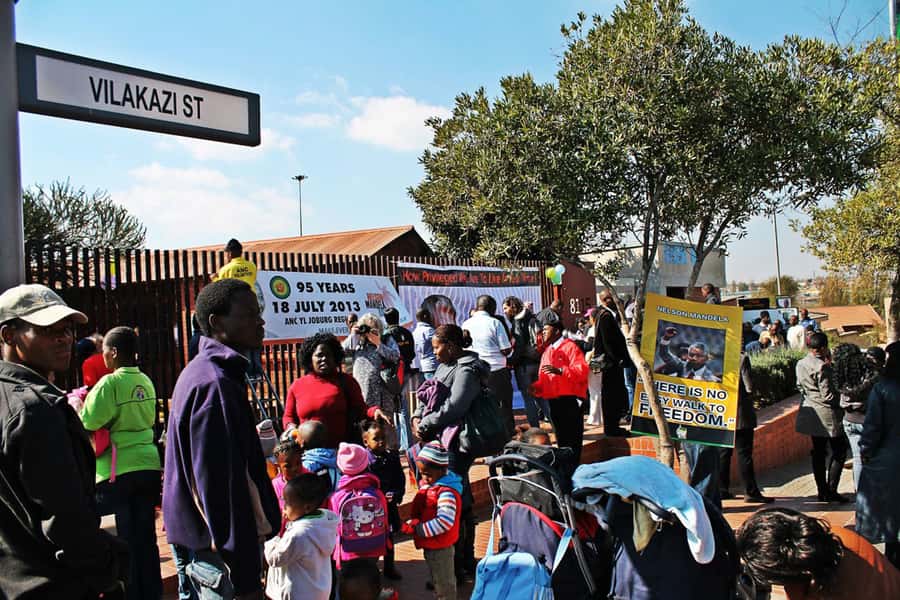
The Orlando West section brings you to Vilakazi Street, one of the most important stops on the route. This is where you pass the former home of Nelson Mandela and see the home of Archbishop Emeritus Desmond Tutu. You also view Winnie Madikizela-Mandela’s house.
Few streets can connect so directly to South Africa’s struggle for democracy. Mandela and Tutu were both Nobel Peace Prize winners, and the homes provide a physical link to people you may otherwise know only from books, photographs, and documentaries.
The experience is mainly a drive and sightseeing stop, with time to look around and take pictures. Do not expect an extended private-house tour at every address. The value is in the setting and the guide’s explanation of who lived there, what the street represents, and how the local story connects to the national one.
Mandela House is viewed from outside as part of the standard tour. You can choose to enter the Nelson Mandela House Museum, but the admission fee is not included and is paid on arrival. That optional choice is useful: history fans may want the extra interior visit, while visitors with limited time can keep moving with the group.
I would decide before the tour whether Mandela House matters enough to justify the extra cost and time. The rest of the day already includes the Hector Pieterson Museum and Regina Mundi Church, so the tour still has a strong historical core without it.
Hector Pieterson Museum and the events of June 16, 1976
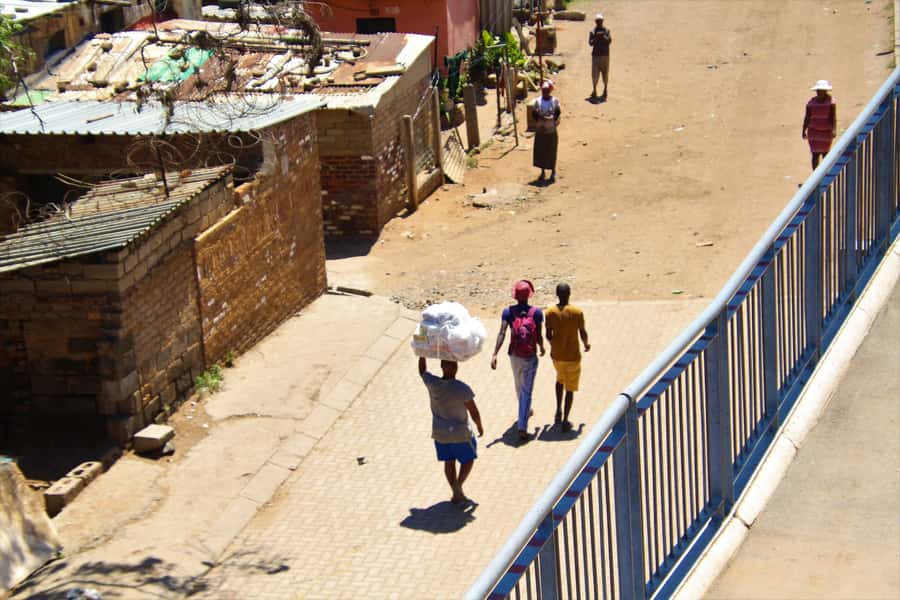
The Hector Pieterson Museum is the most serious stop of the day. Entrance is included, and you should allow yourself time to take in the material rather than treating it as a quick indoor break.
The museum explains the Soweto uprising of June 16, 1976, when students protested against the use of Afrikaans in education. Hector Pieterson, a schoolboy, was killed during the unrest, and the photograph of his body being carried away became an international symbol of the brutality of apartheid.
This visit gives context to the nearby memorial. It also shows why Soweto’s political story is not distant or abstract. The events happened within living memory, and the impact still shapes how South Africa remembers education, policing, language, and youth resistance.
Several parts of the tour may feel emotionally heavy, and this is one of them. A guide can explain the setting, but no commentary can make the subject easy. I appreciate that the tour places the museum within a wider visit to Soweto rather than presenting the community only through tragedy.
More half day trips in Johannesburg:
- Half-Day Tour of Soweto Tour
★ 4.5 · 712 reviews - Johannesburg and Soweto: Half-Day Tour
★ 4.8 · 439 reviews - From Johannesburg: Lion & Safari Park Half-Day Tour
★ 4.6 · 384 reviews - Johannesburg: Half-Day Soweto Tour with a Local Guide
★ 4.8 · 110 reviews
Regina Mundi Church and the role of faith
Regina Mundi Church is another included stop. The church became associated with political meetings and resistance during apartheid, making it more than a religious building on a sightseeing route.
The visit adds an important angle to the story. Political change was not shaped only by presidents and famous activists. Churches and other community spaces gave people places to gather, speak, organize, and seek shelter during a harsh period.
The church also breaks up the outdoor driving and walking. The route has several brief sightseeing sections, so the added indoor stop helps give the day a clear rhythm. Your guide will provide the English-language explanation, and the exact amount of time at the church can vary with the pace of the group and local conditions.
Entering an informal settlement with care

The most delicate part of the tour is the visit to an informal settlement. You are taken into one of Soweto’s poorer areas and given an opportunity to interact with local people. This can help you understand the unequal living conditions that still exist in Johannesburg, but it also raises a fair question: when does a learning experience become an intrusion?
You should approach this stop with humility. Ask before taking photographs, do not photograph children or homes without permission, and follow the guide’s instructions about where to walk and what is appropriate. You may see conditions that are difficult to process, but the people living there are not scenery.
Some guides and tour groups have connections with local community projects, including programs supporting children, women, and young people. The information provided for this experience notes the company’s daycare and youth mentorship work, but you should still ask your guide how your visit benefits the area rather than assuming every interaction is helpful.
Bring some South African rand only if you want to make a small purchase or offer a tip where appropriate. Do not feel pressured to hand out sweets, pencils, or money to children. Older tour advice has suggested bringing gifts, but a respectful visit is better than creating expectations or encouraging children to approach tourists.
This stop will suit you if you want to see more than the polished historic core. It may not suit you if you prefer tours that avoid poverty-focused visits or if you find that kind of tourism ethically troubling. That is not a minor detail. Consider it before booking.
Cooling towers, university life, and Baragwanath Hospital
The tour continues by vehicle through other parts of Soweto, including views of the famous cooling towers. They are large, colorful industrial landmarks and an easy way to recognize the area in photographs.
You also pass the Soweto Campus of the University of Johannesburg. This adds another present-day note to the route, showing education as part of Soweto’s current identity, not only as the subject of the 1976 uprising.
The final major view is Chris Hani Baragwanath Hospital, described as the largest hospital in the world. It is an enormous institution and an important public facility for the area. You see it from outside rather than taking a hospital tour, so treat this as a passing landmark with social importance, not a formal attraction.
You also pass Baragwanath Taxi Rank. That stop helps explain how residents travel around Johannesburg and why taxi ranks matter so much in everyday city life. It is less photogenic than Vilakazi Street, but it may tell you more about the practical workings of Soweto.
How the five-hour schedule feels
The listed timing includes about 30 minutes walking in Diepkloof, one hour around Vilakazi Street, 45 minutes of sightseeing elsewhere in Soweto, 30 more minutes of sightseeing, and the two driving sections. On paper, that is a well-packed half-day.
In practice, you may feel rushed at some stops. One past participant wished for an extra hour and suggested cutting a less important stadium view to give the museum and other sites more breathing room. Another noted that changes caused by local events disrupted the timing, although the guide adjusted the route.
That is the tradeoff of a half-day tour. You can fit Soweto into a Johannesburg schedule, but you will not experience every site at a slow pace. If you want long conversations, extended museum time, or several neighborhood walks, choose a full-day option if one is available. If your goal is a solid first look, five hours is enough.
Pickup is available from Johannesburg accommodation, which saves you the trouble of arranging transport to Soweto. The tour is wheelchair accessible, though it is sensible to confirm the exact vehicle and walking arrangements when booking, since the route includes a market walk and several public sites.
The guide matters more than the vehicle
The strongest part of this experience is the human explanation. Past guides have included Mark, Lebo, Thapelo, Sello, Carson, Patience, William, Thabang, Tshepo, Warren, Goodman, Stanley, and others. The repeated praise is not just for friendliness. It is for clear history, local pride, patience, humor, good timing, and help with photographs.
Guide assignments can change, so you cannot book a specific person unless the operator confirms that in advance. Still, the pattern is encouraging. A solo visitor named Dakoda said the tour went ahead even with just one participant, while another visitor described receiving a private tour with Clement. That suggests the operator may run the experience even when the group is small, though group size is not guaranteed.
Carson’s habit of explaining the next stop during the drive is exactly what I want on a tour like this. History is easier to follow when the guide gives you the background before you arrive, not after you have already taken the photograph.
Your best approach is to ask questions. Ask how a neighborhood has changed, what the memorial means to local residents, and how the historic sites connect to present-day Soweto. The guide’s answers will give the day more depth than the printed route alone.
Is $74 a fair price?
At $74 per person, this is a fair price for a five-hour guided tour from Johannesburg. The fee covers pickup, transport, an English-speaking guide, the Hector Pieterson Museum, Regina Mundi Church, Vilakazi Street, the informal-settlement visit, and the main drive-by sights.
The price also includes the convenience of a planned route. You are not trying to work out transport between Diepkloof, Orlando West, the museum, the church, and the outer sights on your own. For a first visit to Johannesburg, that saves time and reduces logistical stress.
Food and personal purchases are not included. Mandela House entry costs extra, so budget for that only if you want to go inside. At five hours, the tour is also shorter than a full-day city outing, which keeps the price and time commitment manageable.
I see the best value here for a visitor with one open morning or afternoon who wants history, local context, and transport in one package. It is less valuable if you have already visited Soweto several times or want to spend most of your day inside museums.
The free onboard WiFi is a useful extra, but it should not be the reason you book. The real value is the combination of a local guide, included museum access, and an itinerary that shows both famous places and ordinary community life.
Practical advice for a respectful visit
Wear comfortable shoes for the Diepkloof walk and Vilakazi Street. Keep water with you, since food is not included, and dress for the day’s weather.
Ask permission before taking photographs of people, houses, shops, or children. The tour gives you access to places where people live and work, so basic courtesy matters more than getting a dramatic picture.
Bring a small amount of cash if you may buy something or tip the guide, but do not assume you must give money to people in the informal settlement. If a guide explains a community project, ask how you can support it in a direct and responsible way.
Plan some quiet time after the tour if you can. The Hector Pieterson Museum and the informal-settlement visit can leave you thinking about difficult subjects, and the half-day route packs a lot into a short period.
Free cancellation is available up to 24 hours before departure, and you can reserve now and pay later. Starting times depend on availability, so check the schedule against your Johannesburg plans.
Should you book the Soweto half-day tour?
Book it if you want a guided introduction that combines apartheid history with present-day Soweto. The route gives you the key political sites, a market walk, local neighborhoods, transport landmarks, and a view of how the township functions today.
You should also book it if you value a guide who explains context along the way. The repeated strength of this experience is its guides, with names such as Thapelo, Sello, Mark, Lebo, and Patience receiving especially warm praise for their history, humor, patience, and care.
Think twice if you dislike poverty-focused tourism or want unhurried museum visits. The informal-settlement stop needs a thoughtful approach, and five hours can feel tight.
For most first-time visitors to Johannesburg, I would choose this as a practical and worthwhile Soweto introduction. Just arrive ready to listen, ask permission before photographing, and remember that Soweto is a living community first and a sightseeing destination second.
FAQ
How long is the Soweto tour?
The tour lasts five hours, including transportation between Johannesburg and Soweto.
Where does pickup take place?
Pickup is available from your hotel or residence in Johannesburg.
Is transport included?
Yes. Transfers in a comfortable vehicle are included, along with pickup in Johannesburg and the return journey.
What language is the tour conducted in?
The live tour guide speaks English.
Is the Hector Pieterson Museum included?
Yes. Entrance to the Hector Pieterson Museum is included in the tour price.
Is entry to Mandela House included?
No. You view Mandela House from outside as part of the tour. Entry to the Nelson Mandela House Museum is optional and costs extra, payable on arrival.
Does the tour visit an informal settlement?
Yes. The route includes a visit to an informal settlement where you may interact with local people.
Can I cancel the booking?
You can cancel up to 24 hours in advance for a full refund. The experience also offers reserve now and pay later booking.
Just listed around Johannesburg
- Constitutional Hill and Soweto 5 hours tour.★ 5.0 · 5 reviews
- 5 Day Kruger Glamping Safari and Panorama Tour★ 5.0 · 5 reviews
- Cradle of Humankind and Maropeng Day Tour from Johannesburg★ 4.0 · 5 reviews
- Johannesburg: Hot Air Balloon Flight★ 5.0 · 5 reviews
- Half Day Soweto and Apartheid Museum Guided Tour★ 5.0 · 5 reviews
- Lion park★ 4.5 · 5 reviews
- 5 Day Kruger National Park and Panorama Route Safari★ 4.5 · 5 reviews
- Pretoria Historical Tour★ 4.0 · 5 reviews
Soweto & Apartheid Museum Tours, compared.
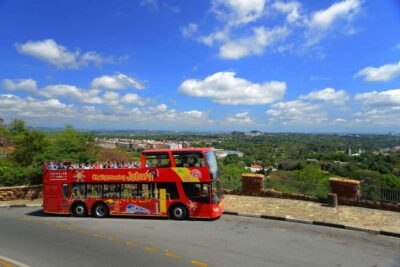

Soweto /Johannesburg and Apartheid Museum Guided Full Day Tour
Read our review →
Johannesburg Hop-On Hop-Off City Tour with Soweto Option
Read our review →

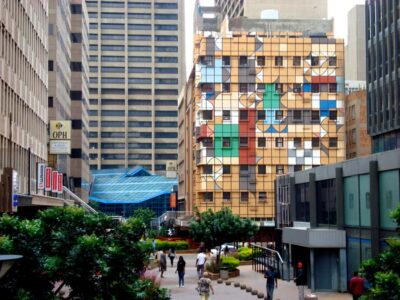
Jo’berg in 1 Day: Soweto, Apartheid Museum & City Tour
Read our review →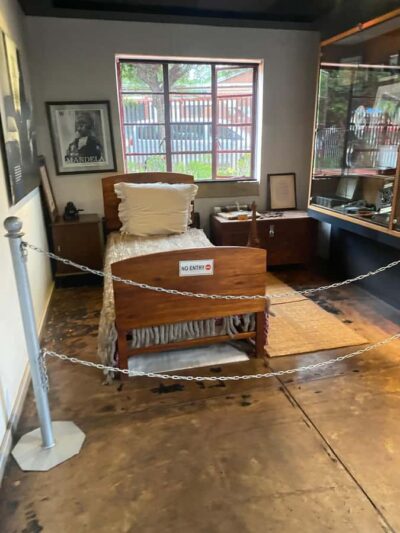
Full-Day Tour with Soweto and Apartheid Museum
Read our review →
Browse the lists this tour appears in