
Reviewed · SOWETO & APARTHEID MUSEUM TOURS
Johannesburg: Half-Day Apartheid Museum Tour
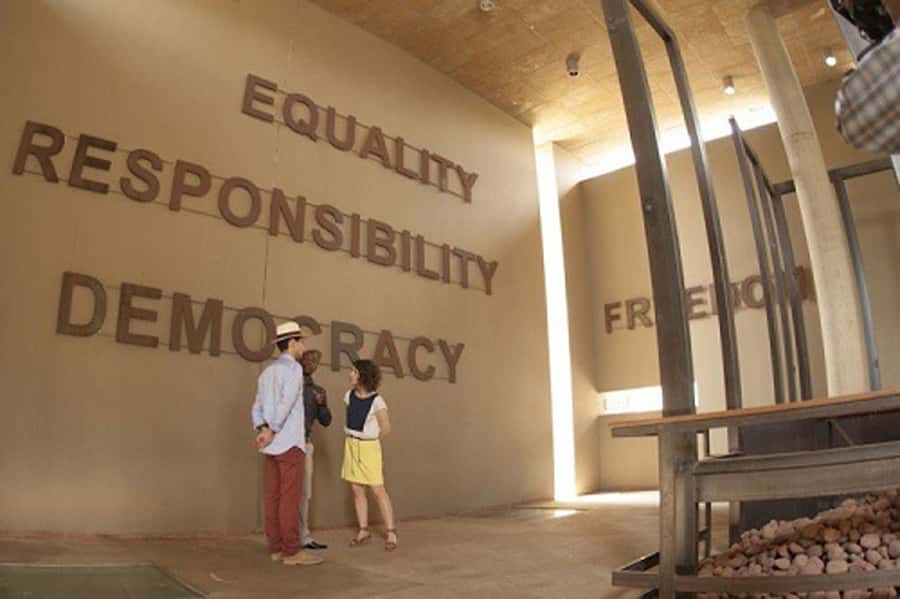
The Apartheid Museum does not offer a light afternoon out. It takes you through the machinery of racial rule, the daily humiliation it caused, and the resistance that finally broke it. The visit ends with Nelson Mandela’s 1994 election, but getting there means facing photographs, film, artifacts, and personal stories that can be painful to absorb.
I like the hotel pickup and drop-off, which removes the need to arrange transport across Johannesburg. I also like the small group size, capped at 13, since it gives your guide room to answer questions and adjust the pace. The main drawback is time: three hours inside can feel short, especially if you read every panel.
Key points to know
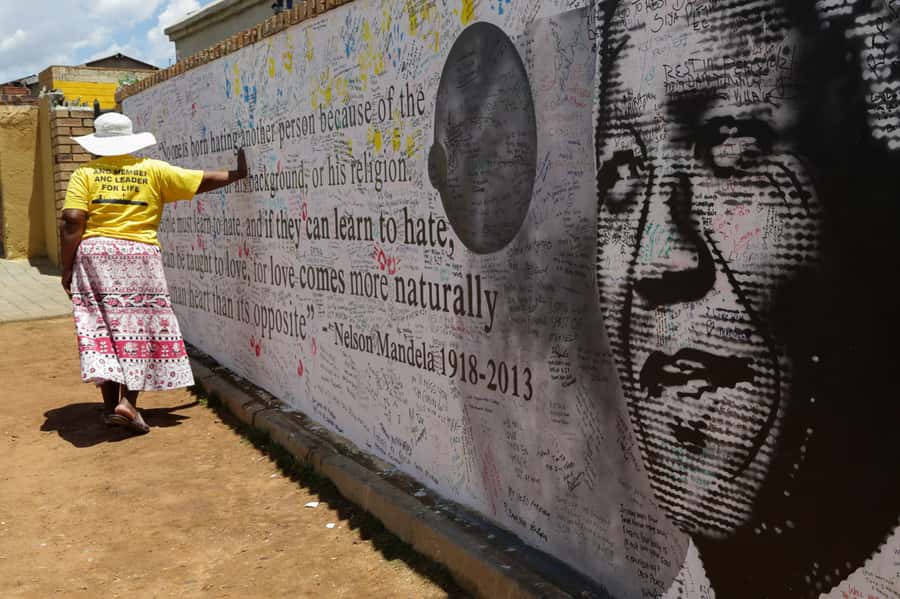
- The museum visit lasts three hours, with 22 exhibition areas covering apartheid, resistance, and the 1994 election.
- Your guide adds useful context on the drive and inside the museum, with guides such as Bongani, Tshepo, James, Mark, and Martin praised for their personal explanations and careful timing.
- Pickup and return are included from accommodation in Johannesburg, with about 45 minutes of driving each way.
- This is an emotional history lesson, not a casual sightseeing stop. Allow yourself time to process what you see.
- The vehicle includes free uncapped Wi-Fi, and the tour is wheelchair accessible.
- The $49 price can be good value if you want transport, admission, and a guide in one booking, though it may feel high if you only want museum entry.
Why this museum visit matters
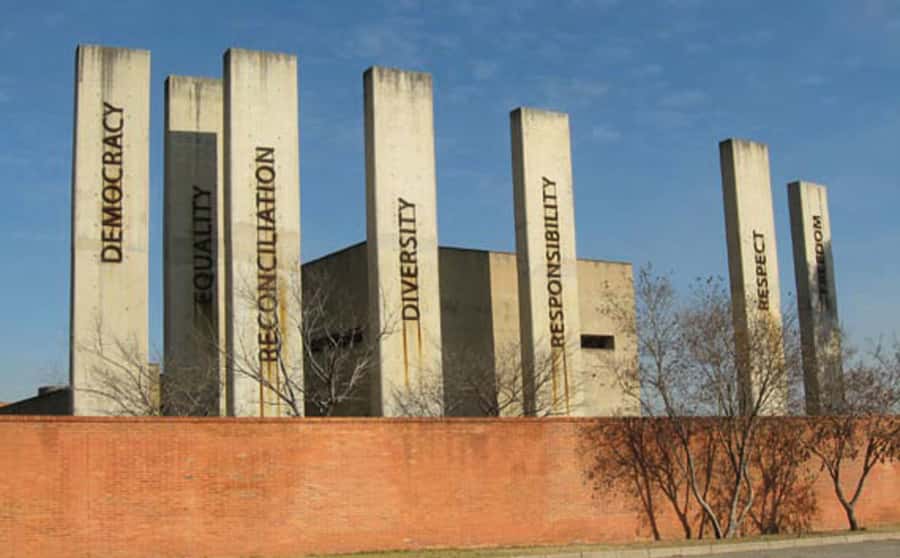
Apartheid was not simply a matter of personal prejudice. It was a state system introduced in 1948 by the white National Party government. It classified people by race and placed the Black majority and other non-white communities under laws that controlled where they could live, work, study, travel, and gather.
The museum shows how those rules turned about 20 million people into second-class citizens. That figure matters, but the museum’s power comes from showing the human cost behind it: humiliation, forced separation, violence, restricted opportunity, and the long struggle to change the country.
I find this kind of museum most useful when it connects laws to ordinary life. You are not only looking at political events. You are also seeing how a government system reached into homes, schools, streets, workplaces, and families.
The final chapter is the election of Nelson Mandela as president in 1994. That ending brings relief, but it does not erase what came before. The visit works best if you treat it as an introduction to South Africa’s past and present, not as a neat story with every problem solved.
More Museum Tours in Johannesburg
- Soweto /Johannesburg and Apartheid Museum Guided Full Day Tour
★ 5.0 · 932 reviews - Jo’berg in 1 Day: Soweto, Apartheid Museum & City Tour
★ 4.8 · 524 reviews - Johannesburg: Full-Day Tour with Soweto and Apartheid Museum
★ 4.8 · 478 reviews
Hotel pickup makes the half-day practical
The tour begins with pickup at your hotel or accommodation in Johannesburg. The drive to the museum takes about 45 minutes, depending on the pickup arrangements and traffic. The return journey is planned for roughly the same length.
That transfer time is more useful than it may sound. Guides often begin explaining Johannesburg and South African history before you reach the museum. Tshepo, for example, used the drive to point out landmarks and add background that helped connect the city outside the window with the exhibits inside.
Mark was also praised for giving useful commentary on both legs of the trip. Bongani spent nearly four hours with one visitor, offering extra information throughout the ride and helping a wheelchair user move through the museum. James was noted for keeping the timing under control while still allowing plenty of time for questions.
You should think of the ride as part of the experience, but do not expect a full city tour. The core attraction is the museum. The driving adds context and convenience.
The vehicle includes free uncapped Wi-Fi, a handy extra if you need to check messages or make plans afterward. Food is not included, so plan to eat before or after the outing rather than expecting a meal during the tour.
Entering the Apartheid Museum
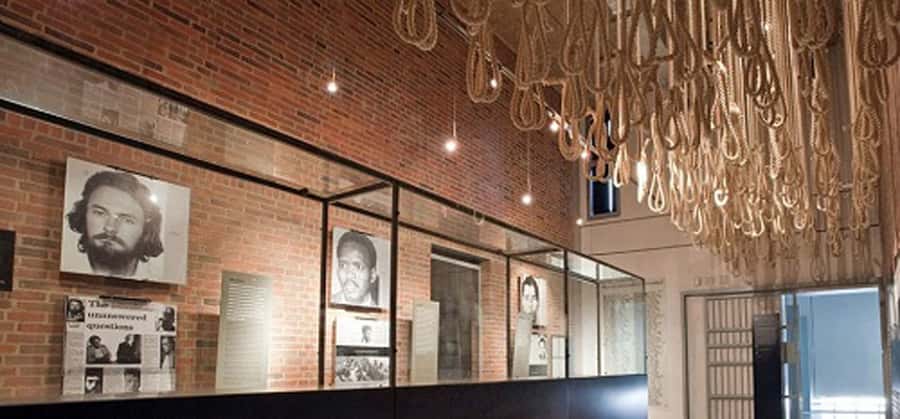
The museum is organized into 22 separate exhibition areas. Together, they trace the development of apartheid, its enforcement, the resistance it produced, and the transition to democracy.
The opening can be confronting. The museum uses film footage, photographs, written panels, and artifacts rather than relying on a single display style. This variety keeps the visit moving, but it also means you will be asked to switch between reading, watching, and looking closely at objects.
A guide can help you decide where to spend your attention. The museum contains more information than most people can absorb in one visit, and the three-hour slot requires choices. Some visitors prefer to follow the guide through the main sequence, while others want more time with particular displays.
One important point is that the guide’s role may differ slightly in practice. The booking includes a three-hour guided visit, and several guides stayed with visitors throughout the museum. In at least one case, the guide provided transport and background while the museum portion was largely self-guided. If you want constant commentary, confirm that expectation when arranging the tour.
The rise of apartheid, explained clearly
The museum helps you understand that apartheid was built through policy, not introduced as one single event. The 1948 election brought the National Party to power, and the government then expanded racial classification and separation through law.
The exhibition areas show how this system damaged lives over decades. The official structure reduced people to categories and used those categories to limit rights, movement, residence, education, and work. The result was a society organized around unequal power.
This section is not quick sightseeing. You will likely spend time reading names, dates, and explanations that place later events in context. Without this foundation, the resistance displays can seem like a series of disconnected protests. With it, you can see why opposition grew and why the state responded so harshly.
I recommend listening closely to the guide here, especially if this is your first visit to South Africa. A guide can explain terms and events in plain language, then answer questions that a wall panel cannot anticipate.
More Soweto and Apartheid Museum visits:
- Johannesburg: Hop-On Hop-Off Bus with Optional Soweto Tour
★ 4.6 · 985 reviews - Johannesburg Hop-On Hop-Off City Tour with Soweto Option
★ 4.5 · 768 reviews - Half-Day Tour of Soweto Tour
★ 4.5 · 712 reviews - Soweto: Walking Tour with a Local Guide and Lunch
★ 4.9 · 648 reviews
Resistance, courage, and the human story
The middle part of the museum follows the struggle against apartheid. It presents resistance as a long process shaped by courage, organization, sacrifice, and persistence.
The material can be difficult. Film footage and photographs bring the violence of the period closer than a textbook usually can. The museum’s goal is not to make the past comfortable. It asks you to consider what it meant for ordinary people to live under a system designed to control them.
At the same time, the displays are not only about suffering. They also show political action and the determination of people who challenged the state. That balance matters. A visit focused only on oppression could leave you with a flat picture of South Africa. The resistance sections show people making choices, taking risks, and forcing change over time.
Several guides have added personal reflections or local context to this part of the visit. Gaza, for instance, was praised for filling in gaps with personal experience while allowing time for the museum’s self-guided sections. That kind of explanation can make a major difference, but the quality of the experience depends on which guide leads your group.
The 1994 election and the museum’s final message
The tour reaches its emotional high point with the end of apartheid and Nelson Mandela’s election as president in 1994. Mandela had been imprisoned, and his rise to the presidency gives the museum a strong narrative finish.
You should not expect the final rooms to feel like a simple victory parade. The election marks liberation from the formal apartheid system, but the museum’s larger story is about the cost of getting there and the work required afterward.
This ending gives the visit a sense of direction. You have seen the policy, the damage, the resistance, and the political change. The sequence helps you understand why 1994 remains such a defining moment in South African history.
If you have extra time, use it. The tour description allows the local team to adjust the schedule when possible because three hours may not be enough. Ask early rather than waiting until the final room, especially if you are reading every display or moving at a slower pace.
How the guided format affects the experience
A guide is most valuable before and after the museum visit. The drive gives you a chance to ask basic questions, and the ride back lets you discuss what you have just seen.
Inside the museum, the ideal guide does not rush you or talk over every display. The best approach is to point out the main sequence, explain difficult sections, and then give you quiet time with the material. Alice’s guide, Guy, was praised for staying throughout the tour, answering questions, and allowing time to explore. That is the balance I would want.
Small groups help. With a maximum of 13 participants, the guide can usually respond to questions more easily than on a large coach excursion. The group can also keep a more manageable pace through the exhibition areas.
The experience is in English. If you need detailed explanations in another language, this tour may not fit your needs. You should also be ready for differences between guides. Mark, Bongani, Tshepo, James, Martin, Cosmos, Guy, and others have each brought a slightly different style, from personal stories to practical timing and city commentary.
Wheelchair access and comfort
The activity is listed as wheelchair accessible. Bongani helped one visitor’s mother in a wheelchair through all the exhibits, which shows that assistance can be part of the service rather than an afterthought.
Still, I would contact the operator before pickup if you have specific mobility requirements. The provided details confirm accessibility, but they do not describe vehicle lift arrangements, restroom design, or the exact route through every display.
The vehicle is described as comfortable, and the group is small. Those details matter on a five-hour outing, especially since the transfer occupies about 90 minutes of the day. You will have a long museum visit followed by another ride, so comfortable clothing and sensible pacing are wise.
Because the subject matter is heavy, comfort also means emotional space. You may want a quiet period after the museum rather than scheduling another demanding activity immediately afterward.
Is $49 a fair price?
At $49 per person, the price includes museum admission, a three-hour guided visit, hotel pickup and drop-off in Johannesburg, vehicle transfers, and Wi-Fi.
That is a fair package if you value convenience. You do not need to arrange a taxi, find the museum on your own, or work out how to return to your accommodation. You also receive background information during the drive and can ask questions along the way.
The value is less clear if you are already near the museum or prefer to explore independently. One visitor considered the excursion somewhat expensive, and that is a reasonable concern. The museum itself provides plenty of material, and some visitors may prefer to set their own pace without a guide.
I would pay the extra for a first visit to Johannesburg, particularly if you want help placing the exhibits in context. For repeat visitors, independent museum time may offer better value, provided you can arrange transport easily.
The booking also allows free cancellation up to 24 hours before departure and lets you reserve now and pay later. Those policies make the tour easier to fit into a changing Johannesburg schedule.
Who should book this tour?
I recommend it for first-time visitors who want a serious introduction to South Africa’s political past. It suits people who prefer a planned half-day, hotel pickup, and a guide who can handle the transport as well as the historical explanation.
It is also a good choice for families with older children or teenagers who can engage with difficult material. The museum uses strong images and accounts of abuse, so parents should decide if the subject fits their children.
The tour works well for solo visitors and couples because the small group keeps it social without turning it into a large bus outing. It can also suit wheelchair users, with advance communication about personal needs.
You may prefer another arrangement if you want a relaxed sightseeing trip, a food-focused afternoon, or a quick visit with little reading. This museum demands attention. Its subject is painful, and the amount of information can be tiring.
Final verdict: book it for context and convenience
Book this tour if you want the Apartheid Museum to be more than a building you visit on your own. The combination of admission, transport, a three-hour visit, and an English-speaking guide gives you a clear route through one of Johannesburg’s most important sites.
The strongest part is the human and historical context added by guides such as Tshepo, Bongani, James, Mark, and Guy. The main limitation is the fixed half-day schedule, since three hours may leave you wishing for more time.
My advice is simple: choose it early in your Johannesburg stay. The museum will give you a better frame for understanding the city, and the drive lets you begin asking questions before you arrive. If you prefer complete freedom, book transport separately and explore at your own pace. For most first-time visitors, this organized option is worth the $49.
FAQ
How long does the Johannesburg Apartheid Museum tour last?
The full activity lasts about five hours. This includes approximately 45 minutes of transport to the museum, a three-hour museum visit, and about 45 minutes returning to Johannesburg.
How much does the tour cost?
The listed price is $49 per person.
Is museum admission included?
Yes. The price includes entrance to the Apartheid Museum and a three-hour guided museum visit.
Is hotel pickup available?
Yes. Pickup and drop-off are included from hotels or accommodation in Johannesburg.
What language is the tour conducted in?
The live tour guide speaks English.
How large is the group?
The tour is described as a small-group activity limited to 13 participants.
Is the tour wheelchair accessible?
Yes. The activity is listed as wheelchair accessible. If you have specific mobility needs, contact the operator before pickup.
Is food included?
No. Food and souvenirs are not included in the price.
Can I cancel the booking?
Yes. You can cancel up to 24 hours in advance for a full refund. The activity also offers reserve-now, pay-later booking.
More half day trips in Johannesburg
- Johannesburg and Soweto: Half-Day Tour
★ 4.8 · 439 reviews - From Johannesburg: Lion & Safari Park Half-Day Tour
★ 4.6 · 384 reviews - Johannesburg: Soweto Half-Day Tour
★ 4.7 · 196 reviews - Johannesburg: Half-Day Soweto Tour with a Local Guide
★ 4.8 · 110 reviews
Just listed around Johannesburg
- Constitutional Hill and Soweto 5 hours tour.★ 5.0 · 5 reviews
- 5 Day Kruger Glamping Safari and Panorama Tour★ 5.0 · 5 reviews
- Cradle of Humankind and Maropeng Day Tour from Johannesburg★ 4.0 · 5 reviews
- Johannesburg: Hot Air Balloon Flight★ 5.0 · 5 reviews
- Half Day Soweto and Apartheid Museum Guided Tour★ 5.0 · 5 reviews
- Lion park★ 4.5 · 5 reviews
- Pretoria Historical Tour★ 4.0 · 5 reviews
- 5 Day Kruger National Park and Panorama Route Safari★ 4.5 · 5 reviews
Soweto & Apartheid Museum Tours, compared.
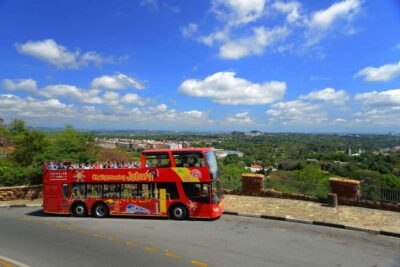

Soweto /Johannesburg and Apartheid Museum Guided Full Day Tour
Read our review →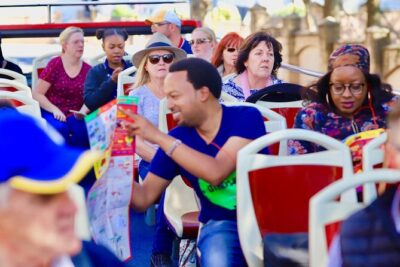
Johannesburg Hop-On Hop-Off City Tour with Soweto Option
Read our review →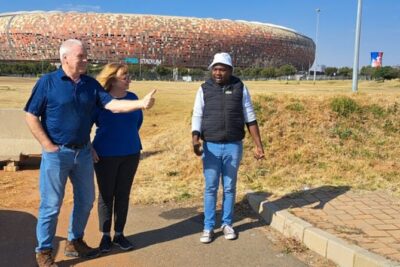

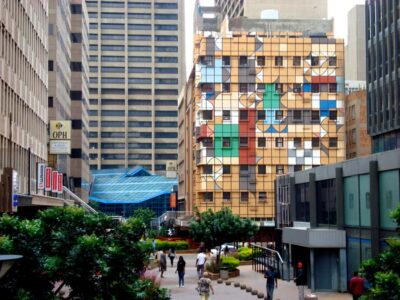
Jo’berg in 1 Day: Soweto, Apartheid Museum & City Tour
Read our review →
Full-Day Tour with Soweto and Apartheid Museum
Read our review →
Browse the lists this tour appears in