
Reviewed · SOWETO & APARTHEID MUSEUM TOURS
Apartheid Museum & Soweto Tour with Hotel Pickup
Soweto is not a single story, and this tour makes that clear. In five hours, you move from the powerful Apartheid Museum to working neighborhoods, former migrant hostels, the Soweto Towers, and Vilakazi Street, where Nelson Mandela and Archbishop Desmond Tutu once lived. The most valuable part is the chance to see Soweto as a lived-in community rather than a string of famous photo stops.
I like the combination of serious historical context and local conversation. Guides including Thabang and Tsalanang grew up in Soweto, while Neo and Thembo have also earned praise for clear explanations and personal insight. I also like the tidy half-day length, hotel pickup, and included museum admission. The tradeoff is that the tour covers a lot quickly. Mandela House and the Hector Pieterson Museum are viewed from outside or discussed, but their entrance fees are not included.
Key points at a glance

- The Apartheid Museum anchors the day: Expect a direct, carefully arranged look at segregation from 1948 to 1994.
- Local guides add personal context: Thabang and Tsalanang have shared firsthand connections to growing up in Soweto, while Neo and Thembo have also led highly praised tours.
- Soweto is shown in several forms: Diepkloof, former hostels, family housing, upper-income areas, middle townships, and lower-income neighborhoods all help you understand the township’s variety.
- Vilakazi Street links history and daily life: You can walk the street associated with Mandela and Tutu and view Mandela House from outside.
- The itinerary mixes famous and less polished sights: FNB Stadium and the Soweto Towers are easy to recognize, while the housing areas require more explanation than sightseeing.
- The five-hour format is efficient: Pickup, transport, walking, museum entry, and drop-off fit into a useful Johannesburg half-day.
Why the Apartheid Museum belongs at the start

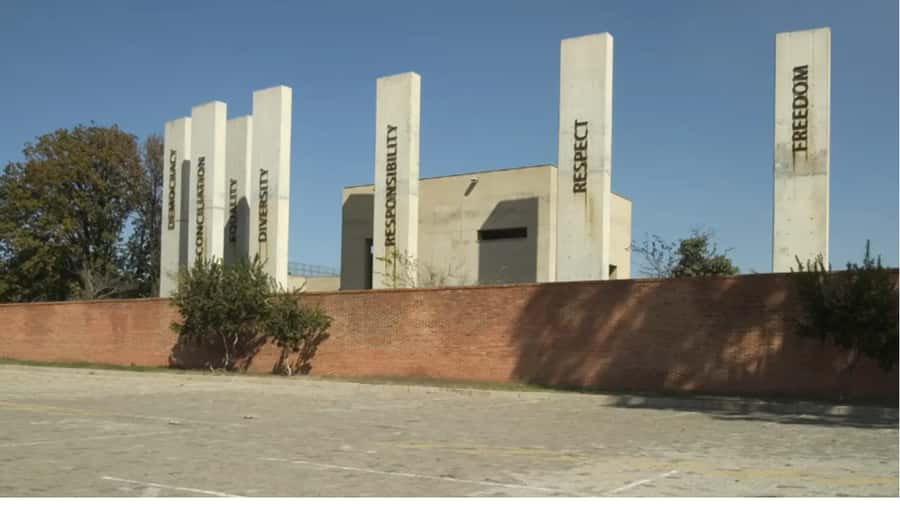
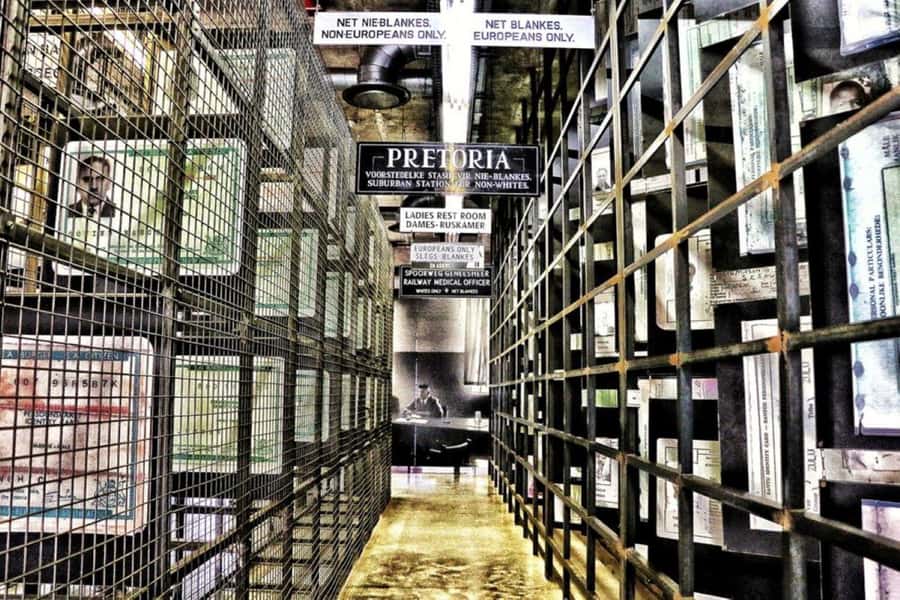
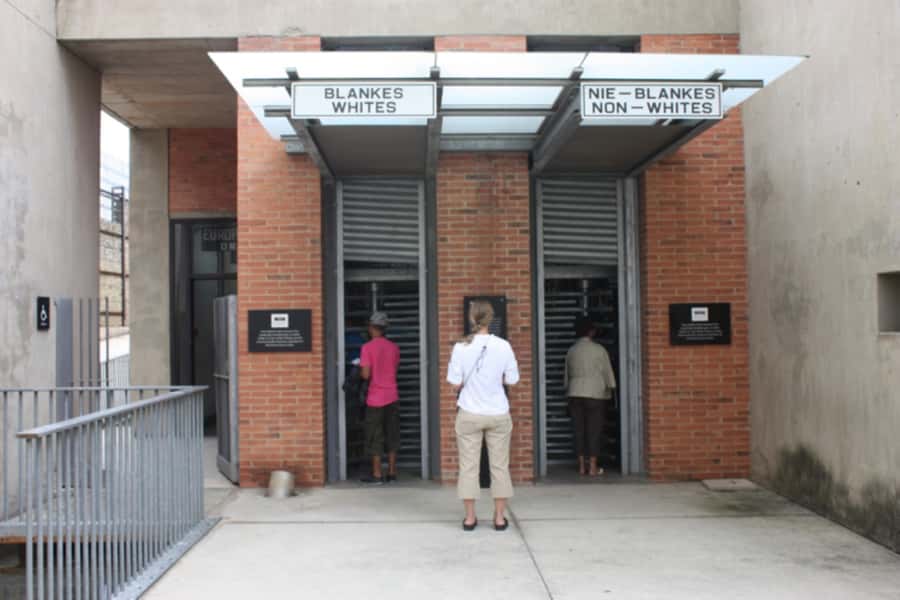
The Apartheid Museum gives the day its framework. Its exhibits explain the rise and fall of apartheid, the legally enforced system of racial separation that shaped South Africa from 1948 until 1994. You are not simply looking at old photographs or reading dates. The museum is meant to help you understand how segregation affected housing, movement, education, work, and political rights.
That context matters because Soweto can otherwise look confusing from a vehicle window. You may see formal homes beside more modest housing, large public institutions near older hostels, and landmark sites tied to events that are not obvious today. The museum gives those scenes meaning before you enter the township.
The visit is included in the $91 price, which strengthens the tour’s value. Admission to a major museum is already covered, and you also receive transportation from your residence, a guide, bottled water, and return drop-off. For someone with only one open morning or afternoon in Johannesburg, that is a practical package.
Allow yourself time to take in the museum’s tone. This is not a light warm-up before sightseeing. Some material is difficult, and the subject deserves attention. If you prefer a leisurely museum visit with every display read closely, five hours may feel tight. The benefit is that the museum and Soweto are connected in one sitting, rather than split between separate bookings.
Flash photography is not allowed. Comfortable shoes, a hat, sunscreen, water, and a camera are sensible choices, though bottled water is supplied.
More Museum Tours in Johannesburg
- Soweto /Johannesburg and Apartheid Museum Guided Full Day Tour
★ 5.0 · 932 reviews - Jo’berg in 1 Day: Soweto, Apartheid Museum & City Tour
★ 4.8 · 524 reviews - Johannesburg: Full-Day Tour with Soweto and Apartheid Museum
★ 4.8 · 478 reviews
FNB Stadium and the road into Soweto
The stop at FNB Stadium gives you a large, modern reference point. The stadium hosted the final of the 2010 Soccer World Cup, an event that brought South Africa to a worldwide audience. You view the stadium rather than attend a match, so think of this as a short orientation stop, not a stadium tour.
The stadium also helps show how Soweto is presented to the outside world. It is a major sports venue and a familiar landmark, but the township around it is not only a sports destination. The guide’s role is to connect this polished symbol with the communities beyond it.
From there, the tour begins its closer look at Soweto, including Diepkloof. The housing discussion is one of the more useful parts of the route because it replaces the idea of one uniform township with a more accurate picture. Different sections have different housing patterns, income levels, and daily realities.
One of the most praised features of this experience is that the guide does not only steer you toward the best-known sights. Thabang, who is from Soweto, has been especially valued for explaining the community from personal experience. Tsalanang has also been described as a local guide who brings his own memories of growing up there into the conversation.
That local voice does not turn every stop into a dramatic performance. Instead, it can help you ask better questions. You can learn why one area looks different from another and how Soweto has changed over time. The tour presents the community with pride, but it does not pretend that every part has the same conditions.
Former hostels and the changing meaning of home
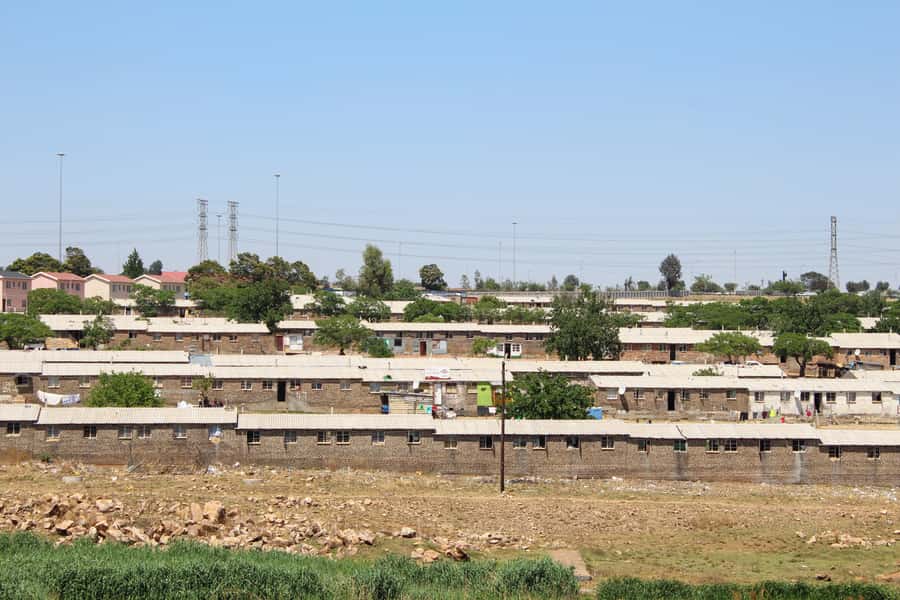
The drive past the hostels is a reminder of how apartheid shaped ordinary life. These buildings were originally used as migrant labor accommodation. They were designed for workers separated from their families, not for normal family living.
The tour explains how some hostels have been transformed into informal family units. That change says a great deal about both the failures of the old system and the practical ways residents adapted to inherited housing. You may not get an extended interior visit, so the value here comes mainly from the guide’s explanation and the view from the road.
This is a good example of why a local guide matters. Without context, hostels can look like aging blocks of housing. With context, you begin to see the connection between labor, forced separation, urban planning, and family life. The subject is serious, but the presentation is meant to help you understand rather than simply observe.
The route also passes Chris Hani Baragwanath Hospital, described as one of the largest hospitals in the world. It is a quick drive-by sight, not a hospital visit. Still, it gives you a sense of the scale of the community and the importance of public services in Soweto.
Because the tour covers a broad area, you should expect short stops and drive-by explanations rather than long visits at every location. That is the main limit of the format. You gain range, but not the time to explore each neighborhood on foot.
The Soweto Towers and the view from the road
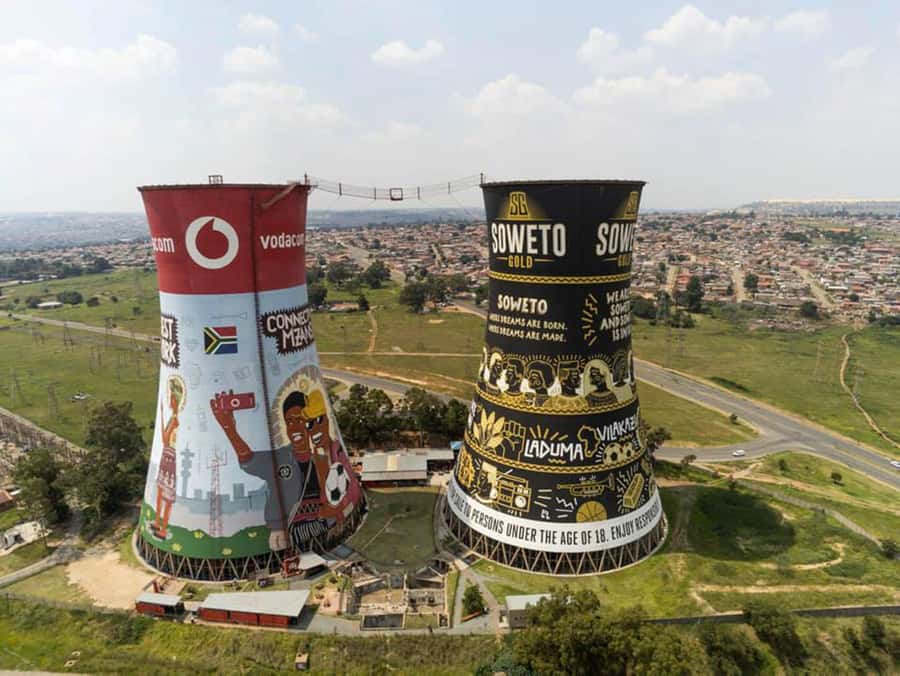
The Soweto Towers are now one of the township’s best-known landmarks. Their bold appearance makes them easy to spot, and they offer a visual break from the housing and historical discussion.
The towers are worth seeing, but do not mistake them for the main historical stop. Their significance on this tour is mostly as a modern symbol of Soweto and a useful point of orientation. You can take photographs, but the itinerary does not promise an activity at the towers or a visit inside them.
I appreciate this mix of stops. A day focused only on apartheid memorials could become emotionally heavy, while a route focused only on landmarks would miss the reasons Soweto matters. The towers, stadium, streets, homes, and memorial sites create a more rounded picture.
Bring a camera, but remember that photography rules apply at the Apartheid Museum. The tour includes bottled water, though carrying an extra drink is sensible if you are out in strong sun. The information specifically recommends a hat and sunscreen.
More Soweto and Apartheid Museum visits:
- Johannesburg: Hop-On Hop-Off Bus with Optional Soweto Tour
★ 4.6 · 985 reviews - Johannesburg Hop-On Hop-Off City Tour with Soweto Option
★ 4.5 · 768 reviews - Half-Day Tour of Soweto Tour
★ 4.5 · 712 reviews - Soweto: Walking Tour with a Local Guide and Lunch
★ 4.9 · 648 reviews
Walking Vilakazi Street
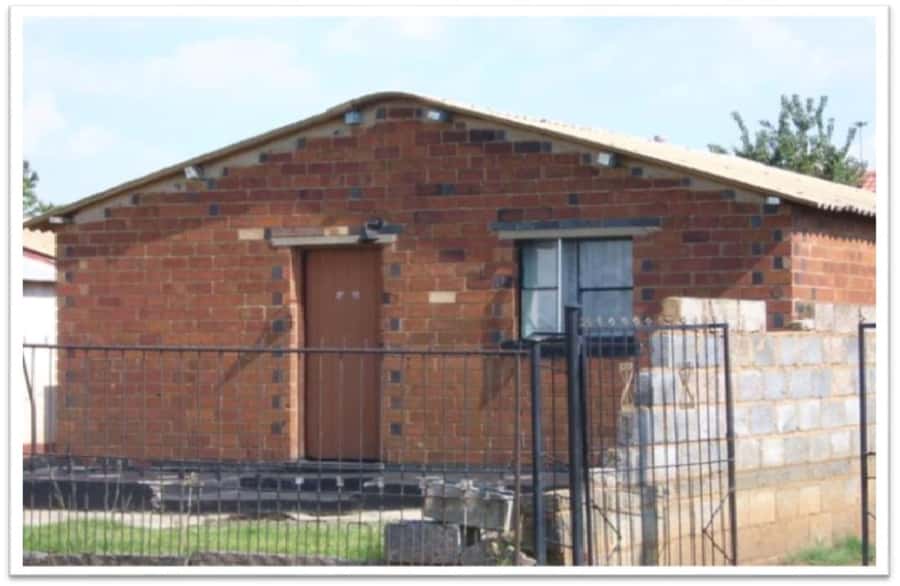
Vilakazi Street is the most recognizable walking portion of the Soweto route. It is associated with two Nobel Peace Prize winners, Nelson Mandela and Archbishop Desmond Tutu. That distinction gives the street unusual historical weight: two people who helped shape South Africa’s move away from apartheid lived on the same street.
You will have the chance to walk along Vilakazi Street, shop for souvenirs, and view Mandela House from outside. The house museum is not included in the tour price, so you should not expect an interior visit or museum admission. That keeps the base price lower, but it also means you need a separate plan if seeing the inside is important to you.
This stop works best when you treat it as more than a famous address. The street is still part of a living neighborhood, and the guide can help connect the homes and businesses to the wider story of Soweto. The walking section also gives you a change of pace after the vehicle portions of the tour.
Comfortable shoes are important. The walking is not described as strenuous, but this is not a fully seated sightseeing trip. People with back problems should think carefully about the vehicle time and walking, and the tour is not suitable for wheelchair users or babies under one year.
Souvenir shopping is available, but purchases are your responsibility. You will need to budget separately for gifts, snacks, and drinks.
Hector Pieterson and the 1976 student uprising
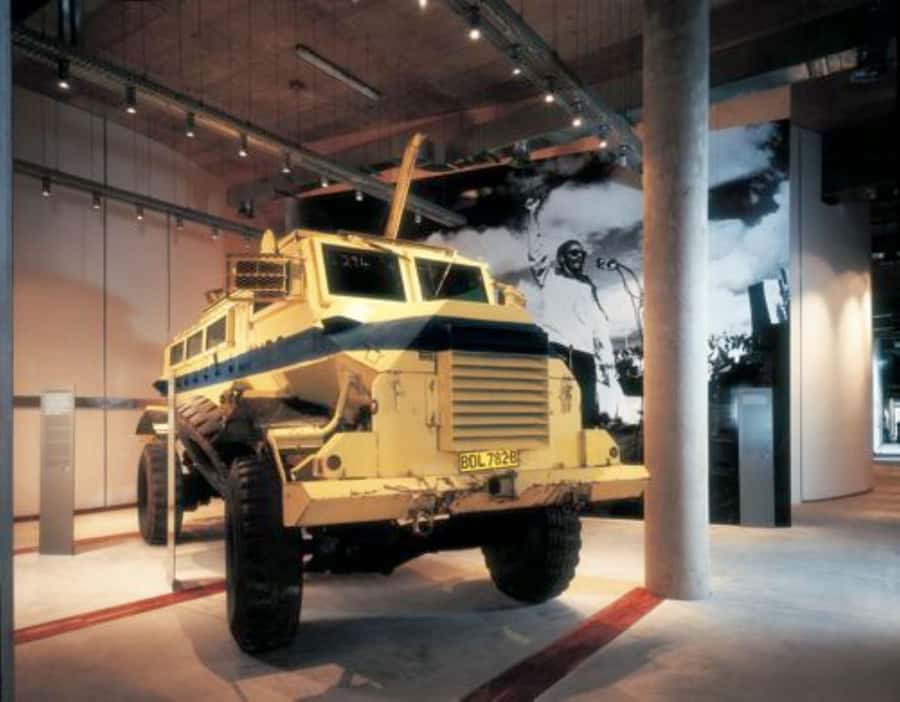
The Hector Pieterson Memorial provides another major historical focus. Here you get an overview of the 1976 Soweto Student Uprising, a turning point in opposition to apartheid.
The memorial visit is included in the route, but entry to the Hector Pieterson Museum is not included. The itinerary describes an overview of the events rather than a full museum visit. That distinction is important when planning your expectations and your budget.
The stop adds human scale to the political story. The Apartheid Museum explains the national system, while this site helps you understand how resistance and state control affected young people in Soweto. It is another place where the guide’s explanations matter as much as the photo opportunity.
The subject can be difficult, and the tour moves at a steady pace. If you want to spend a long time reading every panel or examining every exhibit, you would likely need a separate visit. For a half-day introduction, the stop gives you a useful foundation.
The value of a five-hour local tour
At $91 per person, this is not the cheapest way to drive through Soweto. The price makes more sense when you count the included hotel pickup and drop-off, private transport during the route, English-speaking guide, Apartheid Museum admission, and bottled water.
You are also paying for structure. Arranging the museum, stadium area, several Soweto neighborhoods, Vilakazi Street, and the memorial on your own would require more planning and separate transport. In Johannesburg, the convenience of being collected at your residence and returned there has real value, especially for a first visit.
The strongest value comes from the guide. Thabang has been praised for warmth, personal stories, and a strong grasp of local history. Tsalanang has also been singled out for sharing his own experience of growing up in Soweto. Other guides named for this experience include Neo and Thembo, and the quality of the day will depend partly on who leads your departure.
Do not book this expecting a luxury vehicle experience or a private museum specialist for every exhibit. The tour is designed as a guided introduction, with driving, short stops, and walking. It gives you a useful overview and local interpretation, not unlimited time at each site.
The 4.8 rating from 17 reviews points to a consistently strong experience, with particular praise for the guides, the personal approach, and the amount learned in a half day. The repeated point is not simply that the tour visits famous places. It is that the guide explains how different parts of Soweto fit together.
What the day feels like in practice
Your day begins with pickup from your residence. The exact starting time depends on availability, so check the schedule before booking. Since the tour lasts five hours, you still have part of the day free for another Johannesburg activity.
The first major stop is the Apartheid Museum. After that, the route moves through Soweto, with the FNB Stadium, Diepkloof, former hostels, Chris Hani Baragwanath Hospital, the Soweto Towers, Vilakazi Street, Mandela House from outside, and the Hector Pieterson Memorial.
Some stops are viewed from the vehicle. Others involve walking or a brief pause. The guide supplies the thread that joins them. You are not just collecting photographs of a stadium, towers, and famous homes. You are learning how housing, work, education, protest, public memory, and modern community life connect.
The tour is in English. The experience is not suitable for wheelchair users, people with back problems, or babies under one year. Smoking is not allowed, and flash photography is prohibited.
Who should book this Soweto experience

I would choose this tour if you want a strong first look at Soweto and the apartheid era without giving up an entire day. It suits first-time visitors to Johannesburg, people staying at a residence with pickup available, and anyone who wants the historical sites explained by someone with a local connection.
It is also a good fit if you prefer a guide who welcomes questions. The strongest accounts of the experience focus on interactive explanations, personal reflections, and seeing more than the standard stops. That makes the day useful for people who want social and historical context, not just sightseeing.
You may prefer a different plan if you want long, quiet visits inside Mandela House or the Hector Pieterson Museum. Neither admission is included, and the five-hour schedule leaves limited time for adding extra museum visits. You may also find the day less comfortable if you have back trouble or dislike walking in the sun.
Should you book it?
Book it if you want an efficient, serious introduction to Soweto with the Apartheid Museum included and a strong chance of hearing local perspective from guides such as Thabang or Tsalanang. The tour does a good job of showing several sides of the township, from major landmarks to housing areas and memorial sites.
Skip it if you want a slow, museum-heavy day, wheelchair access, or a tour centered on interior visits to Mandela House and the Hector Pieterson Museum. For most first-time visitors who have five hours and want history tied to present-day Soweto, the $91 price is reasonable, especially with residence pickup, museum entry, water, and return transport included.
FAQ
How long does the Apartheid Museum and Soweto Tour last?
The tour lasts five hours. Check availability for the exact starting times.
Is hotel pickup included?
Pickup and drop-off at your residence are included.
What language is the tour conducted in?
The live guided tour is conducted in English.
Is entry to the Apartheid Museum included?
Yes. Admission to the Apartheid Museum is included in the tour price.
Is Mandela House admission included?
No. The tour includes a view of Mandela House from outside, but entry to the Mandela House Museum is not included.
Is entry to the Hector Pieterson Museum included?
No. The itinerary includes an overview of the 1976 Soweto Student Uprising at the Hector Pieterson Memorial, but museum admission is not included.
What should I bring?
Bring comfortable shoes, a camera, water, a hat, and sunscreen. Bottled water is included, but carrying extra water is recommended.
Is the tour suitable for wheelchair users or people with back problems?
No. The tour is not suitable for wheelchair users or people with back problems. It is also not suitable for babies under one year.
Just listed around Johannesburg
- Constitutional Hill and Soweto 5 hours tour.★ 5.0 · 5 reviews
- 5 Day Kruger Glamping Safari and Panorama Tour★ 5.0 · 5 reviews
- Cradle of Humankind and Maropeng Day Tour from Johannesburg★ 4.0 · 5 reviews
- Johannesburg: Hot Air Balloon Flight★ 5.0 · 5 reviews
- Lion park★ 4.5 · 5 reviews
- Half Day Soweto and Apartheid Museum Guided Tour★ 5.0 · 5 reviews
- Pretoria Historical Tour★ 4.0 · 5 reviews
- 5 Day Kruger National Park and Panorama Route Safari★ 4.5 · 5 reviews
Soweto & Apartheid Museum Tours, compared.


Soweto /Johannesburg and Apartheid Museum Guided Full Day Tour
Read our review →
Johannesburg Hop-On Hop-Off City Tour with Soweto Option
Read our review →


Jo’berg in 1 Day: Soweto, Apartheid Museum & City Tour
Read our review →
Full-Day Tour with Soweto and Apartheid Museum
Read our review →
Browse the lists this tour appears in