
Reviewed · PORT ELIZABETH & ADDO TOURS
Marine Eco Safari
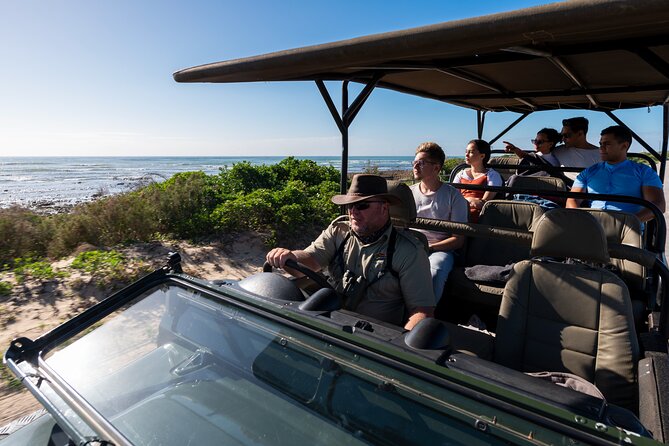
Cape Recife gives you a rare marine safari without putting you on a boat. From a game-viewer vehicle and selected walking routes, you can watch the wild Eastern Cape coast, look for whales and dolphins, and explore one of the region’s best birding areas. It is a fine way to see a quieter side of Port Elizabeth, now known as Gqeberha.
I like the combination of marine wildlife and coastal plants, which makes this more than a simple whale-spotting outing. I also like the human touch: guides such as Roger and Mervyn bring attention to the lighthouse, local ecology, and the clever use of treated sewage water to help establish the dunes.
The main consideration is the weather. Cape Recife can be cold and windy, and wildlife sightings are never guaranteed. You also need at least four adults for a time slot, so check availability before building your plans around it.
Key points to know before you book
- Land-based whale watching: You stay on shore and use a game-viewer vehicle rather than taking a boat.
- Cape Recife’s wildlife mix: Look for whales, bottlenose dolphins, coastal and pelagic birds, freshwater species, and bush birds.
- A three-hour outing: The experience can include a guided drive, walks, birding, botanical stops, lighthouse viewing, and marine exploration.
- Local guides matter: Roger and Mervyn are among the guides associated with the experience, with strong attention to nature and place.
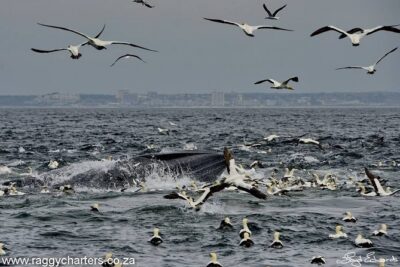
- Best seasonal bonus: From roughly May to July, the sardine run may bring huge shoals and feeding predators close to the coast.
- Bring warm clothing: The coast is exposed, and one visitor specifically found the wind cold.
Why Cape Recife makes a better marine safari than you might expect
Cape Recife is not a boat trip, and that is its great strength. You can take in the coast at a slower pace, moving between viewpoints, short walks, birding areas, and historical sites instead of spending the whole outing scanning from one deck.
The setting feels wild despite being close to Port Elizabeth. The Cape Recife section of coast is described as pristine and rugged, with ocean, dunes, low vegetation, and open views. You get the sense of a place where natural processes still set the rhythm.
The sea is the main attraction, but it is not the only one. Whales may be seen year-round, and the surrounding waters are known for bottlenose dolphins. Cape Recife is also a major birding area, with the chance to spot pelagic, coastal, freshwater, and bush species in one outing.
That variety matters. If the ocean is quiet, you still have flowers, birds, the lighthouse, and the story of the dunes to keep the safari moving. I would choose this over a narrowly focused wildlife trip if you want a broader introduction to the coast.
More Safaris in Port Elizabeth
- Full-Day All Inclusive Safari with Traditional Braai Lunch
★ 4.8 · 345 reviews - Port Elizabeth: Schotia Game Reserve Safari with Port Pickup
★ 4.5 · 263 reviews - Addo Elephant National Park All Inclusive Full-Day Safari
★ 5.0 · 256 reviews
Meeting at the Kelway Hotel in Humewood
The outing starts at the Kelway Hotel on Brookes Hill Drive in Humewood, Port Elizabeth. Pickup is offered, and the meeting point is near public transport, which helps if you are staying in the central coastal part of town.
The activity lasts about three hours and ends back at the same meeting point. That makes it easy to fit into a larger Port Elizabeth plan. You could schedule it on your final afternoon, then continue with dinner in town, or use it as a compact introduction before moving on to another part of the Eastern Cape.
The group can include up to 20 people. That is small enough to keep the guide’s explanations useful, though it is not a private safari. A minimum of four adults is required for a time slot, so availability matters more than usual for solo visitors or couples travelling outside peak periods.
Confirmation is sent within 48 hours of booking, subject to availability. I would avoid booking this as a last-minute, nonrefundable centerpiece of your schedule. You can cancel for a full refund up to 24 hours before the start time, but changes or cancellations inside that window are not refunded.
Riding out in a game-viewer vehicle
The safari uses game-viewer vehicles fitted with the appropriate equipment. This gives you a raised position for coastal views and wildlife spotting, while saving your energy for the walks and stops that follow.
The exact order can vary with weather, wildlife, and the guide’s judgment. The experience may include a guided drive, hikes, birding, botanical exploration, marine viewing, lighthouse visits, and historical interpretation. Think of it as a flexible Cape Recife outing rather than a fixed series of timed attractions.
That flexibility is useful on a coast. A good guide can spend more time at a productive birding area, adjust the walk if wind picks up, or pause when dolphins or whales appear offshore. The tradeoff is that you should not expect every listed activity to receive equal time on every departure.
The guides are central to the experience. Roger is noted for explaining both the natural setting and the area’s past, including how treated sewage water has been used to support plant growth and help establish the dunes. Mervyn is associated with an informative marine safari, and the outing may finish with gin and tonics for those taking the cocktail option.
Watching for whales and the bottlenose dolphins
Cape Recife brings you close to marine life from land, but close does not mean guaranteed. Whales can be seen throughout the year, while the area is known for its bottlenose dolphin population.
You will need patience. The guide can position the vehicle and point out activity, but the sea decides what appears and when. Bring your attention to the full horizon rather than expecting a staged encounter.
This is also a good setting for anyone who enjoys the small details of wildlife. A bird may be easier to find than a whale, and a coastal walk can reward you even when the water looks empty. The combination of ocean, bush, freshwater, and shoreline habitats gives the guide several ways to keep the outing interesting.
The sardine run is the major seasonal draw. It generally takes place between May and July, when enormous shoals move north along the eastern coast. Shoals can reach about 7 kilometers in length and 1.5 kilometers in width, attracting marine predators and seabirds.
That event is spectacular, but it should not be the only reason you book. The timing is limited, and natural events are unpredictable. Outside the sardine run, Cape Recife still offers whale watching, dolphins, birds, plants, and open coastal views.
More Safaris in Port Elizabeth & Addo:
- From Cape Town: 5-Day Best of Garden Route and Addo Safari
★ 4.8 · 221 reviews - Addo Elephant Full Day Safari with a Traditional South African Braai (BBQ) Lunch
★ 5.0 · 218 reviews - Port Elizabeth: Addo Elephant Park All-Inclusive Day Safari
★ 4.8 · 199 reviews - Addo National Park: Guided Half-Day Safari
★ 4.7 · 175 reviews
Birding across ocean, bush, and freshwater habitats
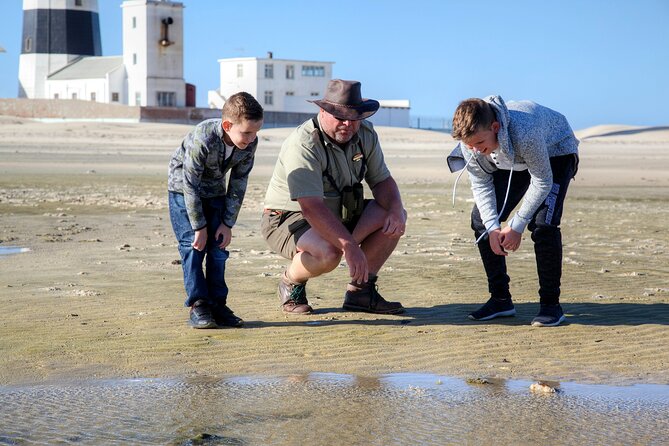
Cape Recife is especially appealing if you carry binoculars or a camera. The area supports pelagic birds associated with the open sea, coastal birds, freshwater species, and bush birds.
That range is unusual in a short outing. You are not limited to one beach or one lookout. The route can move through different habitats, giving you a better chance of seeing varied species and making the birding feel like an exploration rather than a single checklist stop.
I would bring a camera with a long lens if bird photography is a priority, but keep expectations sensible. The activity is a general marine and nature safari, not a specialist birding expedition with a guaranteed species list.
The open coast also works well for photography. The rugged shoreline, lighthouse, plants, and changing light offer strong subjects, especially near sunrise or sunset. The experience can be particularly rewarding for photographers who want a natural scene rather than an arranged wildlife encounter.
Walking among Cape Recife’s unusual plants
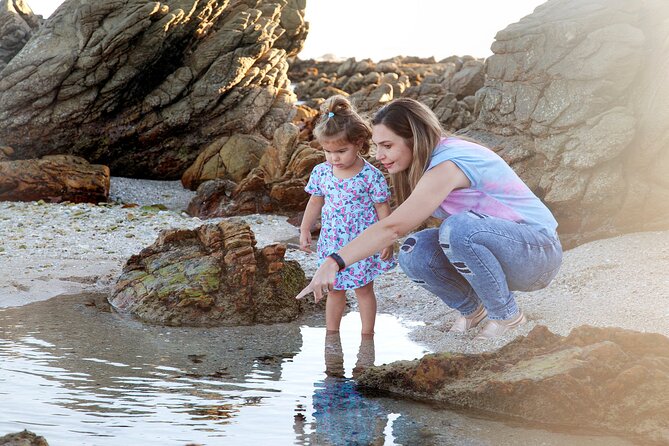
Cape Recife is a botanical hotspot, with a large variety of protected flora. The plants are not just decoration around the main attraction. They explain how this exposed coastal area holds together and give the walking portions a clear purpose.
A guide can help you notice how vegetation shapes the dunes and survives beside the sea. The explanation about treated sewage water being used for plant growth gives the area an especially practical conservation story. It links infrastructure, habitat creation, and the visible plant life around you.
The walks also change the pace. After watching the ocean from a vehicle, you get the chance to move on foot and look more closely. Wear shoes suitable for walking, and carry warm layers even if Port Elizabeth feels mild in town. The coast can feel much colder when the wind comes off the water.
The activity is generally suitable for most people, but the supplied information does not give a specific walking distance or accessibility standard. If you have mobility concerns, ask the operator what the planned route involves before booking.
The lighthouse and the story behind the shore
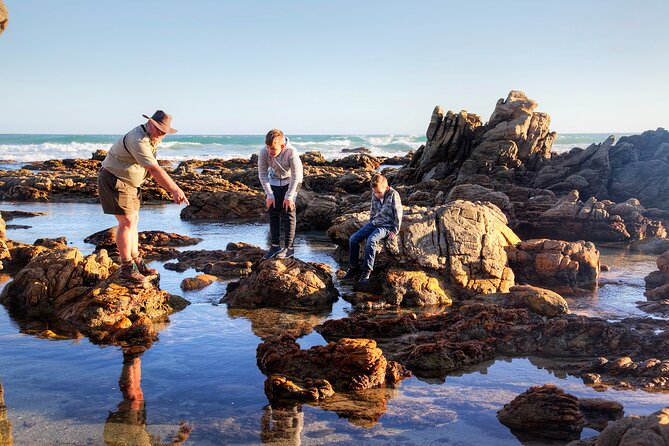
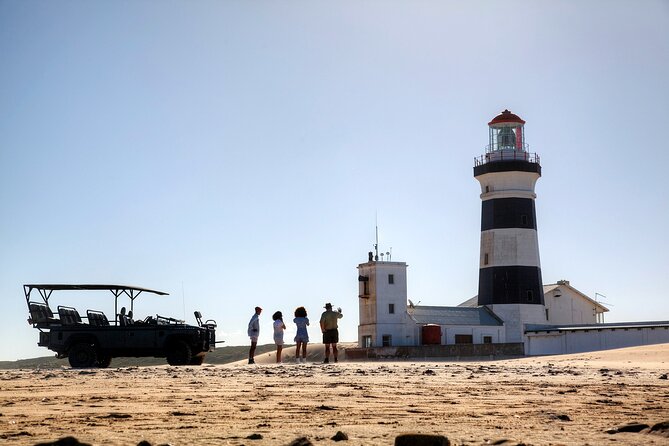
The lighthouse gives the outing a useful historical focus. It also provides an elevated viewpoint over the coast, making it one of the more memorable stops for photos and orientation.
The building and its surroundings help explain why this coast mattered to people as well as wildlife. You can pair the view with the guide’s account of Cape Recife’s past and environmental work, rather than simply stopping for a quick photograph.
The lighthouse area has also been used for overnight stays and private escapes, but the marine safari itself should be understood as a guided day activity. The accommodation and braai facilities mentioned in connection with the area are not a reason to assume an overnight stay is included in the safari price.
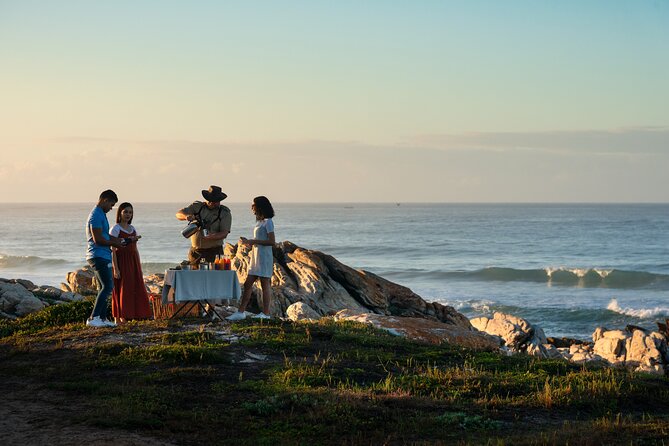
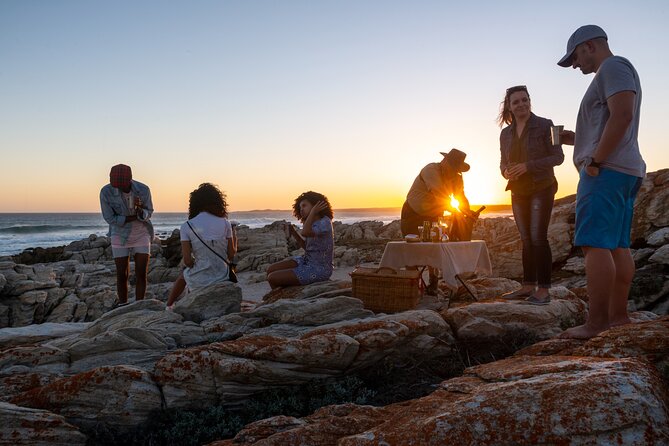
The view can be excellent at sunrise and sunset. If your schedule allows a late departure, you may finish with a beach walk and cocktails as the light fades. That ending adds a relaxed social note, though you should confirm exactly what is included in your selected booking.
A sunset finish, with one practical warning
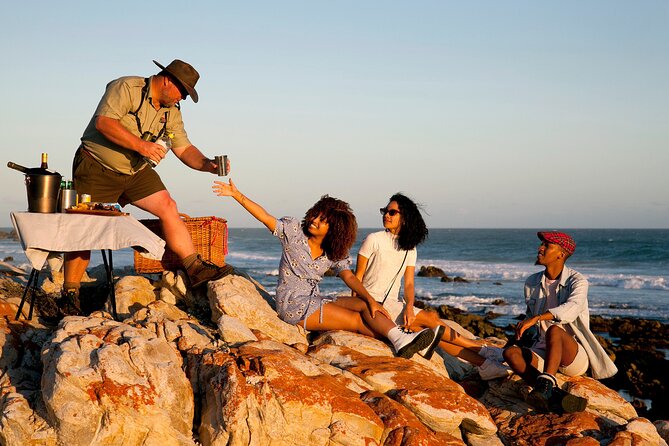
The experience is designed to end in a memorable way, with the possibility of cocktails and a late walk along the beach. Gin and tonics are singled out as a highlight, so this is more polished than a basic sightseeing drive.
I like this ending because it suits the setting. After the wildlife and plant stops, you have time to absorb the coast rather than rushing back to town. It also makes the safari a good choice for a final afternoon in Port Elizabeth.
But sunsets depend on weather, and Cape Recife is exposed. Bring a warm jacket, even in a mild season. If you dislike wind or prefer a tightly scheduled wildlife outing, the final beach portion may feel less comfortable than the photographs suggest.
The experience requires good weather. If poor conditions force a cancellation, you are offered another date or a full refund. The same applies if the minimum group size is not reached.
Is $85.75 a fair price?
At $85.75 per person, this is not the cheapest way to spend three hours around Port Elizabeth. Its value comes from the range of experiences packed into that time: vehicle transport within the site, a guide, marine viewing, birding, botanical interpretation, history, lighthouse access, and walks.
You are paying for a guided view of a protected coastal area, not just a transfer to a beach. If you had to arrange separate transport, identify access points, find the lighthouse, and work out where to look for birds and marine life, the price becomes easier to justify.
The value is strongest for visitors who want interpretation. Without a guide, you could still enjoy the ocean and plants, but you would miss the links between the dunes, water management, vegetation, wildlife, and local history.
It is less compelling if your only goal is a guaranteed whale sighting. No land-based wildlife trip can promise that, and this outing works best when you appreciate the whole setting.
Who should book the Cape Recife Marine Safari?
I would recommend it to nature lovers, photographers, birders, couples looking for a scenic final afternoon, and anyone who wants a quieter coastal experience near Port Elizabeth. It also suits visitors who prefer a land-based safari and do not want to spend time on a boat.
Families and mixed-interest groups may like the range of stops. One person can watch for dolphins, another can focus on birds, and someone else can enjoy the lighthouse and plant life. Most people can participate, and the maximum group size is 20.
I would be more cautious if you need guaranteed animal sightings, dislike cold wind, or have a very tight schedule that cannot absorb a weather-related change. Solo visitors and couples should also confirm that the four-adult minimum has been met.
Book at least a few days ahead, and note that this experience is commonly reserved about 15 days before the date. That planning window is sensible for a small coastal activity with weather and minimum-group requirements.
FAQ
Where does the Cape Recife Marine Safari start?
It starts at the Kelway Hotel on Brookes Hill Drive in Humewood, Port Elizabeth, South Africa. Pickup is offered, and the meeting point is near public transportation.
Where does the activity end?
The safari ends back at the starting meeting point at the Kelway Hotel.
How long does the marine safari last?
The experience lasts approximately three hours.
How many people can join the safari?
The maximum group size is 20 people. A minimum of four adults is required for a time slot.
Can I see whales and dolphins during the safari?
The Cape Recife coast brings you close to whales year-round and is known for bottlenose dolphins. Sightings are possible but are not guaranteed.
When can I see the sardine run?
The sardine run generally takes place between May and July. It is a seasonal natural event, so its timing and visibility cannot be guaranteed.
What happens if the weather is poor?
The experience requires good weather. If it is canceled because of poor conditions, you are offered another date or a full refund.
Should you book it?
Book this safari if you want a broad, guided look at Cape Recife, not a single-purpose whale trip. The mix of ocean views, dolphins, birds, plants, lighthouse history, and a possible sunset cocktail gives the outing real variety.
I would choose it as a final Port Elizabeth activity, especially for a photographer, birder, or nature-minded couple. Wear warm clothes, keep your schedule flexible, and confirm the minimum group requirement. With those points in mind, the Cape Recife Marine Safari offers good value for a close, thoughtful look at one of the Eastern Cape’s most special coastal areas.
Just listed around Port Elizabeth & Addo
- Township Experience – Port Elizabeth★ 5.0 · 5 reviews
- Schotia Private Game African Safari Guided Tour★ 5.0 · 5 reviews
- Ultimate Port Elizabeth Tour★ 4.5 · 5 reviews
- Addo River Safari – Guided Tour via Canoe★ 4.6 · 6 reviews
- Half-Day Addo Elephant National Park★ 4.5 · 6 reviews
- Addo: Game Drive in Addo Elephant National Park Private★ 4.5 · 6 reviews
- Sunrise Safari – through Addo Park to Schotia reserve★ 4.5 · 6 reviews
- Big 5 Tour from Port Elizabeth★ 3.5 · 7 reviews
Port Elizabeth & Addo Tours, compared.
Full-Day All Inclusive Safari with Traditional Braai Lunch
Read our review →

Addo Elephant National Park All Inclusive Full-Day Safari
Read our review →
Addo Elephant Full Day Safari with a Traditional South African Braai (BBQ) Lunch
Read our review →
Browse the lists this tour appears in