
Reviewed · JOHANNESBURG TOURS
Johannesburg: Mandela Legacy Day Tour
Mandela’s story comes alive through places you can actually enter, not just dates in a guidebook. This nine-hour Johannesburg tour links his home, law office, prison sites, final offices, and the Apartheid Museum into one serious day about South Africa’s road to democracy.
I like the way the route balances personal details and national history, especially at Mandela House and the Nelson Mandela Foundation. I also like having transport, a guide, admissions, and bottled water included. The tradeoff is the long, full schedule. At $183 per person, it makes the most sense if you want a focused Mandela day rather than a relaxed city outing.
Key points to know
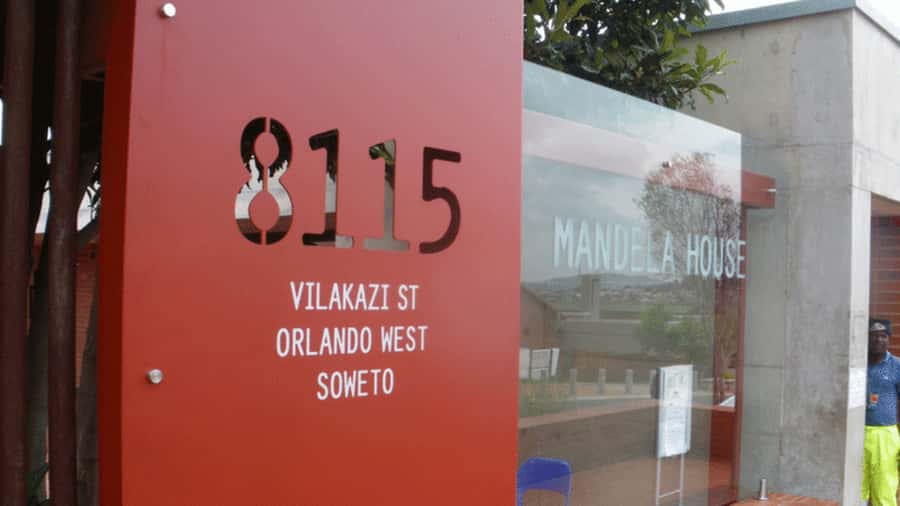
- Mandela House shows the family man: See where Nelson Mandela lived with his family from 1946 to 1962, and where he returned after prison in 1990.
- The Nelson Mandela Foundation adds personal detail: Original items include his briefcase, Nobel Prize medal, and Xhosa mountain attire.
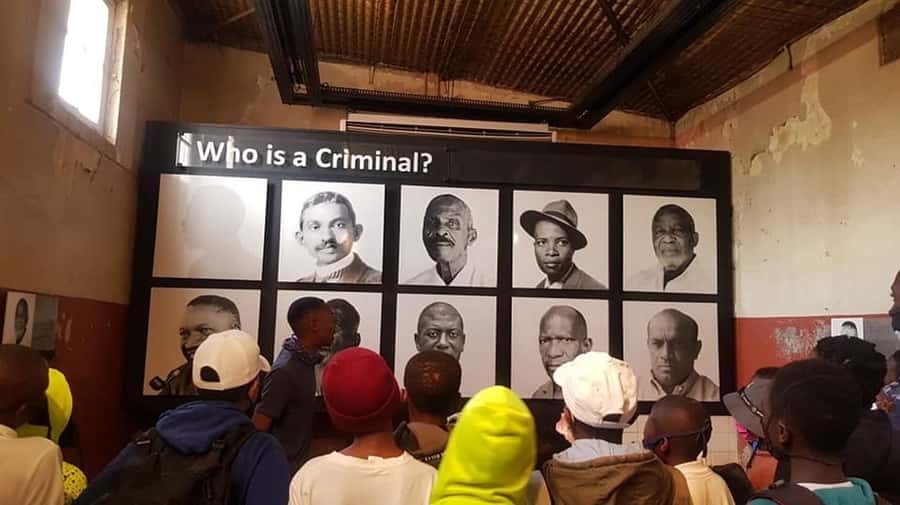
- Constitutional Hill connects several struggle figures: Mandela, Mahatma Gandhi, Winnie Madikizela, Joe Slovo, and others were imprisoned here.
- Liliesleaf Farm reveals the hidden work behind the movement: The northern Johannesburg site served as an African National Congress safe house in the 1960s.
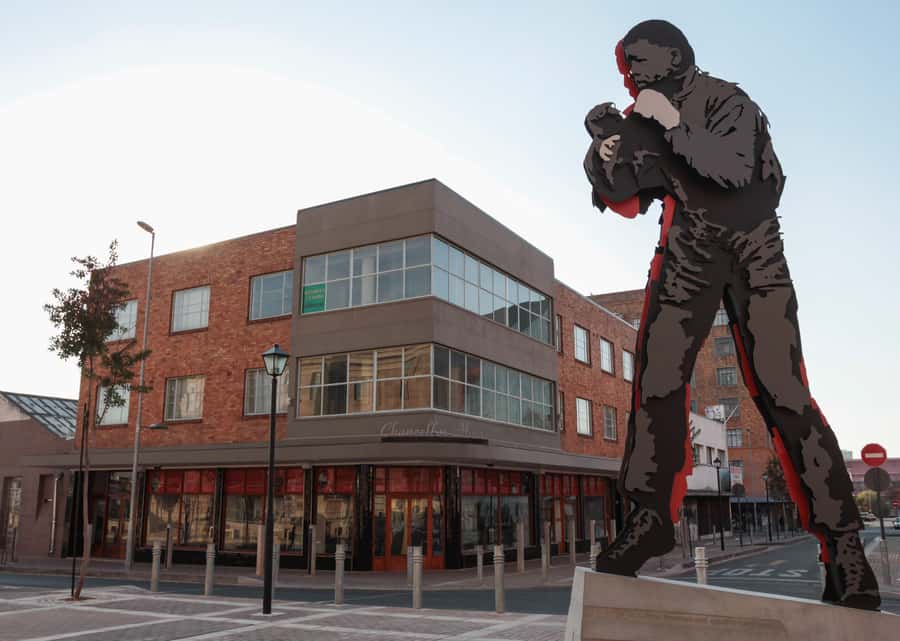
- Chancellor House marks a legal turning point: It housed Mandela and Oliver Tambo’s first black law firm in South Africa.
- The day ends at the Apartheid Museum: Its exhibitions give the wider political setting needed to understand the individual sites.
Why this Mandela tour works as a full-day history lesson
This is not a quick photo stop at one famous house. It is a connected route through several places that show different sides of Mandela’s life: activist, lawyer, prisoner, family man, political leader, and elder statesman.
That range is the main reason I find the itinerary worthwhile. Mandela House gives you an intimate domestic setting. Chancellor House shows his professional life. Constitutional Hill confronts the machinery of imprisonment. The Apartheid Museum then widens the view beyond one person.
You spend about nine hours with an English-speaking guide, moving between sites in Johannesburg and Soweto. The day is structured, and entry fees are included, so you do not need to plan each admission yourself. You should still expect a demanding schedule with a lot to absorb.
A guide matters here. Dates and names can blur when several museums and memorial sites appear in one day. A good guide can connect the buildings, explain why each stop matters, and help you see Mandela as a person rather than a symbol printed on a T-shirt.
Guides named Richard and Emmah are associated with Africa Moja Tours and have led especially thoughtful, well-organized visits. The most useful quality to look for is not a theatrical presentation. It is the ability to explain recent South African history clearly and handle its emotional weight with care.
A few more Johannesburg days worth comparing
- From Johannesburg: Pilanesberg Nature Reserve Game Safari
★ 4.8 · 1,327 reviews - Johannesburg: Hop-On Hop-Off Bus with Optional Soweto Tour
★ 4.6 · 985 reviews - Soweto /Johannesburg and Apartheid Museum Guided Full Day Tour
★ 5.0 · 932 reviews
Liliesleaf Farm and the secret work of the 1960s
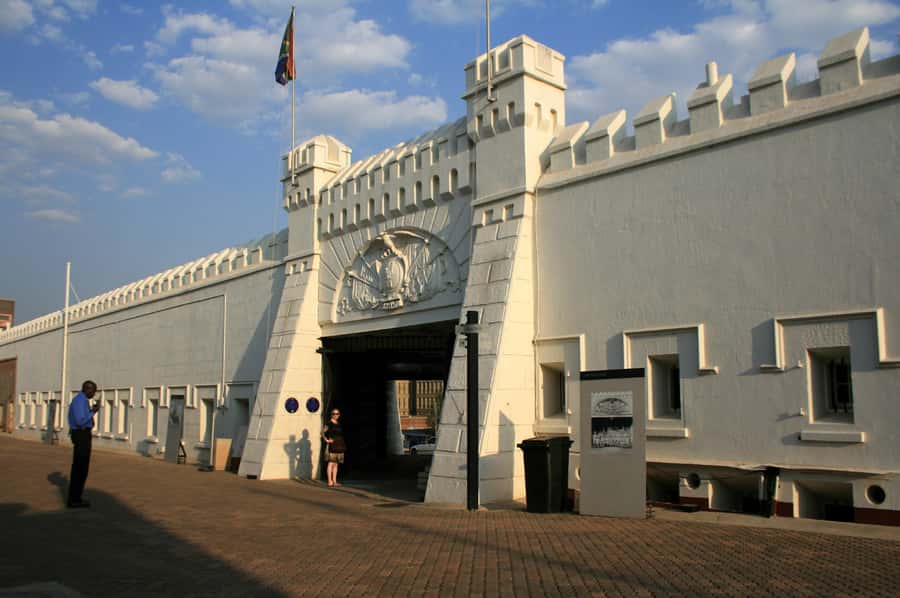
Your first stop is Liliesleaf Farm in northern Johannesburg. The setting is described as quaint, but its political role was anything but quiet. During the 1960s, the farm served as a safe house for the African National Congress.
This stop helps you understand how political organizing operated under apartheid. The story is not only about speeches and public protest. It is also about private meetings, planning, danger, and the need for trusted places away from official scrutiny.
I like beginning here because it puts the struggle into practical terms. Before you reach Mandela’s home or the major museums, you see the kind of place where the movement’s work was organized.
The limitation is that Liliesleaf Farm may be less instantly familiar than Mandela House or the Apartheid Museum. If you know little about South African history, ask your guide to explain how the farm connects to the people and events covered later in the day.
The Nelson Mandela Foundation and his final offices
Next comes the Nelson Mandela Foundation, located in the last offices Mandela occupied before his death. This stop shifts the focus from the underground struggle to the public figure he became.
The original objects are the draw. You can see Mandela’s briefcase, Nobel Prize medal, and Xhosa mountain attire. These are small, direct links to a long public life. A briefcase suggests work and travel. A medal points to international recognition. Traditional clothing shows how Mandela presented his identity in a public role.
I find objects like these more useful than a room filled only with written panels. They give you a physical point of contact with a person who can otherwise feel distant or larger than life.
Do not expect this to tell the whole story by itself. It is one part of the day, and its value increases after Liliesleaf Farm and before the prison and home visits. The guide’s explanation helps place each item in context.
The foundation also provides a pause between the more overtly political sites. You can consider how Mandela’s role changed over time, from banned activist and prisoner to national leader and international figure.
Constitutional Hill, where imprisonment becomes personal
Constitutional Hill is one of the most important stops on the route. Mandela was imprisoned here, along with figures including Mahatma Gandhi, Winnie Madikizela, and Joe Slovo.
The site gives the tour a harder edge. A home can make history feel close, but a prison shows the force used to control people and suppress opposition. Here, the story moves from Mandela’s choices to the system that tried to contain him.
This is also where a guide can make a real difference. The names connected with Constitutional Hill span different periods and political roles. A clear explanation helps you understand that the site is not only about Mandela. It is part of a much wider history of resistance and imprisonment.
You may find this stop emotionally heavy. That is not a flaw, but it is worth knowing before you book. The day does not treat apartheid as a distant museum topic. It asks you to confront what imprisonment meant for Mandela and many others.
Comfortable shoes are important. The tour is long, and you will spend much of the day moving through several sites. The activity specifically recommends them, and this is advice worth following.
A different side of Johannesburg altogether:
- Johannesburg Hop-On Hop-Off City Tour with Soweto Option
★ 4.5 · 768 reviews - Full Day Ultimate Pilanesberg National Park Safari from Johannesburg or Pretoria
★ 4.5 · 718 reviews - Half-Day Tour of Soweto Tour
★ 4.5 · 712 reviews - Soweto: Walking Tour with a Local Guide and Lunch
★ 4.9 · 648 reviews
Chancellor House and the young legal partnership
Chancellor House in Johannesburg adds a different chapter. The three-story building in the Ferreirasdorp area once housed Nelson Mandela and Oliver Tambo’s first black law firm in South Africa.
This stop matters because it presents Mandela as a working lawyer, not only as a future president or former prisoner. It also places Oliver Tambo at the center of the story. Their legal partnership gave people facing apartheid a place to seek help and gave the two men a shared professional base.
The building itself is important because ordinary workplaces can carry enormous political meaning. You are not visiting a grand government building. You are seeing the setting connected with a law practice that challenged an unequal legal system.
Chancellor House may be a shorter or more modest stop than the major museums, but do not dismiss it. It fills a gap in the story. Mandela did not move directly from activist to president. His work as a lawyer shaped his public life and his understanding of the law.
Mandela House in Soweto, the family side of the story
Mandela House is likely to be the most personal stop of the day. Mandela lived there with his family from 1946 to 1962. The house is also where he returned after his release from prison in 1990.
That span makes the building unusually powerful. It connects the young lawyer and activist with the older man returning to public life after decades behind bars. The house lets you think about the private cost of a public struggle.
The nearby Tutu house adds another layer. It was also the residential home of Archbishop Desmond Tutu. Having these homes close together shows how one neighborhood can hold several major chapters in South Africa’s modern political and religious life.
I like that the itinerary includes this domestic setting after the more formal and institutional stops. A briefcase, prison, law office, and museum all tell important stories, but a house helps you picture family life around the public legend.
The visit is not simply about admiring Mandela. It can also prompt harder questions about what his activism meant for the people around him. The supplied information does not give a detailed room-by-room description, so you should think of Mandela House as a meaningful historic home within the wider route, not as a long independent house tour.
The Apartheid Museum closes the circle
The final stop is the Apartheid Museum. Ending here is a sound choice because the museum gives the day its broadest frame.
The earlier sites focus strongly on Mandela and people close to the struggle. The museum shifts the focus to apartheid itself and the exhibitions that explain the political system, its effects, and the opposition to it. That context can make the smaller sites easier to understand.
If you are new to South African history, this may be the stop that ties the most threads together. If you already know the basic story, the museum still gives you a final chance to organize what you have seen during the day.
By this point, you may be tired. Nine hours is a lot for any history tour, especially one dealing with imprisonment, racial injustice, and political violence. Still, ending at the museum rather than treating it as an optional extra gives the day a stronger shape.
Set aside energy for the final exhibitions. The museum is not merely a place to say you have been. It is the point where the personal story becomes part of a national one.
What the $183 price includes
The cost is $183 per person. That is not a low-cost sightseeing outing, but the value depends on how much of Johannesburg’s Mandela history you want to cover in one organized day.
The price includes pickup and drop-off, an English-speaking tour guide, entry fees, and bottled water. Those inclusions matter. Five major historical stops can involve several admissions and complicated movement across Johannesburg and Soweto. Having transport arranged saves you from piecing the route together yourself.
Food and drinks are not included. Plan to pay for those separately, although the supplied details do not specify a meal stop or a restaurant. Bring what you need for a long day, and confirm the day’s arrangements if meals are important to you.
I would compare the price with the alternative of arranging separate transport and admissions. If you want only Mandela House, this tour is probably more than you need. If you want Liliesleaf Farm, the foundation, Constitutional Hill, Chancellor House, Mandela House, and the Apartheid Museum in one day, the package has a practical advantage.
The real value is the guide’s interpretation. A sequence of buildings without context can feel scattered. A guide who connects them can turn the day into a coherent account of Mandela’s life and South Africa’s transition.
Timing, comfort, and the emotional pace
The experience lasts nine hours, with starting times depending on availability. Treat it as a major day in your Johannesburg schedule, not a small morning activity you can squeeze between other plans.
Wear comfortable shoes. The tour covers several sites, and the day includes prison grounds, museums, historic buildings, and a home visit. You should also be ready for a lot of information.
The activity is not considered suitable for pregnant women. That restriction, combined with the long duration and walking requirement, makes it wise to judge the schedule against your own comfort before booking.
English is the live tour language, and an English audio guide is included. That gives you two ways to follow the material, though the guide remains important for connecting the stops and answering questions.
Pickup and drop-off are included, but the supplied details do not specify exact pickup points, group size, vehicle type, or meal arrangements. Check those details when selecting a date, especially if you need a precise schedule.
Who should book this experience
I would choose this tour if you want a serious introduction to Mandela’s life and the history of apartheid, and you prefer to have the transport and admissions handled in one day.
It is a strong fit for:
- First-time visitors to Johannesburg who want historical context
- People with a specific interest in Mandela, Oliver Tambo, or the anti-apartheid movement
- Visitors who value a live English-speaking guide
- Anyone who wants both personal sites and major museums
- Those who prefer a structured day to planning several stops independently
I would hesitate if you want a slow pace, a food-focused outing, or only one or two attractions. The schedule is packed, and the subject matter is serious. You should also reconsider if nine hours of site visits and historical discussion sounds tiring.
The small set of available ratings is perfect, with particular praise for organization, safety, personal attention, and the emotional impact of the guiding. That fits the design of the tour: its success depends heavily on the guide’s ability to make connections and keep the day moving.
Should you book the Mandela Legacy Day Tour?
Book it if you want to see the main Johannesburg and Soweto sites tied to Mandela in one carefully arranged day. The strongest reasons are the range of stops, included admissions and transport, and the chance to hear the story explained as you move from safe house to law office, prison, family home, foundation, and museum.
The main caution is the pace. At $183, this is a value purchase for a full historical route, not a bargain attraction. If you have the time, the energy, and a genuine interest in South Africa’s recent past, it offers a thoughtful way to understand Mandela as a lawyer, activist, prisoner, family man, and leader.
FAQ
How long does the Mandela Legacy Day Tour last?
The tour lasts nine hours.
What locations does the tour visit?
The route includes Liliesleaf Farm, the Nelson Mandela Foundation, Constitutional Hill, Chancellor House, Mandela House, and the Apartheid Museum.
Is pickup and drop-off included?
Yes. Pickup and drop-off are included in the tour price.
Are entry fees included?
Yes. Entry fees for the included attractions are covered.
Is food included?
No. Food and drinks are not included. Bottled water is provided.
What language is the tour conducted in?
The live tour guide speaks English, and an English audio guide is included.
Can I cancel the tour for a full refund?
Yes. You can cancel up to 24 hours in advance for a full refund.
Can I reserve the tour and pay later?
Yes. The reserve now and pay later option lets you book without paying anything at the time of reservation.
Just listed around Johannesburg
- Constitutional Hill and Soweto 5 hours tour.★ 5.0 · 5 reviews
- 5 Day Kruger Glamping Safari and Panorama Tour★ 5.0 · 5 reviews
- Cradle of Humankind and Maropeng Day Tour from Johannesburg★ 4.0 · 5 reviews
- Johannesburg: Hot Air Balloon Flight★ 5.0 · 5 reviews
- Half Day Soweto and Apartheid Museum Guided Tour★ 5.0 · 5 reviews
- Lion park★ 4.5 · 5 reviews
- 5 Day Kruger National Park and Panorama Route Safari★ 4.5 · 5 reviews
- Pretoria Historical Tour★ 4.0 · 5 reviews
Johannesburg Tours, compared.



Soweto /Johannesburg and Apartheid Museum Guided Full Day Tour
Read our review →
Johannesburg Hop-On Hop-Off City Tour with Soweto Option
Read our review →


Jo’berg in 1 Day: Soweto, Apartheid Museum & City Tour
Read our review →