
Reviewed · WHALE WATCHING
Hermanus: Boat Based Whale Watching Experience
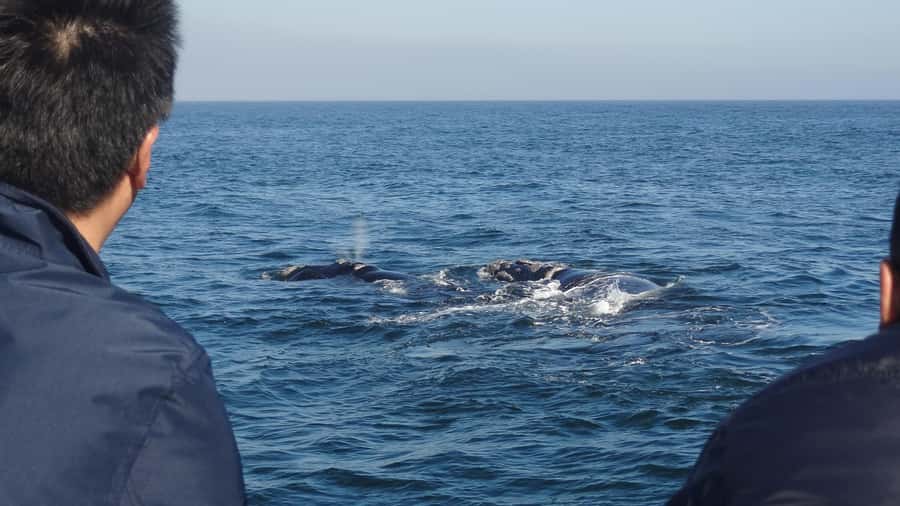
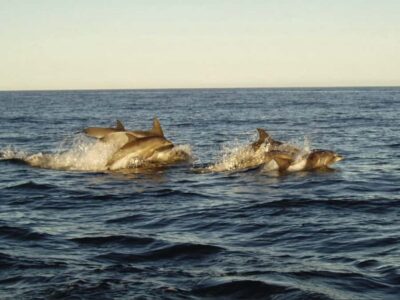
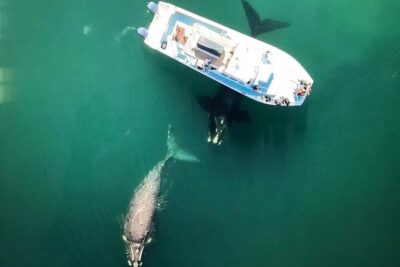
Whales can appear beside the boat in Hermanus, sometimes with a calf in tow, sometimes with dolphins racing past on the way back to shore. The vessel stops when it reaches the animals, and the engines are switched off so the whales are not bothered by the propellers. That quiet pause is the best part.
I like the respectful approach to wildlife and the roomy upper deck, which gives you a fair chance at a clear view. I also like the crew’s role: guides such as Peter and Philip have been singled out for clear explanations and calm answers. The main drawback is the sea. Rough water can make photography difficult and may leave anyone prone to seasickness wishing they had stayed on land.
Key points before you book
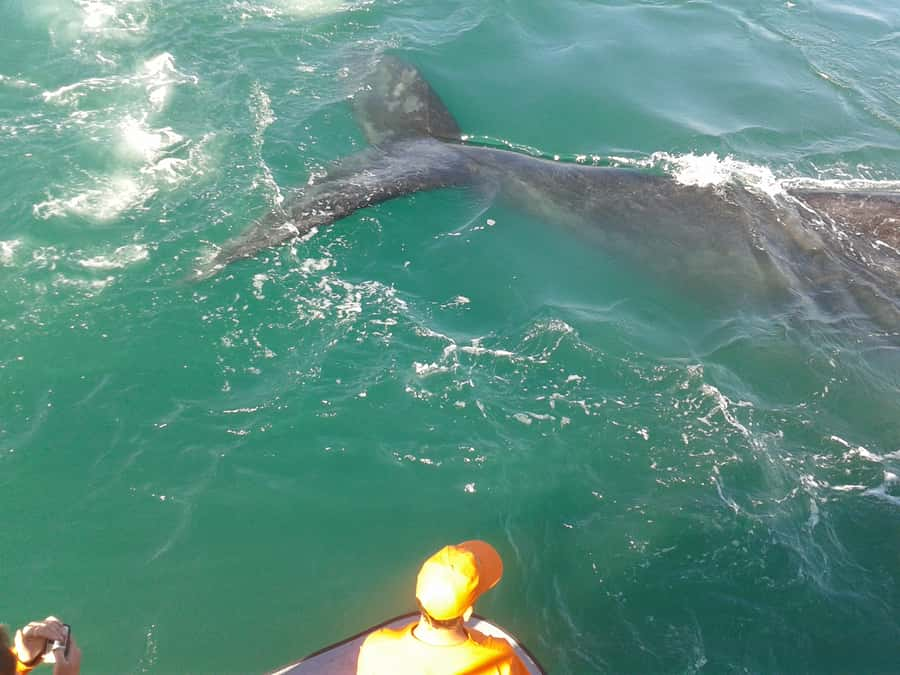
- Whales are the main event: Southern right whales are a major draw, with humpbacks and other whale types also possible.
- Wildlife sightings vary: Dolphins, seals, seabirds, and even a sunfish may appear, but no sighting can be promised.
- Upper-deck views depend on weather: In good conditions, you may go up before departure. In poor conditions, access may wait until whales are found.
- The trip lasts 90 minutes to two hours: The exact time can depend on sea conditions and how quickly the crew finds whales.
- The boat stops near whales: Engines are disengaged to reduce the risk of injuring the animals with propellers.
- Bring serious cold-weather gear: A windbreaker, jacket, warm clothing, sunscreen, sun hat, and flat shoes all make sense.
Setting out from Hermanus New Harbour
Your trip begins at Hermanus New Harbour, not in the center of town. Enter the harbor and look for the orange building on the right-hand side. You should arrive about 30 minutes before departure, since your physical ticket is provided on arrival after the operator confirms your presence.
There is a small harbor entrance fee of R5, payable separately. Coffee is provided when you arrive, and water is available on the boat. These are minor details, but they help when you are standing around before a trip in cool coastal weather.
The experience provider is Hermanus Whale Watchers. The tour runs in English with a live guide, and the crew gives a safety briefing before departure. Listen closely, especially if you plan to move between the lower area and the upper deck. A boat trip is simple, but moving around on a moving vessel is not the time to learn where the rails and safe footing are.
The boats have been praised for being comfortable, fast, and spacious. Some departures use different boat types, and group sizes can be limited to around 40 people. Since boat capacity can affect your view, it is worth checking the vessel and departure details when you book.
More whale watching from Hermanus & Gansbaai:
- Hermanus: Whale and Dolphin Watching Boat Trip
★ 4.6 · 807 reviews - Whale Watching from Gansbaai
★ 5.0 · 327 reviews - Boat Based Whale Watching from Hermanus
★ 4.5 · 205 reviews
The ride across Walker Bay
Once the boat leaves the harbor, the cruise itself becomes part of the experience. You get a fresh view back toward Hermanus and the Western Cape, with the town and shoreline seen from open water rather than from a road or lookout.
This is not a sightseeing cruise with a long list of coastal stops. The crew’s attention is directed toward finding whales. That focus is useful because whale watching requires patience and sharp eyes. A guide may notice a blow or a back at a distance long before you do, then direct everyone’s attention toward the right patch of water.
The sea can be calm, but conditions are not guaranteed. One departure may feel easy and smooth, while another later in the day can be much rougher. Afternoon wind and waves have made photography harder on some trips, so I would choose a morning departure if you have a choice and are sensitive to motion. The supplied information does not promise a particular start time, so check availability for the day you want.
You can look for seabirds as you travel, and dolphins or seals may appear before the boat reaches a whale area. Several departures have included large pods of dolphins, while others have produced whales and seals but no dolphins. That variation is normal for a wild-animal trip, not a fault in the operation.
Finding whales and waiting in silence
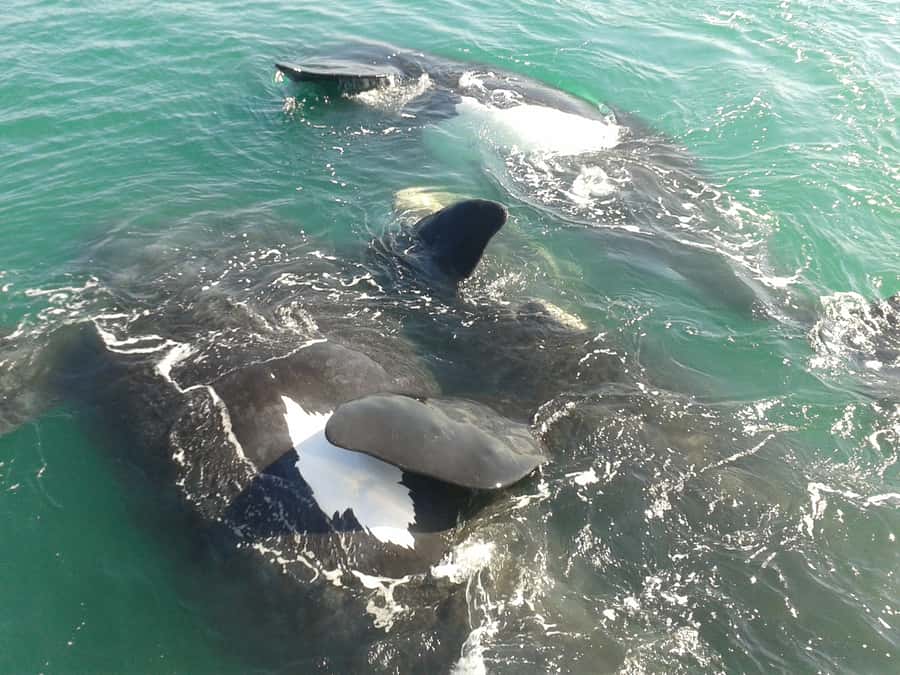
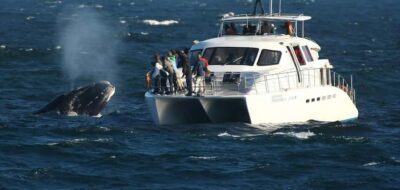
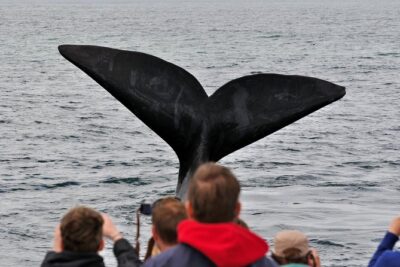
The most important moment comes when the crew locates whales. The vessel is allowed to move closer, then stops and disengages its engines. This gives you time to watch without the constant noise and movement of the boat.
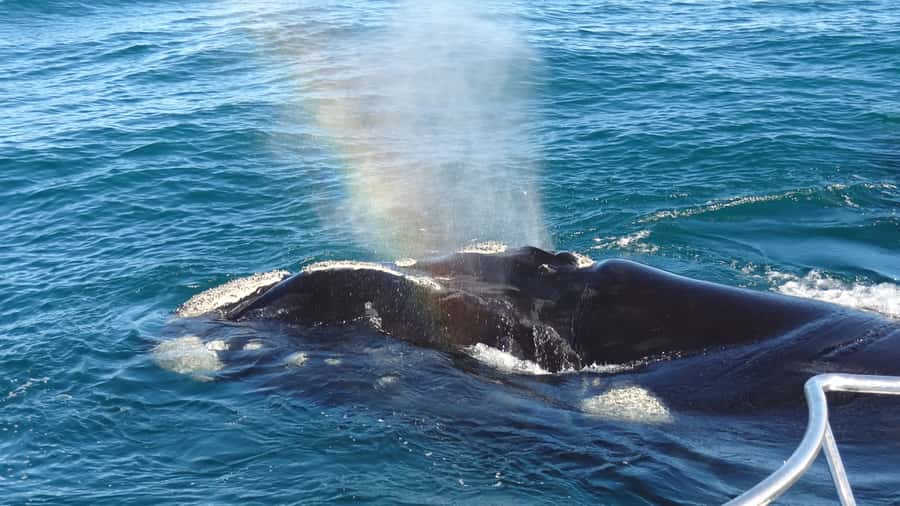
A whale may surface near the vessel, roll, lift its head, or simply show a back and blow before disappearing. Sometimes the animal comes toward the boat out of curiosity, creating the striking impression that it is watching the people as carefully as they are watching it. The crew does not force that encounter. The whales decide how close they want to come.
This approach matters. You are not watching a trained show. The appeal is seeing a wild animal behave on its own terms, with the crew keeping distance and avoiding unnecessary disturbance. That also means the action may come in short bursts. You might wait between sightings, then suddenly have a mother and calf surface near the boat.
Southern right whale mothers with calves are a common highlight during the stronger part of the season. Humpback whales and other possible species add variety. One particularly unusual sighting included a white calf with its mother, but you should treat that as a rare stroke of luck, not something to expect.
The guide’s explanations add value during these pauses. You learn about the types of whales in the bay and their behavior while watching them, rather than receiving all the information in a long speech before the boat leaves. Guides have been praised for spotting whales from far away and for answering repeated questions with patience.
What else can appear around the boat
Dolphins are often the most energetic bonus. A large pod can turn the return ride into a second wildlife trip, with animals moving together through the water. Seeing hundreds of dolphins is possible, but not assured.
Seals are another regular possibility, and seabirds help fill the spaces between larger sightings. A sunfish, described as a rare sighting beside the boat, has also appeared. These encounters are reminders that the bay is more than a whale stop.
I would keep your expectations in the right order. Book this trip for whales first. Consider dolphins, seals, seabirds, and unusual marine life welcome additions. On one late-season departure, the guide warned that the whales had already migrated and the boat saw many dolphins instead. On another, the group saw whales but no dolphins. Nature sets the schedule.
A few more Hermanus & Gansbaai days worth comparing
- From Hermanus or Cape Town: Shark Cage Diving Experience
★ 4.7 · 684 reviews - Half-Day White Shark Cage Diving from Gansbaai
★ 4.5 · 310 reviews - Shark Cage Diving
★ 3.5 · 221 reviews - Shark Cage Diving – Adventure Meets Conservation!
★ 5.0 · 196 reviews
Upper-deck views and boat comfort
The upper deck is a major practical advantage if the weather permits. It gives you unobstructed views and more freedom to look in different directions. That matters because whales can surface behind you, beside the boat, or some distance away.
In good weather, you may be allowed upstairs before departure. If conditions are poor, access may be restricted until the boat has found the whales. This is a sensible safety rule, though it means you may not have the top-deck experience for the entire ride.
The boats have been described as large enough to move around comfortably, with one design using tables rather than tight rows of seats. That layout can work well for families and gives you a place to settle during the ride. Still, a full departure can feel different from a quieter one. One trip had plenty of space and excellent viewing, while a following boat looked much more crowded.
For the best chance at a clear view, arrive on time and follow the crew’s directions rather than rushing to one favorite corner. Whales do not perform from a fixed stage, so being able to turn, move, and listen to the guides is more useful than holding one seat.
Timing your visit around whale season
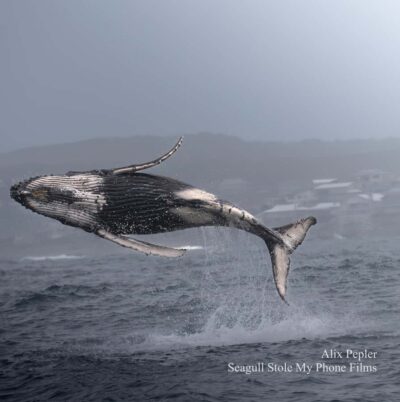
The time of year makes a real difference. Late winter and spring departures produced especially strong sightings, including mother-and-calf pairs, close encounters, breaching whales, and groups containing several whale types.
By late November and December, some whales have begun to leave the area. You may still see them, and one late-season trip found a mother and calf, but sightings can take longer. Guides may be upfront when the timing is less favorable, which helps you make a realistic decision before going out.
If whales are the main reason for your visit, August through October is the safer planning window based on the pattern of sightings described for this trip. September and October produced many close encounters and several reports of multiple whale types. November can still be excellent, but it becomes more dependent on what remains in Walker Bay.
No month removes the uncertainty. Whales are wild, and weather can cancel or alter a departure. The operator states that trips are weather permitting, so leave room in your schedule if this is a high-priority activity. A flexible day is better than squeezing the cruise into the final hours of a short visit.
Is $93 a fair price?
At $93 per person, this is not a cheap harbor outing, but the value depends on what you want from Hermanus. You are paying for a dedicated marine wildlife trip, an onboard guide, a purpose-built boat, water, coffee on arrival, and roughly 90 minutes to two hours on the bay.
The price feels reasonable when the crew finds whales quickly and you get extended viewing time with mothers and calves, dolphins, or several whale types. It also compares well if you value a serious wildlife experience rather than a quick coastal ride.
The value is less certain if you are hoping for a guaranteed whale encounter or if rough seas make the trip unpleasant. The crew can search, explain, and operate responsibly, but it cannot control migration, visibility, or wave height. I would book it as a worthwhile chance to see marine life, not as a guaranteed photo session.
Remember the separate R5 harbor entrance fee. The ticket is supplied on arrival, so keep enough time before departure to enter the harbor, find the orange building, and check in without a rush.
Free cancellation is available up to 24 hours before the trip for a full refund. You can also reserve now and pay later, which helps if you are arranging a South Africa itinerary around uncertain weather.
Who will enjoy this cruise most
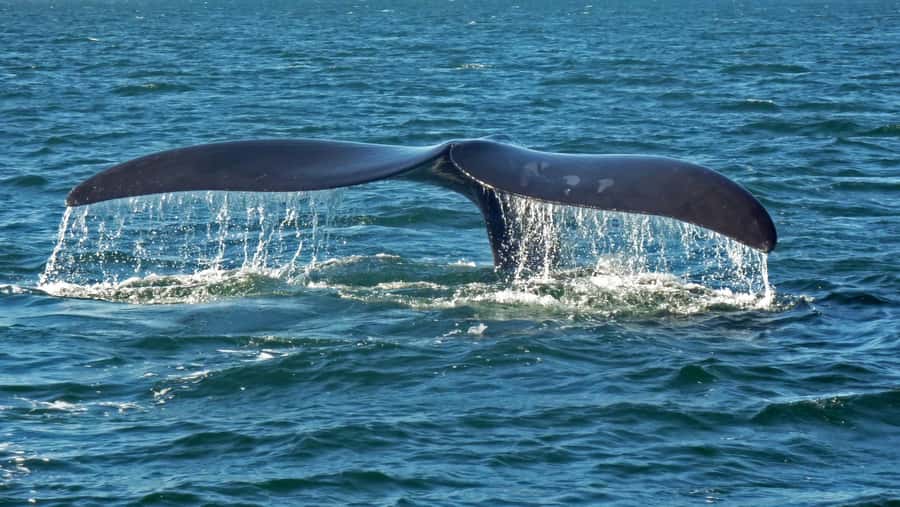
This outing suits families, older children, couples, solo visitors, and anyone who enjoys wildlife without needing a long expedition. Whale watching is suitable for all ages, and the boat gives you both open viewing areas and more sheltered places to sit.
It is especially good for you if you want:
- A direct look at whales in their own environment
- An English-speaking guide who explains behavior as you watch
- A chance to see dolphins, seals, seabirds, and other marine life
- A different view of Hermanus and Walker Bay
- A short activity that fits easily into a day in town
Think carefully if you suffer from motion sickness. The boat can meet high waves, and one partner on a July trip became seasick. Flat shoes are required, and warm layers are not optional. Even a sunny day on land can feel cold and windy on open water.
For photography, bring a camera that handles movement and keep it protected from spray. The upper deck offers the best views when open, but wind and wave motion can make sharp images difficult. I would spend less time chasing the perfect picture and more time watching the animals surface.
Practical tips for a better outing
Arrive 30 minutes before the scheduled start. Go directly to the orange building on the right after entering Hermanus New Harbour, where the physical ticket is issued.
Wear several warm layers, plus a jacket or windbreaker. Add sunscreen and a sun hat because open water can intensify the sun even when the air feels cool. Flat shoes give you safer footing on the boat.
Bring water if you prefer more than the supply on board, though drinking water is included. Coffee is provided on arrival. A bathroom is not clearly guaranteed, and one passenger specifically wished for one on the boat, so use facilities before boarding.
If you are prone to seasickness, prepare before departure and consider choosing a calmer-looking weather window. The trip can be rewarding in rougher conditions, but it will be harder to stand outside, move around, or take photographs.
Should you book Hermanus Whale Watchers?
I would book this cruise if you want a focused whale encounter and can accept that wildlife follows its own timetable. The strongest reasons are the respectful engine-off viewing, the wide upper deck when weather allows, and guides who explain what you are seeing without turning the trip into a lecture.
Choose an earlier seasonal date, ideally August through October, if you have flexibility and whales are your top priority. Late-season trips can still produce wonderful sightings, but dolphins may replace whales, and the search may take longer.
At $93, it is a worthwhile splurge for a major South Africa wildlife moment, provided you dress warmly and do not expect guarantees. If seasickness is a serious concern, or if your schedule cannot tolerate a weather-related change, this may not be your best use of time. For everyone else, the chance to watch a mother whale and calf surface beside a quiet boat is hard to beat.
FAQ
Where does the whale watching trip start?
The trip starts at Hermanus New Harbour. After entering the harbor, go to the orange building on the right-hand side.
How early should I arrive?
Arrive 30 minutes before the scheduled departure time. The physical ticket is provided on arrival after your presence is confirmed.
How long is the boat trip?
The trip lasts about 90 minutes to two hours. The stated activity duration is 90 minutes, while the boat portion can run from 1.5 to two hours.
What animals might I see?
Possible sightings include whales, dolphins, seals, and seabirds. A sunfish has also been spotted, but marine wildlife sightings are not guaranteed.
Can I go on the upper deck?
In good weather, you may use the upper deck before departure. In less favorable conditions, access may be allowed only after whales have been found.
Is the trip suitable for children and older people?
Whale watching is suitable for all ages. You should still wear flat shoes and appropriate clothing for conditions at sea.
What should I wear?
Wear warm clothing, a jacket or windbreaker, and weather-appropriate layers. A sun hat and sunscreen are also recommended.
Is the harbor entrance fee included?
No. The harbor entrance fee is R5 and is payable upon entry.
Can I cancel the booking?
You can cancel up to 24 hours before the trip for a full refund. Reserve now and pay later is also available.
Just listed around Hermanus & Gansbaai
- Cape Town: Hermanus Whale Watching Shared Boat & Penguins★ 3.3 · 6 reviews
- Vineyard Safari and Wine Tasting in Hermanus with Guide★ 4.5 · 11 reviews
- Shark & Whale Trip Combo★ 4.8 · 12 reviews
- Gansbaai: Shark Cage Diving and Shark Viewing Boat Trip★ 4.9 · 14 reviews
- Big 5 Sea Safari Boat Ride of Gansbaai or Walker Bay★ 4.3 · 17 reviews
- From Cape Town: Full Day Hermanus Whale Watching Tour★ 3.6 · 20 reviews
- Hermanus Land based Whale Tour with Dave de Beer★ 5.0 · 24 reviews
- Big 5 Sea Safari in Walker Bay from Gansbaai★ 4.5 · 29 reviews
Whale Watching, compared.
Browse the lists this tour appears in