
Reviewed · MUSEUMS
Cape Town: Heart of Cape Town Medical Museum Entrance Ticket
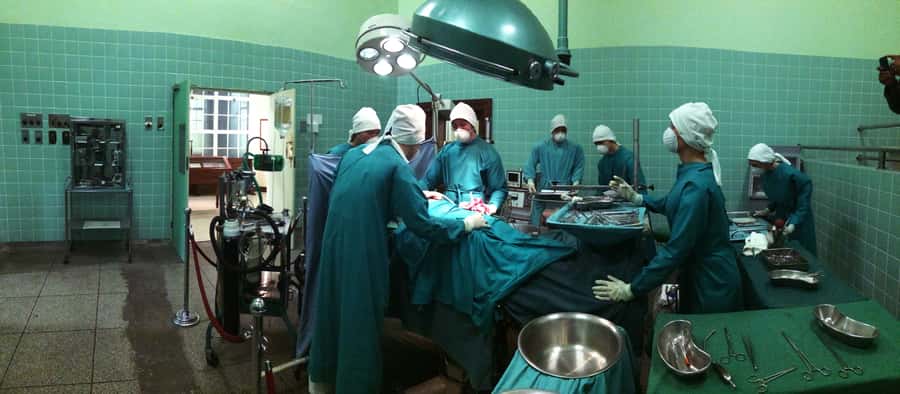
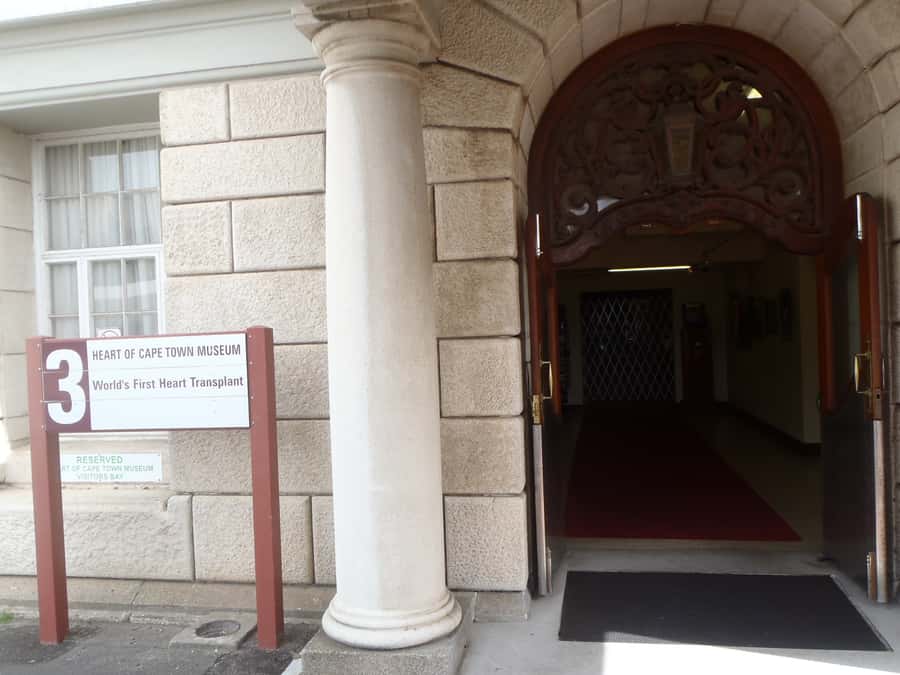
The most gripping part of this Cape Town visit is not a glass case or a wall of medical charts. It is the chance to enter the original operating rooms where Professor Christiaan Neethling Barnard led the world’s first successful heart transplant on December 3, 1967. The rooms are restored and arranged to show the operation as it took place, giving the story a strong sense of place.
I like two things here: the small groups of no more than 10, which give the English-speaking guide room to explain the details, and the way the museum combines press material, personal stories, and life-size operating scenes. The 1.5-hour length also fits neatly into a day of sightseeing around Cape Town.
The main consideration is the subject matter. This is a medical museum built around surgery, organ donation, and a dramatic operation, so it may not suit young children or anyone uneasy around clinical displays. Children under 10 are not admitted, and the tour does not include transport, food, or drinks.
Key points to know before you go
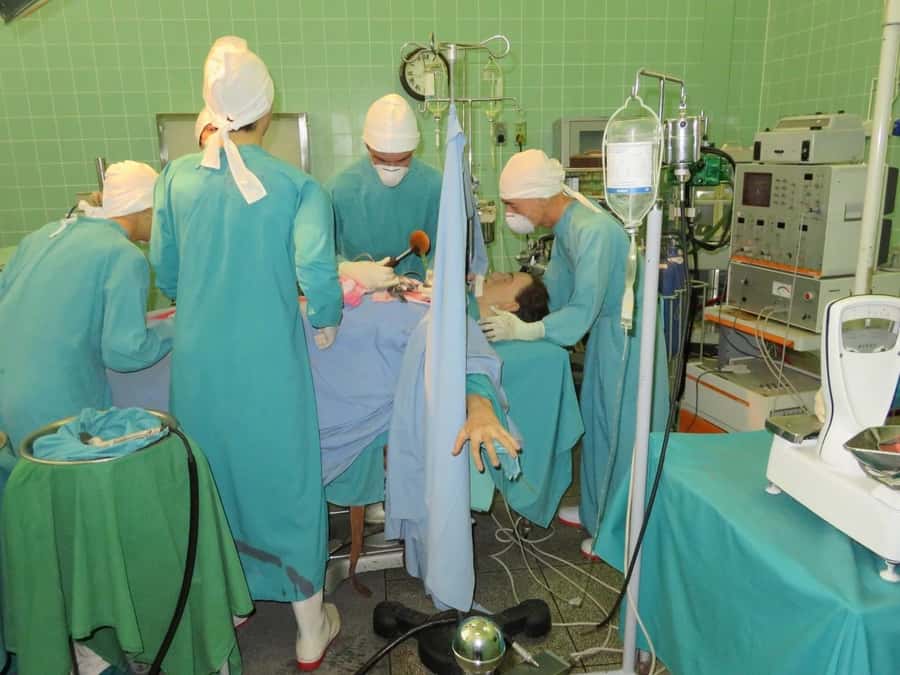
- The original operating rooms remain the star attraction: See the organ-removal theatre and transplant theatre arranged around the 1967 operation.
- The tour takes 1.5 hours: You begin and end at Groote Schuur Hospital in Observatory.
- A certified English-speaking guide leads the visit: The guide provides the human and medical context behind the operation.
- The group is capped at 10 people: This is a more personal format than a large museum walk-through.
- The $22 price covers entry and guiding: You arrange your own way to the hospital and pay separately for anything you eat or drink.
- The museum is wheelchair accessible: Children under 10 cannot take part.
Why this heart transplant museum matters
The Heart of Cape Town Museum records a moment when surgery crossed into new territory. In 1967, a successful heart transplant was not simply another hospital procedure. It pushed doctors, nurses, scientists, donors, and hospital staff into a new medical era.
You are not only looking at the work of one surgeon. The museum honors the many people involved in making the operation possible. That broader focus matters because the transplant depended on more than the person holding the scalpel. The setting, staff, medical planning, organ donation, and public response all form part of the story.
The museum places that story inside Groote Schuur Hospital, rather than moving it to a modern exhibition hall. That makes the visit feel direct and physical. You can connect the dates and names to the actual rooms where the operation took place.
I find that especially useful if you have limited interest in technical medicine. You do not need to understand every surgical term to grasp the importance of the event. The guide helps link the medical facts to the human drama.
More Museum Tours in Cape Town
- Museum of Contemporary African Art: Fast-Track Zeitz MOCAA
★ 4.4 · 204 reviews - Cape Town: Private Guided Tour of Cape Town Diamond Museum
★ 4.7 · 156 reviews - ROBBEN ISLAND MUSEUM TOUR, WITH OPTIONAL LAST MINUTE TICKETS
★ 3.4 · 85 reviews
Starting at Groote Schuur Hospital in Observatory
The tour begins at Groote Schuur Hospital, on Main Road in Observatory, Cape Town. Since hotel pickup and drop-off are not included, you need to make your own way to the meeting point and allow enough time to arrive before the start.
That arrangement keeps the ticket price fairly focused. You are paying for museum entry and a guided visit, not a bundled vehicle transfer from your hotel. If you are already planning to visit parts of Cape Town near Observatory, this can be a convenient addition. If you are staying far from the hospital, check your transport plans before booking.
The meeting point is specific, which helps. You do not need to search across Cape Town for a separate museum building. Still, a hospital site can be less instantly obvious than a stand-alone attraction, so I would confirm the starting time and arrive with the full Groote Schuur Hospital address saved.
The activity is listed as valid for one day, with starting times based on availability. This means you should check the available time before building the rest of your day around it.
Inside the restored operating rooms
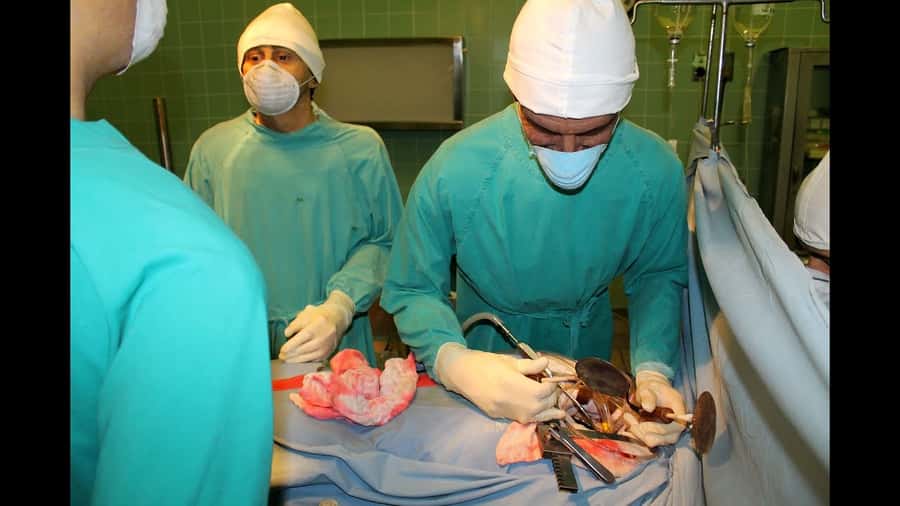
The tour’s main experience takes place in the fully restored original operating rooms. They are laid out to recreate the setting of the historic operation, including the theatre used for organ removal and the theatre used for the transplant.
This is the part that gives the museum its force. Newspaper articles and photographs can explain what happened, but the preserved rooms show where it happened. The recreated surgical scenes make the event easier to picture without needing a long technical lecture.
The displays are designed to bring you close to the decisive stages of the operation. That closeness can be powerful, but it also means the museum is not a light, casual attraction. The subject deals with real surgery and the people involved in it. You should expect a serious tone.
The museum is especially well suited to you if you have an interest in medicine, modern science, medical ethics, or twentieth-century history. It also works for anyone who wants to see a less familiar side of Cape Town. This is not a general city museum. Its focus is narrow, but that focus gives the visit purpose.
How the 1.5-hour guided tour works
The visit lasts about 1.5 hours and takes place as a guided tour. An English-speaking certified guide leads the group through the museum and explains the operation, the people involved, and the setting.
That guide matters. A display showing an operating room can raise more questions than it answers. Why were there two theatres? What happened during the transplant? Who played a role beyond the surgeon? The guide can connect the physical displays to the wider story.
The small group limit of 10 is another practical advantage. You are less likely to feel lost in a crowd, and there should be a better chance to hear the explanation clearly. It also gives the visit a more personal pace, particularly when the group is looking closely at the operating scenes.
The available information does not name the individual guides, so you should not book expecting a particular person. What is clear is that the tour is delivered in English by a trained and certified guide.
The guided format also means you do not set your own pace in the way you might at a self-guided museum. If you prefer to read every label slowly or move on quickly, the fixed 1.5-hour structure may feel less flexible. For most people, though, the guide adds the context that makes the rooms meaningful.
A different side of Cape Town altogether:
- Wine Tour: Paarl, Franschhoek & Stellenbosch incl 3 wineries
★ 5.0 · 3,940 reviews - Cape Town: Hop-On Hop-Off Bus Tour with Optional Cruise
★ 4.8 · 3,929 reviews - Cape Town: Cape of Good Hope & Penguins Day Tour with Pickup
★ 4.7 · 3,362 reviews - Zipline Cape Town – From Foot of Table Mountain Reserve
★ 5.0 · 3,179 reviews
The people behind Barnard’s operation
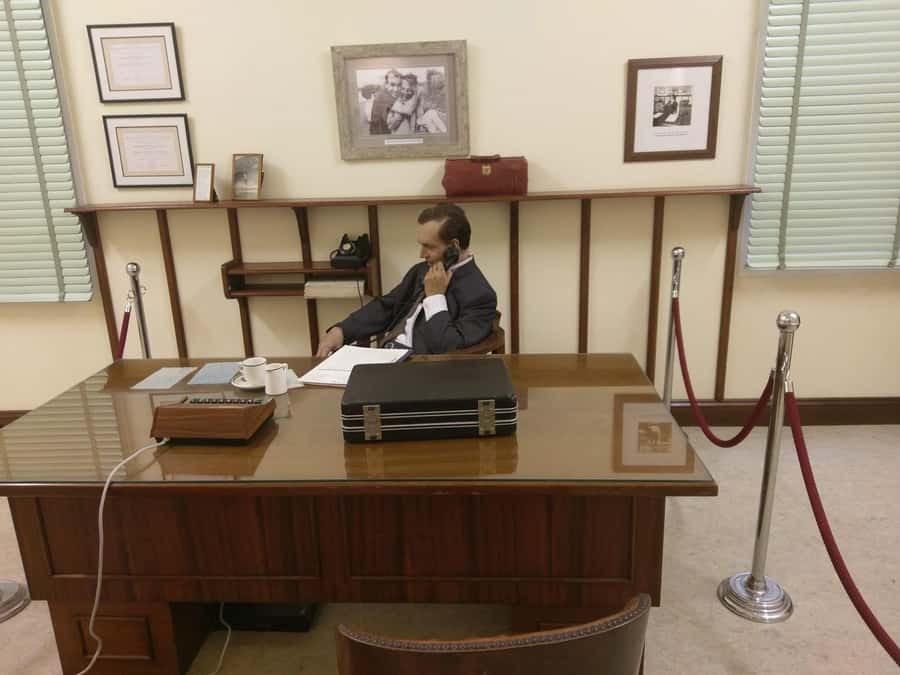
Professor Christiaan Neethling Barnard led the first successful heart transplant at Groote Schuur Hospital. The museum presents him as a key figure, but it also recognizes the wider team and the people whose work made the transplant possible.
That human focus is one of the strongest parts of the visit. Articles and background material help place the operation within its time. The story is not only about an astonishing medical result. It is also about the individuals who faced risk, uncertainty, and difficult choices.
The museum’s treatment of the operation has an emotional side. The experience can feel moving because the guide explains the people and decisions connected with the surgery, not just the instruments and procedures. If you want a purely technical display, you may find the human element more prominent than expected. If you want to understand why this event mattered, that is a benefit.
A German visitor’s description of the displays points to the lifelike presentation of the decisive operating scenes, especially the two original theatres. That is a useful way to think about the museum: it is less a collection of objects than a reconstruction of a moment.
Is the $22 ticket good value?
At $22 per person, this is not the cheapest short stop in Cape Town. The visit lasts 1.5 hours, and the price includes entrance fees and a guided tour only. You must cover your own transport, meals, and drinks.
I think the price is reasonable if you value the original setting and a guide who can explain the story. You are paying for access to a specialist museum with a very specific connection to medical history, not for a broad attraction with several galleries and hours of entertainment.
The value is strongest for you if you already plan to visit Observatory or enjoy focused cultural sites. It is also a good choice when you want an indoor activity with a clear subject and a fixed duration. The experience may feel less worthwhile if you are mainly looking for sweeping Cape Town views, outdoor sightseeing, or a family attraction for small children.
The small group helps support the price. A group of up to 10 allows more attention than a bus tour, and the guide can explain the displays without competing with a large crowd. Since the tour is short, you can also pair it with other Cape Town plans rather than giving up an entire day.
Who should book this experience?
I would recommend it to adults and older children with an interest in medicine, surgery, science, or major events in twentieth-century history. It is also a good pick if you prefer a focused visit with a guide instead of wandering through a large museum on your own.
The emotional tone makes it suitable for people who want more than facts. The explanations can bring the operation and its participants closer, and the recreated rooms make the setting unusually direct.
I would think twice if you are sensitive to surgical imagery or want a relaxed, humorous attraction. The museum’s subject is serious, and the recreated operating scenes may feel intense. Children under 10 are not permitted, so this is not a choice for families with very young children.
The museum is wheelchair accessible, which makes it available to more visitors, though you may still want to confirm any personal access needs when booking.
Practical planning for your Cape Town day
Plan around the fixed 1.5-hour visit rather than treating it as a quick drop-in. You begin and finish at Groote Schuur Hospital, so allow time for your own journey to and from Observatory.
Because food and drinks are not included, this tour works best as one part of a wider day. Eat before or after the visit according to your schedule, and do not expect refreshments as part of the museum experience.
The tour is offered in English. If you need another language, the supplied details do not list one, so English is the language to expect.
The booking terms are useful when your Cape Town plans may change. You can reserve now and pay later, and cancellation is free up to 24 hours before the activity for a full refund. Check the available start times before committing, since the ticket is valid for one day and tour times depend on availability.
Should you book the Heart of Cape Town Museum?
Book it if you want a compact, guided look at a medical event that changed surgery, presented in the original operating rooms at Groote Schuur Hospital. The combination of the two theatres, the background material, and a small English-speaking group gives the $22 ticket a fair value for the right audience.
Skip it if you are traveling with children under 10, dislike surgical subjects, or need hotel transport included. For everyone else, this is a thoughtful Cape Town stop with a clear purpose, a strong sense of place, and enough human detail to make the history feel close.
FAQ
Where does the Heart of Cape Town Museum tour begin?
The tour begins at Groote Schuur Hospital, Main Road, Observatory, Cape Town, 7925, South Africa.
How long does the guided tour last?
The guided tour lasts approximately 1.5 hours.
What does the ticket include?
The ticket includes entrance fees and a guided tour.
Is transport included?
No. Hotel pickup and drop-off are not included, so you arrange your own transport to and from Groote Schuur Hospital.
What language is the tour conducted in?
The tour is conducted in English by a live tour guide.
How large is the group?
The activity uses a small-group format with a maximum of 10 participants.
Is the museum wheelchair accessible?
Yes. The activity is listed as wheelchair accessible.
Can children take part?
Children under 10 years old are not permitted to join the tour.
Are food and drinks included?
No. Food and drinks are not included in the ticket price.
Can I cancel for a refund?
Yes. You can cancel up to 24 hours in advance for a full refund. You can also reserve now and pay later, subject to the booking terms.
Just listed around Cape Town
- Cape Town: Inspiring sustainable change through Street Art★ 4.9 · 5 reviews
- Cape Town Tandem Paragliding Square 1 Paragliding★ 5.0 · 5 reviews
- SandBoarding in Capetown + PhotoShoot★ 4.0 · 5 reviews
- Cape Town: Full-Day Private Peninsula Tour★ 3.6 · 5 reviews
- Private FULL DAY Tour: Cape of Good Hope & Boulders Beach★ 5.0 · 5 reviews
- Cape Town Full Day Family Fun With Kids Private Tour★ 4.0 · 5 reviews
- Private Tour to Aquila Game Reserve in Cape Town – see the Big5★ 5.0 · 5 reviews
- Peninsula Tour Cape Town★ 5.0 · 5 reviews
Museums, compared.

Soweto /Johannesburg and Apartheid Museum Guided Full Day Tour
Read our review →
Jo’berg in 1 Day: Soweto, Apartheid Museum & City Tour
Read our review →
Full-Day Tour with Soweto and Apartheid Museum
Read our review →
Full-Day Soweto, Apartheid Museum and Lunch Tour
Read our review →
Half Guided Day Tour of Soweto And Apartheid Museum
Read our review →
Ultimate Johannesburg Soweto Experience with Apartheid Museum
Read our review →
Hop-On Hop-Off Bus, City Tour and Apartheid Museum
Read our review →
Museum of Contemporary African Art: Fast-Track Zeitz MOCAA
Read our review →Browse the lists this tour appears in