
Reviewed · MUSEUMS
The Heart of Cape Town Museum Admission Ticket
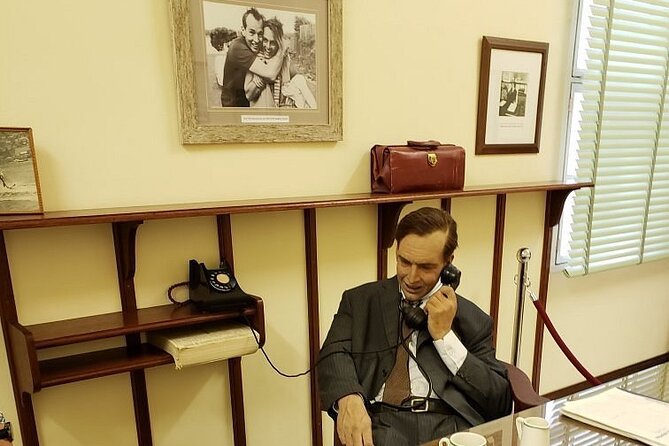
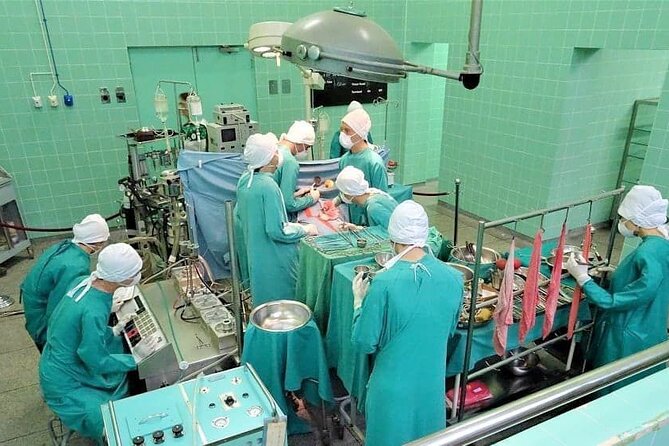
The world’s first successful heart transplant took place in Cape Town in 1967, and this museum puts you inside the original operating rooms where it happened. The rooms have been restored and arranged as they were on the day of the operation, giving the story a striking sense of place.
I like two things right away: the guided tour is included, and the guide uses silicone models and reenacted scenes to explain a difficult medical story in plain terms. I also like the museum’s human focus, with exhibits about donor Denise Darvall as well as surgeon Christiaan Barnard. The main drawback is that this is a specialized museum, not a broad Cape Town attraction, and the booking information has had some reliability problems, so confirm the tour time before setting out.
Key things to know before you go
- The original operating rooms are the main event: You see the rooms restored to their 1967 arrangement, rather than only reading about the operation in a display case.
- The guided tour costs nothing extra: The guide-led portion lasts about 90 minutes and brings the medical story to life with models, film, and short reenactments.
- The story includes both donor and surgeon: Denise Darvall’s role is given space alongside Christiaan Barnard’s rise to international fame.
- Plan for roughly 90 minutes to two hours: The guided portion is about an hour and a half, and you can spend more time with the exhibits afterward.
- This is best for older children and adults: Children can learn a great deal here, but preschool-age children and very young youngsters are not recommended.
- Check the schedule carefully: Tour times are listed as 9 a.m., 11 a.m., 1 p.m., and 3 p.m., with advance booking described as essential.
Why the 1967 heart transplant still matters
The museum is built around one extraordinary medical event: the first successful human heart transplant. That fact alone may draw you in, but the visit works best when you consider how much uncertainty surrounded the operation.
Instead of treating the transplant as a quick medical milestone, the museum traces the events that led to it. You learn about the people involved, the donor, the surgeon, and the dramatic day itself. This gives the visit more weight than a simple display of instruments or old photographs.
The subject can also be emotional. Denise Darvall was declared brain-dead after a road accident, and her heart was donated for the operation. The museum presents her part in the story, which is important. Without that human element, the event could feel like a celebration of surgery alone.
Christiaan Barnard receives major attention too. You learn about his work before and after the transplant, as well as the fame that followed. The presentation does not appear to treat celebrity as a simple success story. It also touches on his excessive enjoyment of public attention, giving you a more rounded picture of the man behind the famous name.
More Museum Tours in Cape Town
- Museum of Contemporary African Art: Fast-Track Zeitz MOCAA
★ 4.4 · 204 reviews - Cape Town: Private Guided Tour of Cape Town Diamond Museum
★ 4.7 · 156 reviews - ROBBEN ISLAND MUSEUM TOUR, WITH OPTIONAL LAST MINUTE TICKETS
★ 3.4 · 85 reviews
Entering the restored operating rooms
The most powerful part of the visit is the original surgical setting. The operating rooms have been restored and arranged as they were on the day of the transplant, so you are looking at the actual setting rather than a modern recreation made elsewhere.
That makes a difference. Medical history can feel remote when it is reduced to dates and names. Here, the room helps you picture the pressure of the operation and the boldness of attempting something that had never succeeded before.
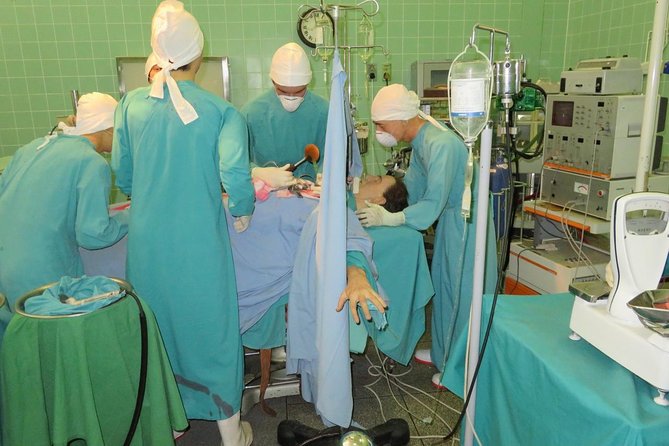
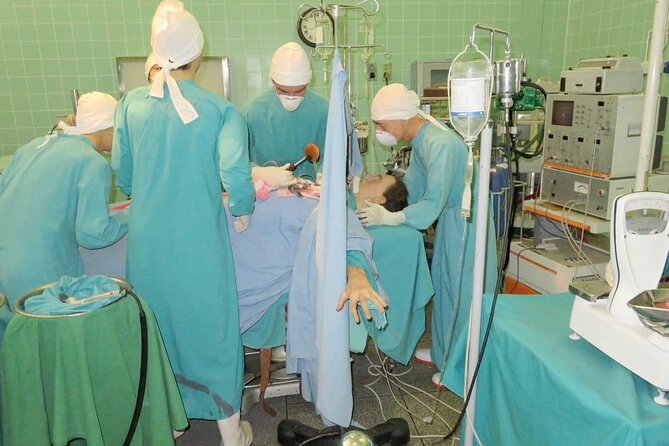
The museum uses silicone models to explain key parts of the procedure. These models are useful because the subject can be hard to follow through words alone. A trained and certified guide also reenacts important scenes, adding movement and human drama to the account.
You should not expect a hands-on medical simulation or a large science center. This is a focused museum visit, with the restored rooms doing much of the visual work. If you have little interest in medicine, the personal story and unusual setting may hold your attention. If you already enjoy medical subjects, you will likely want time afterward to study the supporting displays.
What happens during the 90-minute guided tour
The guided visit is the part I would prioritize. The tour is included in the admission price, and it gives the rooms and objects a clear order and purpose.
Your guide explains the chain of events that led to the transplant, then places the operation in its human and medical setting. Silicone models help show what happened inside the body, while reenacted scenes make the account easier to picture. The presentation has been described as lively, with a guide who can be serious when the subject requires it and humorous at suitable moments.
The guide’s quality matters here. The museum depends on storytelling as much as on its displays, and the strongest experience comes when the guide communicates clearly and handles the emotional material with care. Guides have been praised for making the visit memorable, explaining the subject well, and showing real passion for the museum.
The tour may be harder to follow if English is not your first language. One account noted that some of the explanation was missed for this reason. If that applies to you, ask for clarification when needed and allow time to review the photographs, documents, and film at your own pace.
The information gives two slightly different estimates for the visit. The main duration is about one hour and 30 minutes, while the additional notes describe the tour as roughly two hours. The clearest way to plan is to allow 90 minutes for the guided portion and extra time afterward for the exhibits.
The displays beyond the operating rooms
After the guided presentation, do not rush away. The museum includes a timeline showing the developments that led to the transplant, along with photographs, documents, and film material.
The timeline helps you understand that the 1967 operation did not happen in isolation. Medical breakthroughs usually grow from years of testing, debate, and earlier work. This display supplies that background without asking you to begin with a technical textbook.
The exhibits about Denise Darvall and Christiaan Barnard add different kinds of context. Darvall’s story brings attention to the donor whose death made the operation possible. Barnard’s section follows the surgeon’s work and the fame that came after the transplant.
A film is also part of the visit. The museum has a cinema room where you can watch material about the development of the procedure. This gives you another way to absorb the story, especially if you prefer a visual account to labels and documents.
I would treat the guided tour as the main structure, then use the remaining time to return to the displays that caught your attention. The museum is small and focused enough that you do not need to race from room to room.
A different side of Cape Town altogether:
- Wine Tour: Paarl, Franschhoek & Stellenbosch incl 3 wineries
★ 5.0 · 3,940 reviews - Cape Town: Hop-On Hop-Off Bus Tour with Optional Cruise
★ 4.8 · 3,929 reviews - Cape Town: Cape of Good Hope & Penguins Day Tour with Pickup
★ 4.7 · 3,362 reviews - Zipline Cape Town – From Foot of Table Mountain Reserve
★ 5.0 · 3,179 reviews
The emotional side of the experience
This is not a light entertainment stop. The museum deals with death, organ donation, surgery, and the hopes attached to a life-saving procedure.
That can make the visit surprisingly personal. Someone with a connection to heart surgery or transplantation may find the setting especially moving. Even without that connection, the story asks you to think about Denise Darvall, her family, the medical team, and the patient who received the heart.
The museum does not only celebrate success. The donor’s story and the risks of the operation remain part of the experience. I see that as a strength, since it keeps the transplant from becoming a polished tale about one famous surgeon.
The reenactments and silicone models may be too direct for very young children. The official guidance does not recommend preschool-age children or youngsters, although older children can find the visit educational. Children must be accompanied by an adult.
Price, timing, and practical value
The admission price provided for this experience is $17.34 per person. That is not a bargain if you are judging it against the size of the museum alone. It becomes better value if you take the full guided tour, watch the film, and spend time with the timeline, photographs, and documents.
The included guide is important to the calculation. A self-guided visit could leave you looking at operating rooms without understanding why the moment mattered. Here, the explanation, models, and reenactments are part of the admission rather than an added charge.
Pricing can change. One account referred to a foreign visitor price of 350 South African rand and considered that expensive, despite praising the tour. Use the current booking price shown when you reserve, and compare it with the amount you are comfortable spending on a specialized museum.
The museum is generally scheduled for guided visits at 9 a.m., 11 a.m., 1 p.m., and 3 p.m. Advance booking is described as essential, and the experience is often reserved about a week before the visit. The information also says you can visit at any suitable time during opening hours, but the fixed tour times matter if you want the full presentation.
There is a practical warning here. Booking and operating information has not always been consistent. Some people have arrived to find the museum closed or a tour not operating, while the provider has also stated that the museum operates by booking and has offered refunds in cases of closure. I would contact the museum directly before your visit, especially if this is your only chance to go.
The listed provider is SA City Pass. The experience uses a mobile ticket, and confirmation is issued when you book. Food and drinks are not included, so plan to eat elsewhere.
Who will enjoy this museum most
I would choose this museum if you have an interest in medicine, surgery, organ donation, or unusual moments in modern history. It also suits anyone who wants a Cape Town stop outside the usual sightseeing circuit.
The museum can work well as an early discovery of the city because it is not built around the standard tourist checklist. You are not coming for sweeping views, shopping, or a long series of unrelated exhibits. You are coming for one event, told through its place, people, and medical consequences.
It is also a good choice for an adult who wants an educational activity lasting less than half a day. The tour is long enough to feel substantial but short enough to fit around other plans.
I would hesitate if you dislike hospitals, surgery, or serious subject matter. The museum’s focus is narrow, and the emotional material is central rather than incidental. Families should also think about the ages and attention spans of their children before booking.
The group size is capped at 15 people, which should help keep the guided explanation personal and manageable. Most people can participate, and service animals are allowed.
My tips for getting more from the visit
Arrive ready to follow the guided presentation rather than treating the museum as a quick photo stop. The operating rooms are fascinating, but the guide supplies the details that make them meaningful.
Listen closely to the sections about Denise Darvall. The transplant is often remembered through Barnard’s name, yet the donor is essential to the story. Giving her part of the account proper attention makes the visit more thoughtful.
Stay after the tour if your schedule allows. The guided portion may last 90 minutes, but the displays, film, photographs, and documents reward a slower second look. You can use that time to revisit details you missed while following the group.
If English is not your first language, plan for extra reading time. The spoken explanation may move quickly, while the written displays and visual material give you another route into the subject.
Finally, verify the museum’s status and your exact tour time before you go. The experience can be excellent when the tour is operating, but the conflicting closure information is the one practical concern I would not ignore.
Should you book the Heart of Cape Town Museum?
Book it if you want a focused, serious, and unusual Cape Town experience built around a major medical first. The restored operating rooms, strong guiding, human story, film, and supporting exhibits give the visit more substance than its compact size suggests.
The price is fair when you use the included guided tour and stay for the additional exhibits. It is less compelling if you only have time for a brief look or have no interest in medicine.
My strongest advice is to confirm the current opening status and tour time directly before you travel. If the museum confirms your booking, I would recommend it for adults, older children, and anyone curious about how one operation changed medical history.
FAQ
Where is the Heart of Cape Town Museum?
The museum is in Cape Town, South Africa.
What is the museum about?
It is dedicated to the world’s first successful heart transplant, which took place in Cape Town in 1967.
What will I see inside the museum?
You will see the restored original operating rooms, a timeline of events leading to the transplant, exhibits about Denise Darvall and Christiaan Barnard, photographs, documents, film material, silicone models, and reenacted scenes.
Is a guided tour included?
Yes. A trained and certified tour guide leads the visit, and the guided tour is included in the admission price.
How long does the experience last?
The guided portion lasts about one hour and 30 minutes. The additional information describes the overall visit as roughly two hours, especially if you stay to see more exhibits afterward.
What time are the guided tours?
The listed tour times are 9 a.m., 11 a.m., 1 p.m., and 3 p.m.
Is advance booking required?
The museum information says bookings are essential. The experience is commonly booked about seven days in advance.
Are children allowed?
Yes, but children must be accompanied by an adult. Preschool-age children and very young youngsters are not recommended.
What is included and what is not?
Admission and the guided tour are included. Food and drinks are not included. You receive a mobile ticket, and service animals are allowed.
Just listed around Cape Town
- Cape Town: Inspiring sustainable change through Street Art★ 4.9 · 5 reviews
- Cape Town Tandem Paragliding Square 1 Paragliding★ 5.0 · 5 reviews
- SandBoarding in Capetown + PhotoShoot★ 4.0 · 5 reviews
- Cape Town: Full-Day Private Peninsula Tour★ 3.6 · 5 reviews
- Private FULL DAY Tour: Cape of Good Hope & Boulders Beach★ 5.0 · 5 reviews
- Private Tour to Aquila Game Reserve in Cape Town – see the Big5★ 5.0 · 5 reviews
- Cape Town Full Day Family Fun With Kids Private Tour★ 4.0 · 5 reviews
- Peninsula Tour Cape Town★ 5.0 · 5 reviews
Museums, compared.

Soweto /Johannesburg and Apartheid Museum Guided Full Day Tour
Read our review →
Jo’berg in 1 Day: Soweto, Apartheid Museum & City Tour
Read our review →
Full-Day Tour with Soweto and Apartheid Museum
Read our review →
Full-Day Soweto, Apartheid Museum and Lunch Tour
Read our review →
Half Guided Day Tour of Soweto And Apartheid Museum
Read our review →
Ultimate Johannesburg Soweto Experience with Apartheid Museum
Read our review →
Hop-On Hop-Off Bus, City Tour and Apartheid Museum
Read our review →
Museum of Contemporary African Art: Fast-Track Zeitz MOCAA
Read our review →Browse the lists this tour appears in