
Reviewed · OUDTSHOORN TOURS
Oudtshoorn: Half-Day Swartberg Pass Private Guided Tour
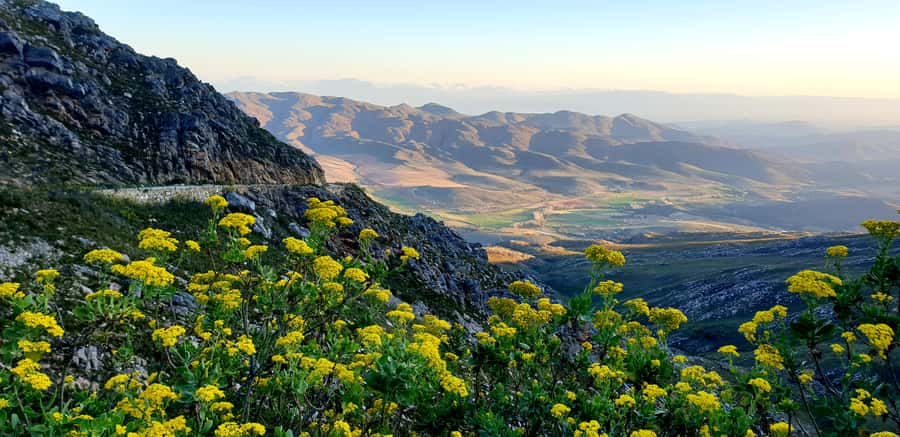
The great draw here is the Swartberg Pass itself, a rough, winding mountain road built by Thomas Bain and opened in 1888. In four hours, you climb from Oudtshoorn into a UNESCO World Heritage Site, stopping for sandstone formations, fynbos, birdlife, and broad views over the Klein and Great Karoo. I especially like the private format and the chance to explore on foot with a guide who can explain what you are seeing.
I also like that the conservation fee, pickup, transport, mountain guide, and light lunch are included. Guides such as Lynette, Colin, Christiaan, and Jan have brought strong local knowledge and a warm manner to this outing. The main consideration is the road itself: the pass is gravel, steep, and challenging, and the tour is not suitable for wheelchair users.
Key points to know before booking
- A historic gravel road: Thomas Bain’s dry-stone Swartberg Pass took four years to build and opened on 10 January 1888.
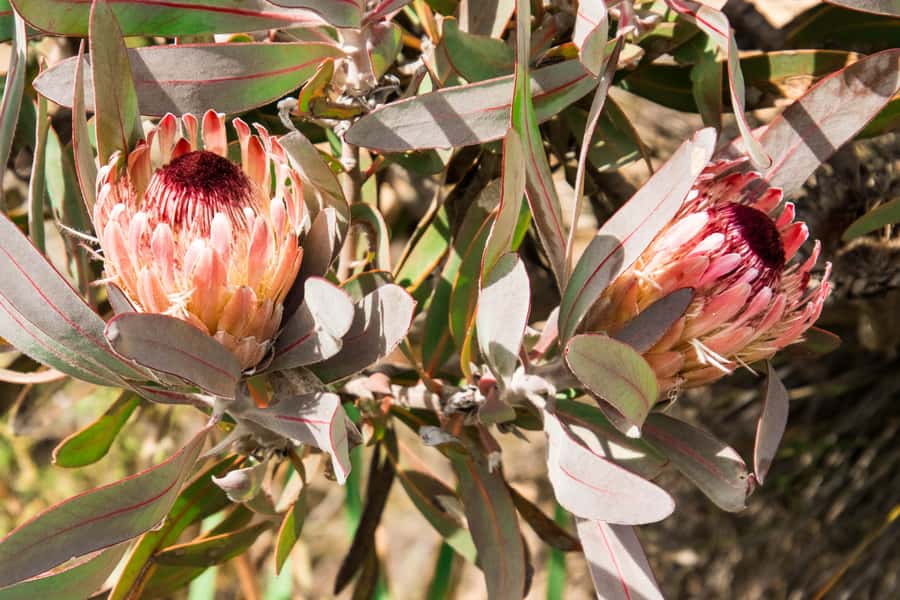
- Ancient rock and rare plants: Your guide introduces you to sandstone formations more than 300 million years old and mountain fynbos, including proteas, cone bushes, and pincushions.
- Private guiding: You travel with your own group and an English or Afrikaans speaking guide rather than joining a large coach tour.
- Big Karoo views: The high points look across both the Klein Karoo and Great Karoo.
- A short walking element: The scenic walks are optional, but comfortable shoes matter if you want to inspect the rocks and plants.
- Lunch is part of the four-hour plan: Allow roughly three hours for the pass and one hour for a light lunch in Oudtshoorn.
Why the Swartberg Pass is worth your morning
Many mountain roads offer a fine view and little else. The Swartberg Pass gives you a combination of engineering, geology, plants, and open country. That mix makes the trip more rewarding than a simple drive to a lookout.
The pass climbs about 900 metres from the southern foothills of the Swartberg Mountains. As the road rises, the dry Karoo country gives way to rough rock, mountain vegetation, and sharper bends. You are not just being taken to the top for a photograph. The guide helps you read the place.
That matters because the rock formations can look abstract at first. With an explanation of their age and shape, they become part of a much older story. The Cape Fold belt mountains contain sandstone layers formed more than 300 million years ago, long before the road, the farms, or the towns below.
I like the way this tour links human work with natural forces. The dry-stone construction still feels sturdy after more than a century, yet the road remains raw and exposed. You get a sense of how difficult it must have been for Bain’s crews to cut a route through this terrain with hand tools and heavy manual labour.
The pass is also quiet in a way that is hard to find on a standard sightseeing circuit. The old route was once used by wagons and riders on horseback. Your vehicle makes the journey easier, but the rough surface and stone walls keep some of that older character intact.
More half day trips in South Africa:
- Half-Day Tour Through Cape Town’s Townships
★ 4.8 · 979 reviews - Half-Day Tour of Soweto Tour
★ 4.5 · 712 reviews - Stellenbosch: Half-Day Wine Tour
★ 4.7 · 601 reviews
From Oudtshoorn to the southern foothills
Pickup is provided at your hotel or guesthouse in Oudtshoorn. That is a useful part of the arrangement, particularly if you have only a short stay in town or would rather not arrange a separate car for a mountain road.
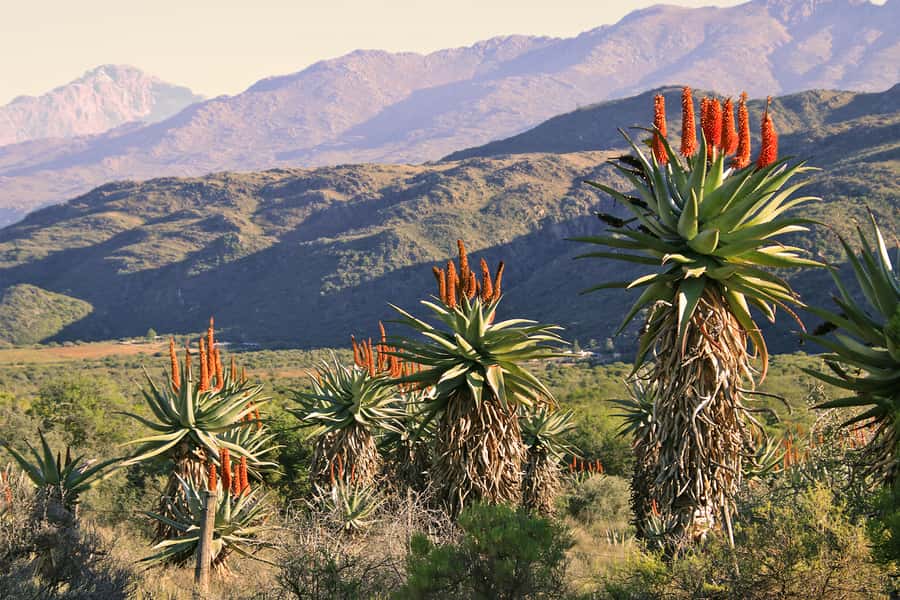
From town, you travel north toward the southern foothills of the Swartberg Mountains. This first section sets up the change in scenery. Oudtshoorn lies in the Klein Karoo, a dry inland region framed by mountains. The pass then takes you into a higher, cooler environment.
The exact starting time depends on availability, so check the schedule before booking. The total duration is four hours, with about three hours devoted to the mountain excursion and one hour for lunch.
Because this is a private group, the pace can be more personal than on a larger outing. You can ask questions as they occur, stop to look at a plant, or spend longer at a view if conditions allow. That flexibility is one of the strongest reasons to pay for this format rather than simply driving the pass alone.
Your guide may be Lynette, Colin, Christiaan, Jan, or another member of the provider’s guiding team. The individual names are worth noting because the strongest praise has focused on the guides’ ability to explain plants, wildlife, and local projects while also driving carefully on the difficult road. The guide assigned to your date is not guaranteed, so treat those names as examples rather than a promise.
Riding the 900-metre climb
The Swartberg Pass has a gravel surface. That is central to the character of the trip, but it also affects comfort. Expect a slower, bumpier ride than you would get on a sealed highway, with bends and changes in elevation that make a careful driver important.
The road climbs toward the summit, described at roughly 1,350 to 1,580 metres above sea level in the supplied tour details. Since the two figures differ, confirm the precise stop and elevation with the operator if that number matters to you. Either way, you reach a high mountain setting with wide views on both sides of the range.
The road is a monument to old road building. Thomas Bain constructed the pass over four years, and the dry-stone method required extensive physical labour. The walls are not simply decorative. They help define the road and show how the route was shaped to fit the mountains.
This is one part of the outing where your guide adds real value. A self-drive gives you the road and the views, but not necessarily the context. The guide can point out construction details, explain the geology, and help you see why the pass is protected.
The road may not suit everyone. If you are uncomfortable with mountain driving, gravel surfaces, or bends, ask questions before booking. The guide’s careful driving is a major comfort, but it cannot turn the pass into a smooth urban road.
Walking among 300-million-year-old sandstone
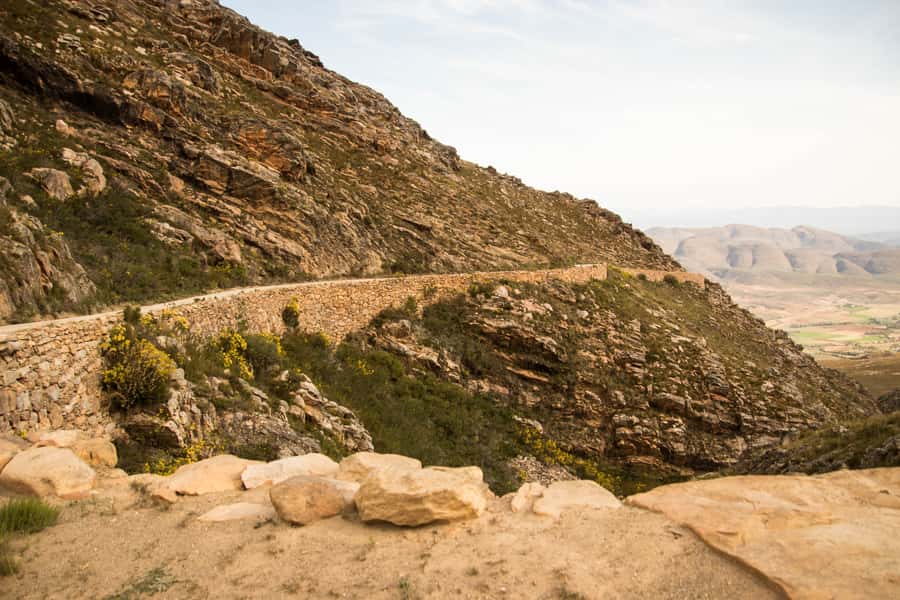
At the upper section of the pass, you have the option of taking scenic walks. These are not described as long hikes. They are short explorations along the pass, intended to bring you closer to the rocks, vegetation, and views.
Bring sports shoes or other comfortable footwear. You will get more from the stop if you can walk carefully over uneven ground instead of staying beside the vehicle. Warm clothing is also important, even if Oudtshoorn feels hot when you leave.
The sandstone formations are the geological highlight. Their age, more than 300 million years, gives the stop a sense of scale that a quick photograph cannot provide. Look closely at the layers, shapes, and weathered surfaces while your guide explains how they fit into the Cape Fold belt mountains.
The tour describes these formations as part of a UNESCO World Heritage Site. That designation is useful context, but the practical value is even clearer on the ground. You are visiting a place where road building, plant life, rock, and wildlife all need protection from careless use.
The walking stops also break up the drive. Three hours on a mountain road could feel repetitive if you remained seated the whole time. Short walks give you time to stretch your legs, take in the silence, and see details that disappear from a moving vehicle.
A few more South Africa days worth comparing
- KLEIN KAROO at Oudtshoorn QUAD BIKE FUN RIDE
★ 4.2 · 34 reviews - Kudu Trail Horse Riding Experience
★ 5.0 · 12 reviews - Private Oudtshoorn Full Day Tour
★ 4.7 · 9 reviews - Oudtshoorn: Celestial Stargazing with Telescope and Guide
★ 5.0 · 9 reviews
Looking for proteas and mountain fynbos
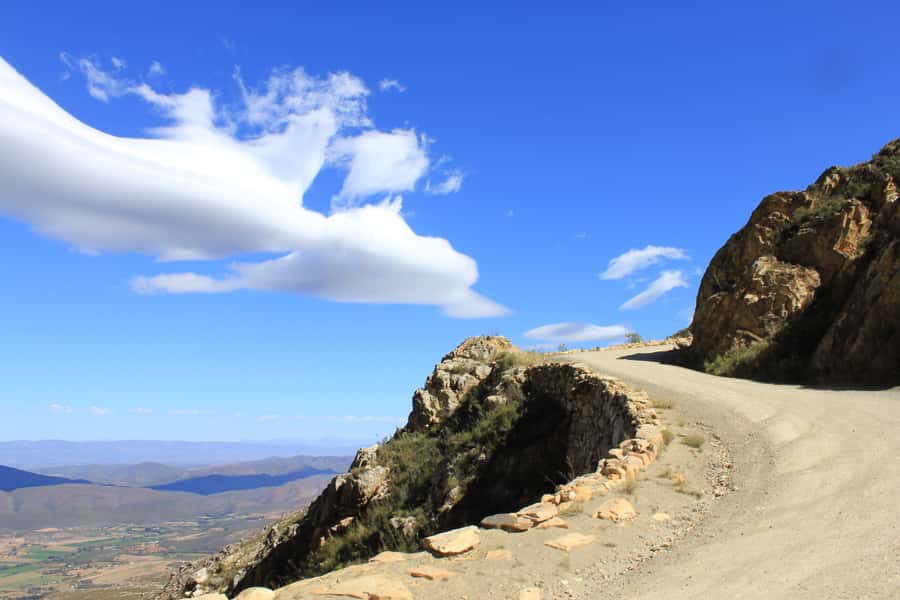
The fynbos is not just background greenery. It is one of the reasons to take a guided trip rather than make a quick crossing by car.
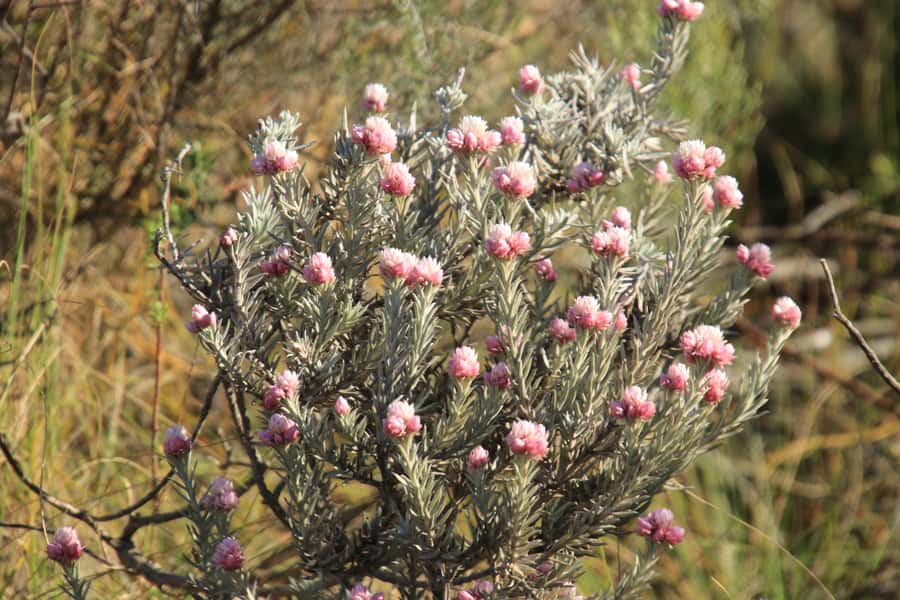
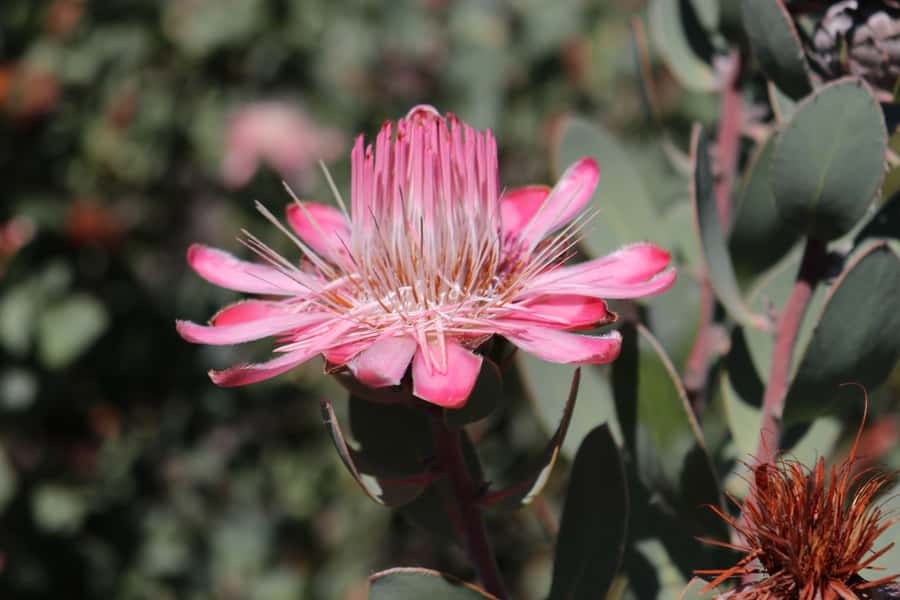
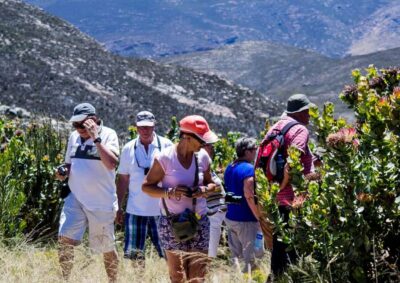
The Swartberg mountain fynbos includes several protea species, along with cone bushes and pincushions. The guide can help you identify them and explain why this plant community deserves conservation. You might not see every species on every departure, since flowering and visibility change, but the tour is designed around this plant life.
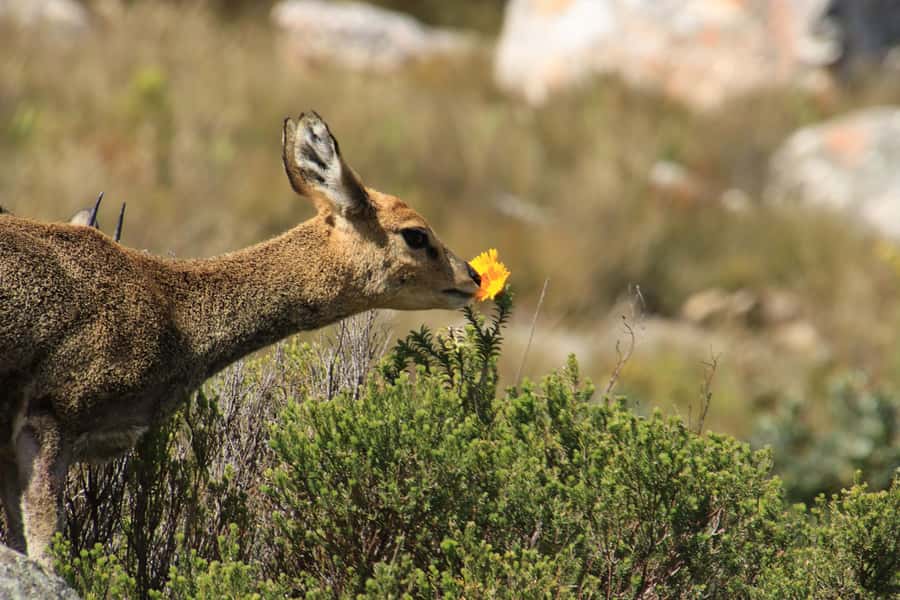
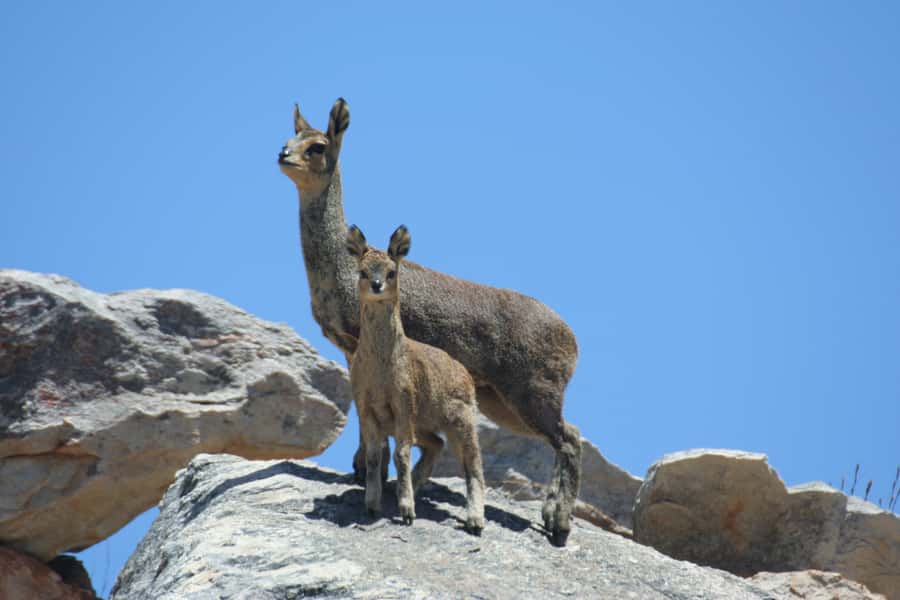
Proteas are also linked to the birdlife you may see. The information for this outing names sunbirds feeding on nectar, as well as Verreaux’s eagles and jackal buzzards overhead. Wildlife sightings are never guaranteed, so book this for the scenery and interpretation first. Any eagle, buzzard, sunbird, or klipspringer is an extra reward.
Klipspringers are small antelope adapted to rocky ground. The tour points to their agility among the sandstone formations. You may spot one, but you should not expect a wildlife drive with constant animal sightings. The main experience is the mountain habitat itself.
I appreciate that the guide’s role is not limited to naming things. The best use of a mountain guide is to connect the plant community to the need for protecting water, soil, and habitat. That gives the pass more meaning than a list of species.
The summit views over two Karoo regions
At the high point, the view opens across the southern and northern slopes of the Swartberg Mountains. On a clear day, you can look toward both the Klein Karoo and the Great Karoo.
These are not city views or neatly arranged farmland scenes. The appeal is the scale and dryness of the country, with mountain folds, open plains, and changing light stretching away from the pass. Give yourself time to look in several directions instead of treating the summit as a single photo stop.
The high elevation can make the air feel cooler than it did in Oudtshoorn. This is why warm clothing belongs in your day bag even during a warm season. A hat, sunscreen, and water are equally sensible because the walking stops are exposed.
The lookout known as Tee Berg is part of the descent. It gives you another angle on the pass rather than repeating the summit view. That change helps you understand the road’s position on the mountain and makes the return journey feel like part of the sightseeing, not just transport back to town.
A light lunch after the mountain drive
After the Swartberg Pass excursion, you have a light lunch before returning to your Oudtshoorn accommodation. Lunch takes about one hour within the four-hour schedule.
This is a modest but useful inclusion. You do not need to arrange a separate meal immediately after the tour, and it gives you time to ask follow-up questions while the mountain experience is still fresh. Christiaan, one of the named guides, has been especially praised for answering questions during the shared lunch.
Do not book this expecting a long restaurant visit or a food-focused tour. The meal is described as light, and the main attraction is the pass. If you have dietary needs or want details about the menu, ask the provider before departure because no menu information is supplied.
The return to your hotel or guesthouse in Oudtshoorn completes the half-day outing. The compact schedule works well if you want to leave the afternoon open for another activity, rest, or time in town.
What the $164 price buys you
At $164 per person, this is not the cheapest way to see the Swartberg Pass. The price makes more sense if you value private transport, a qualified mountain guide, conservation access, and pickup from your accommodation.
The private format is the key value point. You are paying for attention as well as movement. A guide can explain a plant without waiting for a coach group, adjust the walking pace for your party, and answer questions in English or Afrikaans.
The included conservation fee also keeps the price from becoming a series of small additions. Transport from your Oudtshoorn accommodation, the guide, and lunch are included too.
Value depends on your alternative. If you already have a suitable vehicle and feel confident on a gravel mountain road, a self-drive may cost less. You would then need to provide your own interpretation, manage the road, and arrange your own food. If you prefer not to handle those tasks, the private tour is easier to justify.
The 5.0 rating from 12 verified bookings supports the view that guiding is the strongest part of the experience. Praise has repeatedly focused on careful driving, clear explanations, friendliness, and enthusiasm for the natural setting. That is important here because the road and mountain setting require more than a basic driver.
Who should book this pass tour
I would choose this outing if you are staying in Oudtshoorn and want a serious half-day look at the mountains without committing to a full-day trip. It suits couples, families, and small private groups who prefer a personal guide.
It is especially good for you if:
- You enjoy geology, plants, birds, or conservation.
- You want historic road engineering explained on site.
- You prefer a private vehicle to a large group.
- You want pickup and return at your Oudtshoorn accommodation.
- You are happy with short walks rather than a full mountain hike.
- You want a scenic morning with lunch included.
Think twice if you need step-free access, use a wheelchair, or dislike gravel mountain roads. This experience is specifically marked as unsuitable for wheelchair users. You should also bring warm clothing, a hat, sunscreen, water, and comfortable sports shoes.
The tour is available with a live guide in English or Afrikaans. Cancellation is flexible up to 24 hours before departure for a full refund, and you can reserve now and pay later. Those terms are helpful if your route through the Western Cape is still changing.
Should you book the Swartberg Pass tour?
Book it if you want more than a drive-by view of the Swartberg Mountains. The combination of old stone roadwork, ancient sandstone, fynbos, birdlife, and huge Karoo views gives the half-day a clear sense of purpose.
I would give this tour the edge over a self-drive for first-time visitors to the pass, especially if you want plant and geology explanations or feel uneasy about the gravel road. The strongest guides, including Lynette, Colin, Christiaan, and Jan, have been praised for making the trip feel safe, personal, and well informed.
Skip it only if you need a smooth road, a long hike, or a wheelchair-accessible outing. For everyone else, the $164 cost buys a well-structured mountain experience with the practical details handled for you.
FAQ
How long does the Swartberg Pass tour last?
The experience lasts four hours. About three hours are planned for the guided Swartberg Pass excursion, followed by about one hour for lunch.
Where does pickup take place?
Pickup and return are provided at your hotel or guesthouse in Oudtshoorn.
Is the tour private?
Yes. This is a private-group experience, so you travel with your own party and a live guide.
What languages are available?
Guiding is available in English and Afrikaans.
Is lunch included?
Yes. A light lunch is included after the Swartberg Pass excursion.
Is the conservation fee included?
Yes. The conservation fee is included in the price.
What should I bring?
Bring warm clothing, a hat, sunscreen, water, comfortable clothing, and sports shoes.
Is the tour suitable for wheelchair users?
No. The experience is not suitable for wheelchair users.
Just listed around South Africa
- Constitutional Hill and Soweto 5 hours tour.★ 5.0 · 5 reviews
- Cape Town: Inspiring sustainable change through Street Art★ 4.9 · 5 reviews
- SandBoarding in Capetown + PhotoShoot★ 4.0 · 5 reviews
- Cape Town Tandem Paragliding Square 1 Paragliding★ 5.0 · 5 reviews
- Township Experience – Port Elizabeth★ 5.0 · 5 reviews
- Cape Town: Full-Day Private Peninsula Tour★ 3.6 · 5 reviews
- Hazyview : Full Day Panorama Tour★ 4.8 · 5 reviews
- Schotia: Open Safari Jeep – Full Day Safari with Lunch★ 5.0 · 5 reviews
Oudtshoorn Tours, compared.
2 Day Small Group Cape Town: Garden Route Big 5 Safari Tour
Read our review →Browse the lists this tour appears in