
Reviewed · OUDTSHOORN TOURS
Oudtshoorn: Celestial Stargazing with Telescope and Guide
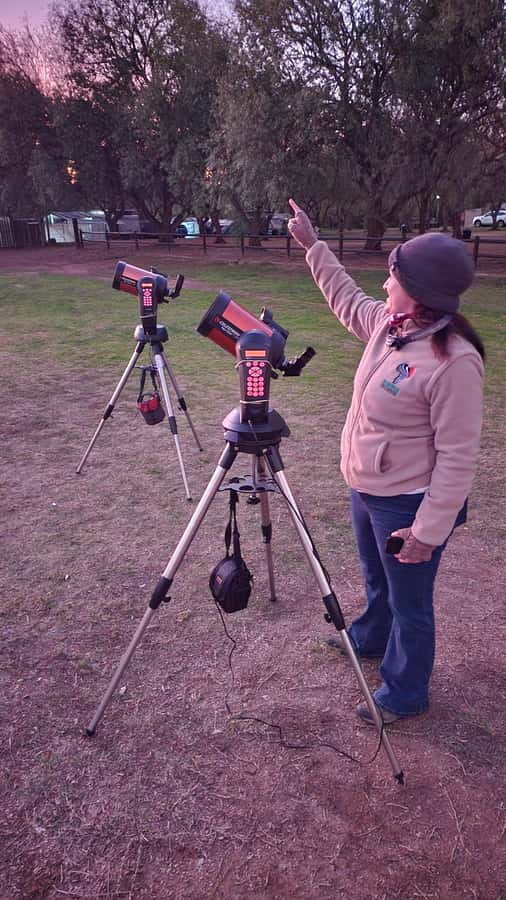
The best part of this Oudtshoorn outing is the chance to see the southern hemisphere sky through a telescope, not just admire a scatter of stars with the naked eye. Your guide helps you identify planets, constellations, galaxies, and globular clusters, then connects them to the ways people have used the sky for centuries.
I like the clear one-hour format, which fits neatly into an evening in Oudtshoorn, and I like the human stories behind the astronomy. You may discuss the names of the days of the week, the alignment of the Egyptian pyramids, and Xhosa traditions connected to the stars. The main drawback is simple: clouds can spoil any stargazing plan, and there is no transportation included.
Key points at a glance
- Specialized telescope viewing: Get a closer look at the Moon, planets, stars, galaxies, and globular clusters.
- Southern sky focus: Learn about celestial features that may be unfamiliar if you usually observe the northern sky.
- Strong guide element: Guides such as Robert and Colin have led sessions in English and Afrikaans, with clear explanations and a sense of humor.
- Compact evening plan: The entire guided session lasts one hour, making it easy to fit around dinner or another Oudtshoorn activity.
- Weather matters: Bring warm layers and understand that poor conditions can force a cancellation.
- Simple meeting arrangement: You meet in Oudtshoorn, with the exact address sent by WhatsApp after booking.
Why Oudtshoorn is a fine place to study the stars
Oudtshoorn sits in the Western Cape, in the Karoo region of South Africa. Here, the night sky becomes the main attraction rather than a background detail.
The experience is built around the southern hemisphere’s stars. That matters because many visitors are used to the familiar patterns of the northern sky. This session gives you a chance to learn a different set of celestial landmarks, with a guide helping you make sense of what appears above you.
You are not simply handed a telescope and left to guess. The guide explains what you are looking at and why it matters. That makes this a good choice for someone who has always been curious about astronomy but never learned the basics.
The historical and cultural side also adds weight. The sky has shaped calendars, religious ideas, navigation, architecture, and oral traditions. During the session, you can discuss how celestial patterns influenced the naming of weekdays, the placement of the Egyptian pyramids, and traditions among Xhosa communities.
That mix keeps the evening from becoming a dry list of star names. You get the view, then a reason to remember it.
A few more South Africa days worth comparing
- KLEIN KAROO at Oudtshoorn QUAD BIKE FUN RIDE
★ 4.2 · 34 reviews - Kudu Trail Horse Riding Experience
★ 5.0 · 12 reviews - Oudtshoorn: Half-Day Swartberg Pass Private Guided Tour
★ 5.0 · 12 reviews
Meeting your guide in Oudtshoorn
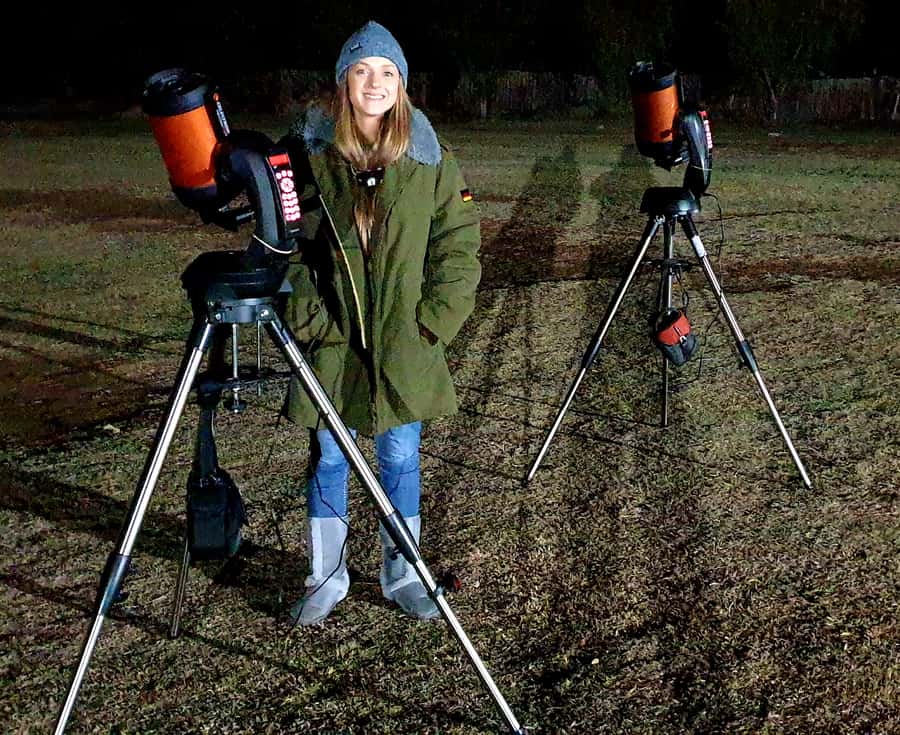
The activity begins in Oudtshoorn, but the exact meeting address is sent by WhatsApp after you book. I would check your messages before the evening and make sure the provider has the correct phone number.
This is a useful detail because transportation is not included. You need to make your own way to the meeting point, and the booking information does not describe a hotel pickup service. If you are staying outside central Oudtshoorn, allow time to reach the address once it arrives.
True South Travel provides a live guide in English or Afrikaans. Past sessions have included guides named Robert and Colin. Robert was praised for explaining a great deal in an approachable way, while Colin was singled out for making planets, stars, and the universe easy to follow. These details suggest that the quality of the guide is central to the experience, as it should be on a one-hour astronomy walk.
The meeting arrangement is practical rather than elaborate. There is no long transfer or extended check-in. You arrive at the stated location, meet the guide, and begin looking up.
What the one-hour session covers
The itinerary is short: one guided stargazing session lasting one hour. That may sound brief, but it is long enough to introduce the main features of the sky without turning the evening into a lecture.
At the start, your guide gets you oriented to the southern sky. You learn where to look and how to recognize prominent features. The exact objects available will depend on the night, the season, and the weather, so you should not expect a fixed list of planets or galaxies on every date.
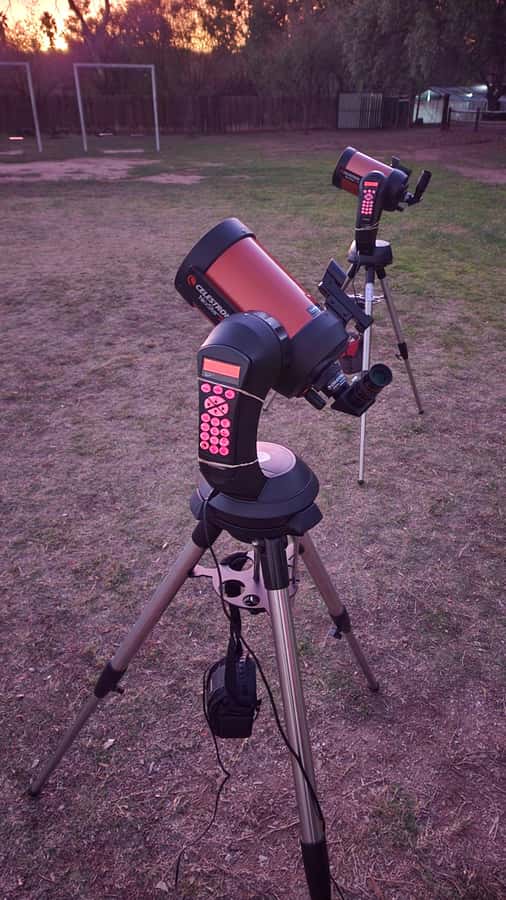
The telescope is the practical heart of the session. Instead of seeing the Moon as a bright disk or a planet as a tiny point, you may get a closer view of selected objects. One particularly memorable session included the Moon and its craters in clear detail. That is the sort of moment that gives the tour its value: the sky becomes something you can study, not just admire.
Your guide may also point out constellations and explain how people have named and interpreted them. Galaxies and globular clusters are part of the subject matter as well, although the objects visible through the telescope will depend on current conditions.
The final portion connects astronomy to human life. You can discuss how people have always looked upward for meaning, timekeeping, direction, and stories. The references to the Egyptian pyramids and Xhosa traditions give the session a broader setting and remind you that astronomy is not only about modern equipment.
The telescope view, from the Moon to distant galaxies
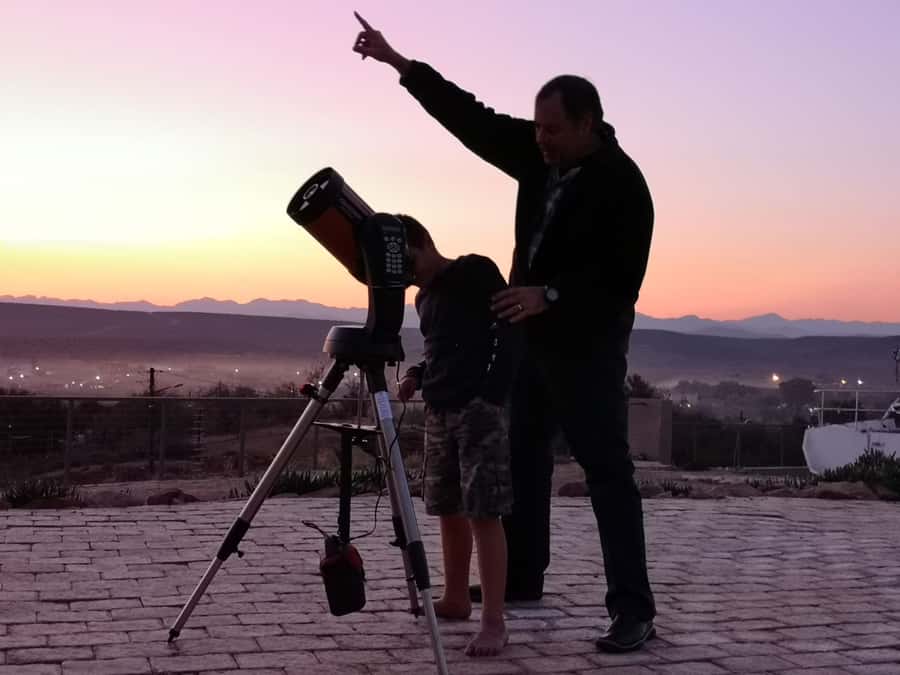
A telescope changes the feel of the evening. With the unaided eye, you see the sky as a broad field of light. Through the instrument, you focus on one object and notice details that would otherwise disappear.
The Moon is likely to be especially rewarding when it is visible. A past session included a good view of its craters, which can turn a familiar object into something surprisingly immediate. The Moon also gives beginners a quick sense of how a telescope works, since its surface features are easier to recognize than faint deep-sky objects.
Planets are another possible focus. Their visibility changes, and the tour does not promise a particular planet on every date. Still, the guide can help you understand what makes a planet different from a star and explain its place in the wider solar system.
Galaxies and globular clusters offer a different kind of sight. They may not look like colorful pictures from a space agency website. Instead, the appeal is knowing what you are seeing and understanding how far beyond Earth that light has traveled. The guide’s explanation helps turn a faint object into a meaningful one.
I appreciate that the description does not reduce the session to a telescope checklist. The equipment gives you a view, but the guide gives you context. For beginners, that combination is far more useful than simply peering through an eyepiece without knowing what is there.
A different side of South Africa altogether:
- Wine Tour: Paarl, Franschhoek & Stellenbosch incl 3 wineries
★ 5.0 · 3,940 reviews - Cape Town: Hop-On Hop-Off Bus Tour with Optional Cruise
★ 4.8 · 3,929 reviews - Cape Town: Cape of Good Hope & Penguins Day Tour with Pickup
★ 4.7 · 3,362 reviews - Zipline Cape Town – From Foot of Table Mountain Reserve
★ 5.0 · 3,179 reviews
Astronomy with a human story attached
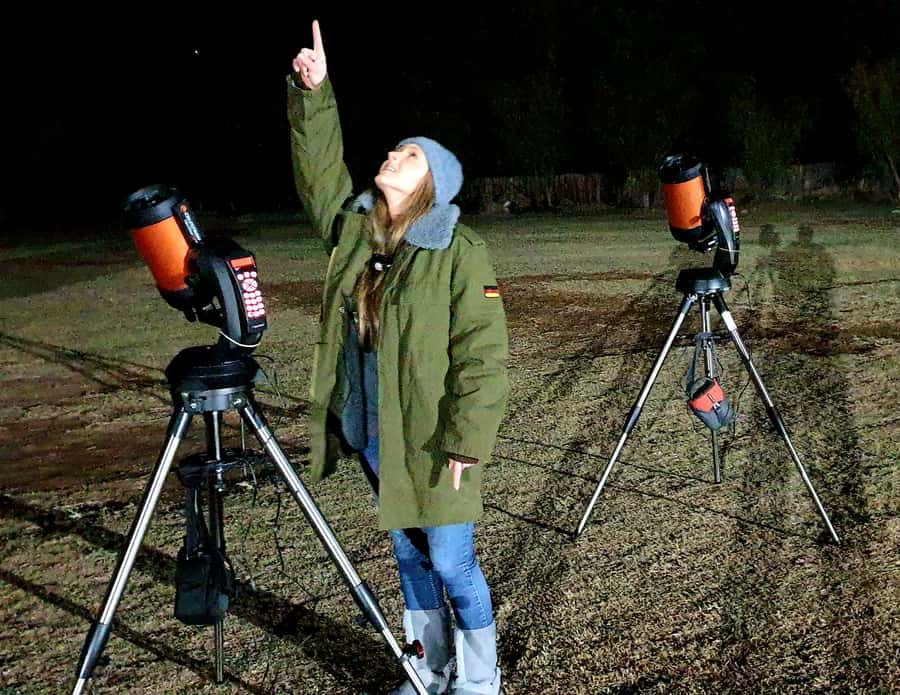
The cultural discussion is one of the strongest reasons to choose this activity over a simple lookout stop. The stars have influenced how societies measure time, tell stories, design buildings, and pass knowledge from one generation to the next.
The connection to weekdays gives you an everyday example. Names that seem ordinary can lead back to ancient ideas about planets and celestial bodies. The Egyptian pyramid discussion shows how the sky could influence major buildings and sacred spaces.
The reference to Xhosa traditions brings the subject closer to the region. It helps place the stargazing in a South African setting rather than treating the night sky as a subject detached from local culture.
You do not need a background in science to enjoy this. In fact, the session is likely most useful if you arrive with basic curiosity rather than technical training. Ask questions. If you know only the Moon and a few star names, that is enough to get started.
The guide’s role is important here. Past sessions led by Robert and Colin were praised for clear teaching, humor, and a broad grasp of planets, stars, and the universe. I would expect the evening to feel conversational rather than formal, though the experience remains short and focused.
How the price compares with the format
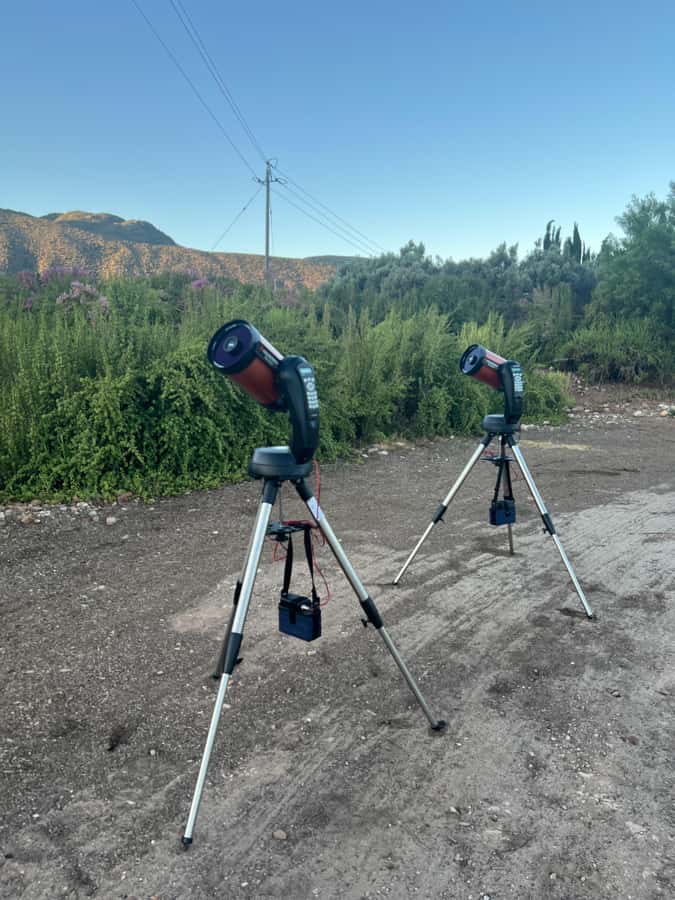
At $71 per person, this is not a free look at the sky. The cost pays for a guided session, a specialized telescope, and the time of someone who can identify and explain what you are seeing.
The value depends on your interest. If you already have access to a telescope or mainly want a quick view of the stars, the price may feel high for one hour. If you want help finding celestial objects and understanding the southern sky, the guide adds something you cannot get from simply stepping outside.
The one-hour duration keeps the commitment modest. You are not giving up an entire evening, and the session can fit into a wider Oudtshoorn visit. That helps balance the price, especially if you prefer short activities with a clear focus.
There are also no transportation costs built into the activity. You need to reach the meeting point yourself, so factor that into the total cost. The exact location arrives by WhatsApp after booking, which means you should not plan your route until you receive that message.
The provider allows you to reserve now and pay later, and you can cancel up to 24 hours in advance for a full refund. Those terms reduce the risk of committing early, especially when your schedule in Oudtshoorn is still changing.
Weather is part of the bargain
Stargazing is controlled by the sky. Clouds, poor visibility, or other bad weather can make the telescope useless, so you should keep your plans flexible.
One booking was canceled because of weather, with good communication and a fair outcome. That is worth noting because a weather cancellation is not a flaw in the activity itself. It is an unavoidable part of any outdoor astronomy session.
Bring clothing for a cool night. The recommended items include comfortable shoes, comfortable clothing, gloves, a scarf, water, and weather-appropriate layers. Gloves and a scarf are particularly sensible because you may spend much of the hour standing still while looking through the telescope.
A camera is also listed as something to bring, but do not assume that telescope photography will be a major part of the session. The main purpose is guided observation. Your phone or camera may help you record the evening, but the best memories may come from what you see through the telescope rather than from a difficult night-sky photograph.
Check the forecast before you go, but remember that conditions can change. If the activity is canceled, the stated policy allows a full refund when the provider calls off the session because of weather.
Who will enjoy this most
This experience suits curious adults, couples, older children, and anyone who wants a calm evening activity with an educational edge. Children under six are not permitted, so families with very young children will need another plan.
It is especially good for first-time stargazers. You do not need to know the names of constellations or understand how telescopes work. The guide supplies the structure and helps you make sense of the view.
It also suits people who enjoy culture as much as science. The links to Egyptian architecture, weekday names, and Xhosa traditions give you more to think about than a standard planet-spotting session.
The activity is not suitable for wheelchair users according to the supplied information. No group size is specified, so you should ask True South Travel if the size of the session matters to you.
If you want a long, technical astronomy workshop, one hour may feel too short. If you want a focused introduction during a broader Western Cape trip, the length is a strength.
Practical preparation for a better night
I would wear warm layers even if the afternoon in Oudtshoorn feels mild. The supplied advice specifically calls for gloves, a scarf, comfortable shoes, and weather-appropriate clothing.
Keep your WhatsApp available after booking. That is how True South Travel confirms the meeting address, and the activity does not include transportation.
Arrive ready to look and listen rather than rush from one object to the next. The value comes from the guide’s explanations, so give yourself time to ask questions about the Moon, planets, constellations, galaxies, or globular clusters.
Bring water. A camera is welcome, but do not let it distract you from the telescope. If you are visiting with family, remember that children must be at least six years old and that wheelchair users cannot take part.
Finally, avoid placing this activity on the one evening when your whole schedule depends on a fixed finish time. The session itself lasts one hour, but weather may affect the plan.
Should you book this Oudtshoorn stargazing tour?
Book it if you want more than a quick look at the stars. The telescope gives you close views, while the guide adds the science, history, and local cultural context that make the sky easier to understand.
The strongest reasons to go are the southern hemisphere focus, the chance to see lunar craters and other celestial objects through specialized equipment, and the engaging teaching style associated with guides such as Robert and Colin. The $71 price is reasonable for a guided telescope session if astronomy interests you.
Skip it if you need guaranteed viewing, included transportation, wheelchair access, or a longer technical program. The weather can cancel the evening, and one hour leaves little room for a slow, extended study of many objects.
For most visitors with a free evening in Oudtshoorn, I would book it and keep the rest of the night flexible. Dress warmly, confirm the WhatsApp meeting address, and arrive ready to let the sky set the pace.
FAQ
Where does the stargazing activity take place?
The experience takes place in Oudtshoorn in South Africa’s Western Cape. The exact meeting address is sent by WhatsApp after booking.
How long does the experience last?
The guided stargazing session lasts one hour.
What is included in the price?
The price includes a live guide and use of a telescope.
Is transportation included?
No. You must make your own way to the meeting point in Oudtshoorn.
Which languages are available?
The live guide can conduct the experience in English or Afrikaans.
What can I see through the telescope?
The session covers prominent planets, constellations, galaxies, and globular clusters. The Moon may also be visible, including its craters, depending on conditions.
What should I bring?
Bring comfortable shoes, comfortable clothes, water, a camera, gloves, a scarf, and clothing suitable for the weather.
Are young children allowed to join?
Children under six years old are not permitted to take part.
What happens if the weather is poor?
Weather can cause the session to be canceled. You can cancel up to 24 hours in advance for a full refund, and the activity also offers reserve now and pay later booking.
Just listed around South Africa
- Cape Town: Inspiring sustainable change through Street Art★ 4.9 · 5 reviews
- Constitutional Hill and Soweto 5 hours tour.★ 5.0 · 5 reviews
- SandBoarding in Capetown + PhotoShoot★ 4.0 · 5 reviews
- Cape Town Tandem Paragliding Square 1 Paragliding★ 5.0 · 5 reviews
- Township Experience – Port Elizabeth★ 5.0 · 5 reviews
- Cape Town: Full-Day Private Peninsula Tour★ 3.6 · 5 reviews
- Hazyview : Full Day Panorama Tour★ 4.8 · 5 reviews
- Schotia: Open Safari Jeep – Full Day Safari with Lunch★ 5.0 · 5 reviews
Oudtshoorn Tours, compared.



2 Day Small Group Cape Town: Garden Route Big 5 Safari Tour
Read our review →Browse the lists this tour appears in