
Reviewed · JOHANNESBURG TOURS
Johannesburg: Street Art and Culture in Maboneng!
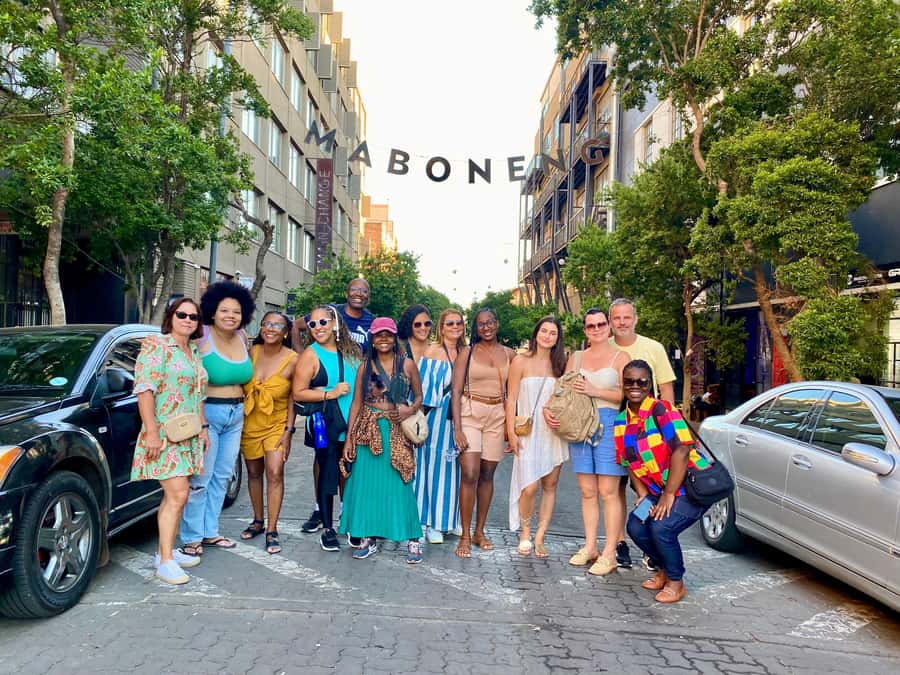
Maboneng tells Johannesburg’s story in paint, brick, and street life. In two hours, you’ll see murals by local and international artists, hear how an old industrial district changed after 2009, and visit places that connect the neighborhood’s creative present with its anti-apartheid past.
I like the local perspective, especially when Ayanda leads the walk. I also like the clear route from Home of the Bean through galleries, shops, food spots, and public art. The main drawback is that two hours goes quickly, and the tour is conducted in English only. If you want a long stop for shopping or food, you’ll need extra time afterward.
Key points to know before you book
- Murals with stories behind them: Learn about artists such as ESPO Powers and DBongz, not just the names of the paintings.
- A neighborhood in transition: See how Maboneng moved from an industrial zone toward a creative district after 2009.
- Personal local guiding: Ayanda receives especially strong praise, while Bonny, Kaiser, and Michael have also led tours.
- A surprising historical stop: Visit the Hideout Bar at Curiocity Backpackers, an alleged refuge for Mandela and other anti-apartheid activists.
- A useful first look at inner-city Johannesburg: Get context on art, redevelopment, mining, culture, and daily life in one compact walk.
- Plan for purchases: Informal traders and artists sell items along the route, so carry cash or a card if you may buy something.
Why Maboneng works so well as a street-art walk
Maboneng means Place of Light, and the name fits the neighborhood’s public image. Former industrial buildings now sit beside cafés, galleries, small shops, restaurants, hostels, and walls covered with art.
The appeal is not simply that the murals make good photographs. The art gives your guide a way to explain Johannesburg. You’ll hear about the artists, the ideas behind selected works, and the changing social character of the area.
I like this approach because it avoids treating Maboneng as a collection of colorful walls. You get a short but useful introduction to how cities change, who funds redevelopment, who benefits from it, and how local art can shape a district’s identity.
The area also gives you a more everyday view of Johannesburg than a bus-based sightseeing tour. You’ll walk past informal traders, creative businesses, residents, and people using the neighborhood for work and leisure. That mix is part of the experience, and it means Maboneng should not be treated as a sealed-off art park.
More street art walks in Johannesburg:
- Johannesburg: Maboneng Street Art & Culture Tour
★ 4.9 · 257 reviews - Johannesburg: Maboneng Street Art & Culture Tour
★ 5.0 · 140 reviews - Colours of Johannesburg: A Graffiti & Street Art Tour
★ 5.0 · 21 reviews
Starting at Home of the Bean
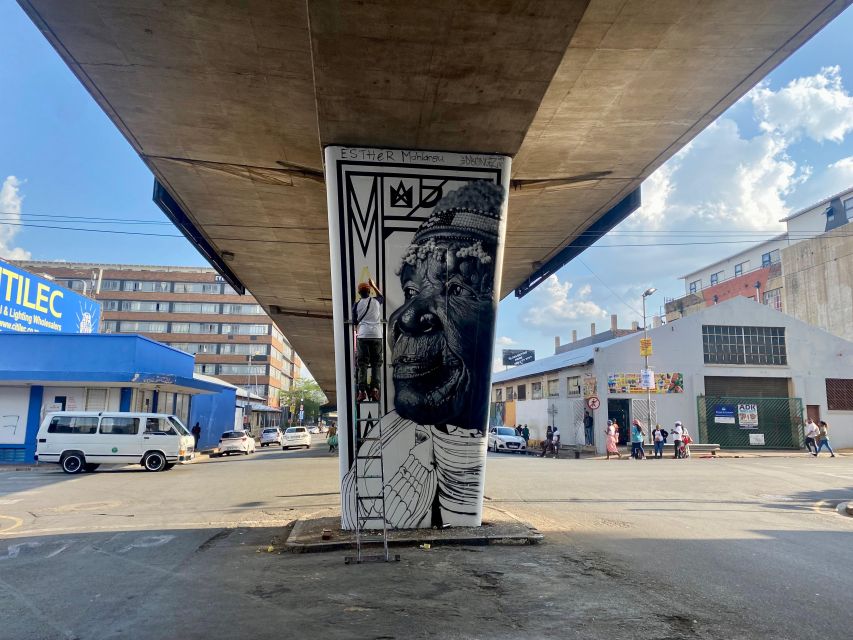
The walk begins at Home of the Bean, a coffee shop on the corner of Fox and Berea streets, under the bridge. From the outside, the building can look like an old industrial structure, so use the address carefully and wait inside the café if you arrive early.
The opening 15 minutes are used for a safety briefing and orientation. You can also buy a cup of coffee before setting out, though food and drinks are not included in the $40 price.
This is a sensible meeting point. It gives you a clear place to gather before walking and lets the guide explain how the tour will work. WhatsApp or message contact is used around 30 minutes before the start, which is useful if there is a change or you need help finding the meeting point.
The tour returns to the same coffee shop at the end. That makes the experience easy to fit into a morning or afternoon in Johannesburg, especially if you have other plans afterward.
Reading the walls instead of just photographing them
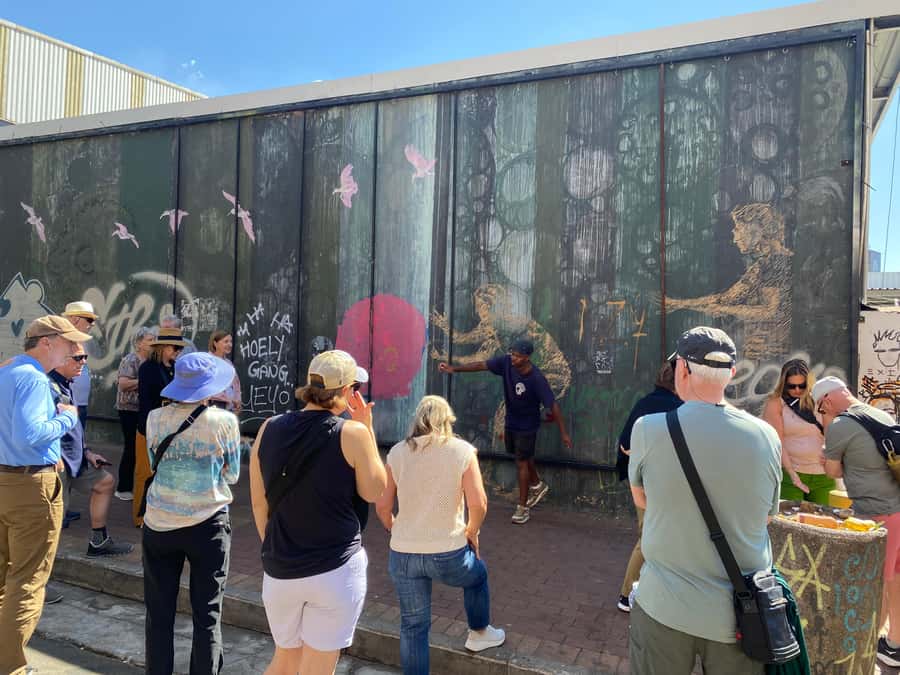
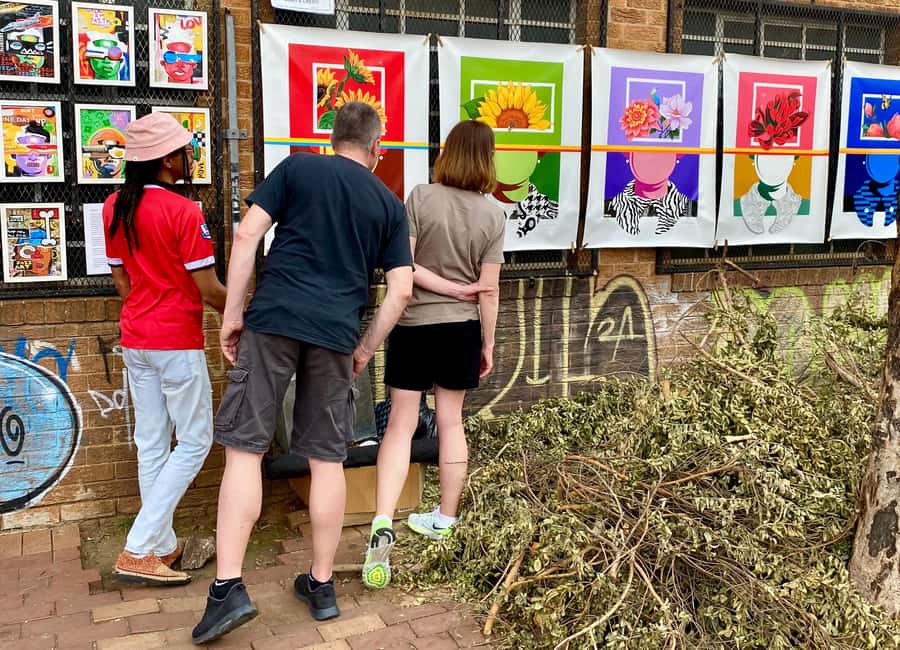
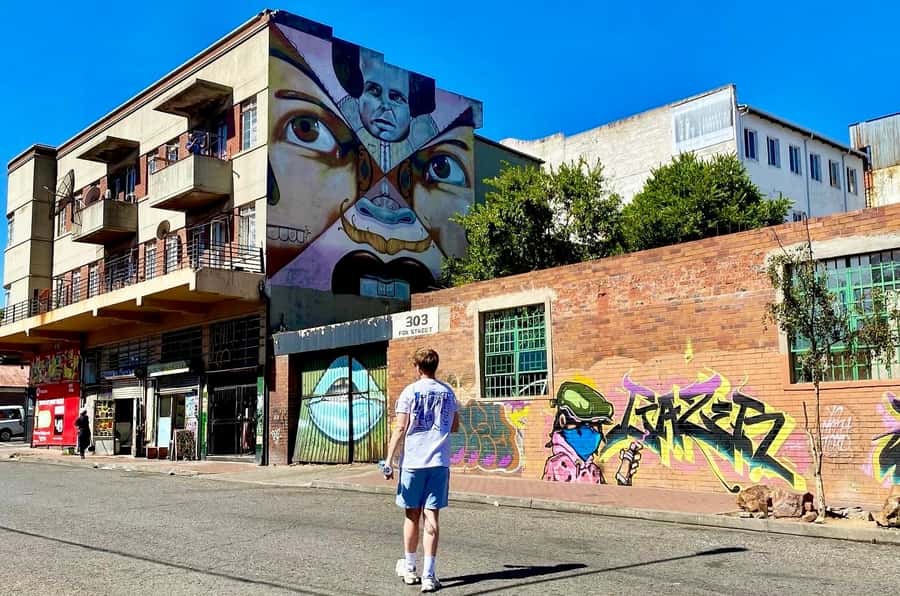
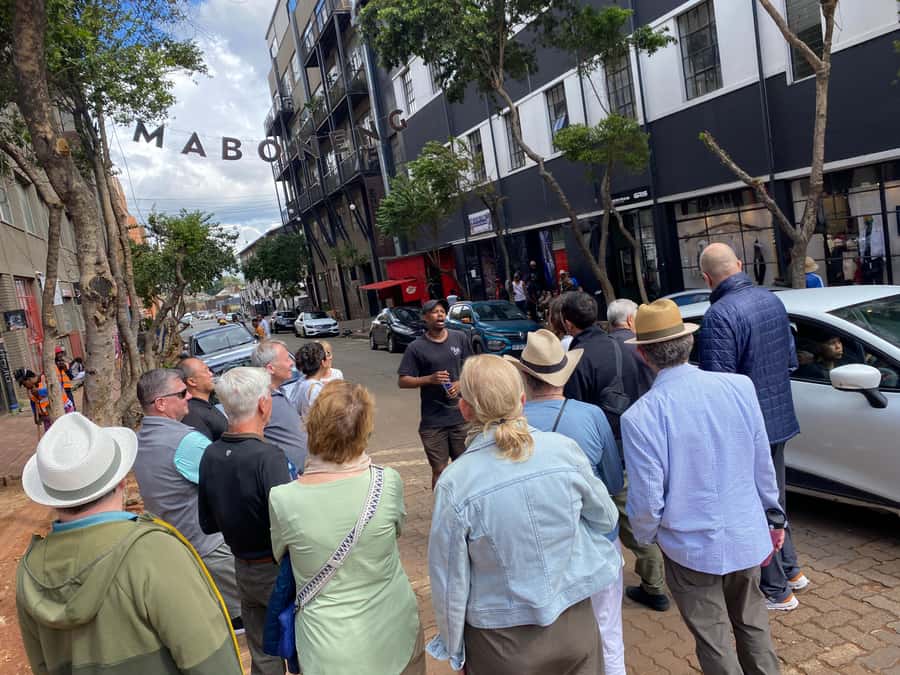
The first major part of the walk takes you into Maboneng’s streets for a closer look at the public art. You’ll see work connected with local and international names, including ESPO Powers and DBongz.
A good guide makes the difference here. Instead of pointing at a wall and moving on, the walk explains who created the piece and what it may be saying about the city, identity, politics, or community. The art becomes a starting point for conversation.
Ayanda is the guide most often associated with the strongest praise, and his local connection is a major advantage. He has been described as someone who knows the area closely and speaks from personal experience of Maboneng’s changes. People greeting him as he walks also help show that this is not a guide being dropped into an unfamiliar district.
Other guides, including Bonny, Kaiser, and Michael, have also led the experience. The exact guide can vary, so you should not book solely on the assumption that Ayanda will lead your departure. Still, the repeated emphasis on friendly, informed guiding suggests that the personal element is central to the tour.
Bring a charged phone or camera if you enjoy street photography. The tour is designed for looking and listening, though, so avoid rushing from mural to mural. The explanations are where much of the value lies.
Maboneng Arts Village and the creative side of the district
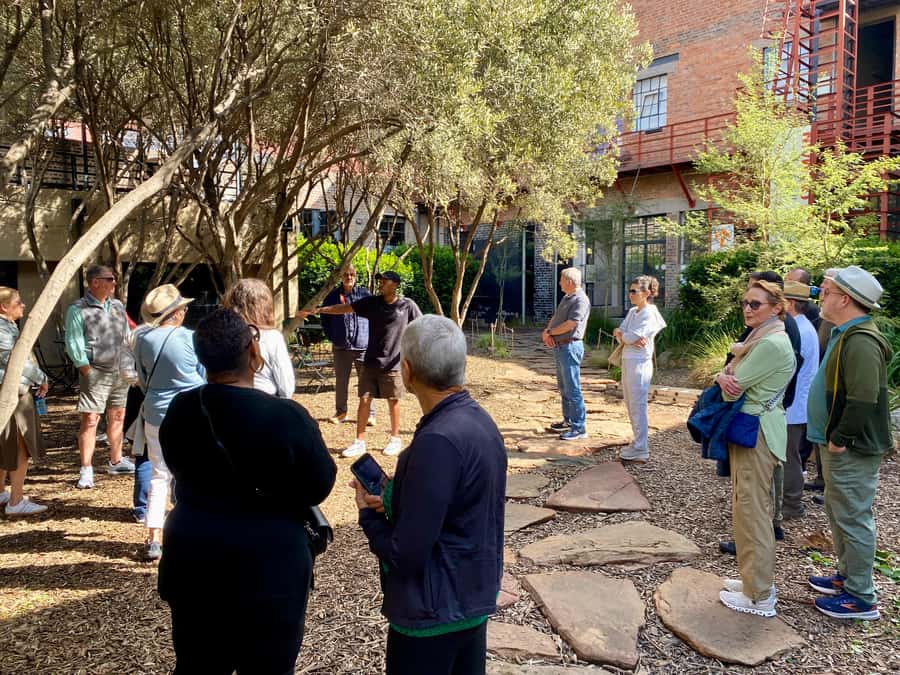
Maboneng Arts Village provides a look at how artists and makers use the area beyond the walls. It is a space where creatives can sell their work, giving you a chance to see the commercial side of Johannesburg’s art scene.
This stop is useful because it adds depth to the public murals. Street art can seem temporary or purely decorative when viewed from a distance. Inside an arts space, you get a better sense of how creative work supports livelihoods, attracts visitors, and helps give the district its current identity.
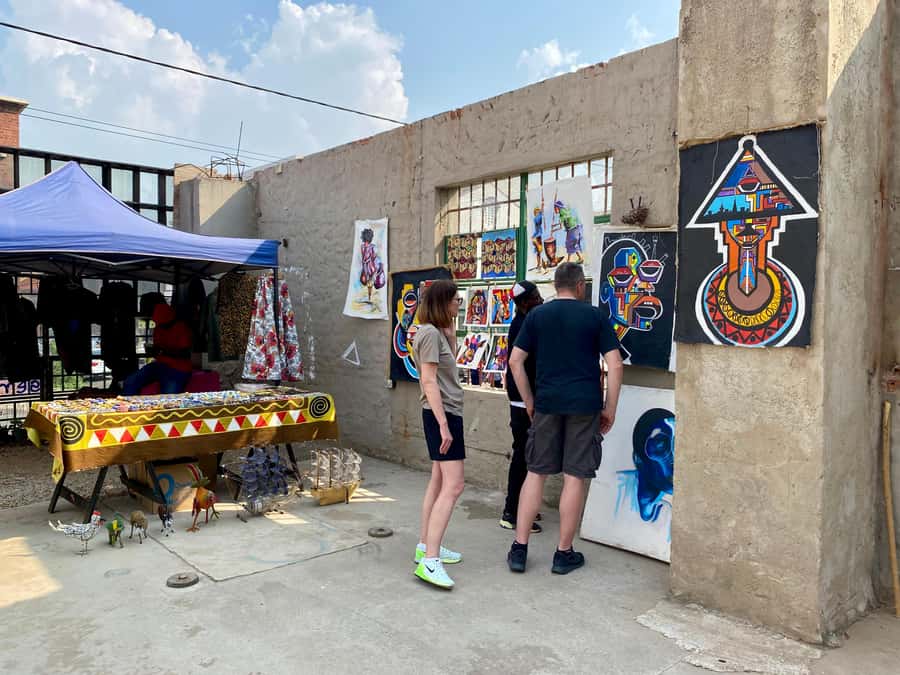
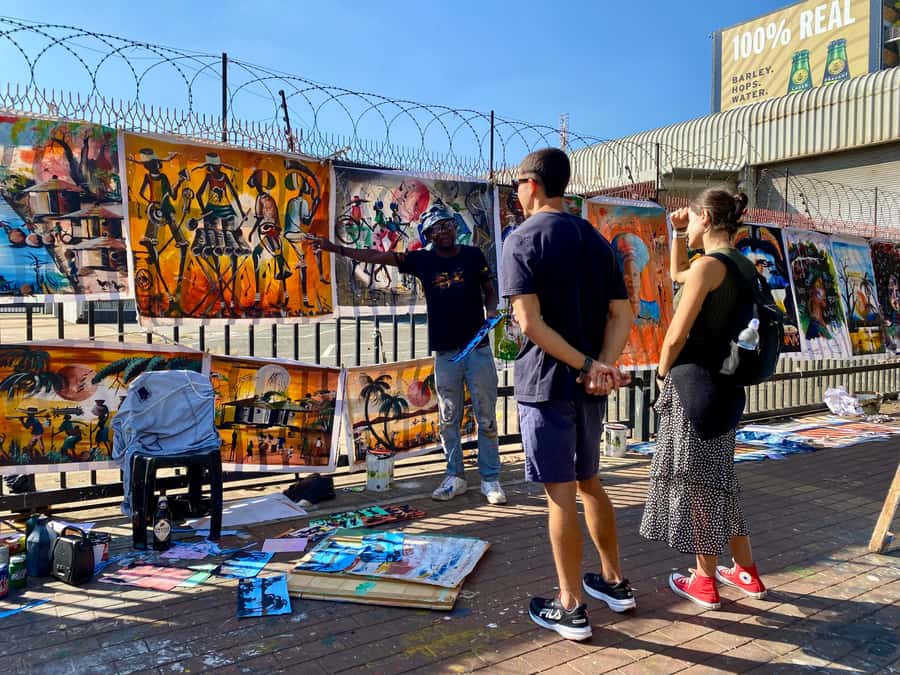
You may want to buy something from an artist or informal trader. Purchases are not included, so take some cash or a card. The supplied information does not promise a particular selection of goods or a fixed shopping stop, so think of buying as an optional opportunity rather than a planned part of the tour.
For many people, this is also where the tension around Maboneng becomes clearer. Redevelopment can bring new cafés, galleries, and investment, but it can also raise questions about affordability, ownership, and who gets to shape the neighborhood’s future. The tour addresses that change rather than presenting redevelopment as a simple success story.
A few more Johannesburg days worth comparing
- From Johannesburg: Pilanesberg Nature Reserve Game Safari
★ 4.8 · 1,327 reviews - Johannesburg: Hop-On Hop-Off Bus with Optional Soweto Tour
★ 4.6 · 985 reviews - Soweto /Johannesburg and Apartheid Museum Guided Full Day Tour
★ 5.0 · 932 reviews - Johannesburg Hop-On Hop-Off City Tour with Soweto Option
★ 4.5 · 768 reviews
The Hideout Bar and an uncertain piece of history
One of the most memorable stops is the Hideout Bar at Curiocity Backpackers. It is described as an alleged hideout for Nelson Mandela and other anti-apartheid activists during apartheid.
The word alleged matters. You should enjoy this as a local story connected with the site, not as a claim that has been presented here as proven fact. The stop works because it links Maboneng’s current social scene with the difficult political history of South Africa.
It also breaks up the art focus. You are not spending the full two hours looking at walls. You are moving through spaces that reflect different layers of the neighborhood: industrial work, political struggle, creative business, food, nightlife, and urban renewal.
The bar is at a backpacker property, so the character of the stop may feel informal and social. No food or drink is included, and the tour does not promise a scheduled drinking break. If you want to linger with a beverage, plan to return later rather than expecting the walking schedule to pause for long.
From mining industry to Maboneng after 2009
Maboneng’s story begins well before its current café-and-gallery reputation. The district has strong links to Johannesburg’s mining industry and its older industrial buildings.
The tour follows the area’s evolution from 2009 to the present. That timeline helps you see the neighborhood as a work in progress rather than a finished product. Old structures were given new uses, while art and food helped create a new public image for the precinct.
You’ll also hear about the funding and vision behind the redevelopment. This is one of the most useful parts of the experience because it explains the forces behind the visible changes. The murals, shops, and restaurants did not appear by accident. They are part of a larger attempt to imagine what inner-city life could become.
I especially value this context if you are new to Johannesburg. The city can be hard to read on your own in a short visit. A local guide can connect a painted wall to broader questions about urban planning, race, money, migration, and public space without turning the walk into a formal lecture.
The information can occasionally feel repetitive, particularly if you ask several questions about the same development story. That is a minor issue, but it is worth knowing if you prefer a tightly edited tour with little overlap.
Walking through a real neighborhood
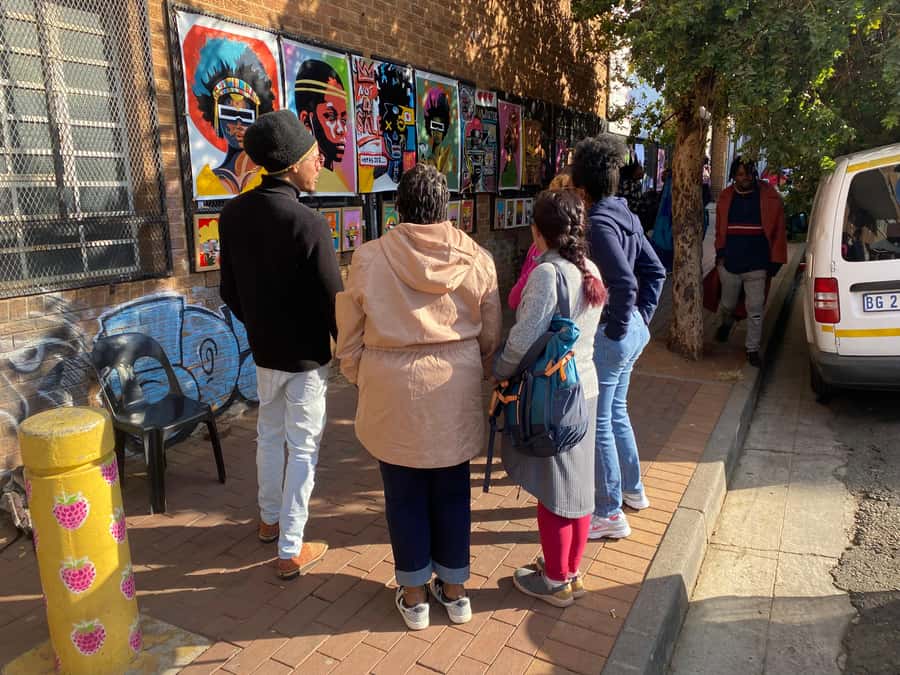
The route is not only about designated sights. You’ll experience Maboneng as a place where people live, work, trade, meet, and pass through.
That matters for anyone who wants more than a polished tourist district. The presence of informal traders and local residents gives the walk a less controlled feel. You may see products for sale, encounter busy street activity, and notice how different groups use the same public spaces.
The tour presents Maboneng as culturally diverse, with art galleries, curio and gift shops, restaurants, creative venues, and residential life all close together. You should expect variety rather than one single mood.
This also means you need ordinary city awareness. Keep your belongings secure, listen to your guide, and stay with the group. Several people specifically appreciated feeling safe while walking with a local guide, but that is not a reason to abandon common sense. The guide’s familiarity with the streets is one of the practical benefits of booking instead of wandering alone.
The route is wheelchair accessible, according to the activity information. Since this is a street walk through an active urban area, you may still want to confirm current route details if you have specific mobility needs.
The viewpoint and the shape of inner-city Johannesburg
A 15-minute viewpoint section adds a visual pause to the walk. You’ll have scenic views along the way and a chance to look back at the district from a different angle.
The exact viewpoint is not named, so do not book expecting a particular rooftop or skyline platform. One departure included a good view from a rooftop bar, but the central promise is scenic views during the walk, not a dedicated rooftop visit with a drink.
This part helps connect the small details to the larger city. From above or from a more open vantage point, the old industrial character of Maboneng becomes easier to understand. You can see how the neighborhood fits into Johannesburg’s inner city and why its buildings and streets have attracted new uses.
The stop is brief. Think of it as a scenic break and a chance for photographs, not a long viewing session.
What two hours really gives you
The full route lasts about two hours. The timing is divided into short sections, with roughly 30 minutes of initial sightseeing, a 15-minute special stop, another 30-minute walk through Maboneng, a 15-minute viewpoint section, and a final 15 minutes of sightseeing before returning to Home of the Bean.
That is enough time for a strong introduction. It is not enough for a detailed art-history course, an extended meal, or a slow shopping afternoon.
I would choose this tour early in a Johannesburg stay. It gives you useful orientation and may help you decide where to return for food, shopping, galleries, or more independent exploring. It also works well before an airport transfer or on a day when you have limited time. One person with a tight schedule still managed to see the main sights and get the key information.
The small-group feel can vary, but some departures have involved only two to four people. A small group makes it easier to ask questions and hear the guide clearly. It can also make the pace feel more personal than a large city walk.
Is $40 a fair price?
At $40 per person, this is not the cheapest way to walk around Maboneng. You could see some street art without paying for a guide.
The value comes from what you would likely miss alone: the names and ideas behind the murals, the timeline of redevelopment, the political story connected with the Hideout Bar, and practical guidance through an unfamiliar part of inner-city Johannesburg.
I think the price is fair if you care about context and want a local introduction. It is less compelling if you mainly want photographs and do not plan to listen to the history or culture discussion.
Entry to all sites visited is included. Food and drinks are not, so budget separately for coffee, a meal, or anything you buy from artists and traders.
Free cancellation is available up to 24 hours before the start, and you can reserve now and pay later. Those terms are useful if your Johannesburg plans are still moving around.
Who will enjoy this walk most?
I would recommend it to first-time visitors who want a grounded introduction to Johannesburg rather than a checklist of major sights. It is also a good fit for art fans, photographers, students, and anyone curious about how creative districts are formed.
The tour suits adults and younger visitors alike, provided they enjoy walking and can follow an English-language explanation. People interested in South African history will get more from it than those looking only for murals.
It can also work well for visitors who feel uncertain about exploring Maboneng independently. A local guide gives you a clearer sense of the streets and adds social context that is difficult to get from a map.
You should reconsider if you need a long seated experience, want a meal included, or expect a guaranteed rooftop-bar visit. The route is short, active, and focused on explanation rather than entertainment alone.
Practical tips for a better experience
Wear comfortable shoes. You will be walking on city streets for most of the two hours, with several stops for sightseeing and discussion.
Arrive at Home of the Bean a little early and wait inside the café. The industrial exterior can make the meeting point less obvious than expected.
Keep your phone available for WhatsApp or message contact around 30 minutes before the start. If you are late, contact the guide rather than guessing where the group has gone.
Carry a small amount of cash or a card. Artists and informal traders may offer items for sale, but purchases are optional and not part of the price.
Stay open to questions. Ayanda is often praised for answering them clearly and for connecting street art with wider Johannesburg and South African history. The guide’s willingness to explain is one of the strongest reasons to choose a walking tour instead of exploring from a guidebook.
Should you book the Maboneng street-art walk?
Book it if you want to understand Maboneng, not merely photograph it. The best parts are the local guiding, the stories behind the art, the explanation of redevelopment since 2009, and the chance to see how a former industrial district functions today.
I would be especially happy to recommend it as a first activity in Johannesburg. It is compact, easy to fit into a busy schedule, and gives you useful context for later exploring. Just remember that it is English-only, food and drinks cost extra, and the two-hour schedule leaves little time for lingering.
For a short, thoughtful introduction to Maboneng and its art scene, $40 is a reasonable spend.
FAQ
Where does the Maboneng street-art tour start?
The tour starts at Home of the Bean coffee shop on the corner of Fox and Berea streets, under the bridge. Wait inside the coffee shop if you arrive before the start time.
How long does the tour last?
The walking tour lasts two hours and returns to Home of the Bean.
Is the tour offered in languages other than English?
No. The tour is offered in English only.
Are food and drinks included?
No. Food and drinks are paid for separately by you. You can buy coffee at Home of the Bean before the walk, and you may find food, drinks, or goods for sale along the route.
Who may guide the tour?
Ayanda is a frequently named guide, and Bonny, Kaiser, and Michael have also led departures. The specific guide can vary.
Can I cancel the booking?
Yes. You can cancel up to 24 hours in advance for a full refund. You can also reserve and pay later.
Just listed around Johannesburg
- Constitutional Hill and Soweto 5 hours tour.★ 5.0 · 5 reviews
- 5 Day Kruger Glamping Safari and Panorama Tour★ 5.0 · 5 reviews
- Cradle of Humankind and Maropeng Day Tour from Johannesburg★ 4.0 · 5 reviews
- Johannesburg: Hot Air Balloon Flight★ 5.0 · 5 reviews
- Half Day Soweto and Apartheid Museum Guided Tour★ 5.0 · 5 reviews
- Lion park★ 4.5 · 5 reviews
- Pretoria Historical Tour★ 4.0 · 5 reviews
- 5 Day Kruger National Park and Panorama Route Safari★ 4.5 · 5 reviews
Johannesburg Tours, compared.



Soweto /Johannesburg and Apartheid Museum Guided Full Day Tour
Read our review →
Johannesburg Hop-On Hop-Off City Tour with Soweto Option
Read our review →

Jo’berg in 1 Day: Soweto, Apartheid Museum & City Tour
Read our review →
Full-Day Tour with Soweto and Apartheid Museum
Read our review →Browse the lists this tour appears in