
Reviewed · GARDEN ROUTE TOURS
Tsitsikamma Wolf Sanctuary Guided Tour & Day Pass
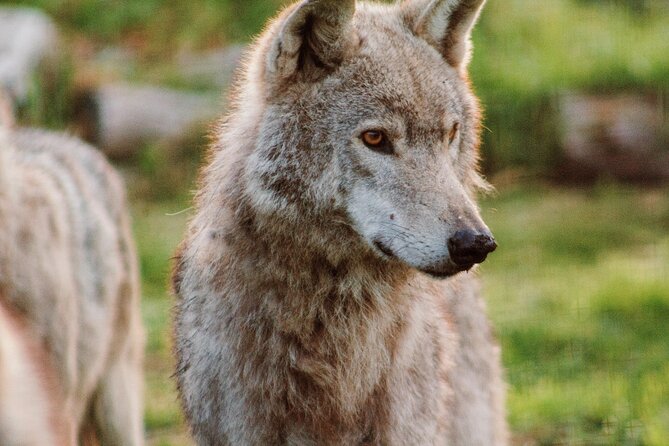
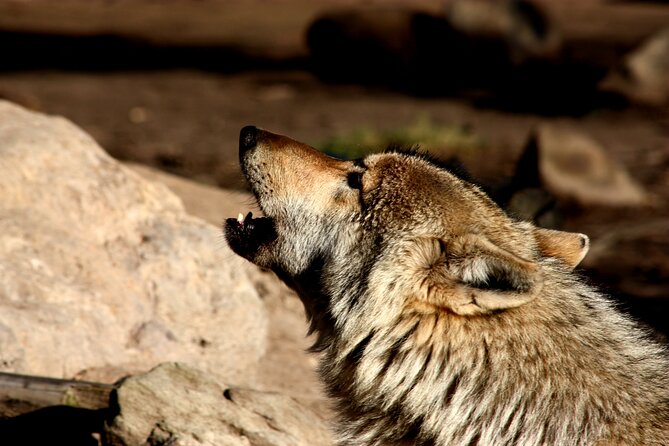
The most striking part of this visit is the setting: rescued grey timber wolves, animals that do not belong in South Africa, now live among the Tsitsikamma forests after being saved from the exotic pet trade. The sanctuary opened in 2001 and remains a nonprofit refuge rather than a show built around animal tricks or staged encounters.
I like two things right away. First, the tour explains why these wolves need care and what responsible sanctuary work involves. Second, your admission helps support a non-breeding, non-touch, non-trading facility, so the visit has a clear animal welfare purpose.
The main consideration is that this is a short, outdoor walking tour, not a close-contact animal experience. The wolves are introduced respectfully, and the sanctuary’s stated policy means you should not expect to pet or handle them. Rain or poor weather can also affect the visit.
Key points to know before you go
- Hear the resident wolves before you see them: A chorus of howls can greet you as you arrive.
- Visit South Africa’s oldest wolf sanctuary: The nonprofit began its work in 2001.
- Learn about rescued animals: The sanctuary cares for surrendered grey timber wolves and wolf dogs from the exotic pet trade.
- Expect an ethical format: The facility does not breed, trade, or allow touching as part of the tour.
- Plan for about one hour: The visit includes a guided educational walk and admission.
- Pay about $20.23 per person: For a small-group conservation visit, that is a fair price, especially if you are already driving along the N2.
Why the Tsitsikamma setting matters
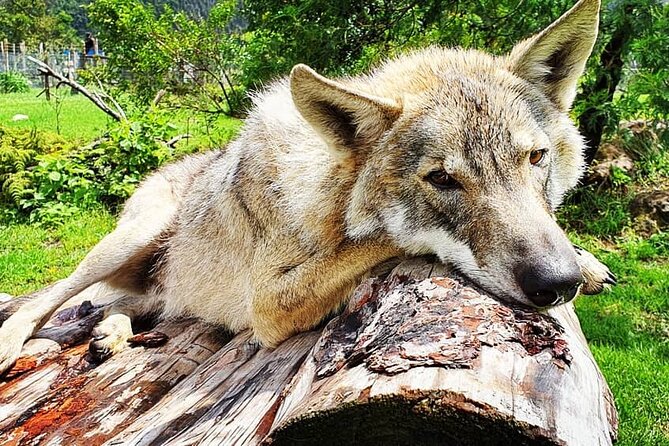
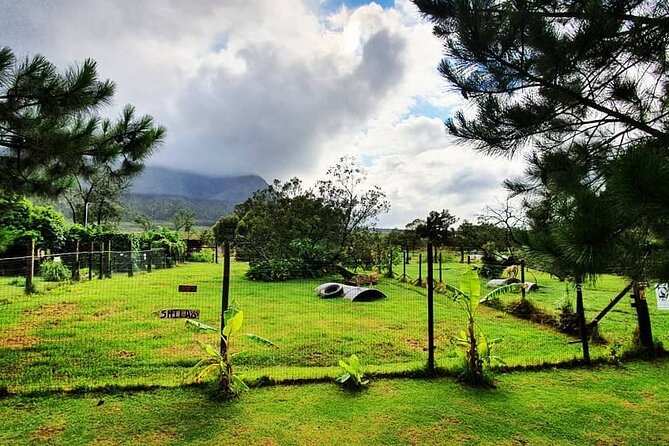
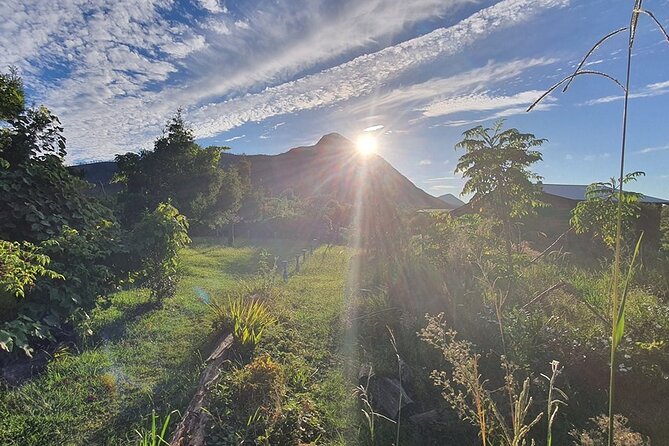
The sanctuary sits at Lot 510 Eilandshoogte, near Witelsbos in the Tsitsikamma area. You are surrounded by mountain country and forest, rather than arriving at a typical city zoo or roadside petting attraction.
That setting gives the visit a stronger sense of place. The forest does not turn captive wolves into wild animals, of course, but it helps you understand why these creatures need room, careful management, and a life built around their own behavior rather than human entertainment.
The location is also practical. The sanctuary is just off the N2, making it a sensible stop if you are driving the Garden Route. You can fit it into a day that includes other Tsitsikamma sights, though the exact travel time from your base is not provided, so check your route before booking a tight schedule.
As you arrive, you might hear the wolves before the tour begins. One visit on a rainy day was greeted by a chorus from 24 resident wolves. That detail gives you a useful idea of the atmosphere: the animals are not silent exhibits waiting behind glass, and their howls can be the first memorable part of the experience.
A few more Garden Route days worth comparing
- Plettenberg Bay: Swim with Seals
★ 4.7 · 887 reviews - Addo Elephant National Park All Inclusive Full-Day Safari
★ 4.8 · 872 reviews - Knysna Ziplines Tour
★ 5.0 · 688 reviews
A one-hour walk built around the wolves
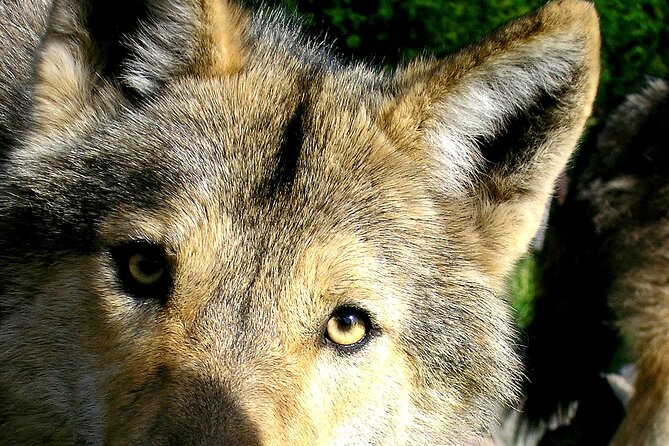
The visit lasts about one hour and includes admission to the sanctuary. Your guide leads an educational tour around the facility, introducing you to the wolves and explaining their lives and care.
This is not a long hike, a feeding session, or a hands-on animal encounter. The value comes from learning the story behind each animal and seeing how a true sanctuary operates.
The pace should suit most people, since the activity is listed as appropriate for most participants. Still, it takes place outdoors and includes walking, so wear sensible shoes and be ready for changing weather. The tour requires good weather, and poor conditions can lead to a new date or a full refund.
A group can include up to 20 people. That is not a private tour, but it is small enough for the guide to speak to the group directly rather than shouting across a large crowd. If you prefer a quiet visit, ask about the expected group size when you book, since the maximum is not the same as the usual number.
The wolves are the real focus
The sanctuary provides a safe home for surrendered grey timber wolves and wolf dogs. These animals are non-indigenous to South Africa, which is an important part of the story.
Wolves are sometimes treated as exotic pets because they look impressive and seem fascinating from a distance. In practice, animals with wolf traits can be difficult to manage in a domestic setting. The sanctuary exists because some of these animals have been surrendered or rescued after the exotic pet trade put them in unsuitable situations.
Your guide explains the conservation work and introduces the wolves in a way that respects their boundaries. That distinction matters. You are not being sold the promise of an exciting animal encounter at the wolves’ expense.
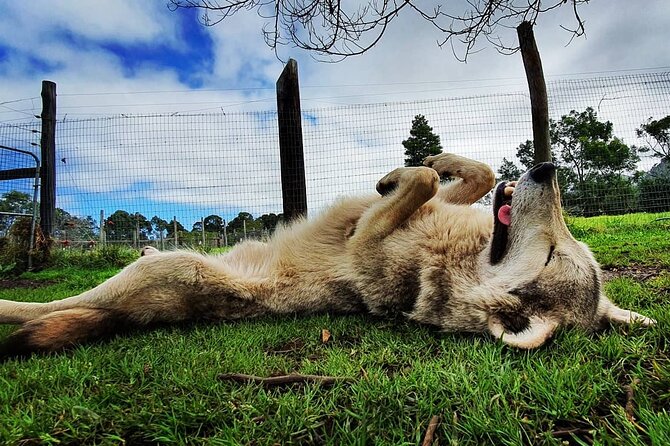
The sanctuary describes itself as a true sanctuary with three firm principles: no breeding, no touching, and no trading. For you, this means the tour is about observation and education. You may see the wolves move, rest, play, or respond to one another, but you should not expect a photo opportunity with a wolf or a chance to hold one.
One account describes petting some wolves with permission and never against their will. That does not match the sanctuary’s stated non-touch policy, so treat touching as outside the normal expectation and follow the guide’s current rules on the day. Animal welfare policies can change, and the staff have the final say.
The guide adds the meaning behind the visit
A good wildlife visit needs more than an attractive animal. It needs context, and this is where the guide-led format earns its keep.
You learn about the wolves’ backgrounds, the problems created by the exotic pet trade, and the daily work required to care for animals that cannot simply be released into the South African wild. The guide also explains broader wolf conservation efforts, helping you see the difference between protecting a wild population and caring for rescued captive animals.
The strongest praise centers on the guide’s enthusiasm and clear explanations. One account describes a young guide who gave an informative walking tour and showed real care for the animals. Another highlights a guide who explained each wolf’s story and spoke with obvious dedication to the sanctuary’s work.
No guide name is provided, so you should not book expecting a particular person. What you can expect is a staff-led visit shaped by the guide on duty. The tone appears personal and direct, with attention to the individual wolves rather than only general facts about the species.
That makes the visit especially useful for families. Children who already love wolves get a memorable encounter, while adults receive enough background to turn the visit into a lesson about responsible animal care. Keep younger children close and remind them that the wolves are not domestic pets.
A different side of Garden Route altogether:
- Little Brak River: Botlierskop Guided Game Drive
★ 4.7 · 589 reviews - Plettenberg Bay: Bungee Jumping with Zipline and Sky Walk
★ 5.0 · 506 reviews - Storms River: Tsitsikamma National Park Zipline Canopy Tour
★ 4.7 · 481 reviews - Knysna: 75-Minute Lagoon Boat Cruise
★ 4.5 · 445 reviews
What you actually get for $20.23
At about $20.23 per person, this is not the cheapest possible stop on a Garden Route drive, but it is a reasonable price for a guided conservation visit.
You are paying for more than entry through a gate. The ticket includes a guide, an educational walk, access to the sanctuary, and support for a nonprofit facility caring for rescued animals. If you are interested in wolves or ethical wildlife work, that combination gives the admission real value.
The price is less attractive if you want a long activity, a large wildlife park, or guaranteed close views. The tour lasts only about an hour, and the animal experience is deliberately limited by the non-touch policy. You should choose it for the quality and purpose of the visit, not for the amount of time spent inside.
I would consider it particularly good value when combined with a road trip. Since the sanctuary is near the N2, you do not need to build an entire day around it. It works as a focused stop between larger Garden Route activities, provided your driving plan leaves enough room for the scheduled start.
The experience is commonly booked about 32 days ahead. That suggests planning early is sensible during busy Garden Route periods, especially if you need a particular date. Confirmation is provided when you book, and the ticket is mobile, so you can keep it on your phone.
The emotional side of a wolf sanctuary
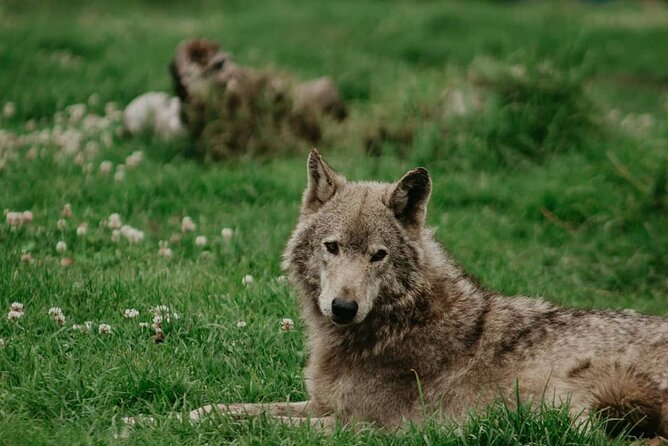
There is a bittersweet quality to the visit. Hearing wolves howl in a South African forest is powerful, but it also points to the reason the sanctuary is needed.
These grey timber wolves do not belong in South Africa. An ideal world would not have placed them in the exotic pet trade or required a sanctuary to care for them. The staff are dealing with a problem created by people, and the tour does not hide that uncomfortable truth.
That honesty adds value. You are not being encouraged to see the wolves as novelty pets. Instead, you are shown the consequences of treating wild animals as fashionable possessions and the long-term responsibility that follows when they cannot be returned to nature.
The mood can be moving without becoming sentimental. You might leave thinking less about getting a photograph and more about why wild animals need protection from exploitation. For many people, that is the lasting part of the visit.
Who will enjoy this most
I would recommend the tour to several types of visitors:
- Wolf lovers who want to see the animals while supporting a sanctuary with a clear no-breeding and no-trading policy.
- Families looking for an affordable, unusual activity with an educational angle.
- Garden Route road trippers who want a one-hour stop near the N2.
- Wildlife-conscious visitors who prefer observation over animal handling.
- Photographers and nature fans who are comfortable with the fact that close views and ideal weather cannot be guaranteed.
It may not suit you if you need a fully indoor activity, dislike walking, or want guaranteed animal interaction. The tour is also a poor match for anyone mainly interested in touching or posing with wildlife.
The sanctuary can be especially useful on a day when other outdoor plans are affected by rain, but the tour itself requires good weather. If conditions are poor, the provider may offer another date or a full refund. That policy protects you from making a wet-weather trip for an outdoor activity, but it also means you should keep your schedule flexible.
Practical planning for your visit
The meeting point is the Tsitsikamma Wolf Sanctuary at Lot 510 Eilandshoogte, Witelsbos, Tsitsikamma, 6304, South Africa. The tour ends back at the same place, so you do not need to arrange a separate pickup or find your way to another exit.
Allow more than the one-hour tour time if you want to arrive calmly, check in, and look around the area before or after the walk. The stated duration is approximate, so avoid booking another activity with a start time immediately afterward.
Use your mobile ticket at the meeting point. Since the tour is outdoors, bring weather-appropriate clothing and footwear. The available information does not specify special equipment, transport, or meal arrangements, so do not expect those to be included.
Most people can participate, and the group limit is 20. If someone in your party has specific mobility needs, contact the sanctuary before booking because detailed accessibility information is not provided.
Cancellation is free up to 24 hours before the local start time. Cancel later than that and you will not receive a refund. Changes made within 24 hours are also not accepted. If the minimum number of participants is not reached, the provider may offer a different date or activity, or give you a full refund.
How this compares with a regular wildlife attraction
A standard zoo visit usually gives you more exhibits and more freedom to walk at your own pace. This sanctuary gives you one subject, a focused tour, and a stronger conservation message.
That narrow focus is both its strength and its limitation. You are unlikely to feel that you have spent a full day at a major attraction, but you will come away with a clearer understanding of wolves and the problems caused by the exotic pet trade.
The no-touch approach is also worth respecting. Many animal attractions use physical contact as their main selling point. Here, the absence of touching is part of the ethical promise. You see the wolves as animals with their own boundaries, not as props for your holiday album.
If you want a broad collection of African wildlife, choose another attraction. If you want to spend an hour learning about rescued wolves and supporting their care, this visit offers something more personal and unusual.
Should you book the Tsitsikamma Wolf Sanctuary?
I would book this tour if wolves interest you, you are driving the Garden Route, and you want a small, purposeful wildlife stop rather than a staged animal show. The $20.23 price is fair for a guided hour that supports a nonprofit sanctuary, especially when the visit fits neatly into an N2 road trip.
Go with realistic expectations. You are not entering a wild wolf reserve, and you should not expect to touch the animals or control what they do. You are visiting a refuge for rescued creatures whose lives were shaped by human decisions.
That is exactly why I think the tour is worth considering. The howls may be the part you remember first, but the lesson about responsible wildlife care is likely to stay with you longer.
FAQ
How long does the Tsitsikamma Wolf Sanctuary tour last?
The guided visit lasts approximately one hour and includes admission to the sanctuary.
How much does the experience cost?
The listed price is $20.23 per person.
Where does the tour begin and end?
It begins at the Tsitsikamma Wolf Sanctuary, Lot 510 Eilandshoogte, Witelsbos, Tsitsikamma, 6304, South Africa, and ends back at the same meeting point.
What animals will I see?
You will be introduced to rescued grey timber wolves and wolf dogs at the sanctuary.
Can I touch or pet the wolves?
The sanctuary describes itself as a non-touch facility, so you should not expect to pet the wolves. Follow the guide’s current instructions during the visit.
How many people can join the tour?
The activity allows a maximum of 20 participants.
What happens if I need to cancel?
You can cancel at least 24 hours before the local start time for a full refund. Cancellations or changes made within 24 hours are not accepted for a refund. If poor weather or insufficient participation causes the provider to cancel, you will be offered another date or a full refund.
Just listed around Garden Route
- eBike Tours★ 5.0 · 5 reviews
- Cango Caves Oudtshoorn Day Tour★ 5.0 · 5 reviews
- Knysna: 1.5-Hour Sailing Experience★ 4.9 · 5 reviews
- The Original Knysna Township Tour★ 5.0 · 6 reviews
- Bloukrans Skywalk Tour and HangOut Zone★ 4.5 · 6 reviews
- Knysna Sunset Cruise aboard Coquette★ 5.0 · 6 reviews
- Kayaking Jeffreys Bay★ 4.4 · 7 reviews
- Adventure Tandem Paragliding Flight★ 4.8 · 7 reviews
Garden Route Tours, compared.

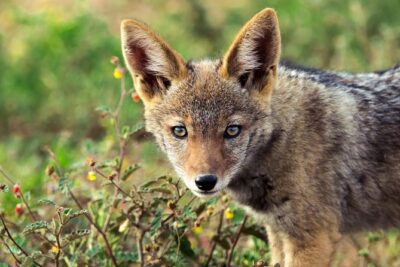
Addo Elephant National Park All Inclusive Full-Day Safari
Read our review →

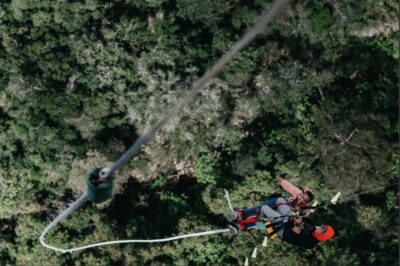
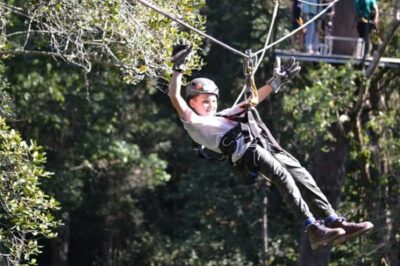
Storms River: Tsitsikamma National Park Zipline Canopy Tour
Read our review →
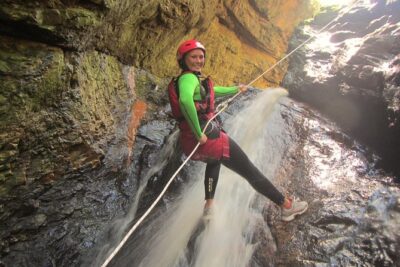
Standard Canyoning Trip in The Crags, South Africa
Read our review →Browse the lists this tour appears in