
Reviewed · WILDLIFE
Plettenberg Bay: EcoKidz Family Wildlife Tour
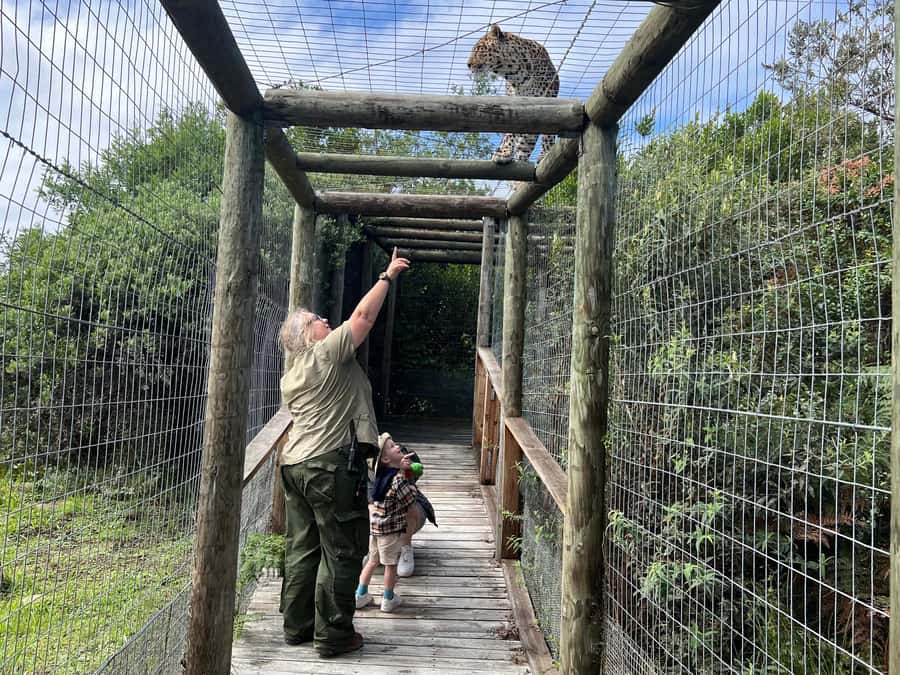
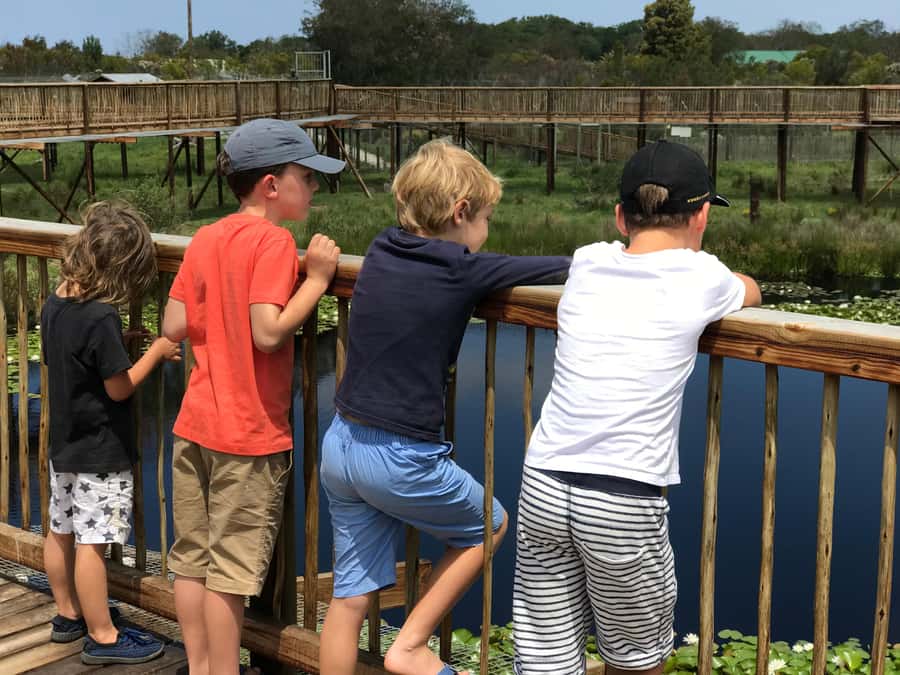
The most appealing part of Tenikwa’s EcoKidz tour is its clear mission: children meet South Africa’s indigenous wild cats while learning why these animals matter. The visit also includes meerkats, owls, and penguins being prepared for release, so it is more than a quick circuit of big-cat enclosures.
I like the child-sized EcoKidz booklet and the certificate at the end. They give younger children a job to do, rather than asking them to simply look through a fence. I also like the conservation message, which links animal care to everyday choices and a healthier environment. The main consideration is that the quality of the experience depends on the guide, and one recent account found the tour shorter and less child-focused than expected.
Key things to know before you go
- Meet rescued and rehabilitated wildlife: See cheetahs, leopards, servals, caracals, African wildcats, lions, a white lion, penguins, meerkats, and owls.
- Built for children ages 5 to 12: Guides help children answer the EcoKidz booklet quiz and receive a certificate afterward.
- Plan for walking outdoors: Comfortable shoes, a hat, and sunscreen are useful, and rain jackets are supplied when needed.
- Arrive early: Check in at Tenikwa reception at least 15 minutes before the scheduled start.
- Budget-friendly family value: At $28 per person, the price covers the guide, wildlife tour, booklet, certificate, and rain gear, but not meals or transport.
- Allow extra time if you eat on site: The central tour is advertised at about 90 minutes, with additional time listed for camp activities, shopping, and food.
Meeting Tenikwa’s wild cats in Plettenberg Bay
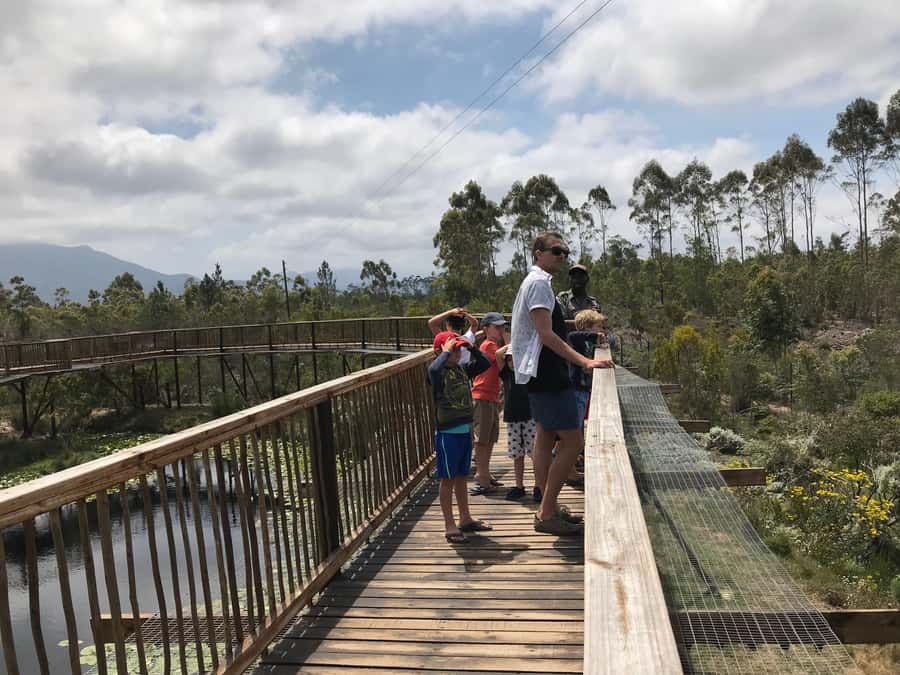
Tenikwa Wildlife Rehabilitation and Awareness Centre sits near the cluster of family attractions around Animal Alley, outside Plettenberg Bay. You reach it from the N2 by following the sign for Tenikwa, Monkeyland, and the Elephant Sanctuary, then taking the Tenikwa turn at Animal Alley and continuing past Kurland Village.
That setting makes this a useful stop if you are already exploring the area’s wildlife attractions. You will need your own transport, since hotel pickup and drop-off are not included. Parking is available at reception, and the directions are specific enough to follow if you slow down and watch for the signs.
At check-in, you receive a short safety briefing. This is not filler. You are reminded not to touch or feed the animals, and selfie sticks are not allowed. You may bring a camera, but you should keep your attention on the guide and the animals rather than turning the visit into a photo session.
The centre’s focus is rehabilitation and awareness, which gives the tour a different purpose from a standard wildlife viewing stop. The animals are introduced as part of a wider conservation story. You learn how lions, leopards, cheetahs, servals, caracals, and African wildcats differ, and how each fits into its ecosystem.
More Wildlife Tours in South Africa:
- Cape Town: Marine Wildlife Tour from the V&A Waterfront
★ 4.6 · 1,118 reviews - Big Five Game Reserve Wildlife Safari from Cape Town
★ 4.0 · 576 reviews - From Cape Town: South African Wildlife and Safari 2-Day Tour
★ 4.7 · 411 reviews
Why the EcoKidz format works
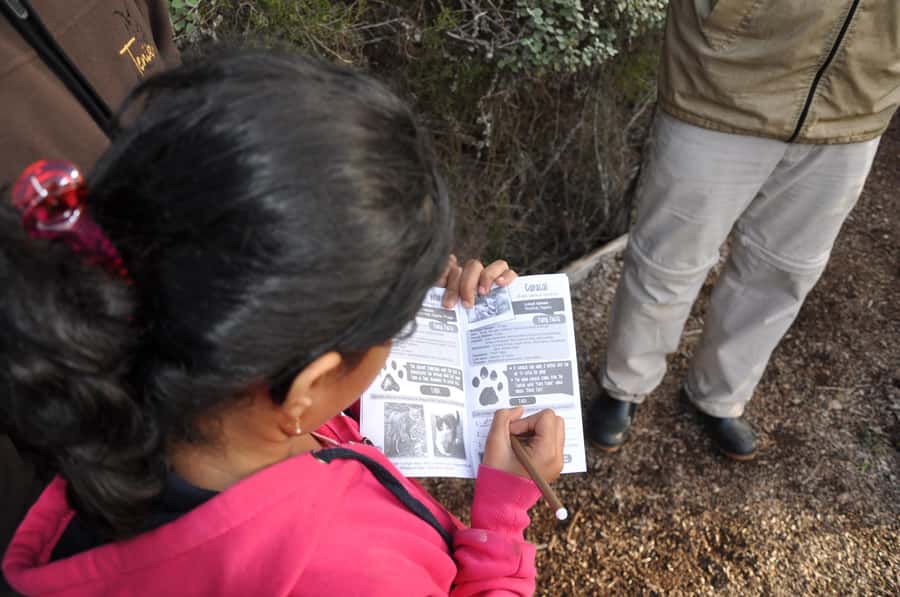
Many wildlife visits are aimed at adults, with children expected to keep up. Tenikwa reverses that arrangement. The EcoKidz tour is designed for children between 5 and 12, and the booklet quiz gives them something concrete to follow as the guide moves between species.
I like this approach because it turns observation into participation. A child can look for an answer, listen for a clue, and check a fact instead of losing interest after the first enclosure. The guide helps with the booklet, so younger children do not have to read every question alone or feel tested.
The educational angle also reaches beyond animal names. Your family discusses environmental problems and practical ways people can help create a healthier world. That makes the visit worthwhile even for children who have already seen lions or cheetahs elsewhere.
The certificate is a small detail, but it matters. A child can take it home and show friends, and it gives the conservation lesson a lasting reminder. One family visiting from New Zealand especially valued this take-home award after introducing their daughter to the African bush for the first time.
The best results depend on the guide’s energy. Sandile received specific praise for his enthusiasm, animal knowledge, and ability to connect with a seven-year-old. Another account described a quieter guide who offered fewer explanations and did not make the hour feel especially child-focused. I would book this expecting a good educational framework, while recognizing that the guide shapes how lively it feels.
Meerkats, owls, and the first wildlife stops
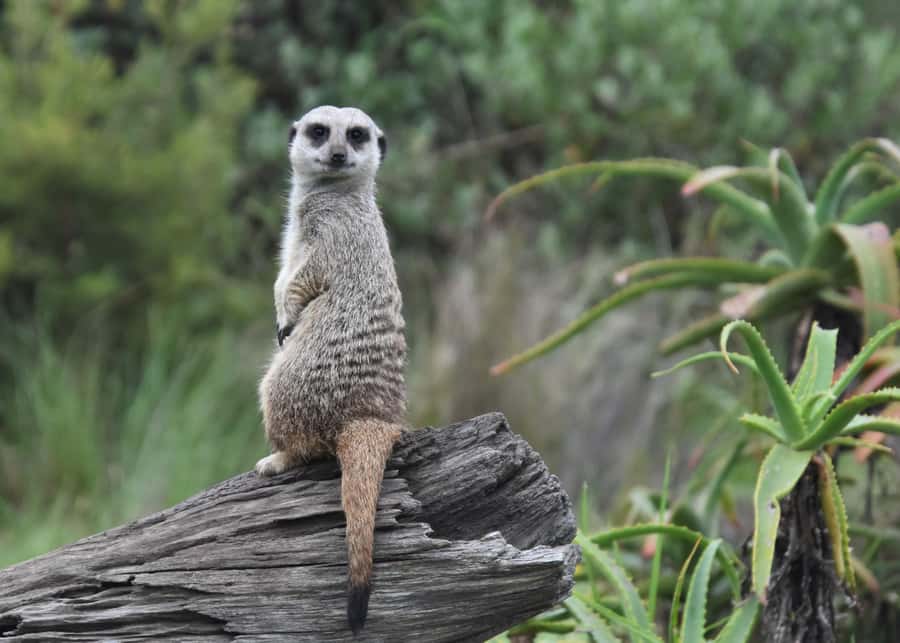
The guided walk includes the Meerkat Meander and a visit to the owls. These stops help set the tone before the larger cats appear. Meerkats are small, active, and easy for children to relate to, while owls bring a different sort of interest through their quiet behavior and unusual features.
For a five-year-old, this variety is useful. A tour made only of large predators could feel repetitive, especially if an animal is resting or keeping to the back of its enclosure. The smaller species create changes of pace and give the guide more ways to talk about habitats and food chains.
You should not expect every animal to perform on cue. Wildlife viewing always depends on what the animals are doing at that moment. The value here is in seeing the animals in a rehabilitation setting and understanding their place in the natural world, not in collecting a perfect sequence of photographs.
African wildcats and the big-cat enclosures
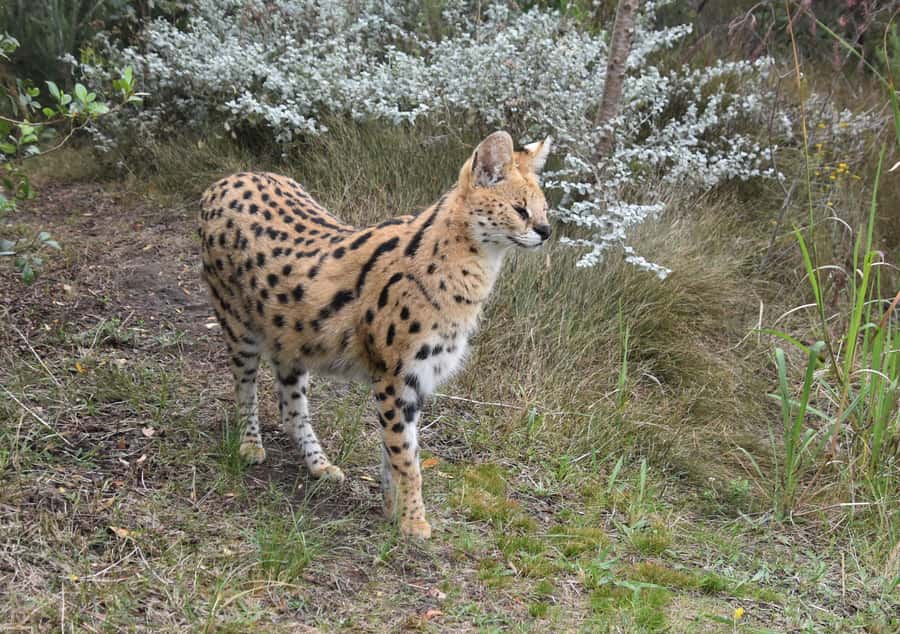
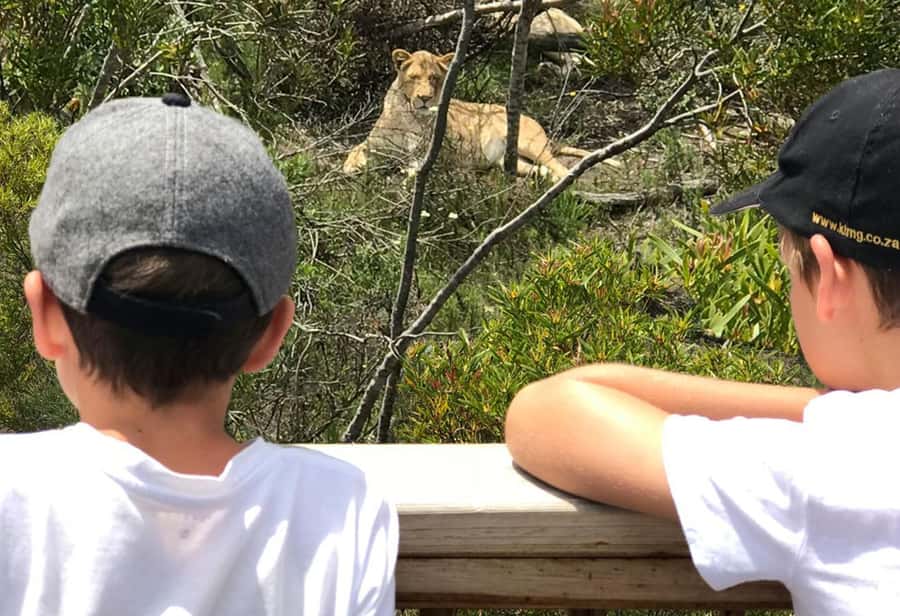
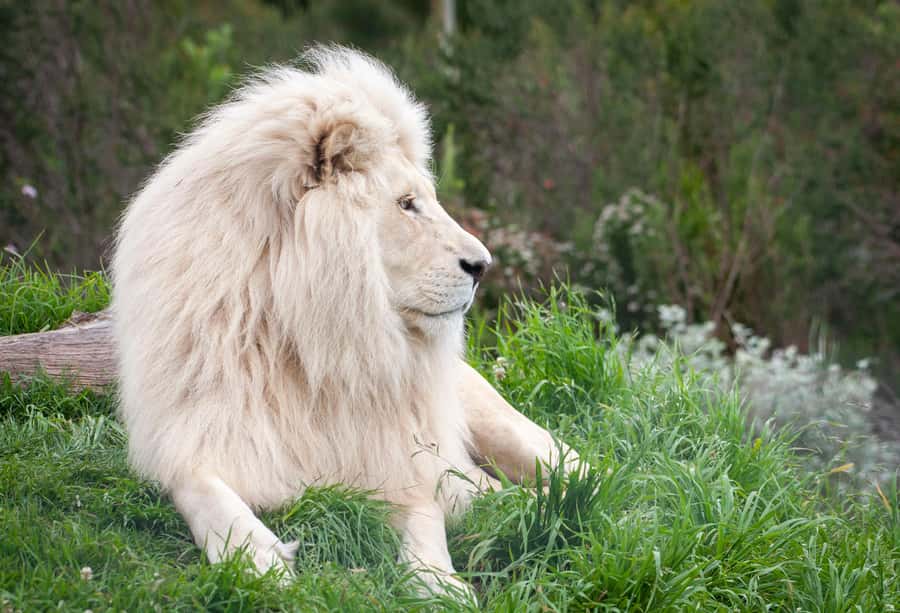
The tour then focuses on the cats that give Tenikwa its main appeal. You search for African wildcats in their enclosures and meet larger species including cheetahs, leopards, servals, caracals, and lions. A magnificent white lion is also part of the visit.
The guide explains the basic traits that separate these cats. Cheetahs, leopards, and lions are familiar names, but servals, caracals, and African wildcats may be new to children. That makes the stop more useful than a simple list of animals. Your child begins to see that wild cat does not mean one generic type of predator.
The African wildcat search can be especially engaging because it asks children to look carefully. Smaller or less obvious animals may not be instantly visible, so the booklet and the guide help keep young eyes focused. This is a good moment to remind children that quiet observation is part of respecting wildlife.
The centre also provides a chance to discuss why wild animals may need care and why people should not treat them as pets. The supplied information does not promise close contact, and the rules are firm: no touching and no feeding. That is exactly what you want in a conservation program, even if a child arrives hoping for a hands-on encounter.
Some animals may be fed during the visit, but you should not count on a dramatic feeding display. The purpose is education and rehabilitation, not entertainment built around animal tricks.
A different side of South Africa altogether:
- Wine Tour: Paarl, Franschhoek & Stellenbosch incl 3 wineries
★ 5.0 · 3,940 reviews - Cape Town: Hop-On Hop-Off Bus Tour with Optional Cruise
★ 4.8 · 3,929 reviews - Cape Town: Cape of Good Hope & Penguins Day Tour with Pickup
★ 4.7 · 3,362 reviews - Zipline Cape Town – From Foot of Table Mountain Reserve
★ 5.0 · 3,179 reviews
Penguins preparing for release
The penguins add a welcome change from the cats. You see the birds being prepared for release, which gives children a direct example of rehabilitation work and the goal of returning animals to the wild when possible.
This stop helps explain why the centre is not simply a place where animals are permanently displayed. The idea of preparation for release gives the conservation message a practical end point. Children can connect the care they see at Tenikwa with the larger aim of helping animals live independently again.
For families, this is one of the most memorable details in the program. A child may remember the white lion, but the penguins can also make the strongest lesson: wildlife centres can be places of recovery, not just viewing.
Camp activities, certificates, and the extra time
After the guided wildlife viewing, the schedule includes camp activities. The EcoKidz booklet quiz is completed during the experience with help from the guide, and participating children receive educational material and an EcoKidz Certificate.
The exact timing deserves attention. The tour is advertised as approximately 90 minutes, but the detailed schedule also lists a five-minute safety briefing, about an hour of guided viewing, 30 minutes of camp activities, 10 minutes for shopping, and up to 30 minutes for coffee, brunch, or lunch. Those figures add up to more than 90 minutes, so you should treat the wildlife portion as the core visit and allow extra time if you plan to remain for food or browsing.
One account found the actual tour lasted only about an hour. That does not necessarily make it poor value, especially if the children stay engaged, but it means you should not build a tightly timed day around every listed activity. Ask at reception how the session is being run that day, particularly if you have another booking afterward.
The shop is optional, and food and drinks are not included in the $28 price. You can use the cafe portion as a convenient pause, but budget separately for anything your family orders.
Is $28 per person good value?
At $28 per person, the EcoKidz tour is reasonably priced for a guided wildlife visit that includes an allocated English-speaking guide, the booklet quiz, a certificate, and rain gear in poor weather. The strongest value comes when your children are in the intended 5 to 12 age range and actually use the booklet.
For adults traveling without children, the format may feel less suitable. You would still see the animals, but the pace and teaching style are built around younger participants. Families with older children may prefer a more general wildlife tour if they want longer animal explanations or a broader adult focus.
The price does not include transport, meals, or drinks. Since you need to drive to Tenikwa, add fuel and any food costs to your budget. The location can work well as part of a day near Animal Alley, but it is less convenient if you are relying on hotel transport.
I also see value in the all-weather policy. Rain jackets are provided when conditions turn wet, so light rain does not automatically ruin the booking. You should still wear shoes suited to walking and bring sun protection for bright weather.
Practical advice for a smooth family visit
Arrive 15 minutes early. This gives you time to park, check in, use the facilities if needed, and get the children settled before the safety briefing.
Lock valuables and backpacks in your vehicle. Cameras are allowed, but selfie sticks are not. Keep your equipment simple so you can listen to the guide and keep children close.
Wear comfortable walking shoes. Add a sun hat and sunscreen, since the program takes place outdoors and the route includes walking between viewing areas. Rain gear is available in wet weather, but you should still dress your children for changing conditions.
Set expectations before arrival. Tell children they will look and listen, not touch or feed the animals. That small conversation can prevent disappointment and helps reinforce the centre’s conservation message.
If your child is shy, easily distracted, or not yet comfortable with group activities, stay close and help with the booklet. If your child is curious and enjoys quizzes, the format gives you plenty to build on after the tour.
The overall rating is 4.8 from 19 reviews, which fits the pattern I see in the available feedback: strong praise for enthusiastic guides and the child-friendly concept, with a few reservations about guide talk and duration. I would consider the tour a better choice when you can approach it as an educational wildlife visit, not as a guaranteed close-up animal encounter.
Who should book the EcoKidz Wildlife Tour?
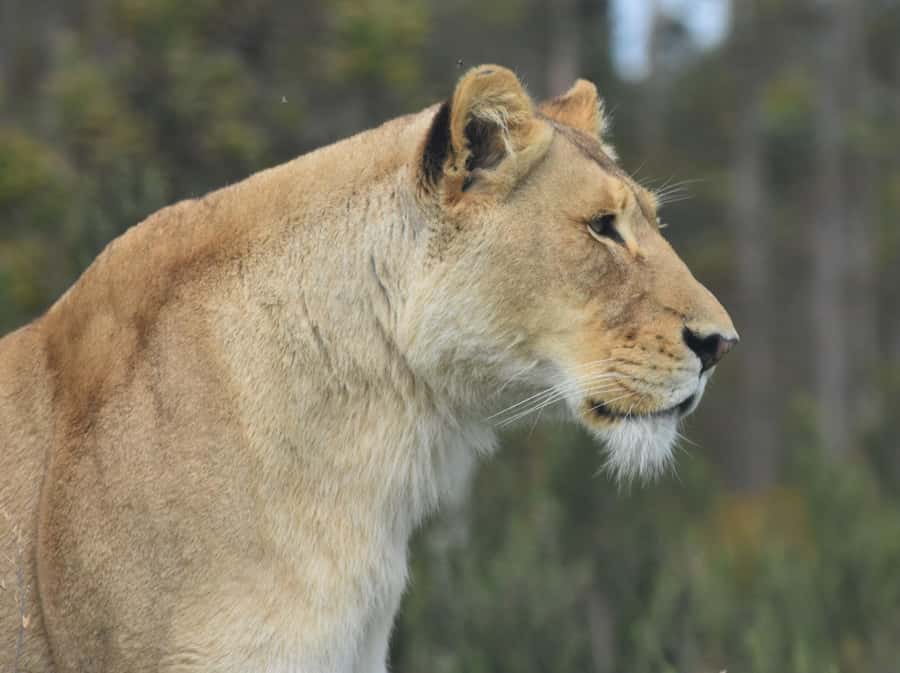
I would book this for families with children from 5 to 12 who enjoy animals, short guided walks, and simple educational activities. It is especially useful for a child’s first introduction to African wildlife, since the guide explains the animals in plain terms and the certificate gives the experience a clear finish.
I would also choose it if your family wants to support a rehabilitation and awareness centre rather than spend the day at a purely sightseeing-focused attraction. The penguins preparing for release and the conservation lessons give the visit a purpose beyond seeing unusual animals.
I would hesitate if you need a precisely timed 90-minute activity or expect a long, detailed safari-style talk. The actual guided portion may be closer to an hour, and the experience can vary with the guide. Confirm the day’s timing at reception and leave room around the booking.
For the right family, $28 buys a useful mix of wildlife, learning, and a keepsake. Pack sunscreen, arrive early, let your children lead the quiz, and treat the animal sightings as an opportunity to observe rather than a promise of constant action.
FAQ
How long is the EcoKidz Family Wildlife Tour?
The tour is advertised as approximately 90 minutes. The detailed schedule also includes camp activities, shopping, and time for coffee, brunch, or lunch, so the full visit may take longer if you stay for those parts.
What ages is the tour best suited to?
The tour is ideally suited to children between 5 and 12 years old.
What animals can you see?
The program includes meerkats, owls, penguins, cheetahs, leopards, servals, caracals, African wildcats, lions, and a white lion.
Do children receive anything after the tour?
Yes. Each participating child receives an EcoKidz booklet quiz and an EcoKidz Certificate. Educational material is also provided.
Is a guide included?
Yes. An allocated English-speaking guide leads the wildlife tour and helps children complete the EcoKidz booklet quiz.
Is the tour available in bad weather?
Yes. It is an all-weather program, and rain jackets are provided during inclement weather.
Is food included in the price?
No. Food and drinks are not included. Coffee, brunch, and lunch are listed as possible activities, but you pay for them separately.
Is hotel pickup available?
No. Hotel pickup and drop-off are not included. You must make your own way to Tenikwa Wildlife Rehabilitation and Awareness Centre.
Where do you meet the tour?
You check in at Tenikwa reception. From the N2, follow the sign for Tenikwa, Monkeyland, and the Elephant Sanctuary, take the Tenikwa fork at Animal Alley, drive past Kurland Village, and keep right at the next Tenikwa sign.
Can you take photographs?
Yes. Cameras may be taken on the tour, but selfie sticks are not allowed. You may not touch or feed the wildlife.
Is the centre wheelchair accessible?
Yes, the activity is listed as wheelchair accessible. It also involves walking, so you should consider your family’s mobility needs when planning the visit.
Just listed around South Africa
- Constitutional Hill and Soweto 5 hours tour.★ 5.0 · 5 reviews
- Cape Town: Inspiring sustainable change through Street Art★ 4.9 · 5 reviews
- SandBoarding in Capetown + PhotoShoot★ 4.0 · 5 reviews
- Cape Town Tandem Paragliding Square 1 Paragliding★ 5.0 · 5 reviews
- Township Experience – Port Elizabeth★ 5.0 · 5 reviews
- Cape Town: Full-Day Private Peninsula Tour★ 3.6 · 5 reviews
- Hazyview : Full Day Panorama Tour★ 4.8 · 5 reviews
- Schotia: Open Safari Jeep – Full Day Safari with Lunch★ 5.0 · 5 reviews
Wildlife, compared.
Big Five Game Reserve Wildlife Safari from Cape Town
Read our review →
2 Day South African Wildlife Tour with 4×4 Safari from Cape Town
Read our review →
Schotia Safaris: Best Wildlife Encounters in Port Elizabeth
Read our review →
Browse the lists this tour appears in