Reviewed · FULL-DAY
Plettenberg Bay: Cats in Conservation Full Day Tour
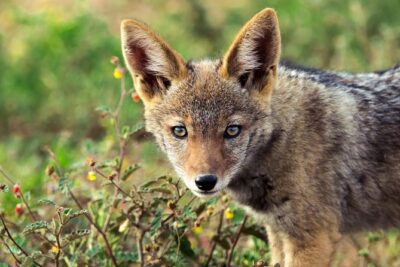
The most unusual part of this Plettenberg Bay outing is that you do not simply walk past animal enclosures and take pictures. You spend a full day alongside the keepers at Tenikwa, helping with routine care, watching feeding time, and seeing how rescued animals are managed. I like the behind-the-scenes access and the chance to learn about South Africa’s indigenous wild cats in a setting built around rehabilitation rather than spectacle.
I also like the gentle pace. You have time to notice individual animals and hear about their personalities, as guests guided by Msizi have done, and the Tsitsikamma forest walk adds a welcome change from enclosure viewing. The main drawback is the length: this is a full working day, not a quick wildlife stop, and some tasks depend on weather and the animals’ needs.
Key points to know before booking
- This is a full-day keeper experience: You help with checks, food preparation, enrichment, and securing animals for the night.
- The wild cats are the main focus: Your guided visit covers South African species and the conservation problems they face.
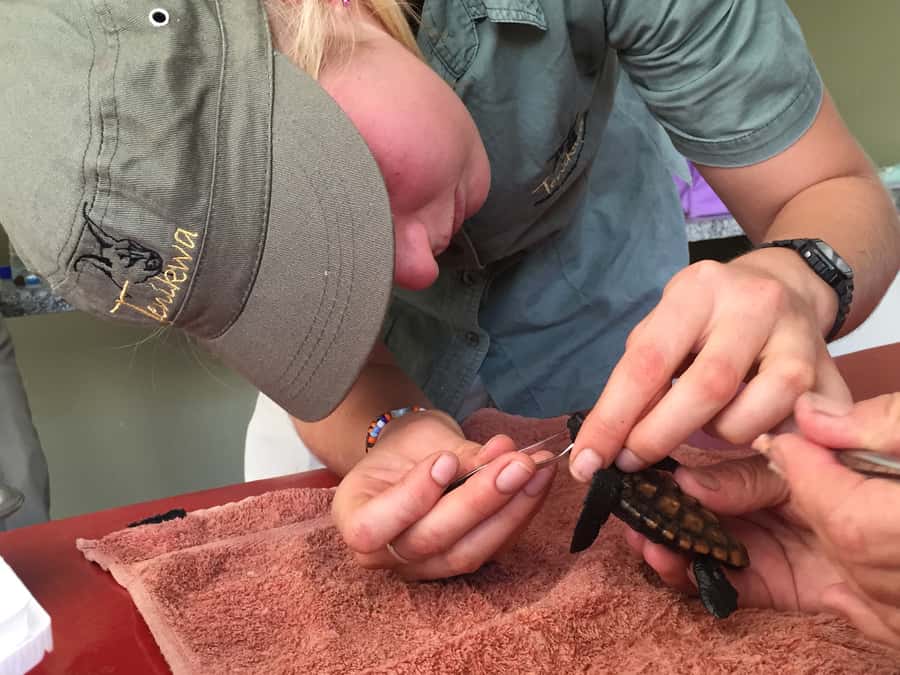
- The wildlife hospital is normally off-limits: This program lets you observe rehabilitation work not open to the general public.
- Msizi has made a strong impression as a guide: He has spent nine years at Tenikwa and knows the animals by name and personality.
- The forest walk depends on conditions: A guided walk through indigenous Tsitsikamma forest may be added if time and weather permit.
- It suits older children and adults best: The program is not suitable for children under nine.
A working day at Tenikwa, not a standard animal encounter
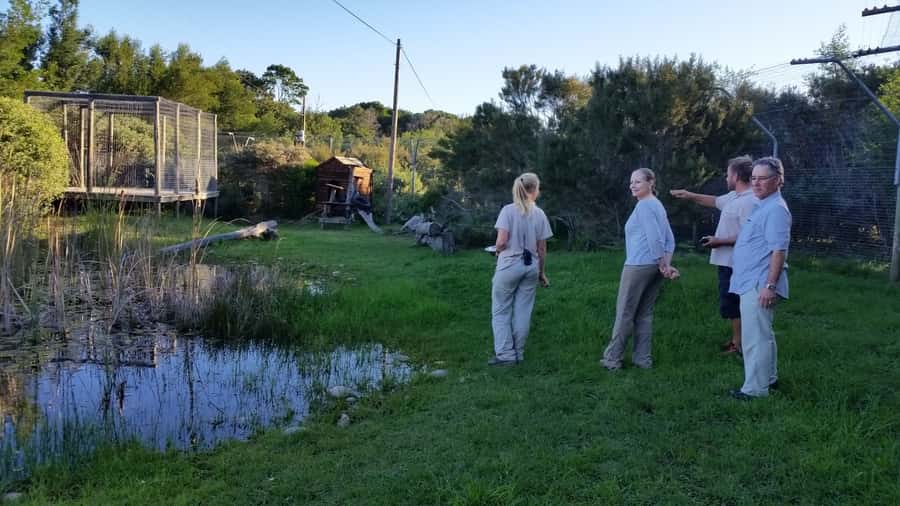
Tenikwa Wildlife Rehabilitation and Awareness Centre sits near Plettenberg Bay in South Africa’s Western Cape. The Cats in Conservation tour is designed to show you the daily work behind animal care, from early enclosure checks to the final evening routine.
That distinction matters. You are not promised constant action or a guaranteed close encounter. Instead, you spend time watching, listening, and helping with tasks that support animals that cannot be released. The aim is to give you a better sense of what rehabilitation involves and why some animals remain in care.
The program is offered as a private group experience with an English-speaking guide. It costs $104 per person, which is a serious price for a day out, but the value is easier to judge when you consider the length, meals, guide, wildlife hospital access, and staff-led activities. This is not simply an admission ticket with a short talk attached.
More full day trips in South Africa:
- Cape Point and Boulder’s Penguins Full Day Tour
★ 5.0 · 3,118 reviews - From Cape Town: Cape Point & Boulders Beach Full-Day Tour
★ 4.8 · 3,032 reviews - Cape of Good Hope & Boulder Penguins Full-Day Tour from Cape Town
★ 5.0 · 2,347 reviews
Getting to Animal Alley and starting the morning
You make your own way to Tenikwa. There is no hotel pickup or drop-off, so allow time to find the entrance from the N2. Follow the Tenikwa signs, then continue to Animal Alley and keep left where directed. At the fork, keep right and check in at reception.
Parking is available at reception. Arrive 15 minutes before the start, especially if you are unfamiliar with the turnoff. You are asked to leave valuables and backpacks locked in your vehicle, so bring only what you need for the day.
The morning begins with a short safety briefing. This is important around wild animals, even when you are not entering every enclosure. You may carry a camera, but selfie sticks are not allowed, and touching or feeding wildlife is forbidden.
The first practical activity is an animal and enclosure check with the keepers. You help with early morning tasks and get a feel for the daily rhythm of the centre. This can be less glamorous than a photo stop, but it is one of the more useful parts of the day because you see that animal care depends on repeated, careful work.
Breakfast and an introduction to conservation work
After the morning tasks, breakfast with coffee or tea is available at the Boma restaurant. The schedule allows about 30 minutes for breakfast or brunch. It gives you time to sit down, meet your guide properly, and learn how Tenikwa approaches rehabilitation and public education.
I would treat this as a useful orientation rather than a separate restaurant outing. The day is long, and a calm start helps before the extended wildlife tour. Snacks are not included, so bring any small food you may need, while remembering that additional drinks are also your responsibility.
Your guide then explains the centre and its conservation work. The strongest part of this introduction is the focus on South African wild cats as local species with real pressures on their survival. You learn about the different cats, the problems they face, and why animals in human care may not be suitable for release.
Guides are central to the quality of this experience. Msizi, who has worked at Tenikwa for nine years, has been praised for knowing the animals individually, including their names and personalities. The guide assigned to your date may be different, but you should expect the tour to depend heavily on the person leading it.
Meeting South Africa’s indigenous wild cats
The main guided wildlife visit lasts about two hours. You move through the centre with a guide, stopping to view the wild cats and hear about each species. There is time for photographs, but the visit is built around observation and explanation rather than rushing from one enclosure to the next.
That slower pace is a real advantage. You can watch how an animal behaves, ask questions, and understand why an enclosure is designed as it is. Reports of clean, well-maintained enclosures and relaxed animals suggest that the centre takes presentation and daily care seriously, though you should still remember that these are rescued or non-releasable animals living in managed conditions.
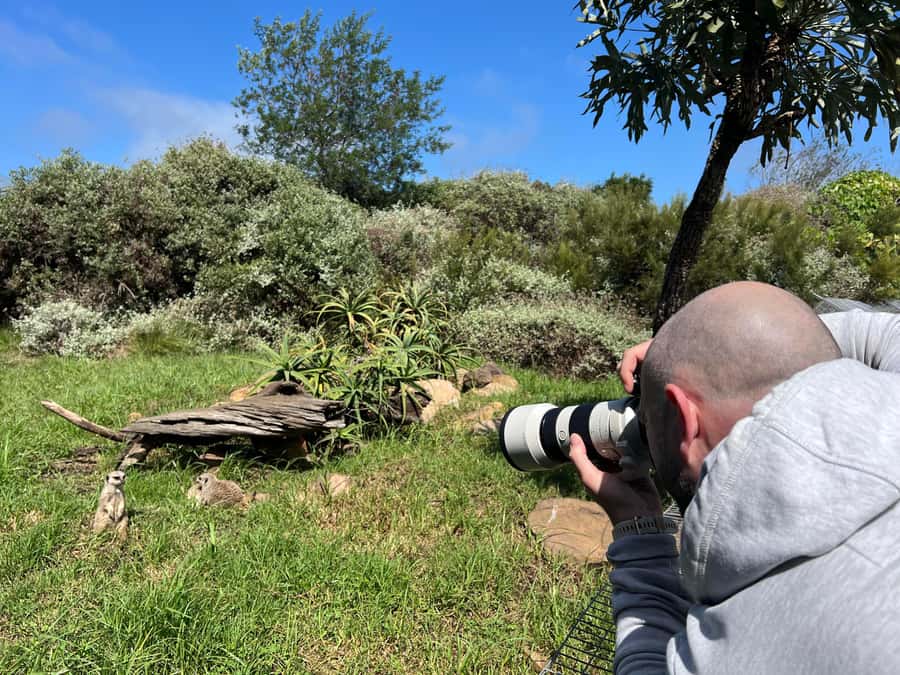
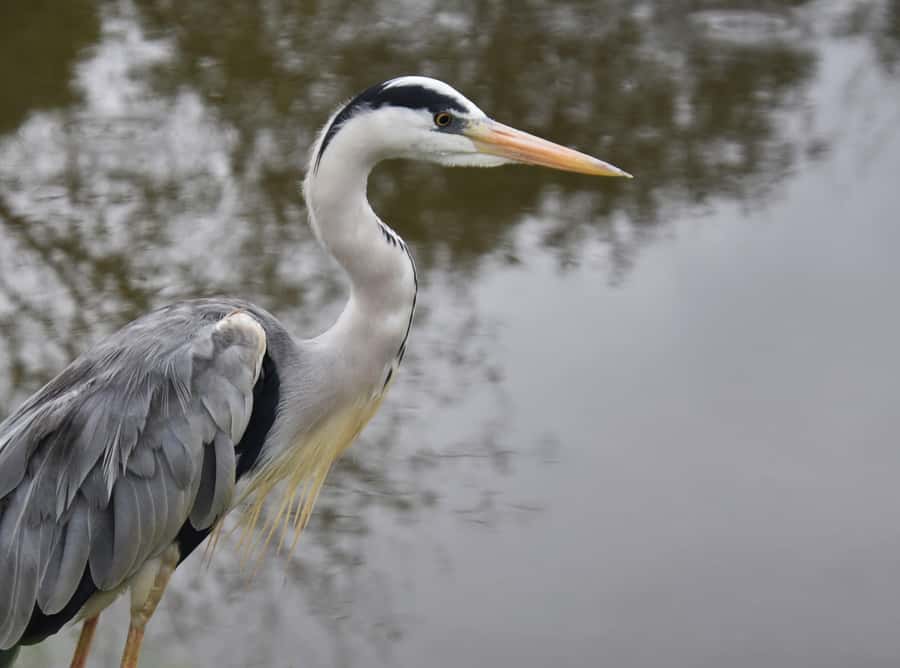
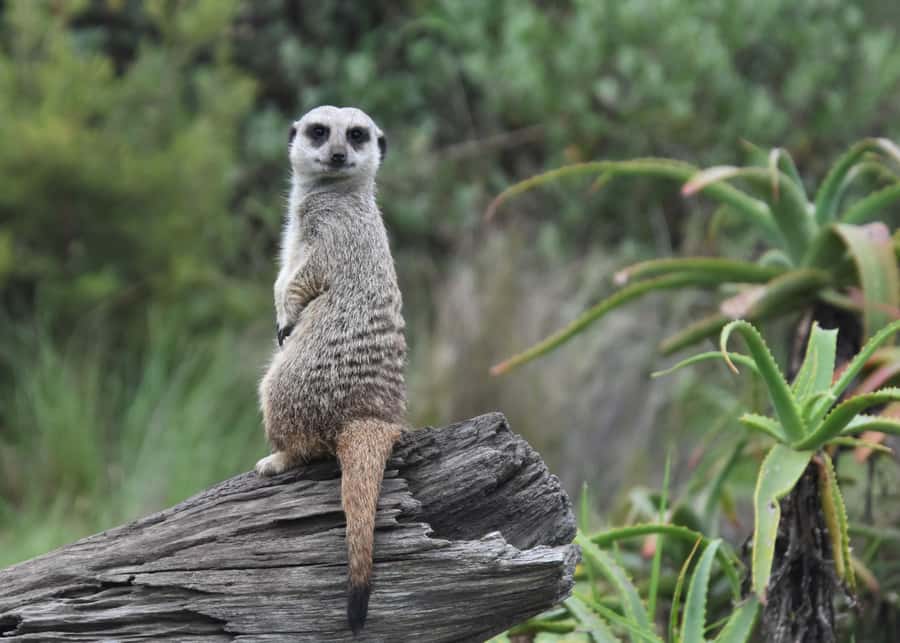
Tenikwa also cares for animals beyond the cats. You may learn about meerkats, owls, and other birds during the day. These animals broaden the picture of conservation at the centre, but the tour title is accurate: the wild cats remain the main event.
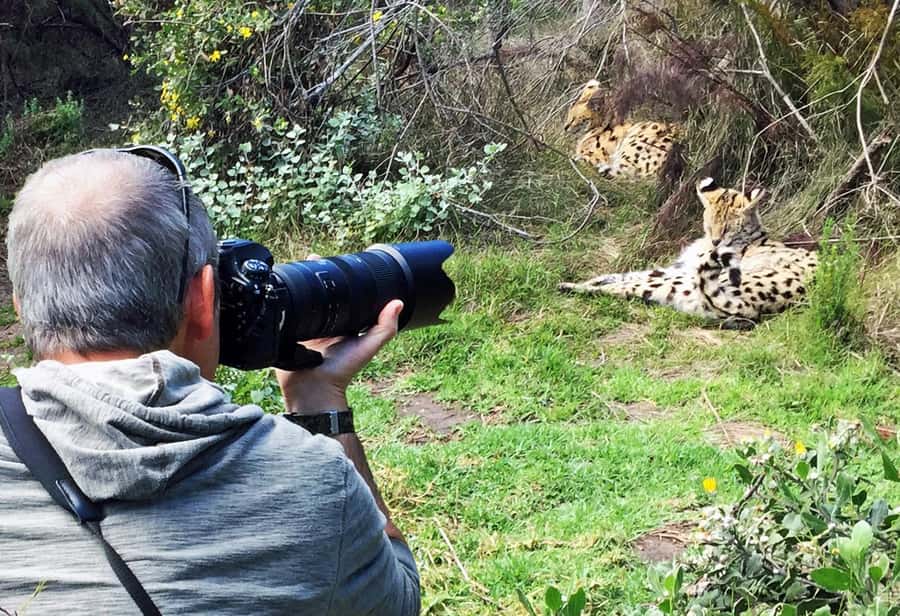
Photography is welcome, and the setting can offer strong opportunities for animal portraits. Keep your camera ready, but do not expect every cat to pose on command. Animal viewing is controlled by the animals’ behavior, the weather, and the keeper’s instructions.
A different side of South Africa altogether:
- Wine Tour: Paarl, Franschhoek & Stellenbosch incl 3 wineries
★ 5.0 · 3,940 reviews - Cape Town: Hop-On Hop-Off Bus Tour with Optional Cruise
★ 4.8 · 3,929 reviews - Cape Town: Cape of Good Hope & Penguins Day Tour with Pickup
★ 4.7 · 3,362 reviews - Zipline Cape Town – From Foot of Table Mountain Reserve
★ 5.0 · 3,179 reviews
The forest walk and a change of pace
A further walking section is scheduled for about two hours and may include scenic views and a guided route through indigenous Tsitsikamma forest. This is offered if time and weather permit, so it should be seen as an added part of the day rather than the central promise.
The forest walk gives your eyes and legs a break from enclosure viewing. It also places the animals’ care in a wider setting, connecting the centre’s work with the natural environment of the Western Cape. Wear comfortable shoes, because the program includes several hours of walking and standing.
Weather can change the shape of this part of the day. Tenikwa describes the program as all-weather and provides rain jackets when conditions are poor. Bring sun protection as well as clothing you can move in, since a bright day can be just as tiring as a wet one.
Lunch, enrichment, and the value of non-releasable care
Lunch takes about an hour and includes one drink. You can choose coffee, tea, beer, wine, or a non-alcoholic drink. This pause matters because the afternoon continues with practical work, not a short final presentation.
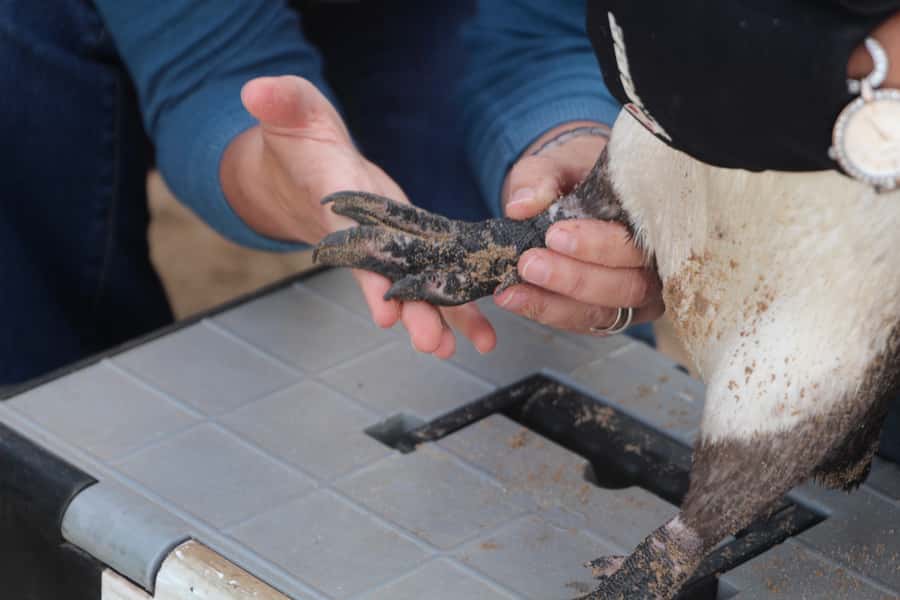
One of the most meaningful activities is an enrichment exercise for animals that cannot be released. Enrichment is designed to support an animal’s quality of life in captivity by encouraging activity, interest, or natural behavior. You help the guides with the exercise, always under staff direction.
This is a good place to keep expectations realistic. You are not playing with the animals, and you are not allowed to touch or feed wildlife. The value comes from learning how keepers make managed care more engaging and from seeing the thought that goes into the animals’ daily routine.
The activity also helps explain a difficult part of rehabilitation. Rescue does not always end with release. Some animals have been habituated to people, injured, or otherwise unable to survive safely in the wild. For them, responsible long-term care becomes the goal.
Food preparation and afternoon feeding time
The afternoon is devoted to more keeper work. You help prepare food for the animals and accompany staff while they carry out feedings. This section can be particularly useful if you want to understand the practical side of running a rehabilitation centre.
Feeding time often attracts attention because animals become active, but the important lesson is the preparation behind it. Food must be organized, delivered safely, and fitted to the needs of different species. You watch the staff manage this process rather than treating it as a performance.
The schedule allows as much as three hours for camp activities, wildlife viewing, and photographs. That gives the afternoon room to breathe. You may have a chance to watch an animal for longer, ask follow-up questions, or see how the staff work together.
Do not assume every animal will appear at the exact moment you want a photograph. This is a working centre, and the animals’ welfare takes priority over the timetable. That can mean waiting, changing the order of activities, or missing a particular view.
Securing the animals for the night
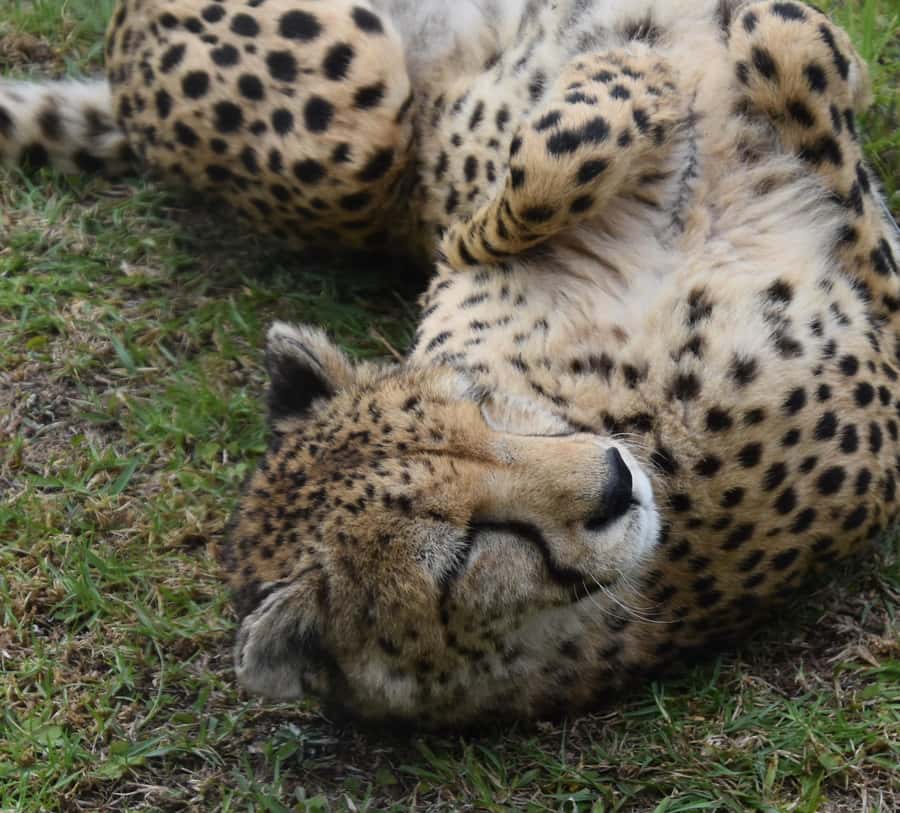
The final task is helping staff secure the animals for the evening. It is a fitting end to the day because you see the full cycle of care, from morning checks to night-time safety.
This closing routine reinforces the point that Tenikwa is not just a place for public viewing. Animals require attention before and after the visitor program, and the keeper’s job continues when the cameras are packed away.
You also have time throughout the day to speak with staff about conservation work. That informal access may be one of the best reasons to choose this tour over a shorter wildlife visit. Questions tend to become more specific once you have seen the checks, feeding, and enclosure routines for yourself.
A short shopping stop is included near the end, allowing about 15 minutes. It is not a major part of the experience, but it gives you a chance to look for something from the centre before leaving.
How the price compares with a short wildlife visit
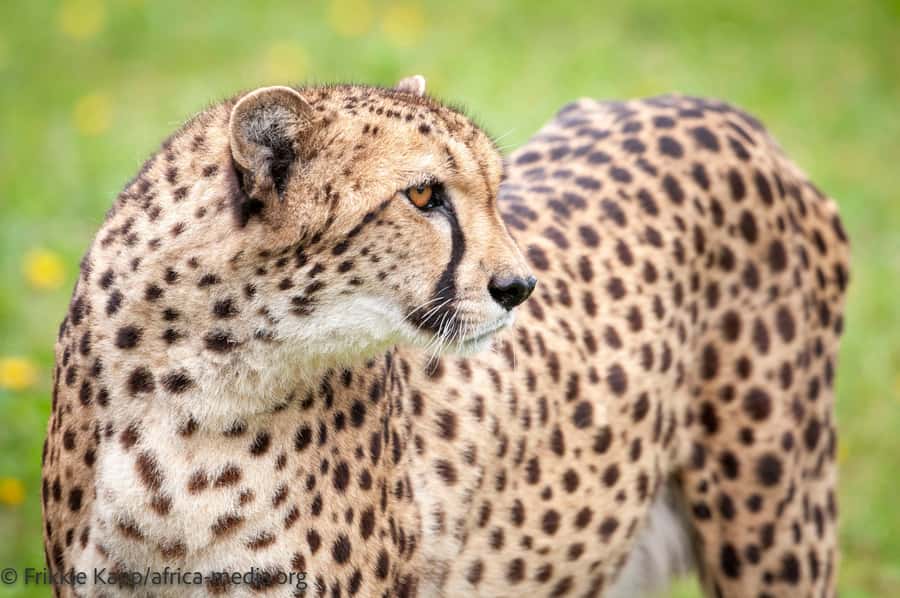
At $104 per person, this is not the cheapest way to see animals near Plettenberg Bay. The price makes more sense if you plan to spend the full day at Tenikwa and take part in the staff activities.
Included are the guide, breakfast with coffee or tea, lunch with one drink, bottled water, a private guided wildlife tour, access to rehabilitation facilities not open to the general public, and behind-the-scenes work with keepers. Rain gear is supplied in poor weather.
You still need to cover your own transport to Tenikwa, snacks, and extra drinks. Since the tour is long, those small omissions are worth planning for. Bring sunscreen, a sun hat, insect repellent, and comfortable clothing so you are not distracted by basic discomfort.
I see this as good value for a visitor who wants an educational conservation day rather than a quick animal photo stop. If you mainly want a brief encounter with a cat, the long format may feel excessive. If you want to understand how a centre operates, the price includes much more than a standard entrance visit.
Who will enjoy this tour most
This experience suits adults, older children, photographers, and anyone interested in animal welfare. Children must be at least nine years old, and the full day requires patience and a willingness to follow instructions.
It is also a good fit for people who prefer a small, private group. You can ask questions more easily than in a large public tour, and the pace is less likely to feel like a conveyor belt.
The tour may not suit you if you want guaranteed close contact, animal touching, or a highly active adventure. You will not be allowed to touch or feed the wildlife, and much of the day involves observing staff work.
Wheelchair access is available, but the program includes walking and a possible forest route. If you need specific assistance, confirm how the day’s walking sections will be handled before booking.
Practical ways to prepare
Wear shoes that are comfortable for a long day on foot. Add a sun hat, sunscreen, insect repellent, and clothes suitable for changing weather.
Bring a camera if photographs matter to you. Selfie sticks are prohibited, and valuables or backpacks should stay locked in your vehicle. Bottled water is included, but snacks are not, so plan ahead.
The tour runs in all weather, with rain jackets supplied when needed. The forest walk may change or be skipped if conditions do not allow it. This flexibility is sensible, since animal care and visitor safety should come before completing every scheduled outdoor section.
Cancellation is free up to 24 hours before the experience for a full refund, and you can reserve now and pay later. Starting times vary, so check availability when choosing your date.
Should you book the Cats in Conservation tour?
Book it if you want a full, practical day at a respected rehabilitation centre, with real access to keeper routines and time to learn about South African wild cats. The strongest features are the wildlife hospital observation, the enrichment work, the feeding preparation, and the chance to follow the animals’ care from morning through evening.
The experience is especially worthwhile if you appreciate patient guides. Msizi’s nine years at Tenikwa show the sort of personal animal knowledge that can make this kind of tour memorable, although the guide on your date may differ.
Skip it if you want a short stop, guaranteed animal activity, or hands-on contact. For everyone else, the $104 fee is defensible because it covers meals, guiding, private access, and a full day of work that helps you see conservation as an ongoing responsibility rather than a photo opportunity.
FAQ
Where does the Cats in Conservation tour begin?
The tour begins at Tenikwa Wildlife Rehabilitation and Awareness Centre. Follow the Tenikwa signs from the N2, continue to Animal Alley, keep left as signposted, then keep right at the fork and check in at reception.
Is transportation from my hotel included?
No. Hotel pickup and drop-off are not included. You must make your own way to Tenikwa, where parking is available at reception.
How long does the tour last?
The experience lasts one full day. Check availability for the starting time and arrive 15 minutes before departure.
What meals and drinks are included?
Breakfast with coffee or tea, lunch, and one lunch drink are included. The lunch drink may be coffee, tea, beer, wine, or a non-alcoholic drink. Snacks and additional drinks are not included.
Can I take photographs?
Yes. Cameras may be taken on the tour and there are several opportunities for wildlife photography. Selfie sticks are not allowed.
Can I touch or feed the animals?
No. Touching and feeding wildlife are not allowed. You must follow the guide and keeper instructions during all activities.
Is the experience suitable for children?
The program is not suitable for children under nine years old.
What happens if it rains?
The program runs in all weather, and rain jackets are provided in poor conditions. The guided Tsitsikamma forest walk takes place only if time and weather permit.
Is the tour wheelchair accessible?
Yes, the activity is listed as wheelchair accessible. It also includes walking sections, so confirm any specific access needs before booking.
Just listed around South Africa
- Constitutional Hill and Soweto 5 hours tour.★ 5.0 · 5 reviews
- Cape Town: Inspiring sustainable change through Street Art★ 4.9 · 5 reviews
- SandBoarding in Capetown + PhotoShoot★ 4.0 · 5 reviews
- Cape Town Tandem Paragliding Square 1 Paragliding★ 5.0 · 5 reviews
- Township Experience – Port Elizabeth★ 5.0 · 5 reviews
- Cape Town: Full-Day Private Peninsula Tour★ 3.6 · 5 reviews
- Hazyview : Full Day Panorama Tour★ 4.8 · 5 reviews
- Schotia: Open Safari Jeep – Full Day Safari with Lunch★ 5.0 · 5 reviews
Full-Day, compared.
Cape Point and Boulder’s Penguins Full Day Tour
Read our review →
Cape of Good Hope & Boulder Penguins Full-Day Tour from Cape Town
Read our review →
Full-Day Winelands Tour with Wine Tastings & Food
Read our review →
MUST DO: Boulders Beach & Cape Point Full Day Tour #1 Rated
Read our review →
Soweto /Johannesburg and Apartheid Museum Guided Full Day Tour
Read our review →