
Reviewed · ADDO ELEPHANT PARK SAFARIS
Garden Route Durban to Cape Town via Addo National Park – 7 Days
The best part of this trip is the sheer variety packed into one long South African road journey. In seven days, you move from KwaZulu-Natal game country and Xhosa villages to Addo’s elephants, Garden Route beaches, lagoon towns, wine country, and the penguin colony at Betty’s Bay.
I like the private vehicle, which gives your group room to stop, stretch, and shape parts of the day. I also like the mix of wildlife and coastal scenery: Tala and Addo bring real safari time, while Robberg, Knysna, Hermanus, and the R44 keep the road trip scenic. The tradeoff is clear: some days involve about five hours of driving, and the trip covers so much ground that several stops are brief.
Key points to know before booking
- Tala Private Game Reserve begins the trip with a two-hour 4×4 safari, including a chance to see rhino, giraffe, zebra, wildebeest, and antelope.
- Addo Elephant National Park is the main wildlife highlight, with elephants as its signature sight and other African animals possible.
- Robberg Nature Reserve gives you a proper coastal walk, not just a roadside photo stop.
- You spend two nights in Knysna, giving you more time for the Heads, waterfront, lagoon views, and local activities.
- Benguela Cove Wine Estate includes a tasting, while the Bloukrans bungee jump is optional and costs extra.
- The private format suits families and small groups, but you should be comfortable with long road days and confirm the pickup time before departure.
Why this Durban to Cape Town road trip works
This is not a relaxed stay in one region. It is a moving trip across much of South Africa’s southeastern side, with the road itself forming a large part of the experience. You will spend long stretches in the vehicle, but the route links places that feel quite different from one another.
The private setup matters. You are not sharing the vehicle with a large group, so your guide can respond to your interests and choose sensible stops along the way. One guest specifically praised guide Timba for meeting the group’s needs and selecting good places to stop. Another described guide Themba as making the trip feel tailored to the group.
The price is listed at $1,581.44 per person. That is not a cheap point-to-point transfer, but it includes far more than transport. You receive a private vehicle for your group, six nights of accommodation, breakfast, water, and entrance fees. Add the safari time, wine tasting, guide service, and the convenience of covering Durban to Cape Town without arranging each hotel and transfer yourself, and the price can make sense for a small group that values ease.
You should still compare the cost with a self-drive holiday. A rental car may look cheaper at first, but you would need to arrange lodging, fuel, park fees, route planning, and the long cross-country drive yourself. This trip removes much of that work, though it also gives you less freedom to linger wherever you wish.
More Addo elephant safaris:
- Addo Elephant National Park All Inclusive Full-Day Safari
★ 4.8 · 872 reviews - 5 Day Garden Route and Addo Safari – Best of South Africa Small Group Tour
★ 5.0 · 291 reviews - 6-Day Garden Route & Addo South African Adventure from Cape Town
★ 5.0 · 282 reviews
Day 1: Tala rhino country to Mthatha
The first morning starts early, with a departure from Durban listed as 7:00 am in the day-by-day plan. The general meeting information gives an 8:30 am start, so confirm your exact pickup time when booking. That small detail matters because the first day already covers a lot of ground.
Tala Private Game Reserve is a strong opening stop. The reserve covers about 3,000 hectares and uses 4×4 vehicles for a two-hour game drive. You are accompanied by a ranger who explains the animals, the area, and conservation work as you move through the reserve.
Rhino are the major target, but you may also see giraffe, zebra, wildebeest, and several antelope species. This is a good introduction to safari because the drive is long enough to feel like a real wildlife outing, yet it does not consume the entire day.
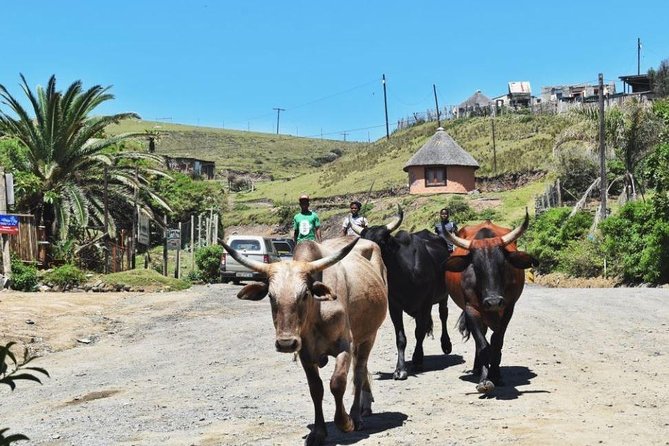
After Tala, the road heads toward Mthatha, passing rural towns and villages such as Umzimkhulu and Ixopo. This section is less about famous attractions and more about seeing everyday rural South Africa from the road. You will have about five hours of driving, so this is one of the days when the private vehicle earns its keep.
Mthatha also gives you access to major Xhosa cultural sites, including the Nelson Mandela Museum and Qunu, where Nelson Mandela spent his childhood. The supplied plan names these places as points of interest, but it does not specify a dedicated museum visit. Ask your guide what can realistically fit before departure if they are important to you.
Day 2: The Wild Coast and the road to East London
The second day links Mthatha with East London through the Eastern Cape. Again, expect about five hours of road time. The reward is a look at a part of South Africa that many quick Garden Route trips skip.
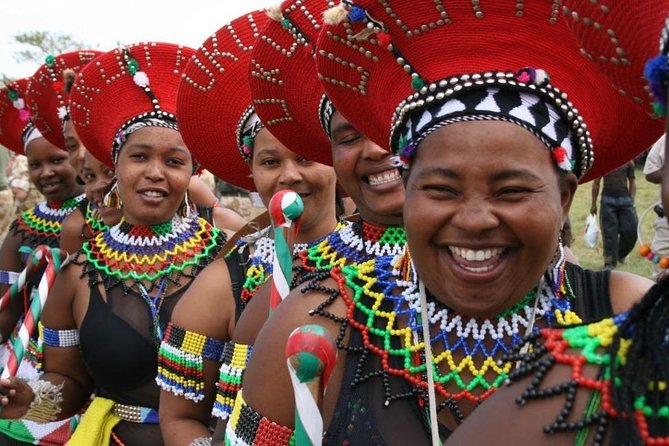
Coffee Bay is noted for its rough coastline, beaches, and traditional Xhosa culture. Morgan Bay offers another coastal setting, with beaches and a quieter seaside feel. The route also passes near Qunu and the Nelson Mandela Museum, so you can use this day to add cultural context to the scenery if timing allows.
This is not presented as a full beach holiday. You should think of the Wild Coast section as a scenic and cultural crossing rather than a day filled with long swims or extended walks. The schedule has to keep moving toward East London, and the distances are real.
I like this part because it prevents the trip from becoming a simple string of polished resort towns. You see rural communities, coastal settlements, and a side of the country that feels less packaged. The drawback is that the plan gives broad areas rather than precise stop times, so the day may feel flexible but also somewhat dependent on your guide and road conditions.
Day 3: Addo Elephant National Park
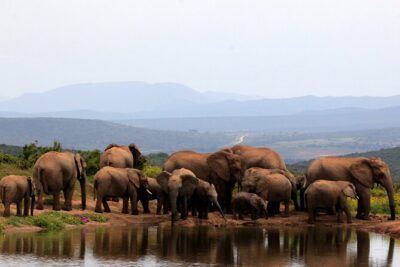
Day three shifts the focus back to wildlife with a direct drive from East London to Addo Elephant National Park. The park was created in 1931 to protect the last 11 elephants in the area. It now covers more than 1,600 square kilometres and is known for a much larger elephant population.
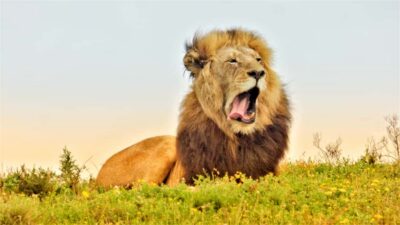
Elephants are the main reason to come here, but they are not the only possibility. The park is also home to lions, leopards, buffalo, black rhino, spotted hyena, zebra, and many kinds of antelope. Wildlife sightings are never guaranteed, so the pleasure is in watching patiently and taking in the park’s changing surroundings.
The day is built around roughly five hours of wildlife sightseeing. That gives you a meaningful chance to search for animals rather than simply stopping at a gate and moving on. Your guide can help you read the signs of animal activity and decide where to spend time.
The overview also highlights Big Five safari experiences connected with the wider Garden Route and Tsitsikamma area. The detailed day plan specifically places the main safari outing at Addo, so I would treat Addo as the most clearly defined wildlife stop when deciding what to expect.
More national park days in Durban:
- From Johannesburg: Pilanesberg Nature Reserve Game Safari
★ 4.8 · 1,327 reviews - Kruger National Park Full Day Private safari
★ 5.0 · 799 reviews - Full Day Ultimate Pilanesberg National Park Safari from Johannesburg or Pretoria
★ 4.5 · 718 reviews - Storms River: Tsitsikamma National Park Zipline Canopy Tour
★ 4.7 · 481 reviews
Day 4: Bloukrans, Plettenberg Bay, and Robberg
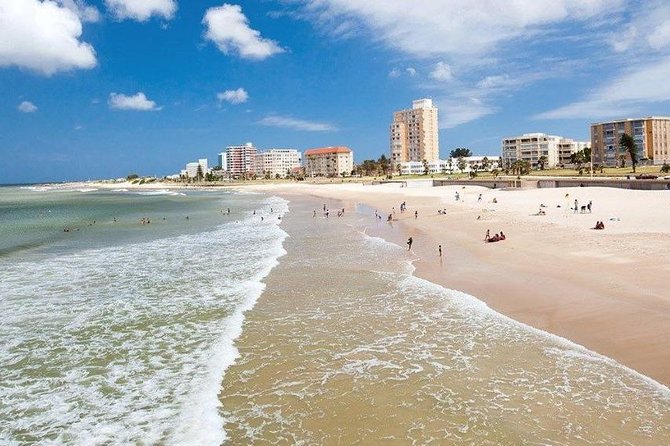
The road reaches one of the Garden Route’s most memorable stretches on day four. The first stop is Bloukrans Bridge, home to a 215-metre bungee jump described as the world’s highest. The jump is optional and not included in the tour price, so you can watch the action without committing to it.
From Bloukrans, it is about 30 kilometres to Plettenberg Bay. You get a short look at the town and its beaches, with time to appreciate why this section is popular for outdoor activities. The area is associated with hiking, surfing, whale watching, dolphins, seals, and whales, though the tour does not promise sightings or specific activities beyond the planned visit.
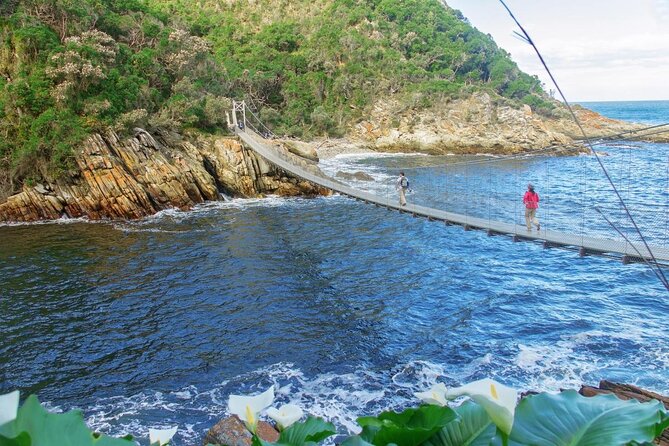
Robberg Nature Reserve is the stronger walking stop. The reserve covers about 600 hectares and has cliffs, sandy beaches, and views over the surrounding sea. It is also known for Cape fur seals, dolphins, whales, and birdlife.
The walk here gives you something a bus tour often cannot: time outside the vehicle on a marked natural attraction. Ask your guide about the walking route and pace, since the supplied plan allows about two hours and does not state a trail length. Wear shoes suitable for uneven ground and keep your energy for the rest of the day.
You then continue to Knysna, where you spend two nights. That second night is important. Without it, the Garden Route would feel like a chain of quick photographs. Knysna gives you a base for a fuller look at the lagoon and town.
Day 5: The Knysna Heads and waterfront
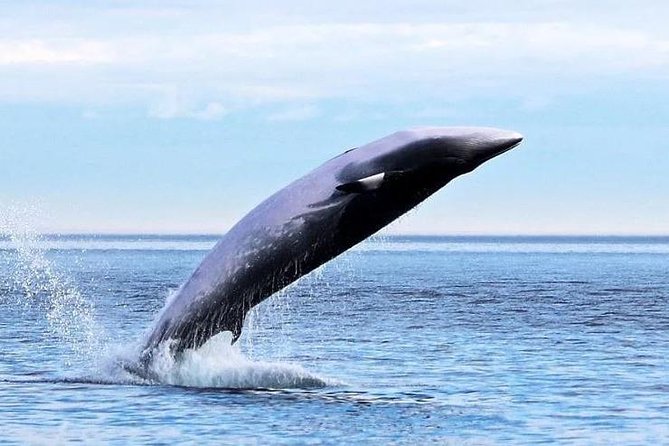
Day five is the least hurried day of the trip. After breakfast, you visit the Knysna Heads, the two cliffs guarding the narrow opening between the lagoon and the Indian Ocean.
The eastern head is open to the public and offers viewpoints, walking paths, and picnic areas. The western head is privately owned and not open to the public, so your visit focuses on the accessible side. The setting is especially useful for understanding Knysna’s geography: the lagoon lies inland, while the ocean pushes through the narrow channel beyond the cliffs.
Allow about two hours here. You can take your time with the views rather than treating the stop as a quick photo break. The area supports birdlife and marine life, adding interest for anyone who enjoys natural details as much as wide views.
Next comes the Knysna Waterfront, also called the Knysna Quays. Yachts line the harbor, and restaurants range from cafes to more formal places. You have time to eat, wander, or arrange an optional lagoon ride if one appeals to you.
This is a useful rest day in the middle of a demanding route. After several long drives, two local stops and a second night in the same town give you a chance to slow down. I would use the waterfront for a relaxed meal and keep the day open rather than trying to add too many extras.
Day 6: Benguela Cove and whale country
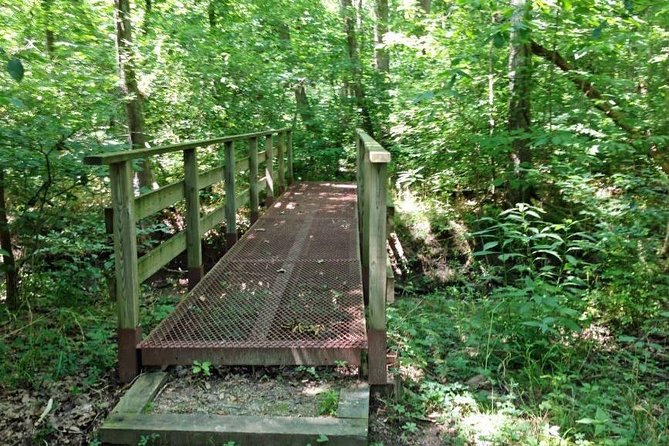
Day six covers a long distance from Knysna toward Hermanus, with a stop at Benguela Cove Lagoon Wine Estate near Hermanus. The estate sits beside the Bot River Lagoon in the Walker Bay area, with mountain and ocean views.
The included wine tasting adds a change of pace after several days of wildlife and coastal walking. The estate produces wines from varieties including Sauvignon Blanc, Chardonnay, Merlot, Cabernet Sauvignon, and Shiraz. Its production is described as sustainable and environmentally friendly.
This stop is a good fit for you if you like food and drink as part of a road trip, but it is not the center of the holiday. The tasting lasts about two hours, and the tour then continues to Hermanus for the night.
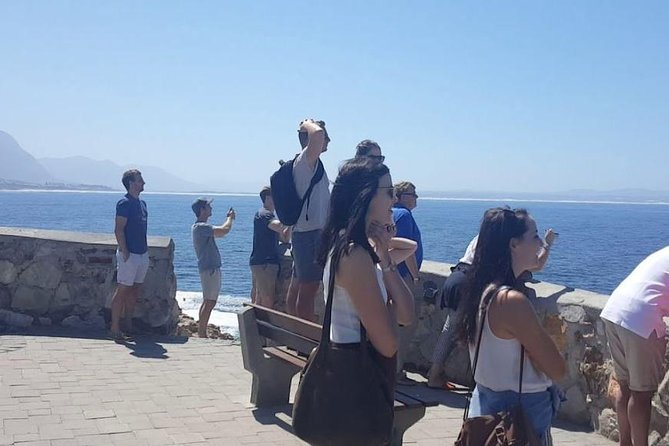
Hermanus is known as a major whale-viewing center. The supplied plan gives you about three hours there, with optional activities such as canoeing at the Kleinrivier and time at Grotto Beach. You can also visit the Wine Village on the R43 and R320, described as a large wine shop with a wide selection of South African wines.
Do not book this trip solely for whale sightings. Hermanus is famous for them, but the plan does not promise a whale encounter or include a dedicated boat trip. Instead, think of Hermanus as a scenic coastal town with several optional ways to use your free time.
Day 7: Betty’s Bay penguins and the R44 coast
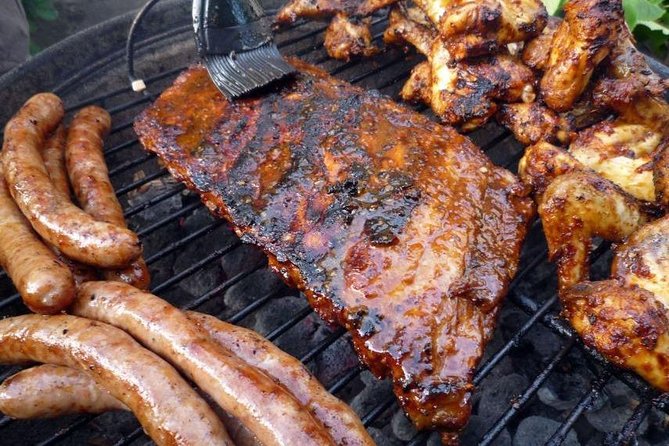
After breakfast, the final morning continues around Hermanus before the group leaves for Cape Town at about 11:00 am. The road follows the coast toward Betty’s Bay, where you stop to see African penguins.
Betty’s Bay is a valuable final wildlife stop because it is very different from Tala and Addo. You are not searching for large mammals across open parkland. Instead, you get a close look at a coastal bird species in its own setting.
The remaining drive follows the Overstrand and the coastal road between Hermanus and Gordon’s Bay. The R44 runs beside the sea, with beaches, dramatic cliffs, fynbos, birdlife, and possible baboon and monkey sightings along the way. These are scenic possibilities, not guaranteed animal encounters, so keep your expectations sensible.
The route passes The Strand before reaching Cape Town in the late afternoon. Drop-off is available at Cape Town International Airport and at hotels. If you are flying out that evening, allow plenty of extra time beyond the stated arrival window. The tour gives an afternoon arrival, not a precise airport drop-off time.
What the six nights and private vehicle add
The accommodation is spread across resorts, boutique properties, and estates, with breakfast included each morning. The exact property names are not supplied, so you should ask for the confirmed accommodation list if room style or location matters to you.
Breakfast helps on early departure days, and included water is a small but useful benefit on long drives. Entrance fees are included, including the listed access for Tala and Robberg. The Bloukrans bungee jump is the clear exception, since it is optional and paid separately.
A vehicle reserved for your group gives you privacy and space. It also lets you talk with one guide throughout the journey and request reasonable adjustments. The main limitation is that private does not mean short. The distances between Durban, Mthatha, East London, Addo, Knysna, Hermanus, and Cape Town remain substantial.
This format works best for couples, families, or friends who want a shared trip without the social demands of a large coach. It is less ideal if your priority is a slow holiday with several nights in each town.
Who should book this seven-day trip?
I would recommend it to you if you want to see many major southeastern South African sights in one booking and do not want to drive the full route yourself. It suits people who value a dedicated guide, included accommodation, and a broad mix of wildlife, beaches, wine, and small-town stops.
It is also a good choice for a first visit when you want help with the long distances. The route gives you a useful first look at the Wild Coast, the Garden Route, Walker Bay, and Cape Town’s coastal approach.
I would hesitate if you dislike early starts, five-hour driving days, or a schedule that keeps moving. You may also want more time in Addo, Knysna, or Hermanus than this seven-day version allows. One practical option is to ask about extending the trip, especially if you want extra nights in the Garden Route or Cape Town.
The cancellation terms are straightforward: cancel at least 24 hours before the local start time for a full refund. Changes or cancellations inside that window are not accepted for a refund.
The final call
Book this tour if your goal is maximum variety with minimum self-drive stress. Tala, Addo, Robberg, Knysna, Benguela Cove, Hermanus, and Betty’s Bay give you a strong cross-section of South Africa in one route, and the private format makes the long distances easier to manage.
Skip it if you want a slow Garden Route holiday or a safari-focused trip. In that case, spend more nights in fewer places. For a small group that wants a broad, guided road journey from Durban to Cape Town, though, this is a practical and memorable use of seven days.
FAQ
How long is the Durban to Cape Town tour?
The experience lasts approximately seven days and ends in Cape Town in the afternoon of day seven.
Is this a private tour?
Yes. Only your group participates, and the tour provides a vehicle just for your group.
What is included in the price?
Accommodation for six nights, breakfast, water, entrance fees, and the private road trip are included. The Bloukrans bungee jump is not included.
Is pickup available?
Yes, pickup is offered. The detailed plan gives a 7:00 am departure from Durban, while the general meeting information lists an 8:30 am start, so confirm your exact pickup time when booking.
Which national parks and reserves are visited?
The route includes Tala Private Game Reserve and Addo Elephant National Park. Robberg Nature Reserve is also visited for a coastal walk.
How many nights do you spend in Knysna?
You spend two nights in Knysna.
Is the wine tasting included?
Yes. A wine tasting at Benguela Cove Lagoon Wine Estate is included.
Can I cancel for a full refund?
Yes. You can receive a full refund if you cancel at least 24 hours before the experience start time. Cancellations or changes made less than 24 hours before the start time are not refunded.
More week long trips in Durban
- 7 Day Garden Route to Addo, Cape Point and Winelands Combo tour
★ 5.0 · 28 reviews - 7 Day Classic Kruger National Park Safari
★ 5.0 · 24 reviews - 7-Day Garden Route Safari Adventure from Cape Town
★ 5.0 · 20 reviews - From Cape Town: 7-Day Garden Route, Addo and Winelands Combo
★ 3.0 · 12 reviews
Just listed around Durban
- Zulu Cultural Experience: Zulu Village + Tribal Markets + Traditional Zulu Food★ 5.0 · 5 reviews
- Durban Shore Excursion: Valley of 1000 Hills and PheZulu Tour★ 5.0 · 5 reviews
- From Durban: Wildlife Lovers Big 5 Safari at 2 Game Reserves★ 5.0 · 5 reviews
- Sani Pass and Lesotho Full Day 4 x 4 Tour From Durban★ 4.5 · 5 reviews
- Full Day Isimangaliso Wetlands Park -Croc & Hippo &Game Fr Durban★ 4.5 · 6 reviews
- Sani Pass 4 x 4 Tour and Lesotho Full Day Tour From Durban★ 5.0 · 6 reviews
- Hluhluwe Safari & Emdoneni Wild Cat Project Day Tour from Durban★ 5.0 · 6 reviews
- Drakensberg Kamberg Cave Art & Mandela Capture Site Day Tour★ 4.1 · 6 reviews
Addo Elephant Park Safaris, compared.
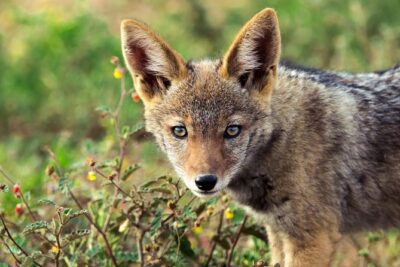
Addo Elephant National Park All Inclusive Full-Day Safari
Read our review →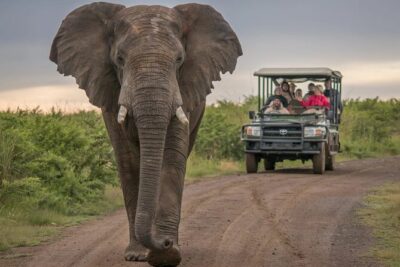
5 Day Garden Route and Addo Safari – Best of South Africa Small Group Tour
Read our review →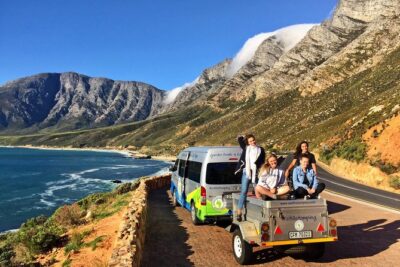
6-Day Garden Route & Addo South African Adventure from Cape Town
Read our review →Addo Elephant National Park All Inclusive Full-Day Safari
Read our review →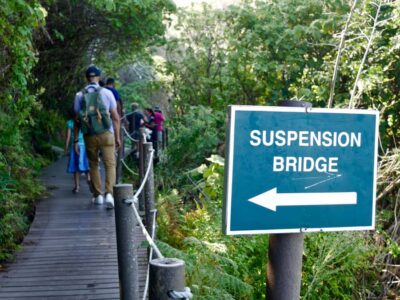
Addo Elephant Full Day Safari with a Traditional South African Braai (BBQ) Lunch
Read our review →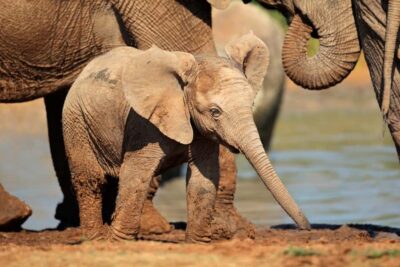
Browse the lists this tour appears in