
Reviewed · LION & BIG CAT ENCOUNTERS
Ann Van Dyk Cheetah Centre Tour from Johannesburg or Pretoria
The most thrilling choice here is the timing: book a weekend visit to see cheetahs sprint, or go on a weekday for a closer interaction inside their spacious enclosure. The centre also works with African wild dogs, vultures, caracals, servals, hyenas, antelope, and other rescued animals.
I like the easy hotel pickup and drop-off, especially since driving yourself from Johannesburg can be a chore. I also like that your guide explains the science behind the animals, not just their names. The main drawback is the long road time from Johannesburg, which can approach two hours each way, while the centre visit itself lasts about three hours.
Key points to know
- Weekend cheetah run: Choose Saturday or Sunday if seeing top-speed cheetahs is your priority.
- Weekday animal interaction: Weekday visits include a cheetah interaction in a large enclosure instead of the run.
- African wild dogs included: The centre’s breeding and rewilding work covers painted dogs as well as cheetahs.
- Pickup from two cities: Round-trip transport is offered from hotels in Johannesburg or Pretoria.
- Conservation with limits: Many animals are rescued and cannot safely return to the wild, so parts of the centre feel more like a wildlife sanctuary than a safari.
- Small group size: The maximum is 15 people, though the actual group can feel smaller or, at times, less social for solo visitors.
Why the Cheetah Run Changes the Day
The Ann Van Dyk Cheetah Centre is not a traditional game drive. You are visiting a working conservation centre where staff breed, care for, and prepare selected animals for reintroduction. That gives the visit a clear purpose, and it also shapes what you see.
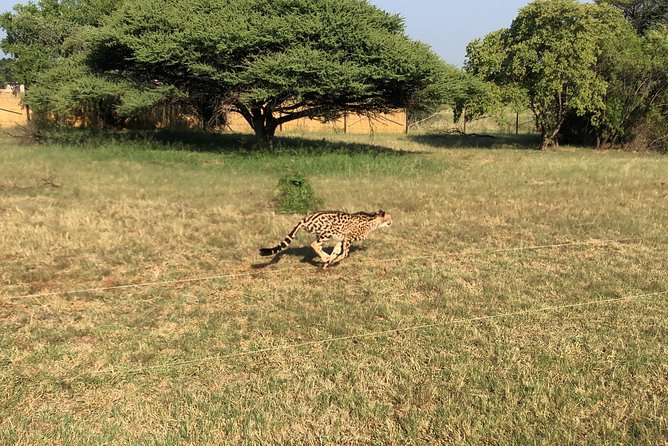
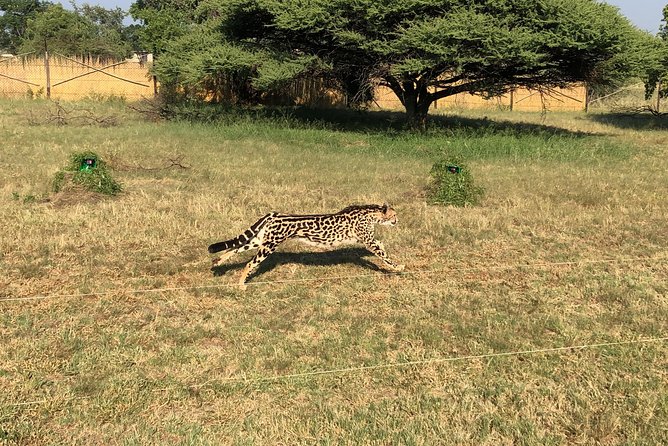
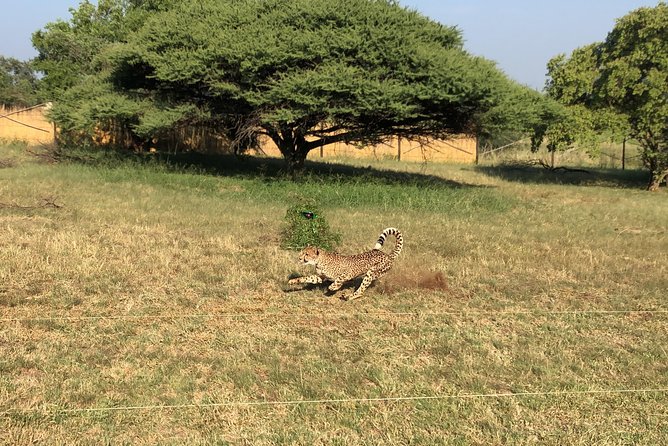
On weekends, the highlight is the cheetah run. A cheetah’s speed is hard to understand from a photograph or a parked animal. Seeing one accelerate across open ground gives you a quick lesson in why this cat is built so differently from a lion or leopard. The moment is brief, so keep your camera ready, but do not let filming get in the way of watching.
The weekend programme is the better pick if the run is the main reason you are booking. It is also the option most likely to satisfy someone who wants a strong, memorable wildlife moment during a Johannesburg stay.
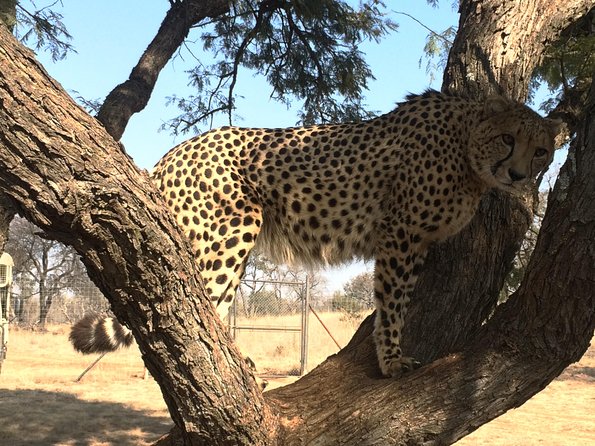
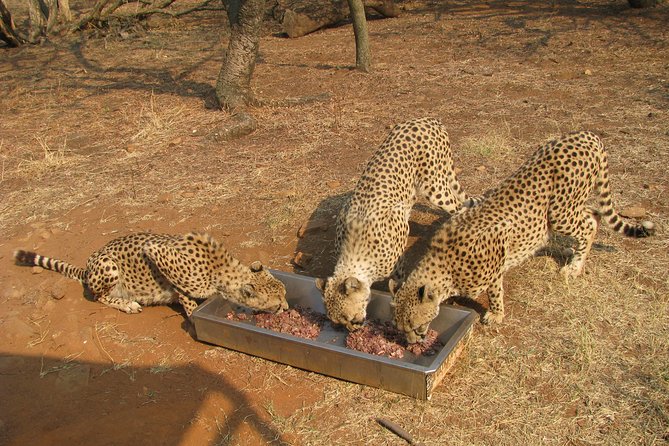
Weekday visits offer a different kind of contact. Instead of the run, you can see a cheetah interaction in the animals’ spacious enclosure. That setting gives the guide more time to discuss behavior and biology, and you may get a closer look at the animals’ markings, body shape, and alert movements.
Check the available programme before you pay. The choice between a fast public demonstration and a slower weekday interaction matters more here than the difference between morning and afternoon.
More lion and big cat encounters:
- Half Day Lion Park tour from Johannesburg or Pretoria
★ 5.0 · 274 reviews - Cradle of Humankind, Caves or Maropeng, Rhino and Lion Park
★ 5.0 · 74 reviews - Captivating Safari Lion Park Experience (Half Day Guided Tour)
★ 4.5 · 62 reviews
From a Cheetah Breeding Project to a Wider Conservation Centre
The centre began in 1971 with cheetah breeding as its main project. Its work now includes several breeding and rehabilitation programmes, with a strong focus on maintaining genetic diversity and supporting the future of threatened species.
That broader work is important because a visit is not simply about seeing a photogenic cat. You are helping support a centre that has reportedly reintroduced more than 800 cheetahs into the wild. The exact role of each animal differs, but the goal is to protect viable populations rather than keep every animal permanently on display.
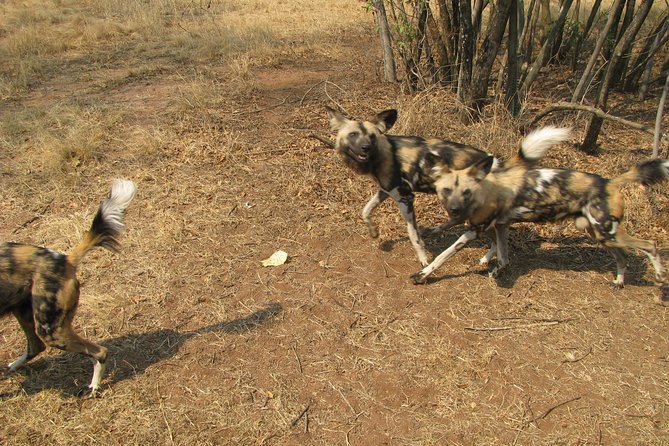
The centre also works with African wild dogs, sometimes called African painted dogs. These animals are among the most fascinating parts of the visit. Their social life, hunting style, and teamwork are very different from the solitary image many people have of big cats.
A feeding session can make the dogs especially memorable. In some programmes, the pack follows the safari vehicle and appears to chase it as staff move through the grounds. That gives you a small sense of the dogs’ speed and coordinated pursuit, though this is a managed conservation activity, not a wild hunt.
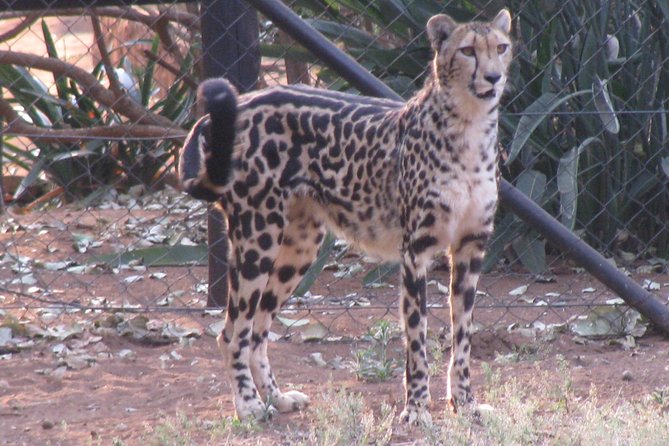
The centre’s other animals may include brown hyena, caracal, serval, African wild cat, vultures, other large birds, antelope, wildebeest, meerkats, ostriches, and king cheetahs. The exact collection can change as animals are rescued or added.
King cheetahs are particularly striking. Their unusual spotted and striped coats make them easy to distinguish from the more familiar form. If you care about photography, allow time to watch the animals rather than simply ticking off species. The guides can help explain what makes each one unusual.
What the Guided Visit Actually Covers
The guided programme takes place around the centre and its animal enclosures. You can expect an explanation of the cheetah breeding programme, the African wild dog work, and other conservation projects.
The best part is the interpretation. Guides discuss animal biology, behavior, and conservation status, giving you a clearer idea of why the centre exists and what problems these species face. This is not a silent walk past cages with labels. The guide’s explanations are a major part of the value.
Past programmes have included guide teams such as Nicole and Wilson, with Nicole explaining animal facts in an approachable way and Wilson handling feeding demonstrations. Francois has also been praised for keeping the day on schedule and finding alternate roads when Johannesburg traffic slows the transfer. Your guide may be different, but the tour depends heavily on the quality of the people leading it.
That is worth keeping in mind when comparing this outing with a self-drive visit. The entrance fee gets you onto the property, but the guide adds the context that turns a wildlife collection into a lesson about conservation.
The natural setting helps. The centre sits beneath the Magaliesberg Mountains, and the scenery gives the visit more space and character than an urban zoo. You are still seeing animals in managed surroundings, but the setting is rural and open.
Rescue Centre or Zoo?
This is the most important point to understand before booking. The cheetah and wild dog programmes are connected to breeding, conservation, and rewilding. Other animals at the centre may be permanent residents because they cannot be released successfully.
That can mean animals injured by people, poorly treated animals, or creatures that have become unable to survive independently. Keeping them in a protected enclosure is not the same as preparing every animal for release. In some cases, returning an animal to the wild would put it at serious risk.
Still, the experience can feel partly like a zoo, especially when you move from the main cheetah programme to the wider collection of rescued species. One visitor’s central criticism was that the other animals seemed to be kept in zoo-like conditions. That is a fair consideration if you expect an open safari with no fences.
I would book this for its conservation work and guided access, not because it promises a wild encounter. You will see animals at close range, but you should understand the difference between a sanctuary, a breeding centre, and a national park.
This distinction also helps you decide how to talk to children about the visit. The centre can show them beautiful animals, but it can also explain why some cannot go home. That is a useful lesson, even if the experience is less natural than a game drive in Pilanesberg or Kruger National Park.
A few more Johannesburg days worth comparing
- From Johannesburg: Pilanesberg Nature Reserve Game Safari
★ 4.8 · 1,327 reviews - Johannesburg: Hop-On Hop-Off Bus with Optional Soweto Tour
★ 4.6 · 985 reviews - Soweto /Johannesburg and Apartheid Museum Guided Full Day Tour
★ 5.0 · 932 reviews - Johannesburg Hop-On Hop-Off City Tour with Soweto Option
★ 4.5 · 768 reviews
The Transfer From Johannesburg or Pretoria
Round-trip hotel pickup and drop-off are included from Johannesburg or Pretoria. That removes the need to rent a car, plan the route, or deal with unfamiliar roads. Bottled water is also provided, and entrance fees, activities, and taxes are included in the price.
The trade-off is time. From Johannesburg, the drive can take about two hours each way, depending on traffic. Johannesburg freeways can slow badly, so a driver who knows local back roads can make a real difference. From Pretoria, the centre is generally a more practical outing, and the transfer may feel less tiring.
The listed centre programme lasts about three hours, but the full experience is longer once pickup, traffic, and the return drive are included. Treat it as a substantial half-day excursion, not a quick morning stop.
An early start may be needed for the morning programme. Ask for the pickup window when booking, especially if you have a flight, another tour, or a fixed dinner reservation later that day. Do not stack this with an important same-day airport connection unless you have a very generous buffer.
The scenery beneath the Magaliesberg Mountains makes the road trip more pleasant than a pure city transfer. Still, I would choose Pretoria as your base if your schedule includes several attractions in the region, including this centre, an elephant sanctuary, or Pilanesberg Game Reserve.
Is $225.67 a Fair Price?
At $225.67 per person, this is not a budget attraction. The price makes more sense when you count what is bundled: hotel transport, entrance fees, activities, bottled water, and a guided programme.
A self-drive visitor might spend less, especially when splitting fuel and rental costs. But driving yourself requires more planning, and it does not automatically provide the same level of interpretation. For a first day in South Africa, the convenience can be worth paying for.
The value is strongest for two people or a small private-feeling group who want a planned outing without handling transport. It is weaker if you are already renting a car, staying near the centre, or mainly want to see one quick cheetah presentation.
The maximum group size is 15. That is small enough for the guide to remain useful, though the atmosphere can vary. A couple once found themselves on what felt almost like a private safari, with two naturalists, a vehicle driver, and the pickup representative. A solo visitor, by contrast, felt less comfortable without a small social group.
Group discounts may be available, so check the booking options if several people are going together. Donations and sponsorships are not included. If supporting the centre matters to you, plan to make that contribution separately rather than assuming it is part of the tour price.
Who Will Get the Most From This Experience?
I would recommend this tour to you if you are staying in Johannesburg or Pretoria and want a guided wildlife experience without renting a car. It works especially well as an introduction to African animals during the first days of a South Africa trip.
Families can consider it, but the rules are clear. Children must be accompanied by an adult, the minimum age is 7, and the minimum height is 1.2 meters. Those limits may rule out younger children even if they are enthusiastic about animals.
It is also a good choice for photographers who want close views of cheetahs, king cheetahs, wild dogs, vultures, and smaller cats. Bring patience. The best photographs may come from watching behavior rather than waiting for a dramatic pose.
You may prefer another outing if your main goal is a true wild safari. This centre offers managed encounters and conservation education, not roaming herds across an unfenced reserve.
People who dislike animal facilities should read the centre’s purpose carefully before booking. The rescued animals are there because they cannot safely return to the wild, but the setting may still feel too much like a zoo for some visitors.
Practical Tips for Choosing Your Day
Pick the weekend programme if you want the cheetah run. It is the clearest, most energetic feature of the visit and the best choice for a first-time cheetah encounter.
Choose a weekday if you prefer a cheetah interaction in the enclosure and more time for explanation. This may suit you if behavior, breeding, and conservation matter more than speed.
Wear practical clothing and bring a camera with enough battery power. Bottled water is included, but lunch and all other food and drinks are not, so plan around the day’s meal arrangements.
Allow extra time for traffic, particularly when starting in Johannesburg. The advertised three hours refers approximately to the centre experience, not the complete door-to-door outing.
The activity is generally suitable for most people who meet the age and height rules. The tour provider offers free cancellation up to 24 hours before the start time. Cancellations made later, or changes made within that period, are not refunded or accepted.
Should You Book the Ann Van Dyk Cheetah Centre Tour?
Book it if you want convenient transport, a strong guide-led introduction to cheetahs, and a closer look at African wild dogs and rescued wildlife. The conservation work gives the visit more weight than a simple animal photo stop, and the weekend run can be a memorable highlight.
Skip it if you have limited time in Johannesburg, dislike long transfers, or want only free-ranging animals. The price is high, and parts of the centre may feel zoo-like because many residents need permanent care.
For the best match, stay in Pretoria if this is one of several attractions north of Johannesburg, and select the weekend run if speed is your priority. With a current rating of 4.8 out of 5 and a 93 percent recommendation rate, the tour has a strong record, but the right expectations matter more than the score. Go for conservation, close animal views, and clear guidance, not a substitute for a full safari.
FAQ
How long does the Ann Van Dyk Cheetah Centre tour last?
The guided centre experience lasts approximately three hours. Pickup, traffic, and the return journey make the complete outing longer, especially from Johannesburg.
Is hotel pickup included from Johannesburg?
Yes. Round-trip hotel pickup and drop-off are offered from Johannesburg or Pretoria. Port pickup and drop-off are also included.
When can I see the cheetah run?
The cheetah run is available on weekend visits. Weekday visits include a cheetah interaction in the animals’ spacious enclosure instead.
Are entrance fees included?
Yes. Entrance fees, all listed activities, taxes, bottled water, and hotel or port transportation are included.
Can children join the tour?
Children must be accompanied by an adult. The minimum age is 7 years, and the minimum height is 1.2 meters.
Is lunch included?
No. Lunch and other food and drinks are not included. You should make your own arrangements for meals during the outing.
Just listed around Johannesburg
- Constitutional Hill and Soweto 5 hours tour.★ 5.0 · 5 reviews
- 5 Day Kruger Glamping Safari and Panorama Tour★ 5.0 · 5 reviews
- Cradle of Humankind and Maropeng Day Tour from Johannesburg★ 4.0 · 5 reviews
- Johannesburg: Hot Air Balloon Flight★ 5.0 · 5 reviews
- Lion park★ 4.5 · 5 reviews
- Half Day Soweto and Apartheid Museum Guided Tour★ 5.0 · 5 reviews
- 5 Day Kruger National Park and Panorama Route Safari★ 4.5 · 5 reviews
- Pretoria Historical Tour★ 4.0 · 5 reviews
Lion & Big Cat Encounters, compared.
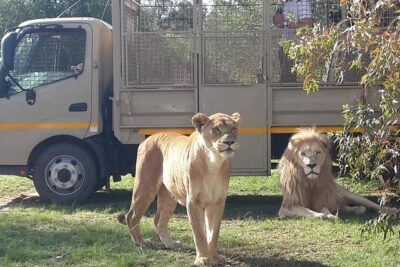
Half Day Lion Park tour from Johannesburg or Pretoria
Read our review →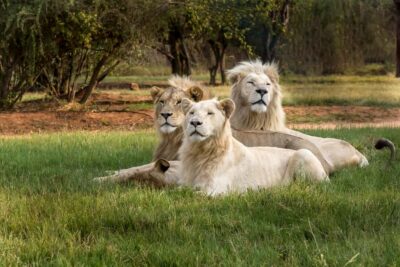
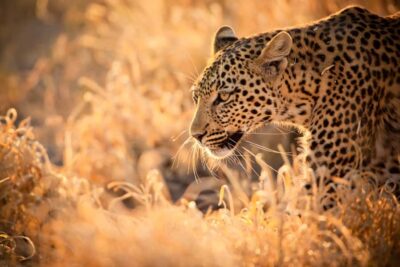
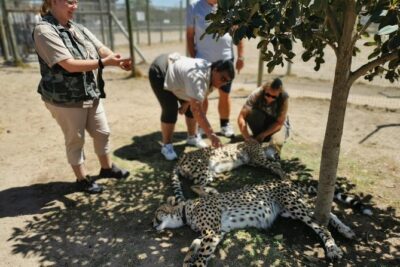
Cheetah Outreach Tour Somerset West, Gordon’s Bay and Strand Beaches
Read our review →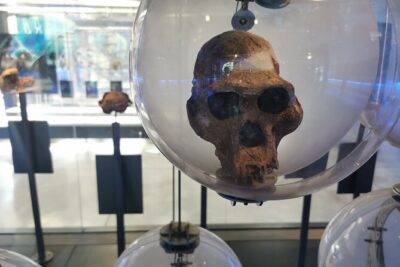
Cradle of Humankind, Caves or Maropeng, Rhino and Lion Park
Read our review →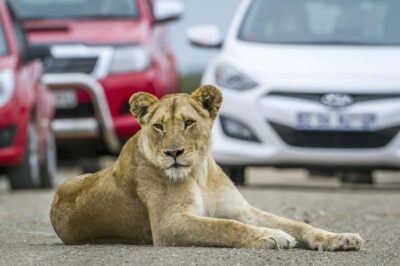
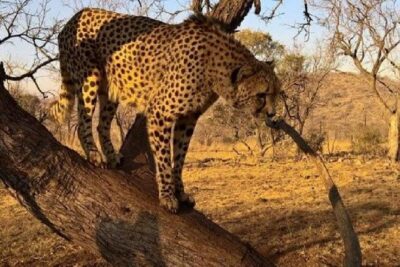
Captivating Safari Lion Park Experience (Half Day Guided Tour)
Read our review →
Browse the lists this tour appears in