
Reviewed · DURBAN TOURS
DURBAN:Highlights cityTour.Historically Cultural experience
Durban’s cultural contrasts come into sharp focus on this compact city tour. You move from the Golden Mile and harbour to Indian spice stalls, a traditional medicine market, Zulu culture, and the quiet paths of the Botanic Gardens. Guide Zamani is often praised for adding warmth, humour, and clear context.
I like the small-group format, which keeps the vehicle personal without the cost of a private tour. I also like the market stops, especially the medicine market, where Durban feels like a lived-in city rather than a string of sightseeing stops. The main consideration is timing: four hours can feel tight, and the golf-cart ride depends on availability.
Key points at a glance
- Durban in sharp contrast: See beachfront hotels, colonial-era public buildings, Indian markets, Zulu traditions, and port activity in one outing.
- Victoria Street Market: Walk among Indian spices, food aromas, and local stalls rather than simply viewing the city through a vehicle window.
- Traditional medicine market: This is the most unusual stop and may be the most memorable part of the tour.
- Guide Zamani: When he leads the outing, expect plenty of history, cultural explanation, humour, and time for questions.
- Botanic Gardens by golf cart: The final 30 minutes offer a calmer finish, but the ride is subject to availability.
- Useful for cruise visitors: Pickup is available in Durban and surrounding areas, though port pickup can require clear coordination.
Durban is not a city you understand by looking at one postcard view. Its appeal lies in the sharp changes from one district to the next. The Indian influence is strong around the markets, Zulu culture shapes the wider region, British colonial buildings mark the civic centre, and the beachfront gives the city a modern holiday face.
This four-hour tour is designed to connect those pieces. You ride in an air-conditioned vehicle with an English-speaking driver-guide, stopping for walks and short visits along the way. The group is described as small and limited to two participants, but the tour is shared rather than private, so it is worth checking the exact group arrangement when booking.
The price is $124 per person. That is not a bargain city bus ride, but the cost includes transport, a professional guide, bottled water, and entry fees. The value depends on what you want from Durban. If you only need a quick drive past major sights, it may feel expensive. If you want a local guide to explain culture, history, markets, and present-day life in one morning or afternoon, the price is easier to justify.
Starting with the Golden Mile and harbour entrance
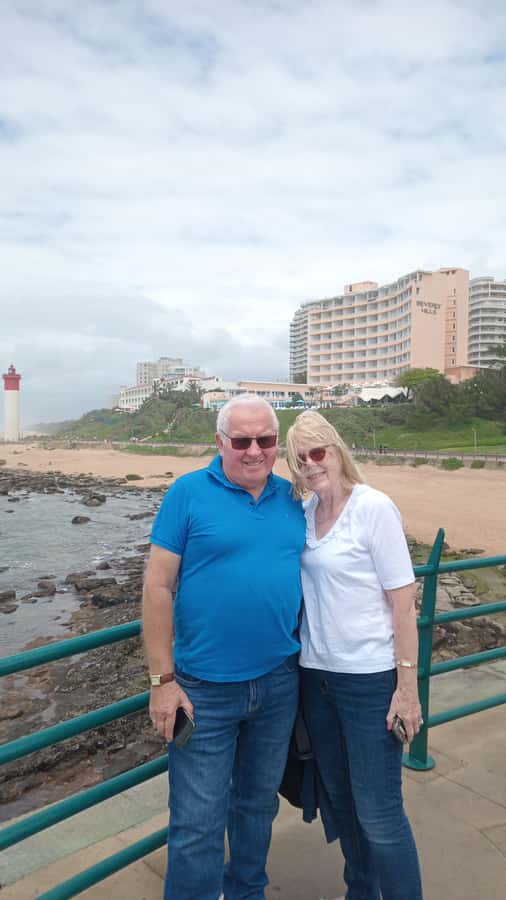
The tour begins with a drive along Durban’s famous beachfront, known as the Golden Mile. This broad coastal stretch gives you a quick sense of the city’s public face, with the Indian Ocean on one side and hotels, apartment buildings, and activity along the shore.
You pass art-deco buildings and uShaka Marine World before continuing toward the Point, near the harbour entrance. The route is useful because it shows how closely Durban’s leisure district and working port sit together. You are not confined to a single historic centre. Durban’s identity is tied to the sea, trade, tourism, and migration.
This part is mainly a driving introduction, not a long beach visit. If you expect free time for swimming or a relaxed walk along the promenade, this is not that kind of excursion. The benefit is context. You see the famous waterfront, then quickly move into the city’s older and more culturally varied areas.
The vehicle matters here. Durban can be hot, and an air-conditioned ride gives you a break between walks. Two bottles of water per person are included, which is practical for a warm day, though you should still dress for sun and walking.
A few more Durban days worth comparing
- Durban: 30-Minute Harbor Boat Cruise
★ 4.7 · 665 reviews - Durban: 1-Hour Boat Cruise from Wilson’s Wharf
★ 4.7 · 496 reviews - Durban Point Waterfront: Luxury Canal Boat Cruise
★ 4.4 · 298 reviews
Victoria Embankment and Durban’s civic landmarks
From the waterfront, the route follows Victoria Embankment and continues through the city. Along the way, the guide points out buildings with historical importance, including the Natal Museum, City Hall, and the Play House Theatre.
These stops are primarily viewed from the vehicle, so do not expect a full museum or theatre visit unless the guide makes a special adjustment. Their value is in showing how Durban’s public institutions developed and how the city’s older architecture fits into its present-day streets.
City Hall is especially useful as a reference point for understanding Durban’s civic centre. The Play House Theatre adds another layer, linking the city to performance and public culture. The Natal Museum points you toward the region’s natural and human past, even if your schedule does not include time inside.
I like this section because it prevents the tour from becoming only a market outing. You get a short architectural and civic overview before the more hands-on parts of the day. Still, the amount of detail depends heavily on your guide and traffic. Ask questions as you go, especially if you want more background on a particular building.
Victoria Street Market and the smell of Indian spices
The Victoria Street Market is the tour’s most obvious sensory stop. It is colourful, crowded with stalls, and filled with the smell of Indian spices. You walk through rather than simply photographing the outside, so you have time to notice the goods, aromas, and daily rhythm of the market.
This is where Durban’s Indian cultural influence becomes especially clear. The market offers a useful reminder that the city’s character comes from several communities and trading traditions. Your guide can help explain what you are seeing, which is valuable when a market has more going on than can be understood at a glance.
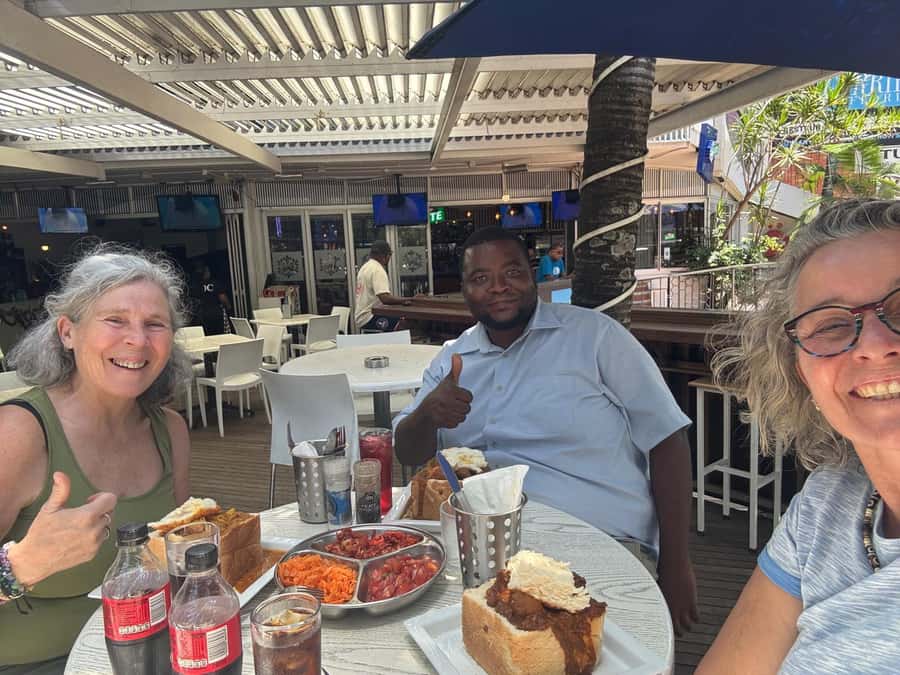
Give yourself permission to slow down here. Look at the spice displays, listen to the sounds around you, and ask about products that are unfamiliar. The tour does not include food, so any purchases or snacks are your responsibility. That is worth remembering if you are hoping for a tasting experience.
The market may not suit anyone who dislikes crowded commercial spaces. It is also not a polished museum setting. That is part of its appeal, but it means you should keep your belongings secure and stay close to the guide. The experience is about seeing a working city market, not receiving a carefully staged cultural presentation.
The traditional medicine market
The traditional medicine market is likely to be the most distinctive stop. This is not a standard sightseeing checkpoint, and it gives the tour a stronger cultural edge than a normal city drive.
You can expect an introduction to traditional remedies and local practices, with the guide providing context. The market may challenge your assumptions about what belongs in a city tour. It is a place to observe respectfully and listen carefully rather than treat everything as a photo opportunity.
One visitor specifically singled out this market as the high point of the outing. I can understand why. Beaches and historic buildings are easy to find in many cities, but a traditional medicine market offers a more direct look at beliefs and customs that continue to matter in the region.
You should approach this stop with an open mind and good manners. Bare feet are not allowed on the activity, and explosive substances are prohibited. The tour is not suitable for children under 33 pounds, or 15 kilograms. No special medical claims are made about anything sold or displayed there, so treat the visit as cultural sightseeing, not medical advice.
A different side of Durban altogether:
- Durban: Pontoon Boat Harbor Cruise
★ 4.4 · 182 reviews - Durban: Gondola Ride
★ 4.8 · 159 reviews - From Durban: Half-Day Safari Tour
★ 4.1 · 141 reviews - Luxury Canal Boat Cruise – Fun Things Durban Ushaka
★ 4.5 · 125 reviews
Learning about Zulu culture with a local guide
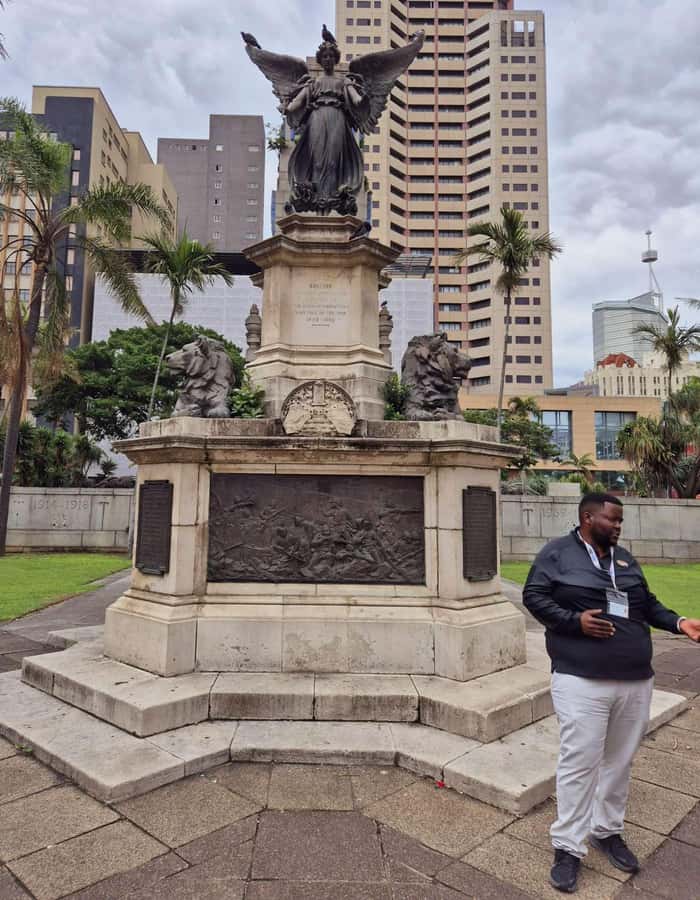
The guide is central to the quality of this experience. Zamani is named in several bookings and is praised for being friendly, funny, patient, and willing to answer questions. He has explained Durban’s history, current challenges, Zulu culture, and the lives of people in the region.
That mix matters. A city tour can easily become a list of dates and buildings. A good guide connects those facts to the people who live there now. You should come prepared to ask about the cultural differences you notice, the history behind the markets, and how Durban has changed.
The small format helps. With a group limited to two participants, you have a better chance of asking questions than on a large coach tour. At the same time, the experience is not private by description, so do not assume you can set every stop or change the route at will.
The guide may also extend the tour if the day allows. Several outings ran longer than the planned four hours, with one lasting about five and a half hours and another around five hours. That flexibility can be welcome, but it can create problems if you have a ship departure, dinner reservation, or strict hotel schedule. Tell the guide your required return time at the start.
A 30-minute golf-cart ride in the Botanic Gardens
The tour ends at the Botanic Gardens, where a 30-minute golf-cart tour is planned before the return to your hotel. This gives the day a quieter finish after the noise and movement of the markets.
A golf cart is useful because it lets you cover more of the gardens without turning the final stop into another long walk. It also makes the visit accessible to people who may be tired after several city stops. The ride is subject to availability on the day, so it should be treated as a possible feature rather than a guarantee.
The gardens are a good counterpoint to the market visits. You have spent the day hearing about trade, culture, public life, and city pressures. The final stop offers open space and a slower pace. If the golf cart is unavailable, you may still visit the gardens, but the exact format is not promised by the activity details.
Because the garden visit comes at the end, ask early how much time is available. A four-hour schedule has several moving parts, including the beachfront drive, civic landmarks, two markets, and the garden ride. Traffic or a delayed pickup can reduce time at the final stop.
How much value do you get for $124?
At $124 per person, the tour is priced above a basic sightseeing transfer. You are paying for a guide who can explain what you see, an air-conditioned vehicle, pickup, entry fees, and a route that combines several different sides of Durban.
The strongest value comes from the cultural interpretation. If you have already arranged transport and only want to see the Golden Mile, you could find this too costly. But if you are visiting Durban for a short time, especially from a cruise ship, one guided outing can cover ground that would be difficult to connect on your own.
The price also becomes more reasonable if Zamani or another guide gives you extra time and answers detailed questions. Several outings ran beyond four hours, although you should not count on an extension. The tour price does not include food, tips, gratuities, or personal purchases, so allow extra money for the market if you intend to buy anything.
Bottled water is included, with two bottles per person. Transport and entry fees are also covered, which makes the cost easier to predict. The main unknown is not an extra charge, but the exact amount of time spent at each stop.
Timing, pickup, and cruise ship planning
Pickup is available in Durban and surrounding areas. If you are arriving by cruise ship, give the operator clear information about your ship, arrival time, and the place where you expect to meet the guide.
Port pickup has worked, but it may require patience. Disembarkation and immigration can take much longer than expected. On one outing, the guide waited almost an hour because leaving the ship and completing entry formalities took so long. The tour still went ahead and was extended, but that kind of delay can affect the rest of your day.
A port pickup point can also be less obvious than a hotel entrance. Confirm the meeting instructions before departure, and do not leave the ship without knowing exactly where to go. If you have a firm all-aboard time, communicate it clearly. A tour that runs to five hours may be enjoyable, but it is not useful if it creates a rush back to the ship.
Free cancellation is available up to 24 hours before the activity for a full refund. You can also reserve now and pay later, which helps if your Durban plans depend on a changing cruise or hotel schedule.
Who will enjoy this Durban experience?
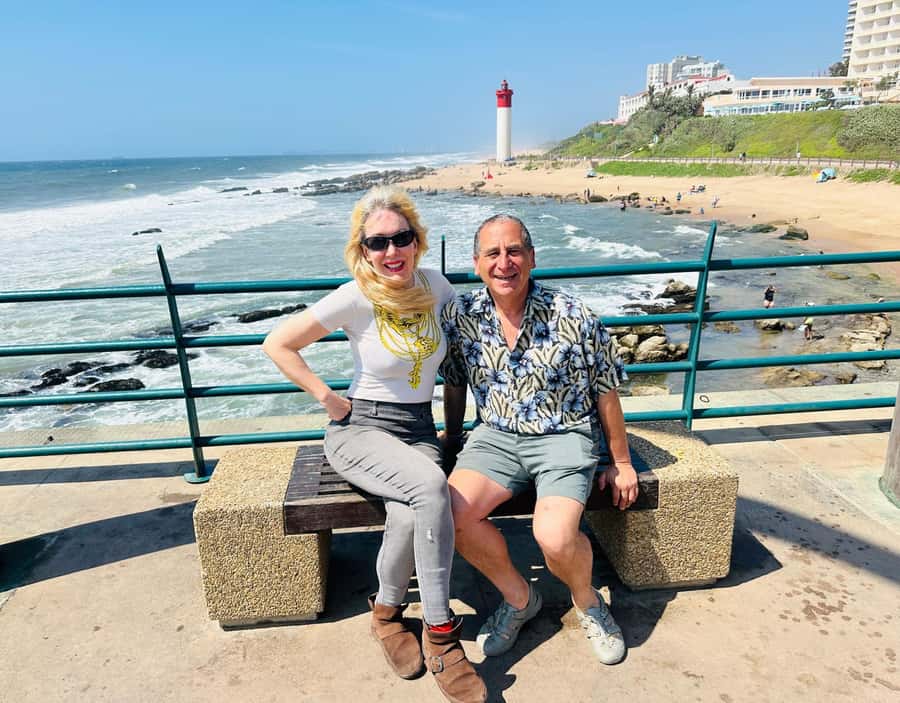
I would recommend this tour to you if you want more than a drive past landmarks. It suits first-time visitors who want a broad introduction, cruise passengers with limited time, and anyone curious about the connections between Durban’s Indian, Zulu, colonial, and modern identities.
It is also a good fit if you prefer a guide-led day. The markets are easier to understand with someone who can explain their role and answer questions. The air-conditioned vehicle helps on a hot day, while the short walks keep the outing varied.
You may want another option if you need a fully private itinerary, guaranteed garden transport, or long visits inside museums and historic buildings. The tour is shared, the golf-cart ride depends on availability, and much of the civic sightseeing takes place from the vehicle.
Families should note the minimum weight restriction. Children under 15 kilograms are not suitable for the activity. Food is not included, so plan around the four-hour schedule if anyone in your group needs a meal rather than a quick market purchase.
What to bring and how to prepare
Wear comfortable shoes and clothing suited to warm weather. Bare feet are not allowed, and the market walks call for practical footwear rather than beach sandals that are difficult to walk in.
Keep your schedule flexible, but set a firm return limit if you have a ship or another appointment. The guide may be generous with time, and that is one of the pleasures of a small outing, but it can also lead to a late finish.
Bring a little money for food or personal purchases. The tour includes water and entry fees, but not meals, gratuities, or personal items. An open attitude is just as useful as a camera here, particularly at the traditional medicine market.
Should you book it?
Book this tour if you want Durban explained through its people, markets, and cultural contrasts, not just its waterfront. The Victoria Street Market and traditional medicine market give it a more local feel, while the Golden Mile, civic buildings, and Botanic Gardens provide a well-rounded route.
I would be cautious if your day depends on exact timing or if you want a completely private tour. Confirm the shared-group arrangement, port pickup instructions, and golf-cart availability before paying. For a short visit, though, the combination of Zamani’s engaging guiding style, air-conditioned transport, and varied stops makes this a strong way to get your bearings in Durban.
FAQ
How long does the Durban city tour last?
The planned duration is four hours. The day may run longer if the guide has time, but you should not rely on an extension if you have a ship departure or another appointment.
Is this a private tour?
No. It is a shared tour, not a private excursion. The group is described as small and limited to two participants.
What language is the tour conducted in?
The live tour guide speaks English.
Is hotel pickup included?
Yes. Pickup is available in Durban and surrounding areas.
Can cruise ship passengers join the tour?
Yes. Pickup in Durban includes port arrangements, but ship disembarkation and immigration can cause delays. Confirm the meeting point and tell the guide your required return time.
What does the tour include?
The price includes transport in an air-conditioned vehicle, a professional driver-guide, two bottles of water per person, and entry fees.
Is food included?
No. Food is not included, and personal purchases, tips, and gratuities are also separate.
Is the Botanic Gardens golf-cart ride guaranteed?
No. The 30-minute golf-cart tour is subject to availability on the day.
Just listed around Durban
- Zulu Cultural Experience: Zulu Village + Tribal Markets + Traditional Zulu Food★ 5.0 · 5 reviews
- Durban Shore Excursion: Valley of 1000 Hills and PheZulu Tour★ 5.0 · 5 reviews
- From Durban: Wildlife Lovers Big 5 Safari at 2 Game Reserves★ 5.0 · 5 reviews
- Sani Pass and Lesotho Full Day 4 x 4 Tour From Durban★ 4.5 · 5 reviews
- Full Day Isimangaliso Wetlands Park -Croc & Hippo &Game Fr Durban★ 4.5 · 6 reviews
- Sani Pass 4 x 4 Tour and Lesotho Full Day Tour From Durban★ 5.0 · 6 reviews
- Hluhluwe Safari & Emdoneni Wild Cat Project Day Tour from Durban★ 5.0 · 6 reviews
- Drakensberg Kamberg Cave Art & Mandela Capture Site Day Tour★ 4.1 · 6 reviews
Durban Tours, compared.
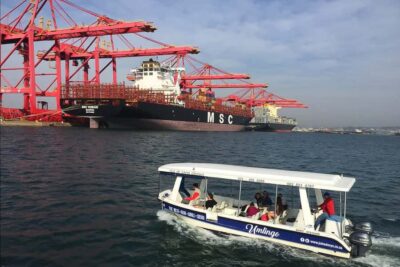
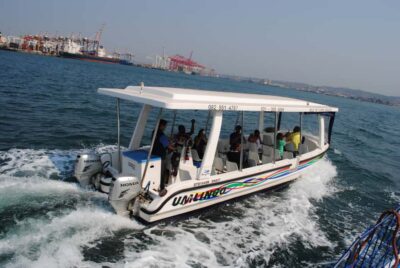

Durban Point Waterfront: Luxury Canal Boat Cruise
Read our review →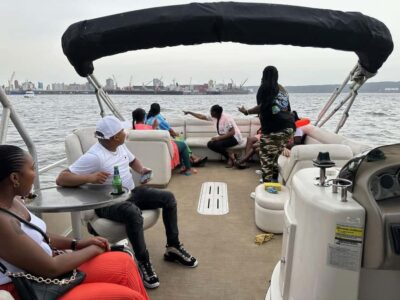


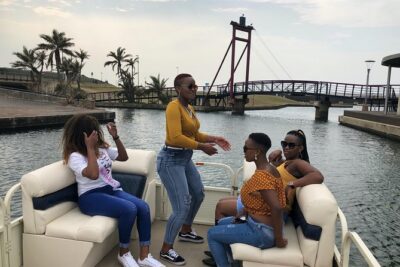
Luxury Canal Boat Cruise – Fun Things Durban Ushaka
Read our review →
Browse the lists this tour appears in