Reviewed · CAPE TOWN TOURS
Cape Town: The Diamond Works Institute Sparkling Tour
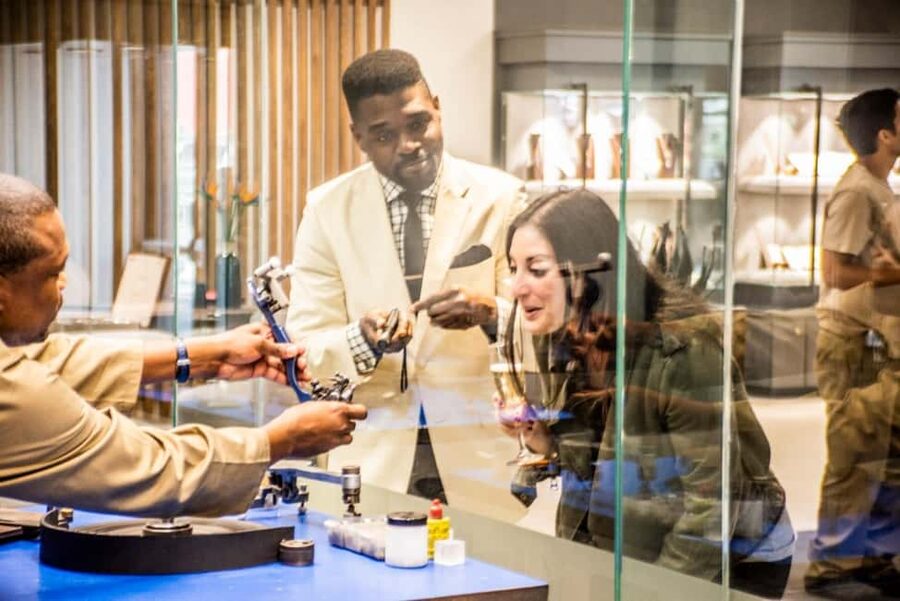
The most unusual part of this Cape Town outing is the mix of working jewelry craft and playful technology. You can watch a rough diamond take shape, see Tanzanite being polished, step onto a red carpet beside an augmented-reality Taylor Burton neckpiece, and return to Kimberley in 1872 through VR.
I like the clear look at cutting and polishing, which turns an expensive finished stone into a skilled human process. I also like the free welcome drink and 3D jewelry design, since you get more than a sales-room walk-through.
The main consideration is that this is held at a jewelry institute, so buying may be part of the atmosphere. The tour is free, but food and parking are not included, and the attraction is best for anyone curious about jewelry, mining, history, or design.
Key points at a glance
- See a rough diamond become a finished stone: Watch the cutting and polishing process and learn why each cut matters.
- Visit a working Tanzanite polishing studio: This public boutique offers a close look at a rare African stone.
- Use 3D CAD to design jewelry: Create a wax replica of your idea before a goldsmith turns it into a piece within 24 hours.
- Try the Taylor Burton Diamond experience: Augmented reality lets you wear a version of the famous neckpiece on a red carpet.
- Travel to Kimberley in 1872: VR recreates the old diamond diggings and lets you mine a diamond in the simulation.
- Pay nothing for the tour: Sparkling wine or juice is included, while food and parking cost extra.
From rough stone to Cape Town showroom
The tour begins at The Diamond Works Institute, next door to the Rockefeller Hotel. Look for the artwork on the outside wall. That landmark matters because the meeting point is not described as a large transport terminal or a separate visitor center. You’ll want to arrive with enough time to find the building rather than rushing in at the last minute.
A glass of sparkling wine or juice starts the visit. It is a small touch, but it gives the outing a social, polished feel without adding to the price. If you do not drink alcohol, juice is available.
The first part explains how diamonds were discovered in South Africa and how the trade shaped the country’s economy. This is useful context before you see the craft itself. A diamond can look simple in a display case, but its path from mine to showcase involves mining, grading, cutting, polishing, design, and metalwork.
I find this order sensible. You first learn why diamonds matter, then see how a rough stone is worked, and finally look at the jewelry made from it. The presentation connects the raw material with the finished object instead of treating the stone as a luxury item with no story behind it.
A few more Cape Town days worth comparing
- Wine Tour: Paarl, Franschhoek & Stellenbosch incl 3 wineries
★ 5.0 · 3,940 reviews - Cape Town: Hop-On Hop-Off Bus Tour with Optional Cruise
★ 4.8 · 3,929 reviews - Cape Town: Cape of Good Hope & Penguins Day Tour with Pickup
★ 4.7 · 3,362 reviews
Watching the cutting and polishing process
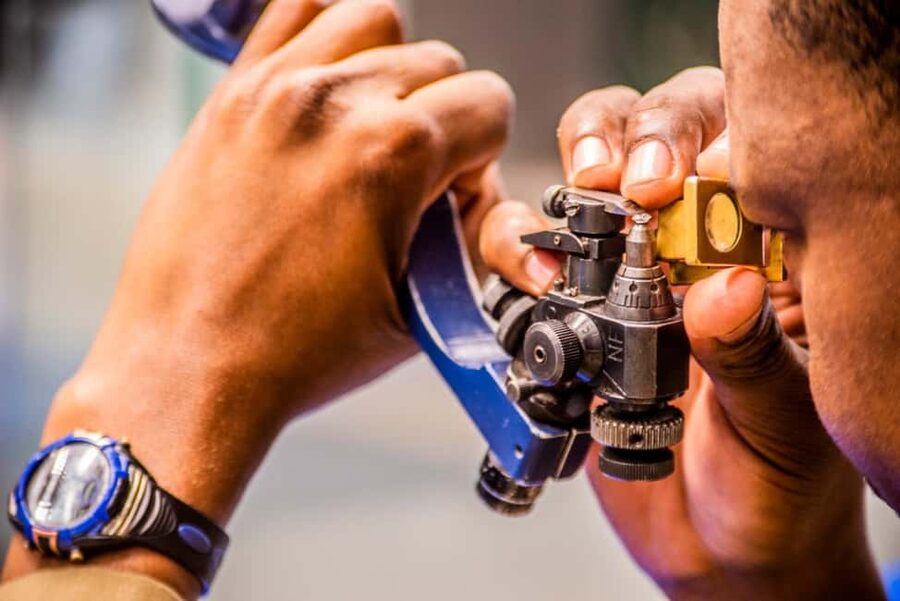
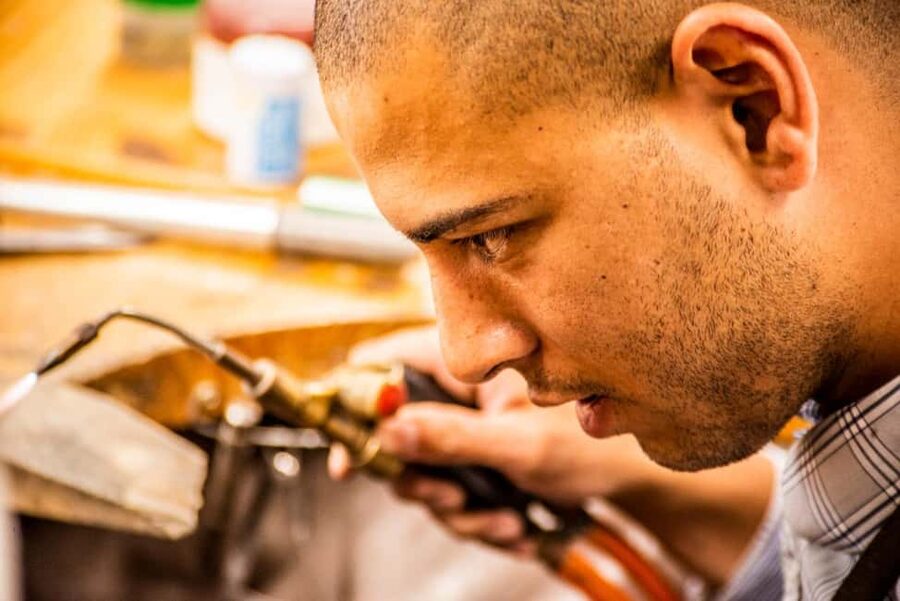
The cutting station is likely to be the most important stop for anyone who wants to understand diamonds rather than simply admire them. You’ll see how a rough diamond is carved and polished to reveal its shine.
That process requires restraint as much as skill. Removing too much material can damage the final stone, while leaving the wrong shape can reduce its brilliance. The tour helps you understand why two stones of similar size may have very different value.
This part also gives the visit its strongest educational purpose. One visitor specifically praised the explanation of diamond cutting and the information about diamonds. That matches what you can expect here: a practical account of how the stone changes, not just a display of finished jewelry.
The exact length of each demonstration is not provided, so do not build a tightly timed day around a particular finish time. Think of this as a compact attraction you can fit around other Cape Town plans.
Tanzanite, a rare stone with an African identity

The Tanzanite polishing boutique adds a different angle. Tanzanite is described as 1,000 times rarer than diamonds and as the Essence of Africa. The claim is part of the institute’s presentation, but the larger point is easy to understand: this is a stone with a strong connection to East Africa and a very different character from a traditional diamond.
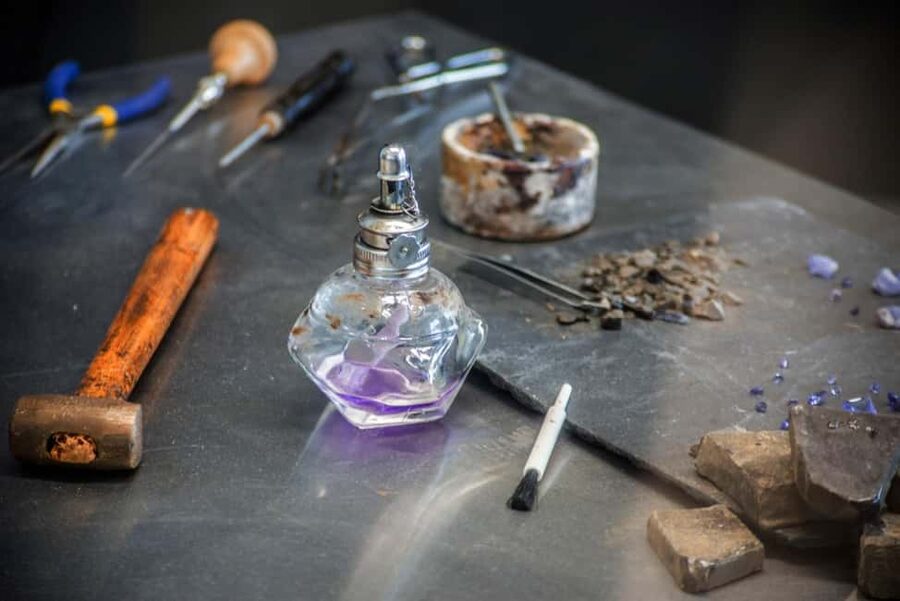
You’ll see Tanzanite being transformed in a polishing studio that is open to the public. The institute describes it as the only operating Tanzanite polishing studio of its kind in the Southern Hemisphere open to visitors. That makes this more than a static cabinet of stones. You get to see the workbench side of the trade.
The polishing stop should appeal to you if you enjoy seeing how an object is made. It may also be the most distinctive part of the tour for repeat Cape Town visitors, since many jewelry displays look similar from one shop to another. Here, the appeal is the process and the stone’s connection to Africa.
Keep your expectations sensible. The information does not promise that every stage of polishing will be shown in detail or that you will handle Tanzanite yourself. You’ll be observing the studio and learning how the stone is prepared.
Designing your own jewelry in 3D
The 3D jewelry section gives you a chance to move from spectator to designer. Using CAD technology, you can create a bespoke piece and print a wax replica of the design.
That wax model is an important part of the process. It lets you see the shape before precious metal is used. For you, this can make an abstract computer design feel more real. You can assess the outline and proportions before a finished piece is made.
The institute says its master goldsmiths can turn the design into an original piece within 24 hours. That is a strikingly fast option, though the tour information does not state the cost of the jewelry, the exact metals available, or whether every design can be completed under the same conditions. Treat the 24-hour figure as the stated production time for this service, not as a promise about every custom order.
This section is especially suited to couples, families, and anyone who wants a personal souvenir rather than another small gift from a shop. It also helps explain why jewelry prices include more than the stone. Design work, casting, setting, polishing, and goldsmith skill all play a part.
Because the tour is free, this is also the point where you should be clear with yourself about your budget. You can appreciate the design process without ordering a piece. If you are interested in buying, ask about the full price and production details before committing.
A different side of Cape Town altogether:
- Zipline Cape Town – From Foot of Table Mountain Reserve
★ 5.0 · 3,179 reviews - Cape Town: Table Mountain Cable Car, Hop-On Hop-Off Bus Tour
★ 4.6 · 3,157 reviews - Cape Point and Boulder’s Penguins Full Day Tour
★ 5.0 · 3,118 reviews - From Cape Town: Cape Point & Boulders Beach Full-Day Tour
★ 4.8 · 3,032 reviews
Meeting the in-house goldsmiths
The goldsmith manufacturing section focuses on the institute’s in-house, third-generation goldsmiths. You’ll see how African precious metals are shaped into finished jewelry and learn about the techniques behind the work.
The family connection adds a human scale to the visit. Instead of presenting jewelry as a nameless luxury product, the tour links it to a craft passed through generations. That is valuable if you want to understand the labor behind a necklace, ring, or bracelet.
This stop also pairs well with the earlier cutting demonstration. A diamond is not the whole piece. It must be set into metal, balanced with the design, and finished so it can be worn. The goldsmith section shows the second half of that chain.
The tone may feel partly educational and partly commercial, since the institute makes jewelry and offers custom design. I would not treat that as a flaw, but I would keep it in mind. You are visiting a working jewelry business, not a museum with no sales connection.
The Taylor Burton Diamond on the red carpet
The Taylor Burton Diamond section uses augmented reality. You can step onto a red carpet and appear to wear the famous Taylor Burton diamond neckpiece.
This is a fun change of pace after the technical demonstrations. The tour does not put the actual historic diamond around your neck. Instead, augmented reality creates the picture and the sense of occasion. That distinction matters if you are expecting a display of the original piece.
The red-carpet setup is likely to be popular with families and anyone who enjoys taking photographs. It also gives the tour a little Hollywood sparkle without requiring a celebrity collection or a high admission fee.
I like the way this feature breaks up the craft explanations. A full visit made only of technical details could feel dry. The Taylor Burton moment gives you an easy visual memory of the tour, while still keeping the focus on jewelry and famous stones.
Returning to Kimberley in 1872 through VR
The final major element takes you back to the Kimberley diamond diggings of 1872. Through VR, you can see the early mining setting and learn about the people who influenced South Africa’s economy during that period.
You also get to mine your own diamond in the simulation. This is not a real mining activity, but it helps show how these stones were unearthed in the early days of the diamond rush.
The Kimberley setting gives the earlier history lesson a place and a date. You are not just hearing that diamonds changed South Africa. You are placed in an important moment connected to the old diggings and the workers who made the industry possible.
VR is a good fit here because historical mining sites can be hard to picture from words alone. The technology gives you a simple sense of scale and action. Still, the headset experience is an interpretation, not a substitute for visiting Kimberley itself. If you are planning a longer South African itinerary, think of this as an introduction to the story.
Value at a zero-dollar ticket price
The listed price is $0 per person. That makes the Diamond Works Institute unusually easy to add to a Cape Town day, especially if you are watching your spending.
The value comes from the variety. You receive a welcome drink, a history presentation, a cutting and polishing explanation, a look at goldsmith work, access to a Tanzanite studio, a 3D design feature, augmented reality, and VR. Few free attractions offer such a broad mix of demonstrations and technology.
The price does not cover food or parking. The meeting point is next to the Rockefeller Hotel, and the activity ends back there, so you should arrange your own way to and from the institute. No transport service is included in the information provided.
A free tour can still take time away from another plan, so I would book it because the subject interests you, not simply because it costs nothing. The high rating of 4.9 from eight published ratings suggests a strong early response, but the small number means you should make your decision based on the format and your own interests.
One useful practical detail comes from the experience of a visitor who had been pickpocketed shortly before arriving. Staff offered an Uber. That does not make the institute a transport provider, and parking remains separate, but it suggests the team may be willing to help when a visitor has a problem.
Languages, flexibility, and cancellation
The tour is offered in Afrikaans, Turkish, French, German, and English. That language range is helpful if you are visiting with a mixed-language group or prefer not to rely on English for every explanation.
You can reserve a place and pay later, which keeps your plans flexible. Cancellation is allowed up to 24 hours in advance for a full refund. Since the price is listed as zero, the pay-later option may be most useful as a way to hold your place without an immediate charge.
Bad weather is worth considering. One person could not attend because of poor weather, so check conditions before you set out and use the cancellation terms if your plans change. The tour takes place indoors, but the information does not say how severe weather affects access or whether the attraction closes.
Who will enjoy this Cape Town tour?
I would recommend it to you if you have any of these interests:
- Diamond cutting and jewelry making
- South African mining history
- Tanzanite and African precious metals
- Digital design and custom jewelry
- Short, family-friendly educational activities
- Free or low-cost Cape Town attractions
- Photography and augmented-reality experiences
It is also a good choice if you want something different from a standard city sightseeing route. The visit connects history, science, craft, luxury, and technology in one stop.
You may want to skip it if you dislike commercial jewelry settings or only want a formal museum collection. The tour includes manufacturing and custom design, so its purpose is partly to show how the institute works and what it can make.
Should you book The Diamond Works Institute Sparkling Tour?
Book it if you want a free indoor stop with real craft demonstrations and a few memorable extras. The cutting and polishing process and the Tanzanite studio are the strongest reasons to go, while the Taylor Burton photo and Kimberley VR add fun without changing the price.
I would set aside enough time to listen to the explanations, and I would arrive ready to ask questions about any jewelry purchase rather than feeling obliged to buy. With no food or parking included, plan those costs separately.
For a free Cape Town activity beside the Rockefeller Hotel, this offers unusually good variety. It is not a substitute for a major mining museum or a visit to Kimberley, but it gives you a useful, entertaining introduction to South Africa’s diamond and jewelry trade.
FAQ
Where does The Diamond Works Institute Sparkling Tour begin?
The tour begins at The Diamond Works next door to the Rockefeller Hotel in Cape Town. Look for the artwork on the outside wall.
Where does the tour end?
The activity ends back at the meeting point at The Diamond Works Institute.
How much does the tour cost?
The listed price is $0 per person.
Is a drink included?
Yes. The tour includes sparkling wine or juice at the start.
Is food included?
No. Food is not included.
Is parking included?
No. Parking is not included.
Which languages are available?
The tour is available in Afrikaans, Turkish, French, German, and English.
Can I design my own jewelry?
Yes. The 3D design service lets you create a bespoke jewelry design using CAD technology and print a wax replica. The stated production time for turning the design into jewelry is within 24 hours.
Will I see Tanzanite being polished?
Yes. The tour includes the Tanzanite polishing boutique, described as an operating studio open to the public.
Can I cancel the booking?
Yes. You can cancel up to 24 hours in advance for a full refund. You can also reserve and pay later.
Just listed around Cape Town
- Cape Town: Inspiring sustainable change through Street Art★ 4.9 · 5 reviews
- Cape Town Tandem Paragliding Square 1 Paragliding★ 5.0 · 5 reviews
- SandBoarding in Capetown + PhotoShoot★ 4.0 · 5 reviews
- Cape Town: Full-Day Private Peninsula Tour★ 3.6 · 5 reviews
- Private FULL DAY Tour: Cape of Good Hope & Boulders Beach★ 5.0 · 5 reviews
- Cape Town Full Day Family Fun With Kids Private Tour★ 4.0 · 5 reviews
- Private Tour to Aquila Game Reserve in Cape Town – see the Big5★ 5.0 · 5 reviews
- Peninsula Tour Cape Town★ 5.0 · 5 reviews
Cape Town Tours, compared.

Wine Tour: Paarl, Franschhoek & Stellenbosch incl 3 wineries
Read our review →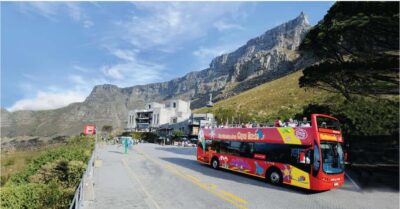

Cape of Good Hope & Penguins Day Tour with Pickup
Read our review →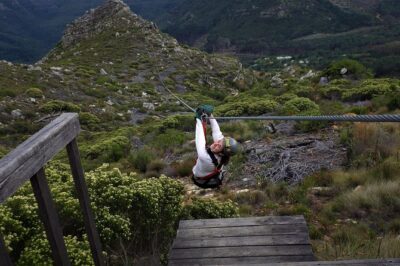
Zipline Cape Town – From Foot of Table Mountain Reserve
Read our review →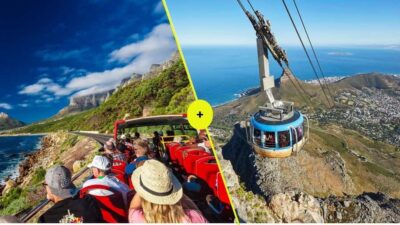
Table Mountain Cable Car, Hop-On Hop-Off Bus Tour
Read our review →
Cape Point and Boulder’s Penguins Full Day Tour
Read our review →