
Reviewed · GARDEN ROUTE TOURS
Plettenberg Bay: Wild Cat and Wildlife Guided Tour
The real draw here is the chance to see South Africa’s wild cats at close range without pretending that a rehabilitation centre is a safari park. You follow a guide through the different cat habitats, watching from a walkway while learning why these animals cannot return to the wild.
I like two things in particular: the guides make the animals’ individual stories part of the experience, and your admission supports Tenikwa’s rehabilitation work. Guides such as Wazi, Davidson, Bongiwe, and Daniel have been praised for their care and patience. The main drawback is the short one-hour format, which can feel brisk if you want time for photographs and questions.
Key points to know before you go
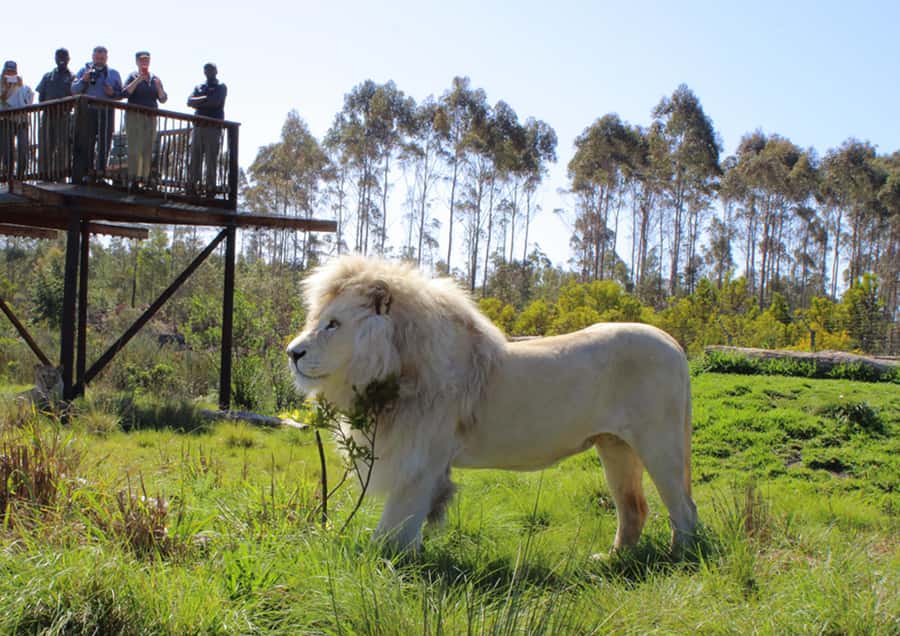
- See several indigenous cat species: Lions, leopards, cheetahs, servals, caracals, and African wildcats are part of the tour.
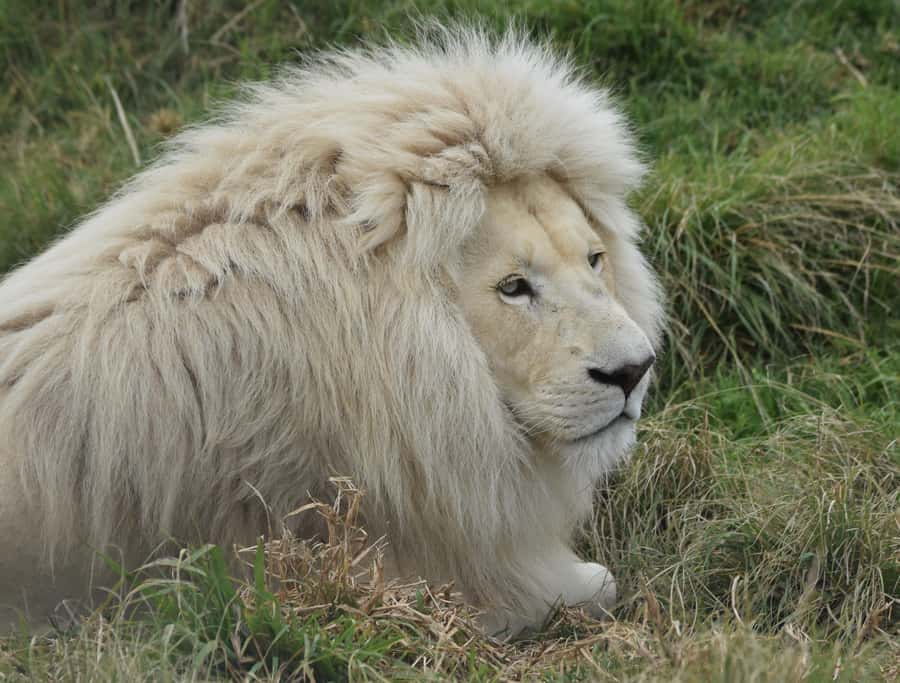
- Look for the white lion: This is one of the most memorable photo opportunities at Tenikwa.
- Stay behind the walkway boundary: You can get close, but touching and feeding the animals are not allowed.
- Expect a strong conservation message: The centre cares for rescued animals that cannot survive independently in the wild.
- Budget about $27 per person: That is a fair price for a guided wildlife visit, especially if you value the centre’s rehabilitation work.
- Wear comfortable shoes: The experience is a walking tour, and selfie sticks are not permitted.
Meeting rescued wild cats at Tenikwa
Tenikwa Wildlife Rehabilitation & Awareness Centre is in the Plettenberg Bay area of South Africa’s Western Cape. You reach it by taking the N2 turnoff marked Tenikwa, Monkeyland, and Elephant Sanctuary.
Once you reach Animal Alley, keep left at the Tenikwa sign and drive past Kurland Village. At the fork, keep right for the Tenikwa entrance, then check in at reception. The directions are clear enough, but pay attention at the fork because several nearby wildlife attractions share the approach road.
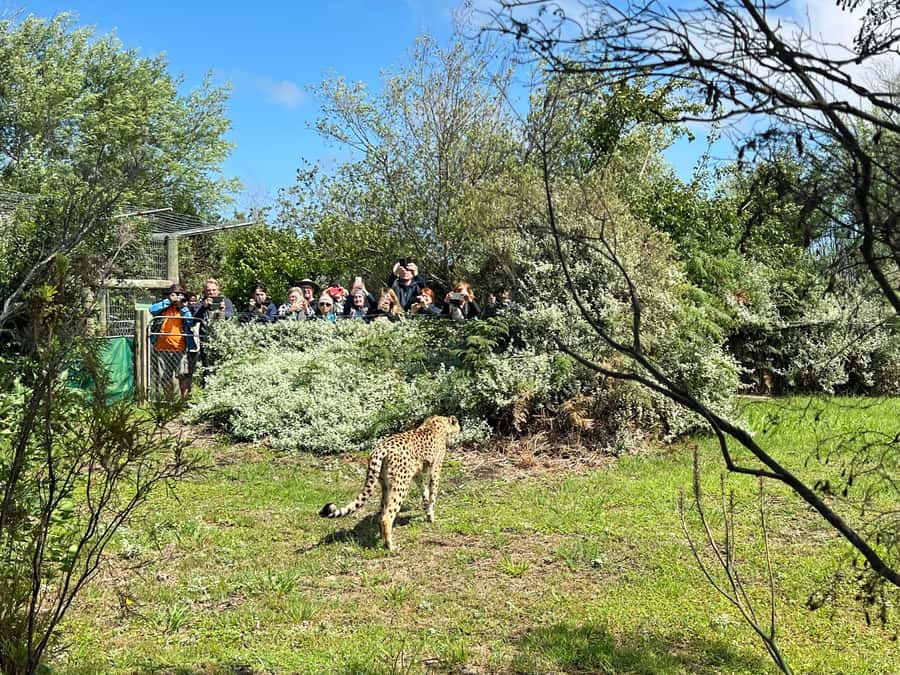
This is not a drive-through safari. You leave the vehicle and walk with a guide through the centre’s different areas. That changes the feel of the visit. Instead of scanning a large open reserve for a distant animal, you learn about particular cats and view them from a set walkway designed to keep people at a safe distance.
The close view is useful for seeing details that are easy to miss on safari, such as a cat’s size, markings, posture, and movement. It also comes with a clear limit: you do not touch or feed the animals. That rule protects both you and the cats, and it keeps the focus on responsible care rather than staged interaction.
More Wildlife Tours in Garden Route:
- Jukani Wildlife Sanctuary Admission with Guided Tour
★ 4.5 · 50 reviews - Guided Wildlife Tour and Forest Walk with Lunch Platter
★ 4.6 · 40 reviews - The Private Wildlife Tour
★ 4.5 · 12 reviews
The five-minute safety briefing
The formal visit begins with a safety briefing of about five minutes. This is short, but it matters because you are walking near large and powerful animals.
You will be told how to behave around the enclosures and viewing areas. Comfortable shoes are the only listed item you need to bring, although they are especially sensible for a walking tour. Selfie sticks are not allowed, so pack a normal camera or use your phone without an extended pole.
The centre allows close proximity, but the experience is still controlled. I appreciate that distinction. A wildlife centre should help you see animals clearly without turning them into props for physical contact.
One hour among lions, leopards, and cheetahs
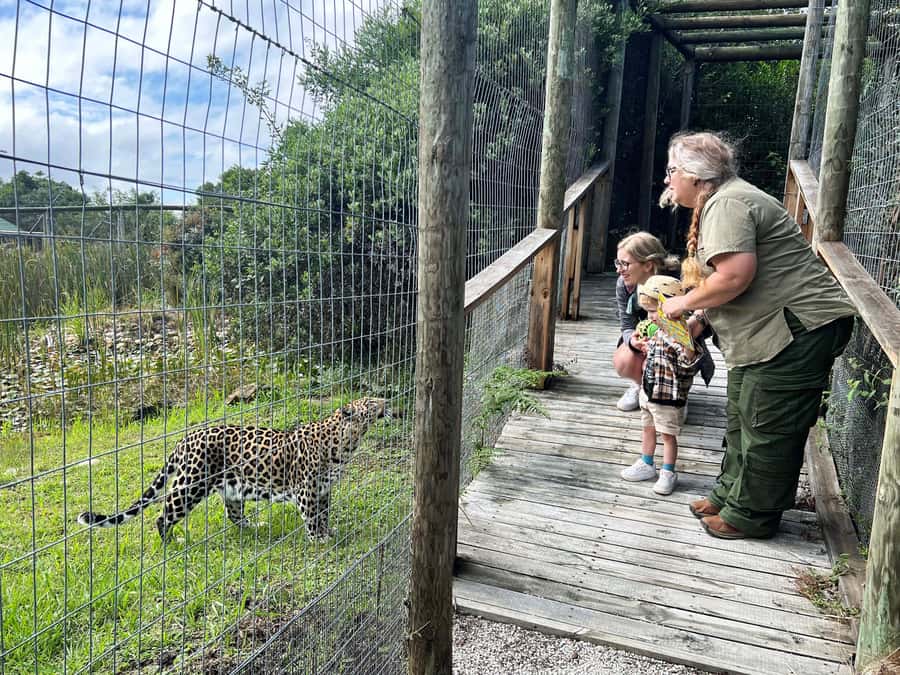
The main tour lasts one hour and is led in English. Your guide takes you through the habitats of the different cats, explaining the traits and needs of each species as you move along.
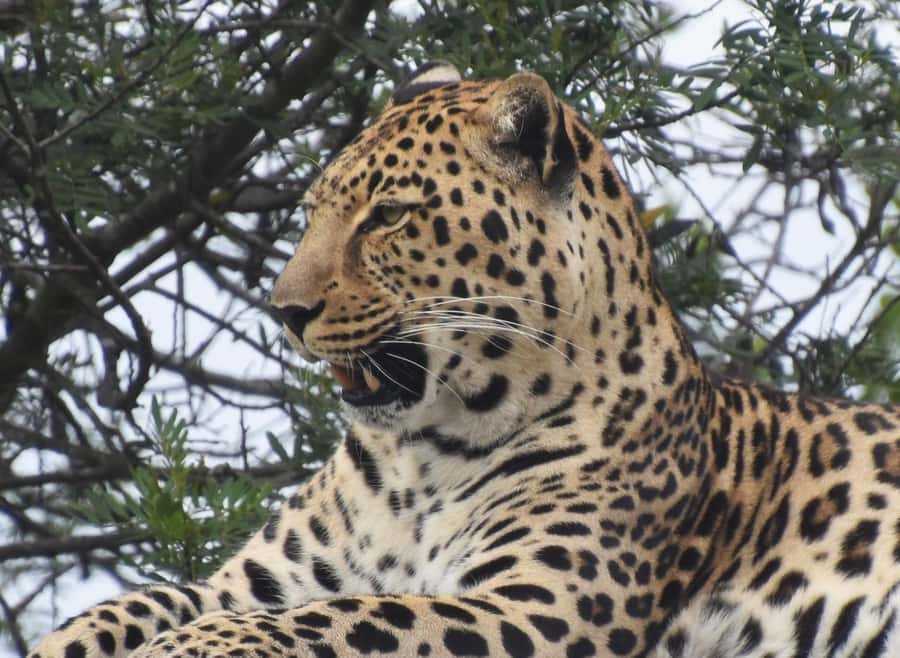
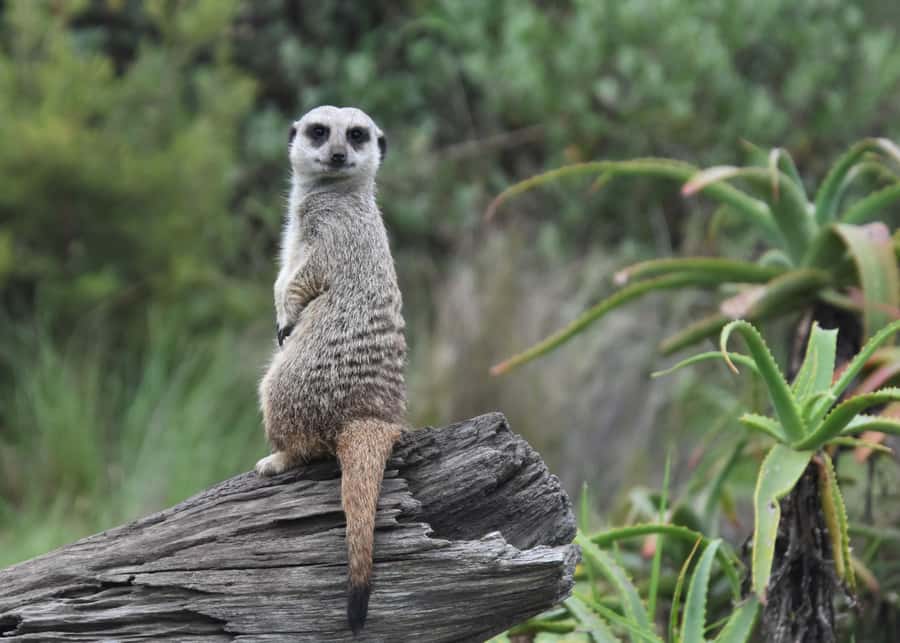
The advertised collection includes lions, leopards, cheetahs, servals, caracals, and African wildcats. You may also see other wildlife, including meerkats, marabou storks, and the Blue Crane, South Africa’s national bird.
The cats are the reason to book, but the range of species gives the walk more variety than a single-animal encounter. A lion offers scale and drama. A cheetah brings a different kind of interest, with its distinctive shape and reputation for speed. Servals and caracals are smaller, less familiar cats, and the chance to compare them makes the educational side of the tour worthwhile.
You should also allow for animals to behave like animals. The guide may need to look for a cat or wait for a better view. One particularly positive feature of the tour is that the guide’s job is not just to point at whatever is easiest to spot. Guides have been praised for taking time to find the animals and explain their backgrounds.
The white lion is a special highlight. It is worth having your camera ready, but do not make the visit only about getting one perfect photograph. The centre’s purpose is rehabilitation and awareness, and the guide’s explanation of that work gives the white lion context beyond its unusual appearance.
Why the guides make the difference
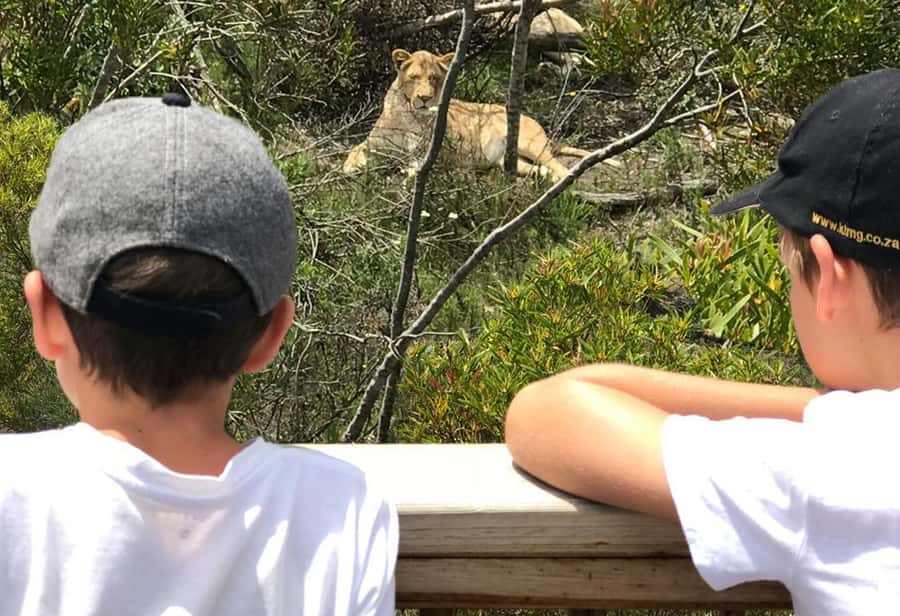
The guide is the heart of this experience. A one-hour walk can be little more than a series of enclosures if the commentary is thin. At Tenikwa, the strongest part of the visit is the personal and conservation-focused explanation.
Guide names that have received specific praise include Wazi, Davidson, Bongiwe, and Daniel. One guide has worked at the centre for 12 years, which helps explain the depth of animal knowledge available on some departures. That experience can make a difference when you ask about an animal’s background, behaviour, or place within the centre.
Davidson has been praised for being patient and making a real effort to help visitors see the cats. Bongiwe has been singled out for her warm, engaging manner, while Daniel has been described as both informative and deeply concerned about the animals. The strongest common thread is not showmanship. It is care.
You might also receive more time than the scheduled hour if the guide can extend the walk. One visit ran about 20 minutes longer, and another group received an upgrade. You should not count on that, but it suggests that the pace can sometimes respond to the group’s questions and interest.
The guide also helps children get more from the experience. Families should find the animals visually engaging, while the stories and explanations give children something to remember after the photographs are taken.
A few more Garden Route days worth comparing
- Plettenberg Bay: Swim with Seals
★ 4.7 · 887 reviews - Addo Elephant National Park All Inclusive Full-Day Safari
★ 4.8 · 872 reviews - Knysna Ziplines Tour
★ 5.0 · 688 reviews - Little Brak River: Botlierskop Guided Game Drive
★ 4.7 · 589 reviews
Rehabilitation, not petting or feeding
Tenikwa’s conservation message is not a side note. The animals have been rescued from different situations, and the centre cares for those that cannot safely look after themselves in the wild.
That point is important when you decide what kind of wildlife experience you want. This is not a place where the aim is to create a close encounter through touching, feeding, or forced animal behaviour. You see the cats within a managed setting and learn why rehabilitation is needed.
The visit can also change how you think about wildlife attractions. Several people have found the centre’s work especially meaningful because it puts animal welfare ahead of entertainment. That is a strong reason to choose Tenikwa over an experience built mainly around novelty.
At the same time, you should keep your expectations clear. A rehabilitation centre is not the same as seeing a leopard in a national park or watching a pride of lions hunt. You are seeing animals in human care, with the educational purpose and restrictions that come with that setting.
Photography from the walkway
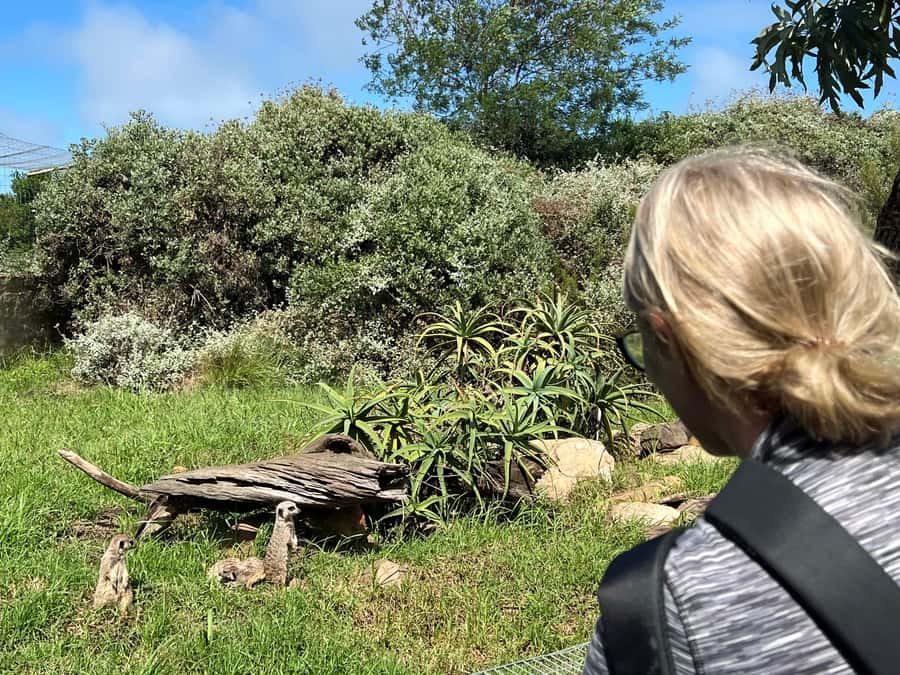
The walkway gives you a close viewing position and a practical place to photograph the animals. You can take pictures of the cats and other wildlife without entering their space.
The white lion is an obvious subject, but you may find the smaller species just as rewarding. Servals and caracals are less familiar to many visitors, and photographs can help you compare their features after the tour. The Blue Crane and marabou storks add variety if you want more than cat portraits.
The one-hour schedule is the main photography limitation. You are sharing the viewing time with the guide’s explanations and with the movement between habitats. If photography is your top priority, listen carefully to the guide but be ready to take pictures when a cat comes into view.
Rain does not necessarily end the experience. One visit continued through steady rain and still included several cat sightings. That said, weather can affect comfort and visibility, so comfortable shoes and sensible clothing are wise choices even though only shoes are specifically listed.
The optional shop and food stop
The planned schedule includes about 10 minutes for shopping at the centre, followed by about 30 minutes for coffee, brunch, lunch, or local snacks. These are separate from the included one-hour guided tour.
The shop gives you a chance to browse after the animal walk. It can also be a useful place to support the centre beyond the admission fee, though purchases are not included in the $27 price.
Food and drinks are not included. The centre may offer coffee, brunch, lunch, and local snacks, but you should treat those as optional purchases rather than part of the tour package. If you are planning a tight day around Plettenberg Bay, remember that the complete visit can take longer than the one-hour tour once you add the safety briefing, shop, and food stop.
The schedule works well if you want a relaxed visit at Tenikwa. If you are fitting this between other attractions, book with enough room for the extra stops or skip them after the guided walk.
Is $27 a fair price?
At $27 per person, the tour is reasonably priced for a focused wildlife experience with a guide. The fee includes the one-hour tour and live English-language guiding, but not transport, meals, or drinks.
The value comes from three parts. First, you get close views of several South African cat species in one visit. Second, a guide provides the background that turns a quick animal sighting into a lesson about behaviour, rescue, and rehabilitation. Third, your admission helps support the centre’s work.
It is less compelling if you are looking only for a long wildlife outing or a traditional safari. The tour lasts one hour, and the animals are in rehabilitation habitats rather than a wide open reserve. But for the price, the chance to see lions, leopards, cheetahs, servals, caracals, and a white lion is strong value, particularly for families and visitors who may not have time for a full-day safari.
A rating of 4.7 from 206 bookings fits the experience’s strongest features: caring guides, clear explanations, and visible attention to animal welfare. I would still judge it on the right terms. You are paying for an educational rehabilitation visit, not a guaranteed wild encounter.
Who should book this walk?
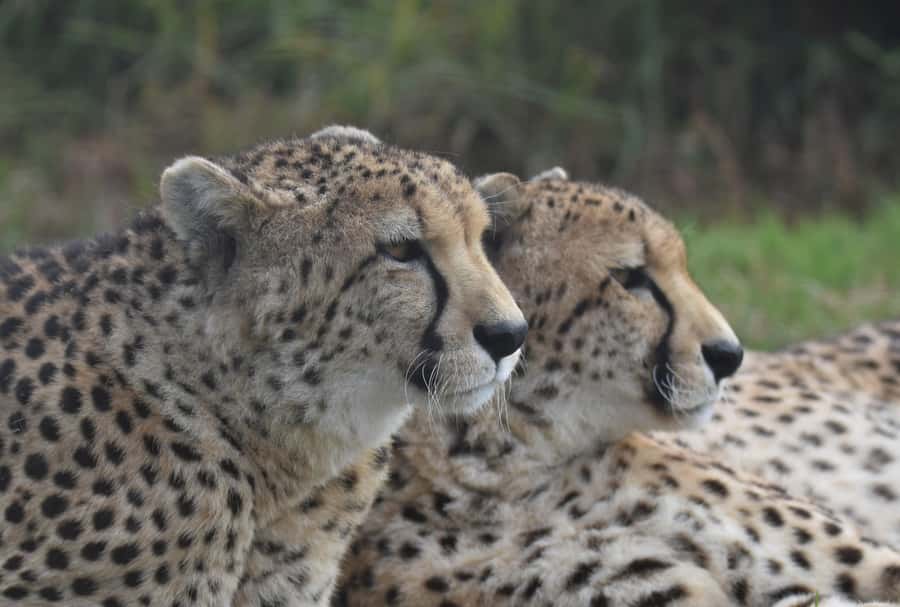
I would recommend Tenikwa to families, first-time wildlife visitors, photographers who want close subjects, and anyone interested in conservation. Children can see impressive animals without waiting through long periods in a vehicle, and the guide can adjust explanations to the group.
It also suits visitors staying around Plettenberg Bay who want a short activity rather than a full-day commitment. The one-hour format leaves room for other plans, while the optional food stop lets you linger if your schedule is open.
You may want to choose something else if your main goal is to watch wild animals behaving freely in a large reserve. You should also avoid booking if you expect to touch or feed a cat. Those activities are not allowed, and the centre’s value comes from respectful observation.
The tour is wheelchair accessible, which makes it a useful option for visitors who need a more accessible wildlife activity. Specific terrain details are not provided, so you should still confirm any personal mobility needs when booking.
Booking is flexible: you can cancel up to 24 hours in advance for a full refund, and the reserve-now, pay-later option allows you to hold a place without paying immediately. Starting times vary, so check availability before building the rest of your day around it.
My verdict on the Tenikwa cat tour
Book this tour if you want a close, guided look at South Africa’s wild cats and you care about the reason the animals are there. The strongest guides do more than identify species. They explain the centre’s mission, tell the cats’ stories, and help you understand why some rescued animals cannot return to the wild.
I especially like the mix of big cats, smaller species, birds, and conservation lessons. Just allow for the short format, keep your camera ready, and remember that the best part may be the guide’s explanation rather than the most dramatic photograph. At $27, Tenikwa offers a useful and humane wildlife stop near Plettenberg Bay.
FAQ
How long does the guided wild cat tour last?
The guided tour lasts one hour. The schedule also includes a five-minute safety briefing, around 10 minutes for shopping, and about 30 minutes for optional coffee, brunch, lunch, or snacks.
How much does the tour cost?
The price is $27 per person.
Which animals can I see?
The tour includes South African wild cats such as lions, leopards, cheetahs, servals, caracals, and African wildcats. You may also see meerkats, marabou storks, and the Blue Crane.
Can I see a white lion?
The experience includes the chance to see and photograph a magnificent white lion.
Can I touch or feed the animals?
No. Visitors may get close to the animals from the walkway, but touching and feeding are not allowed.
Is the tour led in English?
Yes. The experience includes a live English-speaking guide.
Is hotel pickup included?
No. Hotel pickup and drop-off are not included. You need to make your own way to Tenikwa Wildlife Rehabilitation & Awareness Centre.
Is the experience wheelchair accessible?
Yes, the activity is listed as wheelchair accessible.
What should I bring?
Bring comfortable shoes. Selfie sticks are not allowed. Food and drinks are not included, although coffee, brunch, lunch, and local snacks may be available for purchase at the centre.
Just listed around Garden Route
- eBike Tours★ 5.0 · 5 reviews
- Cango Caves Oudtshoorn Day Tour★ 5.0 · 5 reviews
- Knysna: 1.5-Hour Sailing Experience★ 4.9 · 5 reviews
- The Original Knysna Township Tour★ 5.0 · 6 reviews
- Bloukrans Skywalk Tour and HangOut Zone★ 4.5 · 6 reviews
- Knysna Sunset Cruise aboard Coquette★ 5.0 · 6 reviews
- Kayaking Jeffreys Bay★ 4.4 · 7 reviews
- Adventure Tandem Paragliding Flight★ 4.8 · 7 reviews
Garden Route Tours, compared.
Addo Elephant National Park All Inclusive Full-Day Safari
Read our review →
Storms River: Tsitsikamma National Park Zipline Canopy Tour
Read our review →
Standard Canyoning Trip in The Crags, South Africa
Read our review →Browse the lists this tour appears in