
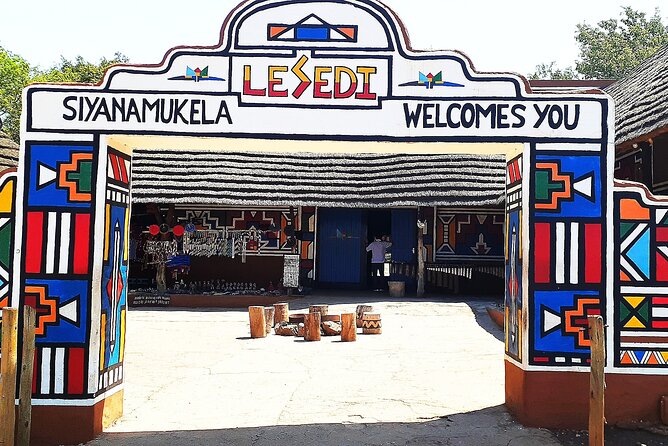
Reviewed · LESEDI CULTURAL VILLAGE TOURS
Lesedi cultural village tour
Lesedi Cultural Village turns a broad subject, South Africa’s many indigenous cultures, into a lively half-day visit. You move through presentations about the Zulu, Xhosa, Pedi, Basotho, and Ndebele peoples, then see drumming and dancing that gives the day its strongest burst of energy.
I like the private transport and the chance to have a guide such as Pastor, Pastha, or KG explain more during the drive from Pretoria. I also like that lunch, bottled water, admission, and Wi-Fi in the air-conditioned vehicle are included. The main thing to consider is that Lesedi is a cultural attraction with staged demonstrations, not a visit to an ordinary village community.
Key points to know before booking
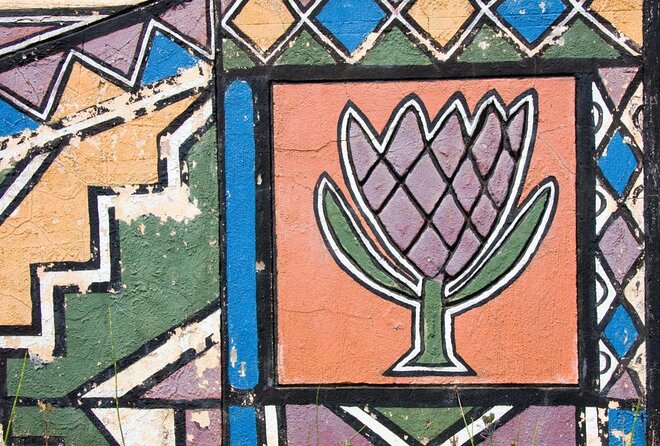
- Five cultures in one visit: Learn about Zulu, Xhosa, Pedi, Basotho, and Ndebele traditions in a single six-hour outing.
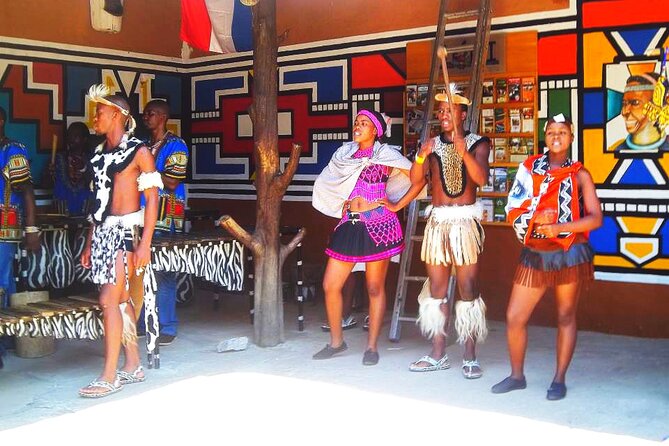
- The final dancing is a highlight: The drumming and dance presentation brings the day to life and may include visitor participation.
- Lunch is part of the experience: The Nyama Choma Restaurant serves a buffet with a range of African foods.
- Private touring keeps the day personal: Only your own group takes part in the booked tour and transport.
- The drive adds value: Guides including Pastor, Pastha, and KG have provided history and cultural background on the journey.
- A useful Pretoria or Johannesburg day trip: Pickup and drop-off make this easier than arranging your own transport.
What Lesedi Cultural Village is really offering
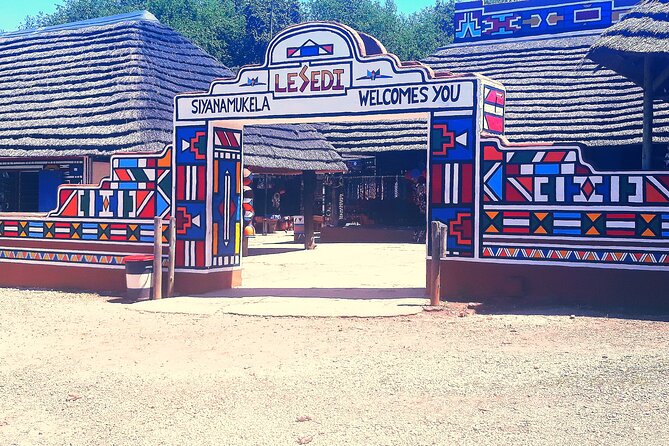
Lesedi is best understood as an introduction to several South African cultural traditions rather than a complete account of any one people. In a few hours, you get a guided look at five groups, each presented through customs, stories, homes, demonstrations, food, or performance.
That makes the visit useful early in a South African trip. You get names, cultural references, and a basic sense of the differences between communities. Later, museums, historic sites, and conversations with local people can add more depth.
The setting is designed for learning and participation. That can be a strength, especially if you want a clear, organized introduction. It can also feel simplified if you already have strong background knowledge or prefer quiet, independent visits.
I would book this for a first look at South African cultures, for families, and for anyone staying in Pretoria or Johannesburg without much time. It is also a sensible choice if you want transport handled for you and prefer a guide who can fill the road time with context.
More Lesedi cultural village visits:
- Elephant Experience & Lesedi Cultural Village
★ 5.0 · 26 reviews - Lesedi Cultural Village Experience
★ 5.0 · 13 reviews - Lesedi Cultural Village Half Day Tour from Johannesburg
★ 4.0 · 8 reviews
The drive from Pretoria adds useful context
The tour lasts about six hours, including transport, and pickup is offered. The supplied information does not give a fixed driving time for every departure, but one account describes roughly an hour each way. That makes the vehicle more than a transfer. It becomes part of the day.
You travel in an air-conditioned vehicle with Wi-Fi, and bottled water is provided. In South Africa’s warmer weather, those small details matter. You can settle in, keep cool, and avoid having to plan drinks or a separate route to the village.
The guides named in the booking material include Pastor, Pastha, and KG. Their roles appear to combine driving and guiding, so you may receive an informal overview of South Africa before arriving. That is especially helpful because the village presents several cultures in quick succession.
The private format is another practical advantage. Your group alone takes part in the booked activity, so you have more room to ask questions or shape the conversation during the ride. Private does not necessarily mean every presentation inside the attraction is exclusive, but it does mean your transport and tour arrangement are personal to your party.
Pickup and return to the same location are available. One account specifically describes hotel pickup and safe drop-off at the end, though you should provide your exact pickup point when booking.
Meeting five South African cultural traditions
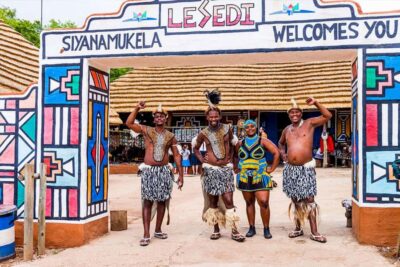
The central guided visit introduces the Zulu, Xhosa, Pedi, Basotho, and Ndebele peoples. The value is in comparison. Instead of hearing one general account of African culture, you are encouraged to see that South Africa contains distinct communities with their own traditions and identities.
Expect the guide to connect cultural practices with daily life and the past. The exact order and length of each presentation can vary, so I would not arrive expecting five equal, museum-style exhibits. This is a guided experience built around explanation, demonstration, and performance.
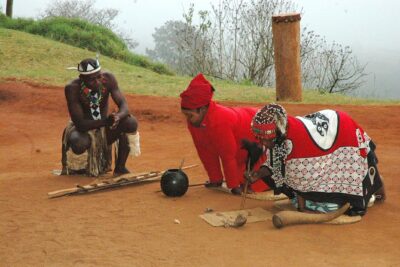
The demonstrations are interactive. You may be invited to take part in selected activities, which helps younger visitors stay involved and gives adults a more active role than simply walking from display to display. If you prefer to watch, the available information does not say that participation is compulsory.
That interactive quality suits families particularly well. Teenagers have enjoyed the format, and the experience is described as suitable for all ages. Still, parents should explain that the visit is an educational cultural presentation, not an untouched snapshot of modern village life.
The word traditional appears often in descriptions of the experience. Take it in the right sense. You are seeing traditions presented for visitors, with a focus on heritage and teaching. The displays can help you understand cultural symbols and practices, but they should not be treated as a full picture of how every person in these communities lives today.
Drumming and dancing bring the day together
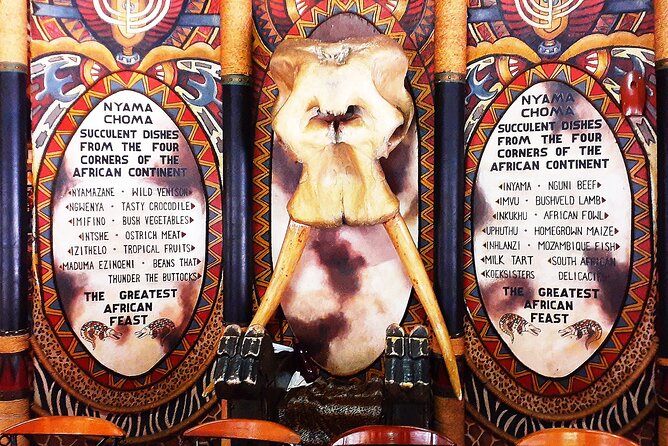
The strongest performance element comes through the drumming and dancing. This is the part most likely to stay with you after the guided explanations have blended together.
The music gives the visit a clear climax. Energetic performers, rhythmic drumming, and audience involvement turn the material into something you can feel as well as hear. The show is suitable for all ages, and children or teenagers may find it easier to connect with the experience through movement than through a long talk.
You may be welcomed with singing and traditional dancing, and a later performance includes drumming and dance. The exact presentation can depend on the schedule, but you should plan for a lively section rather than a quiet recital.
I like that the performance is not simply placed beside the cultural information. It gives you a chance to see how music, movement, and community celebration can carry meaning. At the same time, a staged show has limits. It is made for an audience, so it is polished and performative rather than an unplanned event encountered by chance.
That is not a reason to skip it. It is simply the right way to judge it. If you want an accessible introduction, the performance works well. If your main goal is independent contact with contemporary communities, this tour will not provide that on its own.
A few more Pretoria days worth comparing
- Soweto Half Day Tour
★ 5.0 · 231 reviews - Johannesburg and Soweto tour
★ 5.0 · 231 reviews - Ultimate Johannesburg Tour
★ 5.0 · 200 reviews - Johannesburg: Pretoria and Cullinan Diamond Mine Tour
★ 4.7 · 165 reviews
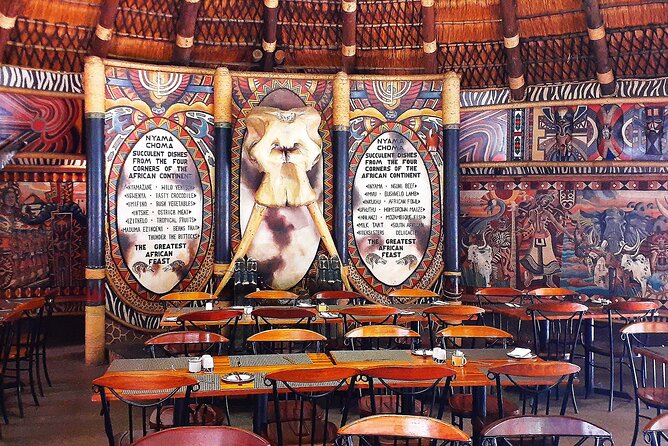
Lunch at Nyama Choma Restaurant
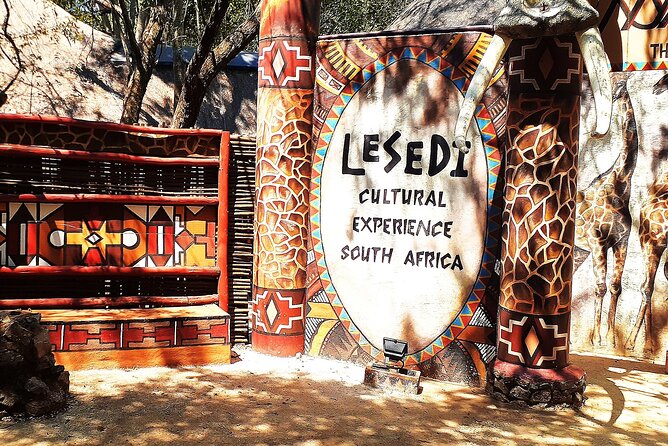
Lunch is included at the on-site Nyama Choma Restaurant. It is served as a buffet, with a selection of African foods, so the meal becomes part of the cultural program rather than an afterthought.
This is useful in practical terms. A six-hour tour is long enough for hunger to affect your enjoyment, and you do not need to arrange a separate restaurant stop. The buffet also gives you a chance to try several items instead of committing to one unfamiliar dish.
The available details do not provide a full menu or confirm options for every dietary requirement. If you have allergies or strict food needs, ask the operator before booking. Do not assume that a buffet automatically covers every preference.
The meal has received especially warm attention, along with the dancing. That combination makes sense: the food adds a relaxed social pause after the guided material, and the restaurant keeps the day in one place.
I would treat lunch as a welcome part of the price, not the main reason to book. The real value lies in having the meal built into a guided cultural visit. Food alone would not justify the cost, but food, admission, transport, water, and a private guide create a more complete package.
African crafts and the chance to take something home
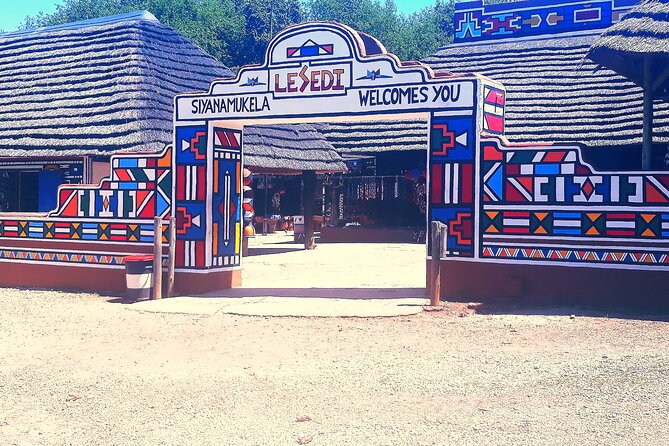
The itinerary includes an African craft experience, and the village is also a good place to look for souvenirs. This gives the visit a hands-on finish after the cultural presentations and meal.
Craft shopping can be useful when you want a tangible reminder of the day, but keep your expectations sensible. The information provided does not specify the exact crafts, prices, or how much time is reserved for shopping.
I would use this section to look carefully rather than buy quickly. Ask about the item, its use, and where it was made. A short conversation can tell you more than a label, and it helps you choose something because it has meaning rather than because it looks vaguely African.
The craft element also rounds out the experience. You hear explanations, watch demonstrations, eat local-style food, and then see how cultural design can become a practical object or keepsake. It is a small part of the tour, but it gives you another way to remember what you learned.
Is $112.55 a fair price?
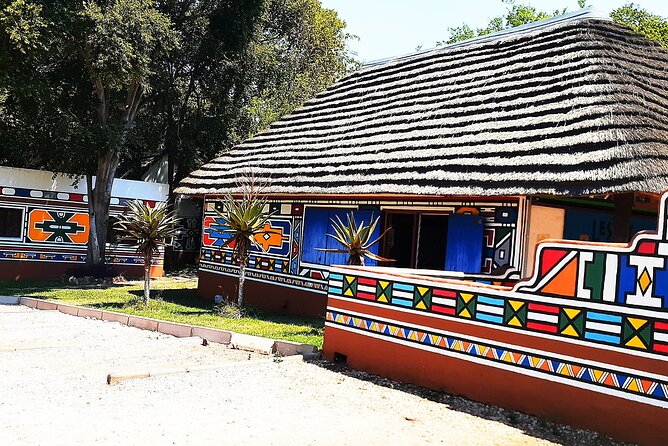
At $112.55 per person, this is not a budget attraction ticket. The price makes more sense when you count what is included: private transport, an air-conditioned vehicle, Wi-Fi, bottled water, admission, a professional local guide, lunch, and the six-hour schedule.
The biggest saving is effort. You do not need to work out how to reach the village, find a suitable restaurant, or arrange a return journey. If your hotel pickup is convenient, that can be worth a good portion of the cost, especially for a first visit to the area.
The private setup also changes the value calculation. A solo visitor may find the price high, while a couple, family, or small group can spread the cost of a private vehicle across several people. Group discounts are offered, so check the price for your party rather than judging the per-person figure alone.
I would compare this with the cost of a standard attraction entry plus private transportation and lunch. If you already have a car, know the area, and only want to see the performances, a cheaper visit may suit you. If you want a guide, door-to-door transport, and a planned cultural day, the package is easier to justify.
The tour is booked about 34 days ahead on average. That suggests planning is wise, particularly if your South Africa schedule is fixed. You can cancel free of charge up to 24 hours before the start time for a full refund. Within 24 hours, cancellation or changes are not accepted for a refund.
Who will enjoy this six-hour outing?
I would recommend Lesedi Cultural Village to:
- First-time visitors who want a broad introduction to South African cultures.
- Families with children or teenagers who respond well to music and participation.
- Couples who prefer a private guide and transport rather than a self-drive day.
- People based in Pretoria or Johannesburg with one spare day.
- Anyone who wants lunch and admission included in one booking.
- Visitors who enjoy performances, storytelling, crafts, and food in the same outing.
You may want to think twice if you want a long, academic study of one culture. The visit covers five groups, so breadth comes before fine detail.
You should also be comfortable with a planned cultural attraction. The village presents traditions for an audience. That format offers clarity and energy, but it cannot replace visiting living communities, local museums, or speaking with people in everyday settings.
Practical details that affect your day
Confirmation is provided at booking, and a mobile ticket is available. The site is near public transportation, but this particular product is built around pickup and private transport, which is likely to be simpler for most people.
Most people can participate. The supplied information does not list detailed accessibility arrangements, so ask the operator about any mobility, dietary, or other needs before paying.
Wear something comfortable for a six-hour day. The experience includes a guided village visit, performances, food, and a craft activity, so you will be moving between different parts of the attraction and sitting for presentations or lunch.
Keep your schedule flexible around the stated six-hour duration. Pickup times, road conditions, and the pace of the cultural program can affect the exact finish. If you have an evening flight or a timed reservation elsewhere, leave a generous gap.
The tour is offered as a private activity, and only your group participates in that booked tour. That makes it a better fit than a large coach outing if you value direct conversation and a calmer ride.
My verdict on the Lesedi Cultural Village tour
I would book this if you want an organized, friendly introduction to several South African cultures and you value door-to-door service. The best parts are the private guide, the interactive demonstrations, the Nyama Choma buffet, and the final drumming and dancing.
I would not book it expecting an unscripted encounter with everyday village life. Lesedi is a visitor-focused cultural presentation. Its strength is that it makes a wide subject easy to approach in one half-day, with music, food, and participation keeping the material lively.
For a family, couple, or small group staying in Pretoria or Johannesburg, $112.55 can be reasonable once transport, lunch, water, admission, and guiding are counted. If you have an extra day and want more than another city sightseeing loop, this is a practical choice.
FAQ
How long does the Lesedi Cultural Village tour last?
The experience lasts approximately six hours, including the guided visit, performances, lunch, craft activity, and transportation.
What cultures are presented at Lesedi Cultural Village?
The tour introduces Zulu, Xhosa, Pedi, Basotho, and Ndebele traditions.
Is lunch included?
Yes. Lunch at the Nyama Choma Restaurant is included in the tour price, and it is served as a buffet with a selection of African foods.
Is transportation provided?
Yes. Pickup is offered, and transport is provided in an air-conditioned vehicle with Wi-Fi. Bottled water is also included.
Is this a private tour?
Yes. It is a private tour or activity, and only your group participates in the booked tour.
Can I cancel for a full refund?
Yes. You can cancel at least 24 hours before the experience start time for a full refund. Cancellations or changes made within 24 hours are not accepted for a refund.
Just listed around Pretoria
- Kruger National Park 2 Days 1 Night Magical Safari from Johannesburg Private★ 5.0 · 5 reviews
- Pretoria Capital City Tour from Pretoria, every TUESDAY★ 4.5 · 5 reviews
- Constitutional Hill,Johannesburg City and Apartheid Museum with Soweto Day Tour★ 5.0 · 5 reviews
- Apartheid museum, Soweto and Joburg highlights tour★ 5.0 · 6 reviews
- From Pretoria: E-Bike in the wild with game near Jo’burg★ 5.0 · 6 reviews
- Pretoria: Half-Day City Tour with Hotel Pickup★ 4.2 · 6 reviews
- Traditional Tribal Village Tour★ 5.0 · 6 reviews
- Full-Day Cradle of Humankind Guided Tour from Johannesburg or Pretoria★ 4.5 · 6 reviews
Lesedi Cultural Village Tours, compared.
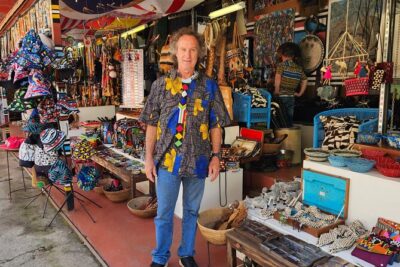
Lesedi Cultural Village and Cradle of Humankind Tour
Read our review →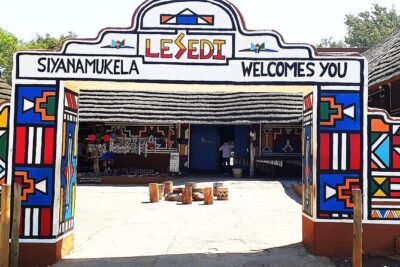
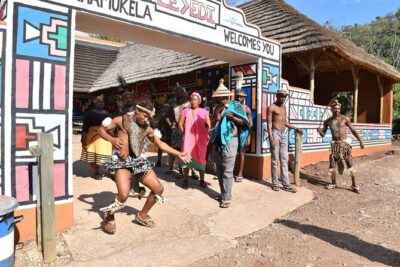

Durban City & PheZulu Cultural Village Day Tour from Durban
Read our review →
Phezulu Cultural Village & Reptile Park Day Tour from Durban
Read our review →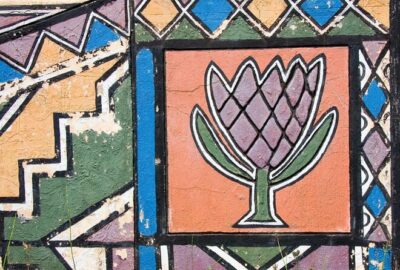
Lesedi Cultural Village & cradle of Humankind Guided Tour
Read our review →Browse the lists this tour appears in