
Reviewed · GARDEN ROUTE TOURS
Cats in Conservation
Tenikwa’s Cats in Conservation is not a quick cat-spotting stop. It is a full day built around the care, limits, and hard choices involved in looking after wild animals that cannot simply be sent back into the bush. You follow the centre’s daily work, see resident cats, and gain access to rehabilitation facilities normally closed to the public.
I like two things right away: the private format, which lets you ask questions and set the pace, and the honest conservation focus, which puts animal welfare ahead of guaranteed sightings. Breakfast, lunch, snacks, drinks, and transport add solid value. The catch is that animals are not actors. A leopard may stay hidden, and a rehabilitation hospital may be quiet when you arrive.
Key points to know before booking
- A full eight-hour program: This is a serious day out, not a short wildlife encounter.
- Private guiding: Your party has the guide’s attention, with room to focus on cats, rehabilitation, or local wildlife.
- Rare facility access: This is the only Tenikwa program described as allowing visitors to view the wildlife rehabilitation facilities.
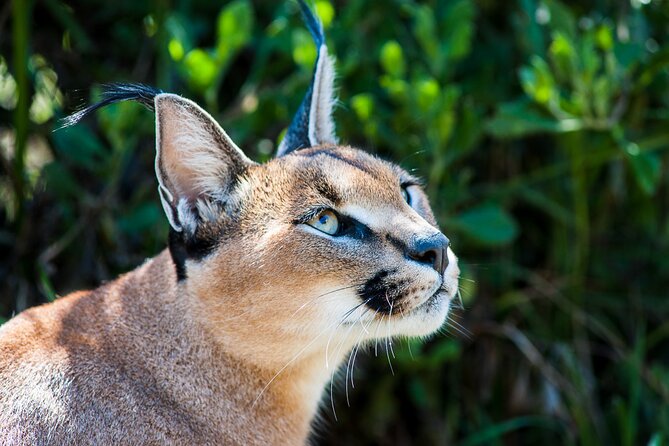
- Sightings can be unpredictable: You may see lions, cheetahs, a caracal, an African wild cat, or a leopard partly hidden in cover.
- Meals and drinks are included: Breakfast, lunch, snacks, bottled water, tea, and coffee are part of the package.
- Dress for the animals and the weather: Wear neutral colors, skip fur and scarves, and bring sun protection.
A full day at Tenikwa, not a quick photo stop
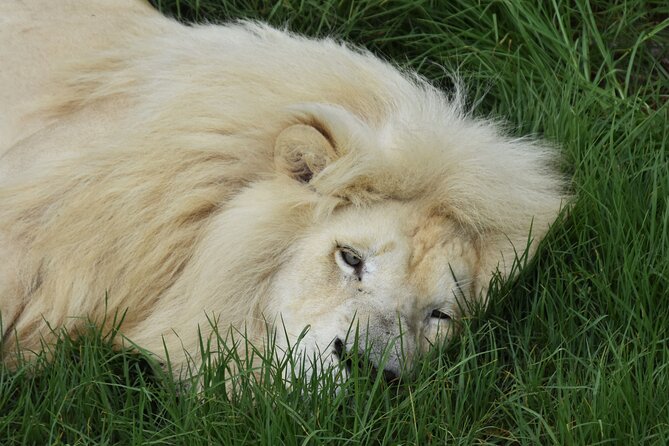
Tenikwa Wildlife Rehabilitation and Awareness Centre sits at The Crags, near Plettenberg Bay in South Africa’s Western Cape. The Cats in Conservation program gives you a window into the centre’s work with wild cats and other local wildlife.
The day is designed around the normal rhythm of the facility. You may watch staff handle daily care, learn why some animals need permanent protection, and hear about the threats caused by human activity. The goal is not simply to place a large cat in front of a camera. It is to explain why the animal is at Tenikwa and what responsible care looks like.
That distinction matters. Tenikwa keeps only a small number of wild cats in large enclosures for awareness purposes, rather than arranging rows of identical animals in a zoo-like setting. This can mean more natural behavior, but it also means less certainty about what you will see.
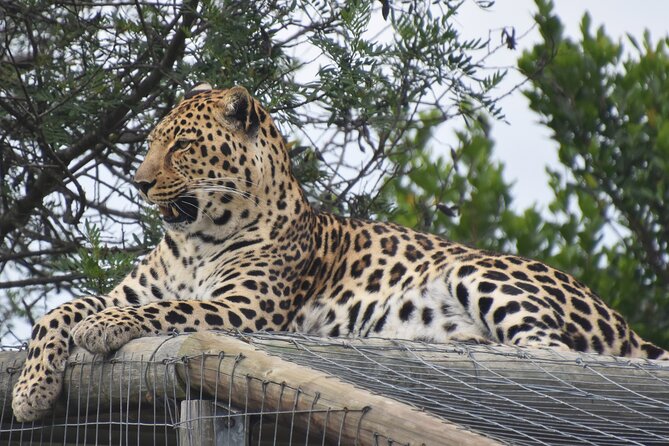
On a hot day, an animal may shelter from the sun. In rain, it may retreat from view. A cool, cloudy day can be better for activity, as one particularly successful visit showed when a leopard was active. Plan for observation, not a staged performance.
A few more Plettenberg Bay days worth comparing
- Plettenberg Bay: Swim with Seals
★ 4.7 · 887 reviews - Knysna Ziplines Tour
★ 5.0 · 688 reviews - Standard Canyoning Trip in The Crags, South Africa
★ 5.0 · 381 reviews
The private guide changes the pace
A private tour is a good fit if you want to ask plenty of questions or have one main interest. You can spend more time on wild cats, local wildlife, rehabilitation work, photography, or the conservation issues discussed during the day.
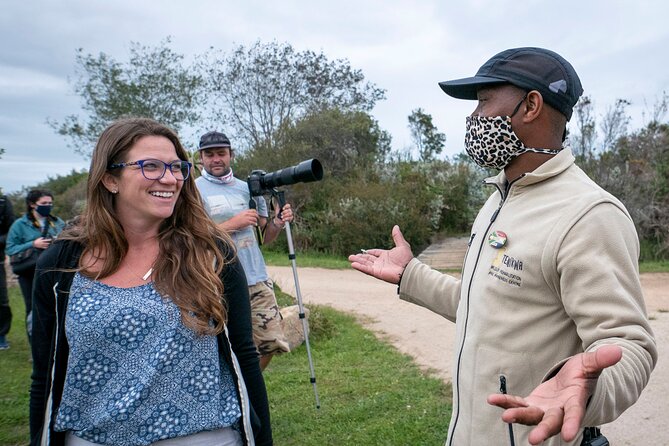
Guides named in the feedback include Boniwe and Msizi. Msizi is Tenikwa’s head guide and a second-generation staff member, with his father having worked at the centre for more than 35 years. That sort of long connection can give a place a strong sense of purpose, and it helps explain why the guiding is such an important part of this activity.
The private setup also makes the day less rushed. If you are taking photographs, you can discuss the best way to observe without disturbing the animals. If you are more interested in rehabilitation than pictures, you have the time to stay with the subject instead of being moved along with a large group.
Do remember that private does not mean hands-on. Touching the animals is not allowed, and that rule is central to a responsible wildlife experience. You are there to watch and learn, not to treat wild animals like domestic pets.
What you can expect at the wildlife centre
The main stop is Tenikwa itself, and admission is included. The centre houses wild cats and local wildlife that call the facility home. The exact sequence can vary because the program follows daily activities rather than a rigid show schedule.
You may begin with an introduction to Tenikwa’s conservation work, followed by time around the resident animals. The program includes opportunities to see and photograph South African wild cats and local wildlife, with commentary from your guide along the way.
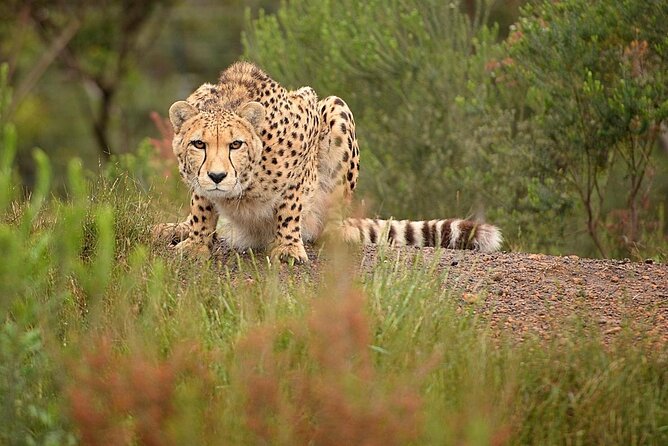
Possible sightings described in the available information include lions, cheetahs, a leopard, a caracal, and an African wild cat. But you should set realistic expectations. One account described seeing a leopard in a bush, two cheetahs under a bush, two lions, and only a glimpse of the caracal and African wild cat.
That is not a failure. It is a useful reminder that wildlife observation has limits. If your main goal is a guaranteed close-up photograph of every species, this may leave you frustrated. If you want to understand animal behavior and see how a care centre avoids forcing animals into view, the uncertainty is part of the lesson.
The centre’s staff can sometimes take you around again if a particular animal was hidden during the first pass, but this should not be treated as a promise of a second full tour. Ask your guide what is practical on the day.
Behind the scenes at the rehabilitation facilities
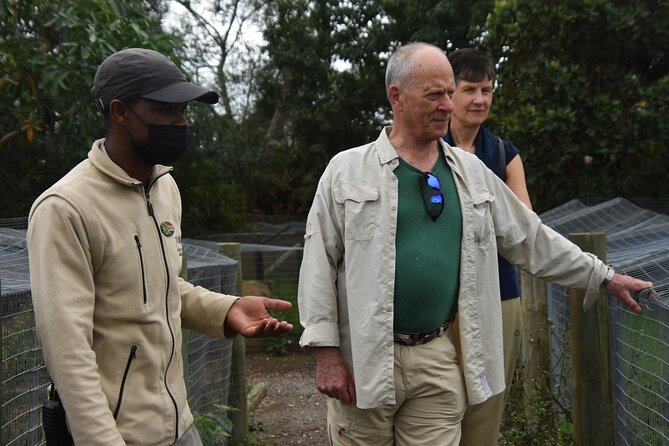
The most unusual part of Cats in Conservation is access to the wildlife rehabilitation facilities. The program is described as the only Tenikwa activity that lets visitors view these areas.
This is where the day moves beyond a standard animal encounter. You get an overview and observation of the rehabilitation facilities, then learn from staff about the work carried out there. The hospital may be busy, or it may be quiet. A quiet visit does not mean the work lacks importance. Rehabilitation depends on the animals that arrive, their condition, and the stage of care they need.
You might see more of the working side of conservation than of the animals themselves. That can include discussion of why an animal cannot return to the wild, how human actions affect wild cats, and why permanent care requires space, planning, and trained staff.
This access also comes with a need for respect. Stay with your guide, follow instructions, and avoid expecting dramatic medical scenes. The value here is in seeing the setting and understanding the decisions behind the care.
A different side of Plettenberg Bay altogether:
- Plettenberg Bay: Whale Watching Boat Cruise
★ 4.4 · 362 reviews - Plettenberg Bay: Canyoning Trip
★ 4.9 · 353 reviews - Plettenberg Bay Game Reserve: 2-Hour Game Drive
★ 4.2 · 267 reviews - Short Canyoning Trip in The Crags
★ 5.0 · 221 reviews
A walk, daily care, and room for the unexpected
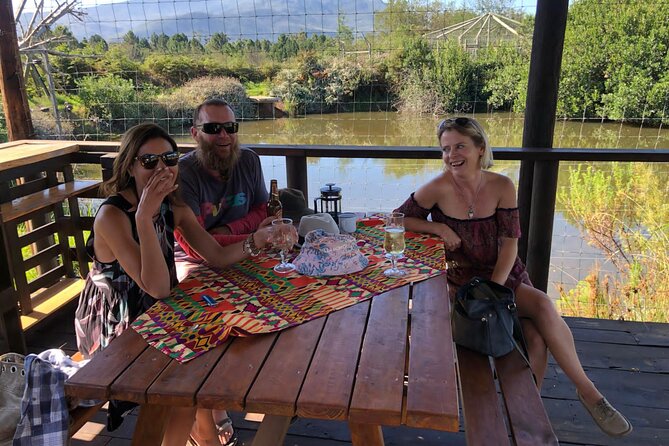
The program includes a walk in the forest with a guide, as well as time among the animals. This adds variety to a day that might otherwise focus only on enclosures.
The walk is a chance to pay attention to the surrounding wildlife and hear how the centre connects animal care with wider conservation concerns. The experience is not presented as a strenuous hike, but you should wear comfortable clothing and shoes suitable for walking.
Expect some changes based on weather and animal behavior. The centre operates in all weather conditions, so bring a hat and sunblock and dress for the forecast. Rain gear may be useful in wet weather. Neutral colors are requested, and you should avoid fur or scarves.
The request to avoid fur is practical as well as respectful in a setting built around animal care. Neutral clothing is less distracting for wildlife and keeps the focus where it belongs. You should also be prepared for warm conditions, shade, and sudden weather changes in the Western Cape.
Breakfast, lunch, and the practical value of the price
The listed price is $87.71 per person. For a program lasting about seven to eight hours, that is a fair package if you intend to spend a full day at Tenikwa.
The value comes from the combination of a private guide, admission, access to rehabilitation facilities, wildlife viewing, a guided walk, and included food and drinks. Breakfast, lunch, snacks, bottled water, coffee, and tea are covered, so you are not paying for an all-day activity and then adding several meals on top.
The private format is especially useful for couples, families, or a small group with shared interests. A larger public tour can be cheaper, but it usually gives you less control over the pace and fewer chances to ask detailed questions.
Transport is listed as included, yet the stated meeting point and end point are both Tenikwa Wildlife Rehabilitation and Awareness Centre in The Crags. Check the exact transport arrangement when booking if you need pickup from Plettenberg Bay or another base. Do not assume that included transportation means door-to-door service unless the provider confirms it.
The centre is in The Crags, Plettenberg Bay, at postal code 6602. Plan your day around reaching the meeting point on time, since this is a long program with several parts rather than a single short presentation.
What the food and staff add to the day
Meals may sound like a small detail, but they matter during an eight-hour activity. Breakfast gives you an easy start, and lunch removes the need to leave the centre in the middle of the program. Snacks, water, tea, and coffee help keep the day comfortable.
The food is not the main reason to book, but it improves the value and flow. The dining staff have been described as friendly and polite, with good food served during the day. You should still bring any personal items or special food you require, since personal purchases are not included.
The care shown by the staff is another major part of the experience. The strongest praise is aimed at the people who work with the animals, especially their patience, commitment, and clear concern for each animal. That human element is important because conservation centres succeed or fail on daily care, not just on attractive enclosures.
You will get more from the visit if you treat the staff as part of the experience. Ask why an animal is at Tenikwa, what rehabilitation involves, and how the centre approaches public education. The private format gives you the chance to ask those questions without worrying about holding up a large group.
Photography without the usual wildlife guarantees
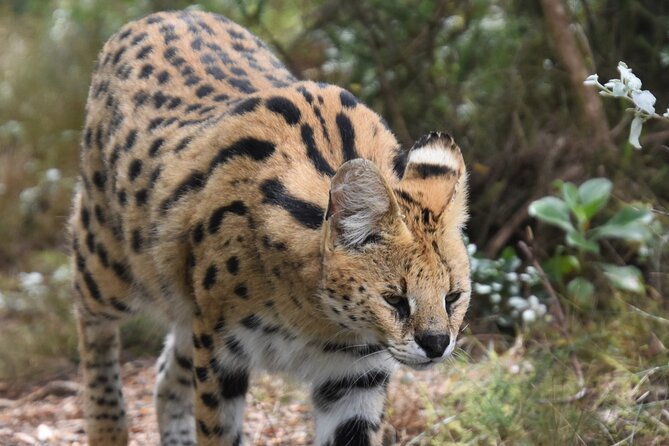
The program allows you to see and photograph wild cats and local wildlife. Bring your camera if photography matters to you, but keep your expectations sensible.
The best photograph may be an animal resting under cover, looking through vegetation, or appearing only briefly. That is especially true for leopards and smaller cats. A long lens can help, but no equipment can make an animal leave its chosen shelter.
Follow the guide’s instructions and keep a respectful distance. The no-touch rule applies throughout the visit, and the animals’ comfort should come before getting a better picture.
The private setting helps here. You can ask where to stand and how to move without disturbing the animals. Still, this is not a guaranteed close-contact photo session. Tenikwa’s approach favors animal welfare over a predictable picture.
Who will enjoy Cats in Conservation most
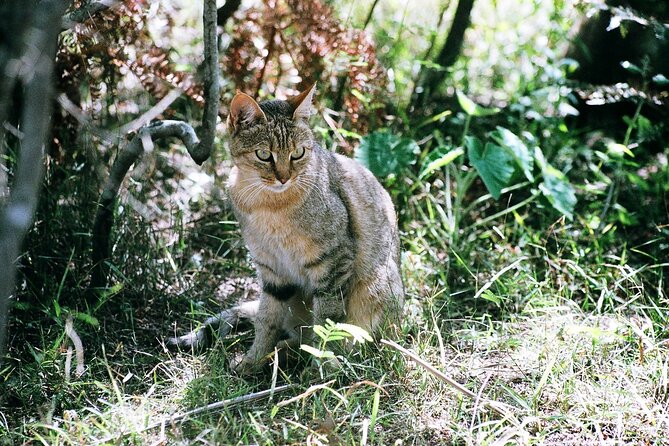
I would recommend this program to you if you want a serious wildlife day with context. It suits people who are interested in animal rehabilitation, conservation problems, staff work, and the reasons some wild animals need permanent care.
It is also a good choice for photographers who accept that wildlife sets the schedule. Families can participate, but children under 18 must be accompanied by at least one parent, and the program is not suitable for children under 9.
Most people can take part, and service animals are allowed. The activity runs in all weather, so anyone who dislikes outdoor conditions should prepare carefully or choose a different plan.
I would be more cautious if your only goal is to see every cat clearly. The sightings can be limited, especially when animals rest in shade or cover. You should also avoid booking if you expect to touch, feed, or pose closely with the animals.
Booking details worth checking before you commit
Confirmation is provided at the time of booking. The activity uses a mobile ticket, so keep your booking available on your phone.
The tour is private, meaning only your own group participates. That is useful for families and small parties, but the price is listed per person, so compare the total cost for your group before booking.
The cancellation policy is strict. This experience is non-refundable and cannot be changed for any reason. Only book once your date, group size, and plans are firm.
Wear comfortable clothing in neutral colors. Leave fur and scarves at home, pack sunblock and a hat, and dress for the weather. Since touching is prohibited, the day works best when you approach it as careful observation rather than an interactive animal encounter.
Should you book this Tenikwa experience?
Book Cats in Conservation if you want to spend most of a day learning how a wildlife centre operates, with a private guide, meals, and rare access to rehabilitation facilities. The $87.71 price is reasonable for the time and inclusions, especially if your group values personal attention.
Skip it if you need guaranteed sightings or a fast list of big cats. Tenikwa’s animals may hide, and the rehabilitation work may be quiet. For the right visitor, that is not a weakness. It is the honest shape of conservation, and the reason this experience offers more than a standard wildlife photo stop.
FAQ
Where does the Cats in Conservation tour start?
It starts at Tenikwa Wildlife Rehabilitation and Awareness Centre in The Crags, Plettenberg Bay, South Africa.
Where does the activity end?
The activity ends back at the Tenikwa meeting point.
How long does the experience last?
The program lasts approximately seven to eight hours, with the main itinerary describing an eight-hour day.
Is this a private tour?
Yes. Only your own group participates in the activity.
What is included in the price?
The package includes admission, a private tour focused on wild cats and local wildlife, lunch, snacks, bottled water, coffee or tea, transportation as provided by the operator, and time with staff to learn about conservation.
Is breakfast included?
Yes. Breakfast is included along with lunch, snacks, bottled water, coffee, and tea.
Can I touch the animals?
No. Touching the animals is not allowed.
Are children permitted?
Children under 18 must be accompanied by at least one parent. The activity is not suitable for children under 9.
What should I wear?
Wear comfortable clothing in neutral colors. Do not wear fur or scarves, and bring sunblock and a hat.
Does the tour operate in bad weather?
Yes. The activity operates in all weather conditions, so dress appropriately for the forecast.
Are service animals allowed?
Yes. Service animals are allowed.
Can I cancel for a refund?
No. The experience is non-refundable and cannot be changed for any reason once booked.
Just listed around Plettenberg Bay
- eBike Tours★ 5.0 · 5 reviews
- Plettenberg Bay: 2-Hour Surf Lesson★ 4.9 · 8 reviews
- 2 Night Tenikwa Experience★ 5.0 · 9 reviews
- The Private Wildlife Tour★ 4.5 · 12 reviews
- Birds of Eden Admission Ticket★ 4.5 · 15 reviews
- 1.5-Hour Seal Viewing Boat Tour in Plettenberg Bay★ 4.5 · 16 reviews
- Plettenberg Bay: Seal Viewing Boat Trip★ 4.8 · 16 reviews
- Seal Swimming Activity in Plettenberg Bay★ 5.0 · 23 reviews
Garden Route Tours, compared.
Addo Elephant National Park All Inclusive Full-Day Safari
Read our review →
Storms River: Tsitsikamma National Park Zipline Canopy Tour
Read our review →
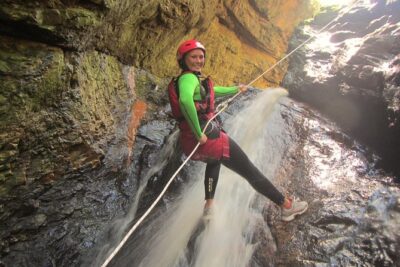
Standard Canyoning Trip in The Crags, South Africa
Read our review →Browse the lists this tour appears in