
Reviewed · GARDEN ROUTE TOURS
Jukani Wildlife Sanctuary Admission with Guided Tour
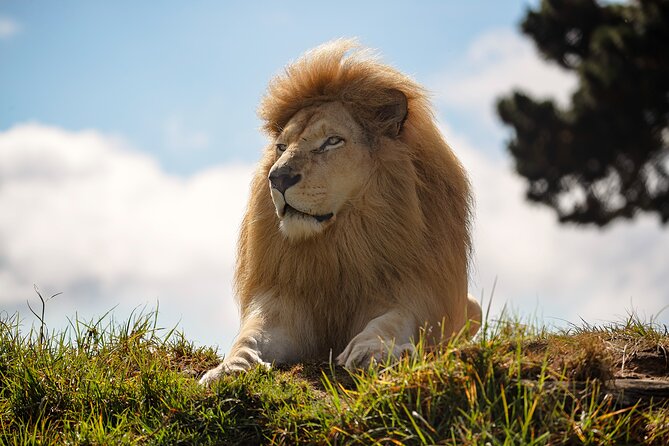
Jukani Wildlife Sanctuary gives you close views of rescued lions, tigers, leopards, and jaguars, with a guide explaining why these animals live here rather than in the wild. The 90-minute walk also includes cheetahs, pumas, spotted hyenas, caracals, zebras, springbok, raccoons, and honey badgers. The rescued-animal mission gives the visit more weight than a quick photo stop.
I like the small group size, capped at 16, because you can hear the guide and ask questions without shouting across a crowd. I also like the prepaid admission, which saves you from buying a ticket on arrival. Guides such as Xola, Elvis, and Riko have earned especially warm praise for their clear explanations and enthusiasm.
The main catch is timing. On a hot late morning, many cats may be resting in shaded shelters, so you might see less activity. A late-afternoon visit, sometimes near feeding time, can offer better viewing, but the animals still set the schedule.
Key points to know before you go
- A 90-minute walking safari: You move from enclosure to enclosure on foot rather than viewing the animals from a vehicle.
- Rescued big cats: Lions, tigers, leopards, and jaguars live here because they cannot simply be released into the wild.
- Small groups of 16 or fewer: The size leaves room for questions and makes it easier to follow the guide’s commentary.
- Late afternoon is often the smarter choice: Heat can send animals into shade, while later hours may coincide with feeding.
- English tours are standard: Afrikaans tours can be arranged, but you should confirm that option when booking.
- Bring sun protection and sensible clothing: The activity operates in all weather, and much of the visit takes place outdoors.
Meeting rescued cats at Jukani
Jukani Wildlife Sanctuary is in The Crags, in South Africa’s Western Cape, at the N2 address near the Plettenberg Bay area. You make your own way there, check in at reception, sign an indemnity form, and join the next available guided walk.
The visit is built around animals that have been rescued or rehomed from places no longer able to care for them. That detail matters. This is not a promise of a wild safari, and it is not a place where you should expect animals to be returned to nature. Some have been humanized, domesticated, abused, or kept in conditions that make release unsafe. The sanctuary is their permanent home.
That makes the experience a useful chance to think about the difficult line between animal rescue and captivity. You see impressive predators at close range, but the purpose is not simply to display them. The guide explains the animals’ biology, behavior, and conservation status, along with the problems that brought them to Jukani.
I find that context important. A big cat behind a fence can be a striking sight, but the backstory tells you why the enclosure exists and why survival in the wild may no longer be possible. You leave with more than photographs of a lion or tiger.
More Wildlife Tours in Plettenberg Bay:
- Guided Wildlife Tour and Forest Walk with Lunch Platter
★ 4.6 · 40 reviews - The Private Wildlife Tour
★ 4.5 · 12 reviews - Cape Town: Marine Wildlife Tour from the V&A Waterfront
★ 4.6 · 1,118 reviews
What the 90-minute walking tour feels like
The main activity lasts about an hour and a half. You walk around the property with a local guide, stopping at individual enclosures to look for the animals and hear their stories. The guide helps you locate animals that may be resting, hidden in shade, or positioned away from the best viewing point.
This is a walking tour, not a drive-through animal park. You should expect to spend the full visit on foot, so wear comfortable shoes and dress for the weather. The tour runs in all weather conditions. On a warm day, an umbrella, hat, water, and sunscreen can make the difference between an enjoyable walk and an uncomfortable one.
The small group limit is one of the strongest practical features. With no more than 16 people, you have a fair chance of hearing the guide and getting an answer when you ask about an animal. That is a better setup than wandering through a large facility with only a sign to explain what you are seeing.
The quality of the guide matters here, and several guides have been singled out for their approach. Xola is described as welcoming, energetic, and deeply informed. Elvis has been praised for patiently helping people find each animal, while Riko is noted for being friendly and clear with families. Guide quality can vary from one departure to another, but this is an experience where good commentary adds real value.
The big cats are the main event
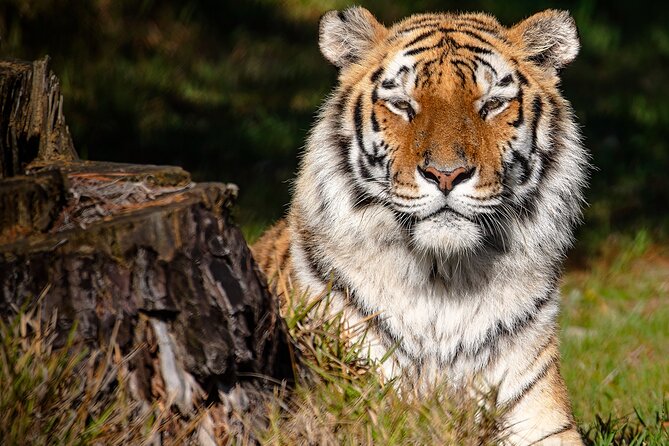
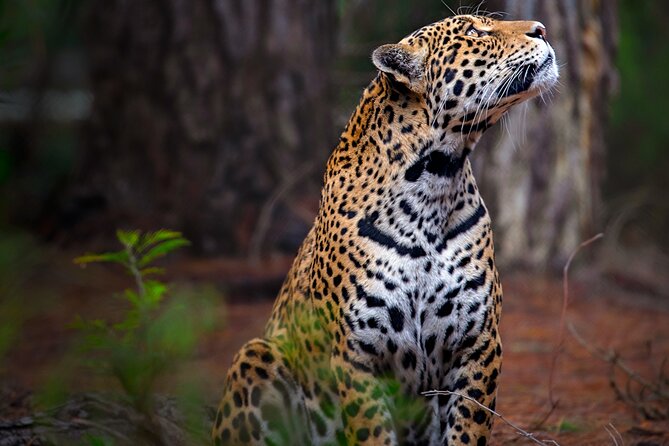
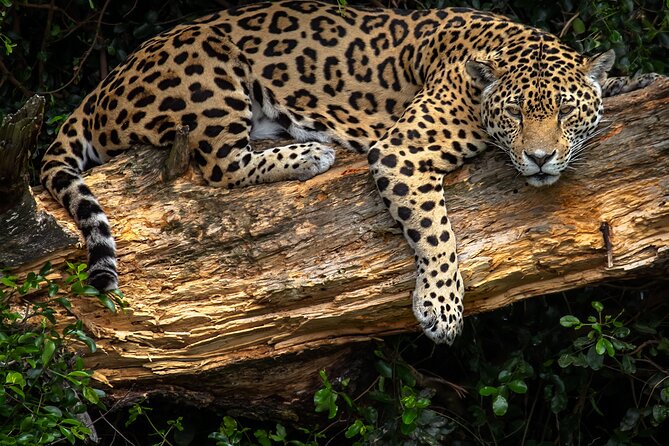
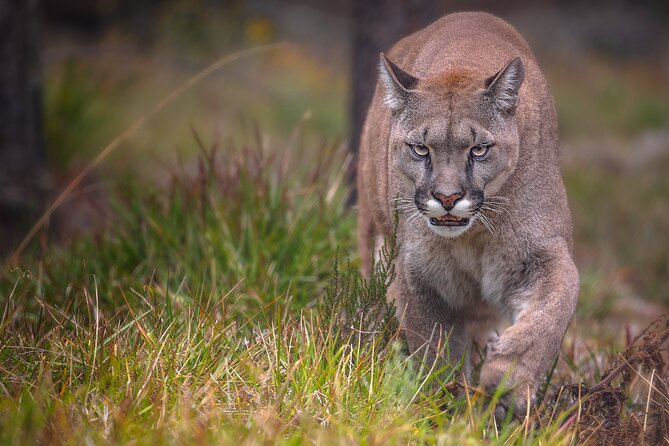
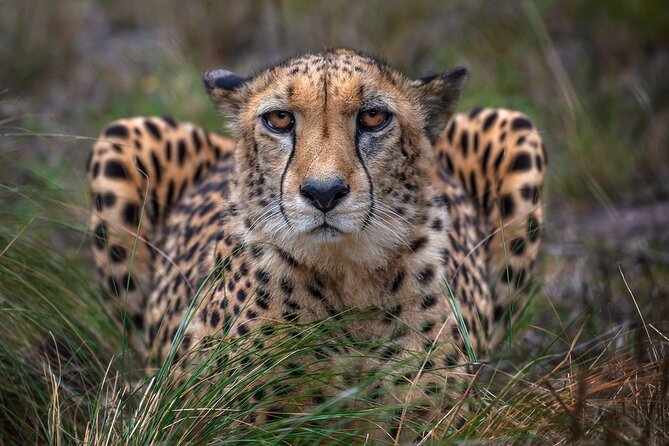
Jukani’s strongest draw is its collection of large cats. You can see lions, tigers, leopards, and jaguars, along with cheetahs and pumas. The range is impressive, especially for anyone who wants to compare different cats rather than see only one familiar species.
The enclosures are designed around the needs of individual animals, with space that lets them move away from the viewing areas. That means you may not get a perfect look at every cat, but it is better for the animals than a tiny display pen. The viewing decks can also help with photographs by giving you a clearer angle through or above fencing.
Expect a mixture of close views and quiet waiting. Some animals may come near the boundary, while others may lie in a shaded area or remain inside a shelter. The sanctuary cannot make a cat perform, and a resting tiger is still a realistic part of the experience.
Photographers should take note of the fencing. You can get strong close-up images, but the barriers may interfere with autofocus. Manual focus can help if you are carrying a serious camera. The viewing decks offer useful angles, though you should still expect some visual obstruction.
The best sightings are not always the most active ones. A calm jaguar at close range can be more memorable than a pacing animal seen from far away. Your guide’s explanation of individual behavior helps turn a quiet moment into something worth watching.
Beyond lions and tigers
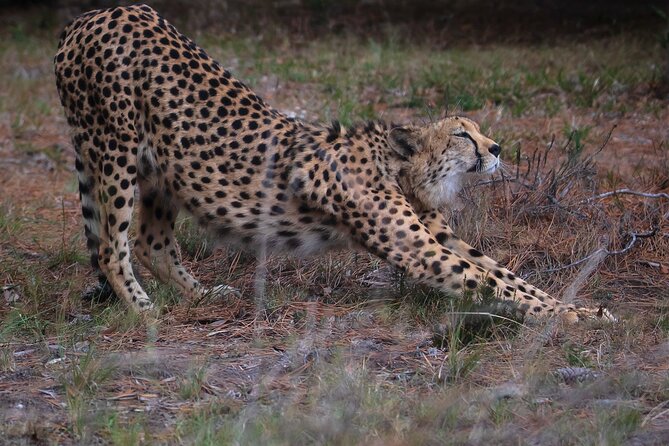
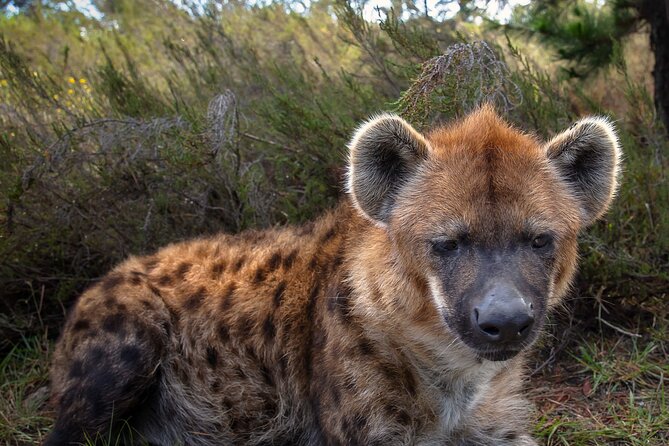
The sanctuary is not only about the famous cats. You can also see raccoons, honey badgers, caracals, zebras, springbok, and spotted hyenas. Cheetahs bring a different kind of interest, with their speed and slender build, while pumas are notable for their climbing ability.
These animals broaden the visit. A person who arrives focused only on lions may find the smaller predators just as interesting once the guide points out their habits and physical traits. The range also gives children something new to look for at nearly every stop.
Families can manage the 90-minute walk. A six-year-old and a three-year-old have been able to stay engaged for the full tour, though your own children’s patience will depend on the weather and how interested they are in animals. Children must be accompanied by an adult.
The guide’s role is especially useful with animals that are less obvious than a lion. A hyena may not be immediately visible, and a caracal can blend into its surroundings. Rather than simply passing an empty-looking enclosure, you get help finding the animal and learning what makes it distinctive.
A few more Plettenberg Bay days worth comparing
- Plettenberg Bay: Swim with Seals
★ 4.7 · 887 reviews - Knysna Ziplines Tour
★ 5.0 · 688 reviews - Standard Canyoning Trip in The Crags, South Africa
★ 5.0 · 381 reviews - Plettenberg Bay: Whale Watching Boat Cruise
★ 4.4 · 362 reviews
Choosing the right time of day
Timing may be the biggest factor in how much you enjoy the visit. In hot conditions, big cats often retreat to shade or shelters. A late-morning arrival can therefore produce a quiet tour with fewer clear views, even though the sanctuary itself is well maintained.
Late afternoon is generally the better bet. The cooler air may encourage more movement, and feeding is sometimes scheduled around 3:30 to 4:00 p.m. Feeding time is not guaranteed as part of this admission, so do not treat it as a promise, but planning for the afternoon can improve your odds.
There are multiple tour times during the day. If your schedule allows, choose a departure that gives you time to arrive before the walk and, ideally, places you at the sanctuary later in the day. One useful plan is to arrive around 3 p.m. and allow time for the tour and any feeding activity that may follow.
Evening programs, such as a boma and night tour, are separate experiences and should not be confused with this standard admission and guided walk. The tour described here is a daytime visit lasting roughly 90 minutes.
Weather still has the final say. Cooler conditions may help, but cloudy or wet weather can alter animal behavior too. Dress appropriately rather than assuming the Western Cape will provide a mild, sunny afternoon.
Is the $24.73 price good value?
At about $24.73 per person, the admission is fairly priced if you want a guided introduction to rescued wildlife and do not have a full safari planned for the day. The cost includes entry and the professional local guide, which means you are not paying admission and then discovering that the useful interpretation costs extra.
The value comes from the explanation as much as the animal count. Without a guide, you might see a tiger, photograph a lion, and move on. With the guide, you learn why the animals are at Jukani, how their behavior connects to their biology, and why some cannot go back to the wild.
Still, keep your expectations in proportion. This is a one to two-hour activity, with the guided portion listed at about 90 minutes. It is a good addition to a Western Cape itinerary, but it may feel short if you expect a full-day wildlife outing.
I would book it as a focused half-day or afternoon activity, not as the central wildlife experience of a longer trip. If you have spare time in the Plettenberg Bay and The Crags area, the price makes sense. If you have only one free day and must choose between several major activities, consider how strongly you want to focus on rescued big cats.
The prepaid ticket is convenient rather than a huge financial saving. Its main benefit is time at reception. You arrive with admission arranged, avoid the ticket-buying queue, and concentrate on joining the next tour.
The sanctuary’s conservation message
The most serious part of the visit is the discussion of captivity, private animal ownership, and rescue. Jukani’s animals are not presented as candidates for release. Many have been changed by previous human contact or mistreatment, and some have permanent physical or behavioral damage.
That can make the tour uncomfortable in a useful way. You may admire a beautiful cat while also questioning the systems that put it in a sanctuary. The experience does not offer the simple thrill of seeing wild animals in their natural range. Instead, it asks you to consider what responsible care looks like when an animal cannot return to the wild.
I appreciate that distinction. A sanctuary visit should not be judged by how much action it delivers. It should be judged partly by whether it helps you understand the animal’s situation. Here, the guide’s commentary gives that purpose a clear shape.
The grounds and enclosures are described as well maintained, with large, more natural areas and added shade for the cats. You still remain separated from the animals, and you should follow the guide’s instructions at every stop. Close views are possible, but safety and animal welfare come first.
Practical details that affect your visit
The starting and ending point is Jukani Wildlife Sanctuary, N2, The Crags, 6600, South Africa. Transportation to and from the sanctuary is not included, so you need to arrange your own way there. The activity ends back at the same meeting point.
Confirmation is provided at booking, and the ticket is mobile. At reception, you will be asked to sign an indemnity form before the tour begins. Allow enough time for arrival and check-in rather than pulling in at the exact departure minute.
Tours are conducted in English. Afrikaans tours can be arranged, but you should request or confirm this option ahead of time. Children need to come with an adult, and most people can take part in the walking activity.
There is free cancellation if you cancel at least 24 hours before the start time. Inside that 24-hour window, the amount paid is not refunded, and changes are not accepted. The cut-off follows local time.
I would bring:
- Comfortable walking shoes
- Sun protection, including a hat or umbrella
- Water and weather-appropriate clothing
- A camera with manual focus if you want to reduce fence interference
- Patience, since animals may be resting or out of sight
Food and drinks are not included. A cafe is available on the property, but the food and drinks are separate from the tour price.
Who will enjoy this most?
This tour suits you if you care about big cats, animal rescue, or conservation and want a guide to explain what you are seeing. It is also a good choice for families who want a manageable activity rather than a full-day outing.
Photographers will appreciate the close views and viewing decks, but should prepare for fencing and variable animal activity. People who want active wildlife behavior at every stop may be disappointed, especially during hot weather.
You should also choose this experience if you have an open afternoon in the Western Cape and want a structured visit. The guide keeps the walk moving, while the small group leaves room for questions. If you are short on time, the 90-minute format is easy to fit into a larger day.
Should you book the Jukani guided tour?
Book it if you want a personal look at rescued lions, tigers, leopards, jaguars, and other predators, with a guide who can explain the hard facts behind their permanent care. The combination of a small group, prepaid admission, and strong guide involvement gives the visit more substance than a self-guided walk.
Choose a late-afternoon time when possible, prepare for sun, and accept that some animals may be resting. I would not make this your only wildlife activity in South Africa, but I would recommend it as a thoughtful, compact stop for animal lovers, families, and photographers who want close views with a conservation message.
FAQ
Where is Jukani Wildlife Sanctuary?
Jukani Wildlife Sanctuary is located at N2, The Crags, 6600, in South Africa’s Western Cape.
How long does the guided tour last?
The walking safari lasts about 90 minutes. The full activity is described as taking approximately one to two hours.
What animals can I see?
You may see lions, tigers, leopards, jaguars, cheetahs, pumas, caracals, spotted hyenas, raccoons, honey badgers, zebras, and springbok.
Is transportation included?
No. You must arrange your own transportation to and from Jukani Wildlife Sanctuary.
How large is the tour group?
The tour has a maximum of 16 people.
Are tours offered in languages other than English?
All regular tours are in English. Afrikaans tours can be arranged.
Can I cancel for a full refund?
Yes, if you cancel at least 24 hours before the experience start time. Cancellations or changes made less than 24 hours in advance are not refunded.
Just listed around Plettenberg Bay
- eBike Tours★ 5.0 · 5 reviews
- Plettenberg Bay: 2-Hour Surf Lesson★ 4.9 · 8 reviews
- 2 Night Tenikwa Experience★ 5.0 · 9 reviews
- Cats in Conservation★ 5.0 · 10 reviews
- The Private Wildlife Tour★ 4.5 · 12 reviews
- Birds of Eden Admission Ticket★ 4.5 · 15 reviews
- 1.5-Hour Seal Viewing Boat Tour in Plettenberg Bay★ 4.5 · 16 reviews
- Plettenberg Bay: Seal Viewing Boat Trip★ 4.8 · 16 reviews
Garden Route Tours, compared.
Addo Elephant National Park All Inclusive Full-Day Safari
Read our review →

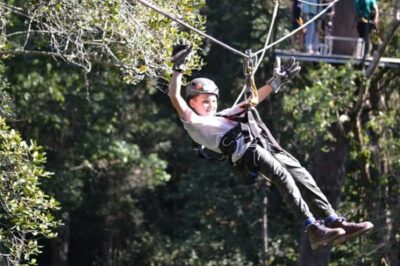
Storms River: Tsitsikamma National Park Zipline Canopy Tour
Read our review →
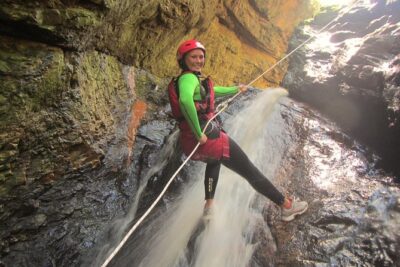
Standard Canyoning Trip in The Crags, South Africa
Read our review →Browse the lists this tour appears in