
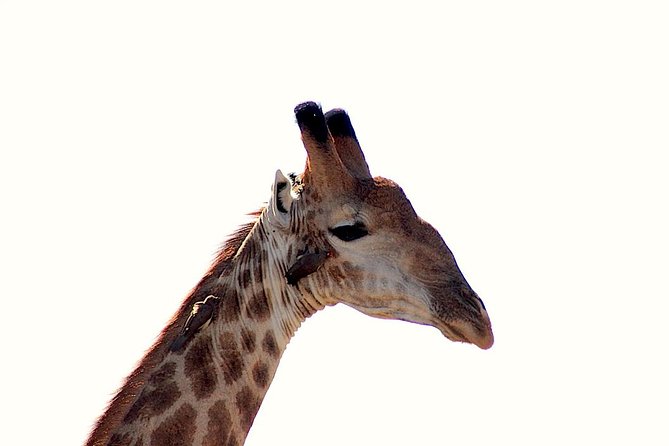
Reviewed · KRUGER NATIONAL PARK SAFARIS
Kruger National Park Full Day Safari Tour
Kruger rewards patience, and this full-day safari gives you far more time to search than a short morning drive. You enter soon after the gates open, when the bush is cool and animals are often active, then keep moving through the park until the afternoon.
I like the open vehicle, which gives you broad views and better photo angles, and I like that binoculars are provided, a small touch that matters when an animal is far off or a bird sits high in a tree. Guide Andrew also brings strong knowledge of animals, birds, plants, geology, and park history. The main drawback is the long day in an exposed vehicle, with meals and the park conservation fee added to the advertised price.
Key points to know before booking
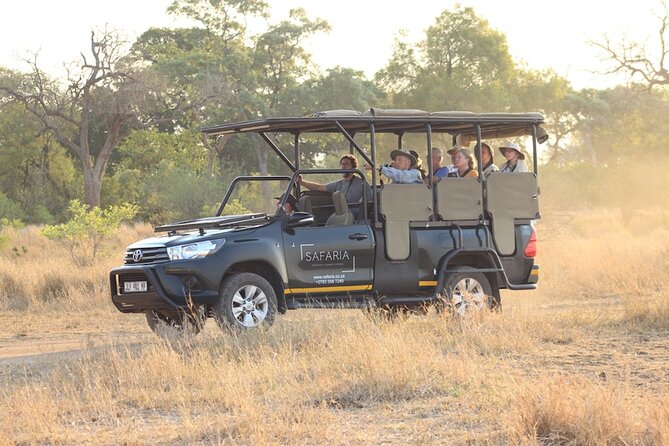
- A dawn start gives you more safari time: Summer departures greet the early morning at 5:30 a.m., while winter timing is usually around 6:15 a.m.
- Andrew leads the safari: His commentary covers wildlife, birds, plants, geology, history, and the day’s changing plan.
- The open vehicle improves viewing: You get a high, unobstructed position for photos and animal spotting, with blankets and rain ponchos available.
- Breakfast and lunch are not included: You stop at a camp for breakfast between 8:30 and 9:15 a.m., then usually eat lunch at Skukuza around noon, paying for both yourself.
- The price is not the final cost: The tour is $215.52 per person, plus the Kruger international conservation and entrance fee of R400 per person.
- This is a private activity: Only your own group participates, though at least two people are required per booking and children must be at least three years old.
Why the dawn entry matters in Kruger
The first major advantage here is time. A full day of roughly 8 to 10 hours lets you settle into the rhythm of Kruger instead of rushing from one sighting to the next.
The summer schedule begins at 5:30 a.m., with entry shortly after the park gates open at 5:45. In winter, the stated start is about 6:15 a.m., matching the later 6:15 opening. The general booking time is listed as 6:00 a.m., so you should confirm the exact seasonal pickup time before setting your alarm.
That early departure is not just a badge of honor for serious safari fans. Morning temperatures are usually kinder, particularly before the summer heat builds. Animals can also be easier to spot when the day is young, although no safari can promise a particular species or a Big Five sighting.
The search itself is part of the experience. You may spend time scanning the road edges, grass, trees, and distant bush before anything appears. A professional bush guide helps by explaining what to look for and by putting each sighting into context rather than simply pointing and naming an animal.
More Safaris in Kruger
- Hazyview: Private Full-Day Guided Kruger Safari
★ 4.9 · 69 reviews - Full-Day Shared Kruger National Park Safari from Hoedspruit
★ 5.0 · 46 reviews - Exclusive Sunset Game Drive Safari near Hoedspruit
★ 5.0 · 41 reviews
An open safari vehicle and a better view
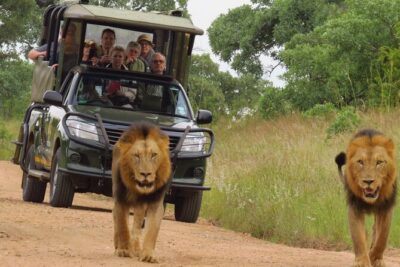
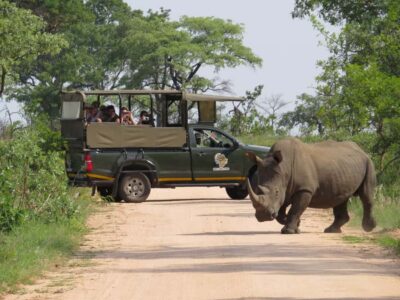
The open safari vehicle is a practical choice for wildlife watching. You are not looking through small windows, so you get a wide view on both sides and above you. That can make a real difference when an animal appears briefly or when you are trying to frame a photograph.
The vehicle also leaves you exposed to the weather. Summer temperatures can rise above 40 degrees Celsius at midday, and afternoon thunderstorms are possible. Safaria supplies rain ponchos, blankets, bottled water, and coffee or tea, but you should still arrive prepared with sunscreen, sunglasses, a good hat, and comfortable shoes.
Winter is cooler and generally has blue skies, with daytime temperatures averaging 20 to 25 degrees Celsius. The early morning and late afternoon can feel much colder in a moving open vehicle. Wear long trousers, a jacket, and a beanie. Blankets are supplied, but your own warm layers will make the first hours more pleasant.
The advice to wear dull, darker shades is sensible for comfort and appearance in the vehicle. Choose functional clothing rather than dressing for a city outing. You will be sitting for long stretches, climbing in and out at camp stops, and dealing with dust, sun, and possible rain.
Andrew’s guiding style and what you will learn
Andrew is the main personality of this safari. His commentary goes well beyond the Big Five. He explains fauna and flora, answers questions, and brings in subjects such as geology and the park’s history.
That broad approach suits you if you want more than a checklist of large mammals. A safari becomes more interesting when you understand the smaller clues around you, including plant life, bird activity, tracks, habitat, and the reasons animals use certain areas.
Andrew is also described as keeping the group informed about the day’s plan and stopping when needed for a break. That matters during a long outing. Good guiding is not only about spotting animals. It is also about managing the pace, explaining what is happening, and making sure the group stays engaged between sightings.
The supplied comments repeatedly praise his enthusiasm, humor, passion for Kruger, and ability to handle questions throughout the day. One family found that his energy never seemed to run out, while another particularly valued his ability to discuss birds and plants as well as animals. You should expect an active conversation rather than a silent drive.
The private format makes this stronger. Only your own group participates, so the day can feel more personal than a large shared vehicle. A small family group can ask plenty of questions, and a pair of wildlife fans can focus more closely on photography or birds. The minimum booking is two people, so this is not designed for a solo reservation.
Breakfast between 8:30 and 9:15 a.m.
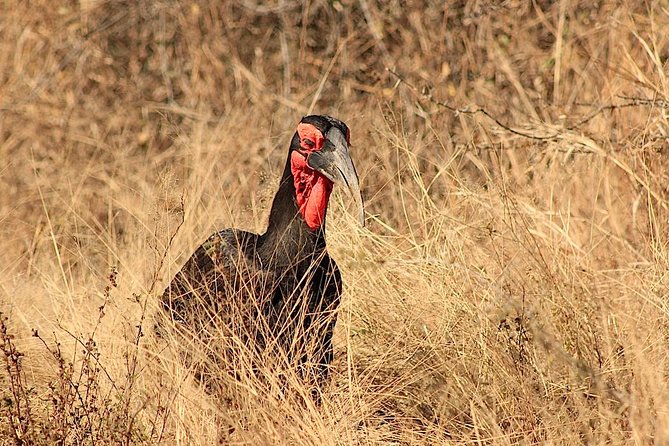
After the first stretch of driving, you stop at one of Kruger’s camps for breakfast. The break is scheduled between 8:30 and 9:15 a.m., and the meal is at your own expense.
This is a useful pause after the early start. You can stretch your legs, warm up in winter, or get out of the midday sun later in the day. The camp stop also gives Andrew a chance to explain local history and notable sites in and around the rest-camp areas.
Do not assume that breakfast is part of the $215.52 tour price. Bring money for food, and remember that lunch is also separate. Coffee and tea are included on the vehicle, along with bottled water, but those provisions do not replace a proper meal.
The stop is also one of the few times you leave the vehicle, so comfortable shoes are important. Keep your camera and binoculars ready for the next section, because the safari resumes after breakfast and the best sighting of the day could come at any point.
More Kruger safaris:
- Kruger Park – Full day – Private safari vehicle
★ 5.0 · 23 reviews - 3 Night & 4 Day Private Kruger Park Safari
★ 5.0 · 23 reviews - Kruger National Park: 3-Day Safari Tour and Treehouse Stay
★ 4.0 · 23 reviews - Kruger National Park Private Full-Day Safari – Private Safari Vehicle & Guide
★ 5.0 · 19 reviews
Lunch at Skukuza and the value of a camp stop
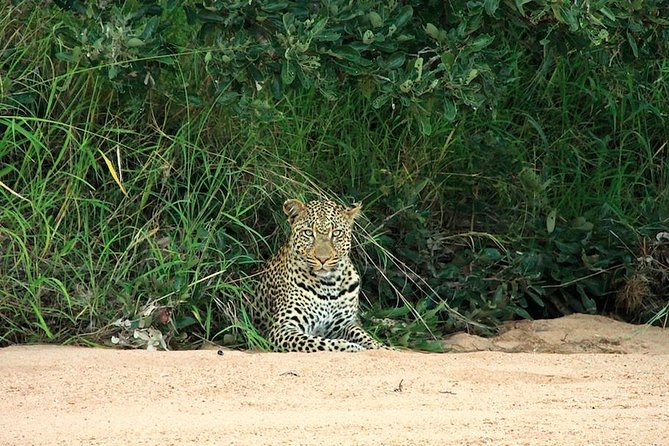
Lunch is scheduled around noon, usually at Skukuza, again at your own cost. Skukuza is a practical rest stop during a full day in the park, giving you time to eat and take a break from the road.
The camp visit is not treated as dead time. Andrew uses the rest camps and nearby landmarks to explain pieces of Kruger’s past and character. That adds a second layer to the day. You are not only looking for animals, you are also learning how the park is organized and why certain places matter.
There is a tradeoff. Time spent at camp is time not spent searching the roads. Still, on a 10-hour safari, a proper pause helps prevent fatigue. You will enjoy the later afternoon more if you have had a chance to eat, stretch, and reset.
Plan for a full day rather than a nonstop wildlife hunt. The most enjoyable safari is usually one where you remain alert and comfortable, not one where you are too hungry, hot, or stiff to notice what is happening outside the vehicle.
Binoculars, photography, and the uncertainty of wildlife
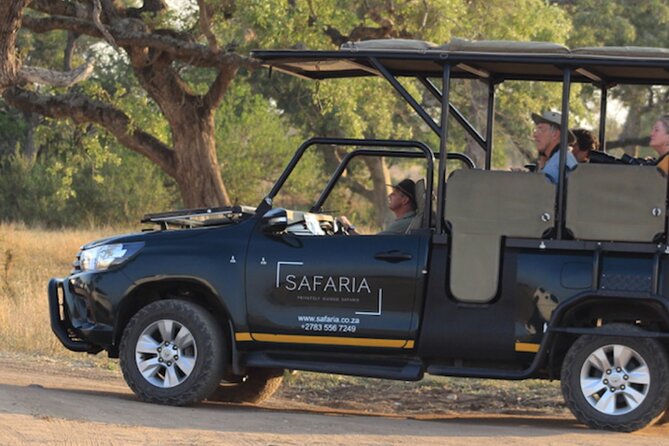
Safaria supplies complimentary binoculars, which is a real advantage for first-time safari visitors. They help you inspect a distant animal, follow a bird, or see details that your camera may not capture clearly.
You should still bring your own binoculars if you have a pair you prefer. The tour information specifically encourages binoculars and a camera, so this is an experience built around active observation. A camera with a useful zoom will help, but you should not spend the whole day looking at Kruger through a screen.
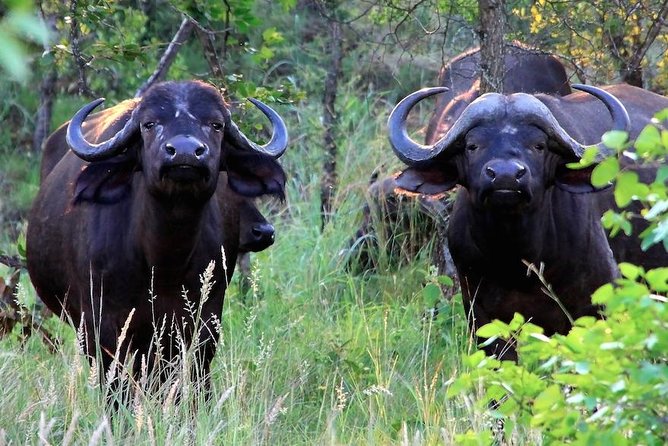
The Big Five are a central goal, but sightings are never guaranteed. The safari’s own advice is refreshingly clear: the bush is unpredictable. You might see several large animals, or you might spend a long period with birds, plants, and smaller signs of life.
That uncertainty is not a flaw in the tour. It is the nature of a national park safari. The guide can improve your chances by starting early, using local knowledge, and explaining where to look, but he cannot control animal movement. Book this because you want the search and the setting, not because you need a guaranteed photograph of a lion, leopard, elephant, rhino, or buffalo.
What the $215.52 price really covers
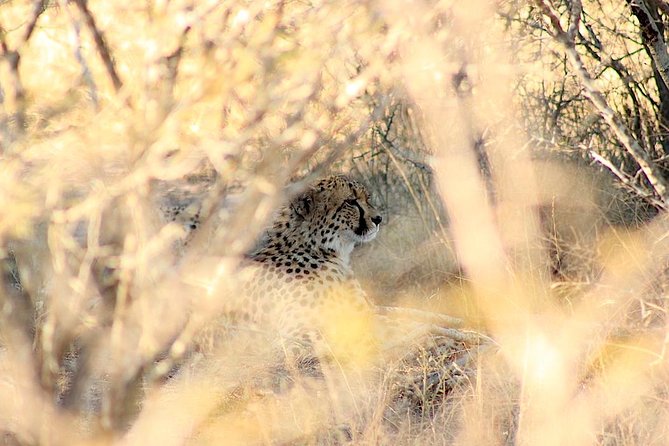
At $215.52 per person, this is a substantial day tour. Its value depends on what you want from your limited time in South Africa.
The price includes a professional bush guide, an open safari vehicle, bottled water, coffee or tea, binoculars, blankets, rain ponchos, and a safari sightings journal. It also buys you a long guided day rather than a short drive, with early park entry and interpretation from someone who can discuss more than animal names.
You must add the Kruger international conservation and entrance fee, listed as R400 per person. Breakfast and lunch are also separate, as are guide gratuities and travel insurance. The final cost is therefore higher than the headline tour price.
I see the strongest value for someone staying near Kruger who has only one available day. You get transport within the park, a dedicated guide, equipment support, and a private group setting. If you are already staying inside the park and can arrange your own vehicle and guide, the comparison may look different. For a short South Africa visit, though, the convenience of a structured full-day outing may justify the expense.
The tour is booked well ahead on average, about 154 days before departure. That suggests you should plan early, especially if your South Africa dates are fixed.
Weather, age limits, and practical preparation
Children aged three and older are welcome, and children must be accompanied by an adult. The long duration and early start may suit some families better than others, so think about your child’s ability to remain seated and alert for much of the day.
Bring a current valid passport on the day of travel. Passport name, number, expiry date, and country are required for every participant when booking. The activity offers pickup, but the specific pickup details are not provided here, so confirm the meeting point and collection time after booking.
The tour ends back at the meeting point. Confirmation is provided at booking, and most people can participate. You should still mention any concern directly when arranging the experience, since the information supplied does not give detailed mobility guidance.
For summer, from September through April, pack light functional clothing, sunscreen, sunglasses, comfortable shoes, and a broad-brimmed bush hat. A rain layer is wise because thunderstorms can arrive in the afternoon.
For winter, from May through August, wear long pants, a jacket, and a warm beanie. The vehicle’s blankets help, but they are a backup, not a substitute for proper clothing.
Who will enjoy this safari most
I would choose this outing if you have limited time and want one serious day in Kruger rather than several shorter activities. It fits you especially well if you enjoy asking questions and want to learn about birds, plants, geology, and history along with the major mammals.
Families can benefit from the private format, since the group does not have to match the pace or interests of strangers. Couples and small groups who care about photography should also appreciate the open vehicle and supplied binoculars.
This is less suitable if you dislike early mornings, long vehicle rides, uncertain results, or paying separately for meals and park fees. It is also not a good match if you expect a guaranteed Big Five scorecard. The sightings journal can help you record what you see, but nature sets the agenda.
Should you book the Kruger full-day safari?
Book it if your priority is maximum time in Kruger, a private vehicle experience, and a guide who can connect wildlife with the wider setting. Andrew’s range of interests, from animals and birds to plants, geology, and history, is a major reason this tour offers more than a basic game drive.
Before paying, check the exact seasonal start time, pickup details, and the added R400 park fee. Budget separately for breakfast, lunch, gratuity, and travel insurance.
I would make this my choice for a first or only Kruger day, provided you accept the early start and the unpredictability of wildlife. You are paying for time, access, equipment, and informed guidance. The animals may not follow a schedule, but the structure of the day gives you a strong chance to see Kruger at its best.
FAQ
What time does the safari start?
The listed start time is 6:00 a.m. Seasonal details state a 5:30 a.m. start in summer and a 6:15 a.m. start in winter, with park entry shortly after the gates open. Confirm your exact pickup time before departure.
How long does the safari last?
The activity lasts approximately 8 to 10 hours. It ends back at the meeting point.
Are meals included?
No. Breakfast is usually taken at a camp between 8:30 and 9:15 a.m., and lunch is usually around noon at Skukuza. Both meals are at your own expense.
Is the Kruger entrance fee included?
No. The Kruger international conservation and entrance fee is listed as R400 per person and must be paid separately.
Are children allowed on the safari?
Yes. Children aged three and older are welcome, and children must be accompanied by an adult.
What equipment is provided?
The tour provides an open safari vehicle, binoculars, bottled water, coffee or tea, blankets, rain ponchos, and a safari sightings journal. You should bring suitable clothing, sunglasses, sunscreen, a hat or beanie, comfortable shoes, and a camera.
More national park days in Kruger National Park
- Full Day Kruger National Park Tour
★ 5.0 · 15 reviews - 4 Day Greater Kruger National Park Adventure Safari
★ 5.0 · 11 reviews - Kruger National Park Sunrise Half-Day Safari Tour
★ 5.0 · 11 reviews - Kruger National Park: 3-Hour Walking Safari
★ 3.0 · 8 reviews
More Safaris in Kruger National Park
- Exclusive Night Drive Safari near Hoedspruit
★ 5.0 · 35 reviews - Exclusive Morning Game Drive Safari near Hoedspruit
★ 5.0 · 35 reviews - Sabie Game Reserve Sunset Safari Tour with Sundowners
★ 4.5 · 18 reviews - Private 4×4 Safari Tour in Kruger National Park
★ 5.0 · 16 reviews
Just listed around Kruger National Park
- Sunrise Game Drive in Big5 Reserve★ 5.0 · 6 reviews
- Overnight Trails Camp in Olifants River★ 5.0 · 6 reviews
- Kruger National Park Private Guided Tour★ 5.0 · 6 reviews
- Boat & Safari Combo – Blyde Dam Boat Cruise & Private Safari★ 4.5 · 7 reviews
- Private Guided Panorama Full Day Tour★ 5.0 · 7 reviews
- Panoramic Tour of Drakensberg Mountain – Full day★ 5.0 · 8 reviews
- Kruger National Park: 3-Hour Walking Safari★ 3.0 · 8 reviews
- Full Day Kruger National Park Game Drive★ 5.0 · 8 reviews
Kruger National Park Safaris, compared.
Kruger National Park sunrise Morning Private safari
Read our review →
Marloth Park: Kruger National Park Safari Game Drives
Read our review →Browse the lists this tour appears in