
Reviewed · CRADLE OF HUMANKIND TOURS
Lesedi Cultural Village & cradle of Humankind Guided Tour
Johannesburg’s past and present meet on this full-day outing: at Lesedi Cultural Village, you encounter five major South African cultural groups through guided visits, music, dancing, and food; at the Cradle of Humankind, you turn to the much older story of human ancestry. The contrast is the main attraction. One stop is lively and people-focused. The other is quiet, scientific, and rooted in fossils and caves.
I like the chance to see the countryside northwest of Johannesburg while someone else handles the driving. I also like the guides’ personal touch. Albert is often singled out for explaining South African culture, politics, and history clearly, while Billy is praised for local insight. The small maximum of 15 people can also make the day feel more personal.
The main concern is transport reliability. Some departures have suffered late pickups, older vehicles, weak air-conditioning, or missed time at Lesedi. The Cradle’s caves are closed because of flooding, so you should book this for the cultural village and museum experience, not for an underground cave visit.
Key points before you book
- Two very different stops in one day: Lesedi presents living cultural traditions, while the Cradle of Humankind focuses on human origins and science.
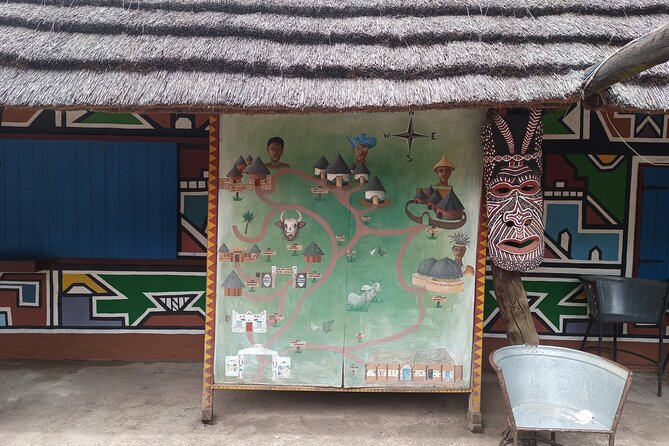
- Five South African cultural groups: Lesedi compresses a large country into a three-hour guided visit with performances, village settings, and food.
- Caves currently closed: Flooding has shut the limestone caves, making the museum the key part of the Cradle visit.
- Guides can shape the day: Albert, Billy, and Gabriel have each been praised for clear explanations and friendly service, though the guide is not guaranteed.
- Lunch is not included: Food is part of the Lesedi experience, but the tour price does not cover lunch.
- Small-group format: The vehicle can carry no more than 15 people, and solo bookings may sometimes become a private outing.
Why this Johannesburg day trip works
At about seven hours, this is a useful way to connect two major attractions that are awkward to combine on your own. Lesedi Cultural Village lies in the countryside north of Johannesburg, while the Cradle of Humankind is about 50 kilometers northwest of the city. You get a guide, pickup, entrance fees, and the route between them for $101.01 per person.
I see the price as fair if you value convenience and explanation. You are not simply paying to enter two sites. You are paying for transportation, a professional guide, and a day that ties South African cultural identity to the story of human evolution. The value drops if your vehicle arrives late or the schedule is shortened, since both stops need enough time to make sense.
The tour is especially useful on a first visit to Johannesburg. You get an introduction to South Africa’s diversity without trying to cover the whole city in a rushed sightseeing loop. It also gives you context for the country beyond the usual urban highlights.
More Cradle of Humankind visits:
- Maropeng Cradle of Humankind Museum &Sterkfontein Cave Experience
★ 4.5 · 155 reviews - Cradle of Humankind, Caves or Maropeng, Rhino and Lion Park
★ 5.0 · 74 reviews - From Johannesburg: Cradle of Humankind Tour
★ 4.4 · 72 reviews
Lesedi Cultural Village, South Africa in three hours
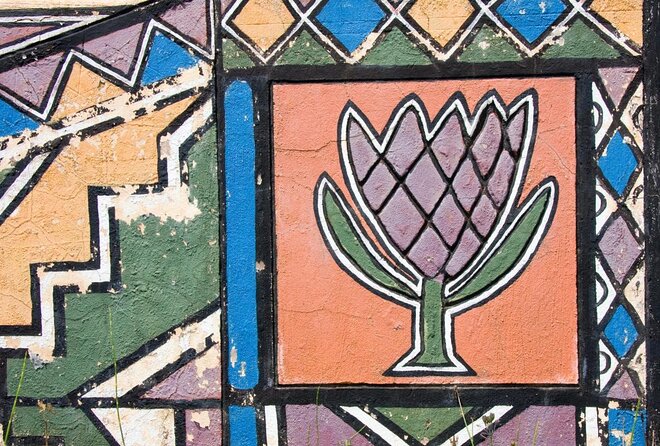
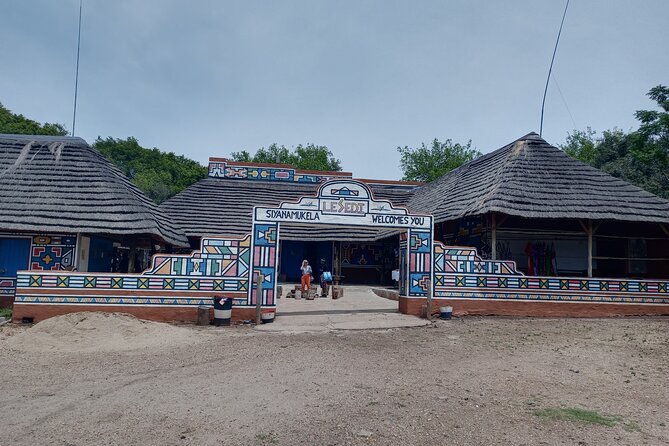
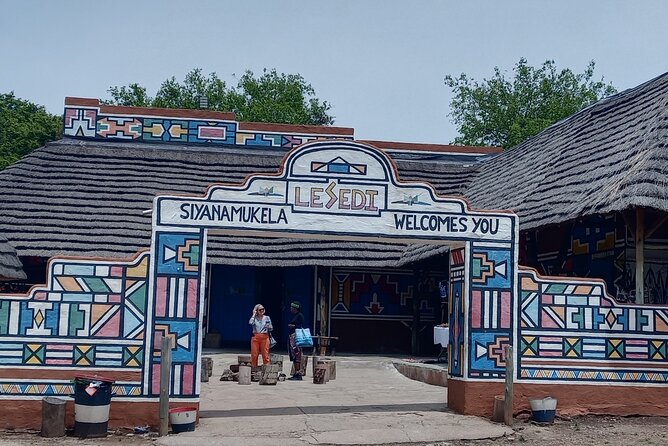
Lesedi is the emotional center of the day. Its program introduces five major South African cultural groups in roughly three hours. The phrase all of South Africa in three hours is best understood as a compact presentation, not a complete picture of the country. You will see selected traditions and interpretations, presented for visitors in a structured setting.
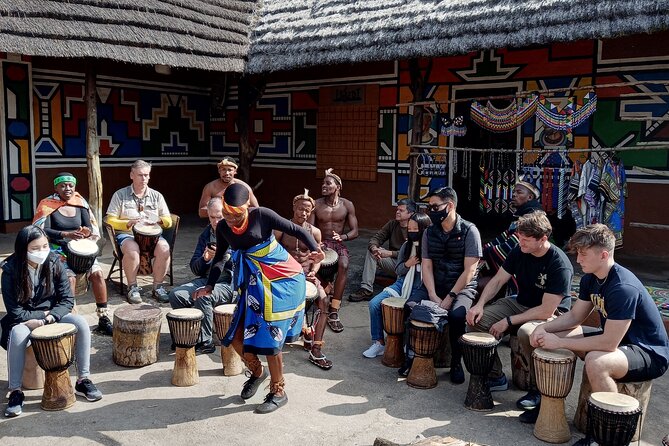
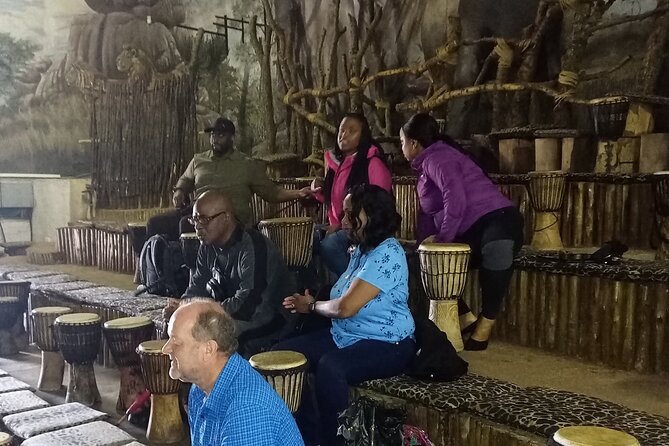
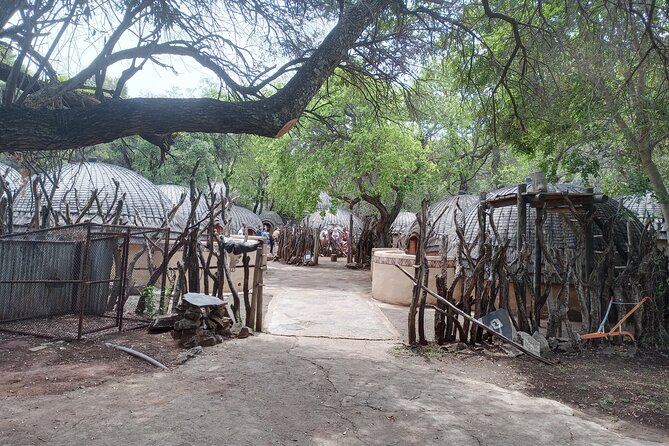
The visit usually combines village displays, explanations of cultural differences, singing, dancing, and food. The performances are a major reason to come. They give the stop movement and sound, rather than leaving you with display panels and a guide’s lecture. You can expect a warm welcome, group participation, and a clear attempt to show how customs vary across communities.
I like the way this stop makes South Africa’s diversity visible. A short visit cannot explain every community or regional difference, but it can give you a useful first framework. You begin to see that South African identity is not one single tradition. It is made from many peoples, languages, customs, and ways of life.
The food adds another practical layer. Lunch is not included in the tour price, but the Lesedi visit includes an opportunity to eat as part of the experience. Check the exact meal arrangements when you book so you know what is covered and what you will pay separately.
Do not expect a quiet museum visit. Lesedi is designed to entertain as well as teach. Some of the displays may feel polished for tourism, and the schedule is organized rather than spontaneous. That is not necessarily a flaw. It simply means you should treat the village as a cultural introduction and performance experience, not as an unfiltered visit to an ordinary residential community.
What makes the Lesedi performances worthwhile
The dancing is one of the strongest parts of the program. It turns cultural explanation into something you can watch and remember. Music and movement can communicate social customs in a way that a guide’s talk cannot.
The welcome also matters. You are not just walking through buildings and reading signs. The program puts people, performance, and hospitality at the center. If you enjoy learning through demonstrations, this will likely be the highlight of your day.
Families can find Lesedi especially accessible. One parent described enjoying the experience of seeing daughters learn about African history while taking part in the cultural setting. You do not need specialist knowledge to follow the presentation, and the entertainment gives younger visitors a reason to pay attention.
Still, keep your expectations measured. The experience represents five broad cultural groups within a short time. Ask your guide questions if you want more detail, and listen for the difference between a general introduction and a claim that applies to every person in a community.
The drive through Gauteng’s open countryside
The road between Johannesburg and the two attractions is part of the appeal. You leave the city and pass through rolling countryside, with views that give the day a calmer pace. One guide was especially praised for making the drive informative, using the time to discuss South African culture and history.
This is not a dedicated scenic tour, so the view depends on the route, weather, and traffic. Still, the drive helps connect the stops. Lesedi shows selected cultural traditions in a visitor-friendly setting, while the Cradle places South Africa within a much longer human story. The changing surroundings give you time to absorb the contrast.
Pickup is offered, which is important in Johannesburg. Public transportation is nearby, but reaching both attractions efficiently by public transport would not offer the same ease. For a solo visitor, a couple, or a family with limited time, having one vehicle and guide for the day can be worth the cost.
The weak point is vehicle quality. Some departures have used an old or cramped vehicle, with no air-conditioning during hot January weather. One account also described warning lights on the dashboard and a missing seat belt. Another reported an arrival more than an hour late, causing part of the Lesedi program to be missed.
That kind of problem changes the value calculation quickly. Ask for pickup details in advance, confirm the meeting point, and contact the operator promptly if the vehicle is late. If you see a serious safety problem, speak up before departure. The operator has apologized for past transport complaints, but you should still make your own safety judgment.
More Lesedi cultural village visits:
- Lesedi Cultural Village and Cradle of Humankind Tour
★ 5.0 · 48 reviews - Lesedi Cultural Village Tour
★ 5.0 · 46 reviews - Lesedi Cultural Village
★ 5.0 · 45 reviews - Johannesburg: Lesedi Cultural Village Experience
★ 4.6 · 43 reviews
The Cradle of Humankind and the museum visit
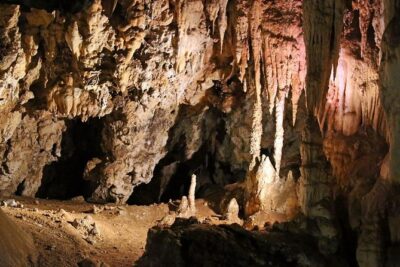
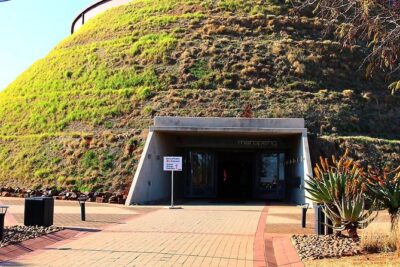
The Cradle of Humankind is a UNESCO World Heritage Site in Gauteng, about 50 kilometers northwest of Johannesburg. It covers roughly 47,000 hectares and contains an extensive system of limestone caves. The area is important because it has produced a large concentration of ancestral human remains.
The Cradle changes the tone of the day. After Lesedi’s singing, dancing, and social presentation, you turn to fossils, archaeology, geology, and human evolution. The subject is not only local. It asks where our species came from and how scientists build that story from bones, caves, and other evidence.
The museum is the practical focus at present. The caves are closed because of flooding, so you should not book expecting an underground tour. The museum can still provide an educational visit, but the amount of time and exact format may vary depending on the day’s schedule and conditions.
This is where timing matters. One solo visitor was dropped at the museum around 9 a.m. and arrived early enough to avoid school groups. That person ended up with a private-style experience because no other customers joined the pickup. You cannot count on the same arrangement, but an early arrival may make the museum easier to enjoy.
Some people may find the Cradle less impressive than expected if they arrive hoping for dramatic cave exploration. That disappointment is understandable, especially while the caves remain closed. I would frame this stop as a museum and science visit set within a major archaeological site, not as a cave adventure.
How the two stops complement each other
The best reason to combine these places is the change in scale. Lesedi asks you to think about present-day communities, cultural identity, and the ways traditions are shared. The Cradle asks you to think across immense stretches of time, using scientific evidence to trace human ancestry.
That pairing gives the day more substance than either attraction alone. Lesedi is social and expressive. The Cradle is academic and reflective. You get a glimpse of how people live and represent culture today, then consider the much older story of human development in the same broader region.
The guide is important here. A good guide can explain the difference between cultural heritage and archaeological evidence without treating either stop as a checklist. Albert has been praised for discussing history, politics, flora, fauna, peoples, and traditions. Billy has been praised for local insight, and Gabriel for answering questions and keeping the visit informative.
Guides are individuals, so the experience will not be identical every time. The operator is Pure Diamond Tours, and the tour promises a professional guide, but a particular guide cannot be guaranteed unless confirmed directly.
Timing, group size, and comfort
The planned duration is about seven hours. That sounds generous, but the day includes pickup, driving, two major attractions, and a Lesedi program lasting about three hours. A late start can quickly reduce your time at one or both sites.
The stated maximum is 15 people. That is small enough for questions and a less crowded vehicle than a large coach, but the actual group can be much smaller. Solo visitors have sometimes found themselves alone with the driver, effectively receiving a private outing.
The tour requires a moderate level of physical fitness. The information provided does not promise a fully accessible route, so ask the operator about current walking requirements if you have mobility concerns. The Cradle site and village program may involve walking between areas, and conditions can change with weather.
Weather matters for another reason. The experience requires good weather and may be canceled if conditions are poor. In that case, you will be offered another date or a full refund. The caves are a separate issue: their closure is due to flooding, not simply the day’s weather.
Bring comfortable clothing for a long day, and consider the season when thinking about air-conditioning. Hot weather can be unpleasant in an older vehicle. Since lunch is not included, confirm where and when you will eat, and budget for that separately.
Safety and service details worth checking
Most of the information points to guides who are friendly, attentive, and careful with solo passengers. One solo visitor felt safe throughout the drive, and another couple hired Albert for extra touring after their first day. That suggests the guide can add real value when communication is clear.
There was also a serious roadside complaint involving people claiming to be police and asking for stamped passports. The operator said the matter was reported to the traffic department and disputed the vehicle-registration concern. I cannot resolve what happened, but the incident is worth noting because it shows why you should keep your passport secure and ask your guide to handle official roadside interactions.
Do not hand over your original passport casually. Keep a photocopy or secure digital copy available, and ask who is requesting documents and why. If a situation feels threatening or confusing, stay with the group and contact your accommodation or local authorities when safe.
Service can also vary when the schedule is disrupted. One delayed day reportedly caused part of the Lesedi program to be missed. Another account described a rainy-day medical incident that affected timing. These are not ordinary features of the tour, but they show that a seven-hour plan has little spare time.
Who should book this experience
I would choose this tour if you want a guided introduction to South African culture and human origins in one day. It fits first-time visitors, families, solo visitors, and anyone who prefers a planned route instead of arranging transport between out-of-town sites.
It suits you best if performances, cultural interpretation, and museum learning appeal to you equally. The Lesedi program is the stronger choice for music, dancing, food, and social contact. The Cradle is the better choice for fossils, human evolution, and a UNESCO-listed site.
I would hesitate if your main goal is to explore the Cradle’s caves. They are closed because of flooding, and that closure removes one of the site’s most obvious draws. I would also think twice if you need guaranteed premium transportation, exact timing, or a fully private tour.
At $101.01, the tour is reasonable when pickup, entrance fees, guiding, and the full two-stop schedule all work as planned. It is less attractive if you miss part of Lesedi, spend the day in an uncomfortable vehicle, or receive too little time at the Cradle. Confirm the current cave status, pickup time, vehicle expectations, and lunch arrangements before paying.
Should you book the Lesedi and Cradle tour?
Book it if you want a well-rounded Johannesburg day trip with strong cultural programming, a chance to see the countryside, and a guide who can explain South Africa beyond surface facts. Lesedi is likely to be the most enjoyable stop, while the Cradle adds serious educational value.
Skip it, or choose a different arrangement, if underground caves are essential, if transport comfort is a top priority, or if you have only a narrow window and cannot tolerate delays. For everyone else, this is a useful pairing, provided you confirm the current conditions and accept that the day’s quality depends heavily on the vehicle, guide, and schedule.
Free cancellation is available up to 24 hours before the start time. Cancellations within 24 hours are not refunded, and changes within that period are not accepted. The operator may also cancel for poor weather or if the minimum group size is not reached, with another date, another experience, or a full refund offered.
FAQ
How long does the tour last?
The experience lasts about seven hours, including the visits to Lesedi Cultural Village and the Cradle of Humankind.
What is included in the price?
The price includes pickup, admission tickets, all fees, and taxes. A mobile ticket is available, and group discounts are offered.
Is lunch included?
No. Lunch is not included in the tour price, although the Lesedi program includes an opportunity to eat as part of the visit.
Are the Cradle of Humankind caves open?
No. The caves are currently closed because of flooding. The Cradle visit therefore focuses on the museum and the wider site experience.
How many people can join the tour?
The maximum group size is 15 people. The actual group may be smaller, and a solo booking may sometimes operate with only the driver and one participant.
Is pickup available?
Yes. Pickup is offered, and the tour is near public transportation.
What level of fitness is needed?
A moderate level of physical fitness is recommended. The provided information does not specify a fully accessible route, so contact the operator if you need details about walking or mobility requirements.
Can I cancel for a full refund?
Yes, if you cancel at least 24 hours before the experience start time. Cancellations or changes made less than 24 hours before departure are not refunded. If poor weather or an insufficient number of bookings causes cancellation, you will be offered another date, another experience, or a full refund.
Just listed around Johannesburg
- Constitutional Hill and Soweto 5 hours tour.★ 5.0 · 5 reviews
- 5 Day Kruger Glamping Safari and Panorama Tour★ 5.0 · 5 reviews
- Cradle of Humankind and Maropeng Day Tour from Johannesburg★ 4.0 · 5 reviews
- Johannesburg: Hot Air Balloon Flight★ 5.0 · 5 reviews
- Half Day Soweto and Apartheid Museum Guided Tour★ 5.0 · 5 reviews
- Lion park★ 4.5 · 5 reviews
- 5 Day Kruger National Park and Panorama Route Safari★ 4.5 · 5 reviews
- Pretoria Historical Tour★ 4.0 · 5 reviews
Cradle of Humankind Tours, compared.
Maropeng Cradle of Humankind Museum &Sterkfontein Cave Experience
Read our review →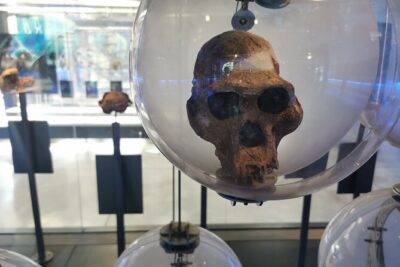
Cradle of Humankind, Caves or Maropeng, Rhino and Lion Park
Read our review →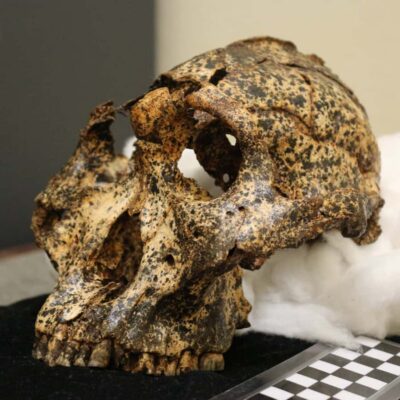
Cradle of Humankind Tour with Lion Safari from Johannesburg
Read our review →
Pretoria/Sandton: Cradle of Humankind & Sterkfontein Caves
Read our review →
Lesedi Cultural Village and Cradle of Humankind Tour
Read our review →
Cradle of Humankind Tour – Sterkfontein Caves with Maropeng Tour
Read our review →Browse the lists this tour appears in