Reviewed · CAPE TOWN TOURS
Cape Town: Great African Sea Forest Guided Snorkel
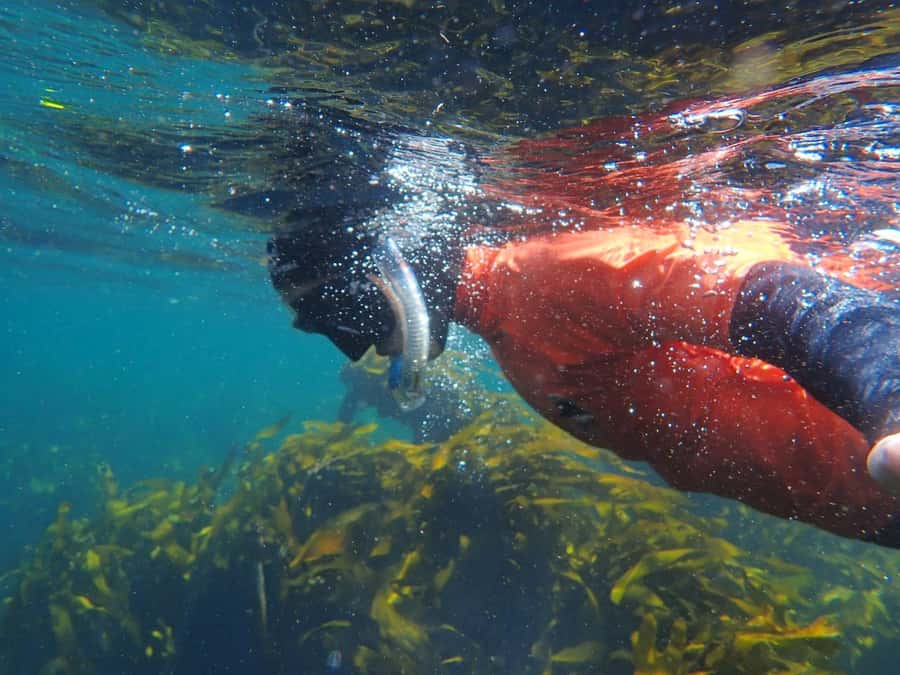
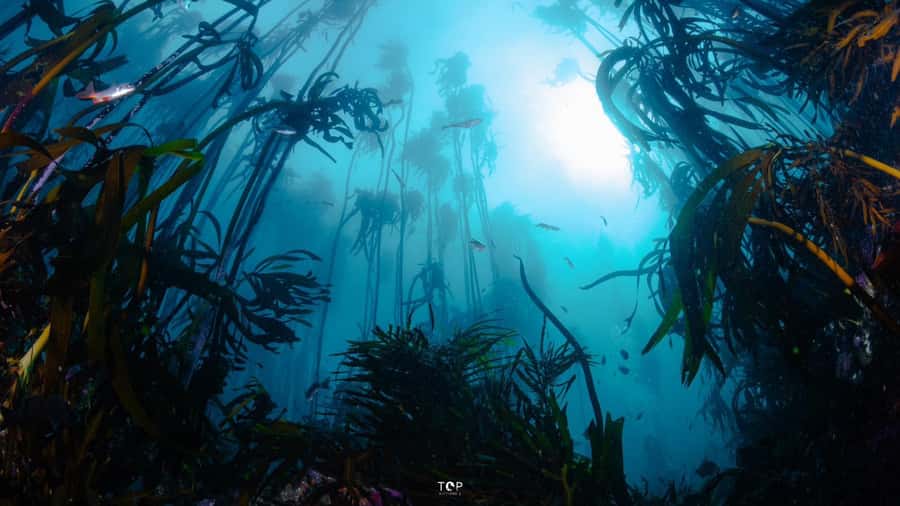
Cape Town’s Great African Sea Forest is no coral garden. It is a swaying underwater woodland, packed with kelp, sea urchins, octopus, abalone, starfish, and small endemic sharks. I like that the tour turns wildlife spotting into real shark research, and I like the calm, detailed briefings from guides such as Mark the Shark, Danni, Danny, and Megan.
The main catch is that this is not always easy surface snorkeling. At low tide, the best views may be in 5 to 6 meters of water, and you may need to swim under kelp to see much of the seafloor. Shark sightings are possible, not promised, and the water and weather can shape the experience.
Key points to know before you book
- Shark research with a purpose: Help collect photo identification of an endemic shark species rather than simply passing through the forest.
- Small groups of up to eight: The guide can keep a close eye on you and point out creatures that are easy to miss.
- A real kelp forest, not a coral reef: Expect tall sea plants, changing visibility, and marine life tucked among the fronds.
- Guides lead the experience: Mark the Shark, Danni, Danny, and Megan have been singled out for clear explanations and careful support.
- Photos and FinSpotter access included: You receive underwater pictures and can follow shark sightings through the app.
- Two hours in all conditions: Bring swimwear and a towel, and be ready to enter the water in rain or sunshine.
A sea forest unlike a tropical reef
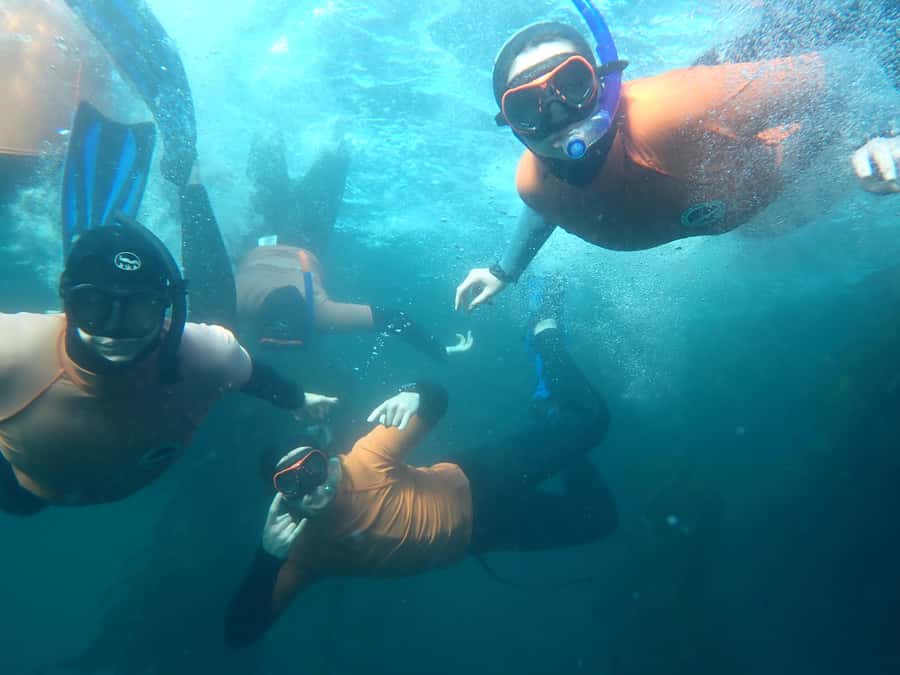
If your snorkeling experience comes mostly from Indonesia or the Caribbean, reset your expectations before entering False Bay. You will not find bright coral heads here. Instead, you get a living kelp forest that sways around you and creates shelter for a surprising range of animals.
That difference is the point. The kelp gives this outing a sense of place. You are not looking at a familiar tropical scene transplanted to South Africa. You are learning how the local coast works, with its own plants, animals, and conservation challenges.
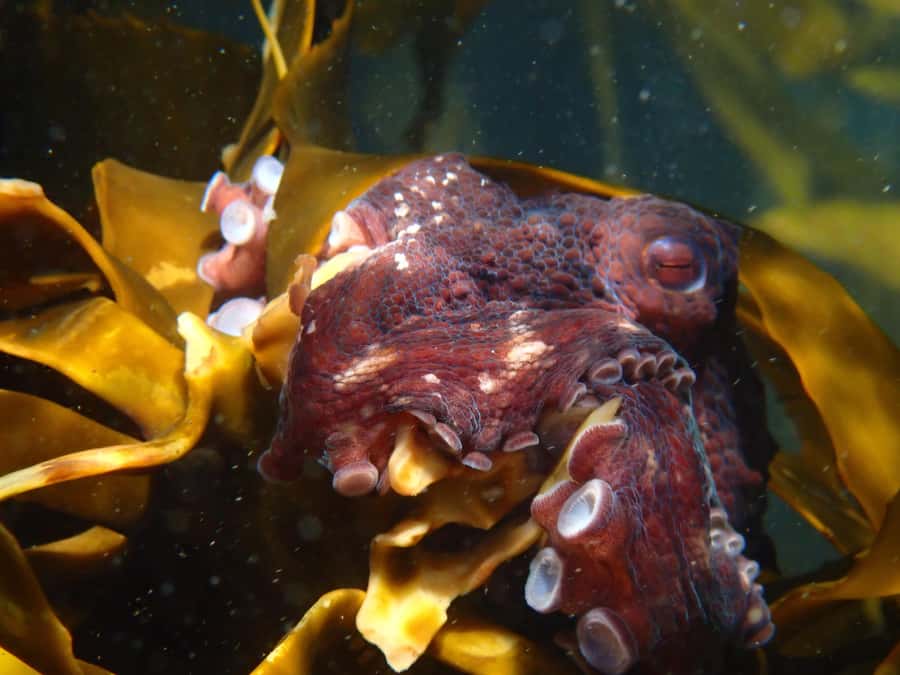
I particularly like the way the experience treats the kelp as an ecosystem, not just scenery. The guide explains how octopus hunt, where shysharks tend to hide, and why sea urchins sometimes wear bits of shell or other objects as hats. Those details make the animals easier to notice and remember.
The setting can also make this a more active form of snorkeling. One useful warning is that staying on the surface may reveal less of the seabed. If conditions allow and you are comfortable in the water, moving through the kelp and looking beneath its upper layer can show you much more.
A few more Cape Town days worth comparing
- Wine Tour: Paarl, Franschhoek & Stellenbosch incl 3 wineries
★ 5.0 · 3,940 reviews - Cape Town: Hop-On Hop-Off Bus Tour with Optional Cruise
★ 4.8 · 3,929 reviews - Cape Town: Cape of Good Hope & Penguins Day Tour with Pickup
★ 4.7 · 3,362 reviews
Starting at Cape RADD in False Bay
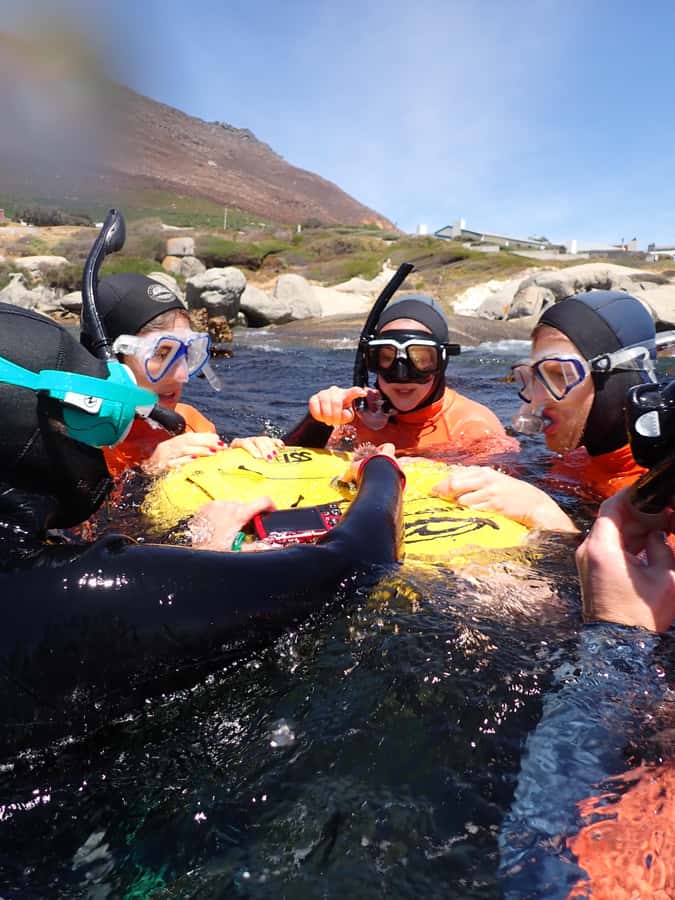
You meet inside the Cape RADD Dive Center on the shore of False Bay. This is not a large sightseeing operation. The group is limited to eight people, which matters in the water, where a large crowd can easily scare animals away or make it hard to hear instructions.
Before you put on the equipment, a marine biologist gives you an in-depth briefing about the area and the activity. This is one of the strongest parts of the outing. You learn what you are looking for, how the shark research works, how to behave around marine life, and what to expect from the kelp.
The introduction also helps you judge your own comfort level. You need to be able to swim or at least feel at ease in the water, but no high level of fitness is required. If you are nervous, say so early. Guides have been praised for taking their time, offering clear explanations, and helping people feel more confident in the kelp.
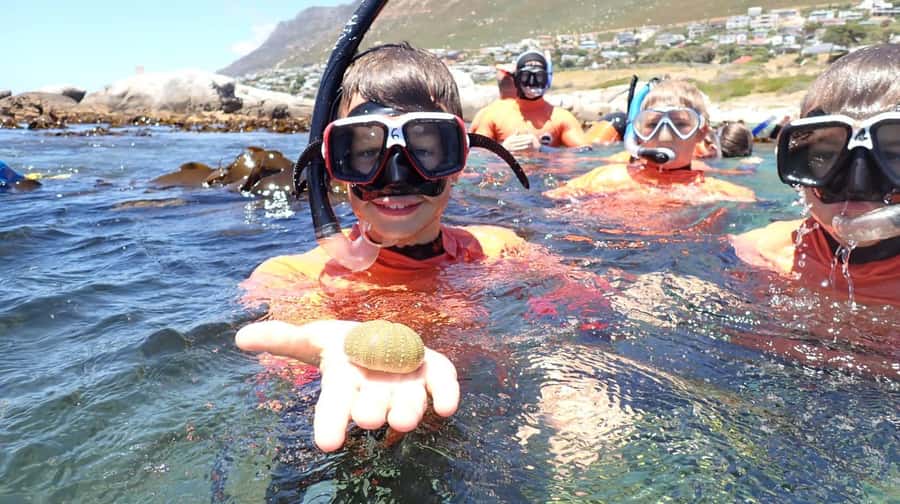
Your kit includes a mask, snorkel, fins, and wetsuit. You only need to bring swimwear and a towel. Equipment quality has received particularly strong praise, which is important here because a poor-fitting mask or thin wetsuit can spoil a short water session quickly.
Getting used to the kelp before going farther
The guide first eases you into shallower water. This section may feel modest if you already snorkel often, but it has a job to do. You can learn how the kelp moves, adjust your breathing, check your mask, and see how much effort it takes to move through the plants.
At low tide, the group may later reach water around 5 to 6 meters deep. That is where the experience can become more exciting for confident swimmers, since the kelp extends below you and the guide may point out life on the seabed. It is also where the limits become clearer. You cannot treat this like floating over a flat reef.
Some people may want more time in deeper water, while others will prefer the shallow introduction. The two-hour schedule has to serve both kinds of swimmers, and the exact balance may depend on the tide, conditions, and group comfort. You should not book expecting a long free-swim session focused only on depth.
The sea itself is another variable. This activity runs rain or shine, but that does not mean every outing feels the same. A calm, clear session may give you excellent views through the kelp. Rougher or less clear conditions can make animal spotting harder. That uncertainty is part of wild-water snorkeling, not a flaw unique to this tour.
Looking for shysharks, octopus, and urchins
The guide does much of the hard work. Kelp can look like a wall of brown-green stems to an untrained eye, but an experienced marine scientist knows where to pause and what shapes deserve a second look.
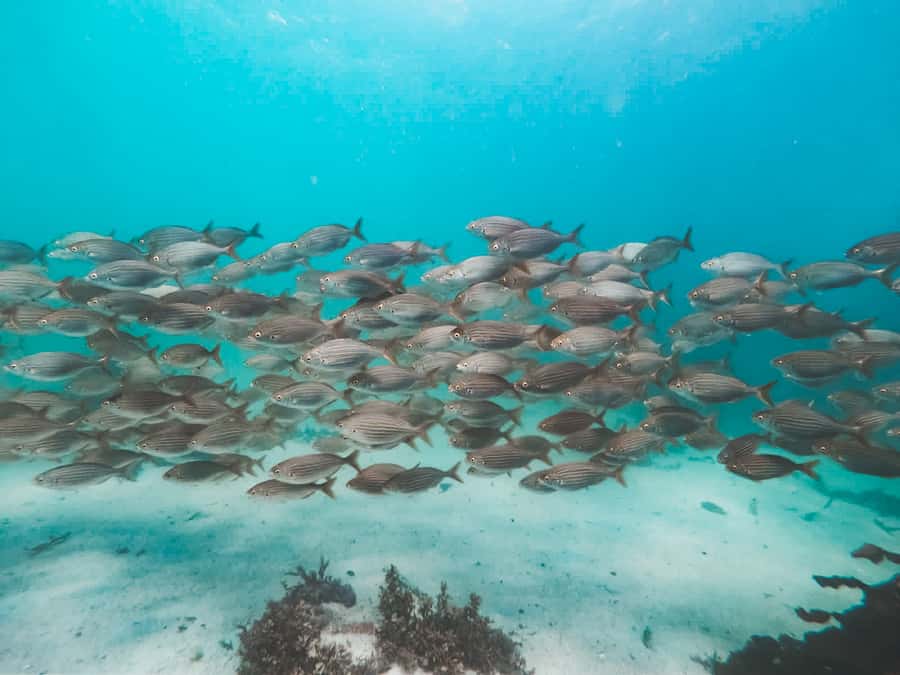
You might find a small octopus tucked into cover, sea stars resting among the plants, abalone, colorful urchins, and other small marine life. The guide does not simply point and move on. You get context about how the creatures behave and fit into the wider forest.
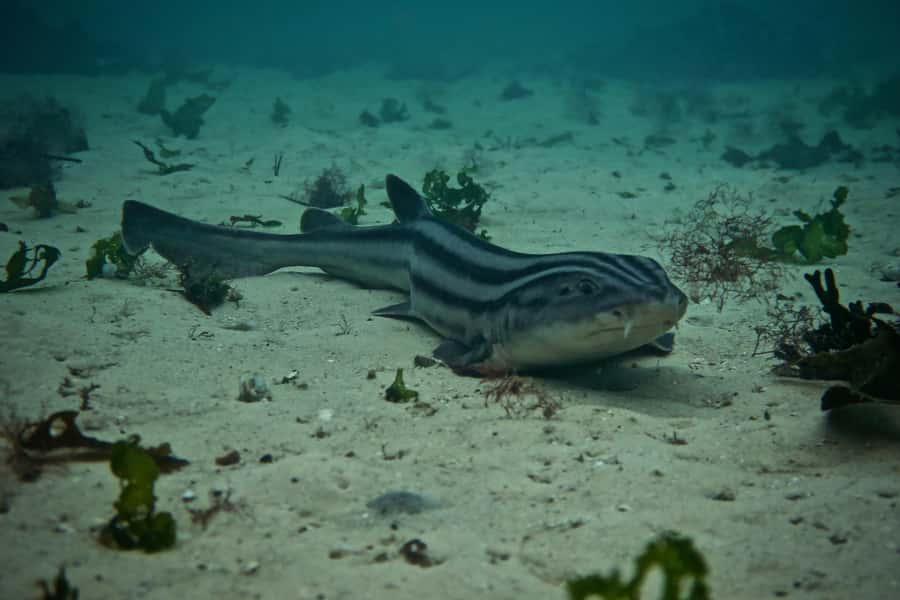
Shysharks are a special target. They are elusive, so you may not see one, but the search itself teaches you how local animals use shelter. The guide can show you likely hiding places and explain what makes the species worth studying.
The word friendly can sound a little too casual when applied to sharks, so keep the right attitude. These are animals to observe with care, not pets to chase or touch. The aim is to find them, photograph them, and let the guide manage the encounter.
One session may produce an octopus and several sharks. Another may bring plenty of smaller sea life but no shark at all. That was the clearest limitation in the experience: sightings are never guaranteed. If you need a certain animal for the outing to feel worthwhile, this may not be the best choice.
A different side of Cape Town altogether:
- Zipline Cape Town – From Foot of Table Mountain Reserve
★ 5.0 · 3,179 reviews - Cape Town: Table Mountain Cable Car, Hop-On Hop-Off Bus Tour
★ 4.6 · 3,157 reviews - Cape Point and Boulder’s Penguins Full Day Tour
★ 5.0 · 3,118 reviews - From Cape Town: Cape Point & Boulders Beach Full-Day Tour
★ 4.8 · 3,032 reviews
Turning a shark sighting into useful research
The research element gives the tour more weight than a standard wildlife swim. When you help locate an endemic shark and collect photo identification, you are contributing observations that can support marine science and conservation work.
The guide explains how to recognize and photograph the animal. Your task is not to handle it or interfere with it. You help document identifying marks so the research team can track individuals and learn more about the local population.
This is a small role, but it changes how you look at the water. Instead of waiting for the guide to produce a spectacle, you become part of the search. You watch more closely, listen for instructions, and understand why a quick photograph can have value beyond being a holiday souvenir.
The FinSpotter app adds a useful follow-up. You receive special access to keep up with your shark sightings, so the encounter does not end as soon as you leave the water. The activity also names you an Ocean Ambassador in recognition of your assistance with research.
I would not book this solely for the title or the app. The research is most valuable when paired with genuine curiosity. If you like learning how fieldwork happens, this is one of the best reasons to choose the tour.
Why the guide makes such a difference
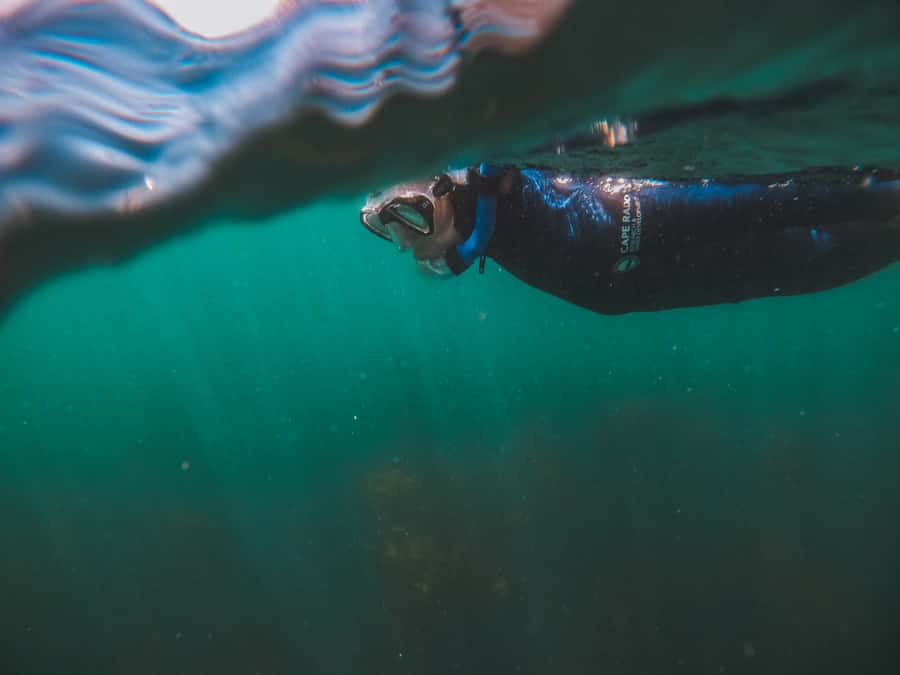
The quality of the explanation is a repeated strength of this experience. Mark the Shark has been praised for a strong opening presentation and careful attention to the group. Danni and Danny are noted for their understanding of the local ecosystem, while Megan has been singled out for making the outing rewarding and providing photos.
Names can change with the schedule, so you may not get a particular guide. What matters is the role itself: a marine biologist leads the session, rather than a guide who only handles equipment and directions.
That expertise is especially useful underwater. The guide can identify species, explain behavior, direct you toward places worth checking, and help you stay calm in the kelp. The small group also gives you a better chance of hearing the explanation and asking questions.
The briefing continues after the water time. This is a smart feature. Once you are dry and thinking back over what you saw, the conservation message can connect the individual animals to the condition of the forest and the work being done in False Bay.
Photos make a practical souvenir
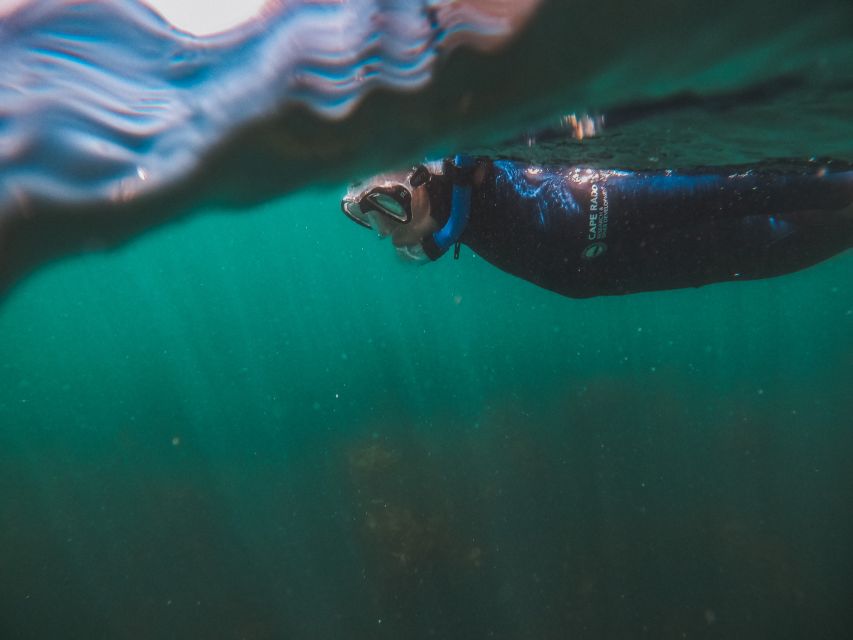
Photos are included, and this is more valuable than it might sound. Taking your own picture while managing a mask, snorkel, fins, and moving kelp is not easy. You may end up with a blurry plant and half a fin.
Underwater images give you a record of the creatures you actually saw, including possible sharks, octopus, urchins, or sea stars. They also help you share the research side of the outing without reducing it to a lecture.
Do not assume the photographs will capture every moment or every participant equally. Water conditions, animal movement, and group position all matter. Still, included photos add meaningful value to a $74 experience, especially when combined with the guide, equipment, briefing, and research activity.
Is two hours enough for $74?
At $74 per person, the tour is priced as a compact guided wildlife and conservation experience, not simply as equipment rental. You get two hours, a marine biologist, wetsuit and snorkeling gear, photos, a detailed briefing, small-group attention, and a chance to assist with shark identification.
I see the price as reasonable if you value interpretation and purpose. You are paying for someone to help you notice what you would probably miss alone. You also avoid the cost and trouble of bringing specialist equipment.
The value is less clear if you want a long, relaxed swim or a guaranteed shark encounter. Two hours can feel short once you account for briefing, gearing up, entering the water, and returning. One experienced participant would have preferred another 15 minutes in the water, though colder conditions might have made that extra time less appealing.
Think of it as a focused introduction to the Sea Forest. It is enough time to learn, look around, and take part in research, but not a full-day expedition.
Who should book this False Bay snorkel?
I would recommend it to you if you:
- Like wildlife more than staged animal encounters
- Want a marine biology lesson alongside your water activity
- Are comfortable swimming in open water
- Prefer a small group to a busy boat excursion
- Enjoy learning about conservation through direct participation
- Are curious about kelp forests and local South African marine life
It is also a good choice for a first kelp-forest snorkel, provided you are realistic about the water. The guide can help you get comfortable, and the activity does not demand a high fitness level.
I would hesitate if you are expecting tropical reef colors, very warm water, guaranteed sharks, or effortless surface viewing. The kelp can block your view, the conditions can change, and seeing more of the seafloor may require comfort below the surface.
The tour is not suitable for children under 10, pregnant women, people with mobility impairments, or people over 95. English is the instructional language.
Practical details that affect your day
Bring swimwear and a towel. All major snorkeling equipment is supplied, including the wetsuit, mask, snorkel, and fins.
Allow yourself to be flexible about the weather and sea conditions. The outing operates in rain or sunshine, so do not plan it only as a backup for a bad-weather day. You need to accept that the sea may shape what you see.
The group size is capped at eight, a useful limit for safety and for wildlife watching. Starting times vary, so check availability when booking. You can cancel up to 24 hours ahead for a full refund, and the reserve-now, pay-later option can help if your Cape Town schedule is still shifting.
Should you book the Great African Sea Forest snorkel?
Book it if you want more than a quick look at marine animals. The strongest part is the combination of a real kelp ecosystem, a marine biologist’s guidance, and a simple but meaningful role in shark research. The included photos and FinSpotter access add value, while the Ocean Ambassador recognition gives the experience a clear conservation purpose.
Skip it if you want a guaranteed shark sighting or a tropical reef-style swim. You may see sharks, octopus, and plenty of smaller creatures, but wild animals set the schedule. Go with patience, a willingness to look carefully, and comfort in moving through kelp, and the $74 price buys a memorable and unusually useful two hours in False Bay.
FAQ
Where does the snorkeling tour meet?
You meet inside the Cape RADD Dive Center on the shore of False Bay in the Western Cape, South Africa.
How long does the activity last?
The guided snorkeling experience lasts two hours. Starting times vary, so check availability for the date you want.
What equipment is included?
The tour provides a mask, snorkel, fins, and wetsuit. Bring your own swimwear and towel.
Do I need to be a strong swimmer?
You need to be able to swim or at least feel comfortable in the water. The activity does not require a high level of fitness.
Will I definitely see sharks?
No. The tour includes a chance to look for and photograph an endemic shark species for research, but sightings are not guaranteed. You may also see octopus, sea urchins, sea stars, abalone, and other marine life.
Is the tour suitable for children?
It is not suitable for children under 10 years old. It is also not suitable for pregnant women, people with mobility impairments, or people over 95 years old.
Just listed around Cape Town
- Cape Town: Inspiring sustainable change through Street Art★ 4.9 · 5 reviews
- Cape Town Tandem Paragliding Square 1 Paragliding★ 5.0 · 5 reviews
- SandBoarding in Capetown + PhotoShoot★ 4.0 · 5 reviews
- Cape Town: Full-Day Private Peninsula Tour★ 3.6 · 5 reviews
- Private FULL DAY Tour: Cape of Good Hope & Boulders Beach★ 5.0 · 5 reviews
- Cape Town Full Day Family Fun With Kids Private Tour★ 4.0 · 5 reviews
- Private Tour to Aquila Game Reserve in Cape Town – see the Big5★ 5.0 · 5 reviews
- Peninsula Tour Cape Town★ 5.0 · 5 reviews
Cape Town Tours, compared.

Wine Tour: Paarl, Franschhoek & Stellenbosch incl 3 wineries
Read our review →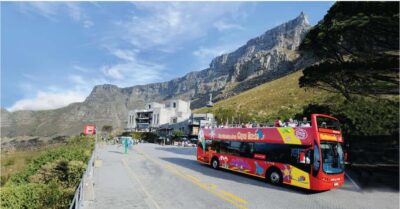
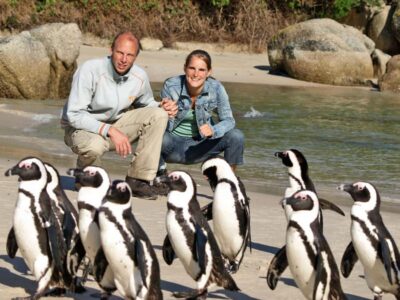
Cape of Good Hope & Penguins Day Tour with Pickup
Read our review →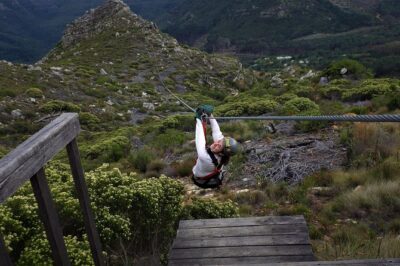
Zipline Cape Town – From Foot of Table Mountain Reserve
Read our review →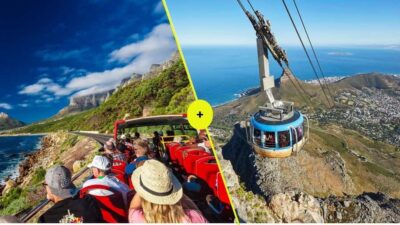
Table Mountain Cable Car, Hop-On Hop-Off Bus Tour
Read our review →
Cape Point and Boulder’s Penguins Full Day Tour
Read our review →